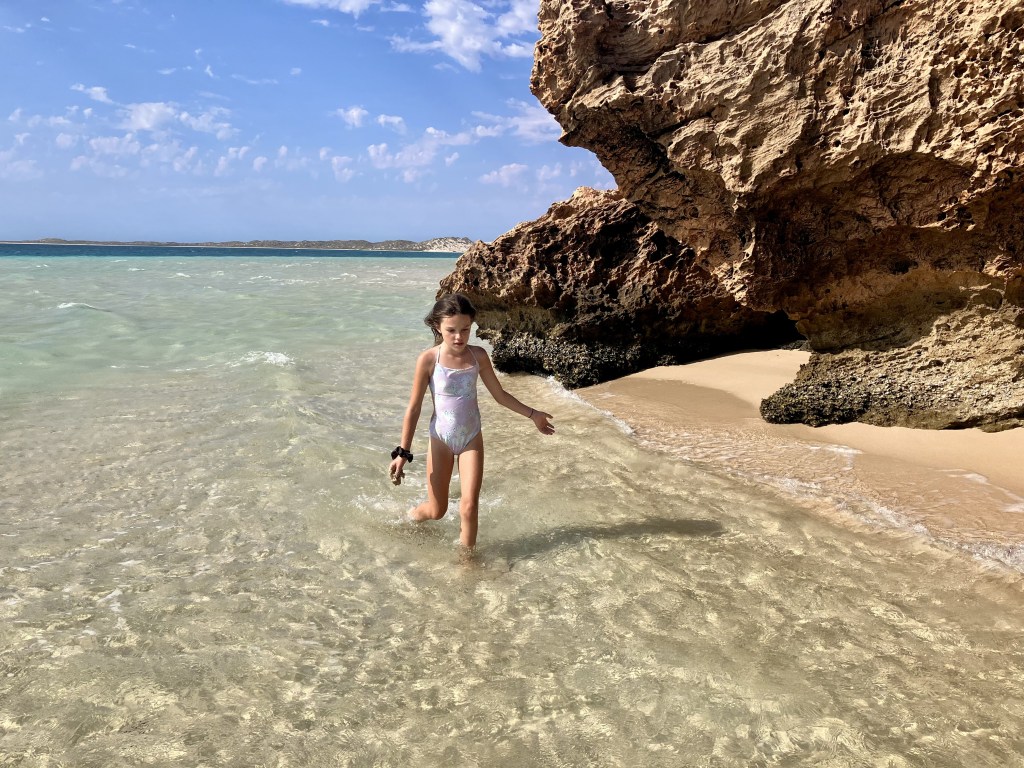
Get ready to shield your eyes because this post is bursting with light!
But don’t blame me—I’m just reporting the facts: sun, heavenly beaches, and breathtaking landscapes. This post recounts 15 unforgettable days in this remote but paradisiacal corner of Western Australia.
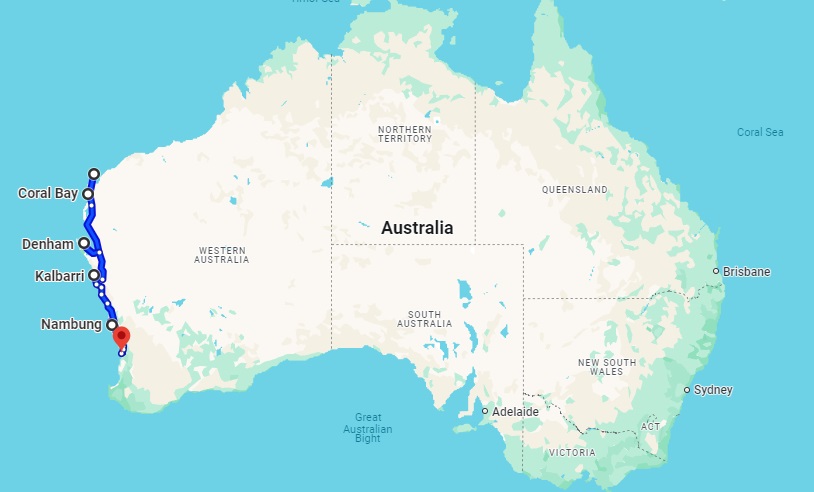
Day 13–15: Three Days of Rest in Exmouth
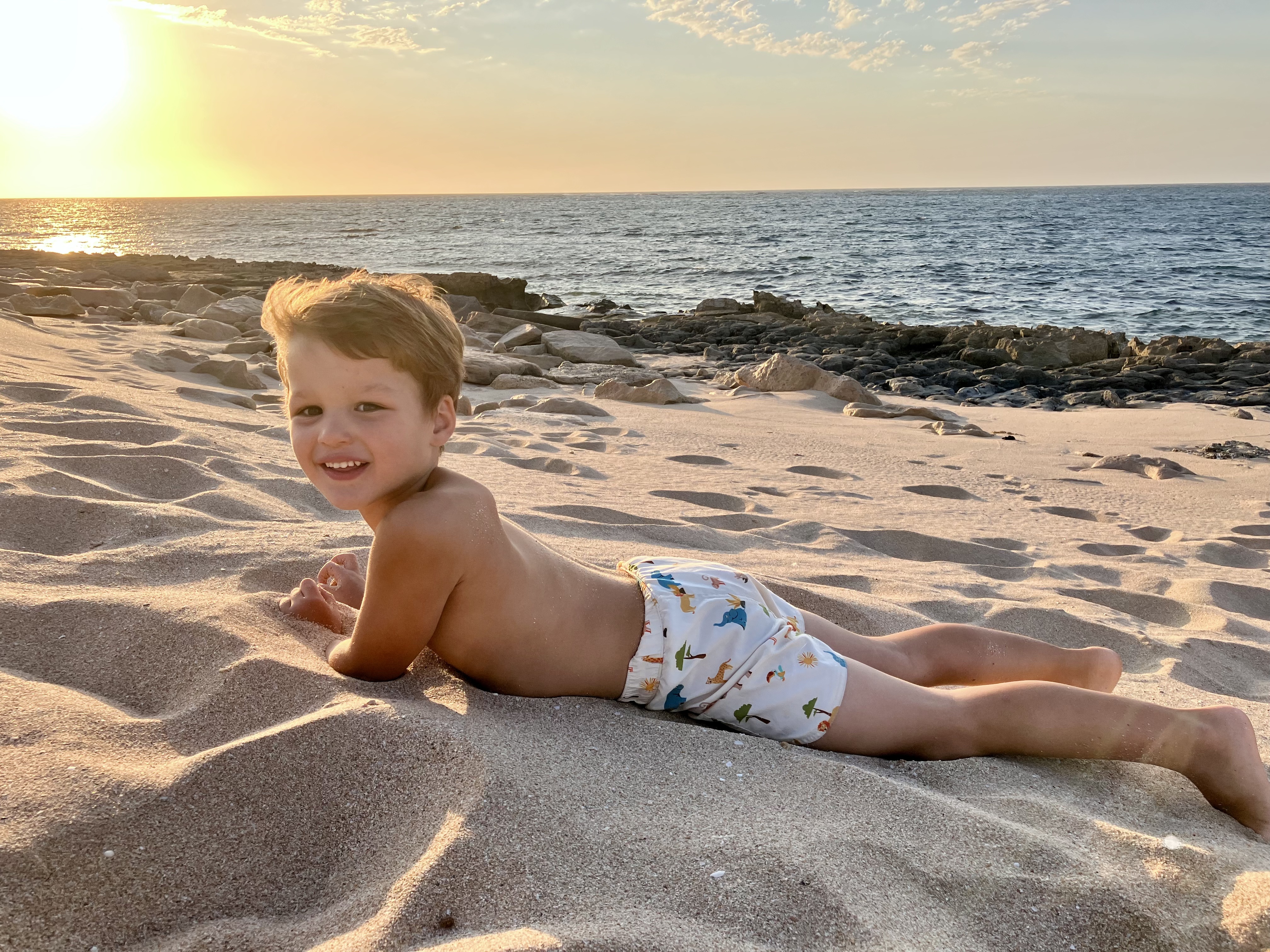
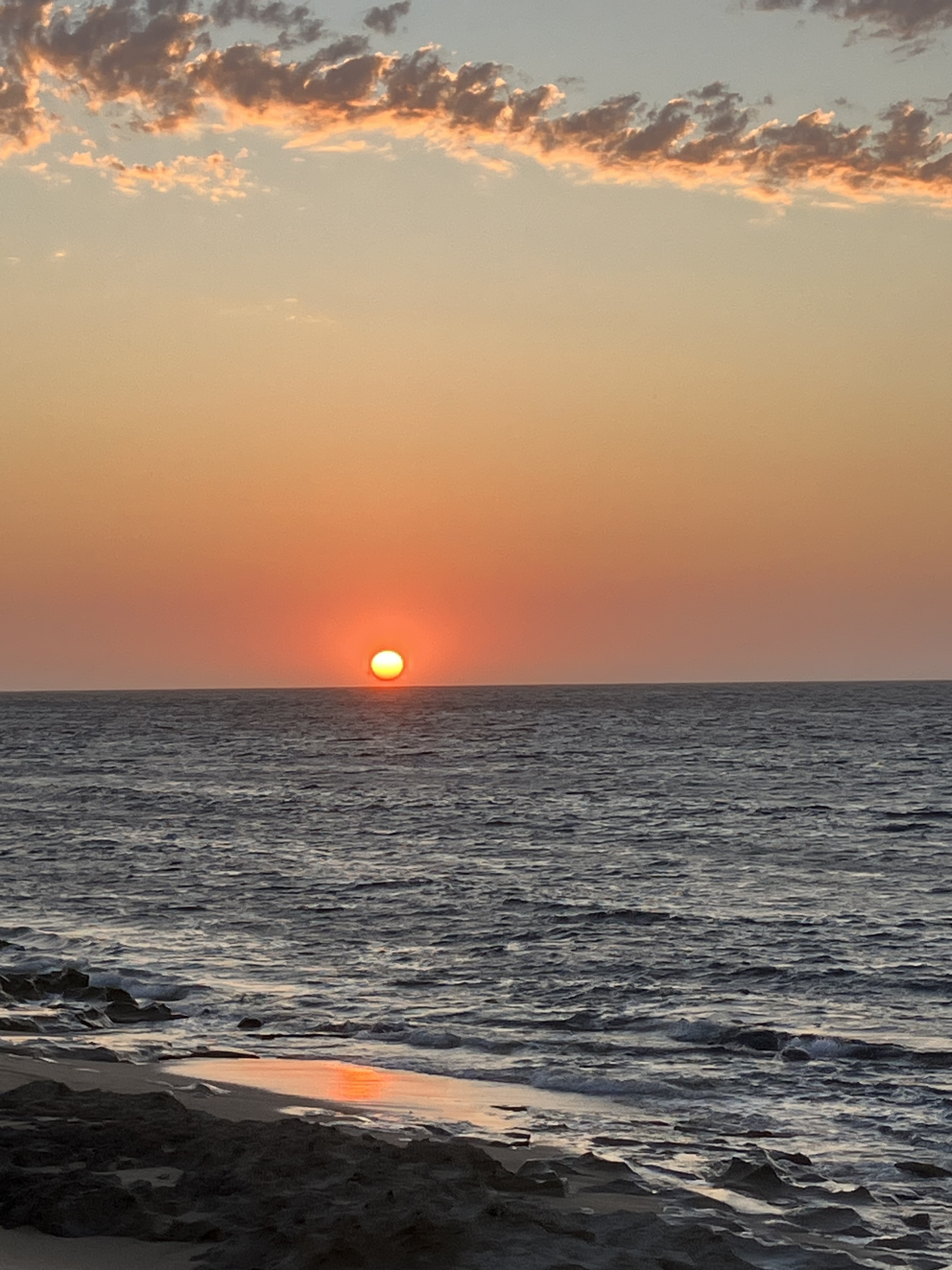
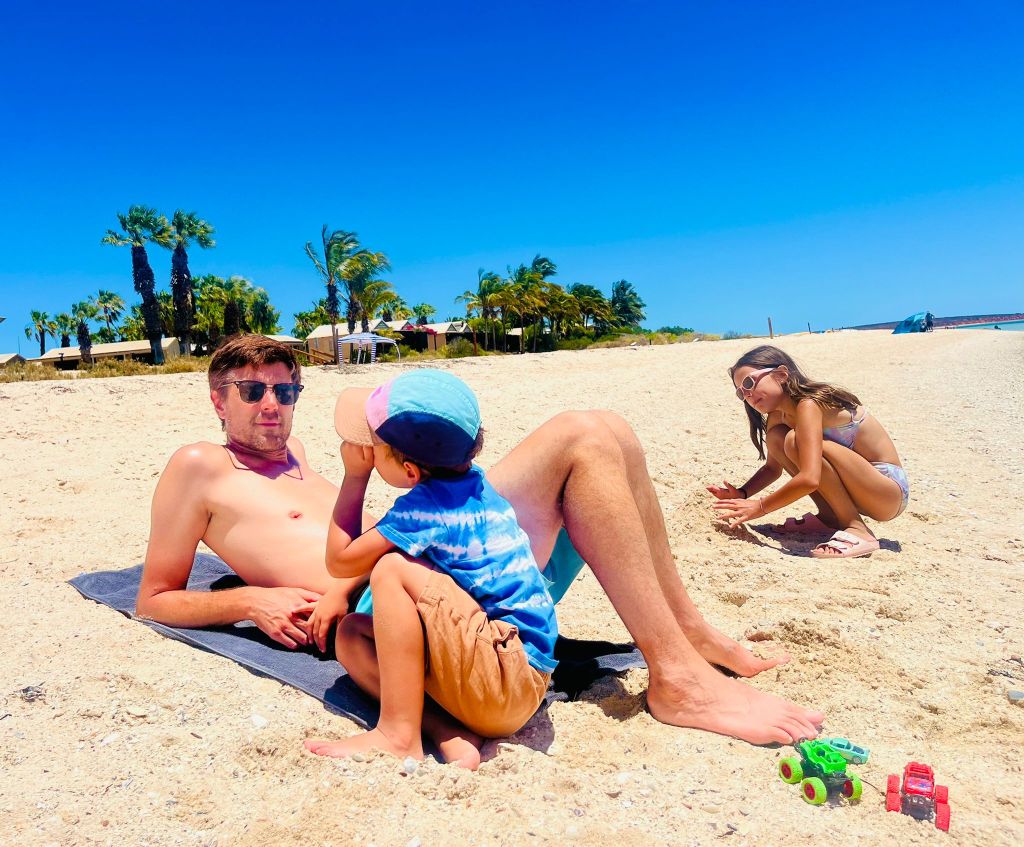
Finally, a well-deserved break after days of driving through the desert. Exmouth, a small town perched at the edge of the world on a peninsula, was built in the 1960s. A place where time seems to stand still. Visitors come here for two reasons: its endless, pristine beaches and the magnificent Ningaloo Reef, which hugs the coast. No boat needed here—just ten meters of swimming, and you’re on the reef, surrounded by colourful fish and corals. Warning for those sensitive to light: the footage might be blinding. 😉
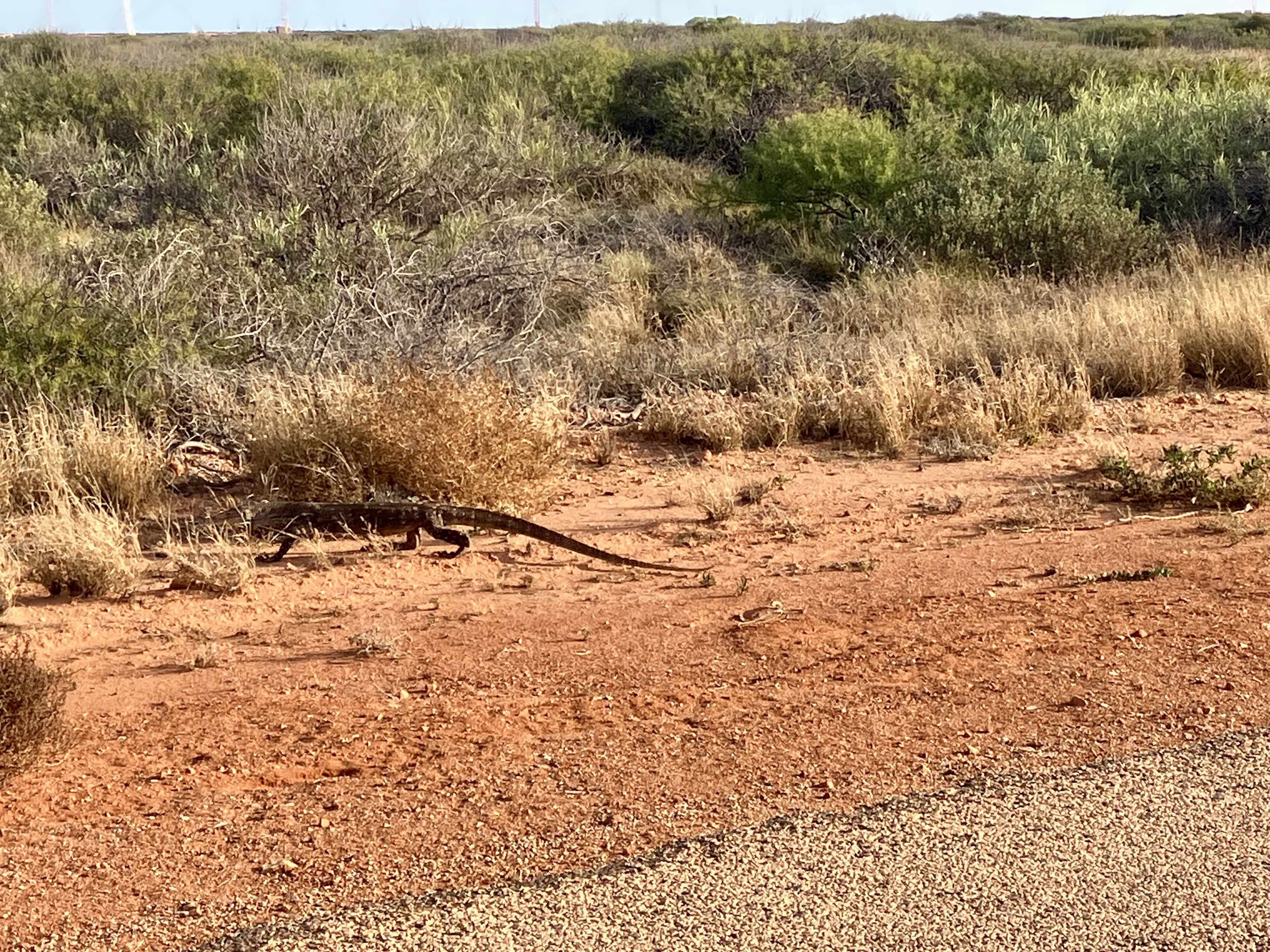
This paradise holds its fair share of surprises too. A turtle laying her eggs—a magical moment, even the kids watched in silence (a miracle in itself). Then there was this gigantic lizard casually crossing the road in front of us—easily a meter long. Nature here is stunning but also raw and untamed.

Our van, on the other hand, has officially become a mobile sandbox. White sand everywhere, and honestly, we’ve stopped trying to fight it. It’s almost funny—almost. 😉
This is our first stop on the west coast, and the Indian Ocean breeze feels like a blessing. At night, temperatures finally dip below 20°C, and during the day, we hover around 35°C. It’s relative coolness, but we’ve been so used to sweltering heat that sitting outside at 10 PM in 25°C almost feels chilly.
This pause was absolutely necessary. The relentless heat had started to wear us down, kids included. These three days in Exmouth gave us the energy we needed to fall in love with the journey again, at a slower, more relaxed pace. Sometimes, all you need is a bit of sand (even in the van), the sound of the waves, and a good night’s sleep in 20°C weather.
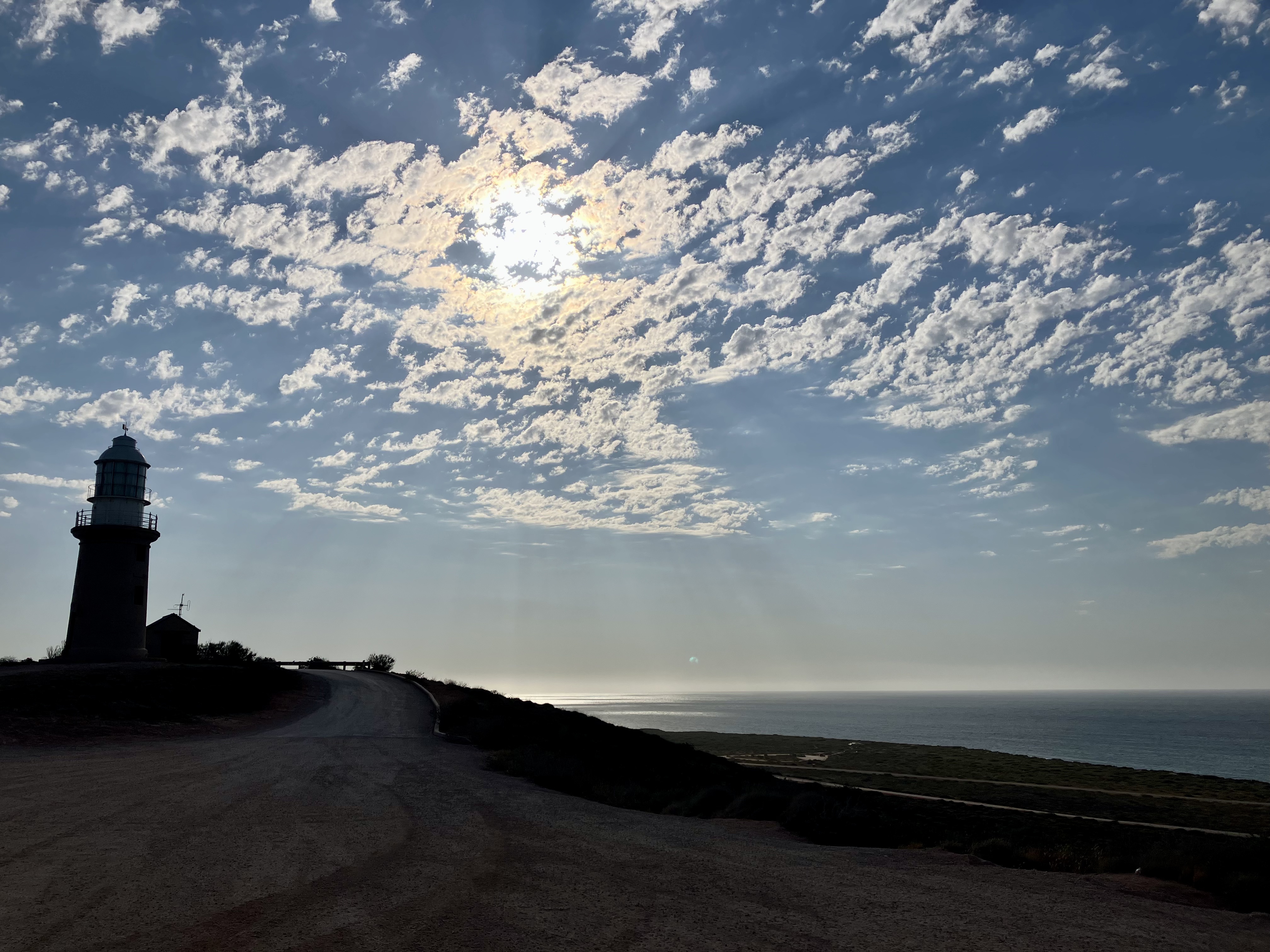
Day 16: 1.5 Hours of Driving, Exmouth → Coral Bay
For the first time since we started our journey, we’re heading decisively south. And this means one thing: cooler temperatures. (Yes, I know, for us Europeans, it’s odd to think of the south as colder.) During the first two weeks, every kilometre took us further southwest, but this time, the direction is clear.
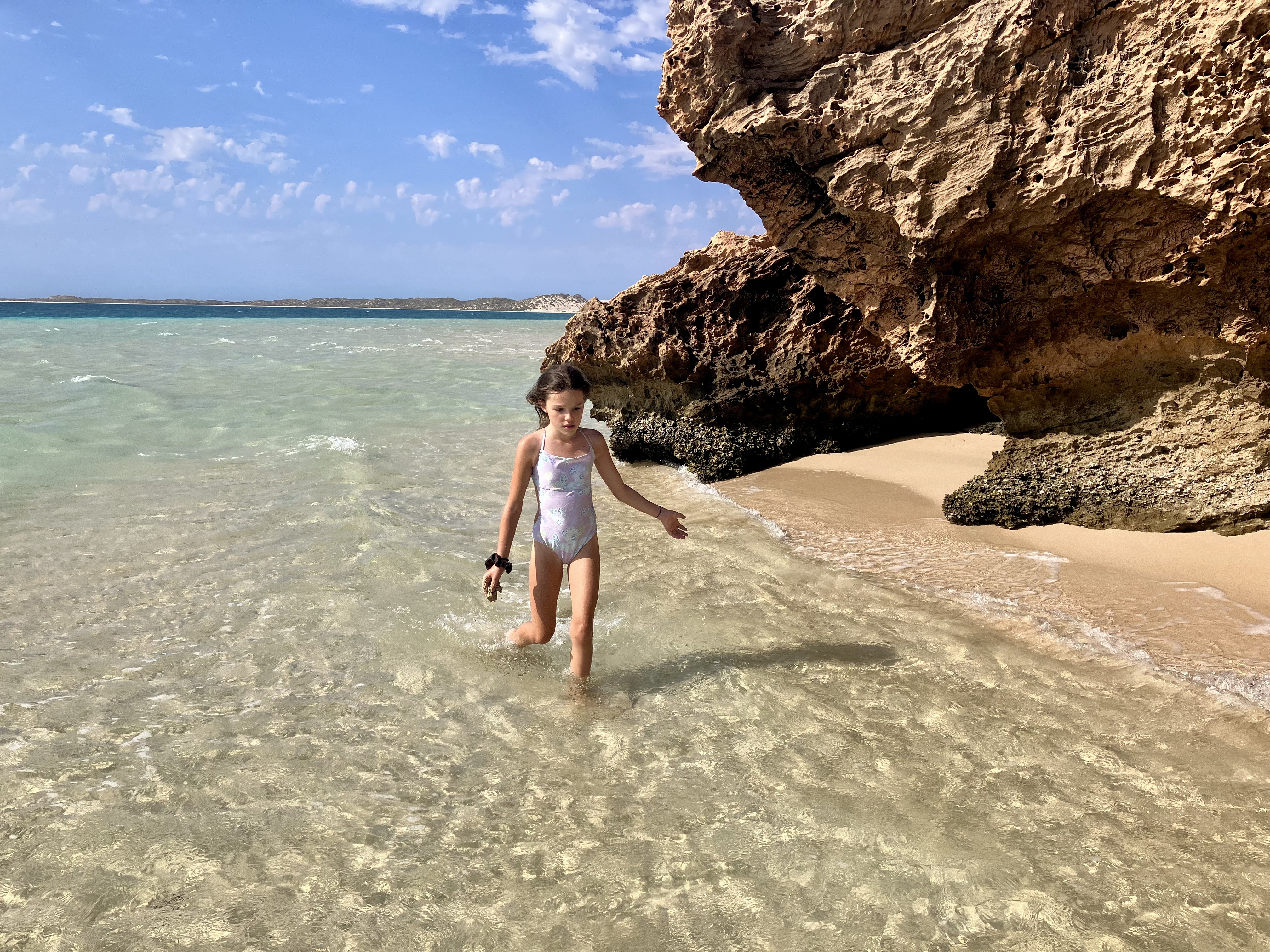
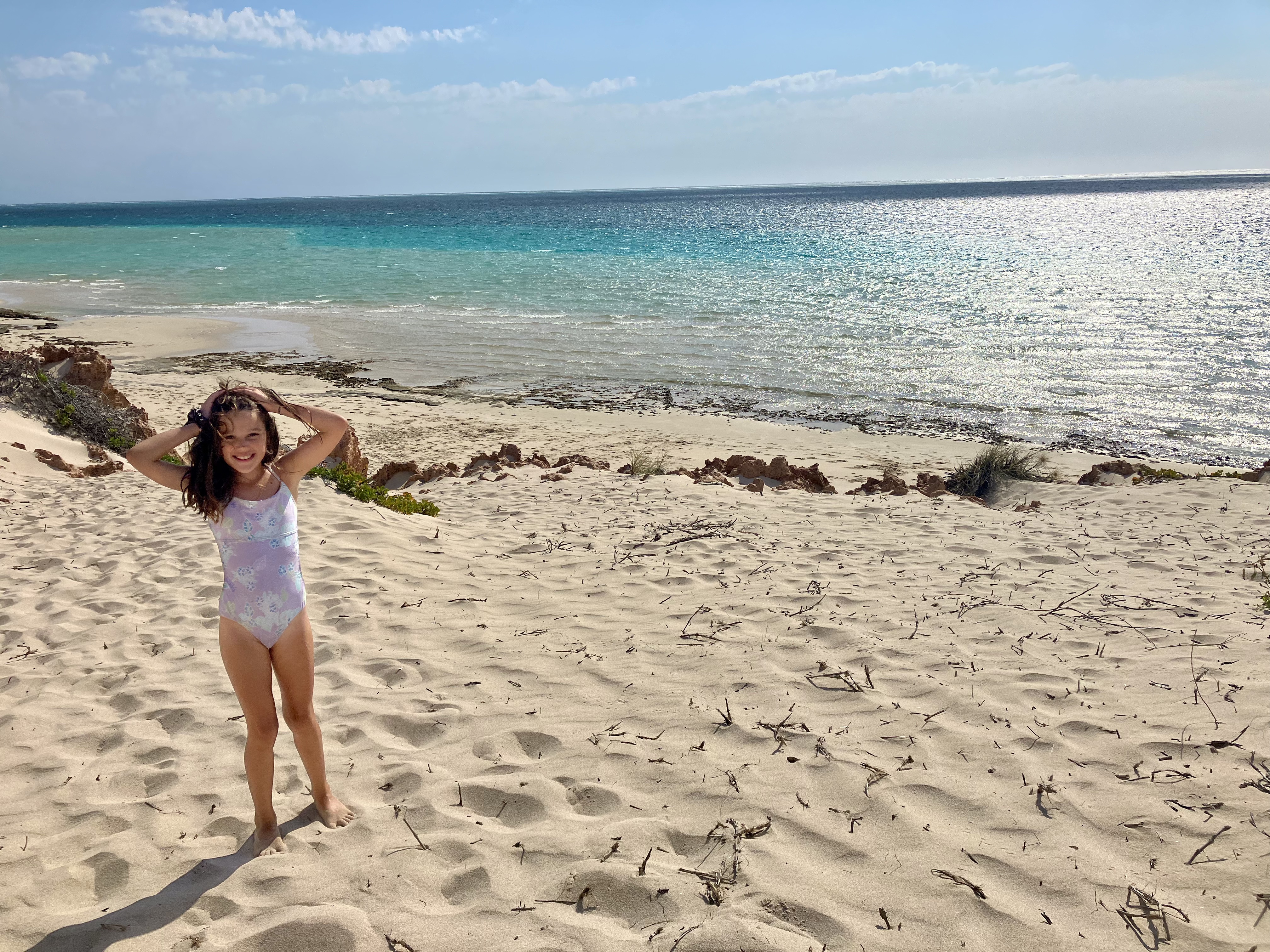
What’s on the agenda for the next few days? Over 1,250 km along the aptly named Coral Highway, a ribbon of asphalt that hugs the west coast of Australia. First stop: Coral Bay, just 1.5 hours from Exmouth. On the way, school continues in the back of the van. Nola finishes her exercises with vast desert landscapes as her backdrop. And at the destination, the ultimate reward: a heavenly sea where she can dive. She probably knows she’s lucky—but perhaps not fully yet. And us? The same. We realize we’re living something extraordinary, but there’s always that slight disconnect between the present moment and the time when we’ll truly appreciate just how lucky we are

Day 17: 2.5 Hours on the Road, Coral Bay → Carnarvon
Last night, for the first time, we had to pull out our sweaters. The seaside wind was incredibly strong. It feels like, after two weeks of scorching heat and three days of perfect weather, we’re now heading into a stretch of warm days but chilly evenings. The van is going to feel very small when the kids are tucked into bed.
After breakfast, we do the dishes, sweep out the kilos of sand lingering in our campervan, and hit the road for a 2.5-hour drive. The rest of the afternoon is spent on the mundane necessities: grocery shopping, refuelling, and laundry. Yep, traveling also means taking care of the basics.
In the evening, we have a lovely call with Nola’s fantastic teacher to discuss her progress. We’re happy to hear everything is going smoothly.
Day 18: 3.5 Hours on the Road, Carnarvon → Shark Bay
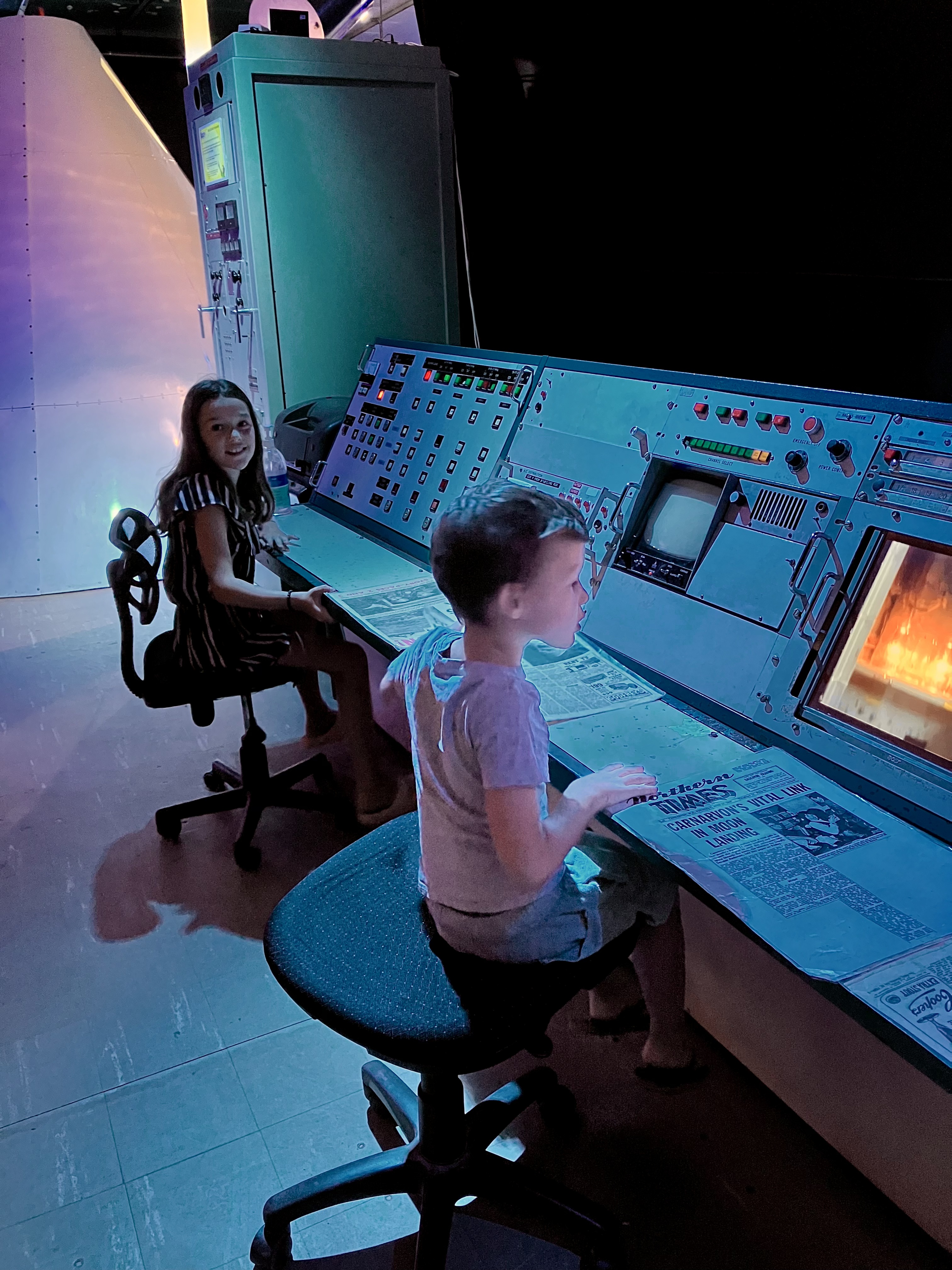
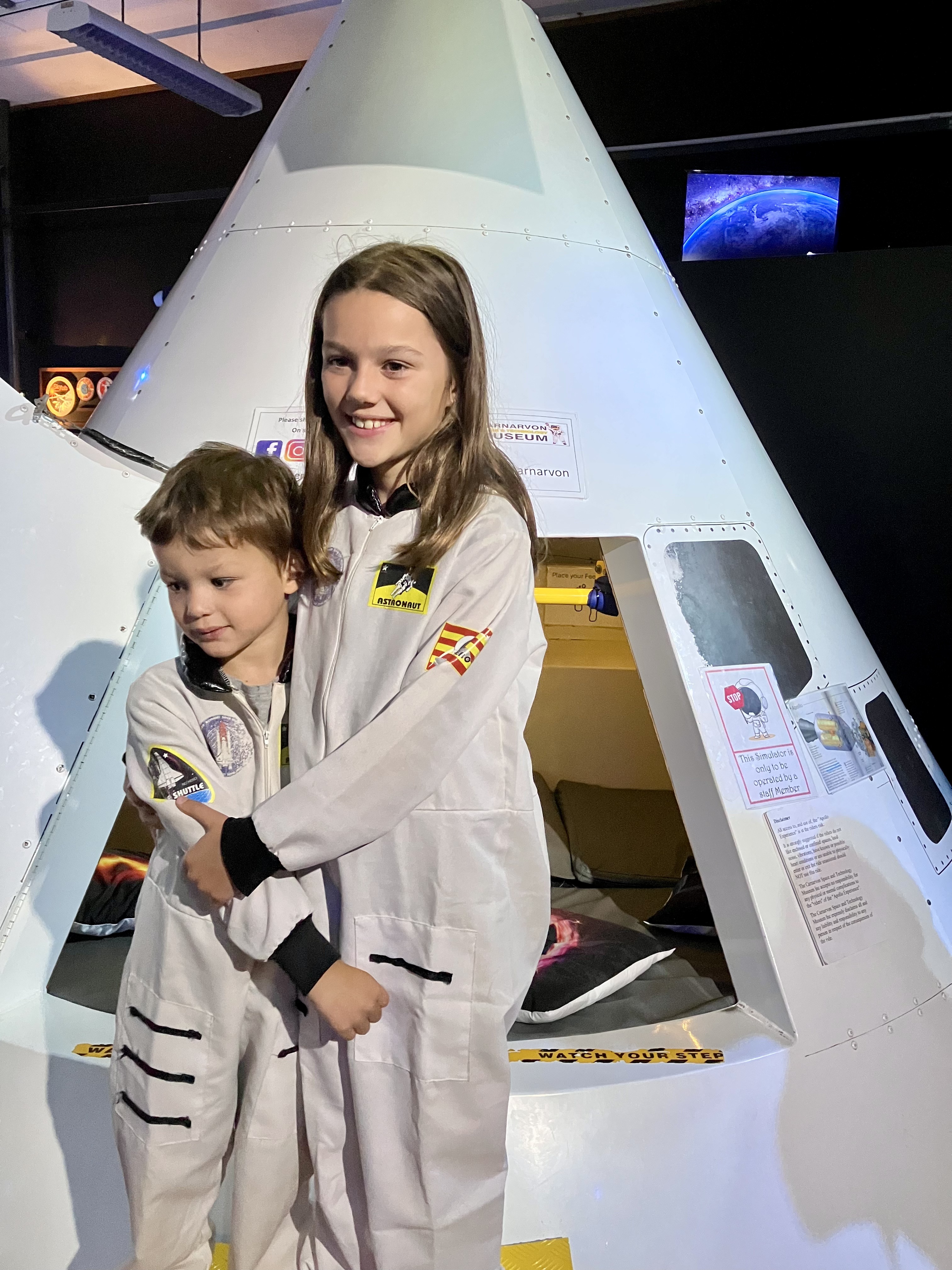
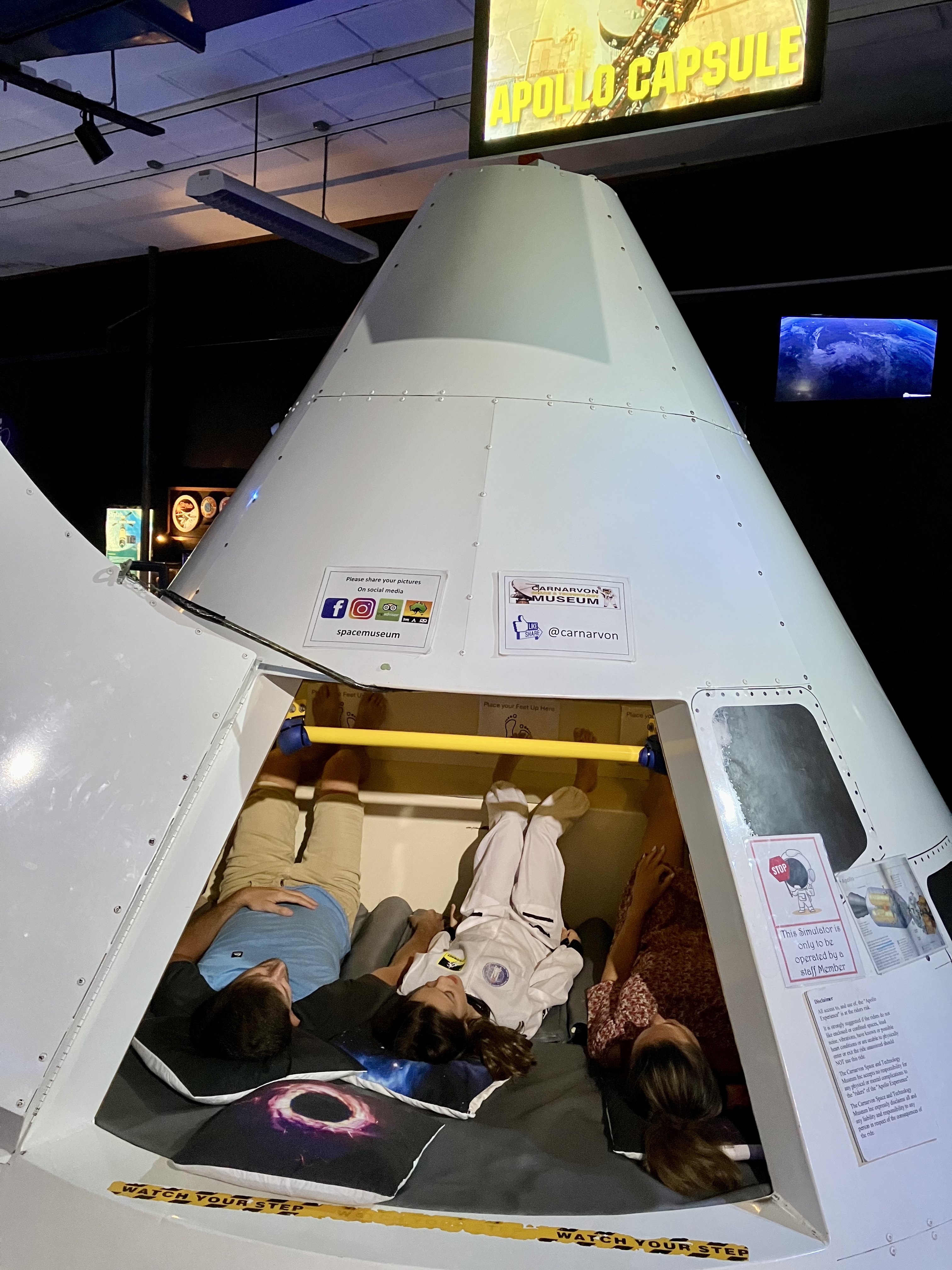
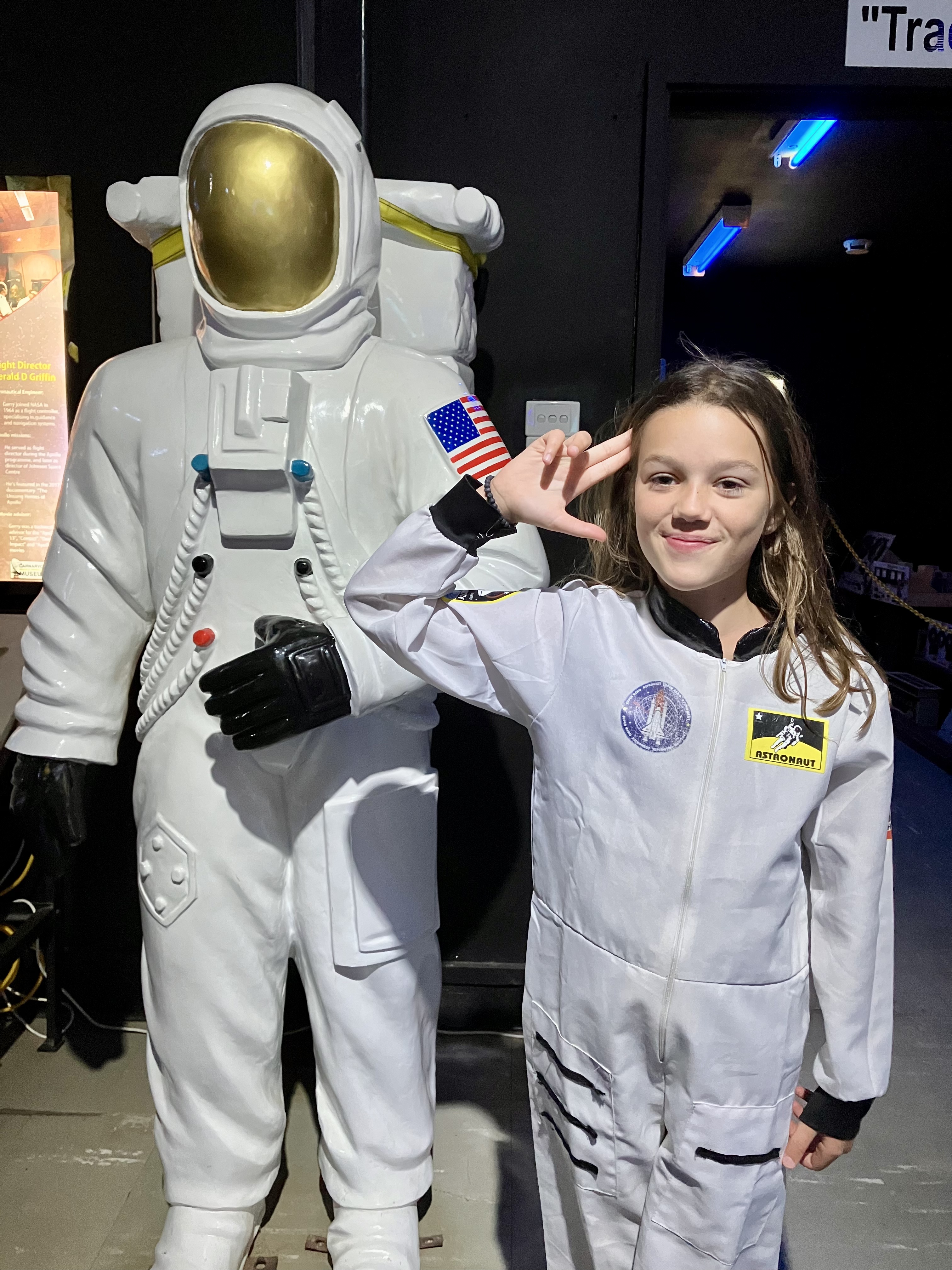
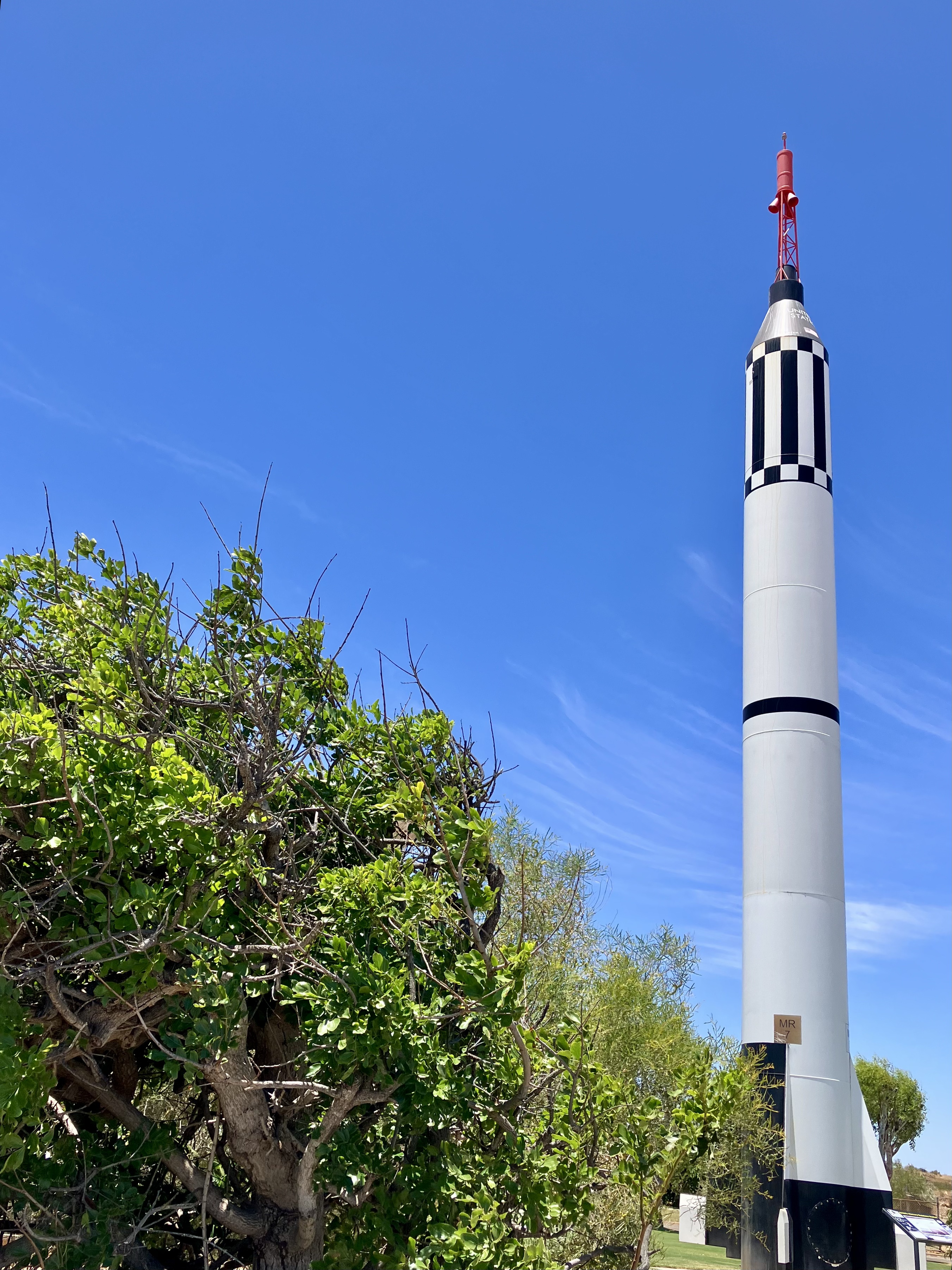
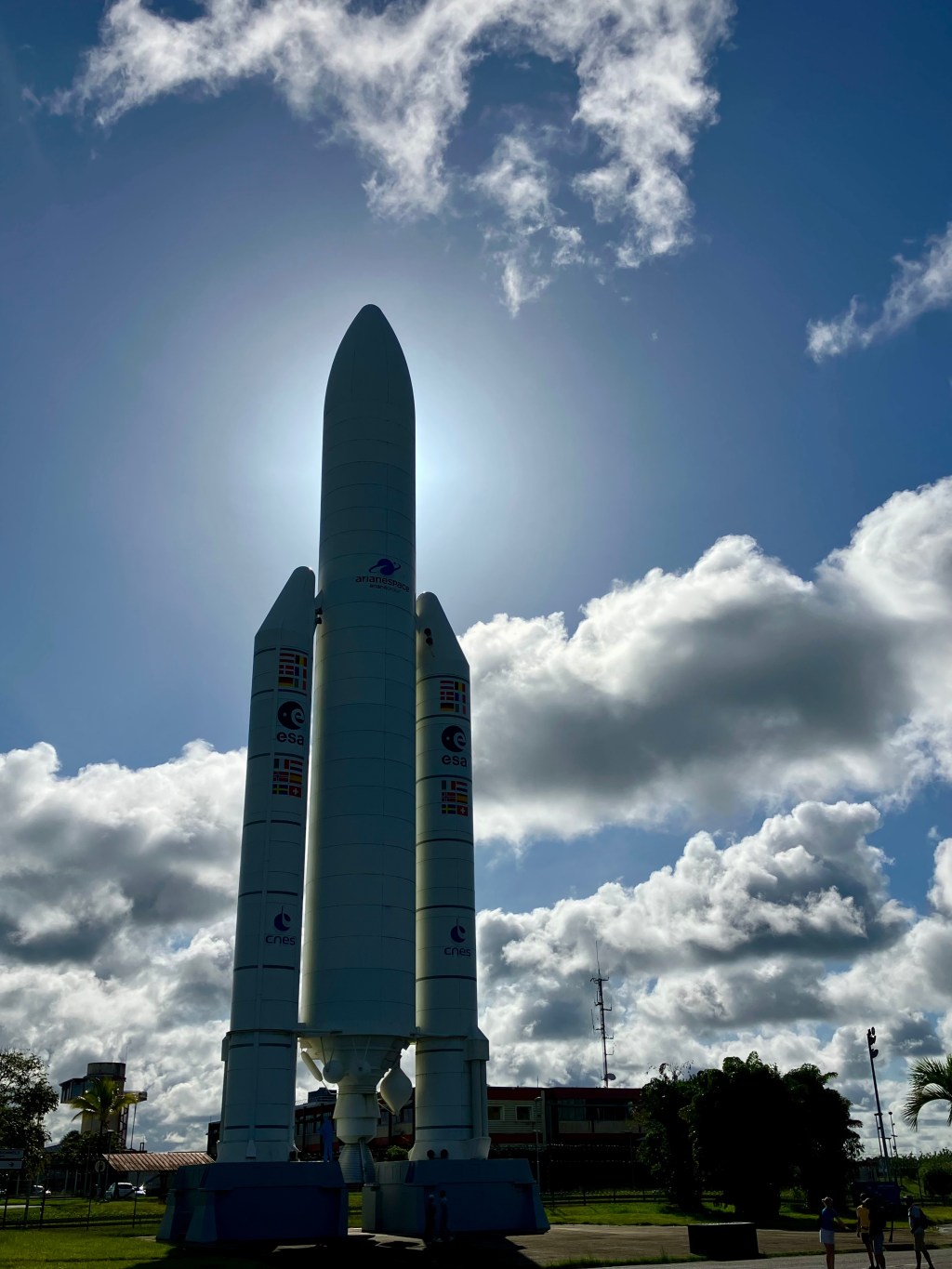
Before embarking on the 3.5-hour drive to Shark Bay, we make a quick stop at the Carnarvon Space and Technology Museum. And what a surprise: in the middle of nowhere, we find this hidden gem of a museum. Highlights include a planetarium that transports you to infinity, an immersive experience inside an Apollo capsule—the very first rocket to send men to the moon—and loads of interactive games. The kids have a blast, and we feel like astronauts ourselves.

We arrive late in the afternoon at Shark Bay, a remote peninsula that could easily feature in a documentary on Arte. The marine life here is extraordinary: 10% of the world’s dugongs live peacefully in these waters. At the campsite, it feels like a reunion among travelers. We bump into Alan and Cathy, an Australian family with three kids, whom we’ve already crossed paths with four or five times. The kids are thrilled, and we toast with the parents. Camping friendships are the best, especially when they come with a glass of wine.
Day 19: 1 Hour on the Road, Shark Bay → Monkey Mia → Shark Bay
This morning, we head to Monkey Mia, the famous spot where dolphins have been showing up every morning for the past 50 years, lured by a breakfast platter served just for them. Everyone seems to have seen them this week.
And us? No luck. They stay in the distance, taunting us with their diva-like marine acrobatics. No big deal—we’ve already swum with dolphins before, and honestly, we know we’ll see them again. That’s the luxury of traveling for a year: no need to check every box immediately.
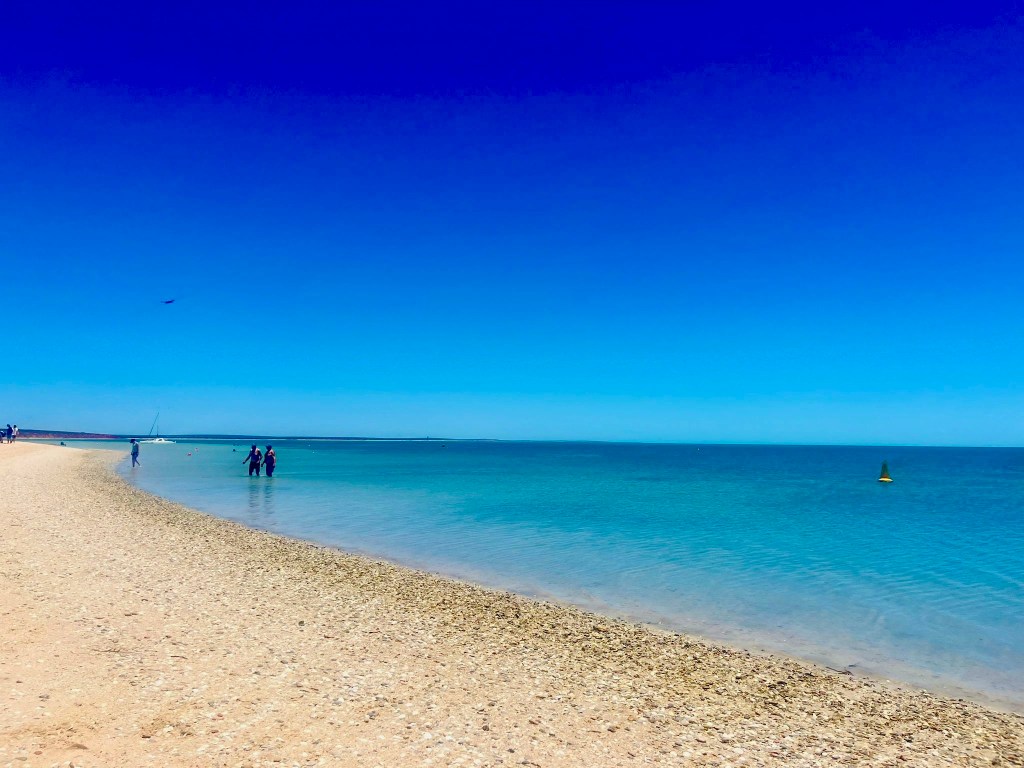
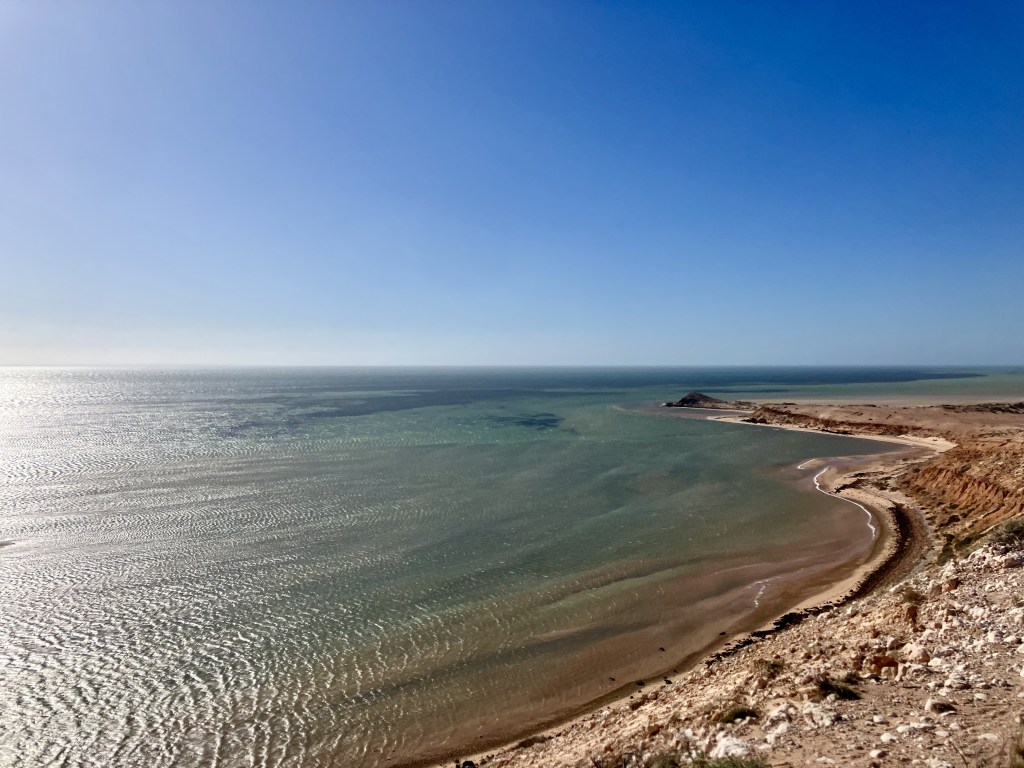
The place is magical. The coastal roads offer breathtaking panoramas with shades of blue I didn’t even know existed. Seriously, who decided the ocean could play with so many Instagram filters?
We have lunch on the beach, feet in the sand, before visiting a spectacular aquarium in the afternoon. Between the colorful fish and the fascinating stories, we realize this is the essence of vacation: sun, sea, and just enough relaxation to cultivate that golden tan that’s slowly turning us into Australian surfers.
Day 20: 4 Hours on the Road, Shark Bay → Kalbarri
Today, it’s a 4-hour drive to leave the Shark Bay peninsula. Departure at 7 a.m., solo driver mode activated. It’s my time: everyone is still asleep, lulled by the bumps of the van. No music, just the sound of the wind whistling past the van and the endless landscapes scrolling by. It’s peaceful, almost meditative—except I definitely didn’t get enough sleep. But hey, I’ll catch up later, and at least I don’t have to hear Matteo asking for the tablet every three minutes.
Last night, the van rocked like a ship in a storm. With no land between here and Africa, the wind has all the room in the world to play.
I honestly don’t know how people live here, so far from everything, with this wind constantly blowing sand into their eyes. Needless to say, it’s now way too cold to eat outside. The moment the sun sets, we’re freezing.
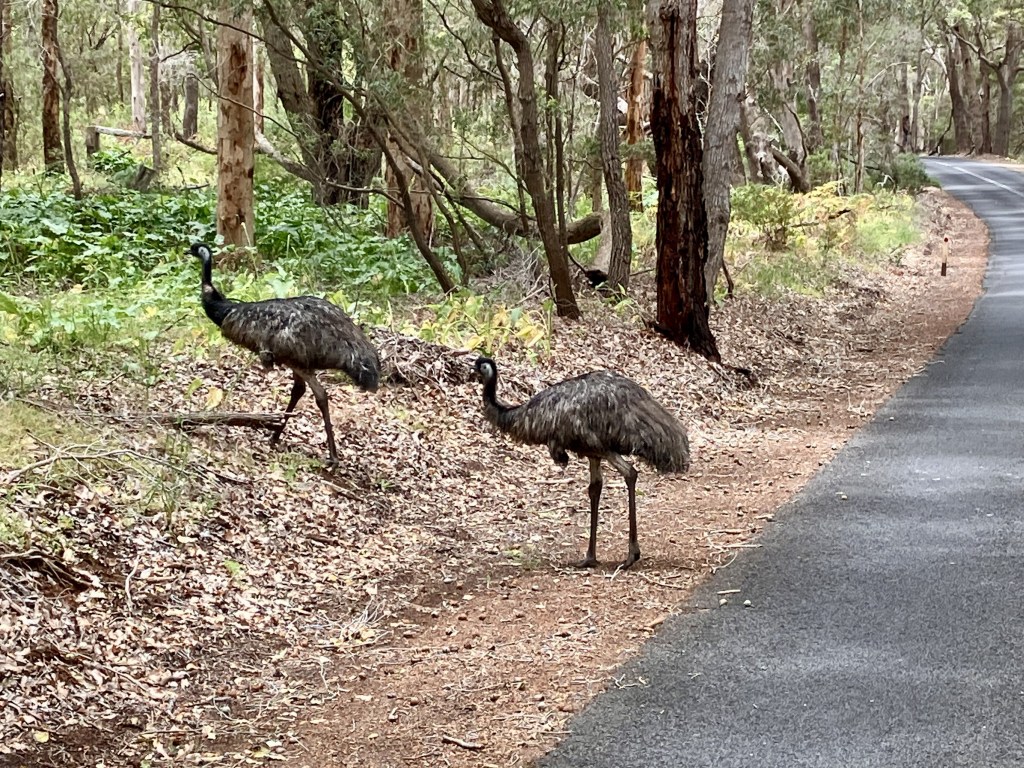
My reward this morning: emus trotting alongside the road, a giant eagle taking off just in time to avoid becoming roadkill, and a kangaroo that wasn’t so lucky (it wasn’t me that hit it). A sobering reminder that life here is tough, even for the locals.
Day 21: 2 hours of driving, Kalbarri → Geraldton
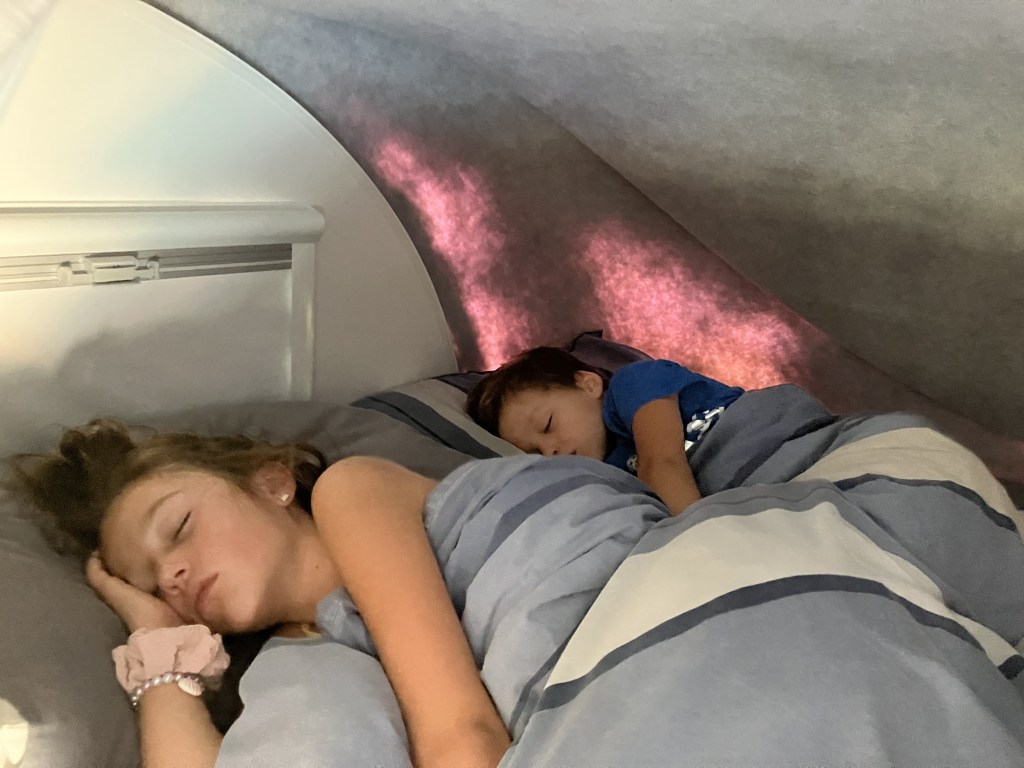
When I wake up, I make myself a cup of coffee, snap a picture of the kids, and head outside to sip my coffee while gazing at the sea. We’re already halfway through our Australian road trip, and I know what we’ll all say at the end: we absolutely loved it.
These vast open spaces, breathtaking landscapes, and the freedom of van life—even with its little inconveniences (like sleeping in a sardine can shaken by the wind).
Today, we hit a major milestone: 6,000 kilometers covered. Yes, 6,000. And yet, every single day continues to surprise me with all the incredible things we see, do, and experience. Here’s a glimpse of today:
1/ Feeding pelicans. These giant, slightly creepy birds have a pouch under their beak that can hold up to three times the amount of fish their stomach can handle.
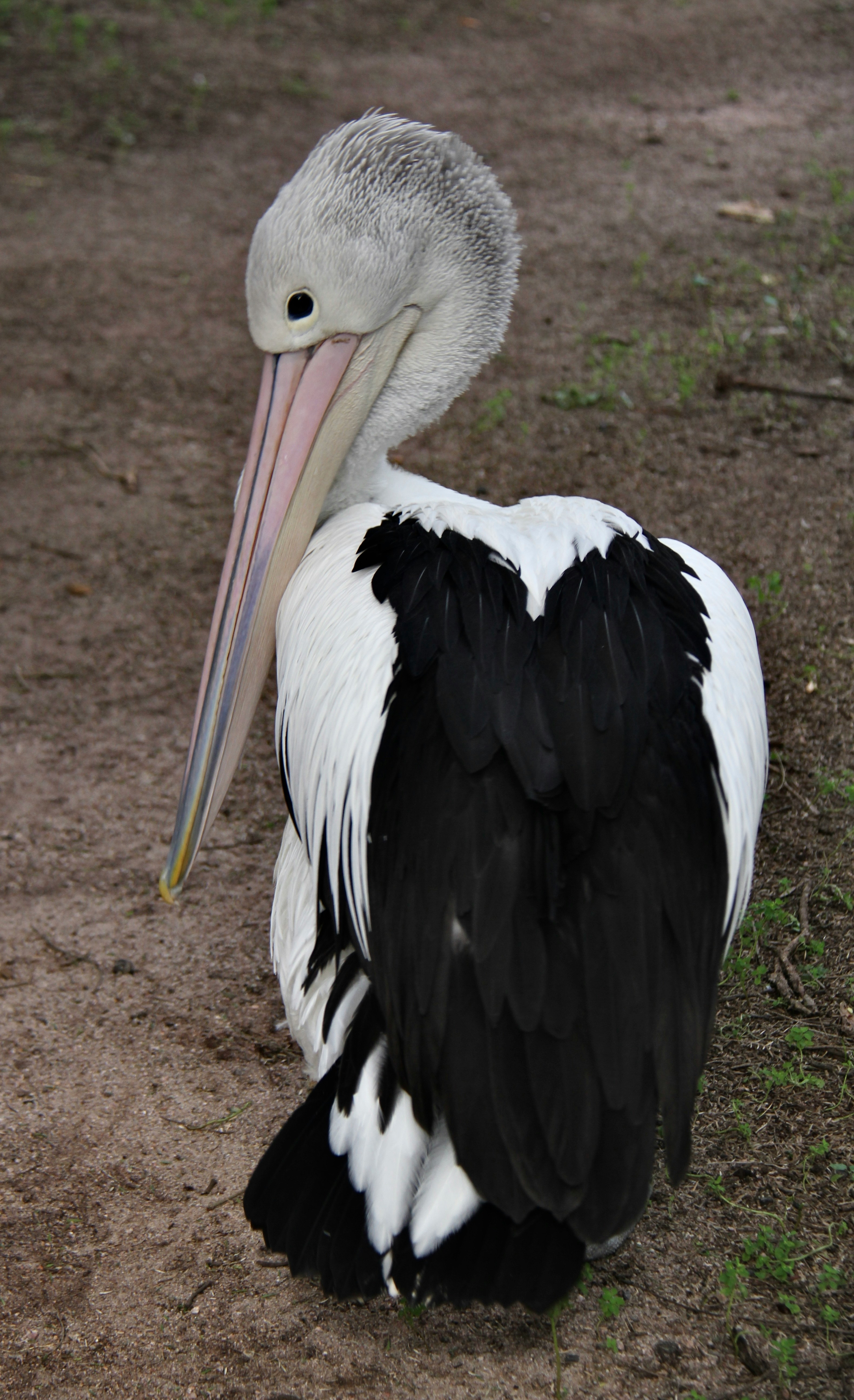
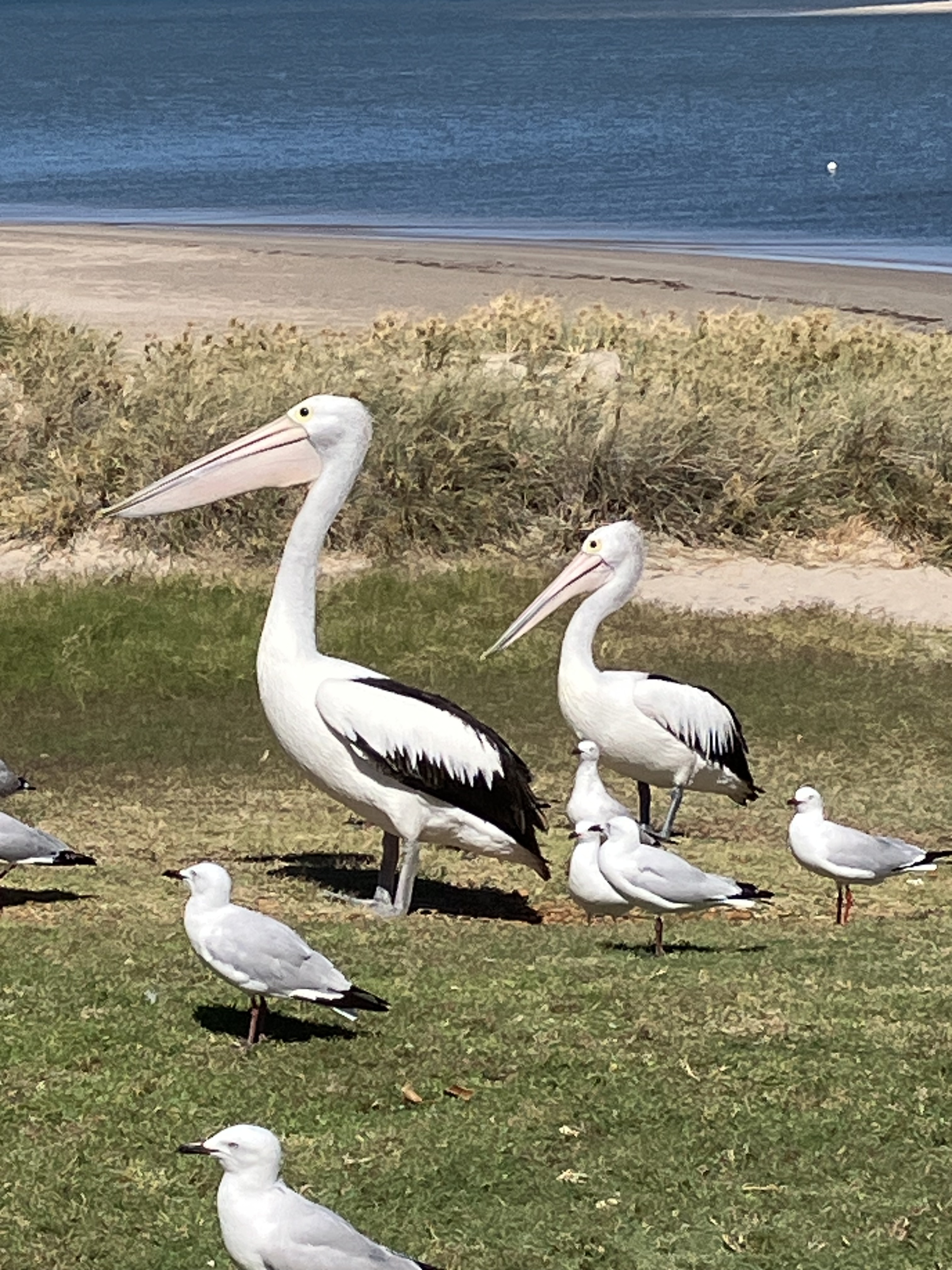
2. Hiking in Kalbarri’s gorges. Stunning views, where the deep red rocks contrast beautifully with an impossibly blue sky.
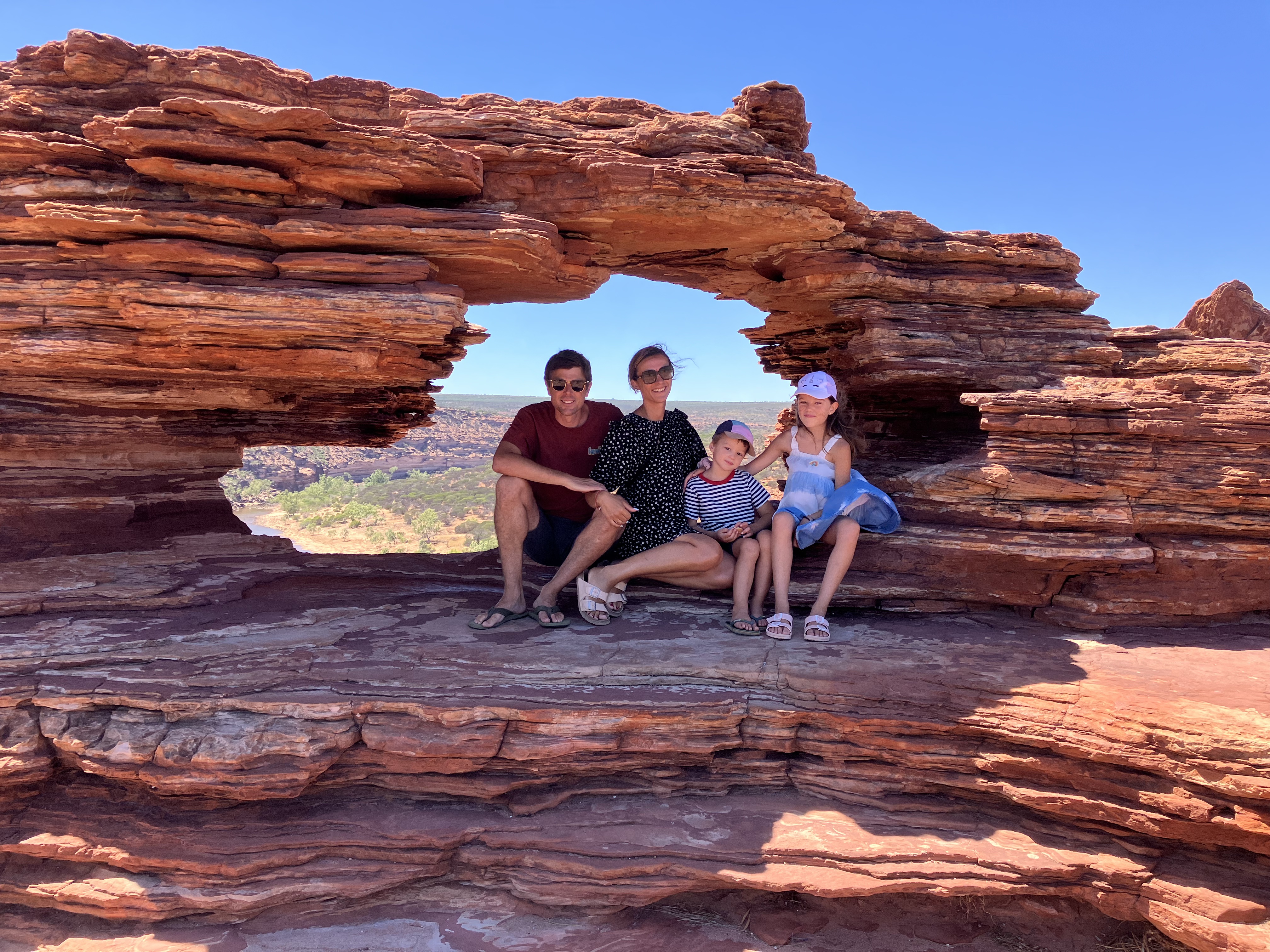
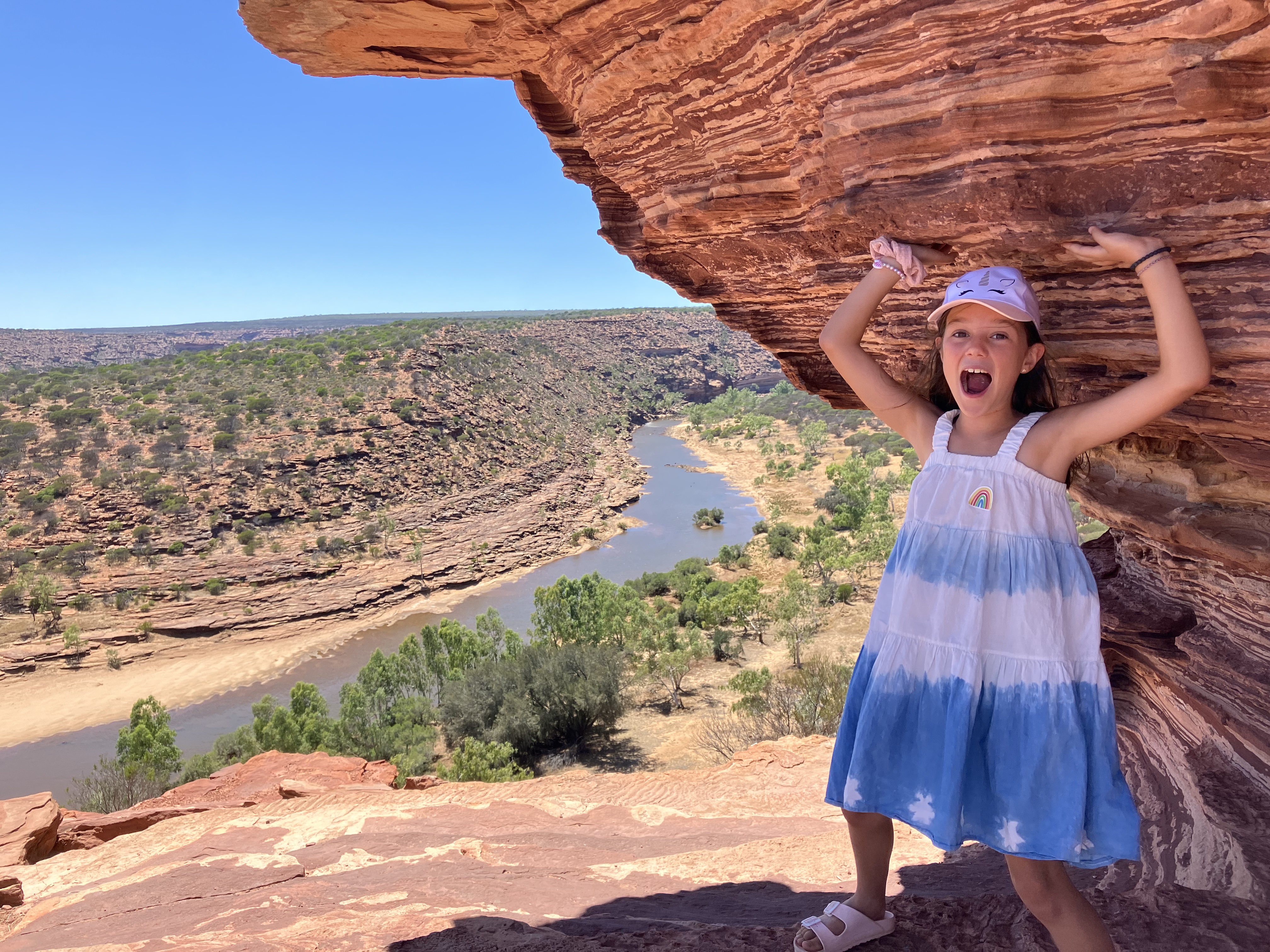
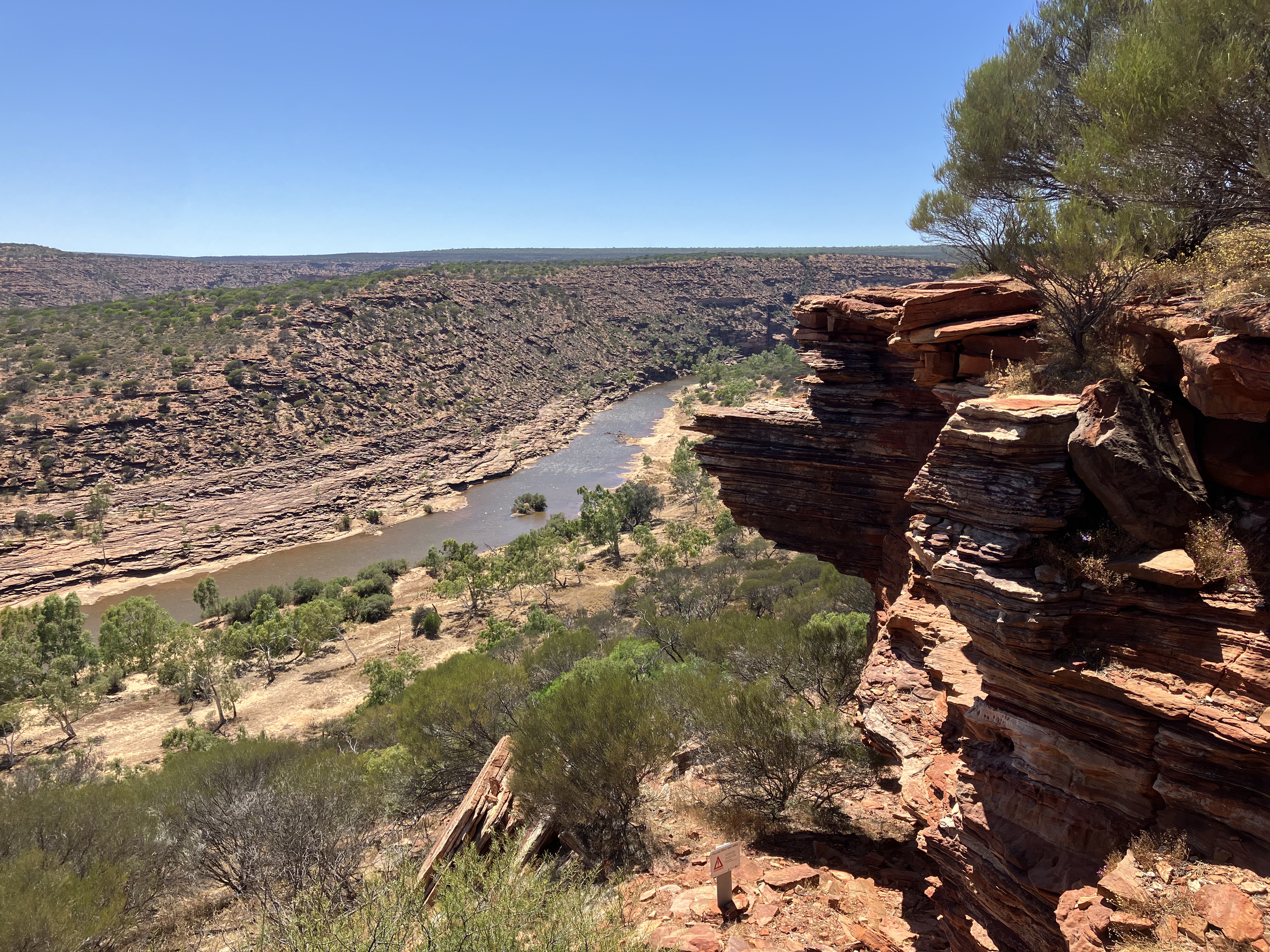
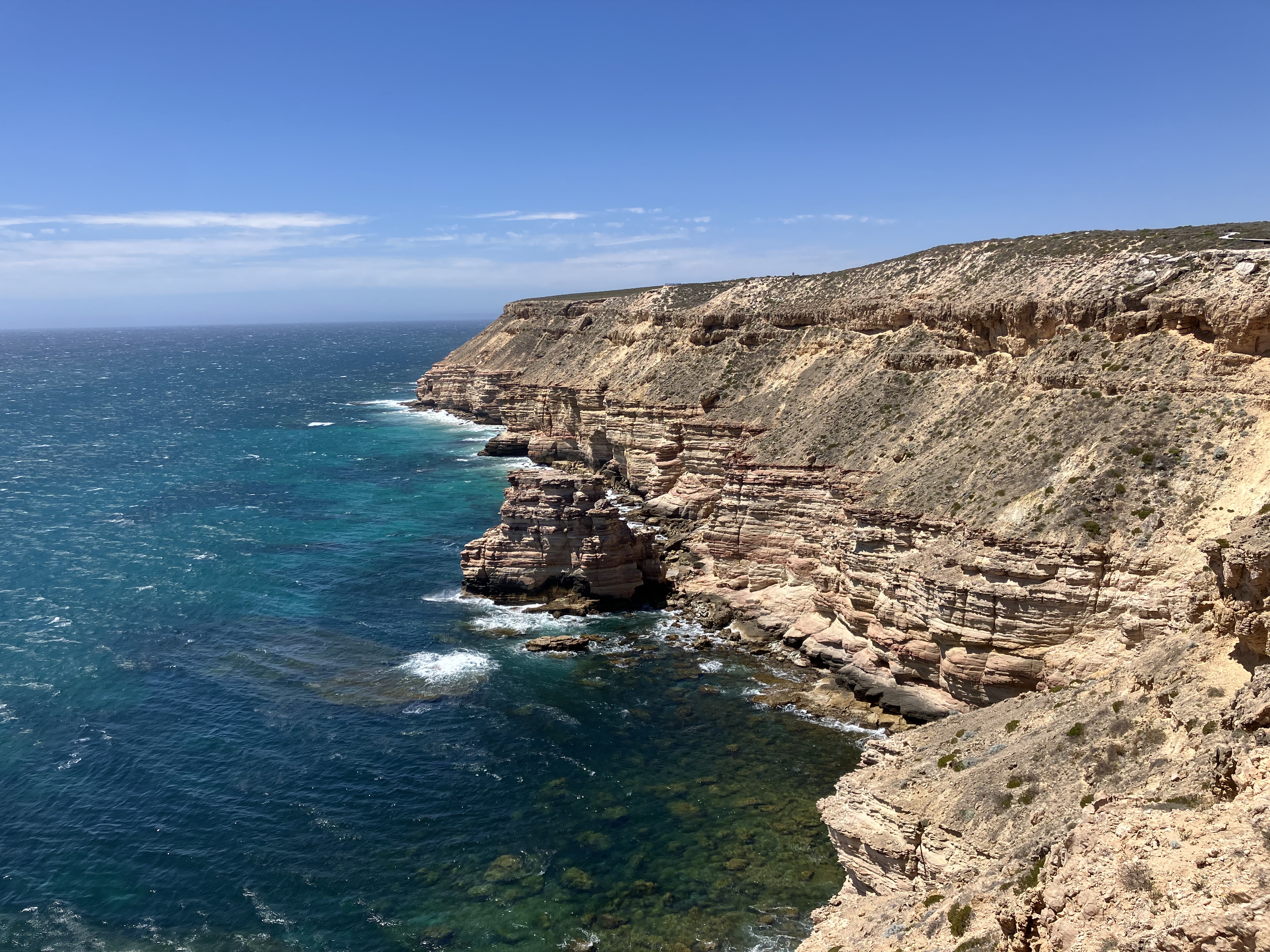
3. Lunching with a dream view. Even a simple sandwich tastes better when enjoyed against a picture-perfect backdrop.
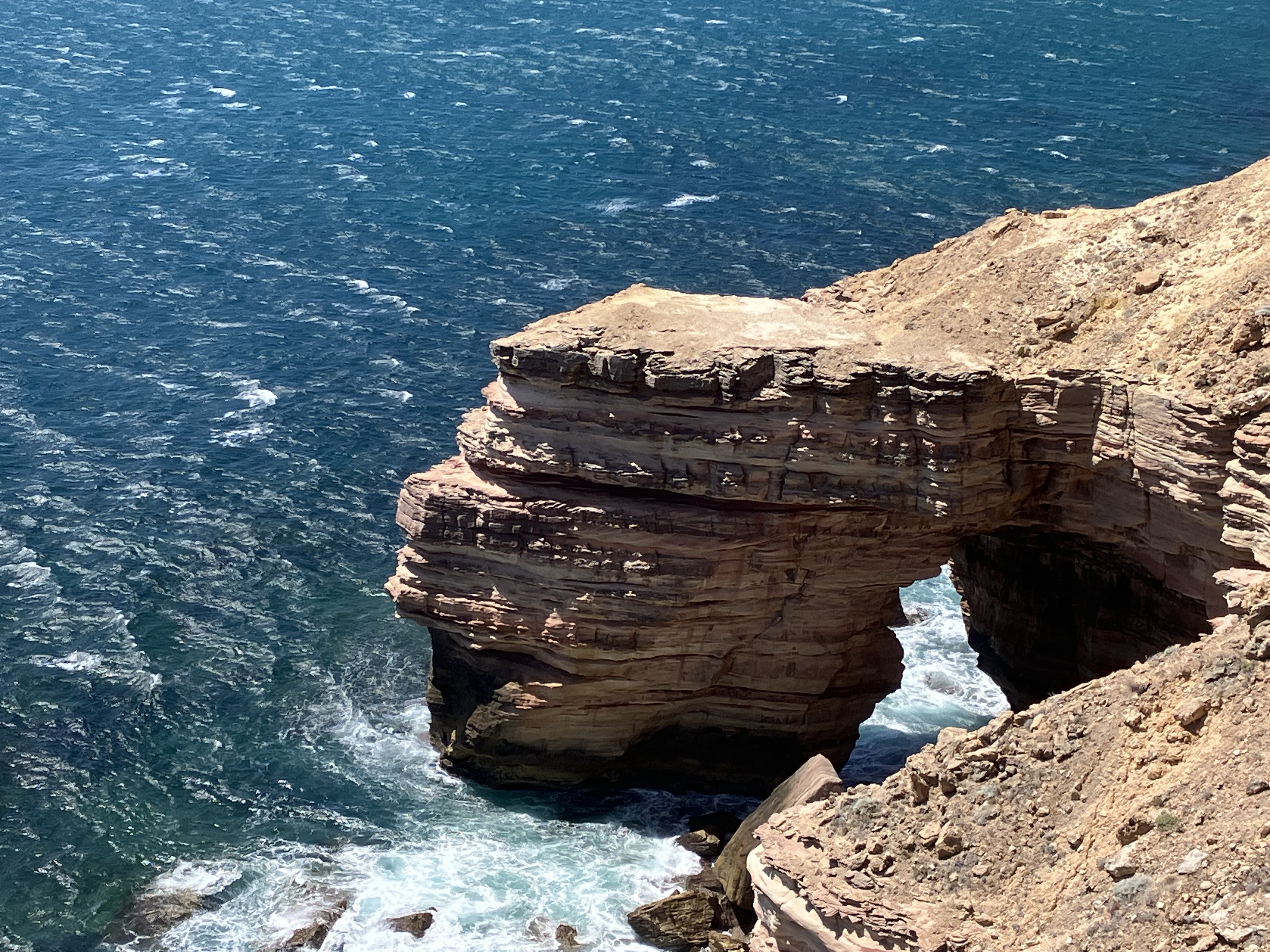
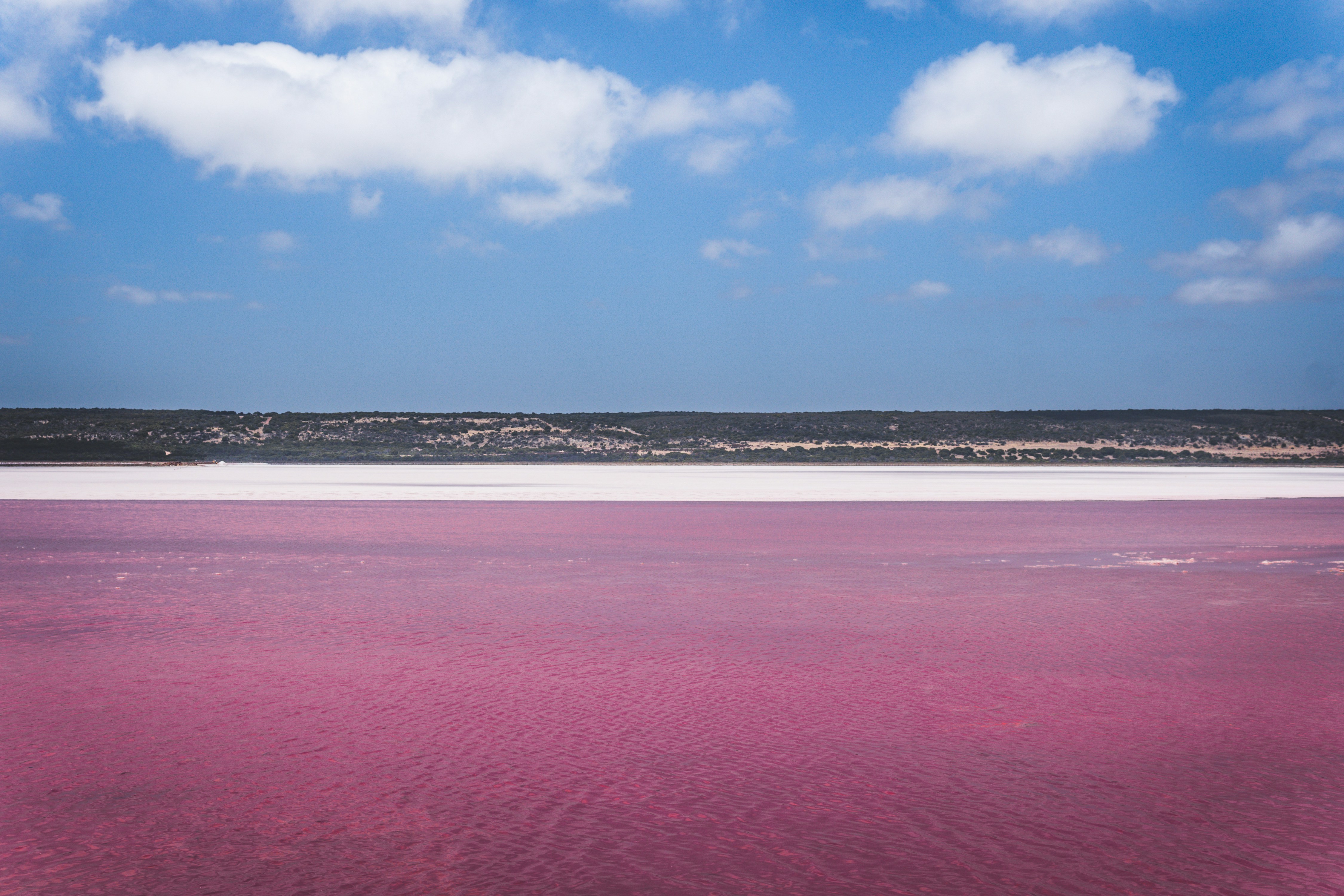
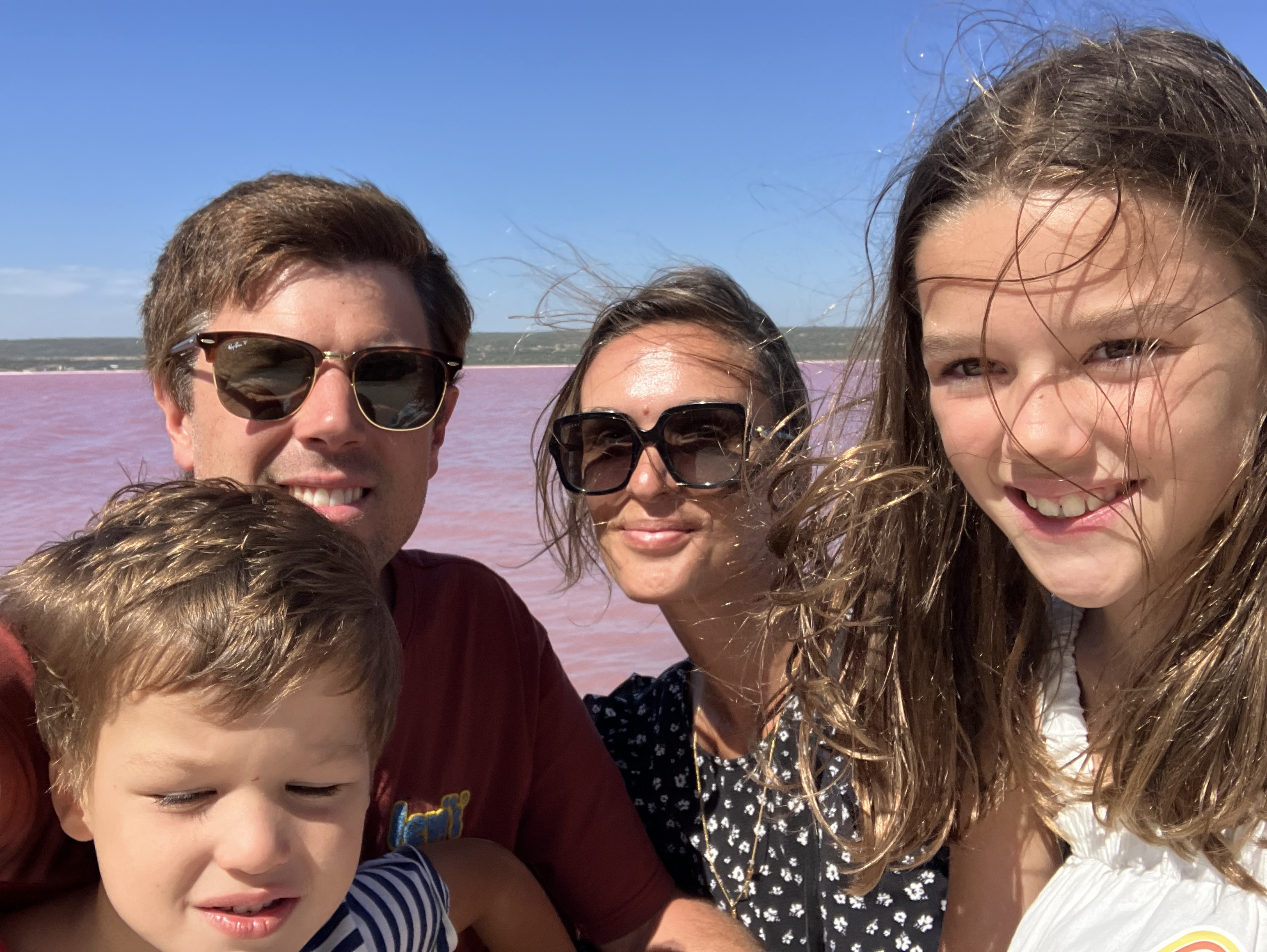
4. Seeing a pink lake. Yes, pink! I’d read about it in the guides and thought it was just tourist hype. But no, it was really pink, like candy-colored, almost fluorescent. Proof that Australia truly is one of a kind.
Day 22: 3.5 hours of driving, Geraldton → the middle of nowhere
We spent the night in Geraldton, which they call the “third largest city” in Western Australia. 40,000 people. Yes, 40,000. In Belgium, this would be a large village with a soccer field and a fries stand. But here, after weeks of nothingness, it feels like civilization: shops (incredible), a museum (double the wow factor), and even a McDonald’s (ultimate luxury).
People from Antwerp love to say, “Antwerp and the rest is parking.” Well, that phrase seems tailor-made for Western Australia. This region is nearly five (!!!) times the size of France, but once you’ve seen Perth, the capital with 2 million inhabitants… the rest is literally a parking lot.
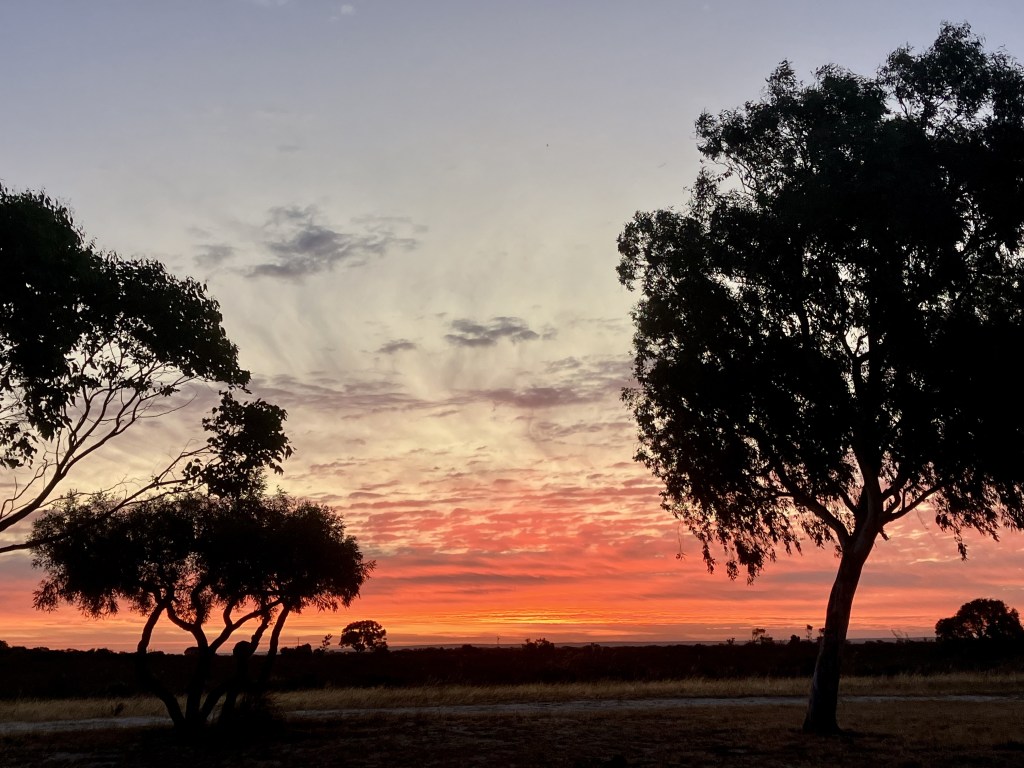
After a few hours on the road in the afternoon, we stop at the local park of a tiny village with 150 inhabitants. And what do we find? An Olympic swimming pool. Yes, a massive pool in a place where you wonder if there are even enough people for a water polo team. We take a dip, cool off, and end the day with a spectacular sunset and a drink in hand. Moments like these make you realize true wealth is right here, in front of you.
Day 23: 2 hours of driving, middle of nowhere → Lancelin
We continue our journey south, heading toward Perth. After an hour and a half on the road, we make a stop at Nambung National Park, famous for its Pinnacles. Imagine limestone spires rising from the sand, creating an almost lunar landscape. Walking among these strange formations feels like stepping into a sci-fi movie set. It’s warm, 30 degrees, but a gentle warmth that caresses rather than oppresses.
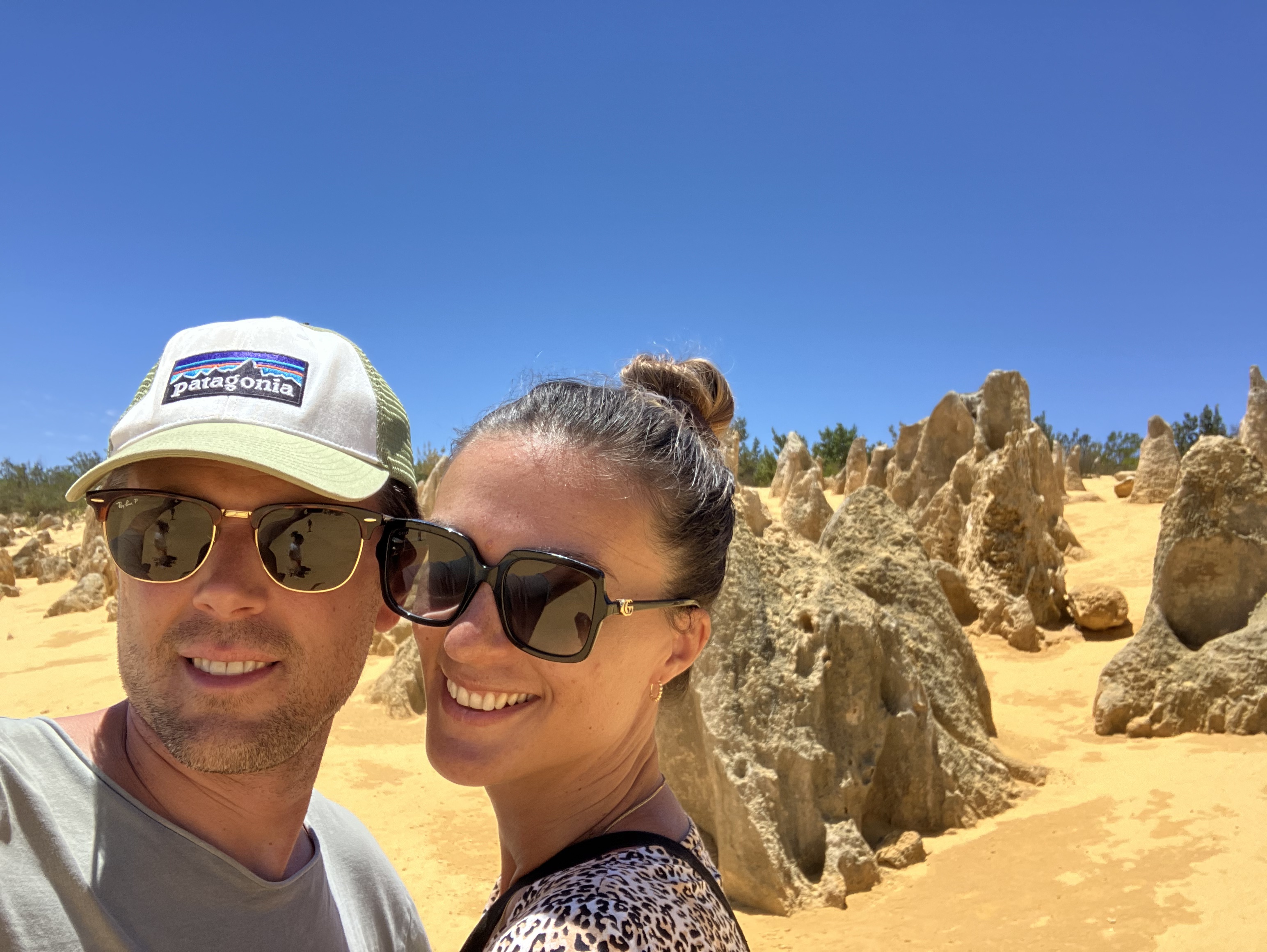
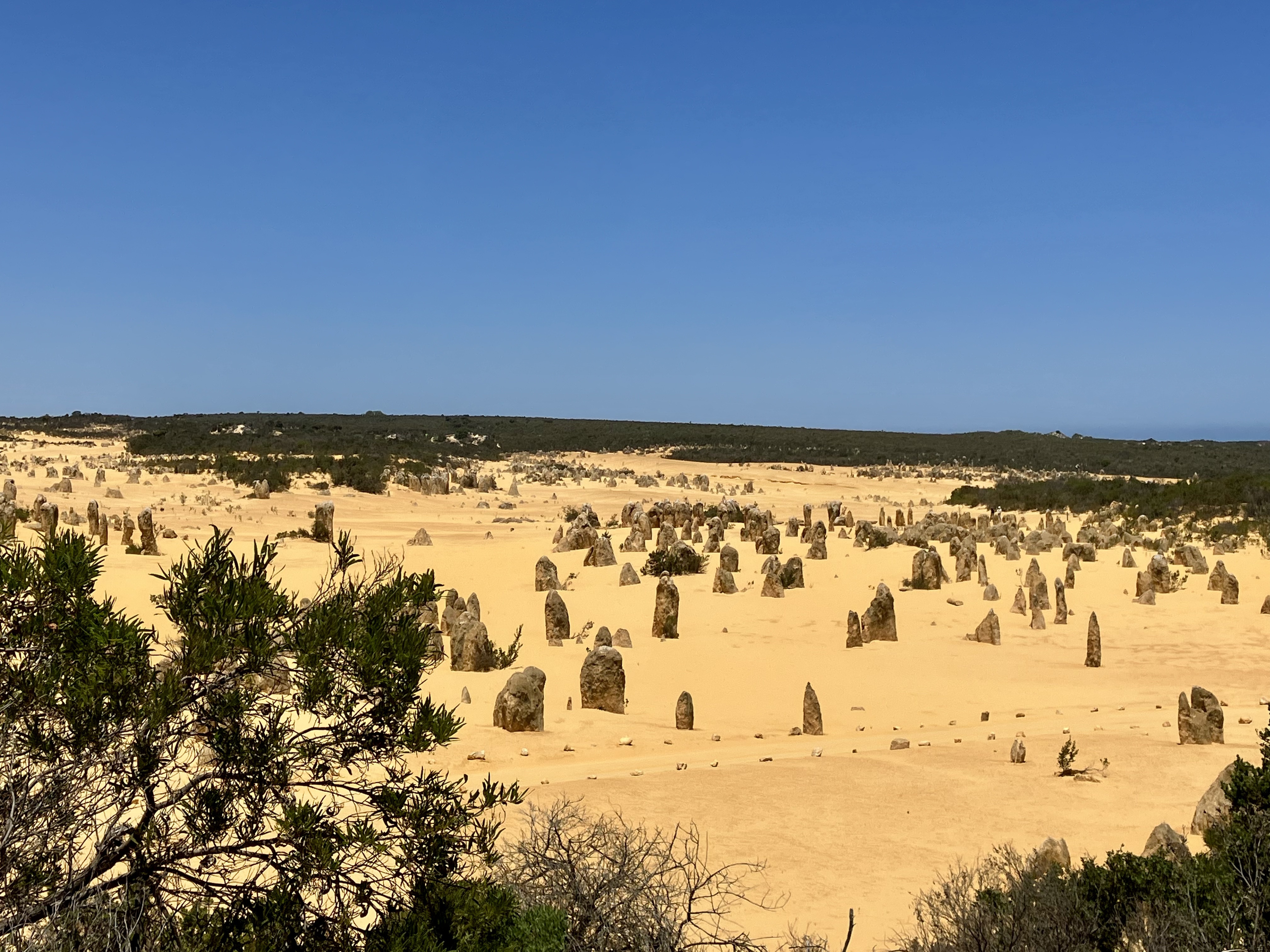
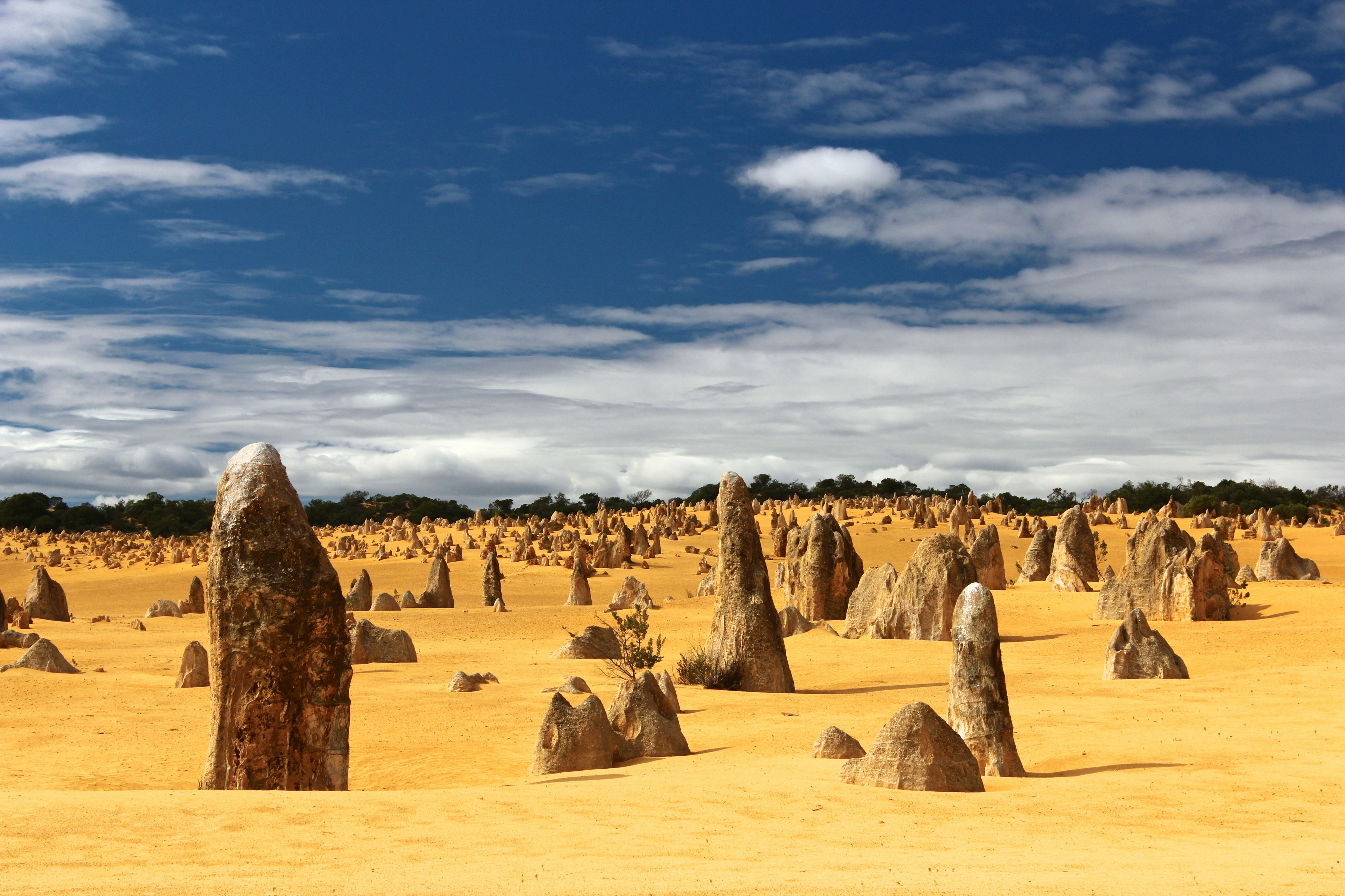
We’re just two hours away from Perth, and yet… still nothing. Just endless stretches of green vegetation dotted with pristine white sandy beaches. No wonder they call Perth the most isolated city in the world. We’ll get there tomorrow.
We stop at a campsite near a beach. It feels like a vacation in the south of France. You know the feeling, right? Walking barefoot on warm sand, sitting outside in a T-shirt and shorts, perfectly balanced between too warm and too cool.
The afternoon drifts by gently, split between a beach that’s a bit too windy and a much-welcomed dip in the pool. A simple but perfect day.
Day 24: Welcome to Perth, under the clouds
Yesterday, I got a bit too excited. Today, the weather decided to remind us that even Australia can test the patience of sun lovers. It’s cool – I wouldn’t call it cold because it’s still 20 degrees – but the sky is heavy, and timid raindrops splatter on the windshield.
When you live in a van, you live half outside. So, naturally, every change in the weather hits you directly: too hot, and you suffocate; too cold, and you’re stuck with four people in 15 square meters. Maybe that’s why I keep talking about the weather.
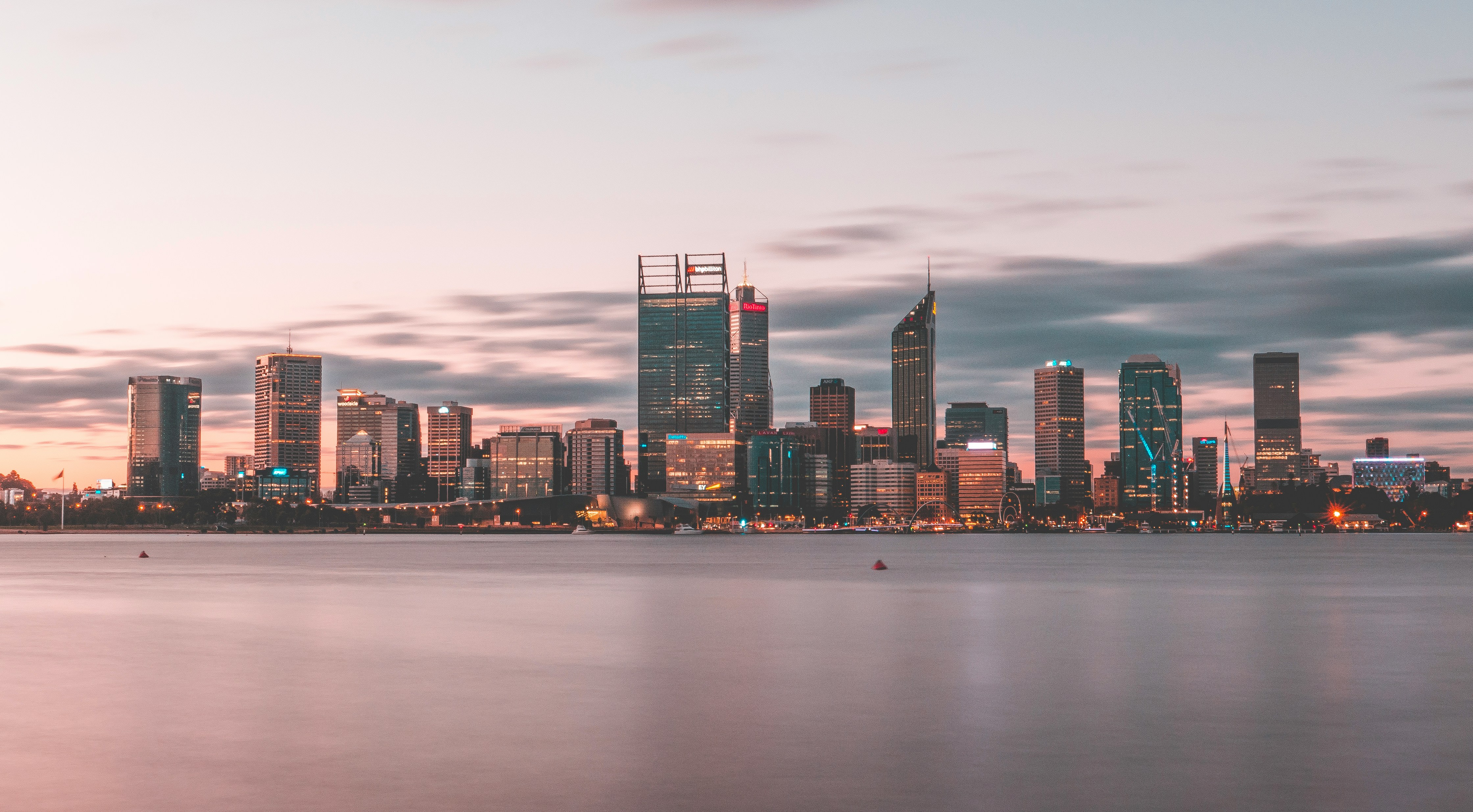
6,700 kilometers after leaving Darwin, we’ve finally made it to Perth, the big, isolated city at the edge of the world. A new chapter in our road trip, and maybe a chance to catch our breath.
Day 25-26: Perth, first campsite
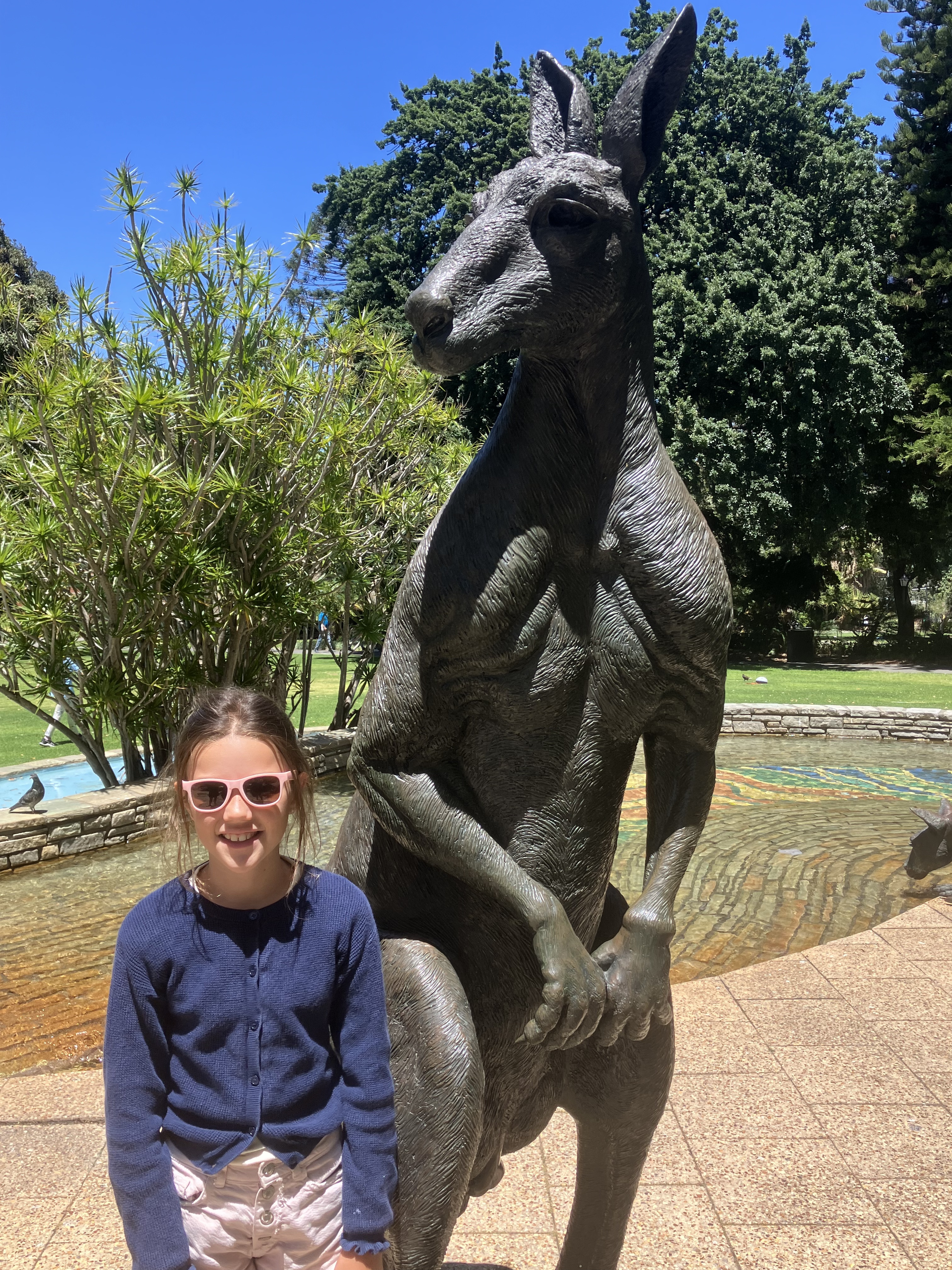
The first day begins with a visit to the city center. Nice enough, but a little underwhelming. Perth is a typical Australian city: a tiny center lost in the middle of a sprawling metropolis that stretches over dozens of kilometres. What saves the day? Kings Park, one of the largest urban parks in the world, with its 400 hectares of greenery overlooking the city. We enjoy the afternoon sun while the kids have a blast on the playground.
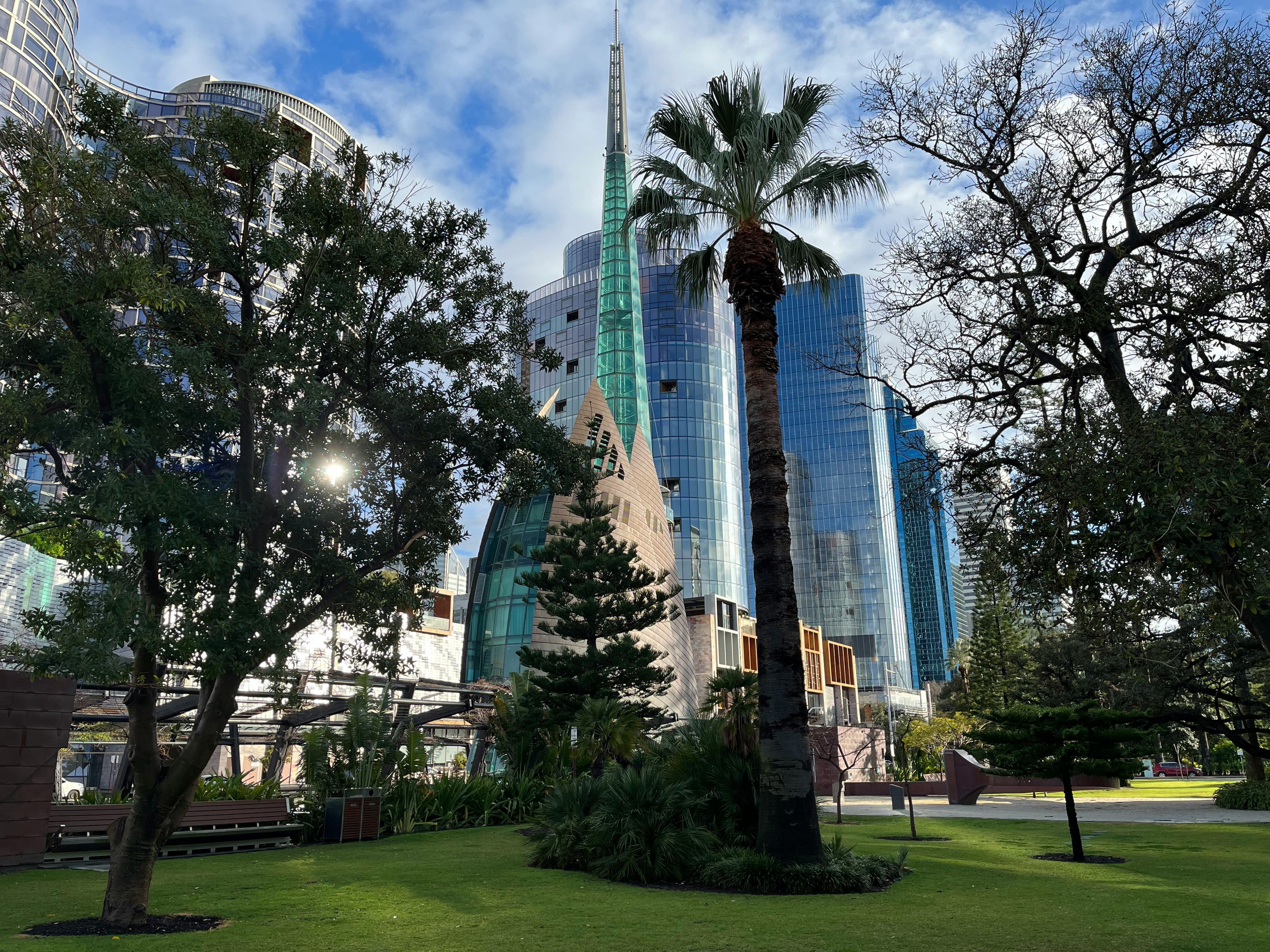
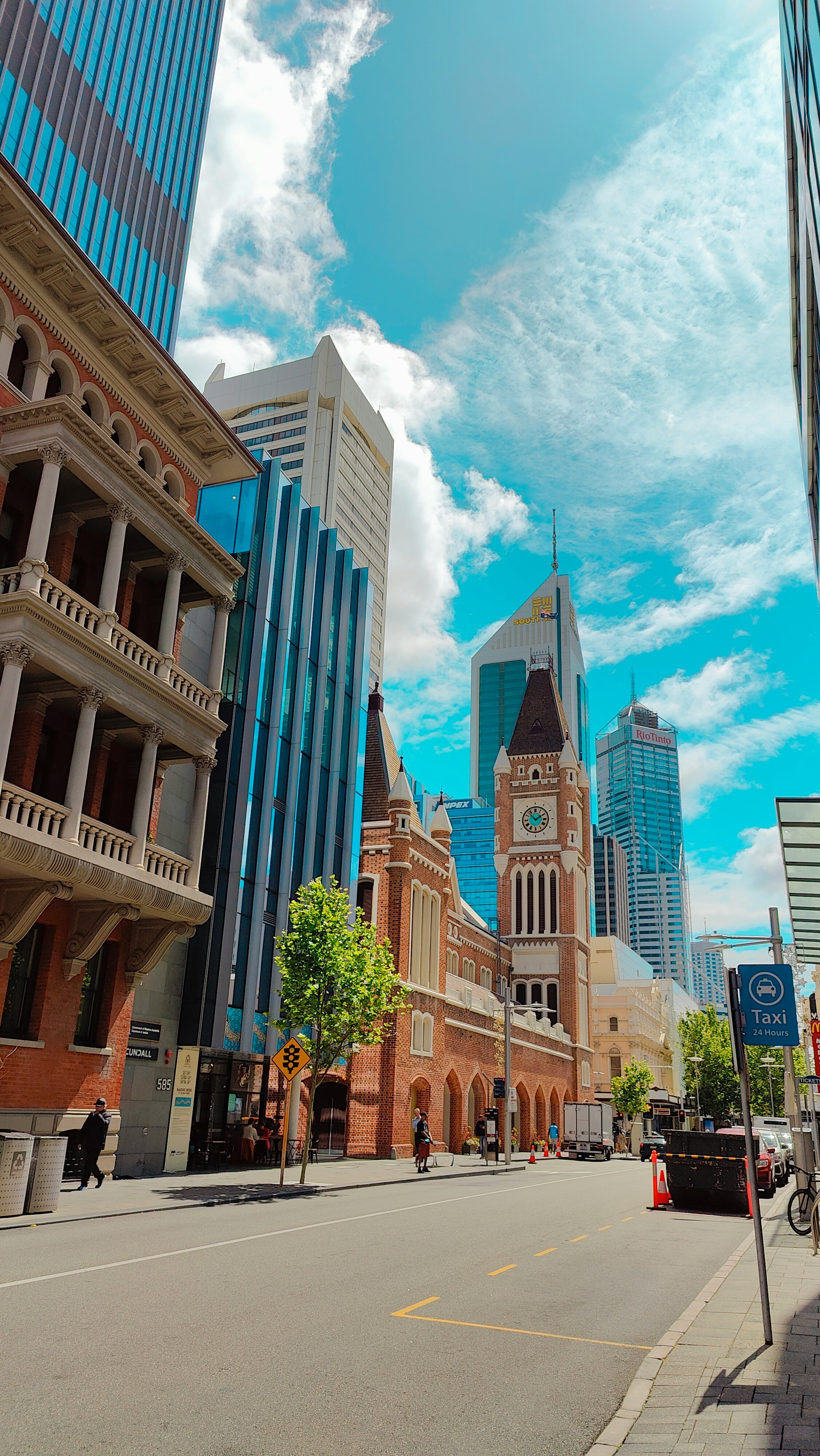
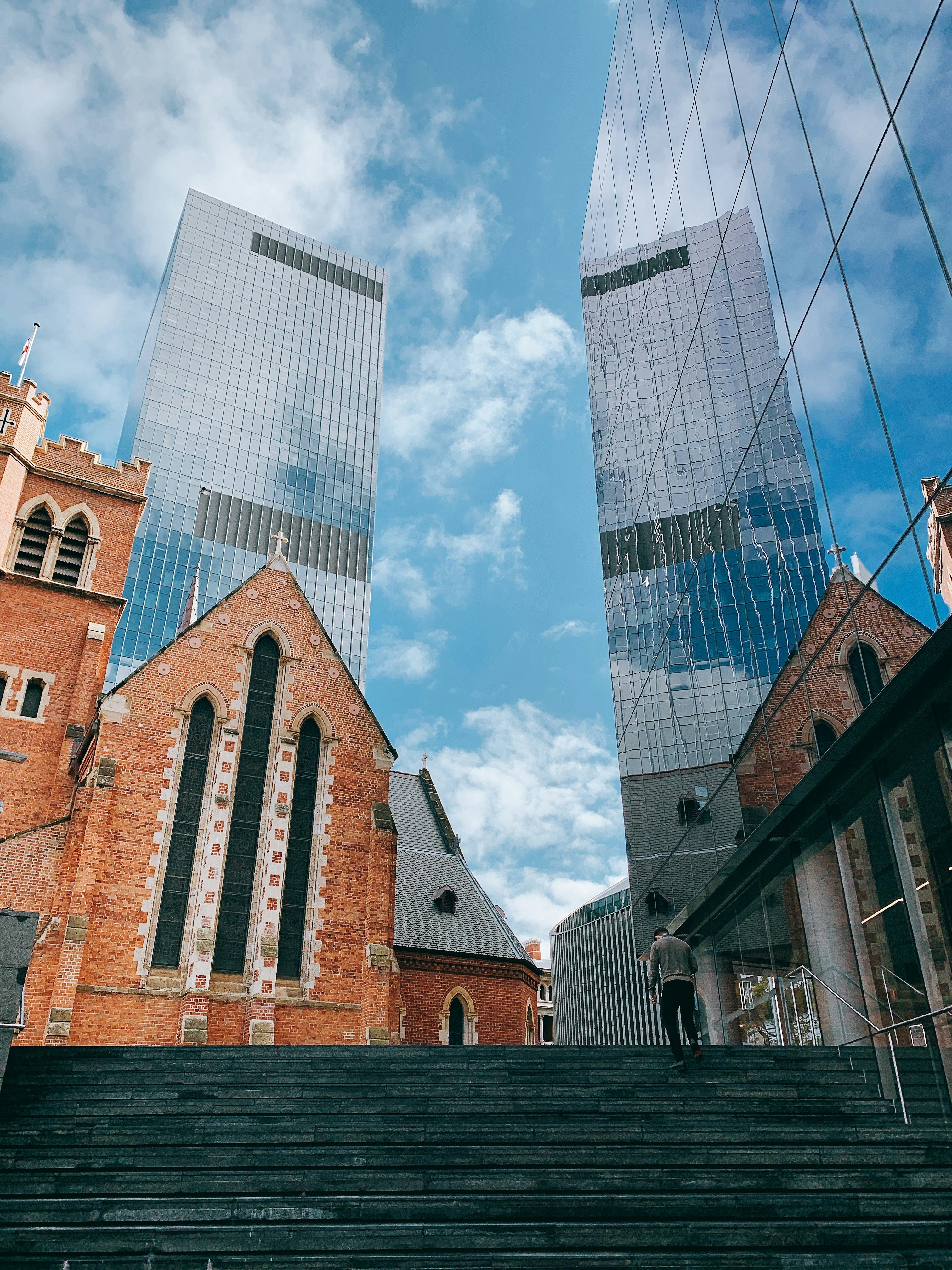
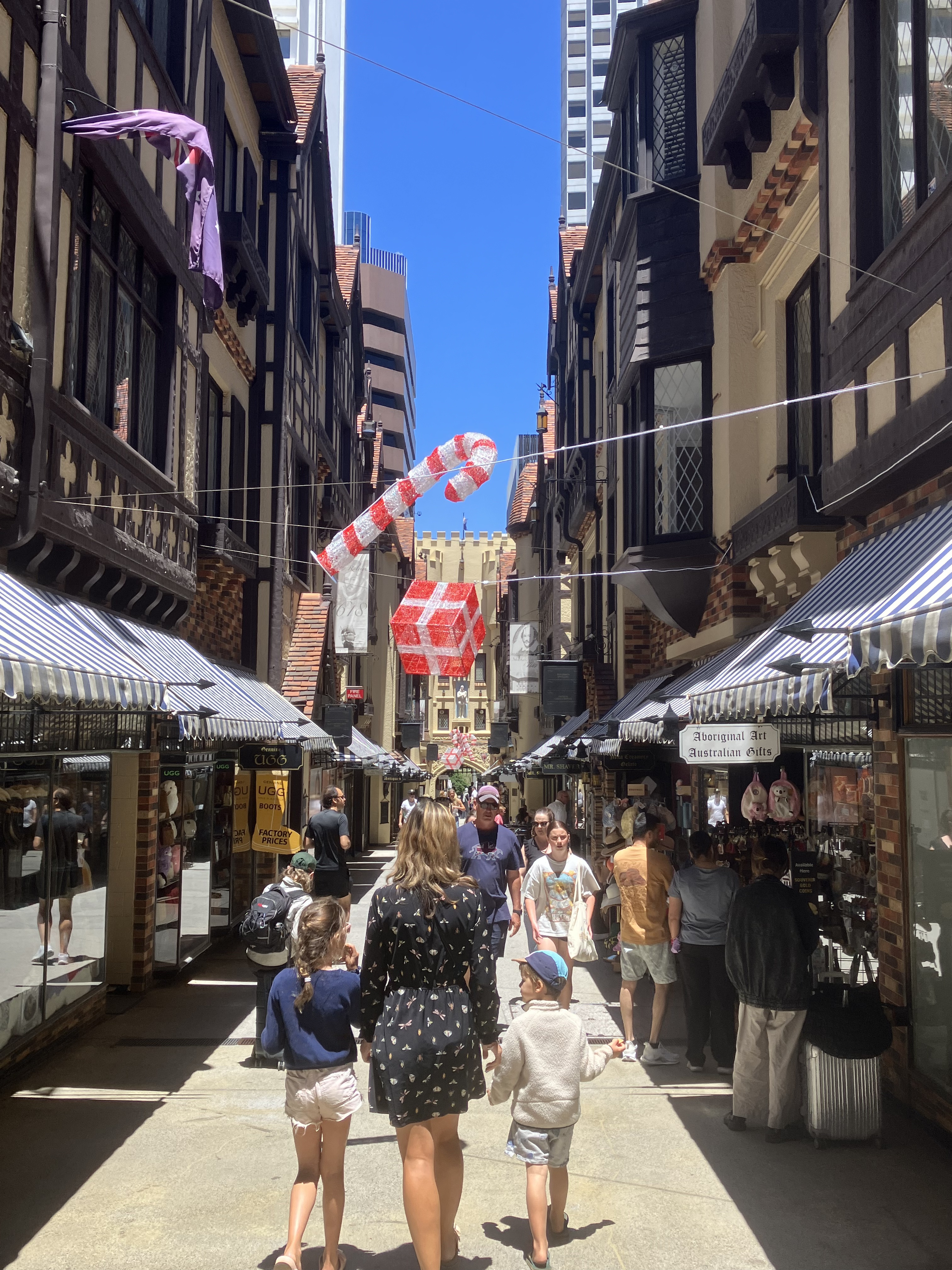
The next day, we head to Fremantle, the colony’s first city. Its charm works immediately: well-preserved Victorian buildings, a laid-back vibe, and to top it all off, it’s Sunday – market day.
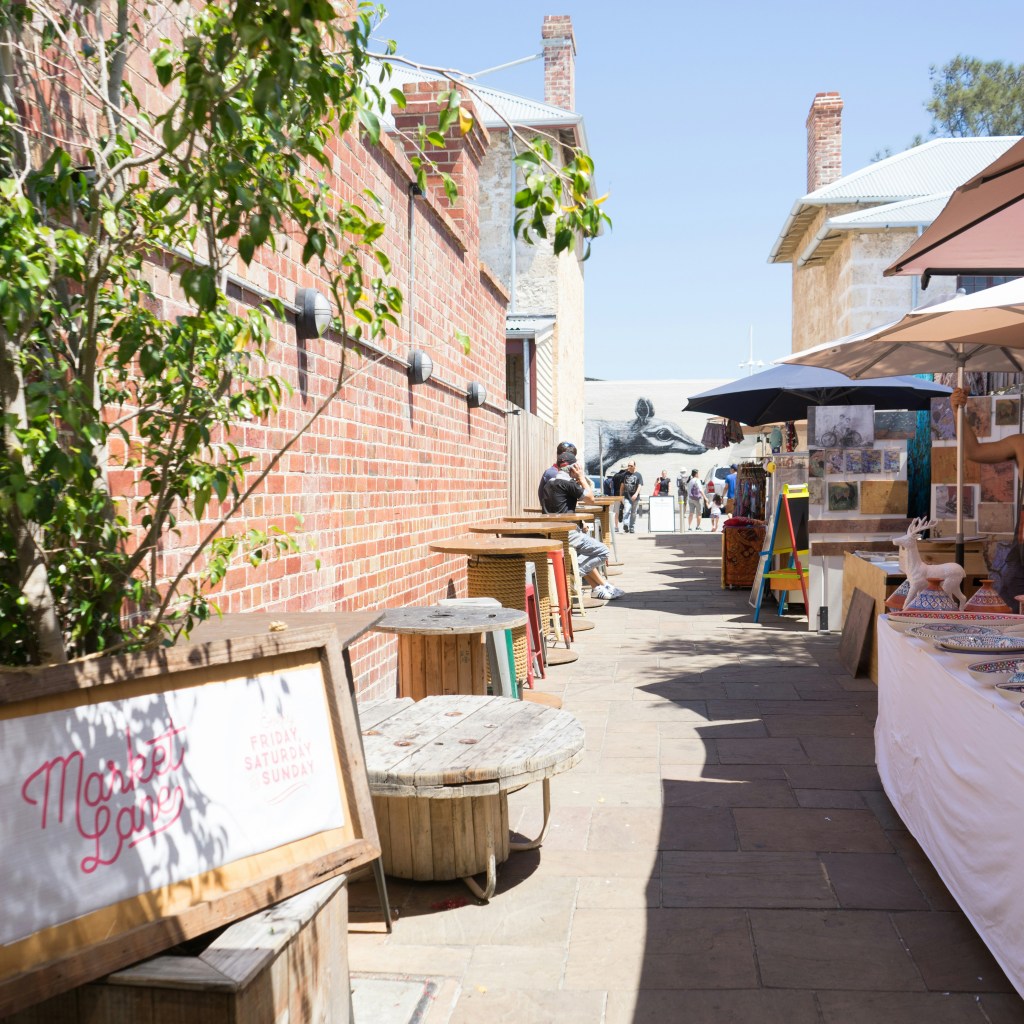
After a restaurant lunch (yes, for once, no van food!), we visit the famous Fremantle Prison, a place steeped in history and dark secrets.
I’ve already mentioned that between 1788 and 1868, Great Britain sent about 165,000 prisoners to Australia. Imagine: for 80 years, each arriving ship unloaded its human cargo – often criminals convicted of minor offenses like stealing a piece of bread.
The conditions in the prisons were, unsurprisingly, horrific. Photos of their cells speak volumes. But Australia desperately needed these prisoners: the only way to build the country’s infrastructure – roads, public buildings, and even Fremantle itself – was through their labour. Escape? Nearly impossible. The hostile bushland and unforgiving climate quickly changed the minds of those who dared try.
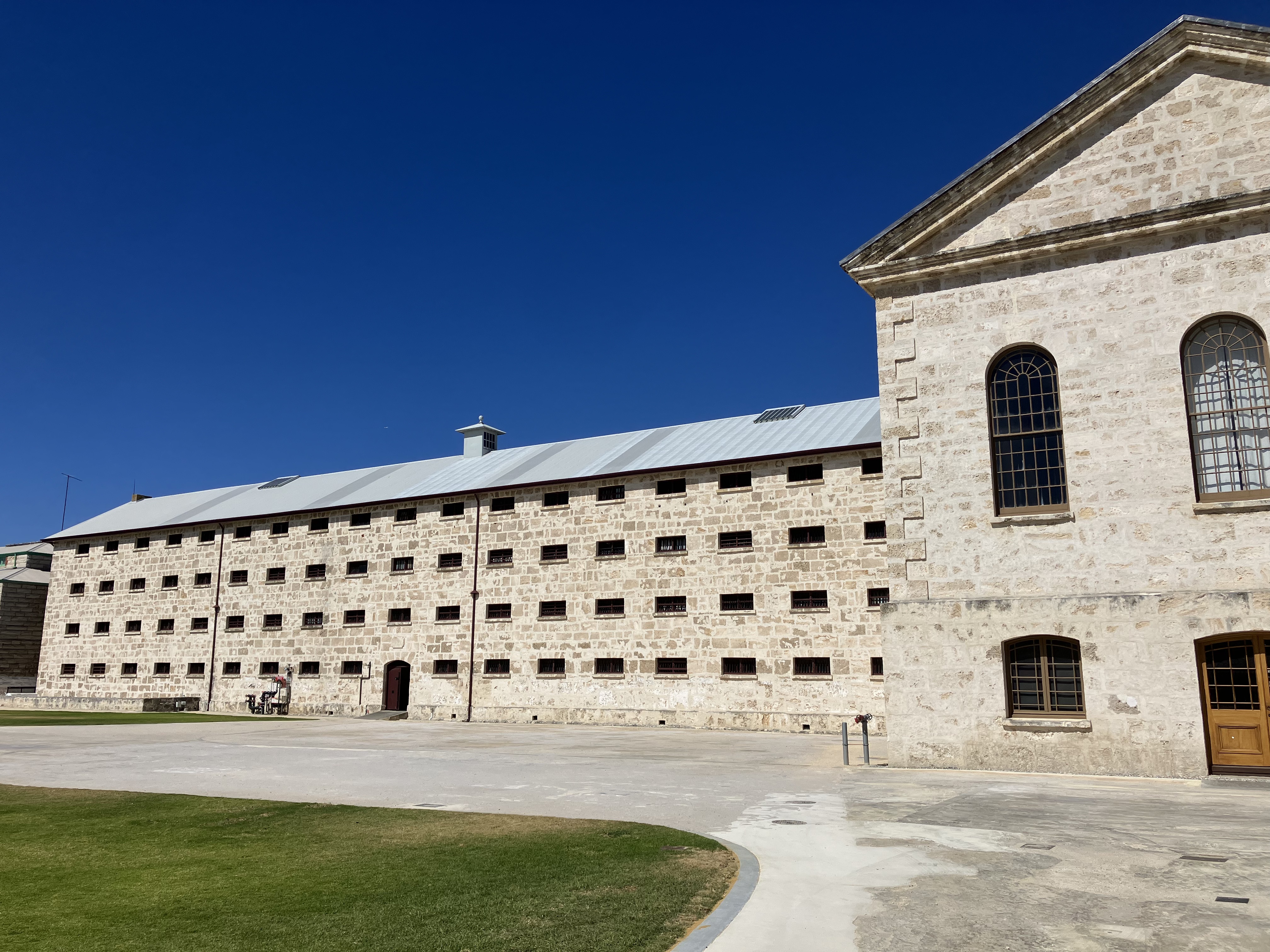
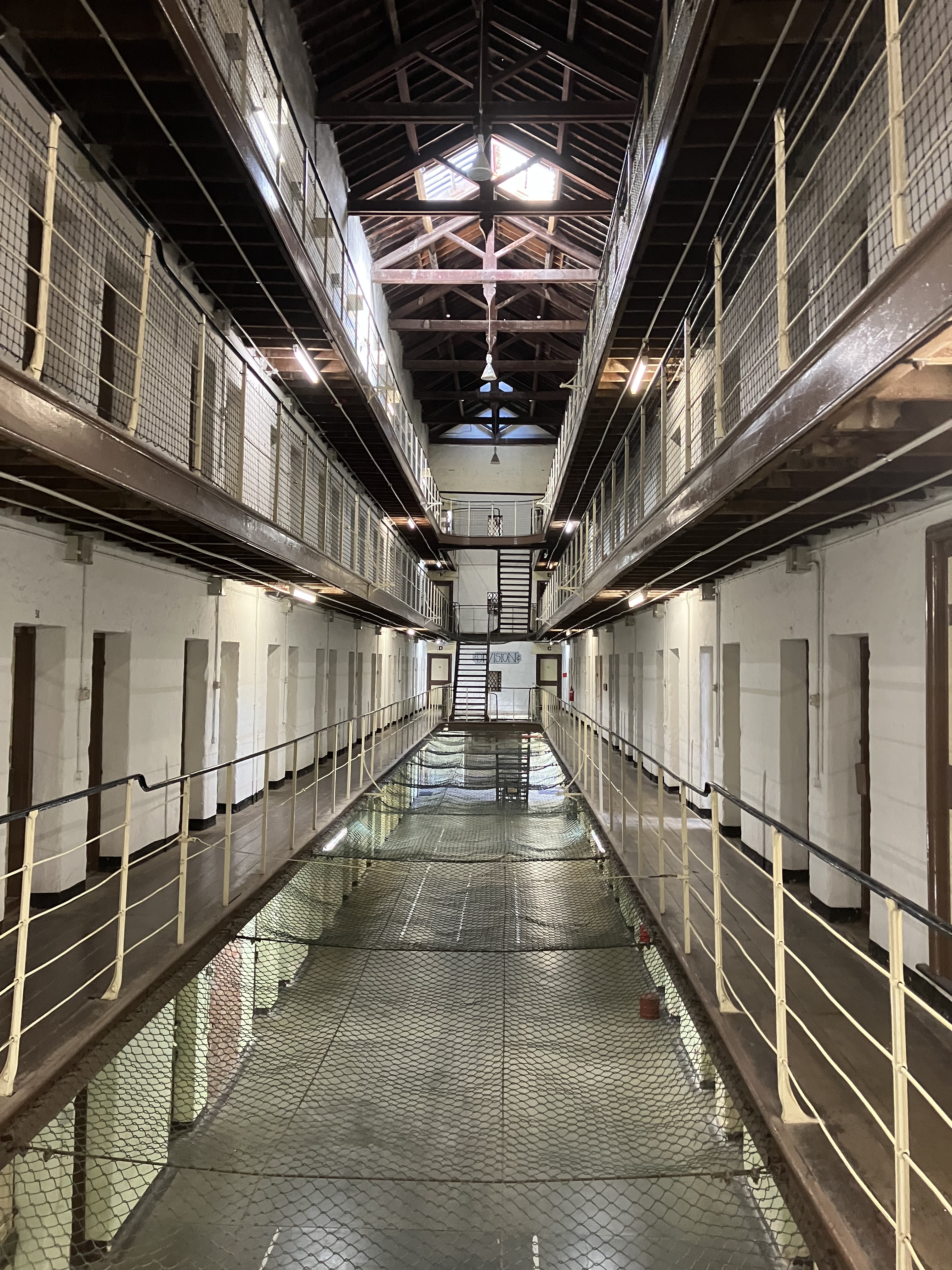
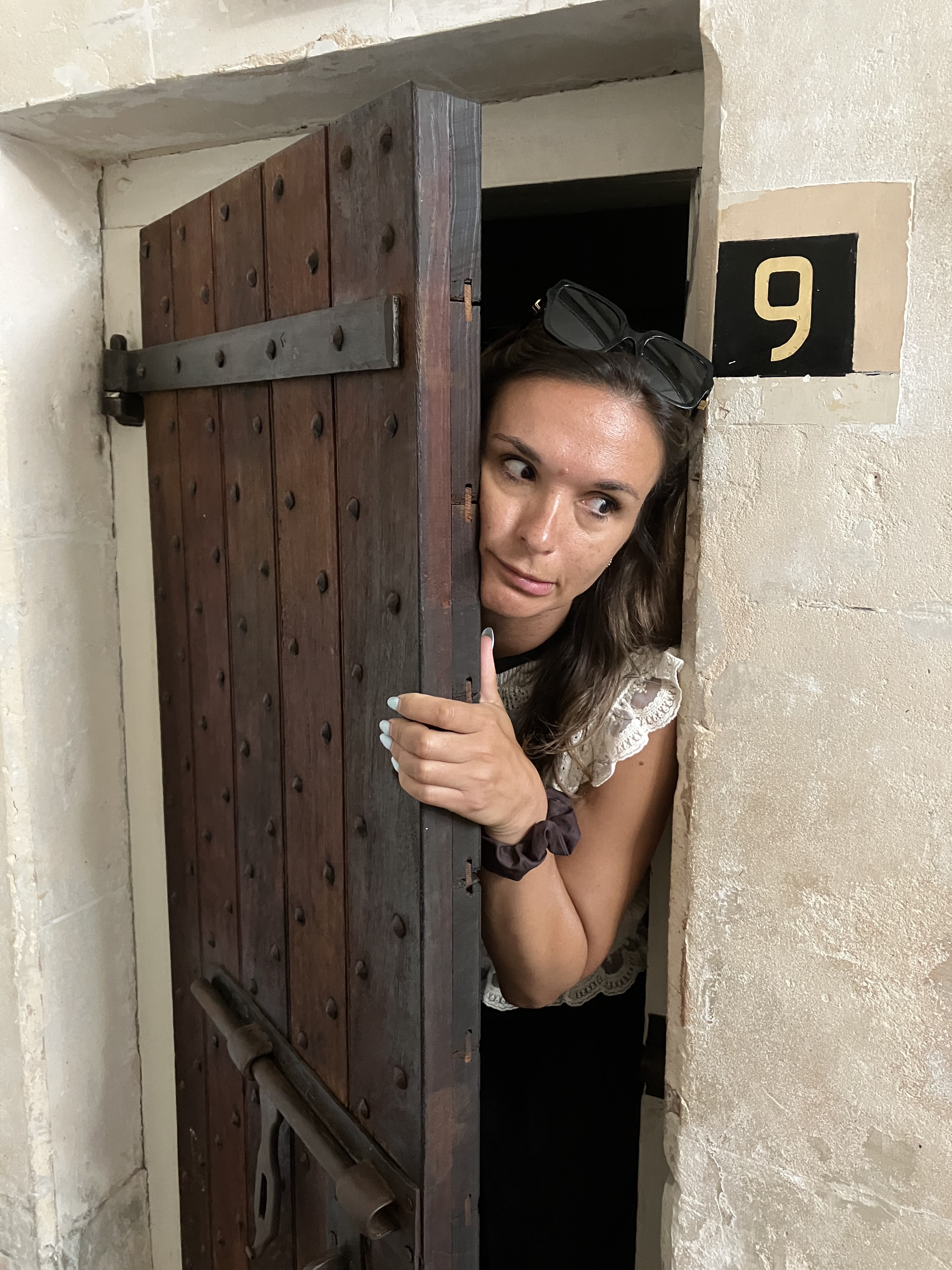
After serving their sentence, prisoners could receive a “ticket of leave,” a kind of parole allowing them to work for themselves or others. Few returned to England: between the prohibitive cost of the journey and the fact they’d built new lives here, going back was often impossible.
Walking through this prison is like touching a piece of this troubling past. You come out with a vivid awareness of human resilience – its ability to endure suffering but also to overcome it.
Day 27-29: Perth, second campsite
Keyword: chilling. Well, almost. Between deep-cleaning the van, tackling XXL laundry loads, and a trip to a trampoline park, we mostly spent a lot of time reorganizing the next leg of our journey. Initially, everything was set for New Caledonia, but recent unrest there forced us to change plans. Cancel everything, reorganize everything for a new destination: Fiji! A real puzzle that takes quite a bit of time.
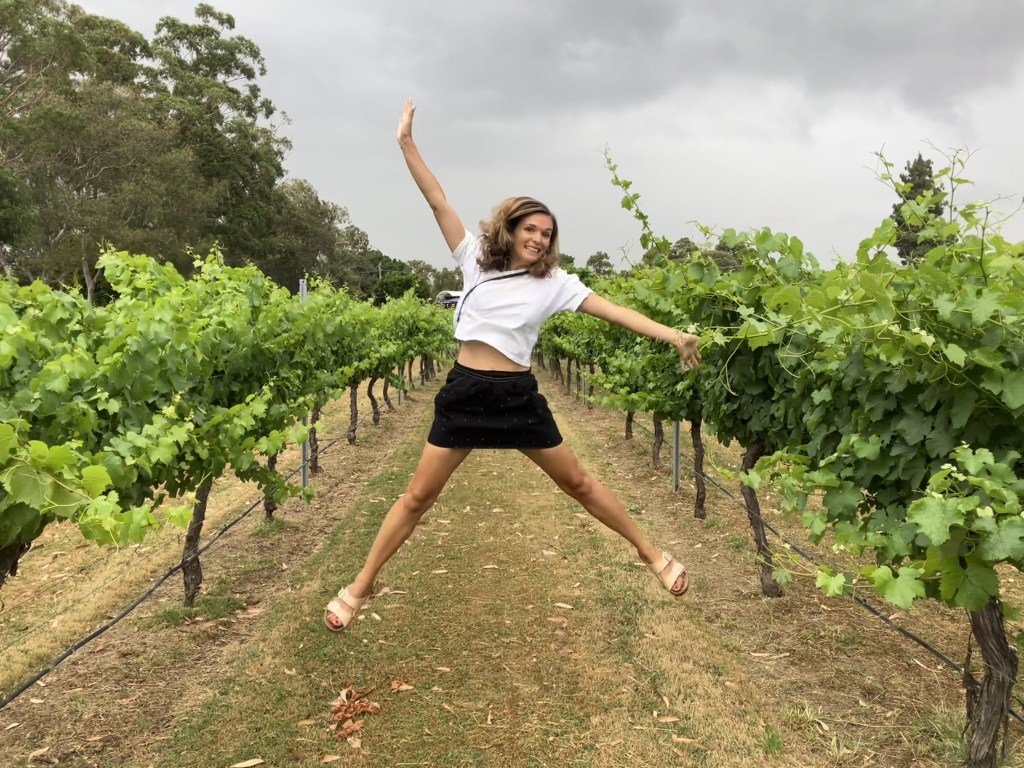
And, of course, you know us… we managed to squeeze in an afternoon of wine tasting in the Swan Valley vineyards, just north of Perth. A nice way to punctuate these days between logistics and leisure.
On the road again: five days in Perth, and it’s already time to move on. We leave this stop with a slight pang of regret. These moments of settling down and finding our rhythm are always refreshing. But on the other hand, we know ourselves: we love being on the move.
The tank is full, the van is clean, and the clothes smell fresh.
Heading into the unknown, once again.
 365 days of summer
Leave a comment