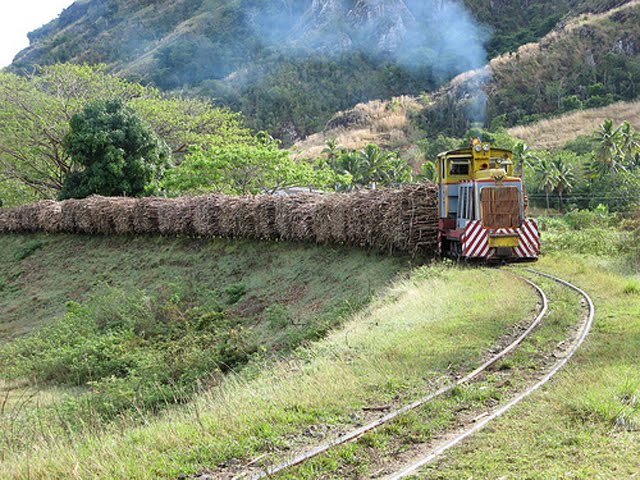
I’m walking along the railway tracks used to transport sugarcane, right next to the airport. I’ve just returned our rental car, and tomorrow morning, we’re leaving the Fiji Islands. Maybe this is the perfect moment to reflect on everything we’ve experienced on this island, which we stumbled upon almost by chance…
A civil war in New Caledonia and the collapse of Vanuatu’s national airline completely overturned our plans. In the end, this plan C turned out to be a blessing in disguise: just a few days later, a devastating earthquake struck Vanuatu. Sometimes, destiny really does have its reasons…
And let’s just say these islands completely won us over—not only with their breathtaking beauty but also with the kindness of the Fijians, their contagious smiles, and the incredible richness of their culture.
We spent 18 days here, divided into two distinct experiences: one week on a dreamy island to relax, and 10 days exploring the main island in four stages, diving into the daily lives of the Fijians.
So, I’ve decided to share Fiji with you in 11 points. 11 points that surprised me, made me smile, left me in awe, and that I hope will bring Fiji to life through our eyes.
1. Let’s start with the basics: Where on earth are the Fiji Islands?
Fiji—it’s a name everyone’s heard, but few actually know where it is.
It’s so remote, you’d think it was placed there deliberately to escape the rest of the world. Spoiler alert: the British somehow did manage to settle here 175 years ago, but I’ll get to that part later.
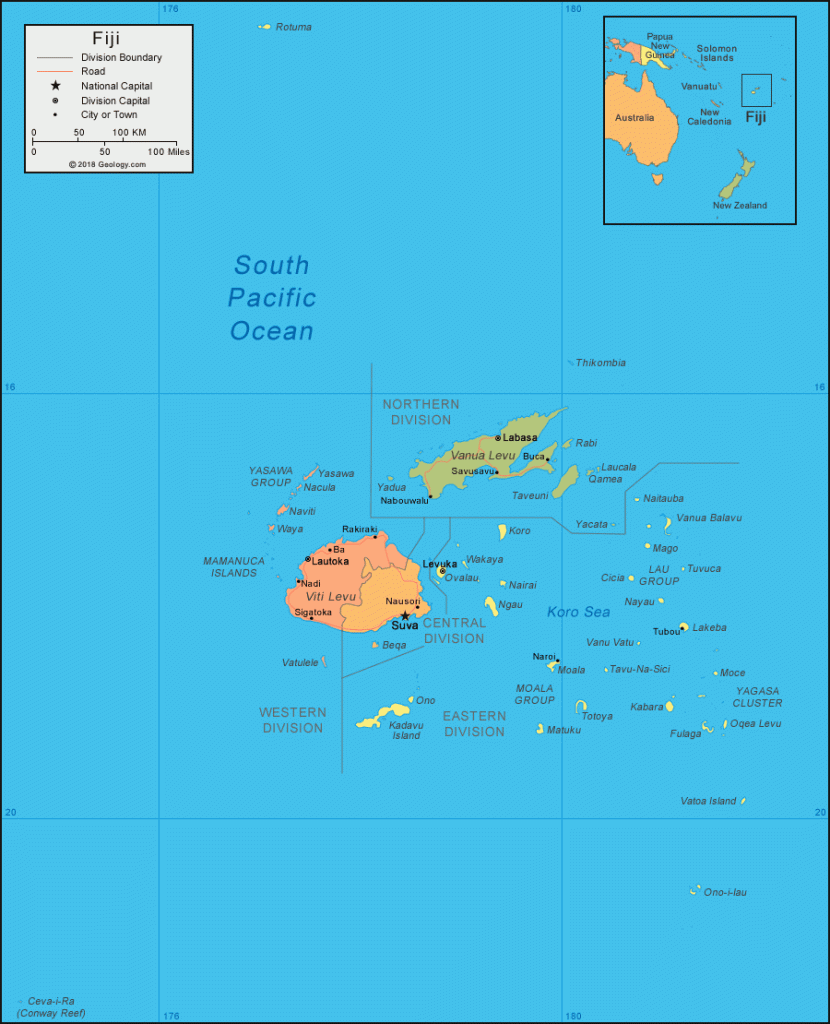
Located 3,000 km from Australia and 2,000 km from New Zealand, Fiji is an archipelago of 330 islands, only 110 of which are inhabited. Together, they cover a total area of 18,300 km² and are home to just 900,000 people. But what’s surprising is that 85% of the population is concentrated on just two islands: Viti Levu, the largest (spanning 10,000 km² and home to 70% of the population), where you’ll find the capital, Suva, and Vanua Levu, which houses 15% of the inhabitants.
You’ve done the math… this means the other 328 islands are either home to just a handful of villages or are completely uninhabited.
2. The ultimate cliché: jaw-dropping beaches!
Let’s not kid ourselves—Fiji is THE postcard-perfect destination. White sandy beaches, swaying coconut trees in the gentle breeze, turquoise lagoons…
Yes, that’s why you go.
At least, that’s what the travel agencies promise. But let me tell you this:
For once, they’re not lying!
Because it’s not just beautiful—it’s surreal. The moment your feet sink into that soft sand or you wade into those warm waters to watch the fish, you realize you’re simply happy. The kind of place where Instagram filters become utterly useless.
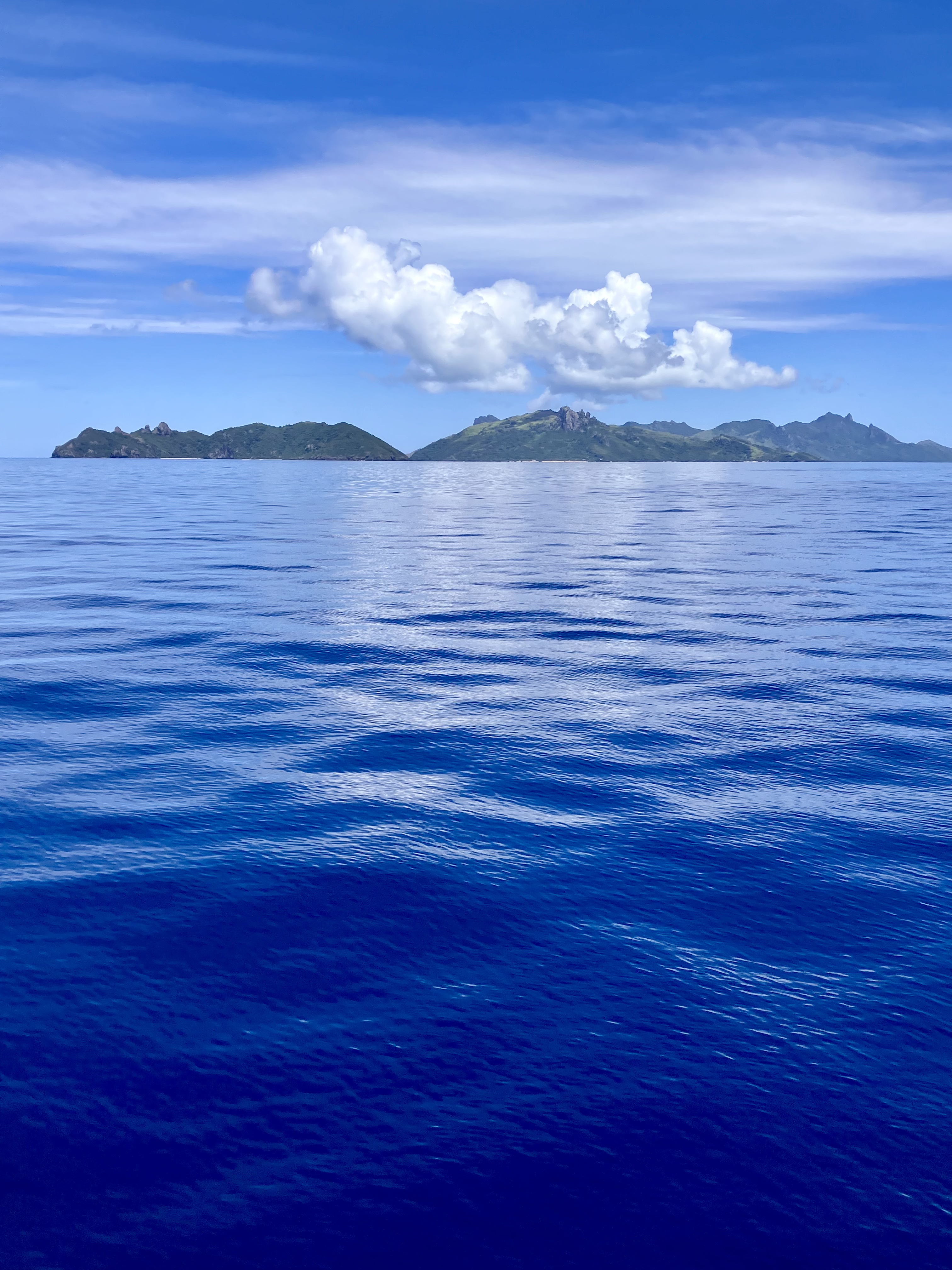
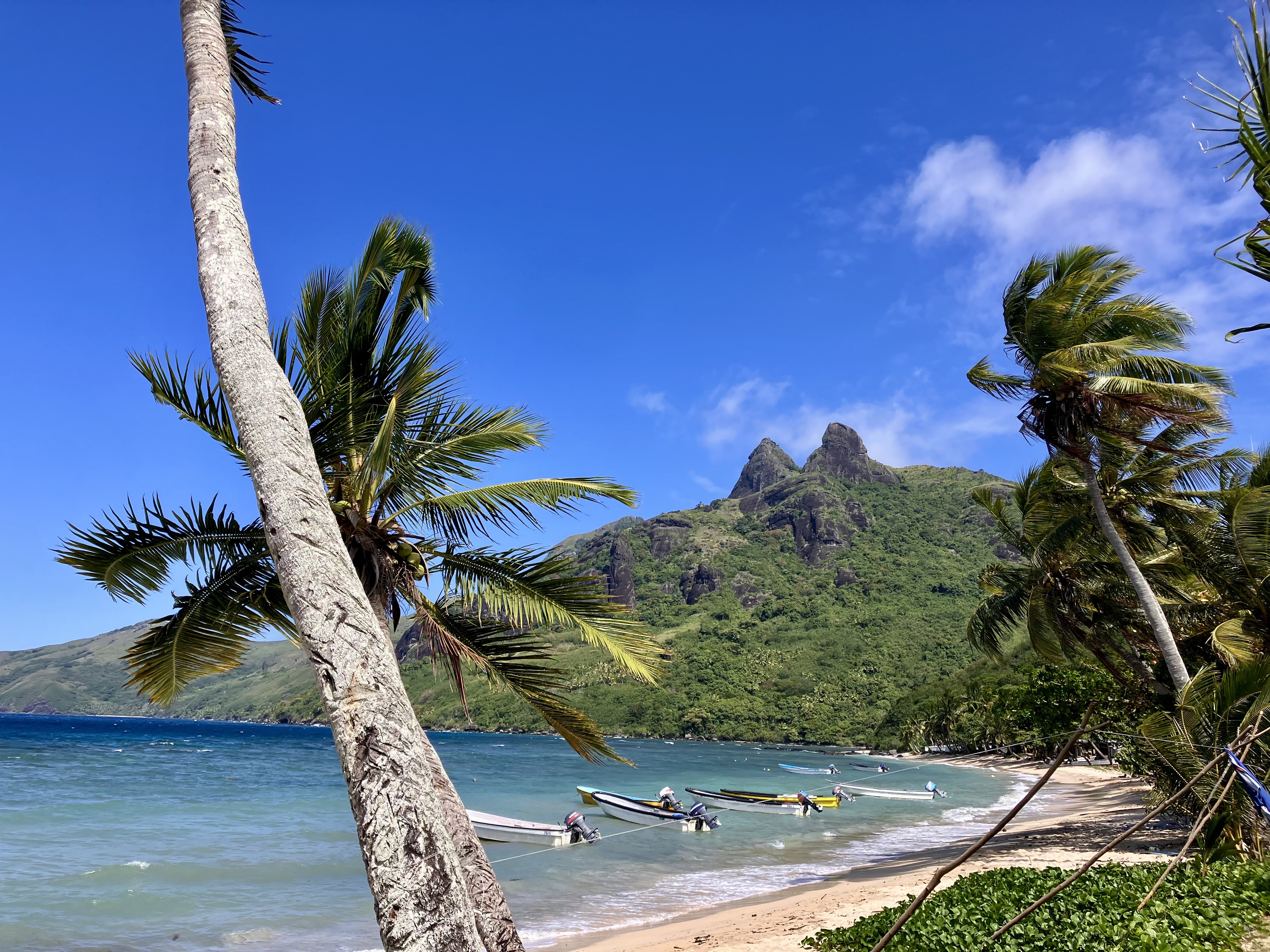
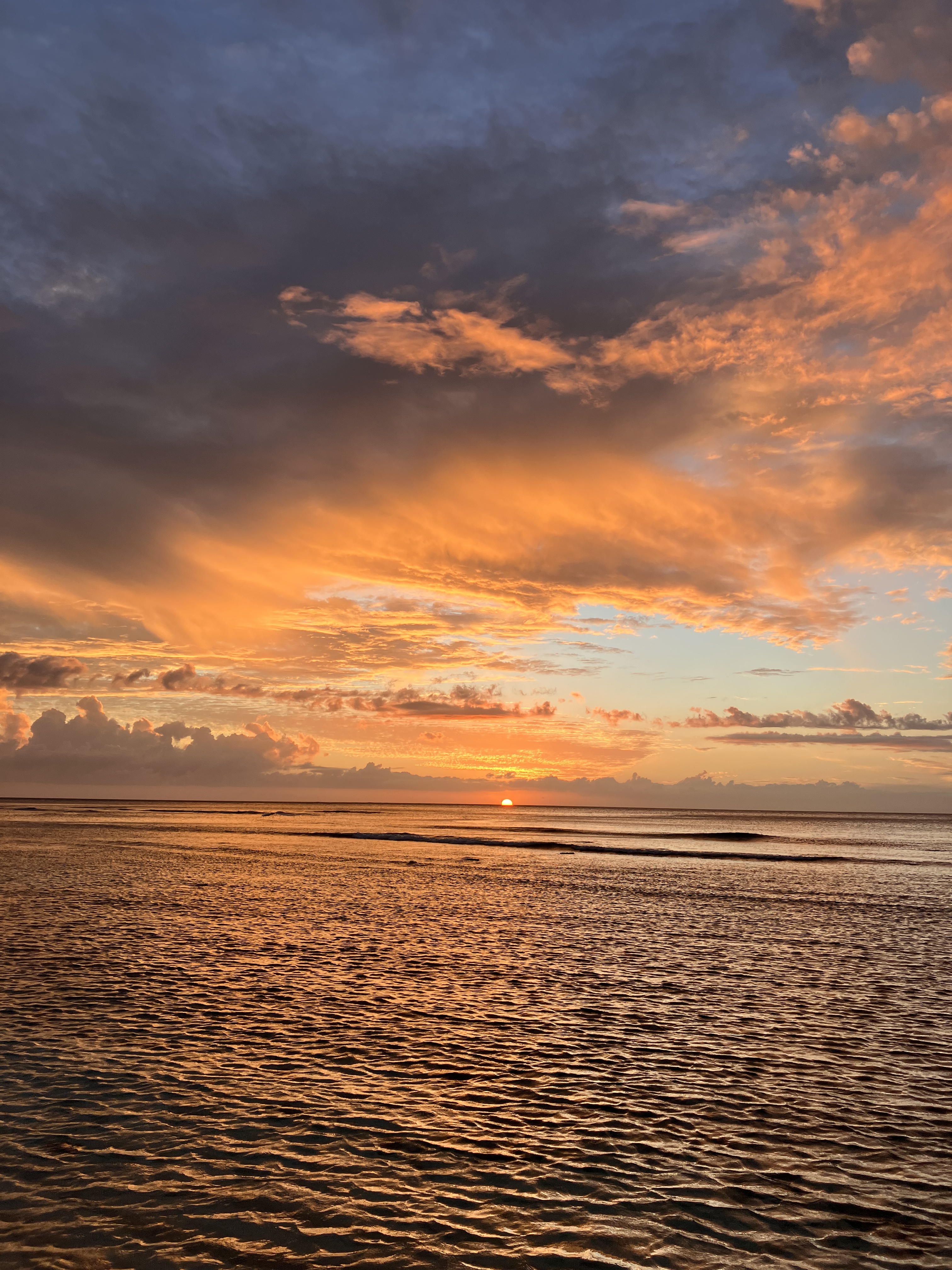
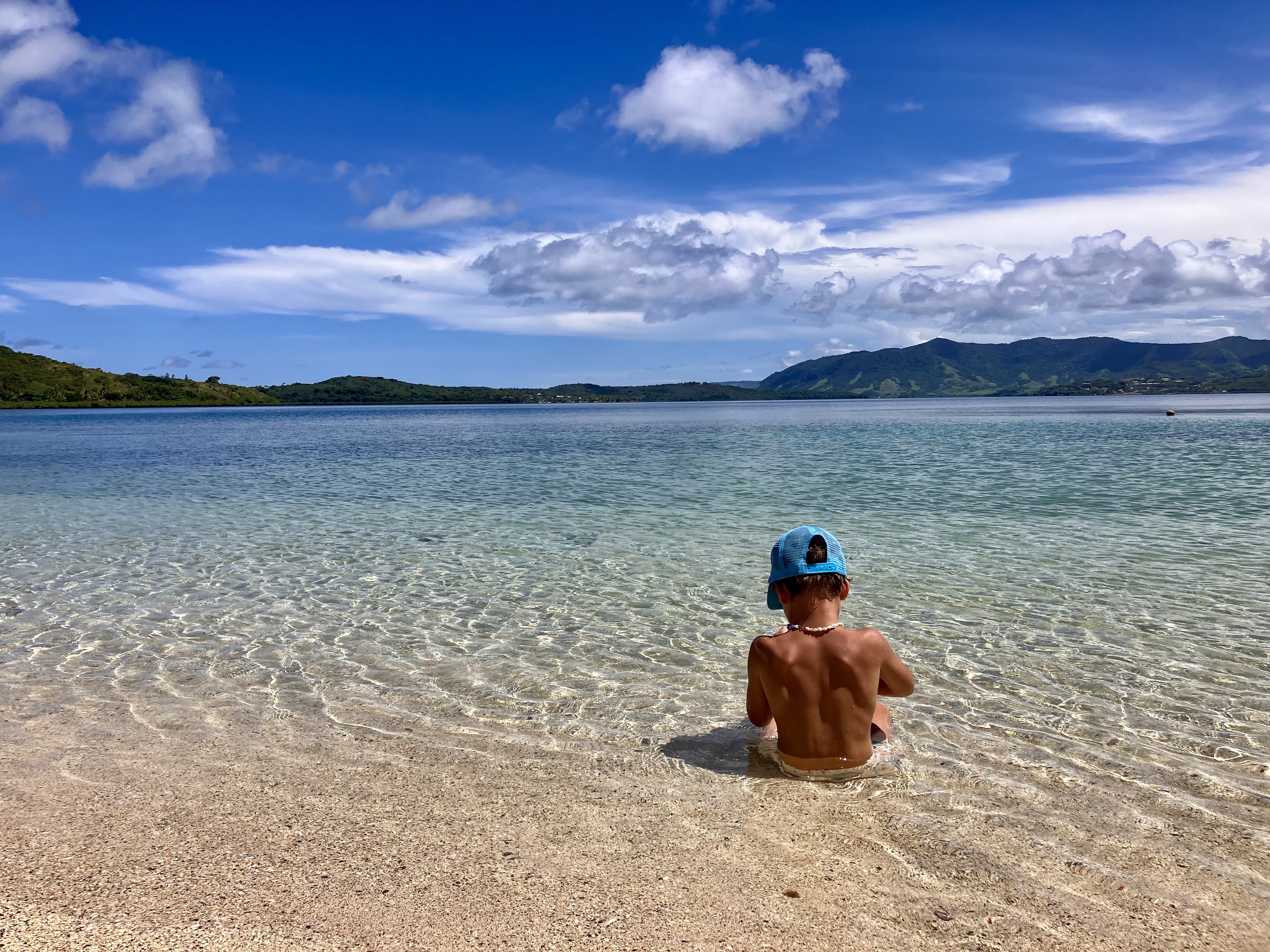
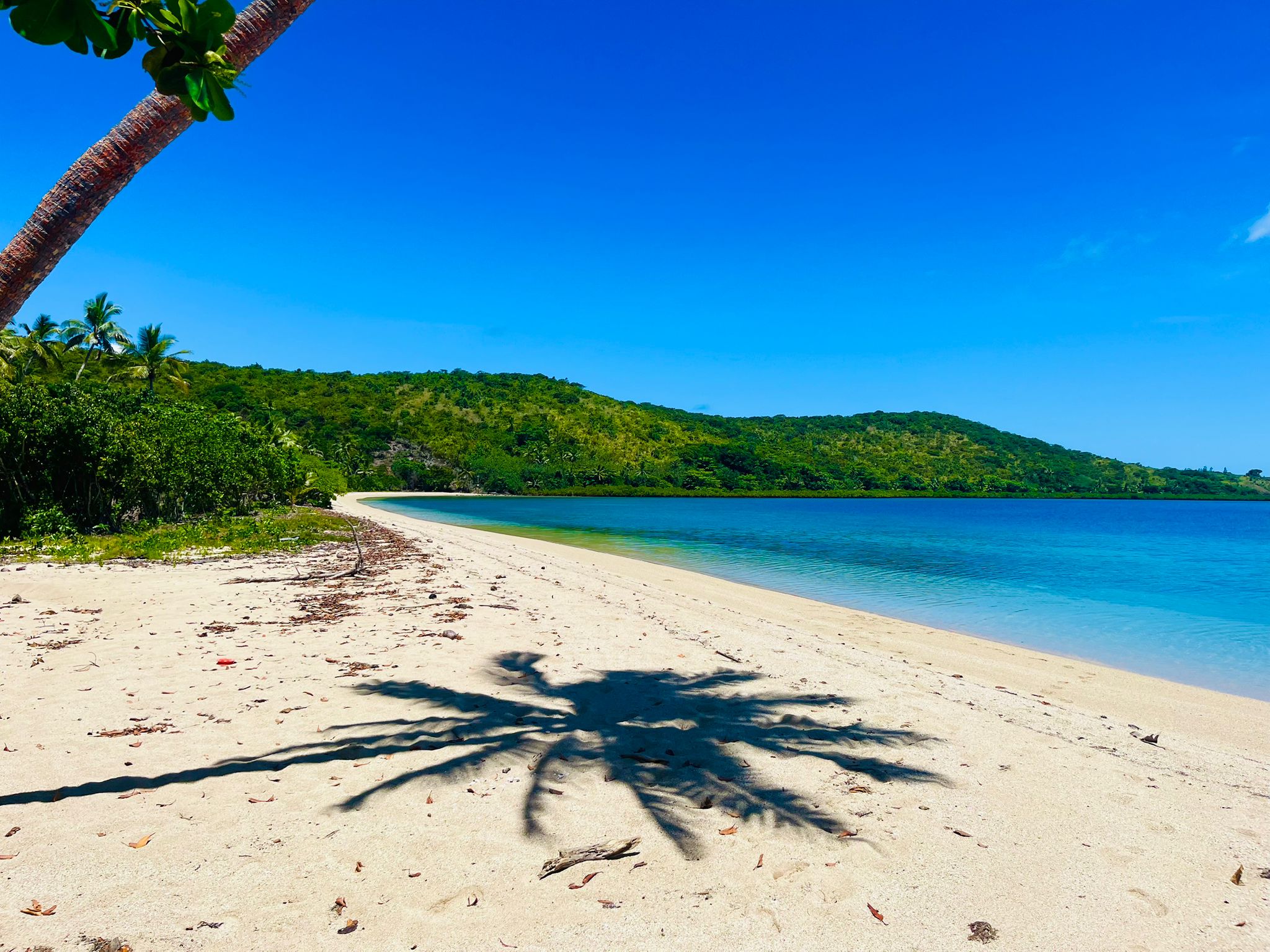
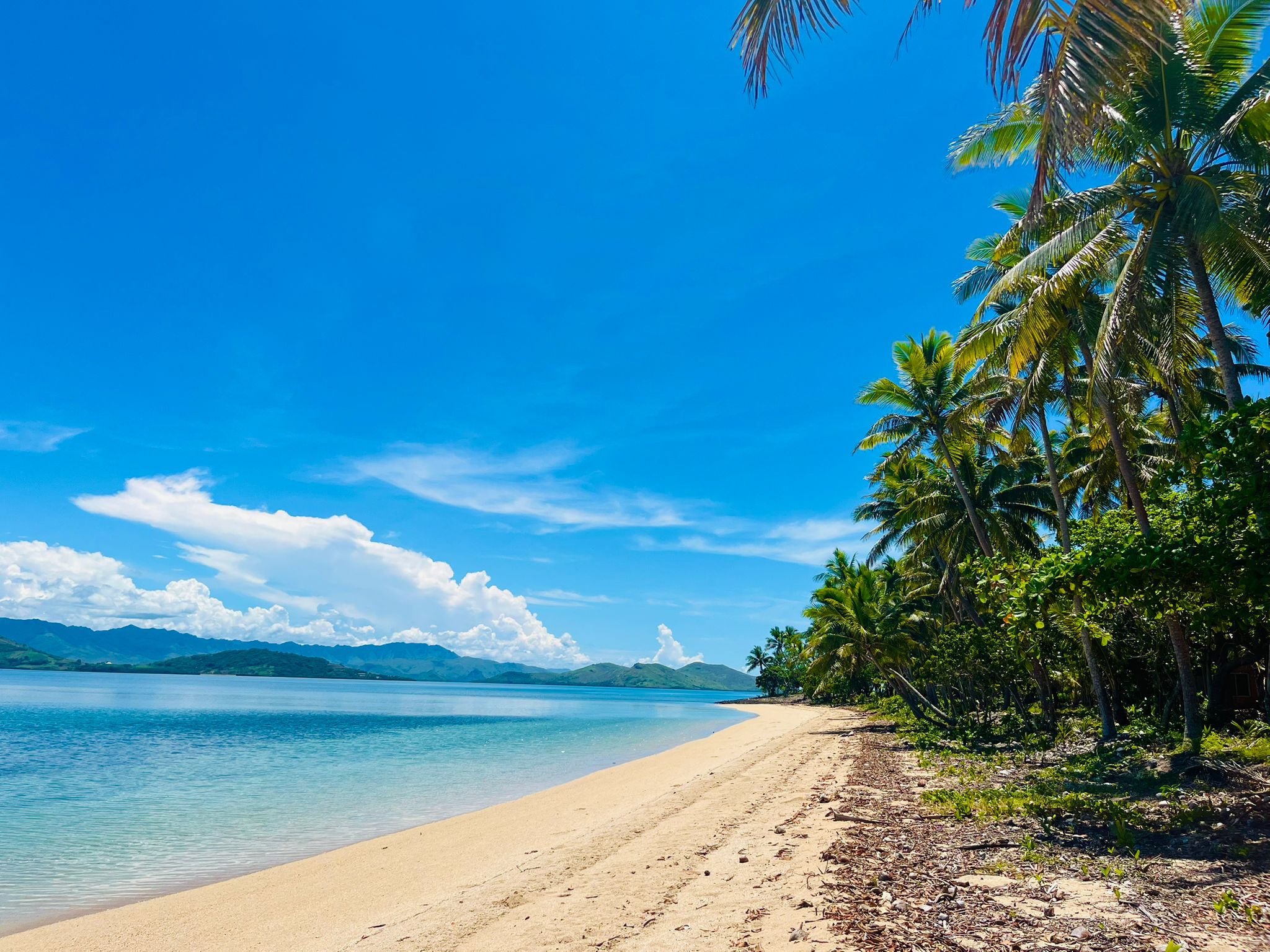
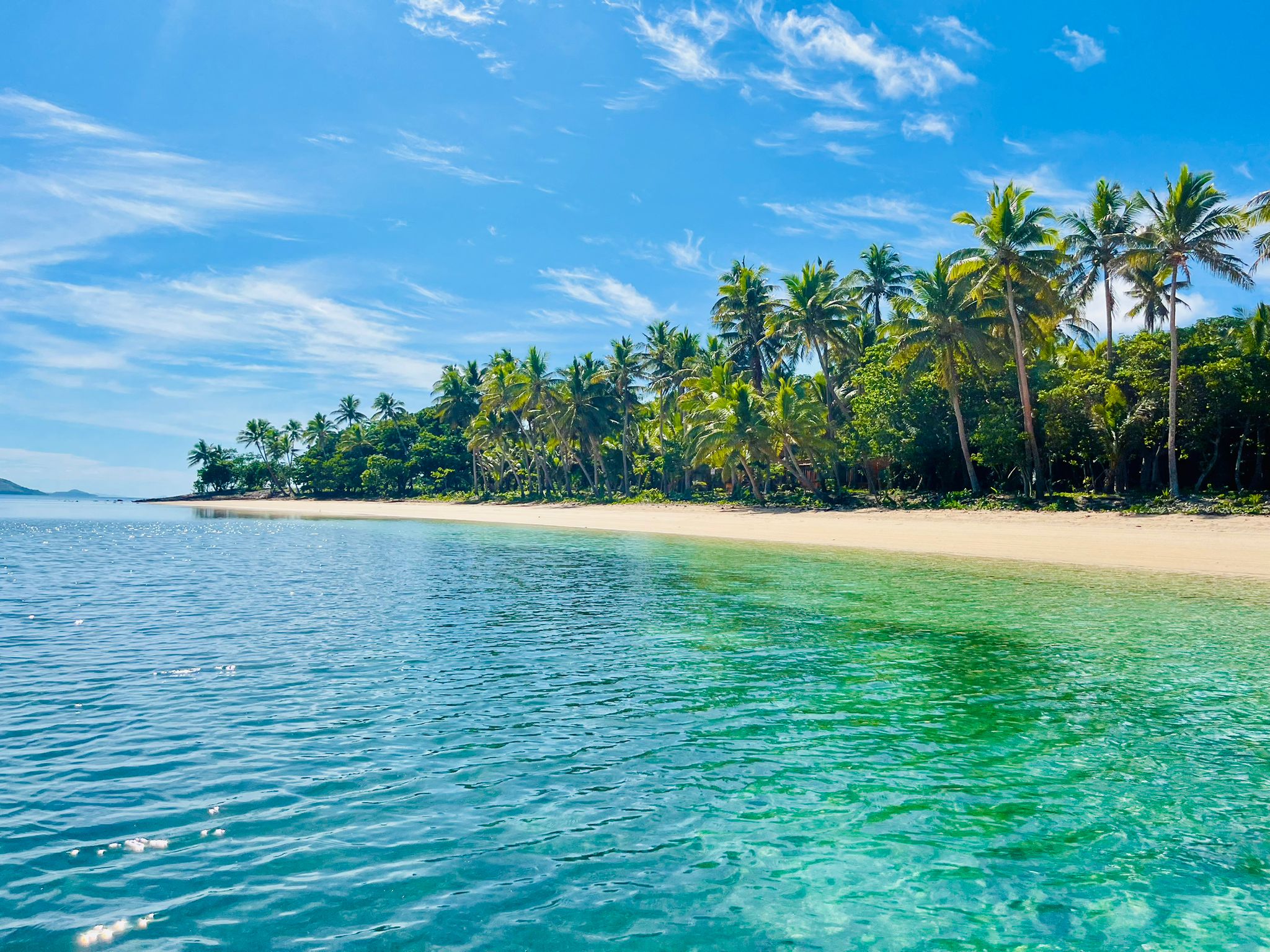
And with over 5,000 km of coastline, Fiji has plenty of room for you to find your own little slice of paradise.
3. Everyone in Fiji speaks English
When you land in Fiji, one thing quickly becomes obvious: everyone speaks flawless English. Yet, among themselves, Fijians often communicate in Fijian or Hindi, the two other main languages of the country. But in schools, English reigns supreme, thanks to (or because of) the country’s British colonial legacy.
Yes, the British managed to colonize this lost paradise 17,000 km from England. Just thinking about it makes your head spin. Imagine, back in 1850, it took months of navigation to set foot on these islands. And yet, they did it.
Of course, the poor Brits at the time only had Australia, New Zealand, South Africa, India, Singapore, and Jamaica in their imperial portfolio. So, why not add another line to their colonial CV?
What’s striking is that Fiji didn’t fall into British hands through bloody battles. The ceding of Fiji to the British Crown in 1874 played out against a backdrop of political crisis and a mountain of debt. King Cakobau, cornered by his European creditors and unable to repay them, traded his islands for a bit of financial peace. Not exactly the most patriotic move…
For nearly a century, the British transformed the archipelago, bringing in thousands of Indian laborers to work the sugarcane fields. Today, the Indian community represents around 35% of Fiji’s population. Meanwhile, the British administered Fiji while allowing indigenous chiefs to preserve their traditions and way of life.
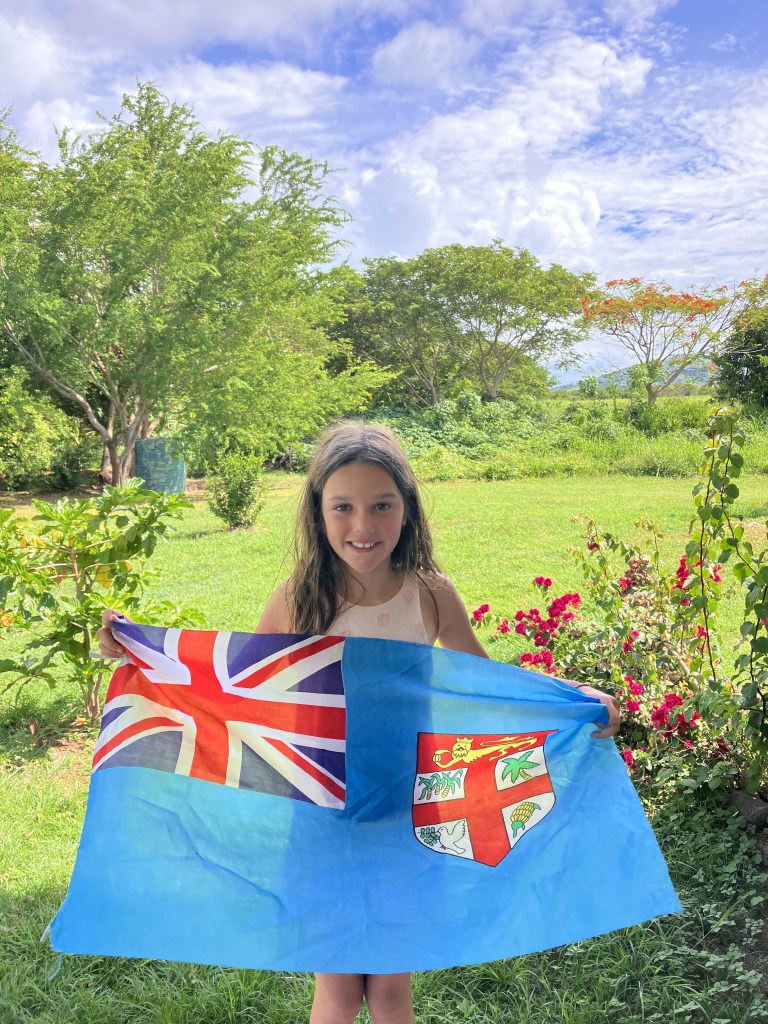
This historical duality is still visible on the flag: a mix of the British Union Jack and Fijian symbols.
This linguistic legacy has made Fijians an almost perfectly bilingual people, effortlessly switching from Fijian or Hindi to the “Queen’s English.” Not bad for a country so isolated from the rest of the world!
4. And today? A country in search of balance
Not everything is rosy in Fiji. Although the archipelago is a dream destination, it is still marked by historical tensions. Since gaining independence in 1970, the country has had to face deep divisions between two major communities: the iTaukei, the indigenous Fijians, and the Indo-Fijians, descendants of Indian workers brought in by the British. This coexistence has not always been easy. The iTaukei fiercely defend their land and traditions, while the Indo-Fijians fight for a fair place in society.
The country has gone through several coups in 1987, 2000, and 2006, illustrating the persistent tensions. Since then, there has been a constant effort to unify the nation under one identity: that of “Fijian,” regardless of origin. But the balance between tradition and modernity, between the two communities, remains complex.
Despite these divisions, Fiji offers a fascinating example of resilience and coexistence. Finding common ground between peoples with distinct histories and cultures remains a significant challenge. Yet, the experience of Fiji shows that it is possible to live together without violence, through compromise and fostering dialogue.
Because at the end of the day, diversity can be a nation’s strength, and it is within this diversity that the true wealth of a nation lies. But today, we often forget this and focus solely on the differences.
5. The other side of Fiji: nature
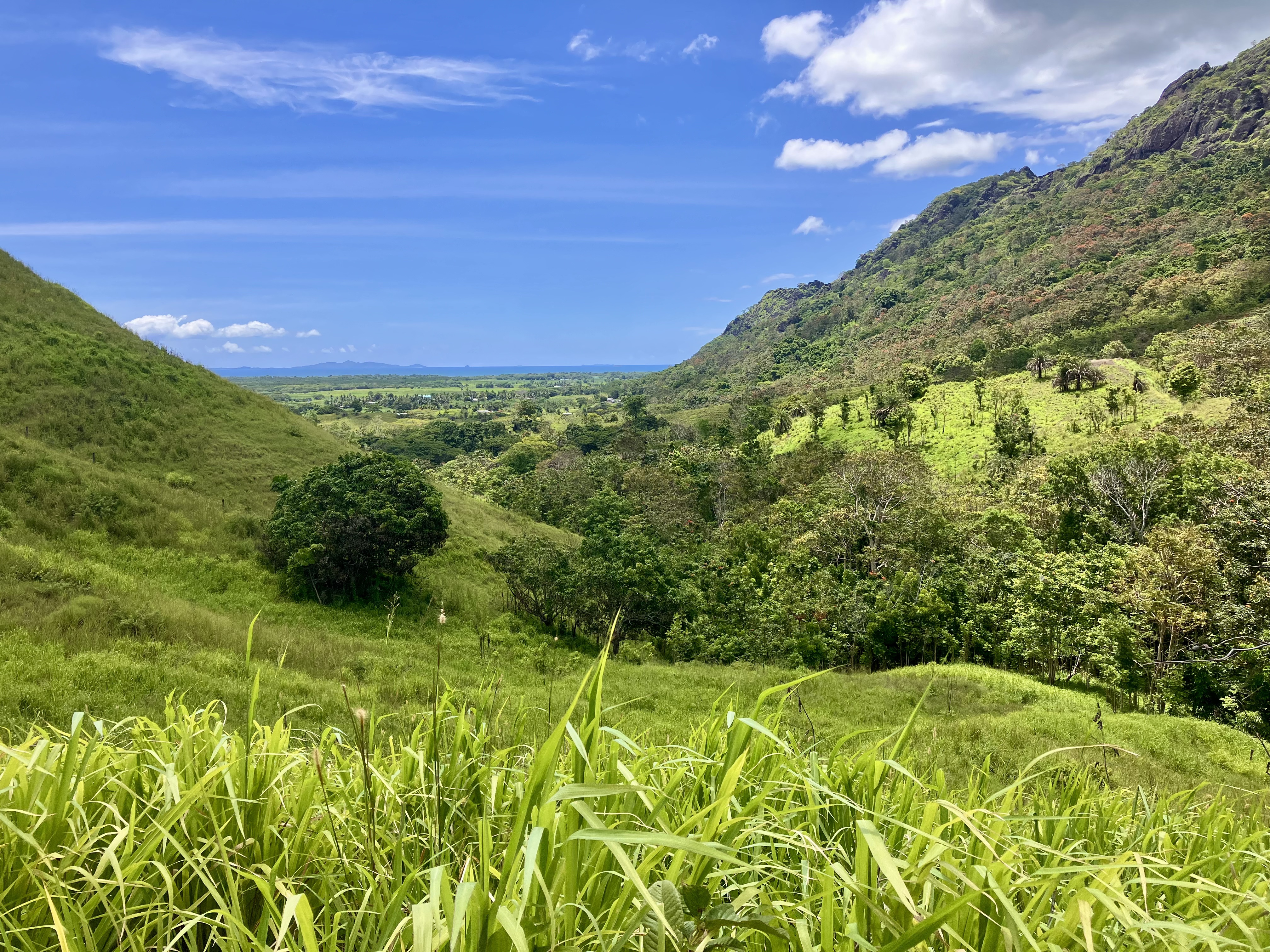
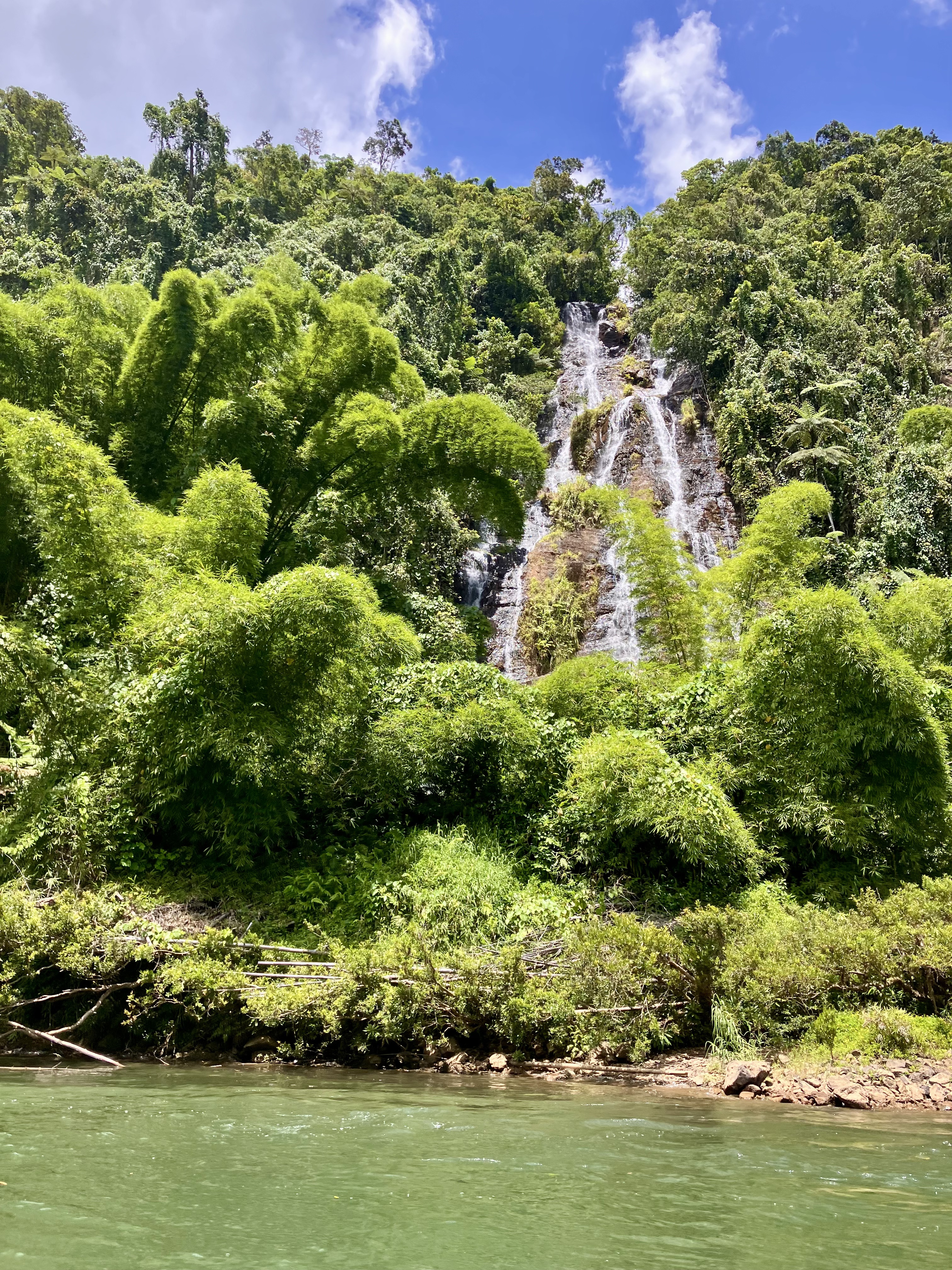
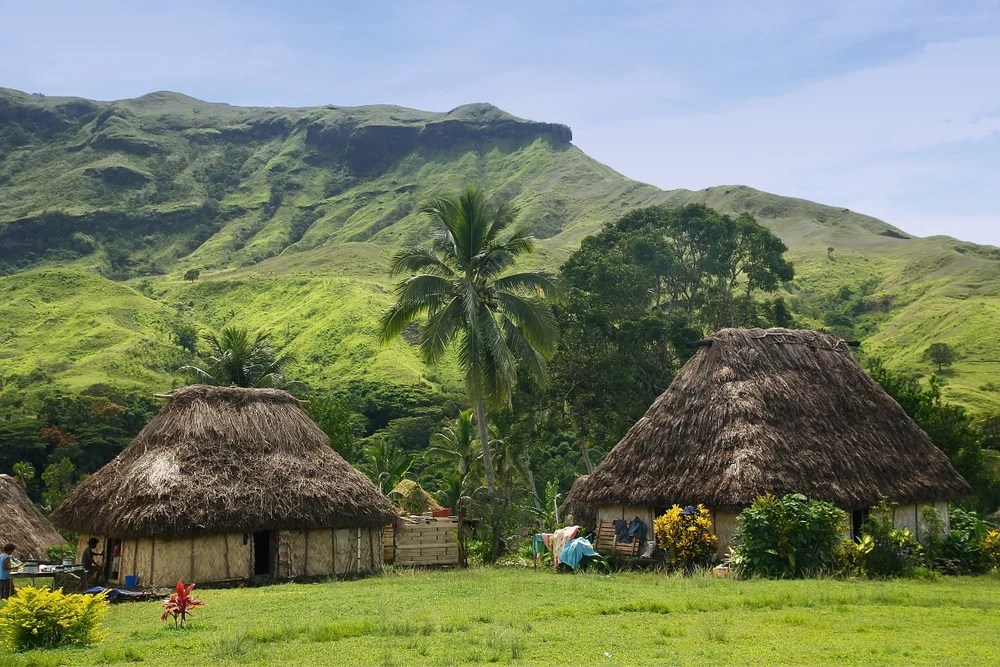
Fiji is often associated with beaches and lounging, but that overlooks another equally spectacular side: nature, wild and lush.
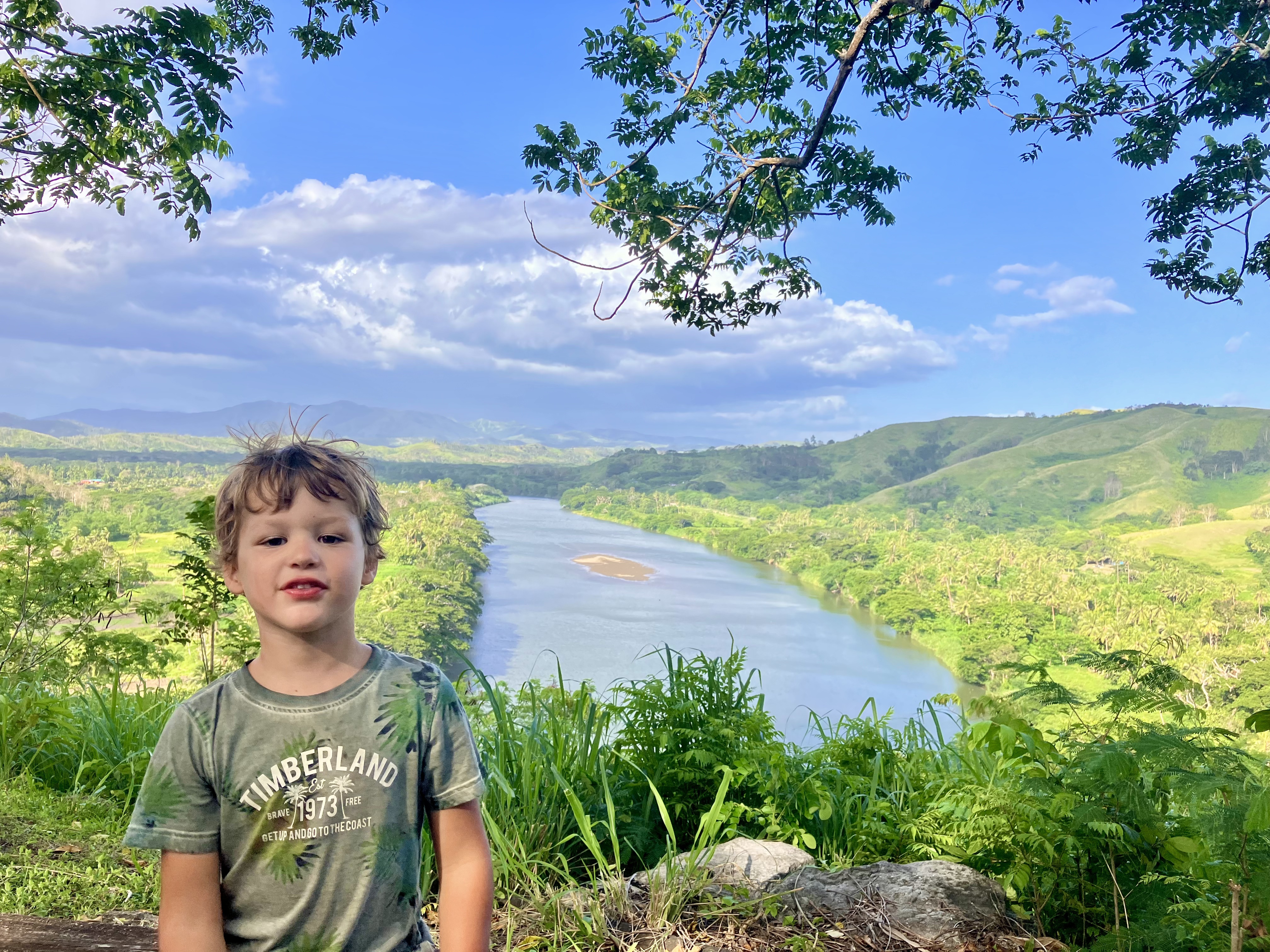
Fiji boasts a jaw-dropping density of vegetation. As soon as you leave the beaches, you’re plunged into a world of lush jungles and steep mountains. Nearly 60% of the archipelago is covered in tropical forests, and around 75% of its land is mountainous, acting like a giant sponge that absorbs the ocean’s moisture to nourish this dense vegetation.
We truly witnessed this while traveling through Viti Levu, the largest island in the archipelago. The roads that hug the beaches are breathtaking, with the sea on one side and mountains covered in greenery as far as the eye can see on the other. And as soon as you venture inland, you’re immediately immersed in this world of lush vegetation!

6. The Fijian smile: a true living postcard
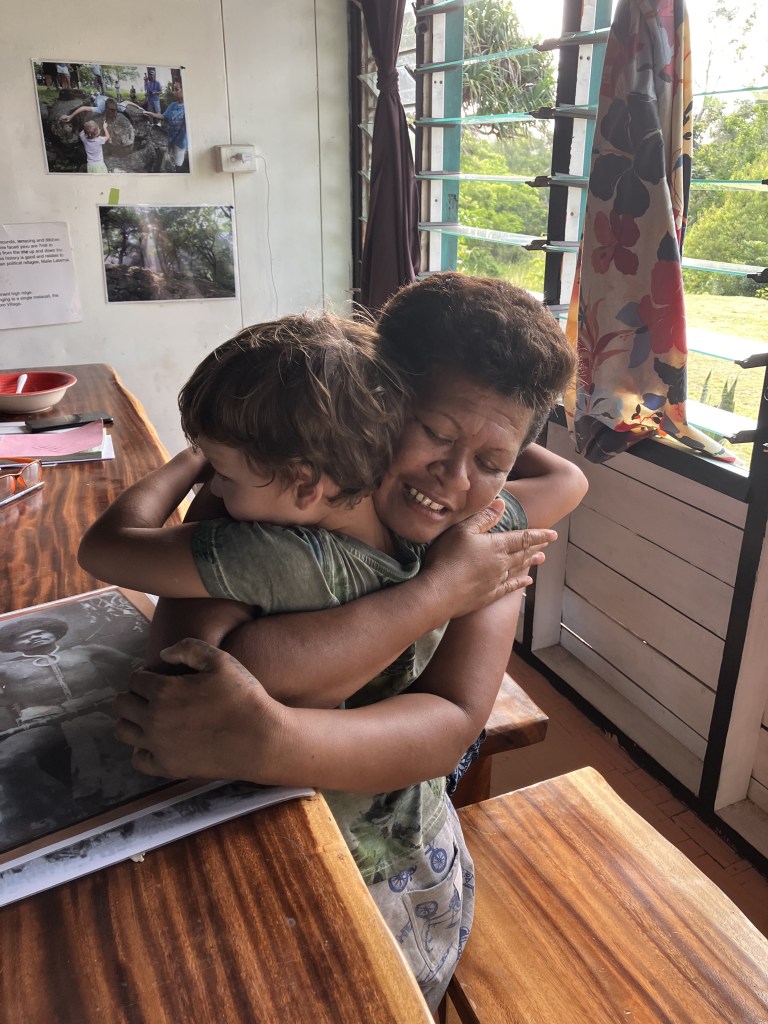
If you’ve ever doubted the sincerity of smiles, the Fijians will quickly change your mind. Their welcome is a true ray of sunshine—warm and genuine, no matter where you go.
Honestly, the way they greet you with a big “Bula” (meaning “hello”) accompanied by a beaming smile… It’s impossible not to feel uplifted after that.
And that’s not all. The Fijians have this incredible habit of singing, dancing, and playing an instrument at any given moment. I can’t tell you how many times we were surprised by someone suddenly starting to sing next to us— and the best part is, they really sing beautifully. In a small village of 200 people, we stumbled upon a choir of 30 or 40 singers; it was completely unreal. And even at 9 PM, in a restaurant in a big city, half the Fijians were already dancing! It’s an infectious atmosphere.
In my world-renowned ranking of the warmest peoples, the Fijians take either the 1st or 2nd place, in a tight race with the Burmese!
7. Postcard landscapes… and the realities behind the images
There’s something else that surprises, aside from the white sandy beaches and turquoise lagoons: Fiji faces significant economic challenges. About 30% of the population lives below the poverty line, and in remote villages, access to clean water or electricity remains limited. Cyclones, like Winston in 2016, have worsened the precarious situation for many families, leaving visible marks on infrastructure and ways of life.
Yet, what stands out the most isn’t their material standard of living, but a more intangible richness: their happiness.
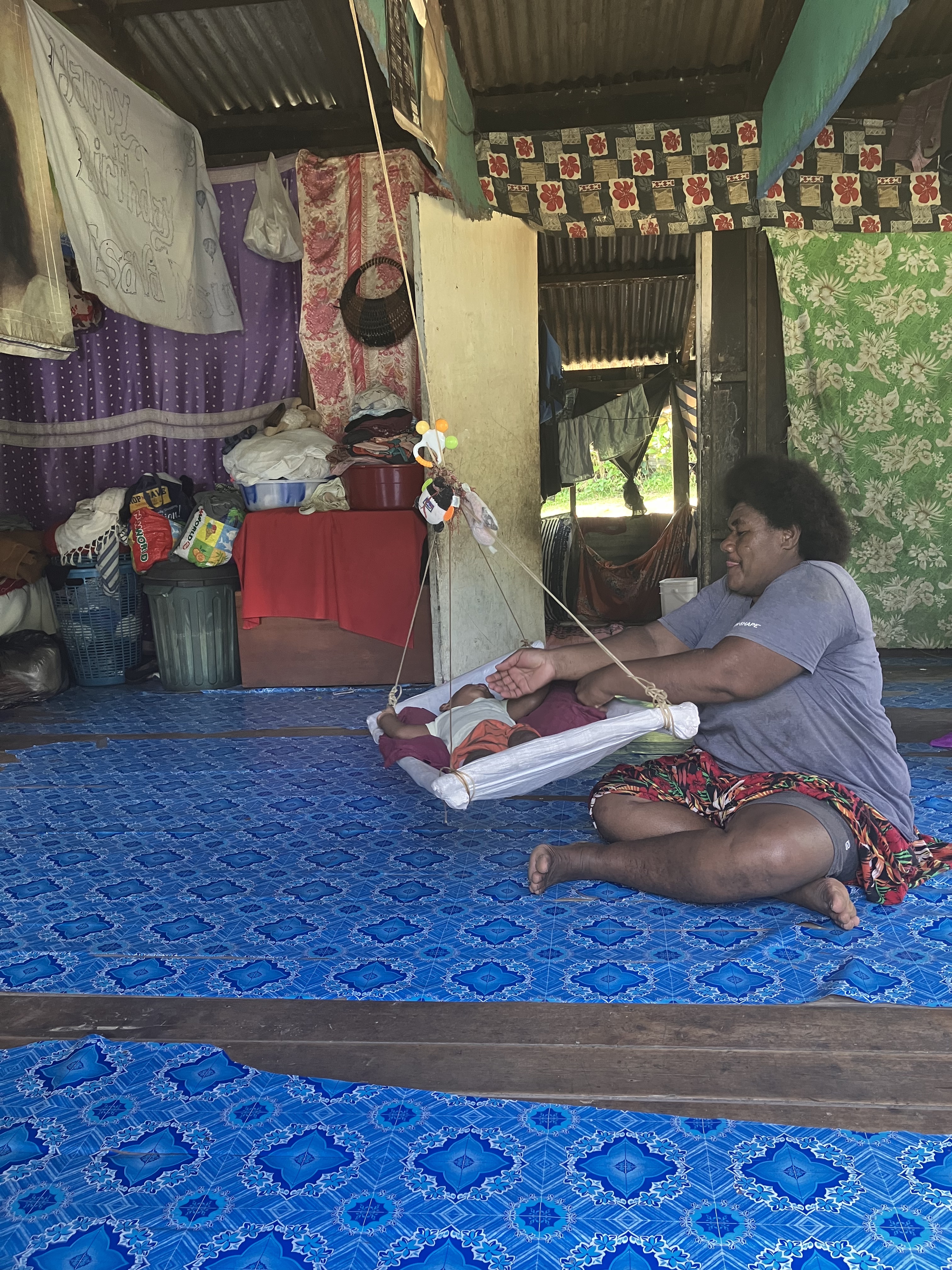
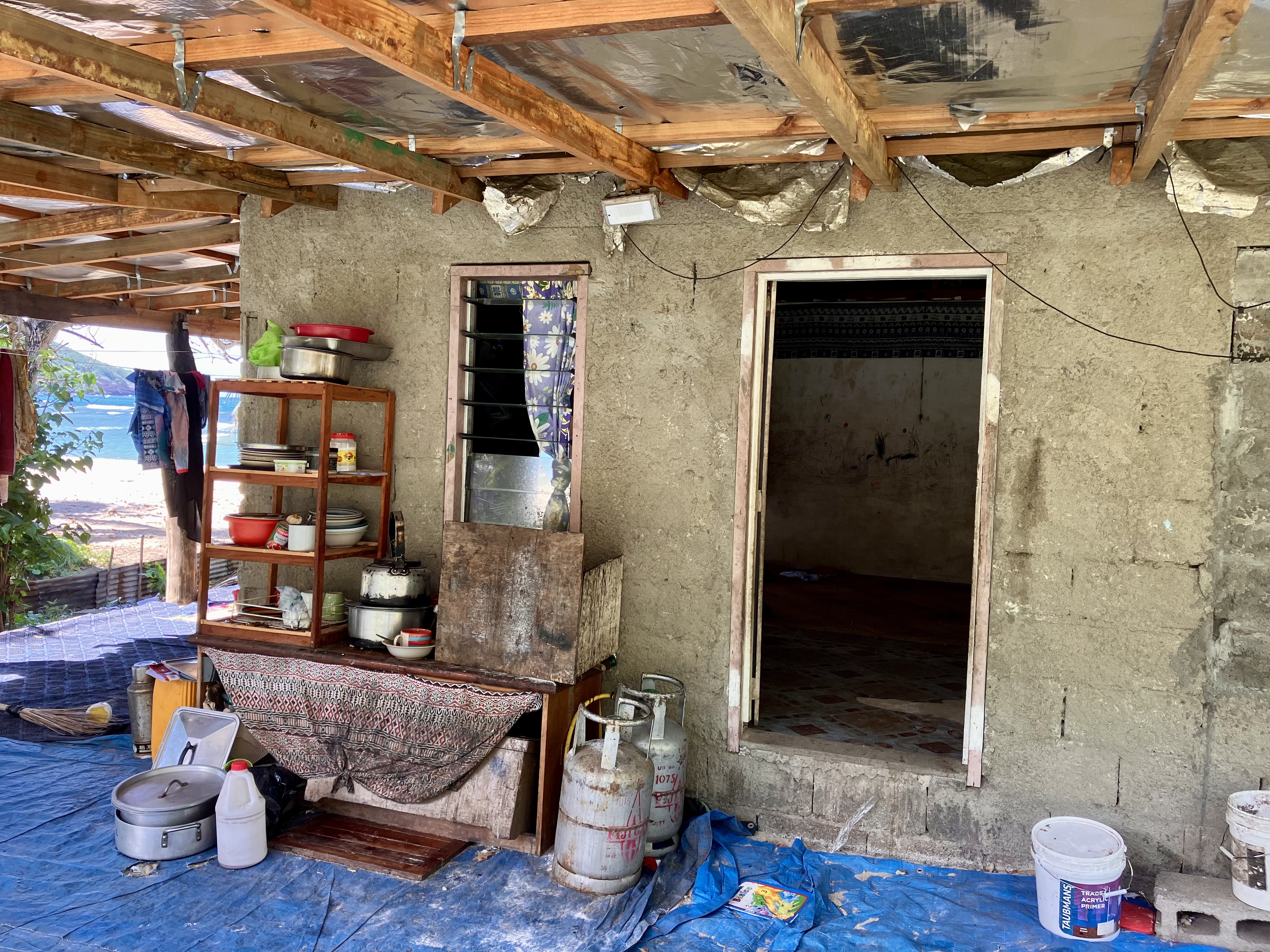

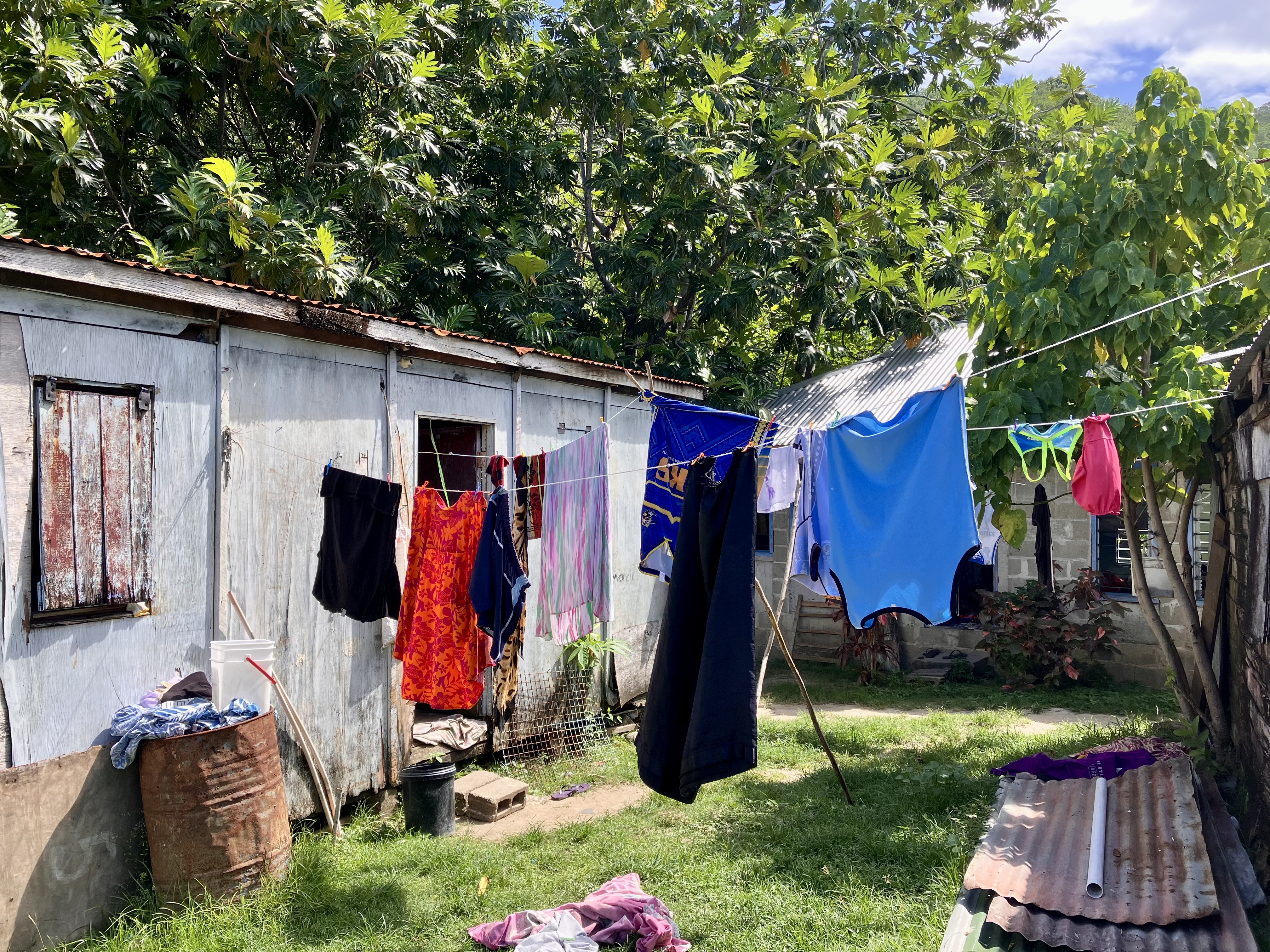
Yes, it may sound cliché… but it’s also a reality, that was confirmed to us by many expats and travelers. In conversations with Fijians and foreigners living there, I often heard the same answer: their happiness comes from a simple philosophy of life, focused on sharing, community, and a deep connection to nature. And this is reflected in global happiness studies (like those from Gallup).
In the evening, everyone gathers to chat, sing, or play music, and it’s often in these moments that you understand what they call the “Bula spirit.” A blend of joy, friendliness, and gratitude that seems to permeate their entire culture.
It’s this philosophy, much more than the postcard landscapes, that makes this place truly unique.
8. The Kava Ceremony
Let’s start with the basics: Kava has absolutely nothing to do with cava (unfortunately!). It’s also a drink, but that’s where the similarities end. Kava is an infusion made from the roots of a local pepper plant, pounded and mixed with water. It’s prepared in the large basin you see in the photos. And to be completely honest, we still don’t understand how they made it their national drink.
So why talk about it, you ask? Well, because Kava is a true institution in Fiji. In the 18 days we spent on the island, we must have drunk it 6 or 7 times, as it is such an integral part of Fijian hospitality. When you arrive in a village, it’s a must. It’s a gesture of respect and acceptance, a symbol of warm welcome.
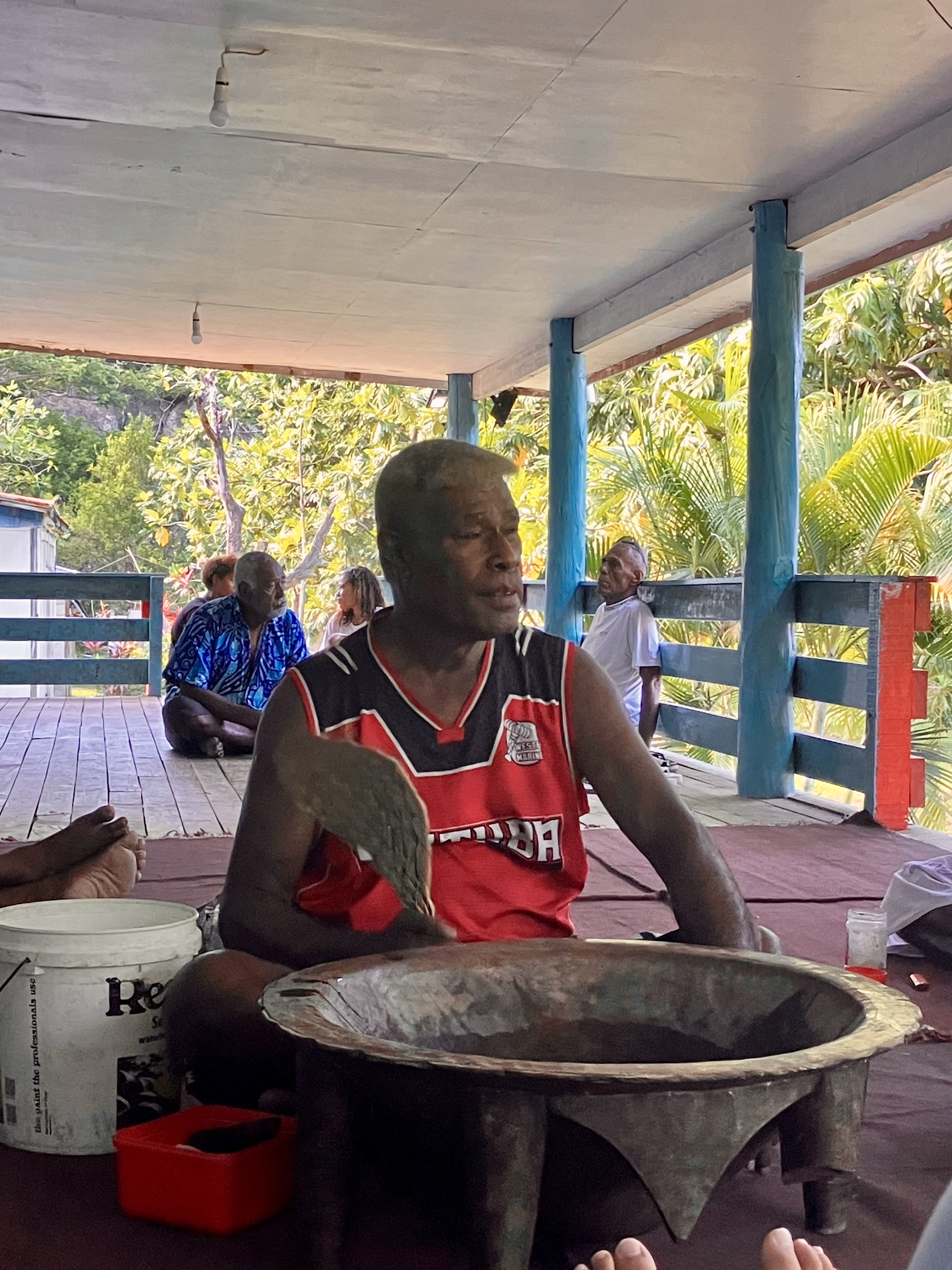

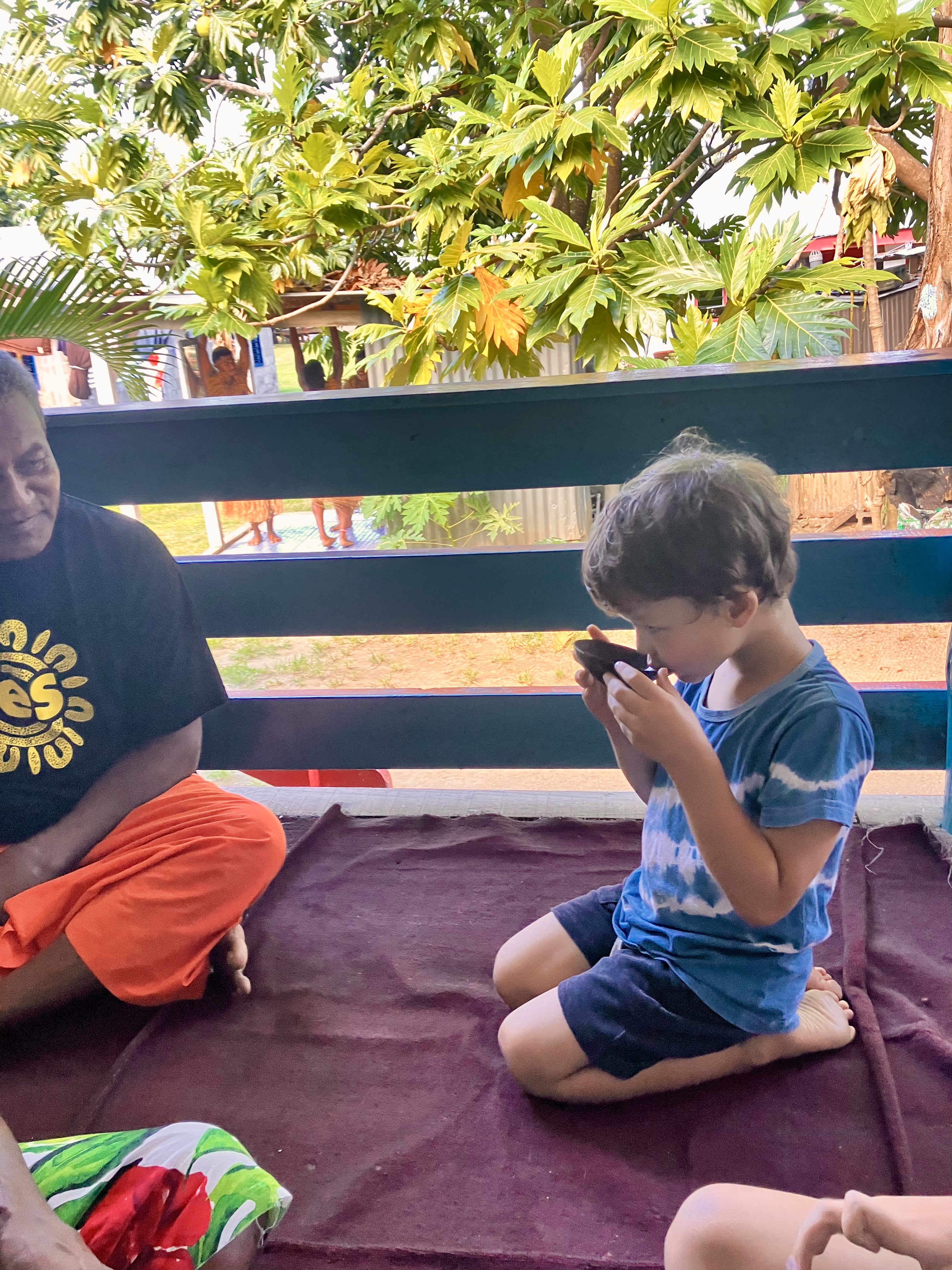
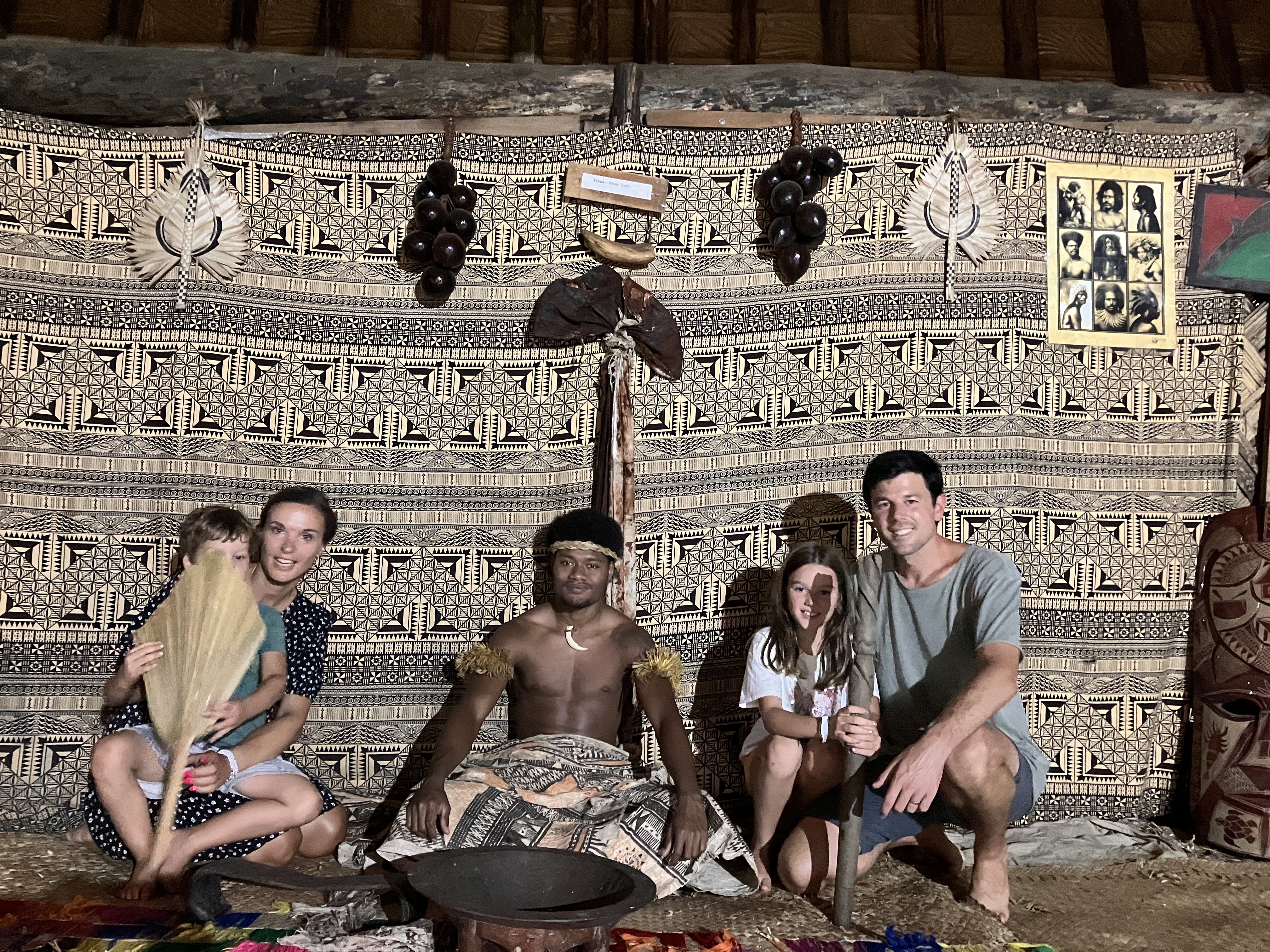
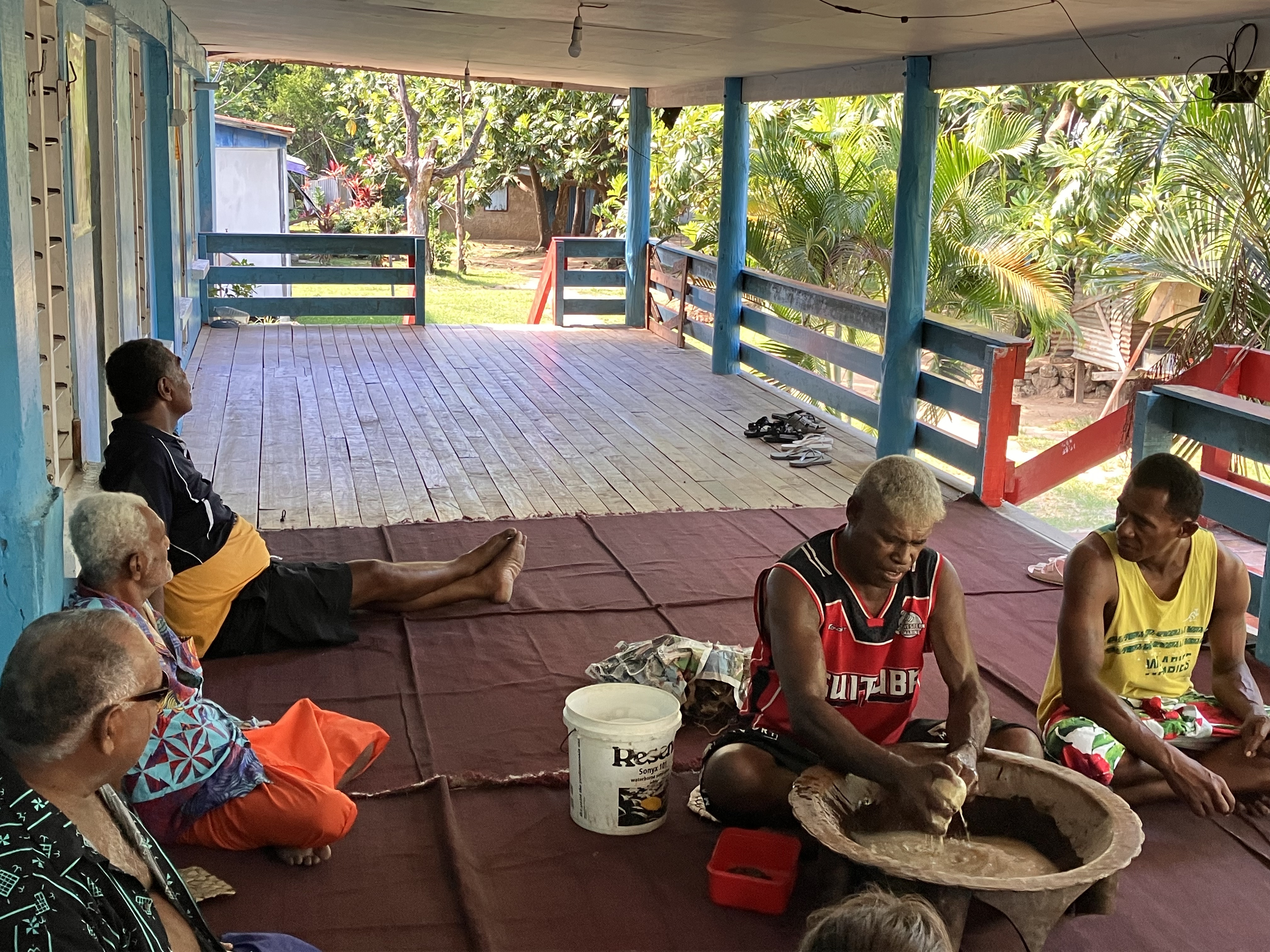
The ceremony that accompanies the consumption of Kava follows a precise ritual, marked by “bula” (the famous Fijian “hello”) and hand clapping. This creates a friendly and solemn atmosphere where everyone feels respected and welcome. And I can assure you, this ceremony is by no means just a tourist trap: it is part of the everyday life of all Fijians, who practice it without exception.
9. Nola celebrated her 9th birthday
Nola’s birthday was a topic of concern, even before we left. Questions like: “Where will we be?” or “Am I going to get a gift on my birthday?” were swirling in her head.
Even though she was super excited about the trip, this birthday was always lingering in the background. I can tell you, she wasn’t disappointed. Here’s what was on the agenda:
- Breakfast with local singers and, of course, a cake.
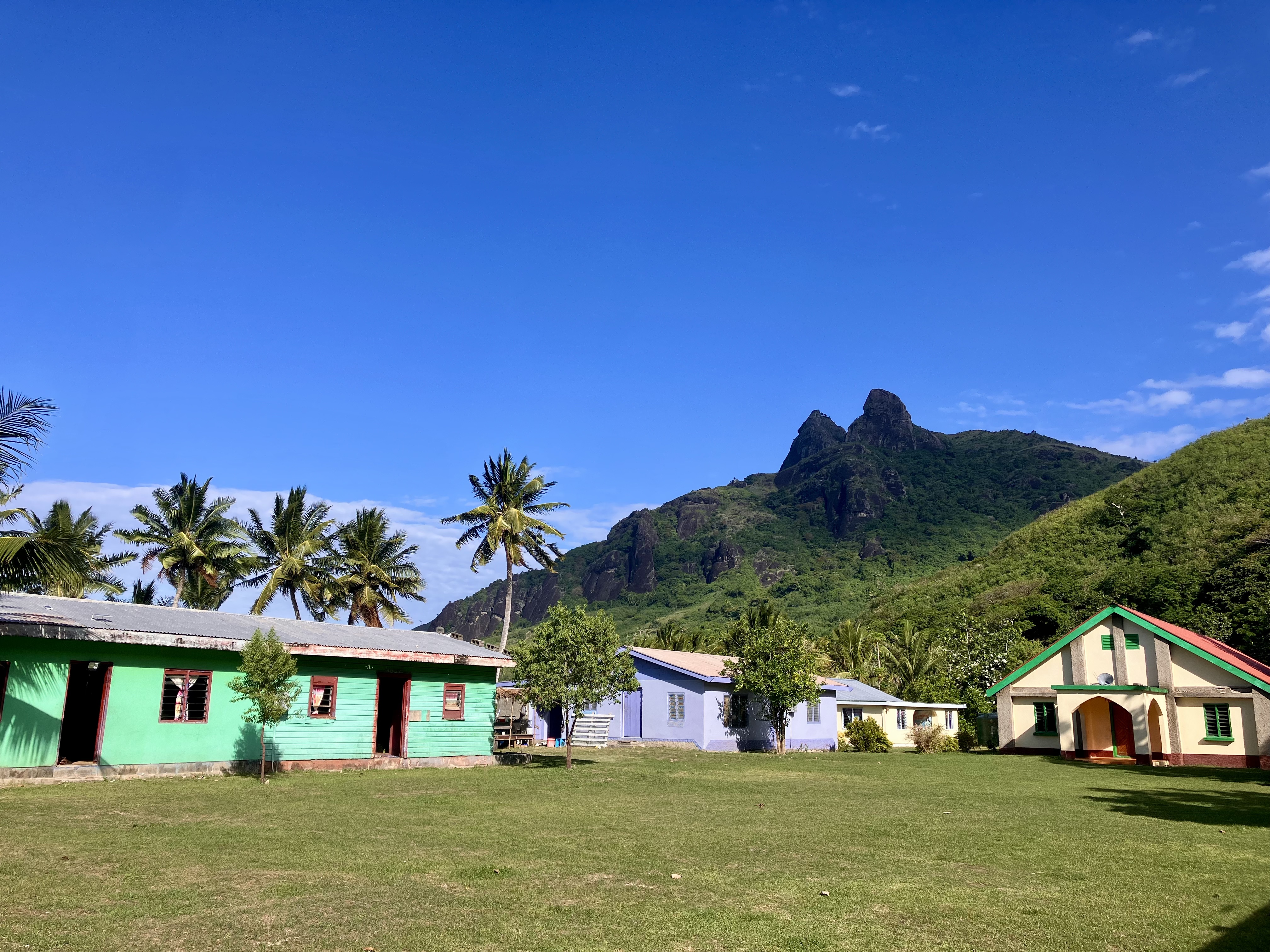
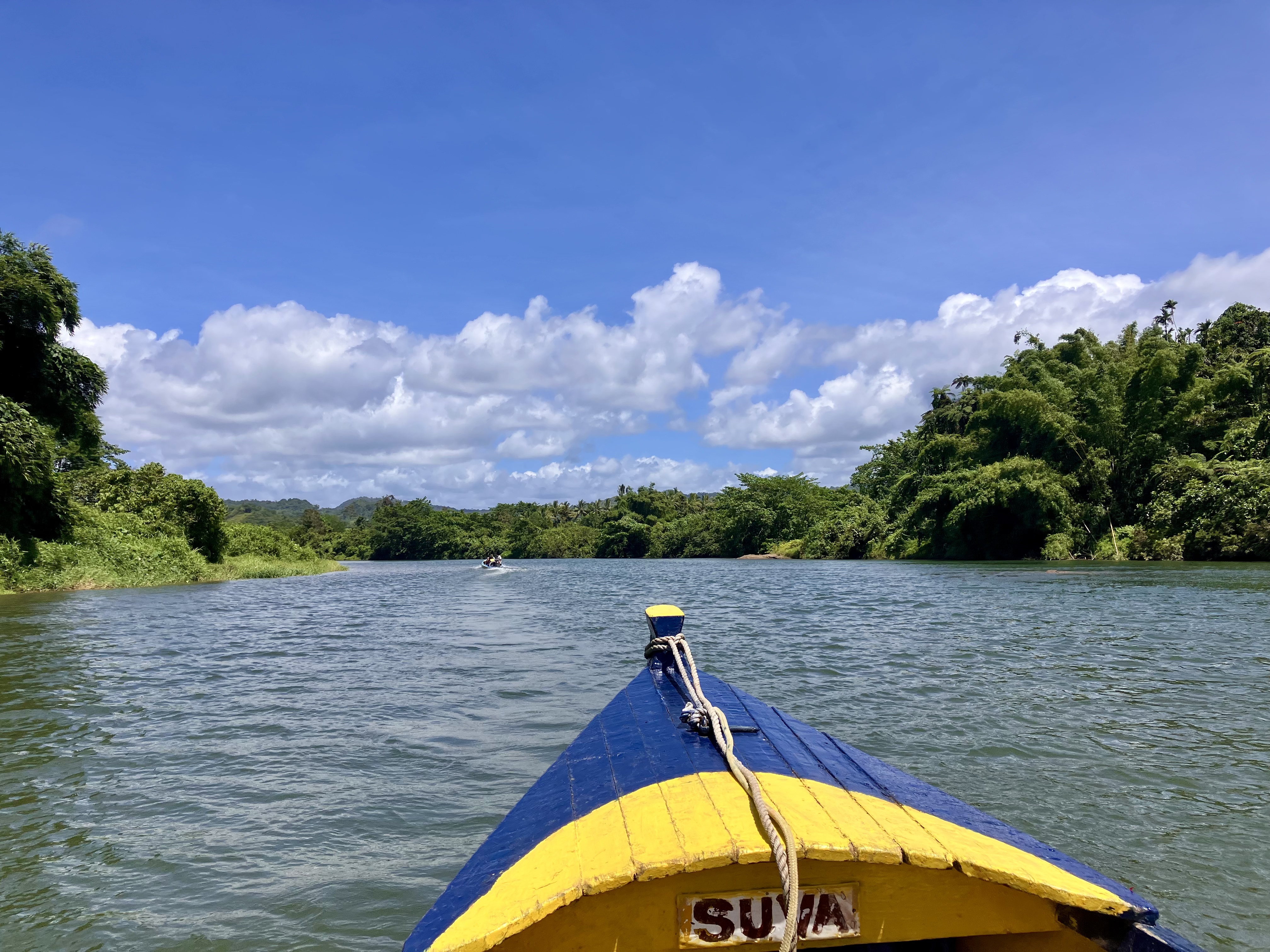
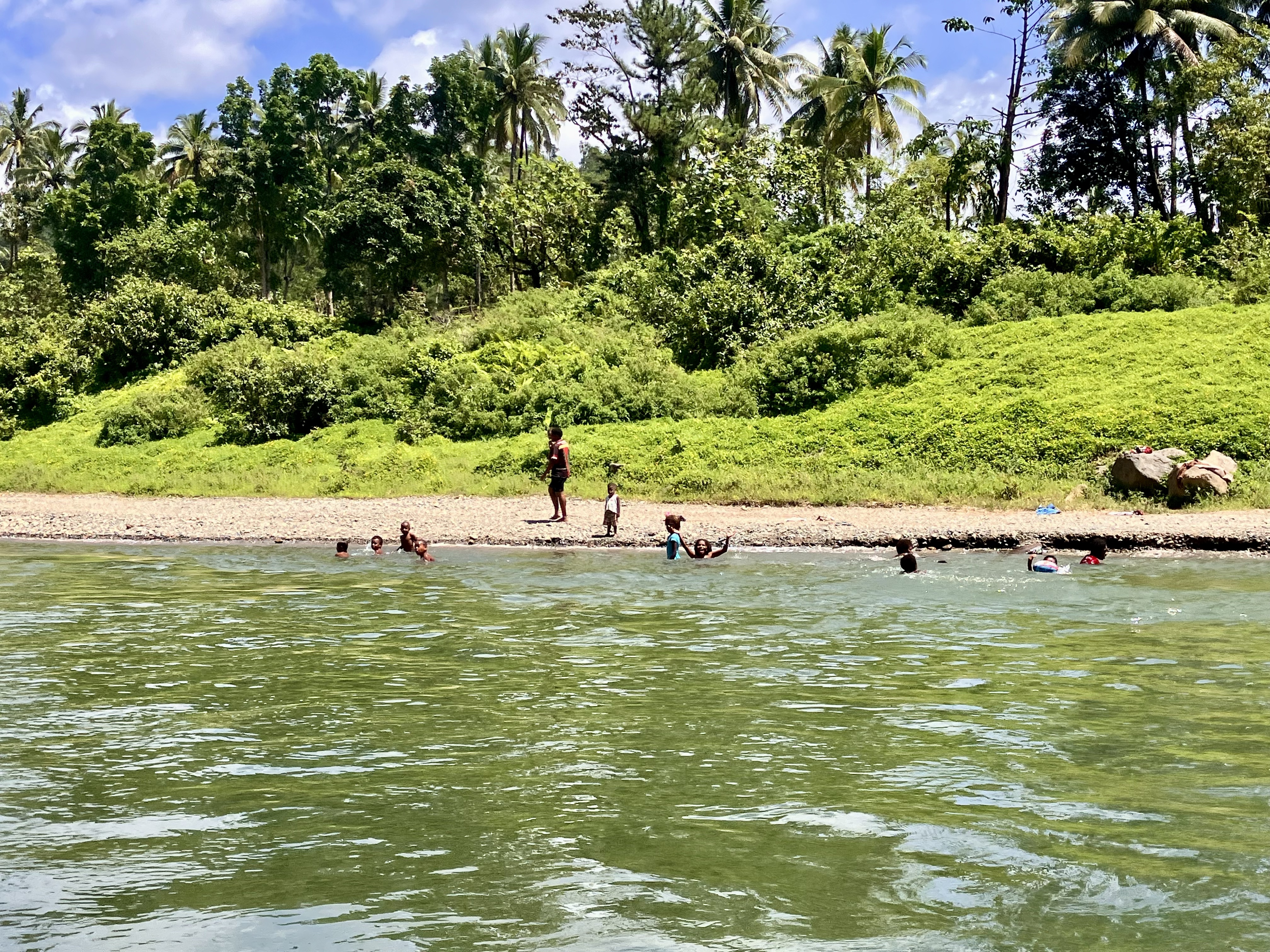
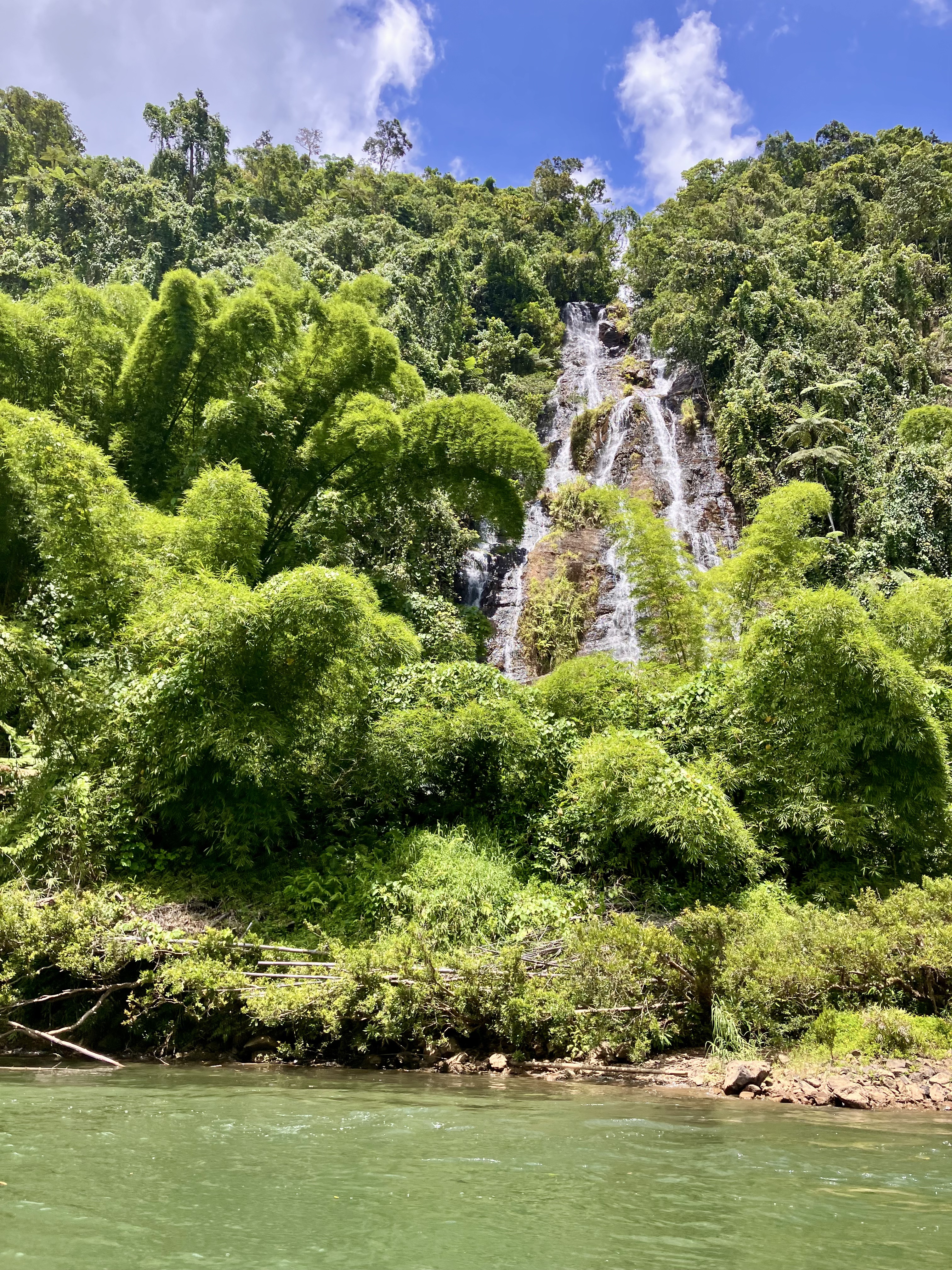
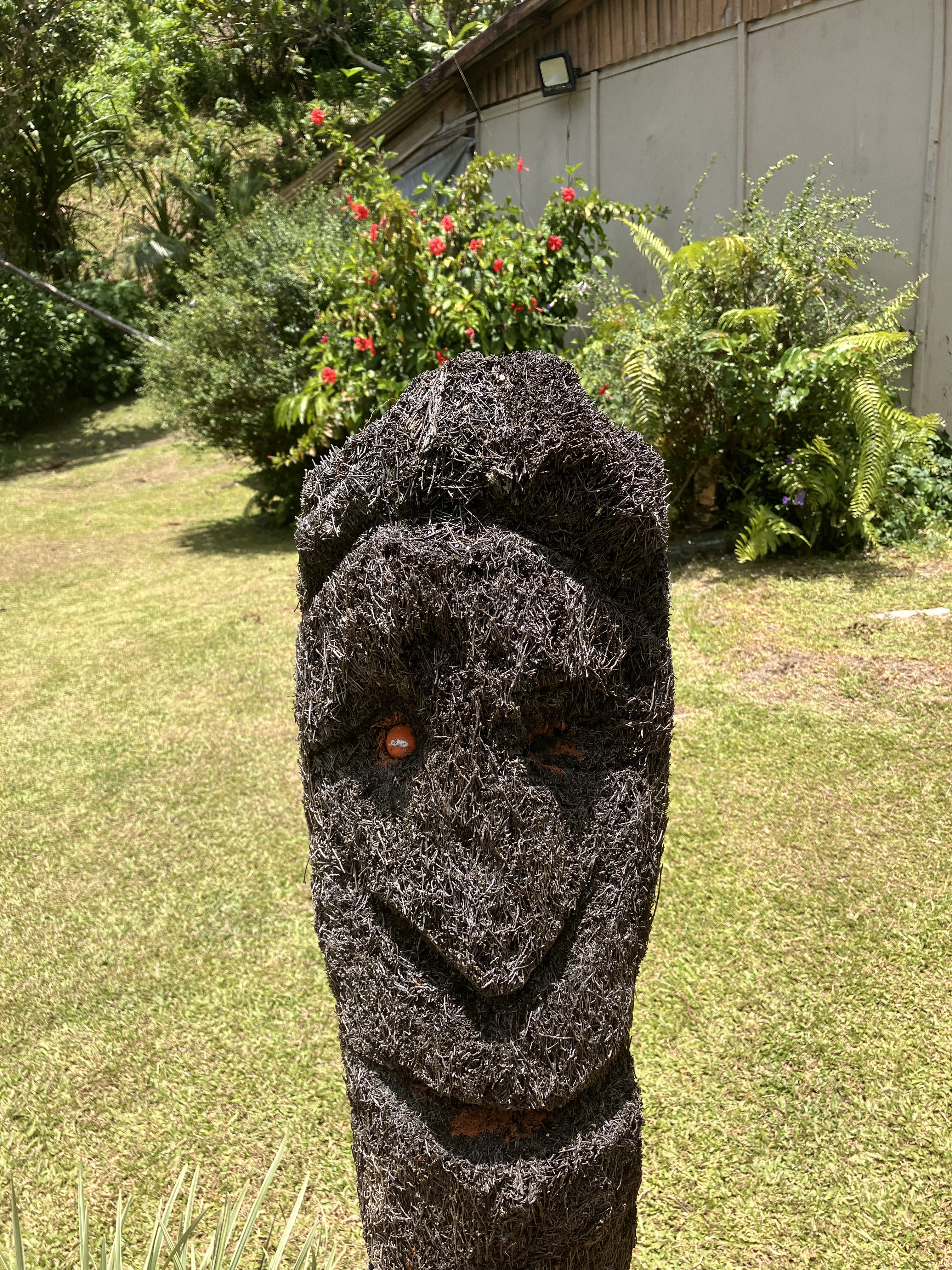
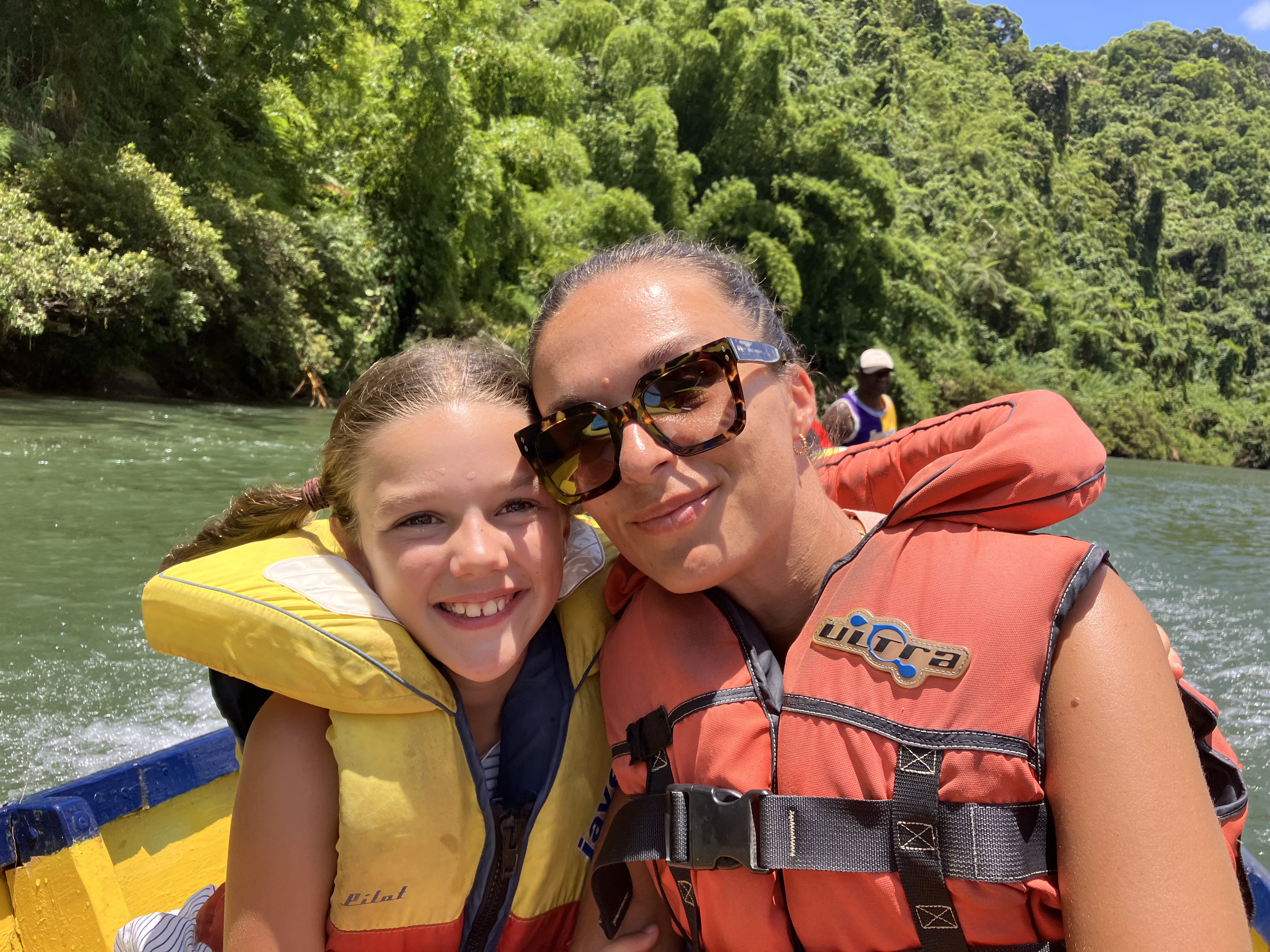
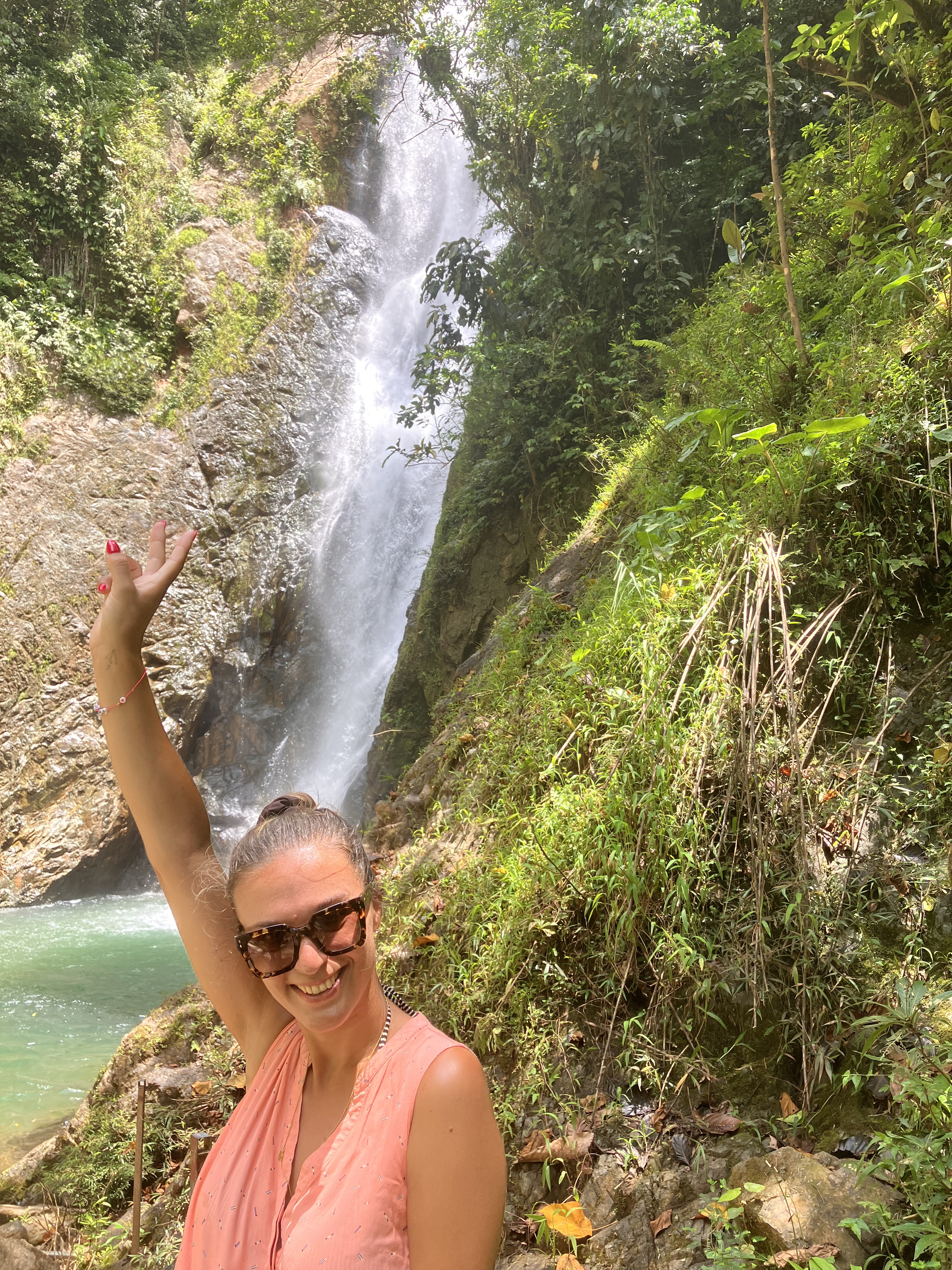
- A day on a boat in the heart of the island, with a visit to a village, waterfalls, and tubing in the rivers.
- Dinner at an Italian restaurant in Suva, the capital
- Zipline adventure through the forest, a gift from her godmother.
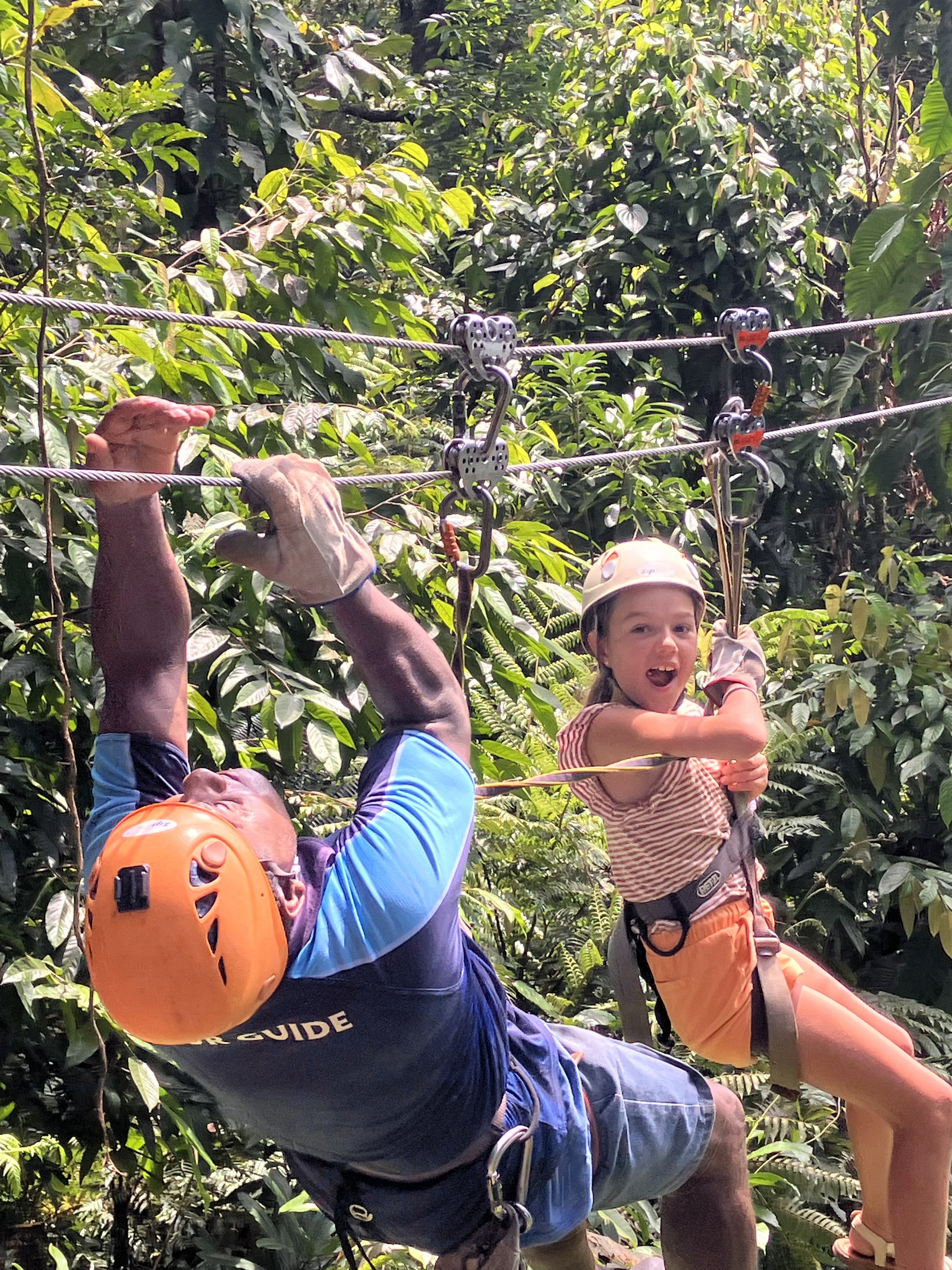
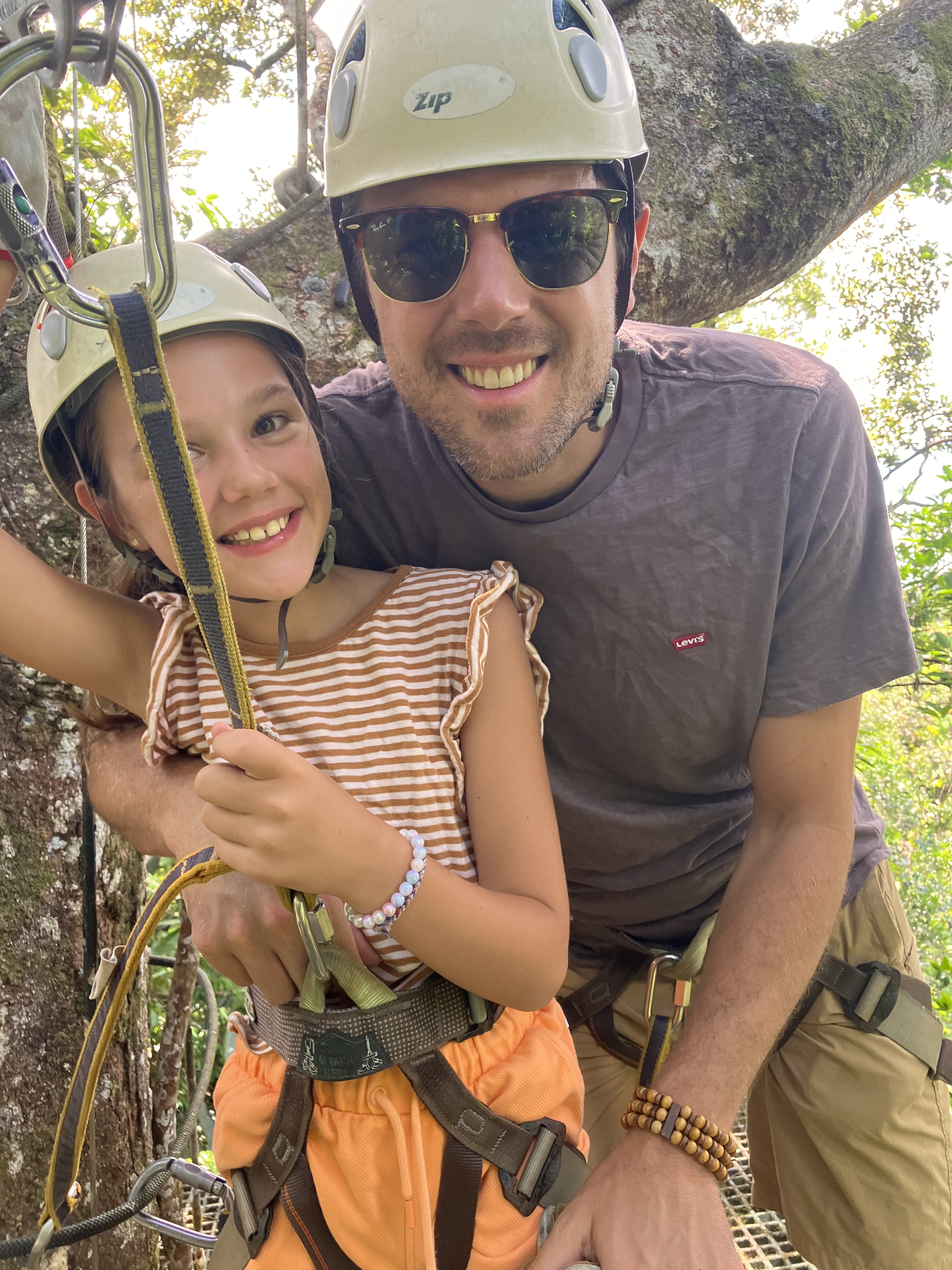
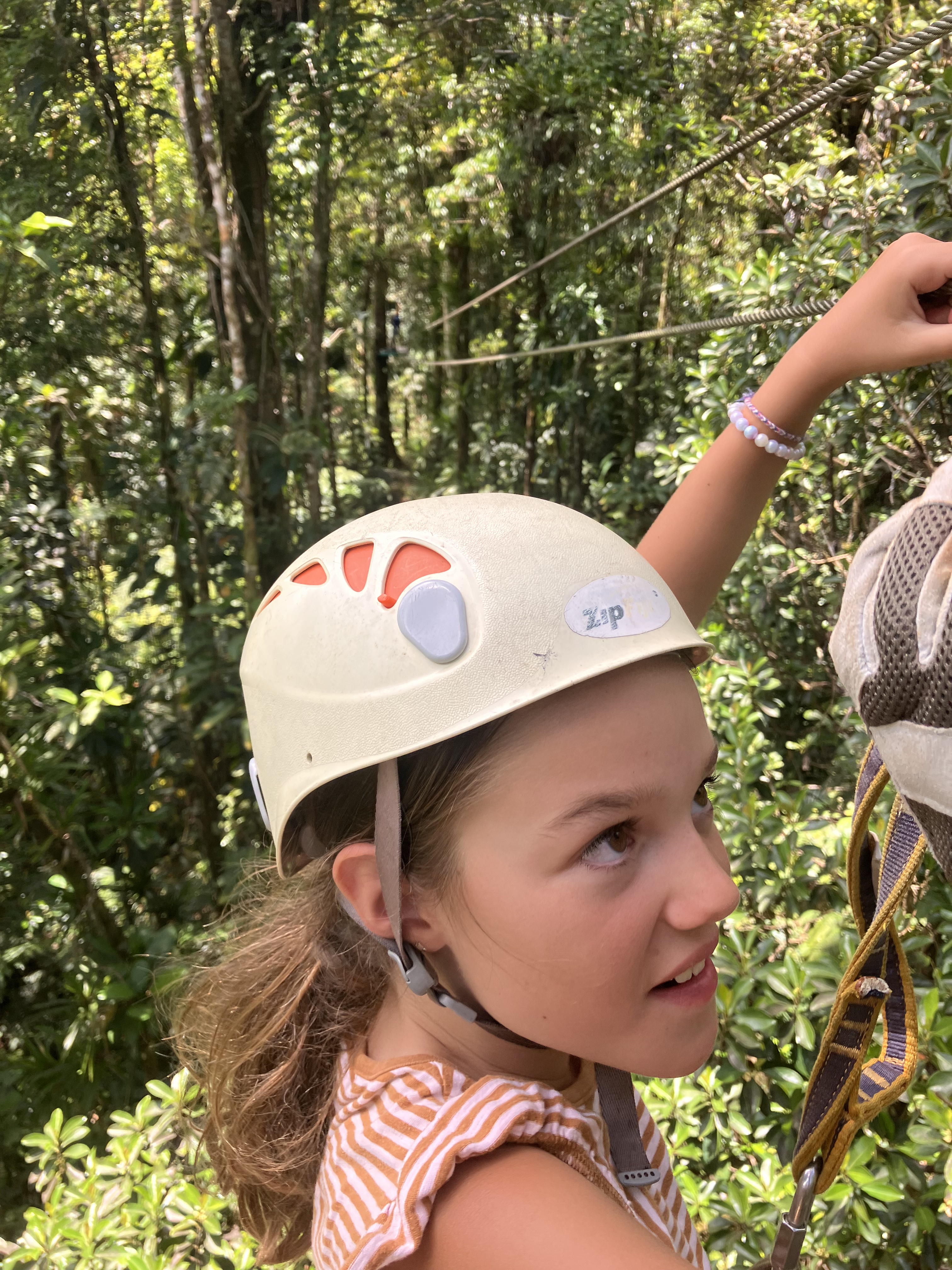
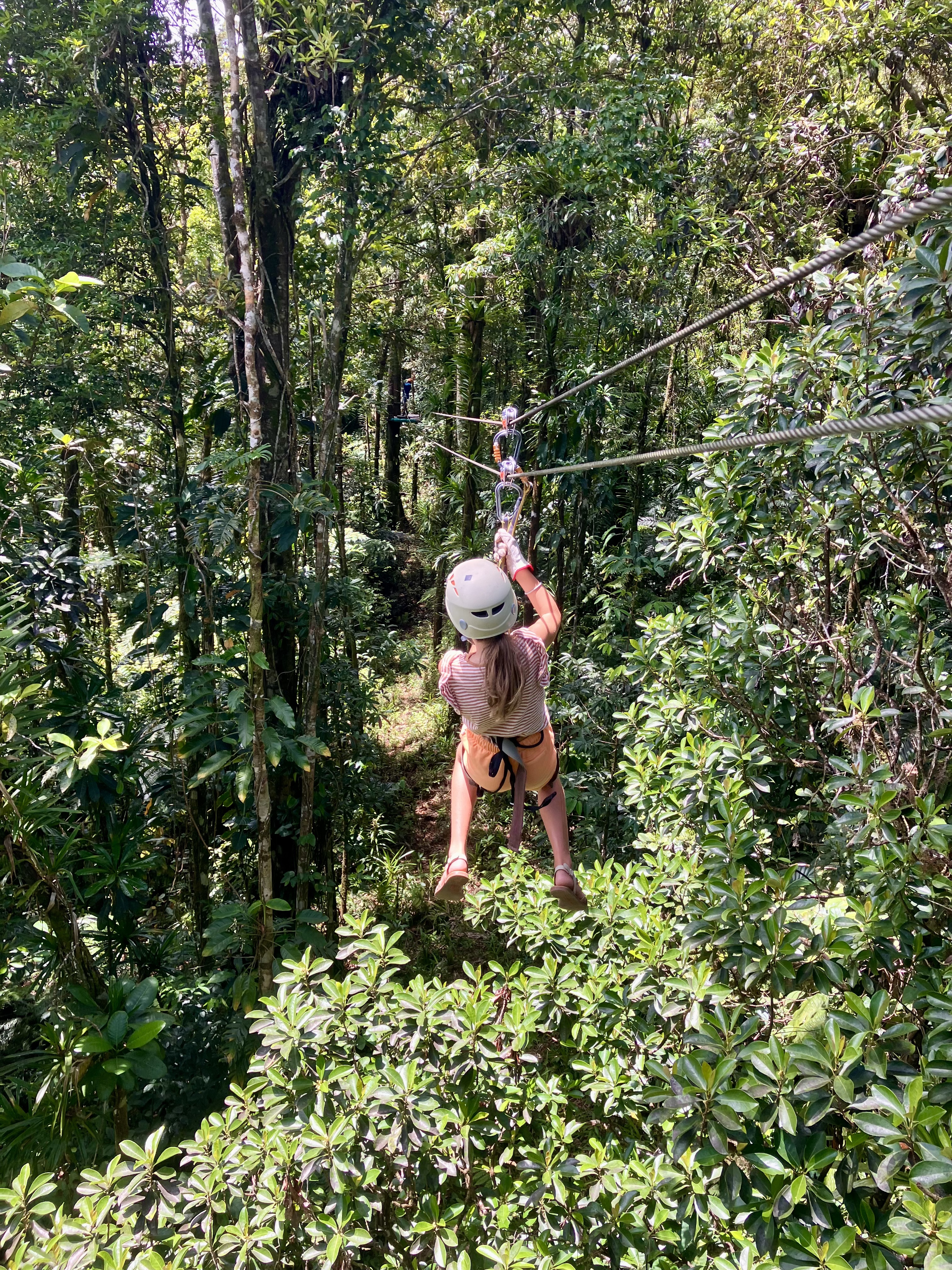
And now, here we are, parents of a 9-year-old girl. Happy birthday, my darling! We are so proud of you and everything you are. We love you deeply, and we are happy to share these incredible moments with you by our side.
10. When Fijians Ate Humans
There was a time when some Fijian tribes practiced cannibalism. Not to satisfy a small craving, but for spiritual and warrior reasons. Defeating an enemy and consuming part of them was seen as absorbing their strength, courage, or even their soul. Victory rituals were also a way to ridicule the opponent… to the very end, literally.
Now, let’s calm down. Not all Fijians were cannibalism enthusiasts, and it wasn’t their daily hobby. It was more of a practice reserved for very specific occasions, accompanied by songs and rituals.
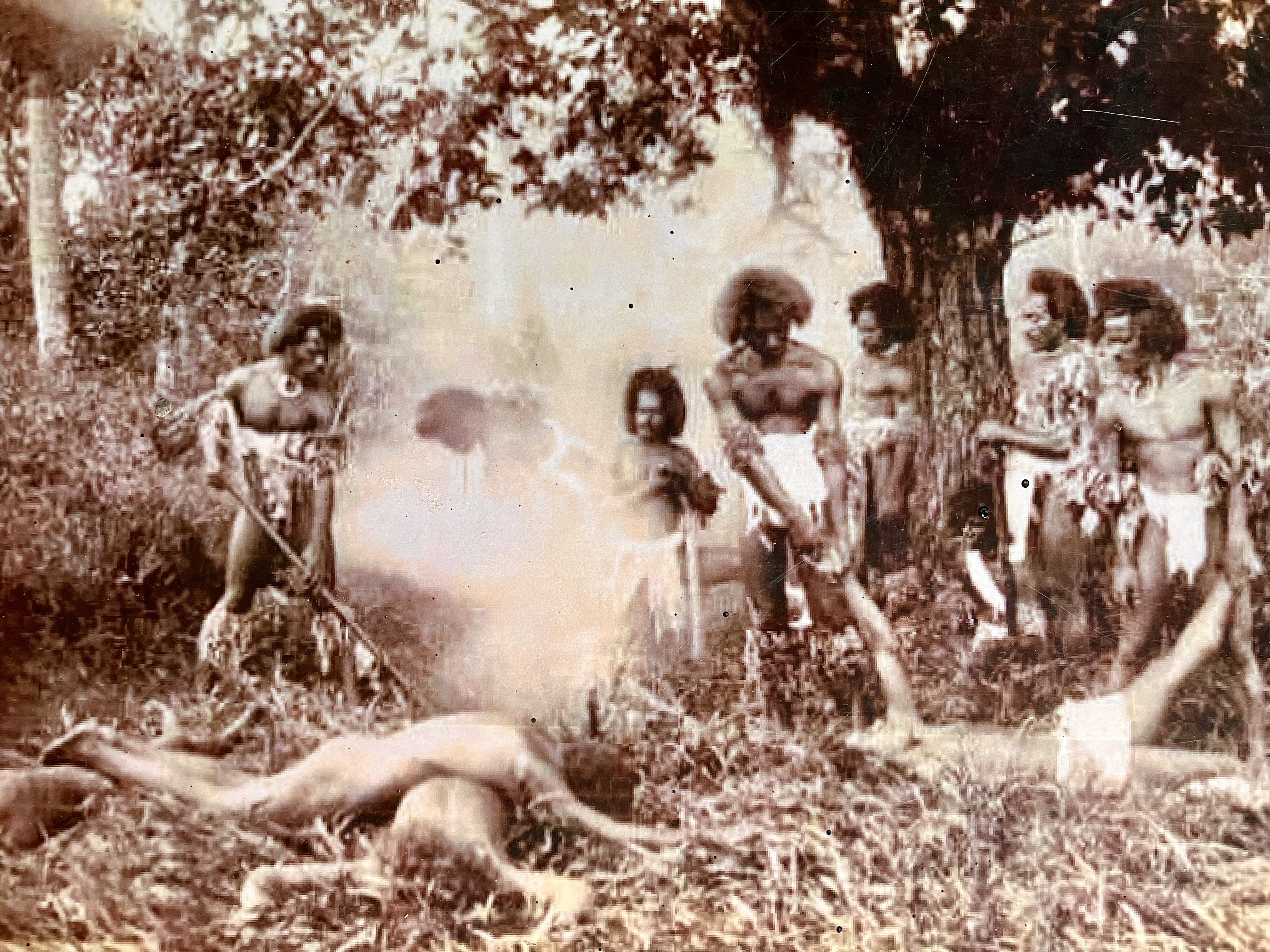
In the 19th century, Christian missionaries arrived with their Bible and their “it’s wrong to eat your neighbor” attitude. They convinced the tribal chiefs to abandon these practices in exchange for religion and commercial opportunities. Then, British colonization put a final end to the chapter with laws banning any form of cannibalism. The last recorded case dates back to 1870.
11. Underwater, 10,000 km² of Coral Reefs
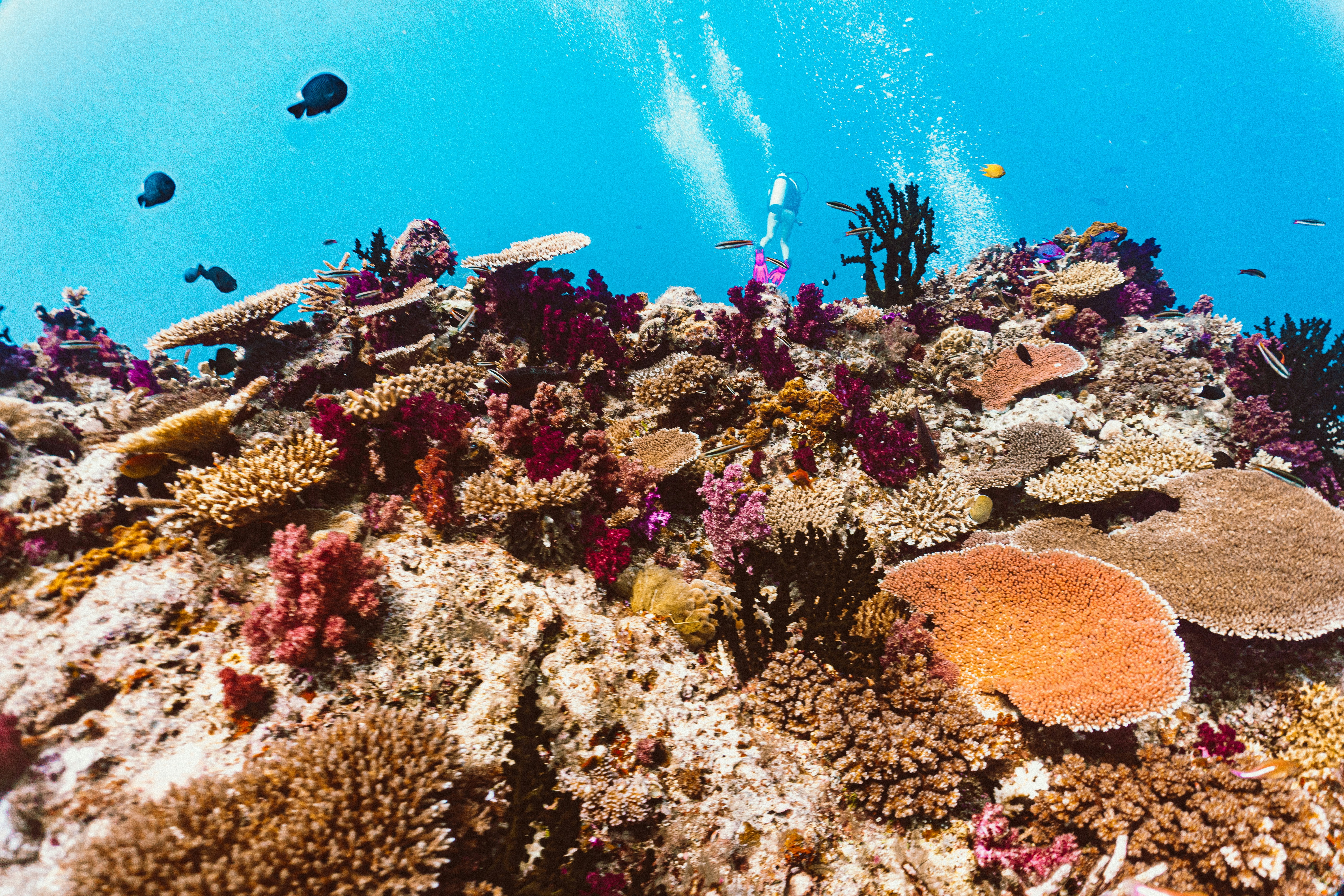
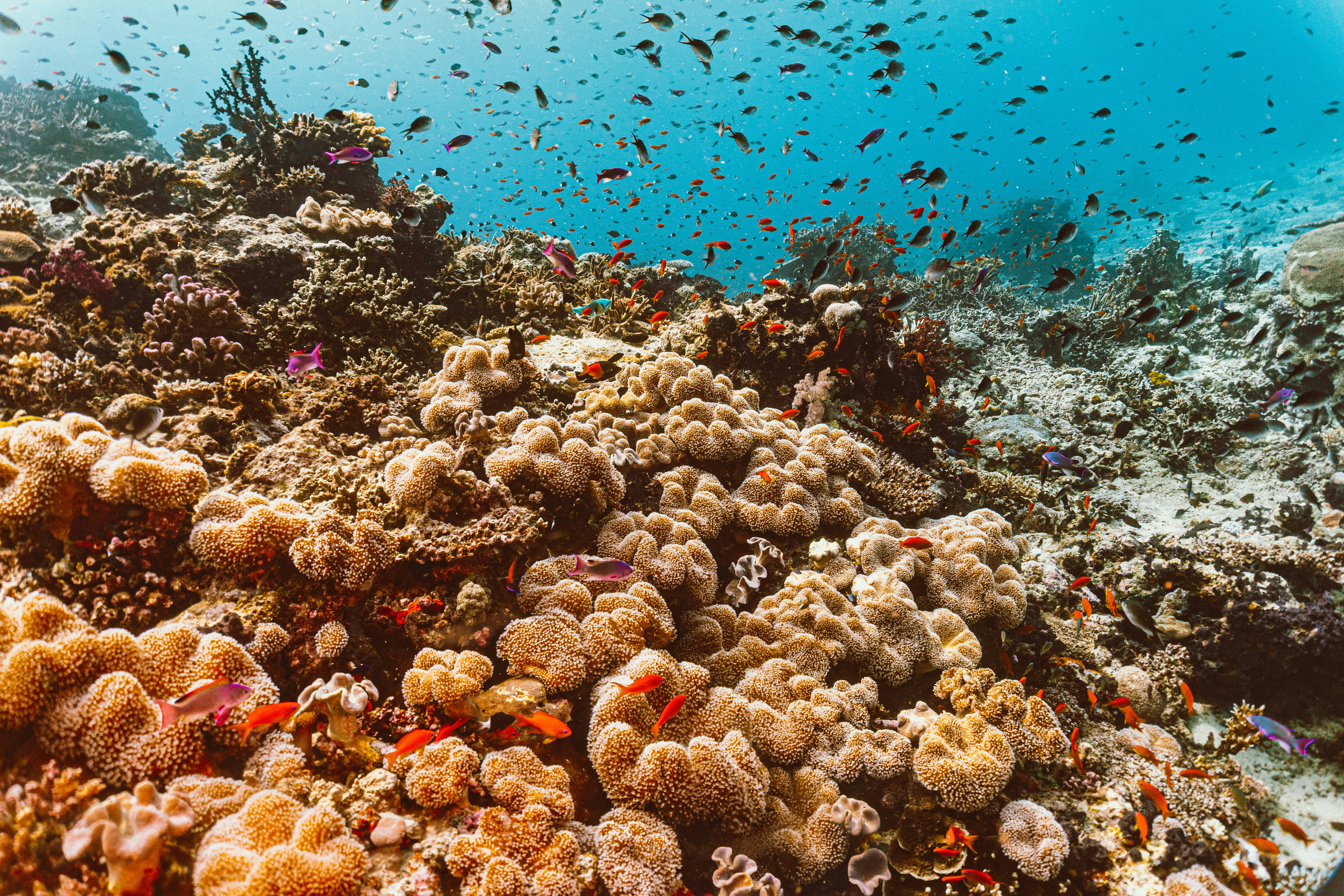
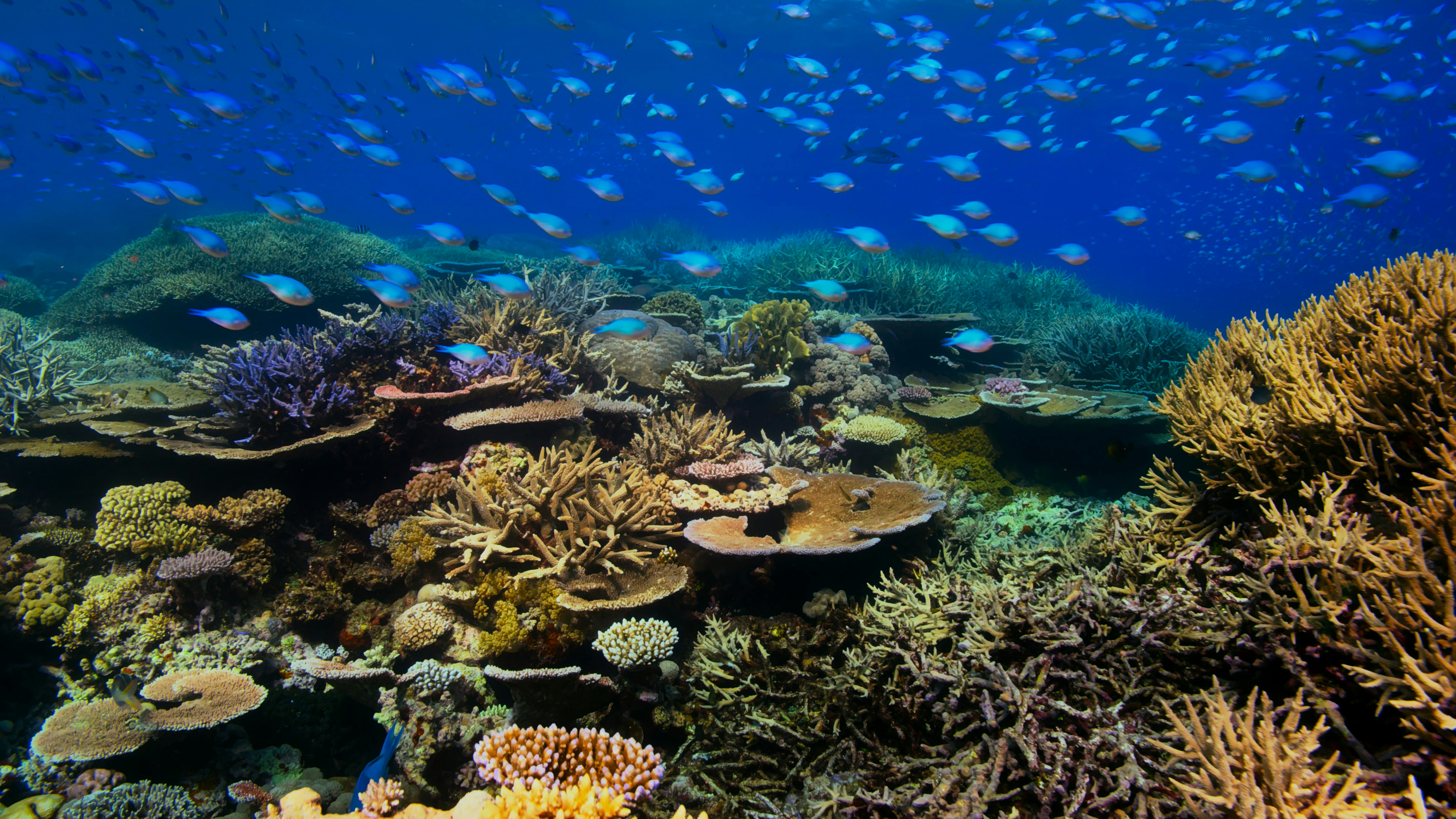
No need for me to paint a picture: diving or snorkeling is a must-do when visiting Fiji. With 80% of the archipelago submerged, let’s just say that the real magic of Fiji is found beneath the water, folks. And the good news is, you don’t need to be an experienced diver to enjoy it!
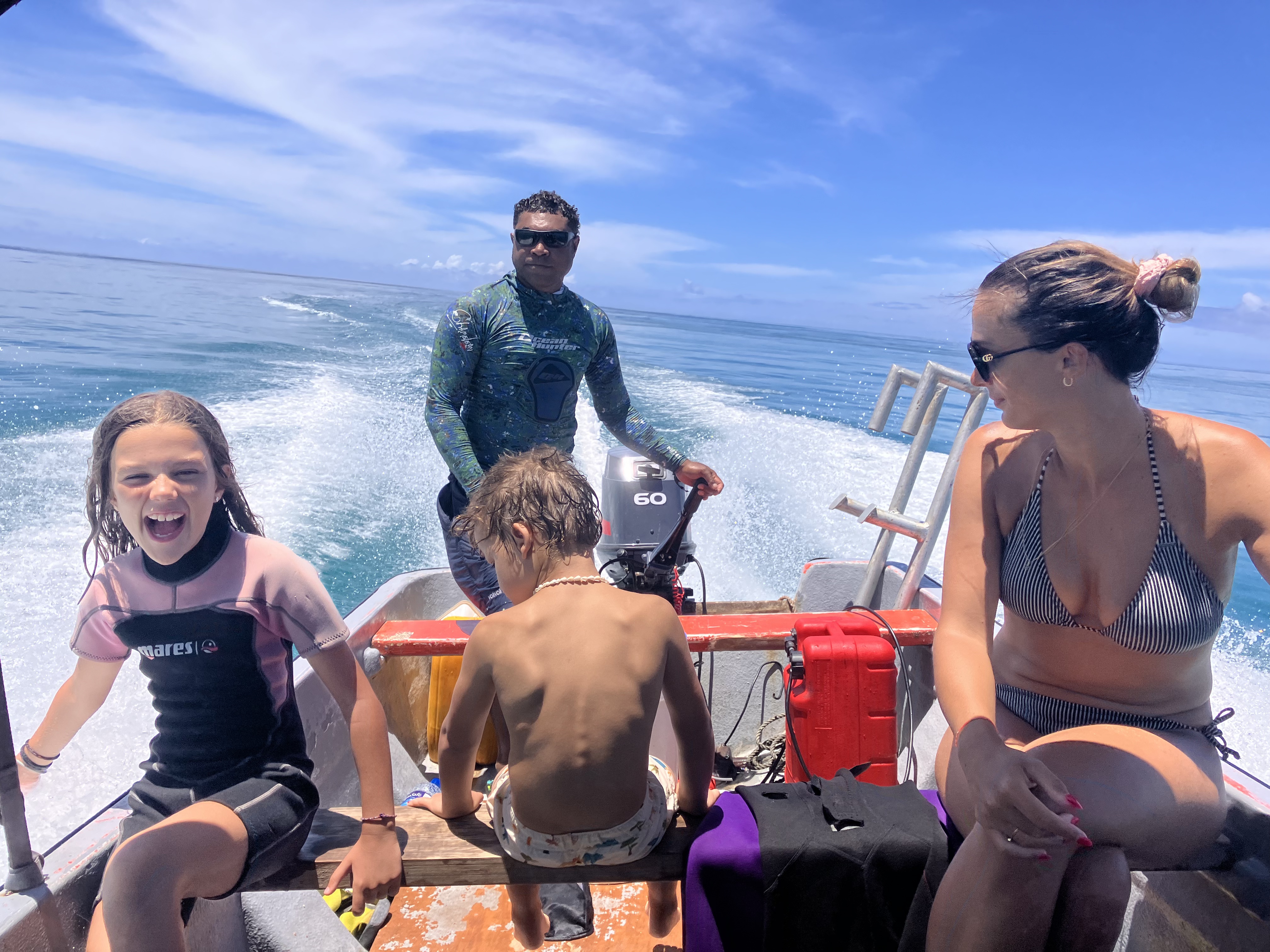
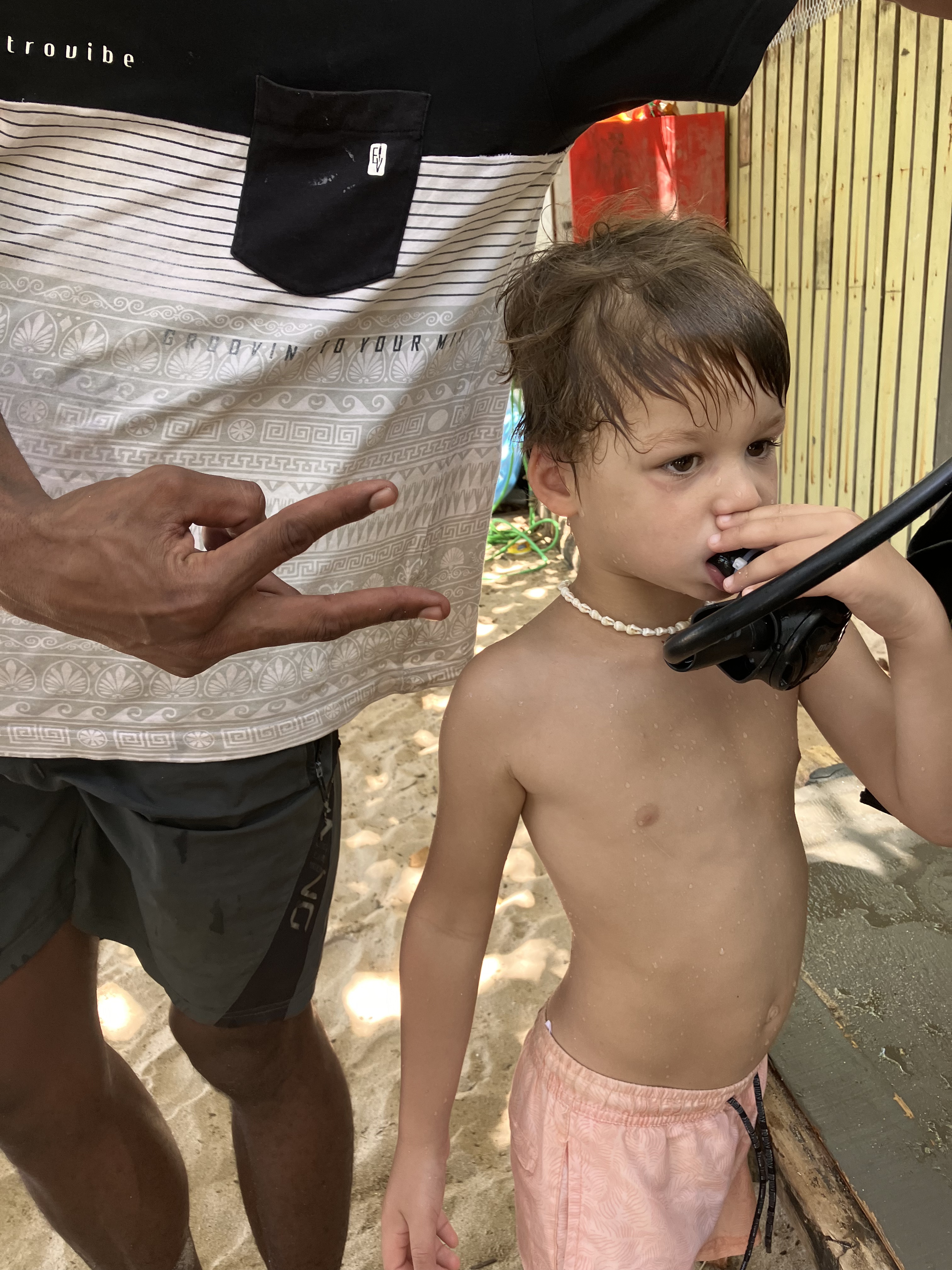
In front of our hotel, on a small deserted island, stretched a kilometer of coral reef, accessible at only 50 cm deep. Every day, we went for our little snorkeling excursions… even Matteo had a blast.
As for me, it had been ages since I last wore a diving tank. But as they say, it’s like riding a bike: you never forget. And from the very first dive, I rediscovered that unique feeling of diving into another world. There, surrounded by shimmering schools of fish and coral gardens, I realized just how much I had missed it. Underwater, time seems to stand still, and every dive is a lesson in humility in the face of the beauty and fragility of nature.
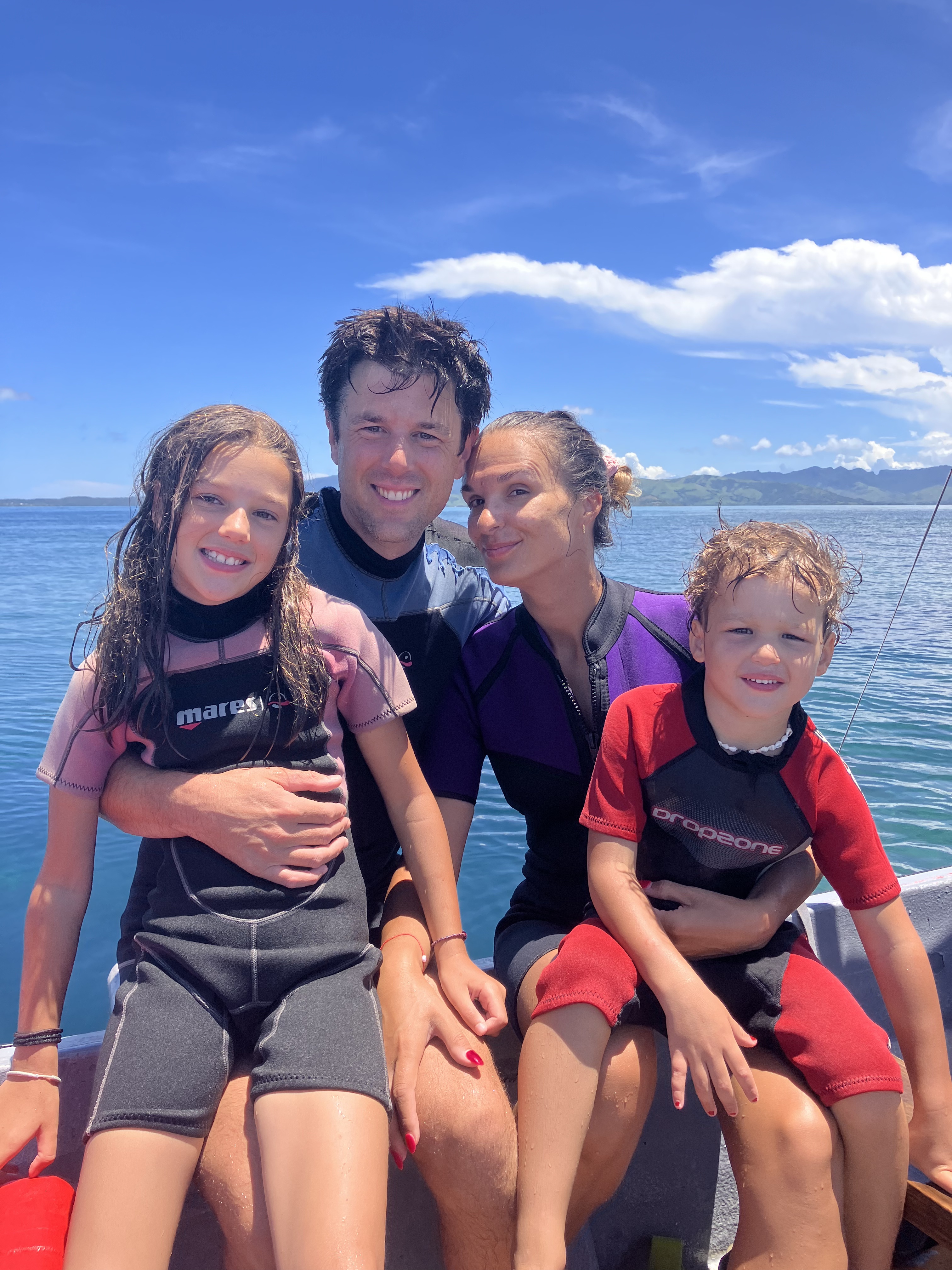

As you can imagine, our stay in Fiji was truly enchanting, but for many more reasons than the ones usually expected.
And for those of you thinking “Fiji for my next vacation,” remember that this means an 11-hour time difference and three flights to catch… so forget about those last-minute, two-week holidays.
Our “365 Days of Summer” journey remains incredible, sometimes exhausting, but honestly, the further we go, the more we realize how fortunate we are to be doing what we love… and doing it as a family.
We hope you enjoyed this post. Sending our love, and see you in Vietnam for the next leg of our adventure!
 365 days of summer
Leave a comment