3. The State of Bahia, March 20 – April 5, 2024
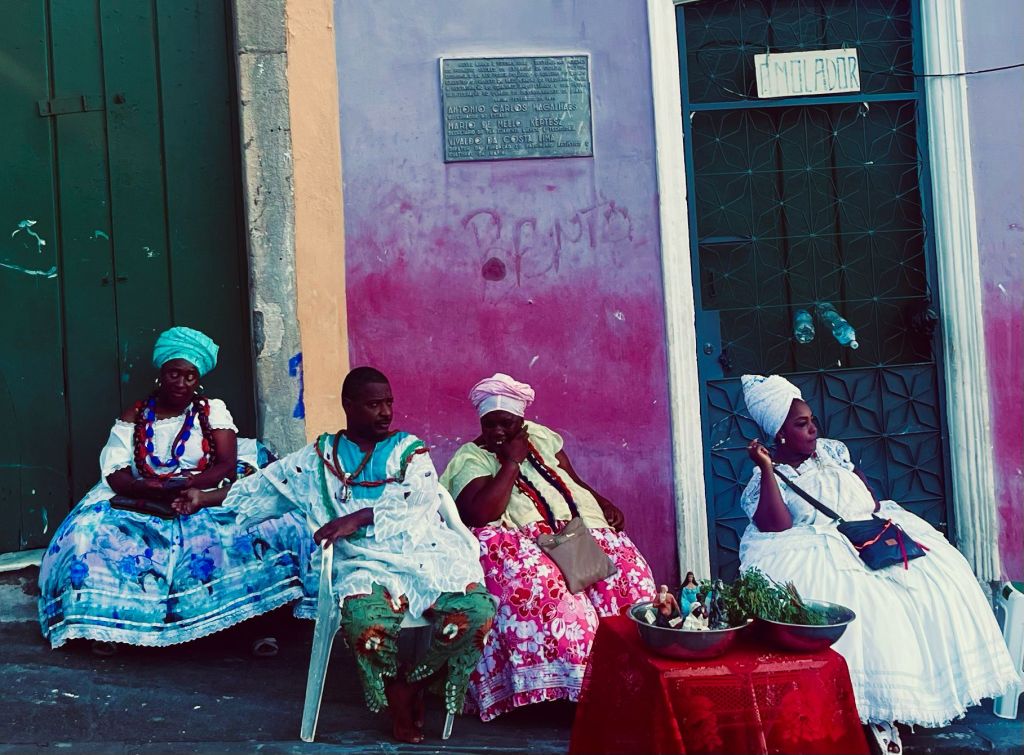
We enter Salvador de Bahia, also known as the Black Rome. This is where the country we now call “Brazil” was born. For two centuries, until 1763, Salvador was the capital of the kingdom—before power shifted to Rio.
The location is stunning: it’s the second largest bay in the world, no less. It’s easy to see why this is where the Portuguese first decided to unpack their bags.
The bay, called Baía de Todos os Santos (All Saints’ Bay), sets the tone.
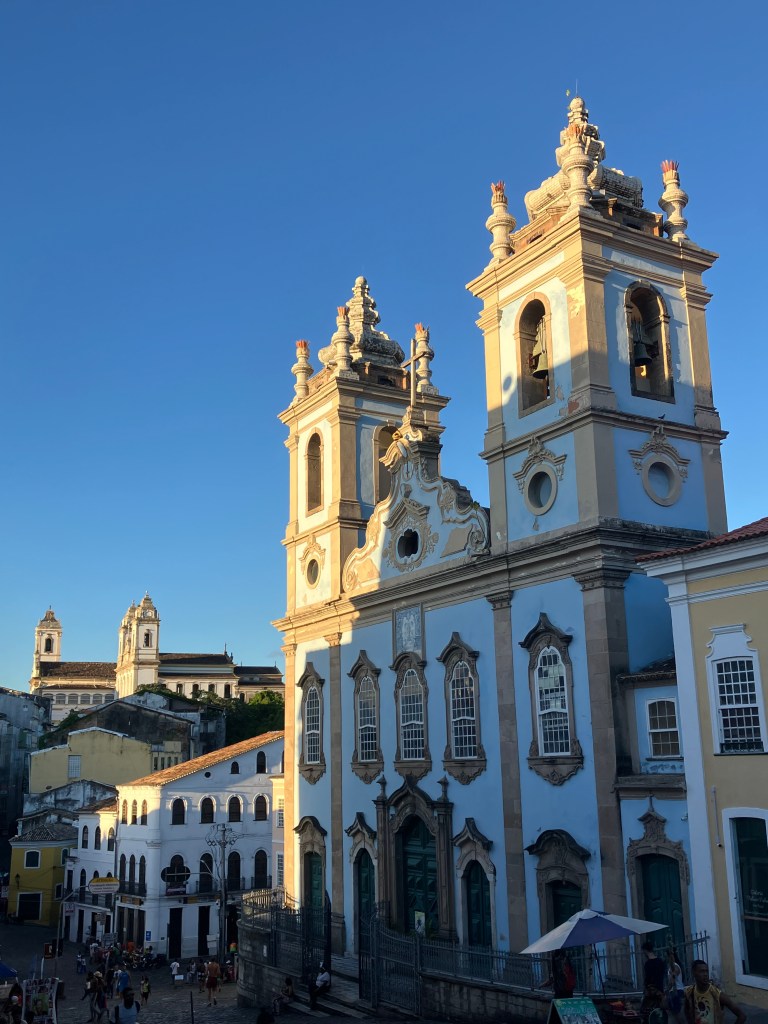
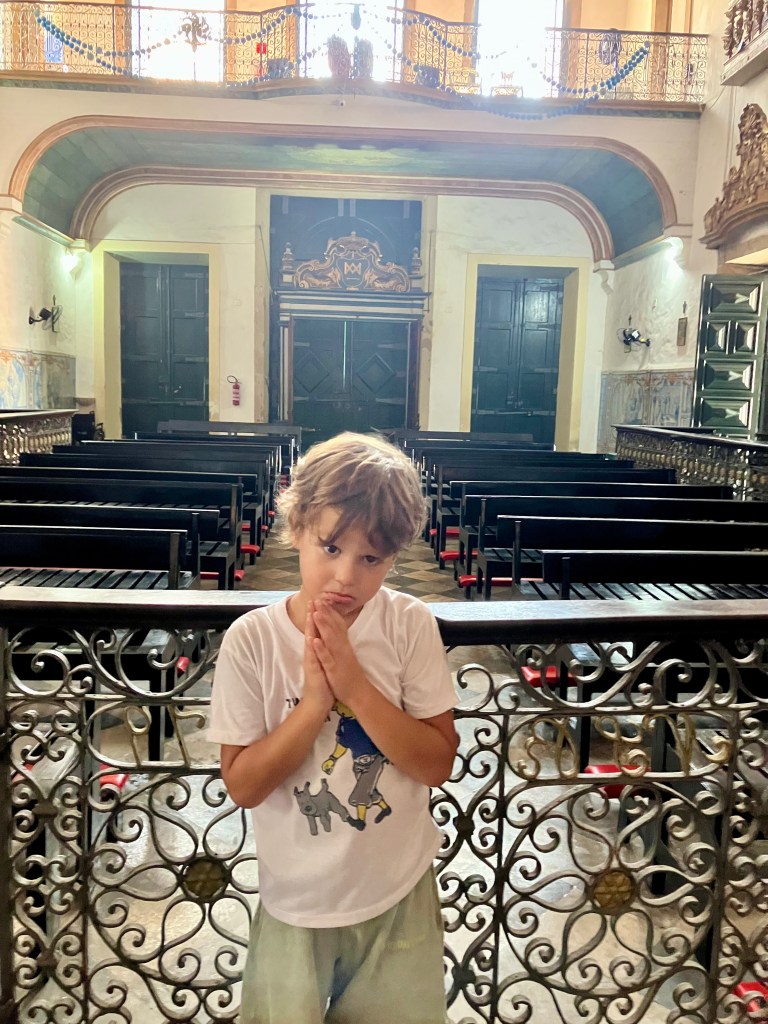
Because churches… are everywhere.
They say there are 365 of them—one for each day of the year. In reality, it’s more like 150 to 200, but the image stuck, and it gives you an idea of just how full of places of worship the city is.
But what strikes you as soon as you start walking around is the mix of Africa and Europe.
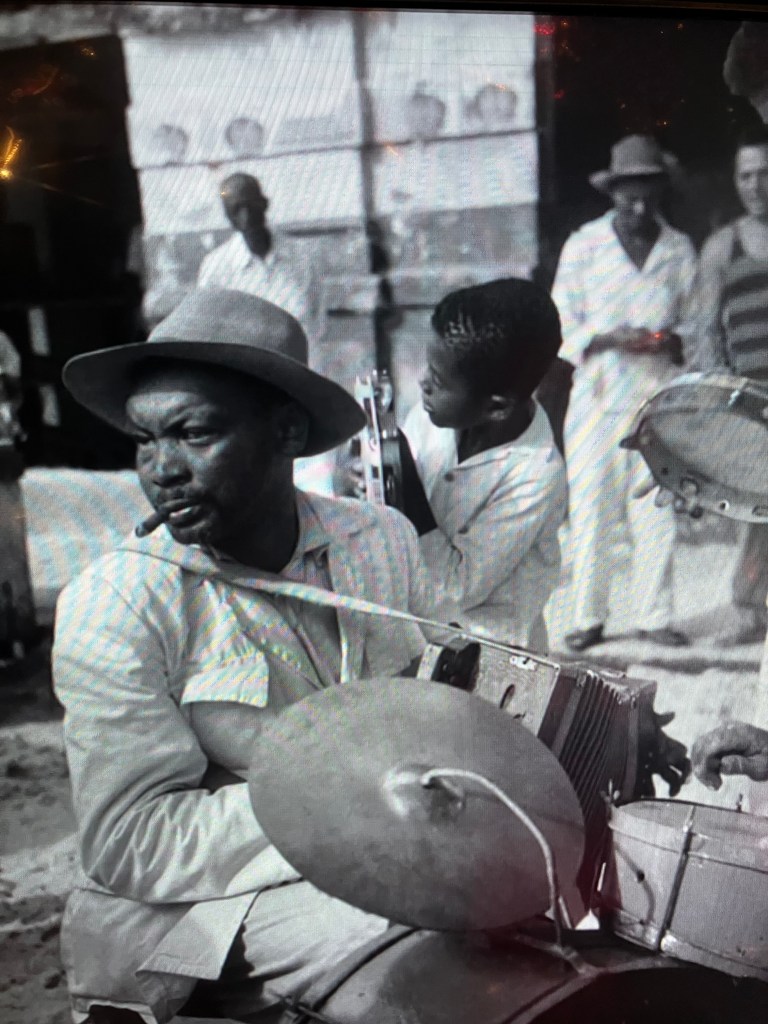
Nearly 80% of the population is of African descent. Because Salvador is also the heart of Brazil’s memory of slavery.
Most people probably picture enslaved people in the U.S., bent over under the blazing sun in cotton fields. And that’s not wrong. But it mostly shows just how deeply our minds have been colonized by media and TV series — thanks, Hollywood and Netflix.
Because in the real story, the United States “only” received fewer than 400,000 enslaved people during the transatlantic slave trade (16th to 19th century). Brazil? Brazil blew all the records: 5 million Africans reduced to slavery. Twelve to thirteen times more. Not exactly a footnote in their history.
The triangular trade — that monstrous business — lasted over four centuries. Ships left Europe packed with cheap trinkets, traded them in Africa for human beings, crammed them into their holds and sailed to the Americas. Then they sailed back home, holds now full of sugar, cotton, and coffee.
Slavery in Brazil lasted until 1888 — basically yesterday in historical terms. For comparison: it was abolished in the U.S. in 1865, and in England as early as 1833.
And that legacy? It’s everywhere here. Today, 55% of Brazilians identify as Black or mixed-race. A silent majority? Not really. More like the beating heart of the country. As Lula said when Rio was bidding for the Olympic Games: “We’re not just a mixed people — we’re actually proud to be one.”
And yet, this late abolition is often cited as one of the reasons why Brazil today is so deeply unequal, and at times, shockingly violent. For centuries, society was built on the idea that a brutal, racist hierarchy wasn’t just acceptable — it was inevitable.
And still, Brazil has managed something few countries have: building a nation with so many cultures, without civil wars, without breaking apart. Here, immigration isn’t a political hot potato — it’s in the DNA, like samba or football.
Respect where it’s due: this cultural unity is what keeps such a massive country ticking. Just look at the old Spanish colonies in South America — on roughly the same landmass, they fractured into nine different nations.
Food for thought.
But let’s get back to Salvador. I haven’t really told you anything — or almost nothing — about the city as it is today. In fact, it’s several cities rolled into one.
First, the historic center. Absolutely stunning. The Pelourinho district, a UNESCO World Heritage site. Colorful colonial houses, cobblestone streets clicking under your sandals, baroque churches so drenched in gold they almost hurt your eyes.
Pelourinho… it sounds cheerful, almost. But this was the place where enslaved people were publicly chained and whipped. Not so lovely, right?
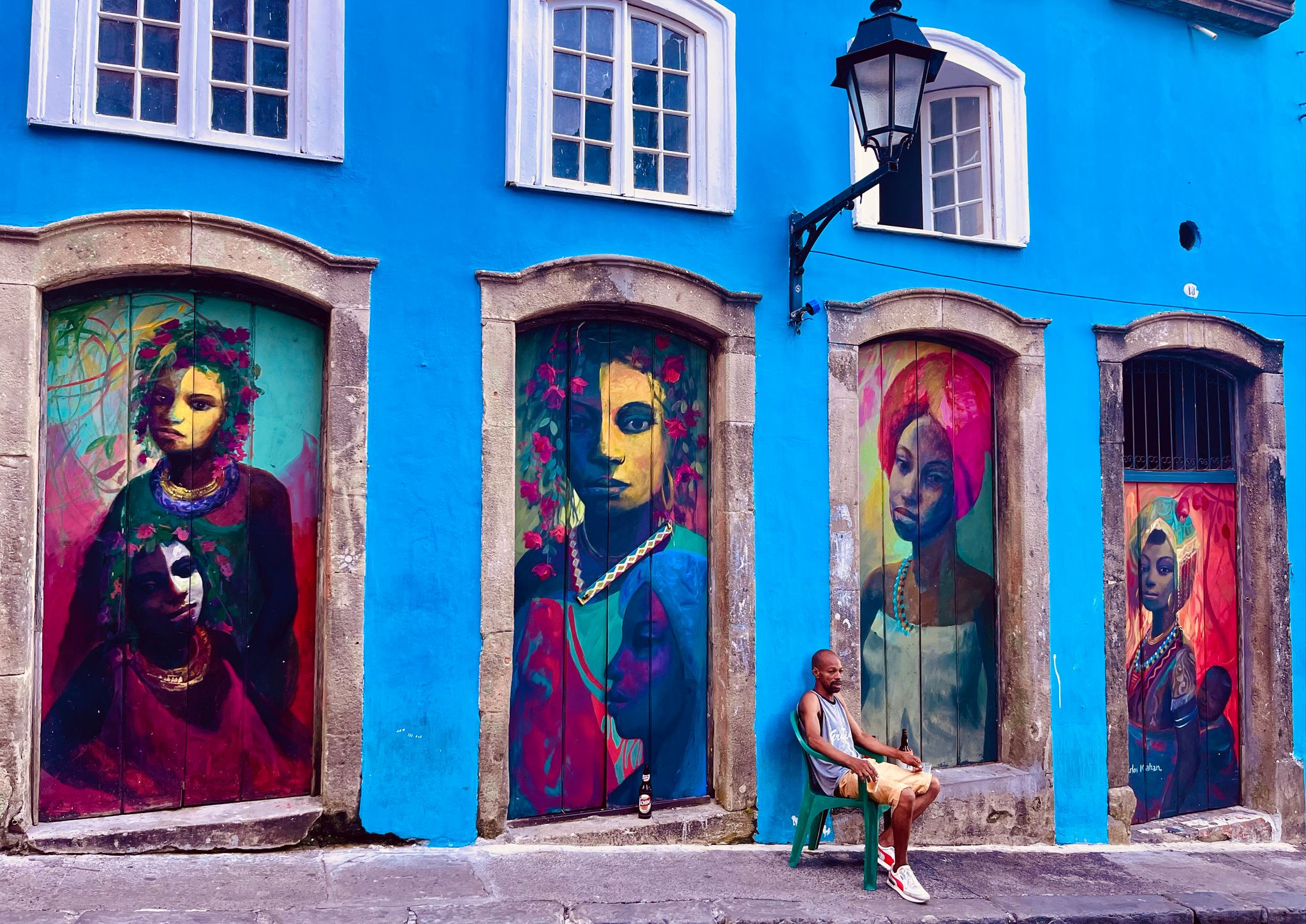
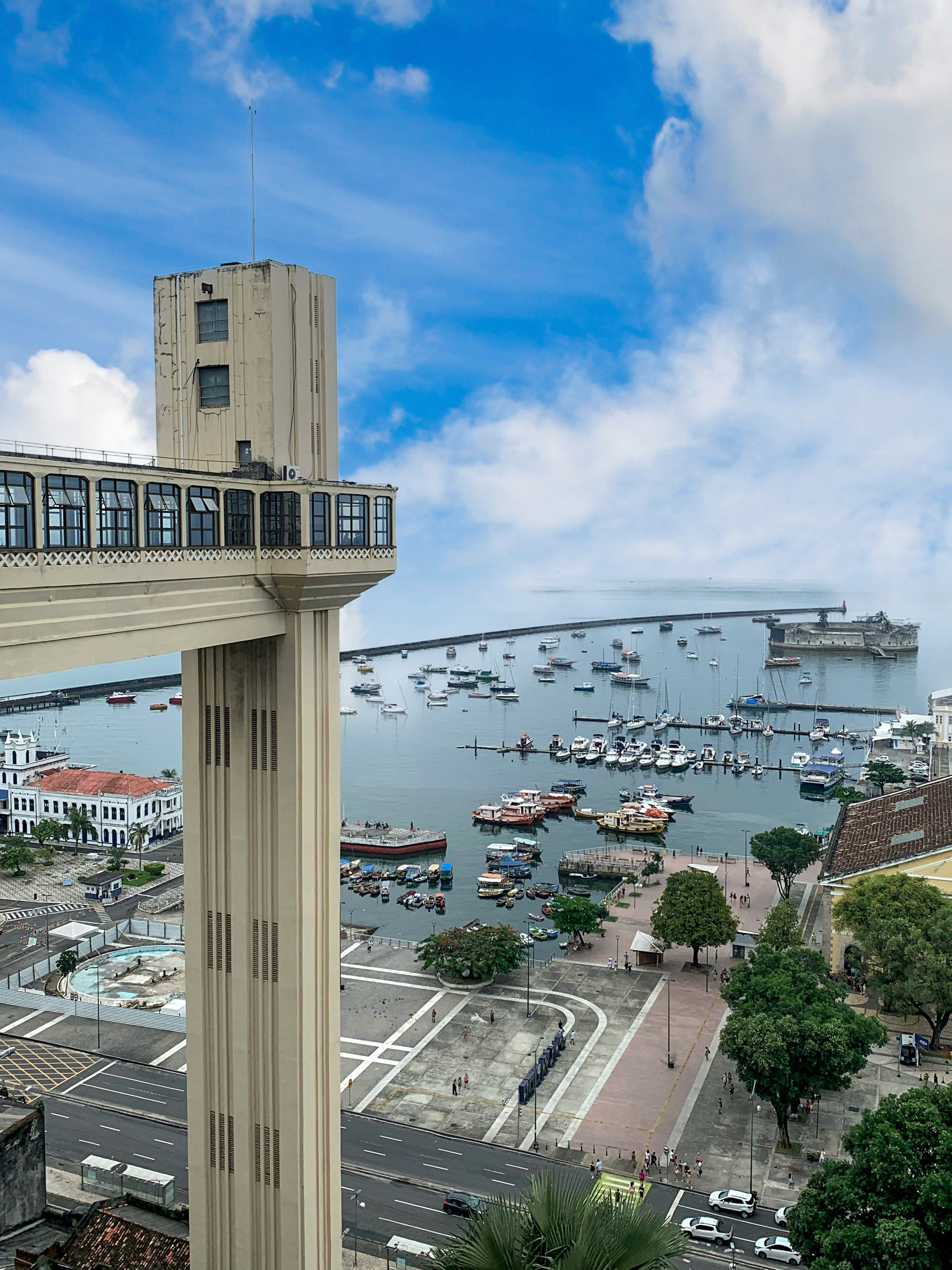
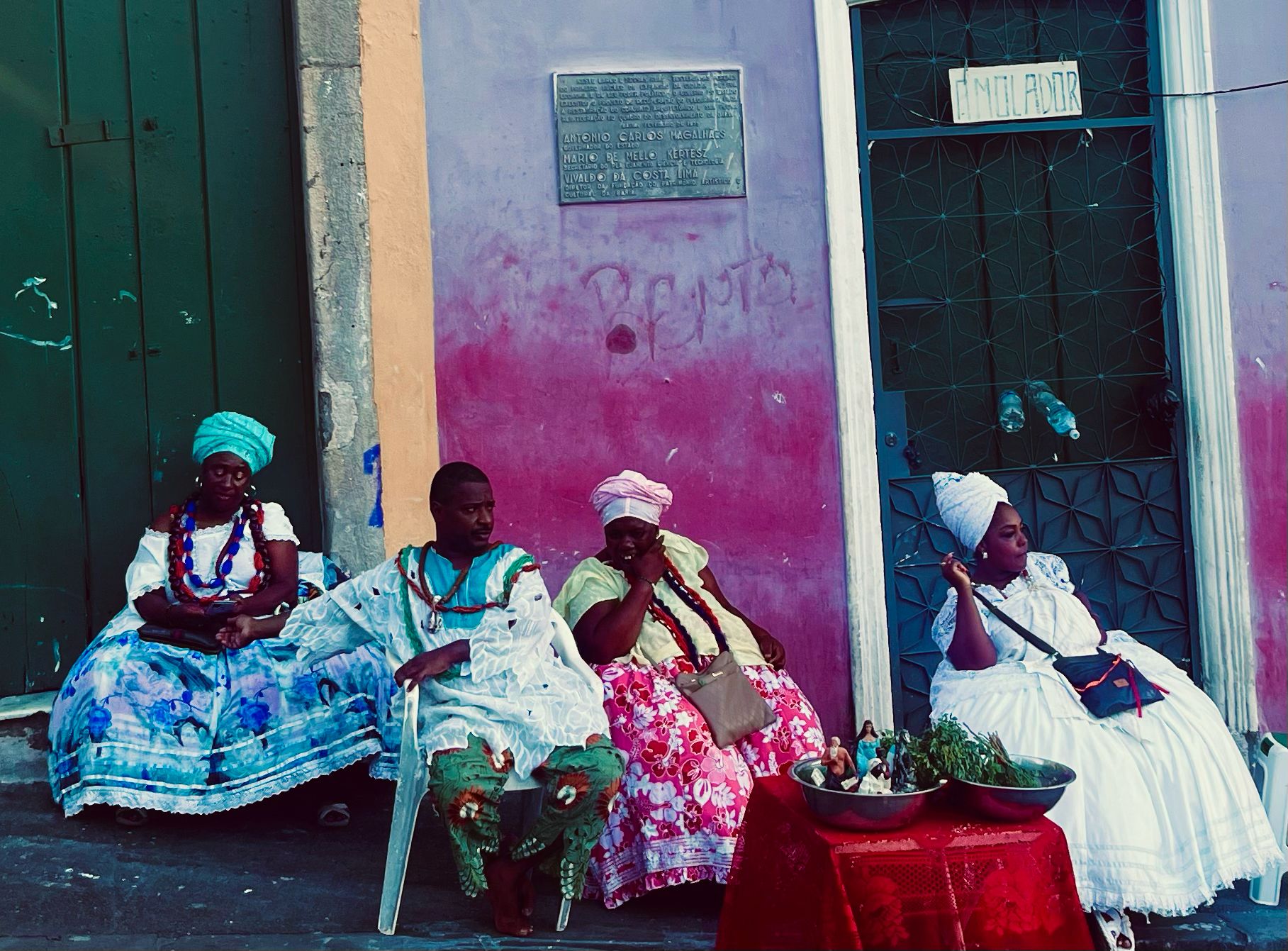
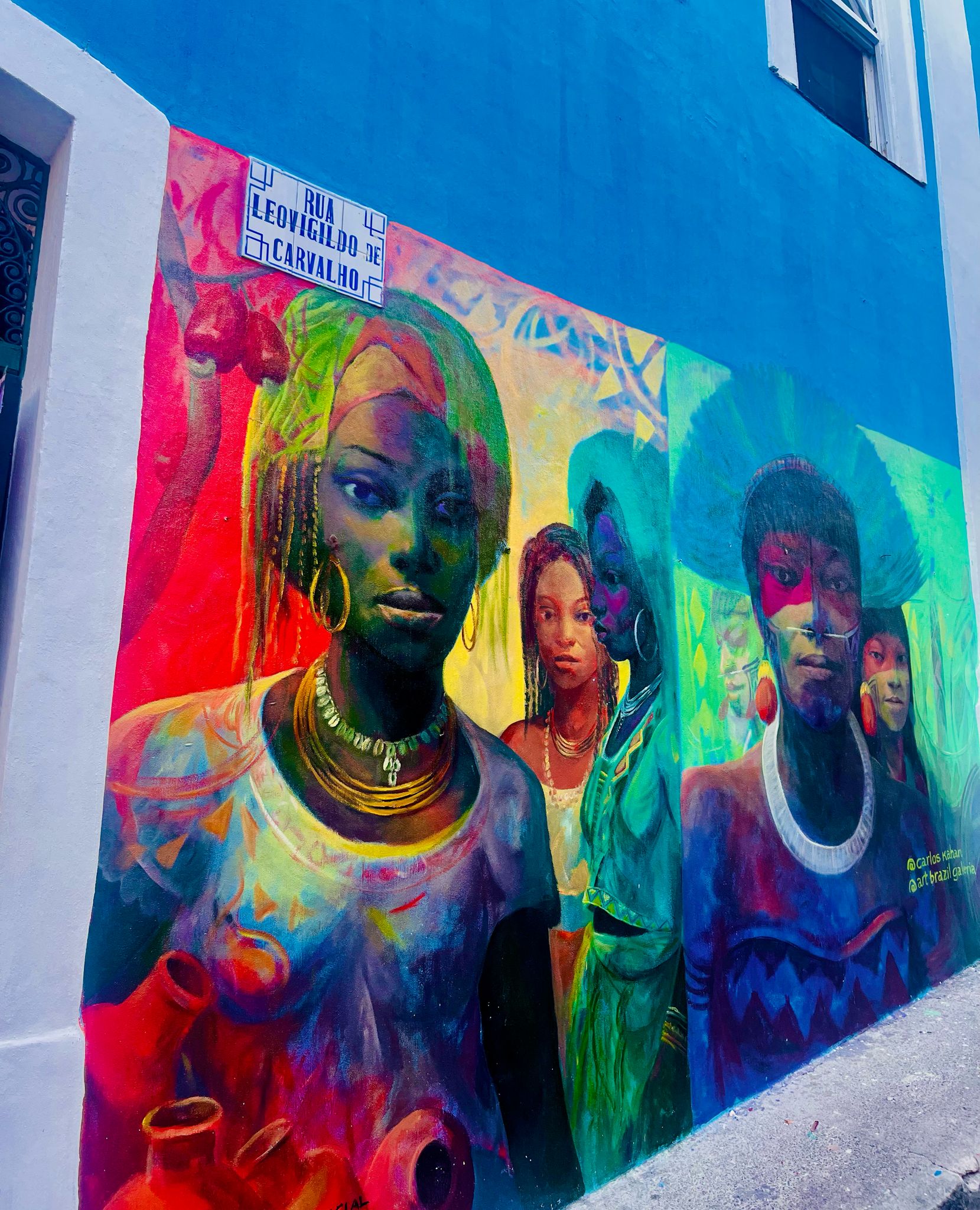
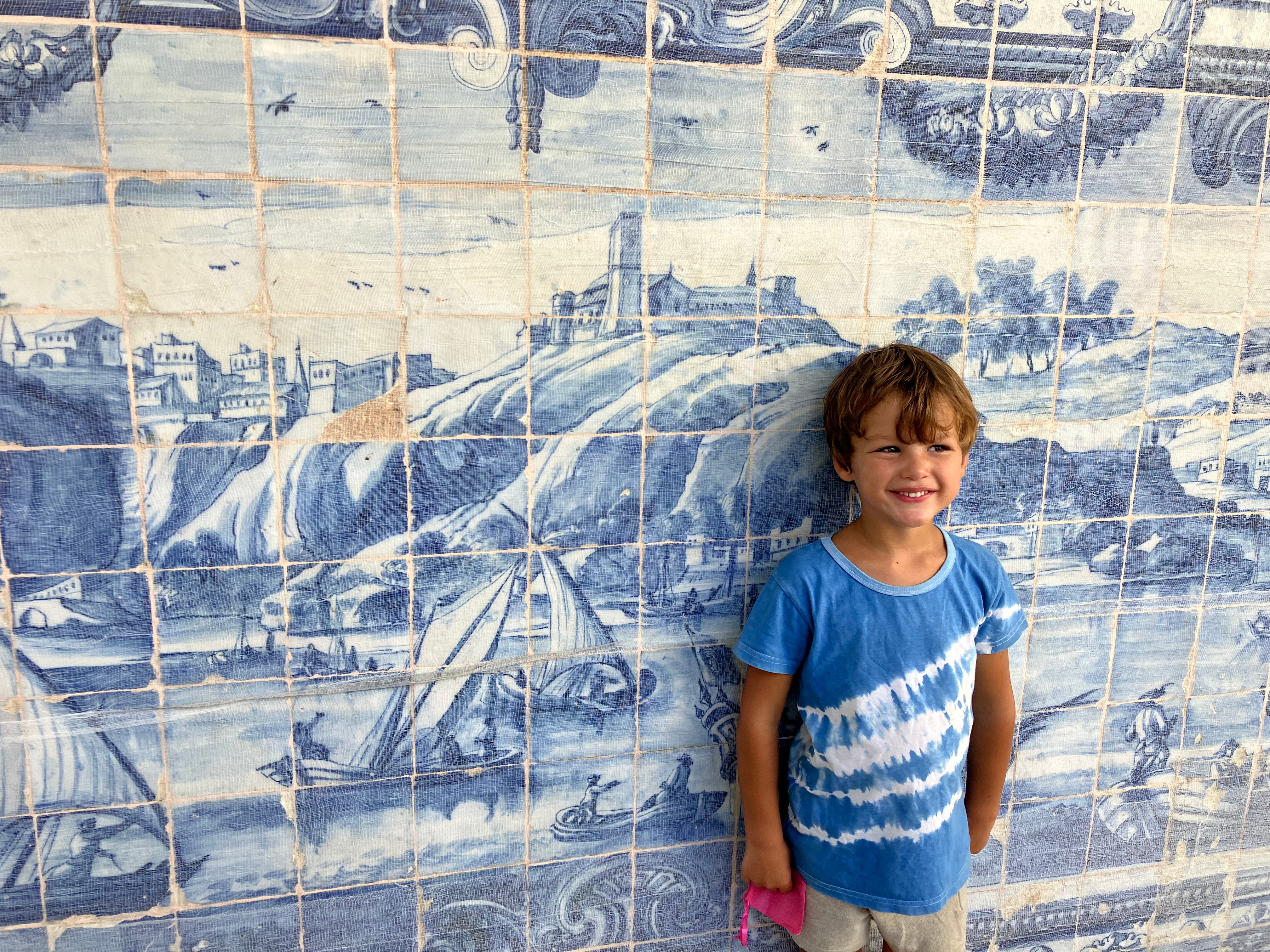
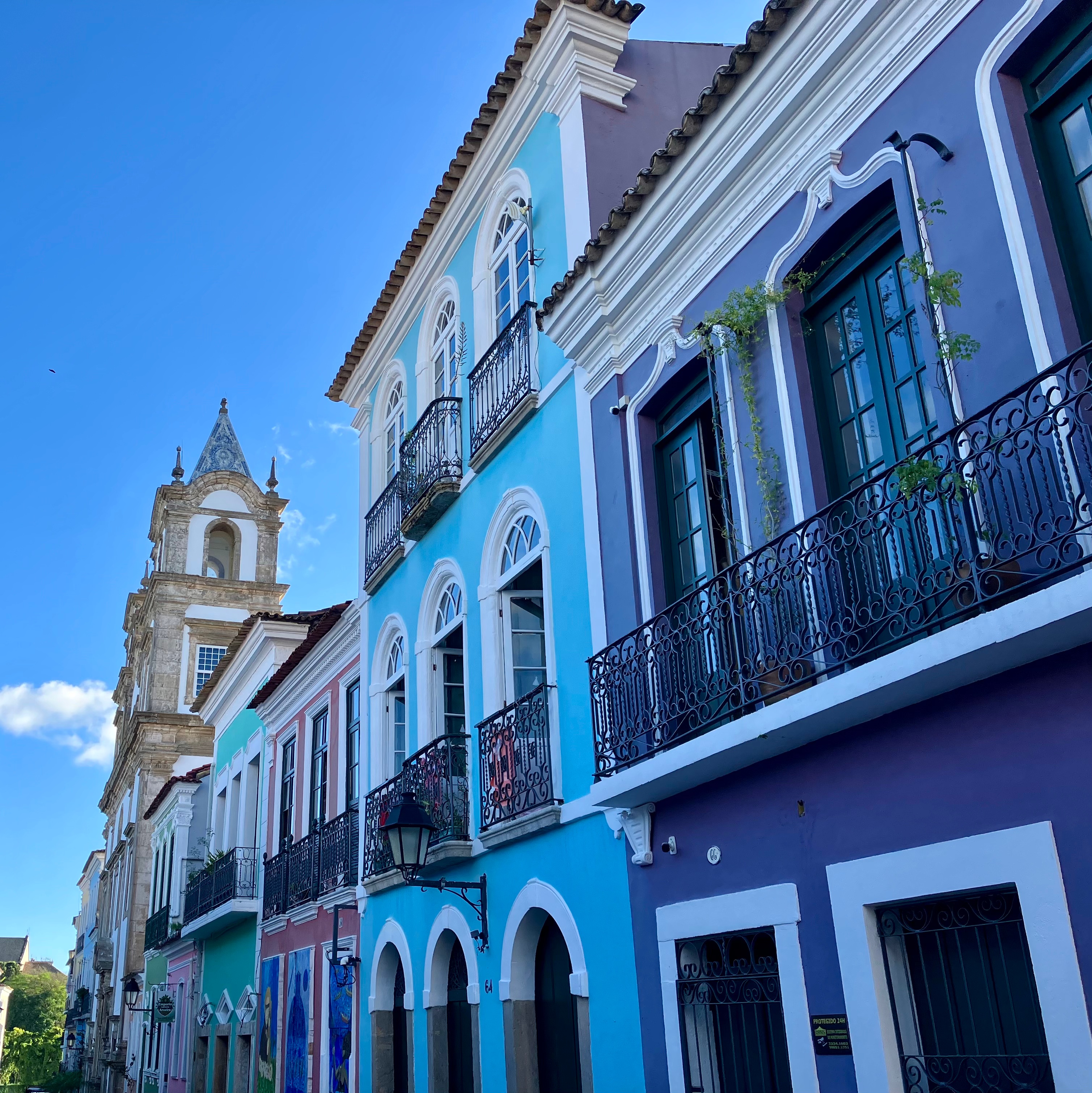
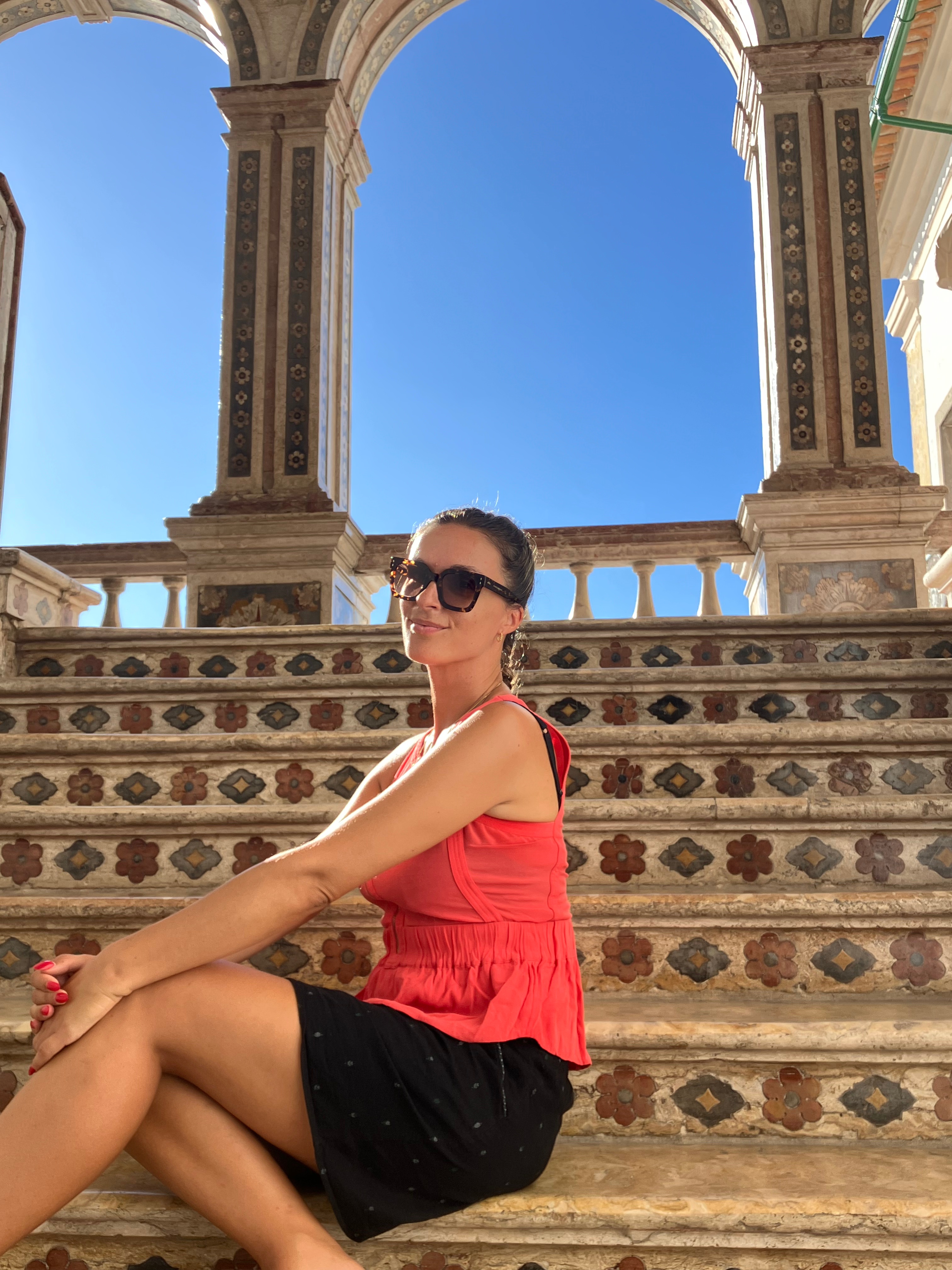
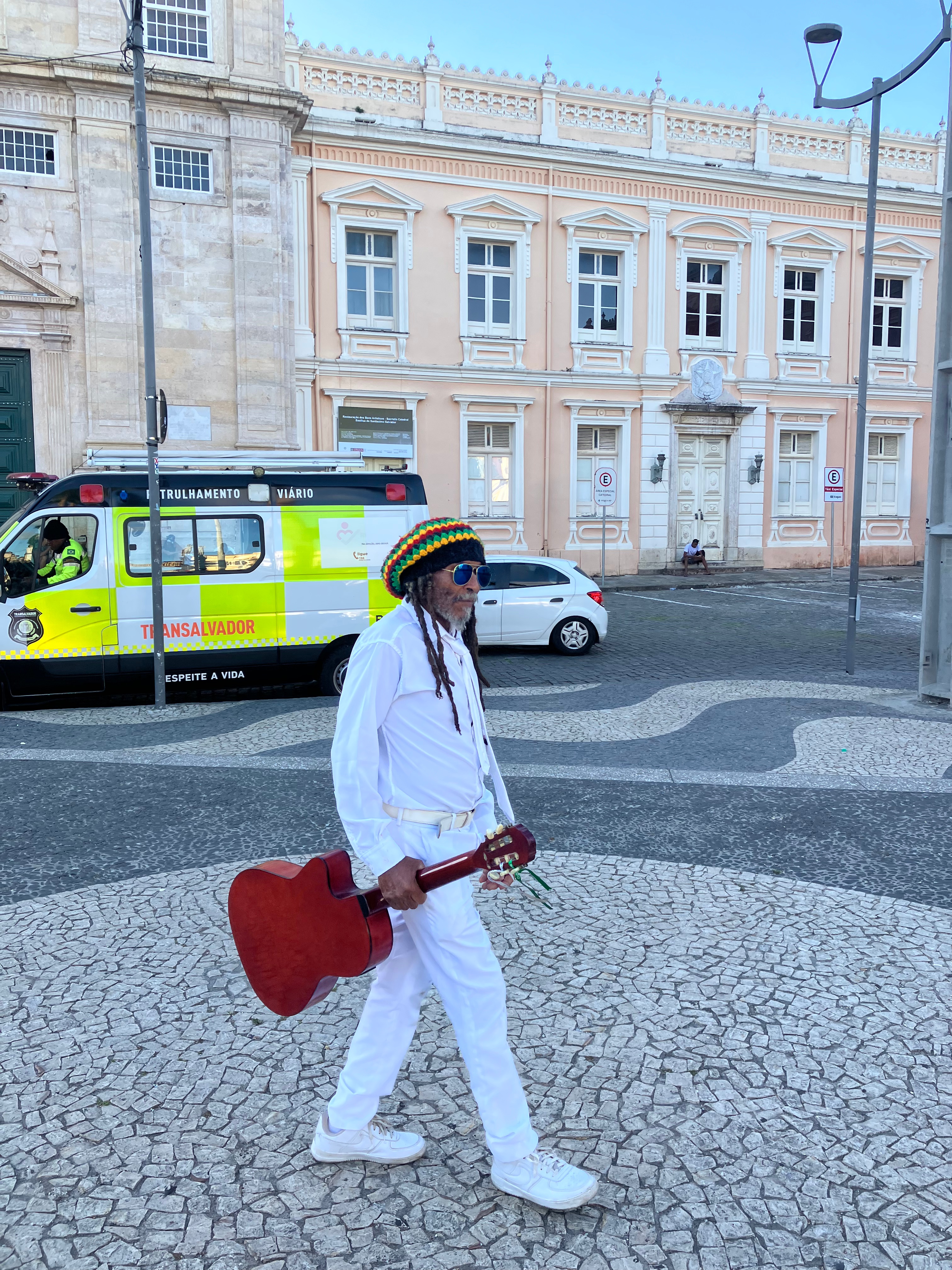
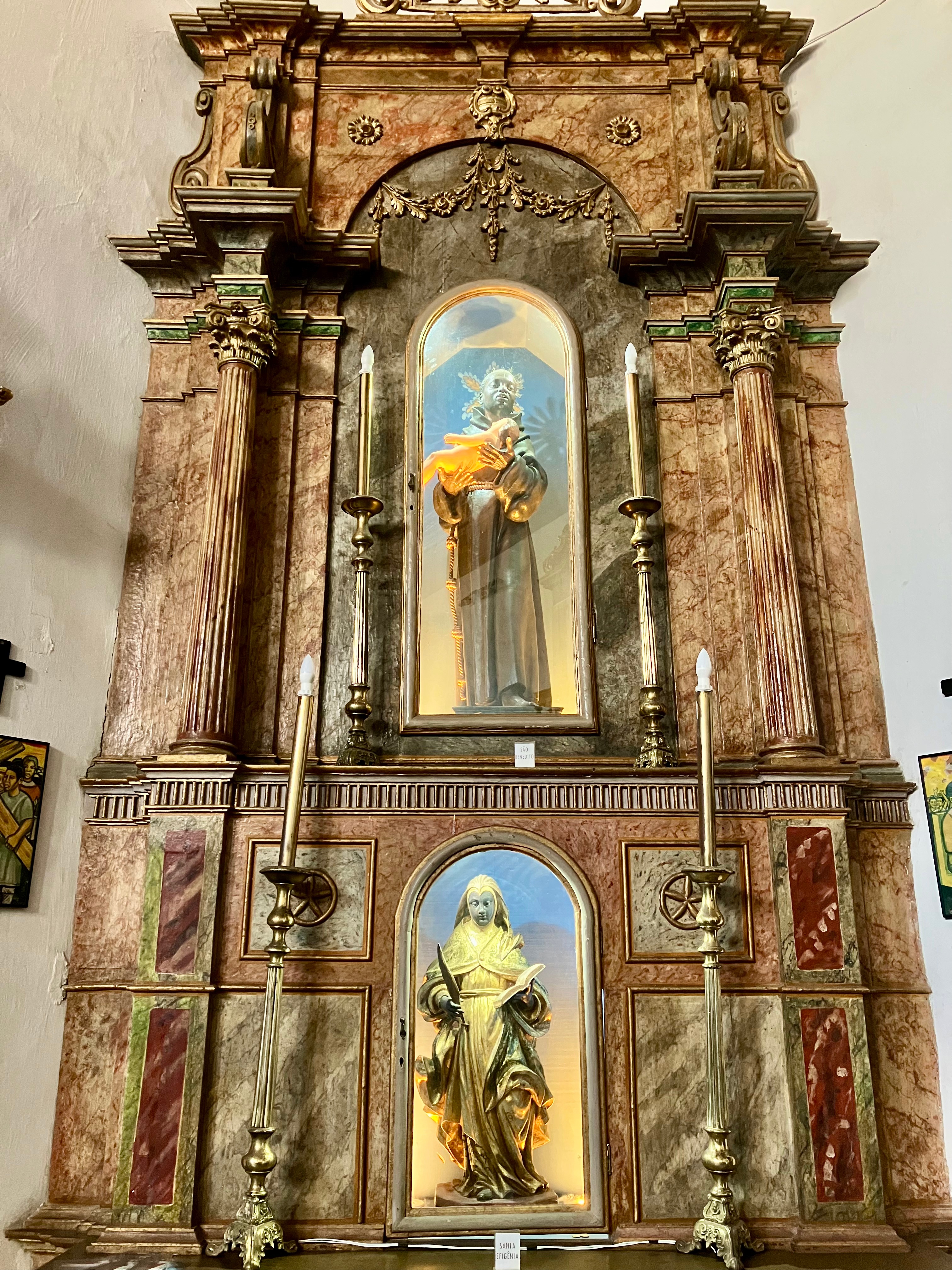
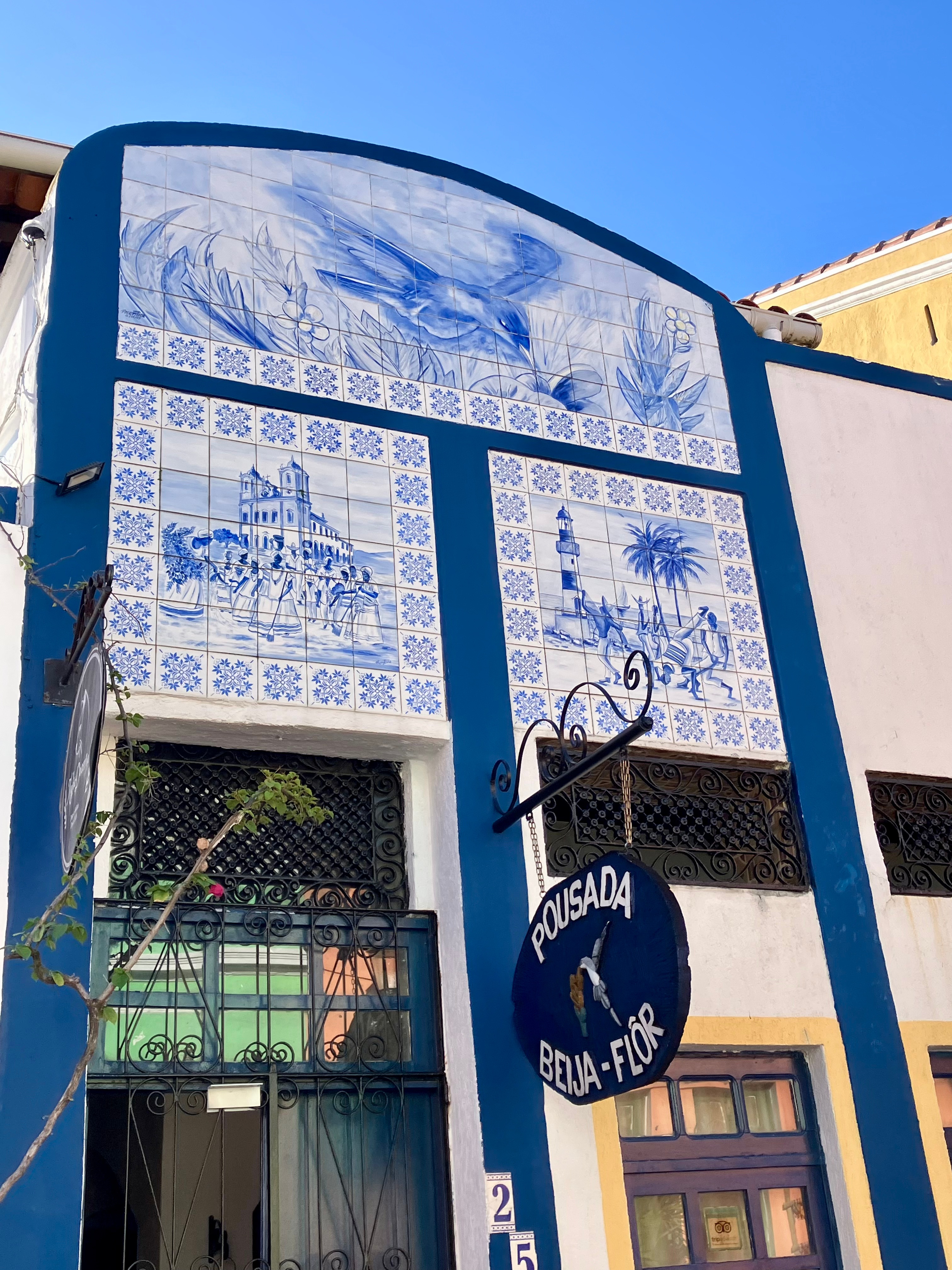
The neighborhood is way bigger than we expected.
And the vibe? Super chill. Full of museums, restaurants, and capoeiristas spinning their art on the town squares.
Everyone’s seen capoeira, right? But who actually knows where it comes from?
Part dance, part fight, part game, capoeira was born in the quilombos — the villages founded by runaway slaves around Salvador. African slaves disguised their fighting techniques in choreographed dance moves to fool the colonizers. Clever move.
Then there’s beachside Salvador.
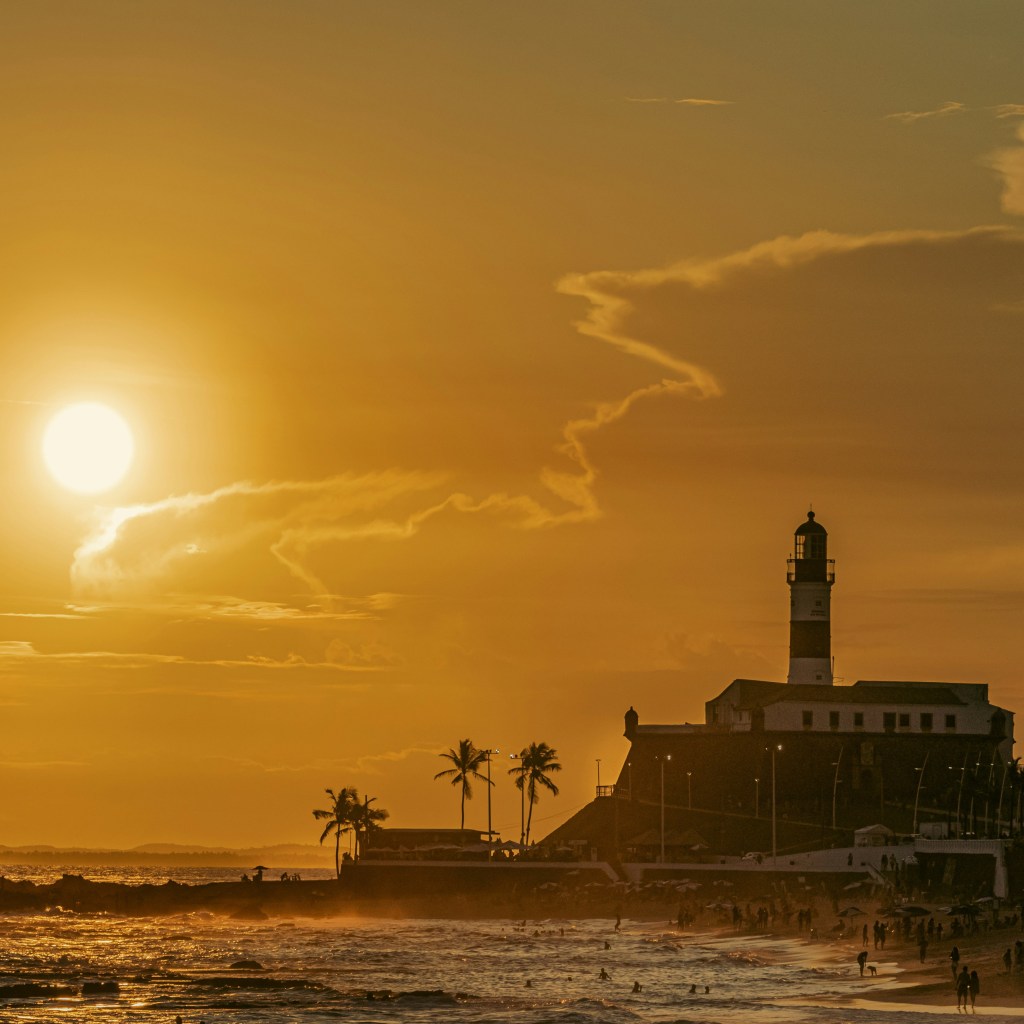
We strolled for hours along stunning beaches like Barra — the most iconic one, complete with a picture-perfect lighthouse — and Ondina, quieter and more local.
We even treated ourselves to a full day of doing absolutely nothing: just soaking up the sun, swimming, and watching the city slowly melt into the Atlantic.
And then, there’s the rest of the city.
Abandoned neighborhoods — a lot of them — and favelas stretching as far as the eye can see. A different Brazil: rougher, tougher, far from the postcard version.
We came back to Salvador twice during our five days in the region.
And when we left, we all agreed we could’ve stayed a bit longer (OK, maybe Matteo was just parroting us — but hey, he wasn’t wrong)
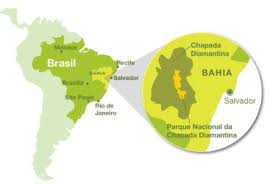
It’s already time to put our bags back on our shoulders, as Bahia – like much of Brazil – is a huge state, about the size of France. We’re going to make three stops: Morro de São Paulo, Itacaré, and finally the Chapada Diamantina.
Morro de São Paulo
Two ferries and a 2.5-hour drive later, we arrived on the island of Tinharé — more precisely, in Morro de São Paulo.
So, how to describe this place? Officially, it’s the beach getaway for Salvador’s city folk.
But in reality, it’s a pedestrian village lined with vast, almost surreal beaches.
In high season, it’s packed. But off-season? A peaceful little paradise.
Apart from homeschooling Nola and planning the next leg of our journey, we spent our days… at the beach.
There are five main beaches, some so long you can walk for miles with your feet in the water, stopping only to eat, swim, or sip a caipirinha. Not a bad daily routine.
The place is simply enchanting: deep blue ocean in front of you, dense jungle at your back, and you — somewhere in between, toes buried in warm sand.
Brazilian beaches, in general, are absolutely stunning: huge, never overcrowded, with just enough life to always find a beachside bar or restaurant. Sometimes, there are even floating bars where you can sip a drink in peace while the kids paddle around in canoes or surf nearby.
Let’s be clear: in Brazil, the beach isn’t just a backdrop — it’s an institution.
Everyone goes to the beach here: all social classes, all ages, all body types. It’s the place to be, the place where people simply live together. And Brazilians are proud of that.
And where there’s a beach, there’s body culture.
You can see it everywhere: appearances are no joke here. Brazil is the fourth largest market in the world for cosmetics and personal care products — for both men and women — and plastic surgery borders on a religion.
Two perfect days, rounded off by two unforgettable dinners at an Italian restaurant, where the chef treated us to absolutely divine cuisine.
IItacaré
The next morning, we were up at the crack of dawn (well, “dawn” by our standards — it was 9 a.m.). A ferry back to the mainland, three hours on the road… and we landed in Itacaré.
And Itacaré? It’s a little miracle. Imagine a fully pedestrian town center — a near-surreal anomaly in Brazil, where cars usually rule the streets.
Here, everything feels laid-back. The beaches flow into one another, easily accessible on foot. And — a rare treat on our trip — our hotel was truly fantastic. We could have stayed a whole week, just for the fun of it.
But tough luck: Vincent’s the one doing the planning… so we had only three nights.
Our days drifted gently between beach and town: good food, the hotel pool, and a wonderfully slow pace.
But there’s one thing you can’t miss — or rather, can’t not hear: Itacaré is absolutely packed with Israelis.
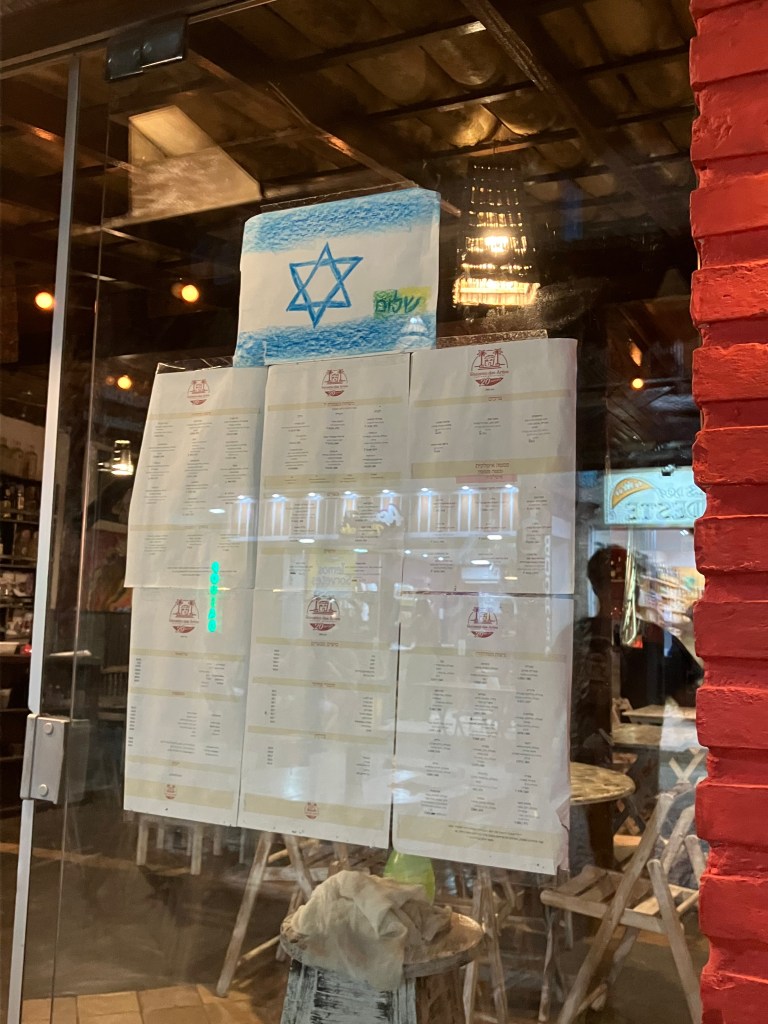
Hebrew is everywhere — on menus, in the streets, in the music. Israeli flags hang outside shopfronts, and the conversations you overhear on every corner suddenly transport you straight to Tel Aviv.
They’re young, often traveling in groups, with that mix of ease, tight-knit camaraderie, and energy you recognize instantly. They drink, smoke, play guitar, greet each other like they’re in a kibbutz. It feels a bit surreal — especially when you realize how rarely you see them elsewhere in Brazil.
In reality, Itacaré has become something of an unofficial stop on what’s known as the “post-army world tour” — a year-long rite of passage that thousands of young Israelis embark on right after completing their military service. A kind of liberating break before adulthood, with well-established stages: India, Nepal, Colombia, Argentina… and of course, Brazil.
Discovering the world after the army? A brilliant idea in itself. But you can’t help wondering if it still counts as discovering the world when you spend all your time surrounded by fellow countrymen, in all the same places.
Chapada Diamantina
We left Itacaré early in the morning — an 8.5-hour drive ahead of us, aiming to reach Lençóis before nightfall, around 6 p.m.
It’s not that we refuse to drive at night in Brazil, but let’s just say… it’s not exactly a pleasant experience.
First, it’s dark. As in pitch-black — no streetlights, nothing.
Then, the road conditions are wildly unpredictable.
And worst of all: the speed bumps. Monstrous speed bumps from another dimension.
Picture this: you’re cruising down a highway at 110 km/h, and suddenly — BAM — out of nowhere, a massive bump launches your car into chaos. If you’re not already down to 10 km/h, kiss your bumper, your suspension… and your sanity goodbye.
To be fair, it’s not like that everywhere in Brazil. But the further north you go, the more of these little traps you’ll encounter.
It’s almost like natural selection — for shock absorbers.
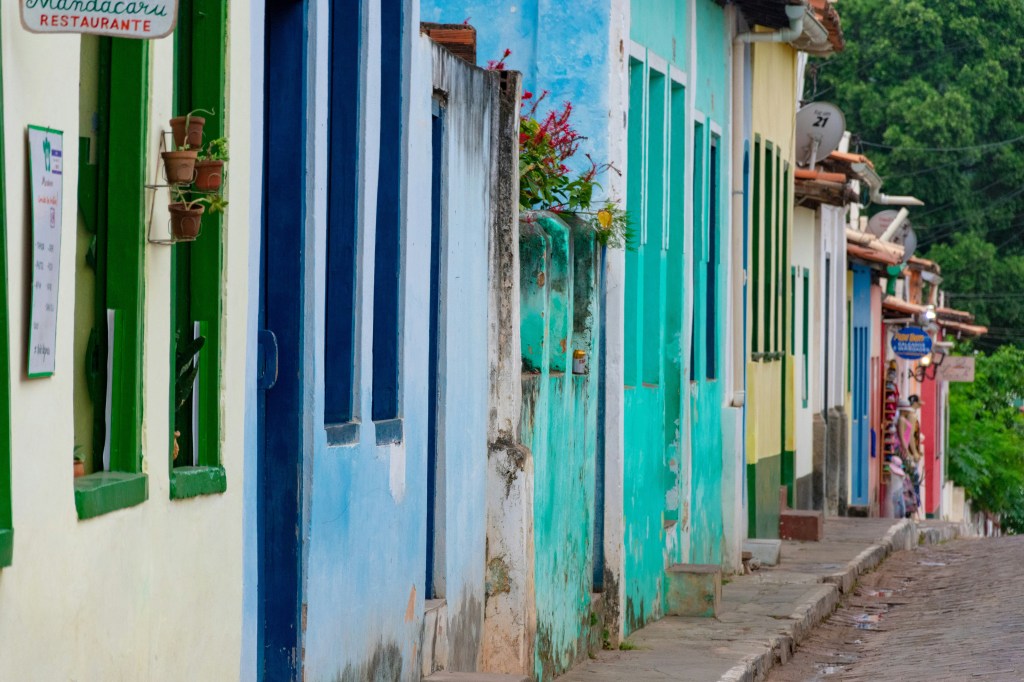
After that long and bumpy drive, we arrive right at 6 p.m. in Lençóis — a charming little colonial town that serves as the gateway to Chapada Diamantina National Park.
We’ll be staying here for five nights and packing in four full days of exploration.
Chapada Diamantina — literally, “the Plateau of Diamonds.”
Even the name sparkles with promise. And rightly so: in the 19th century, diamonds were indeed discovered in the region. For decades, fortune seekers scoured the red earth in search of precious stones. Towns like Lençóis were born from this diamond rush, built in the heart of that dazzling dream.
But before the diamonds, there was geology.
Millions of years of erosion have carved out a breathtaking landscape: deep canyons, towering cliffs, mysterious caves, and waterfalls in abundance.
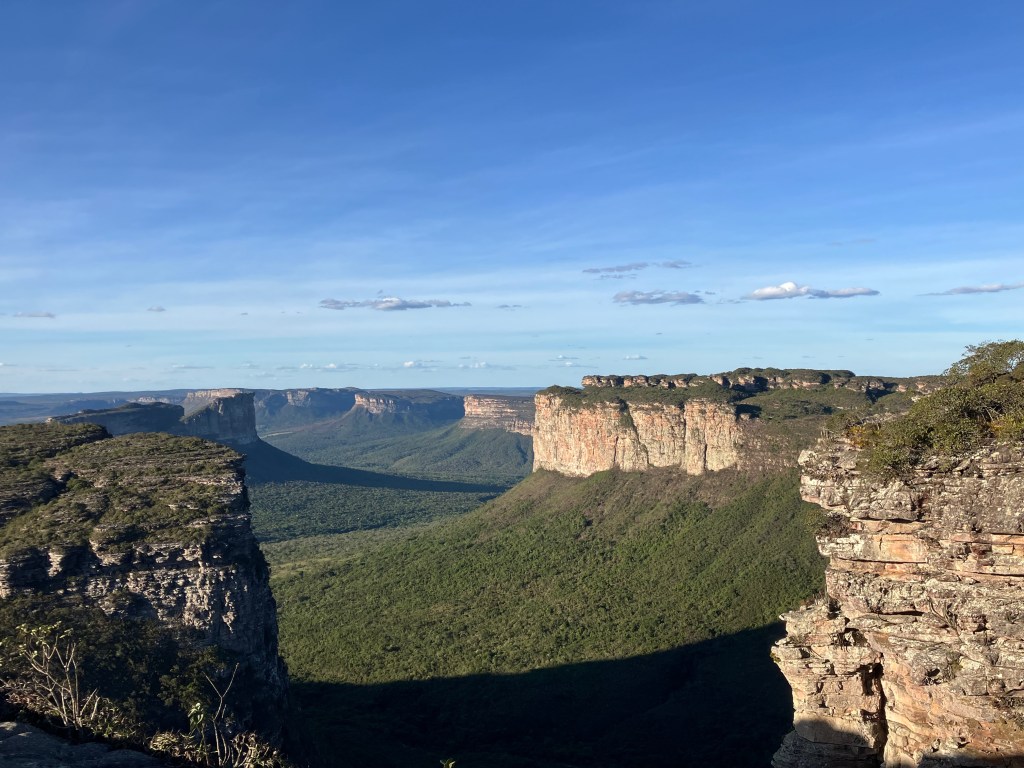
Of course, we wanted to see everything.
On foot, by jeep, by boat — every corner of the park seems designed to impress.
And it works.
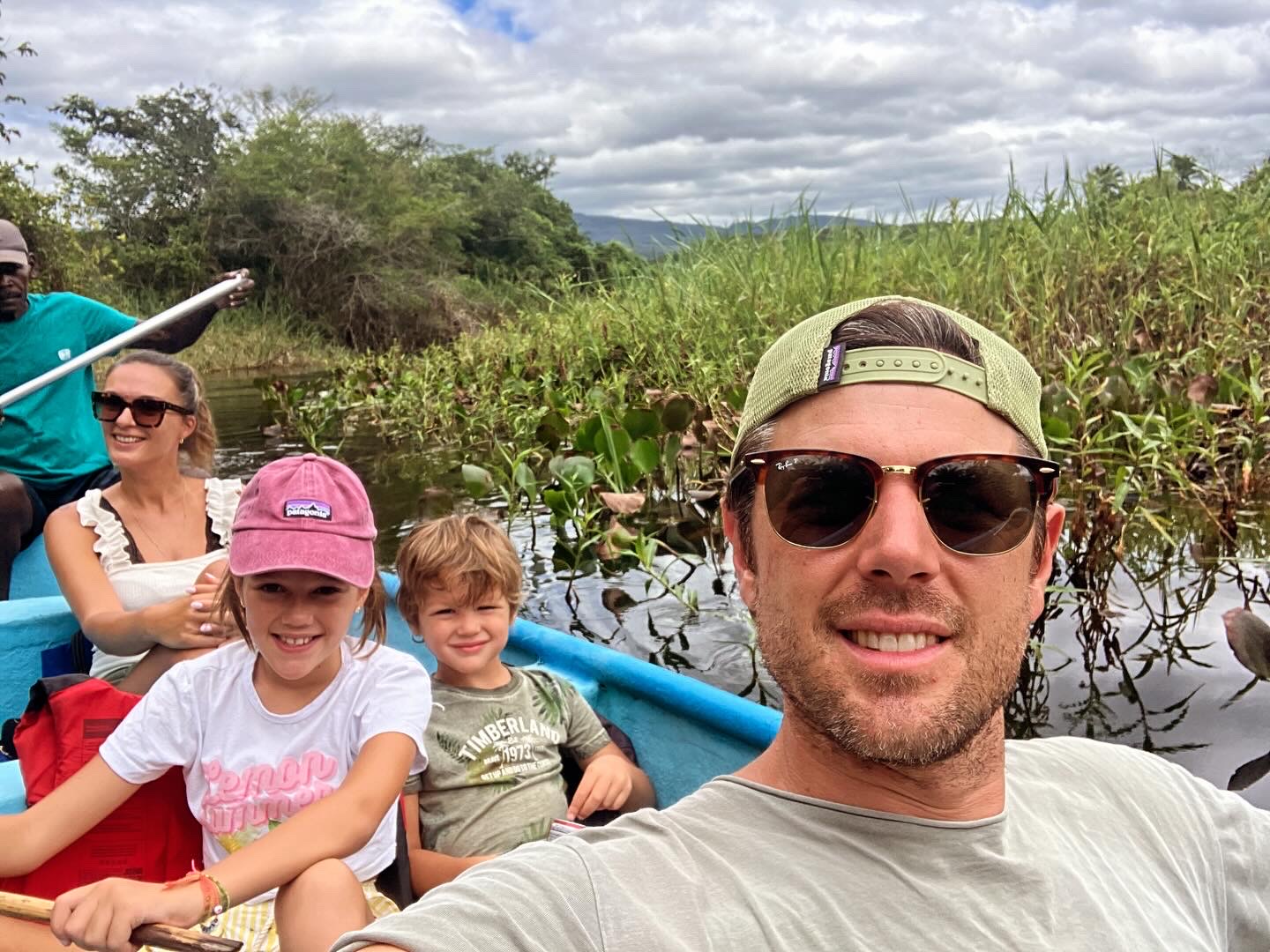
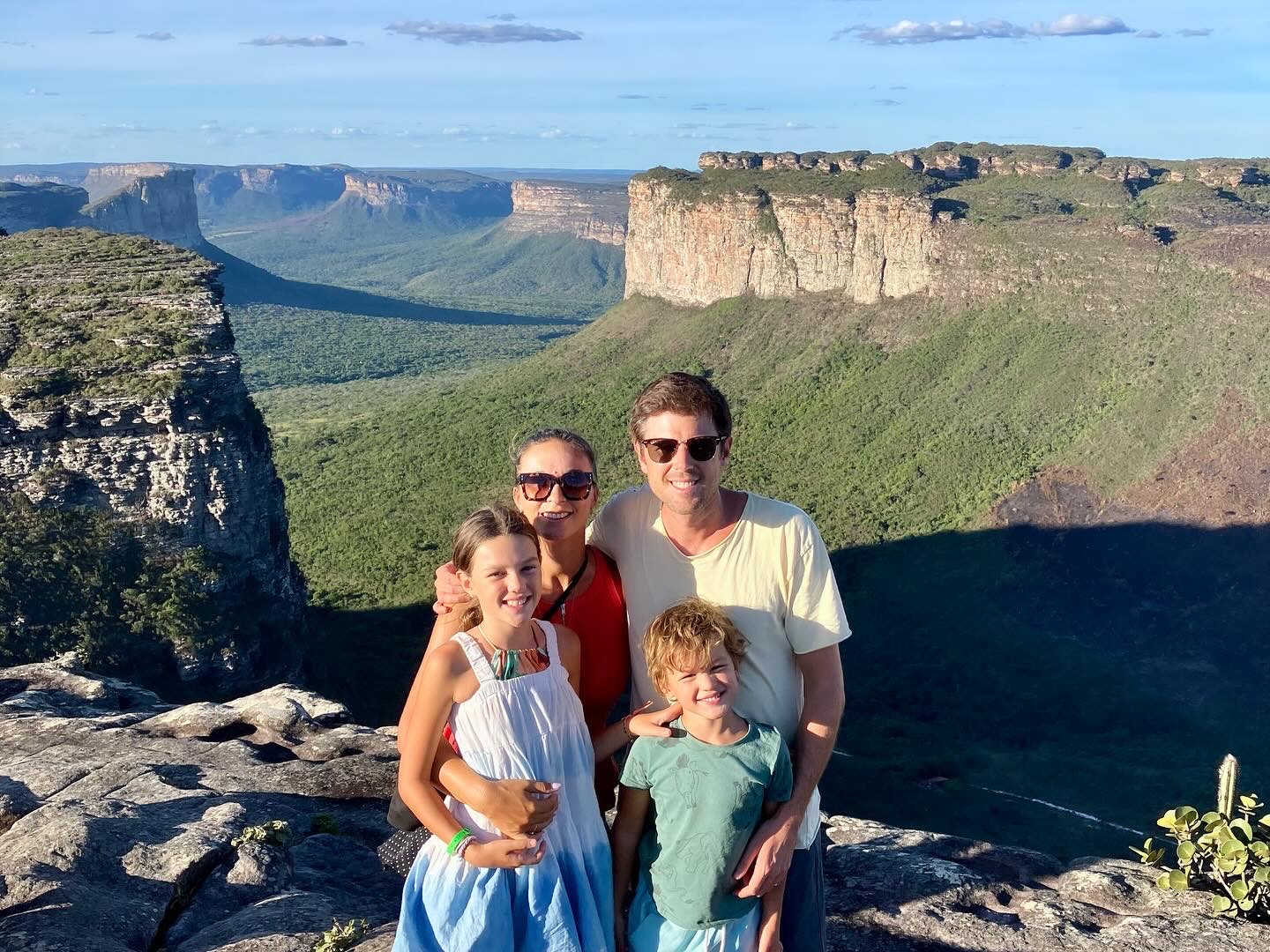
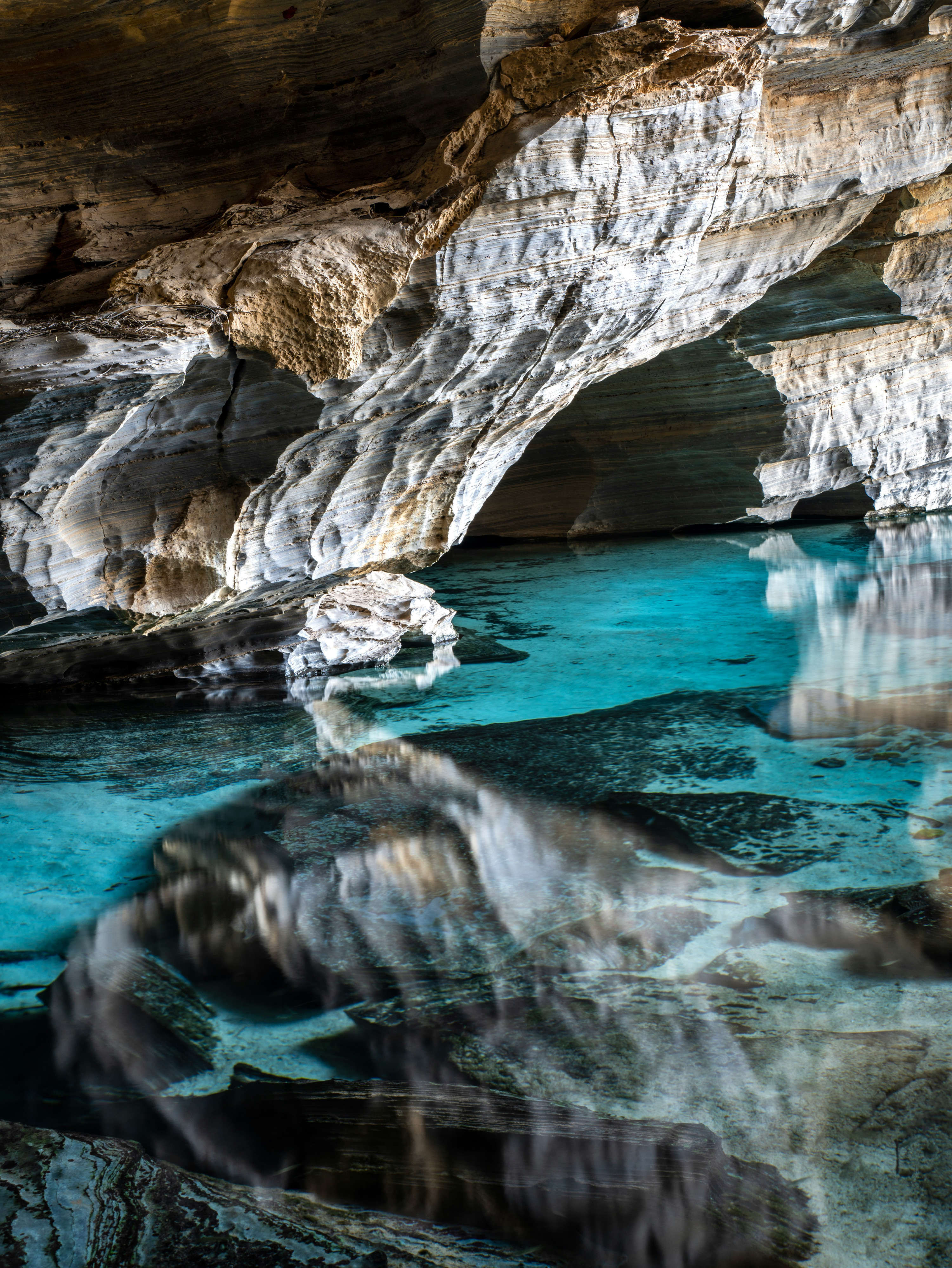
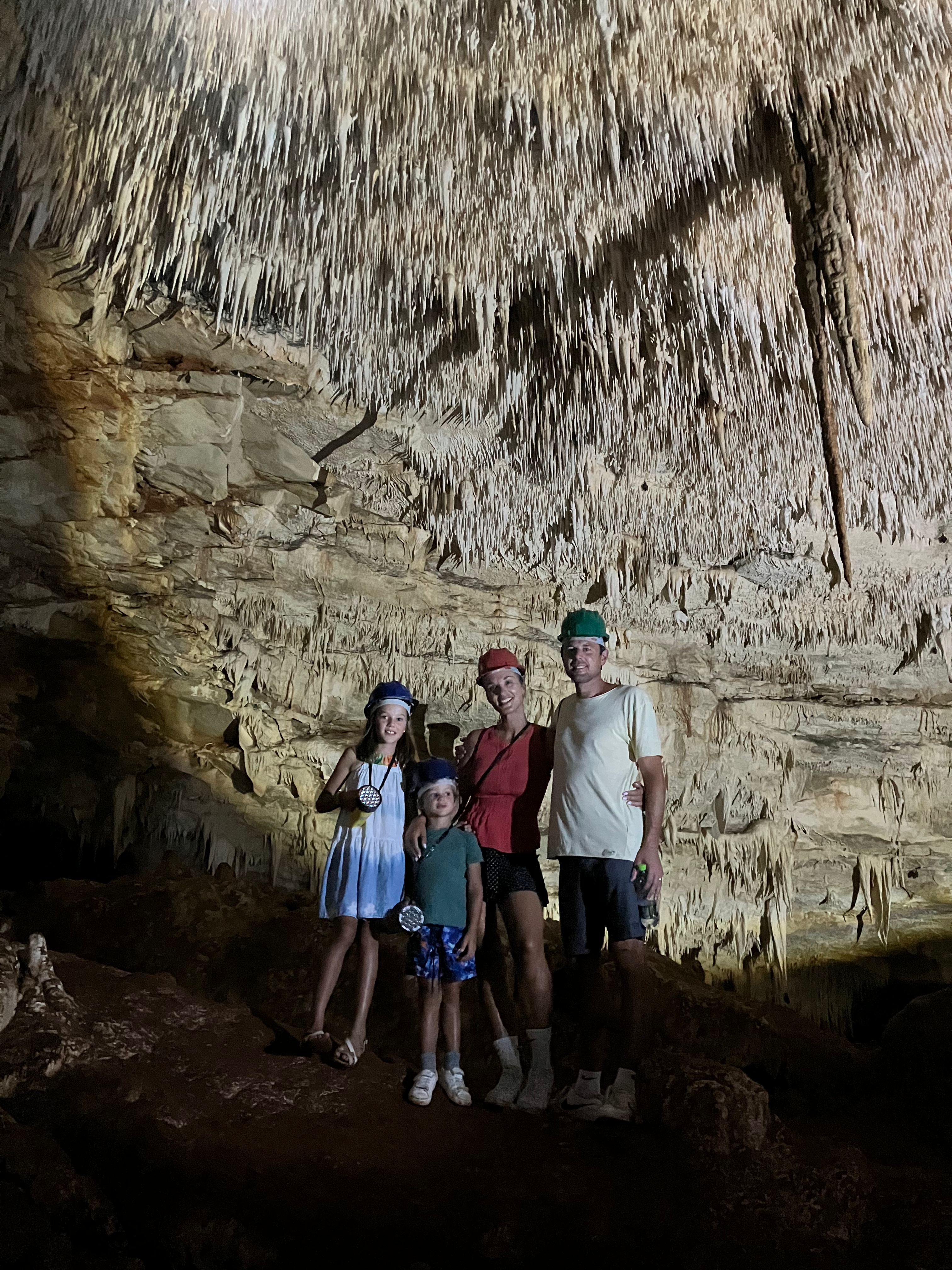
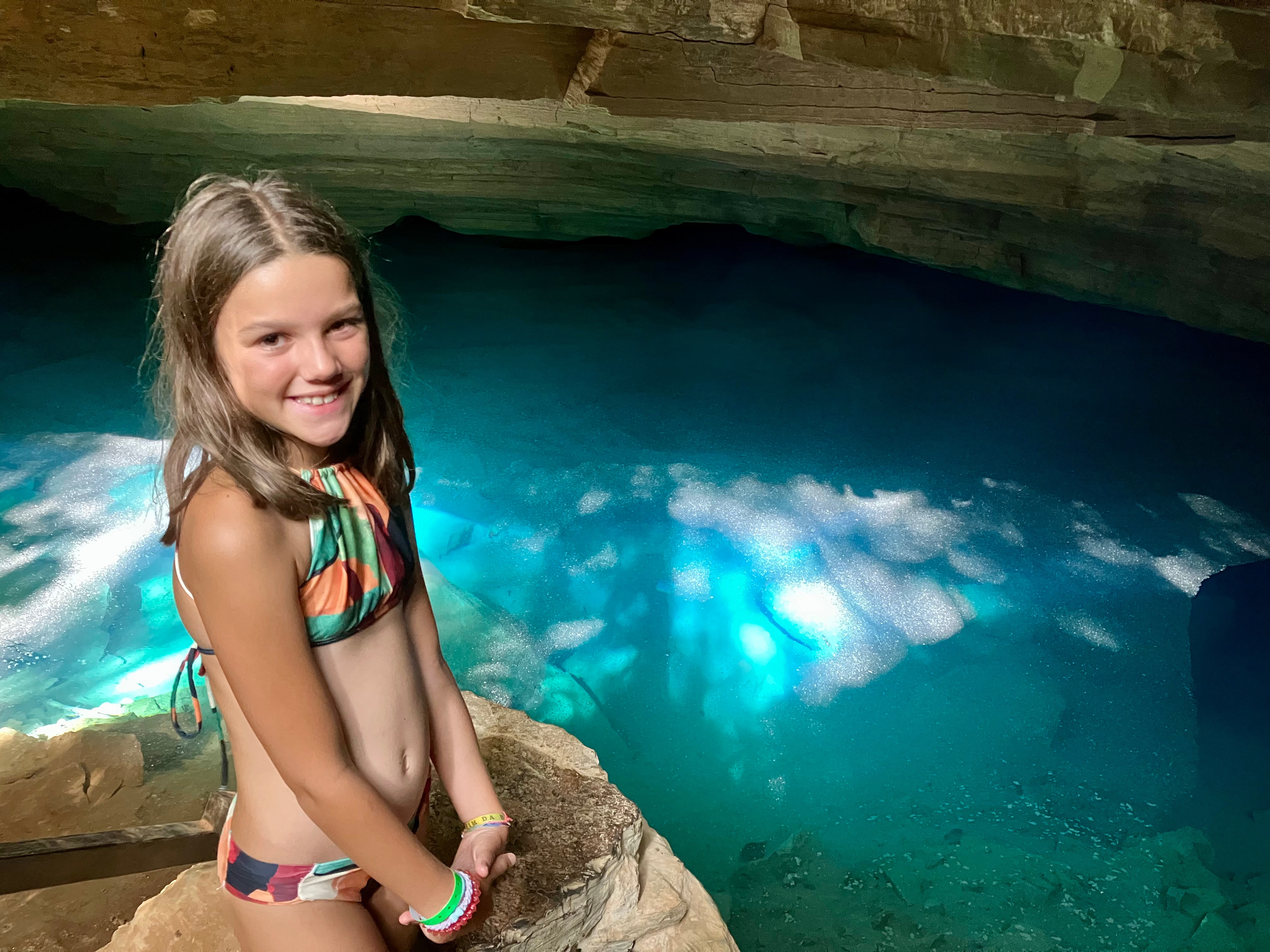
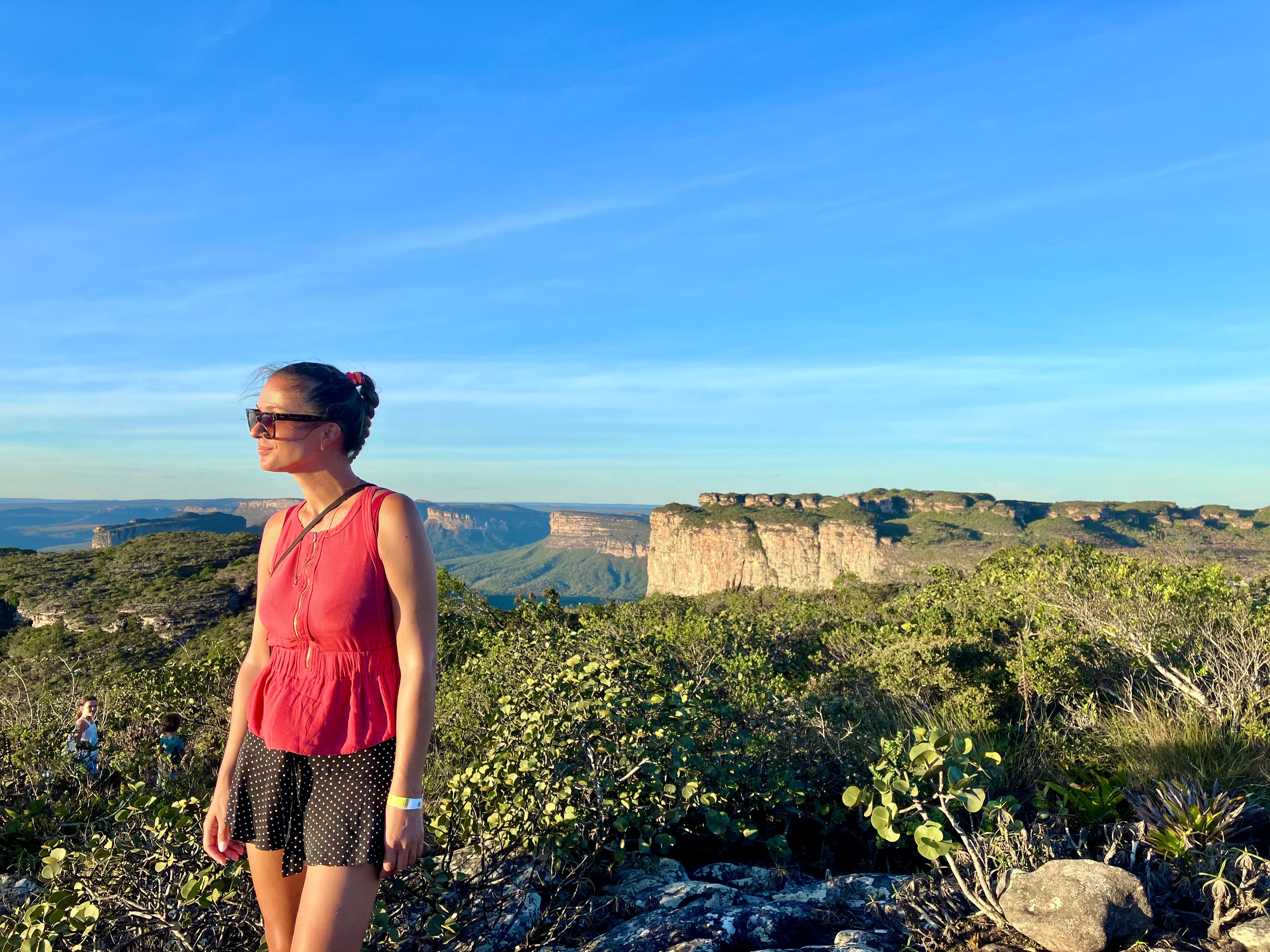
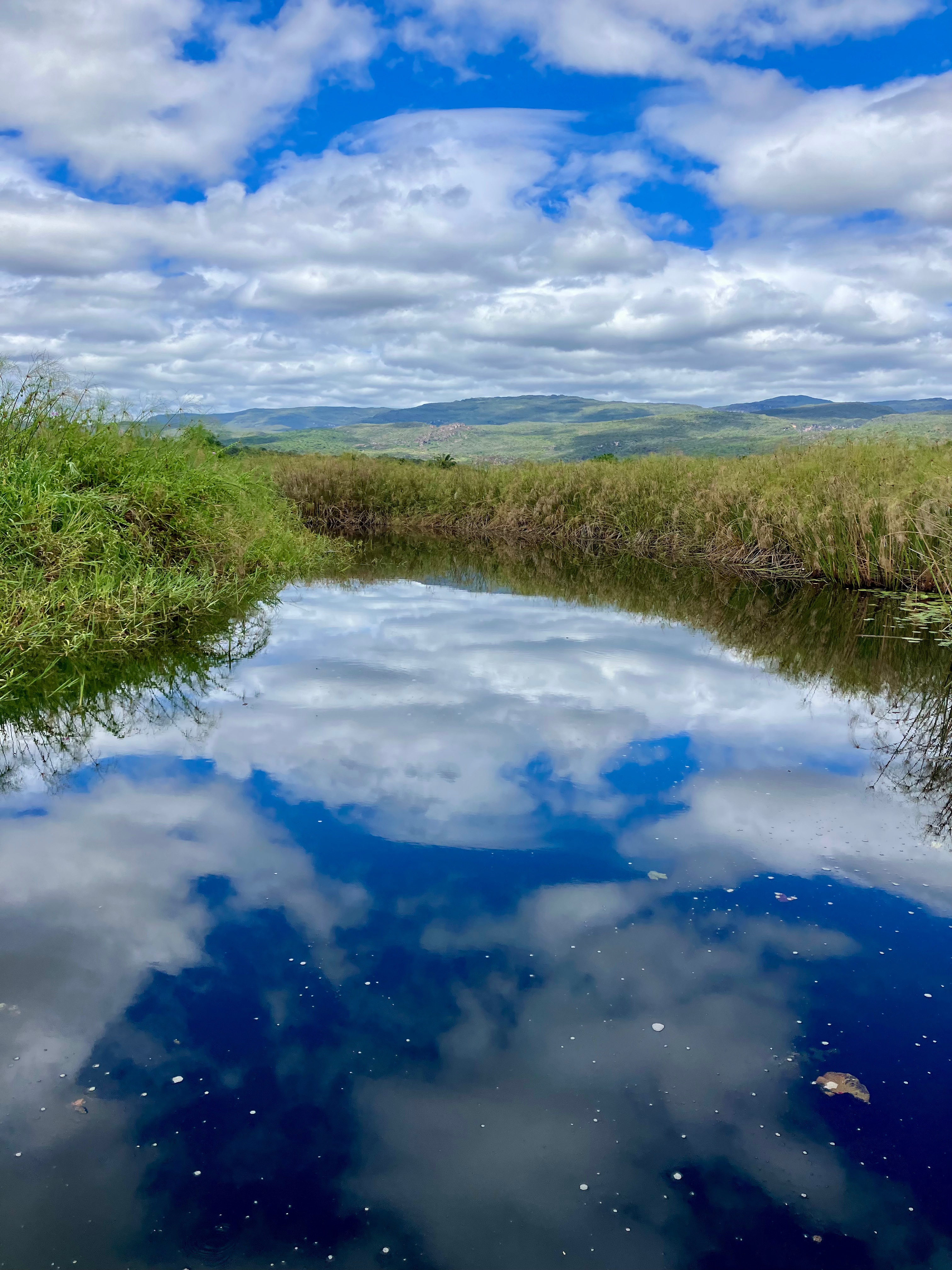
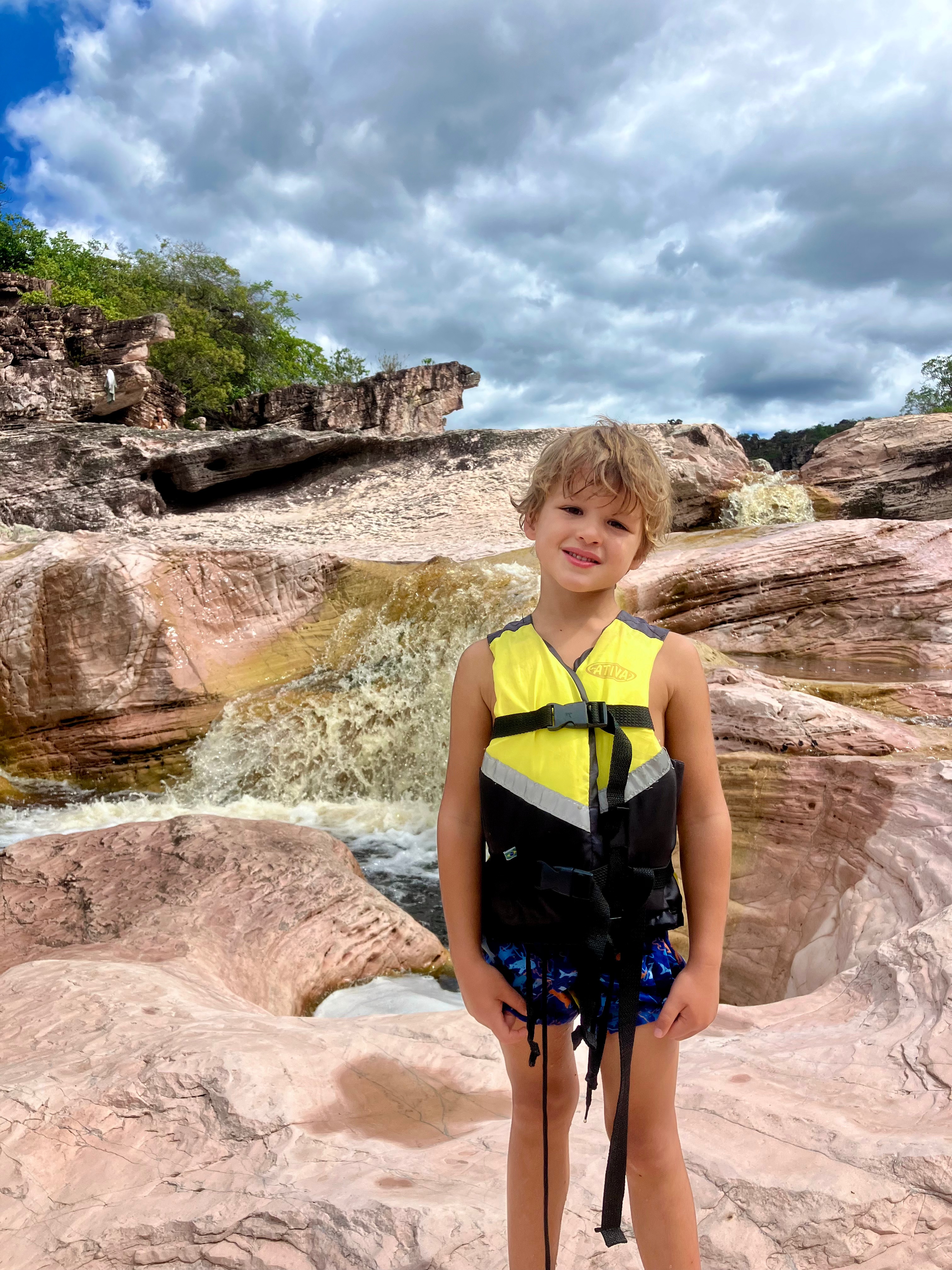
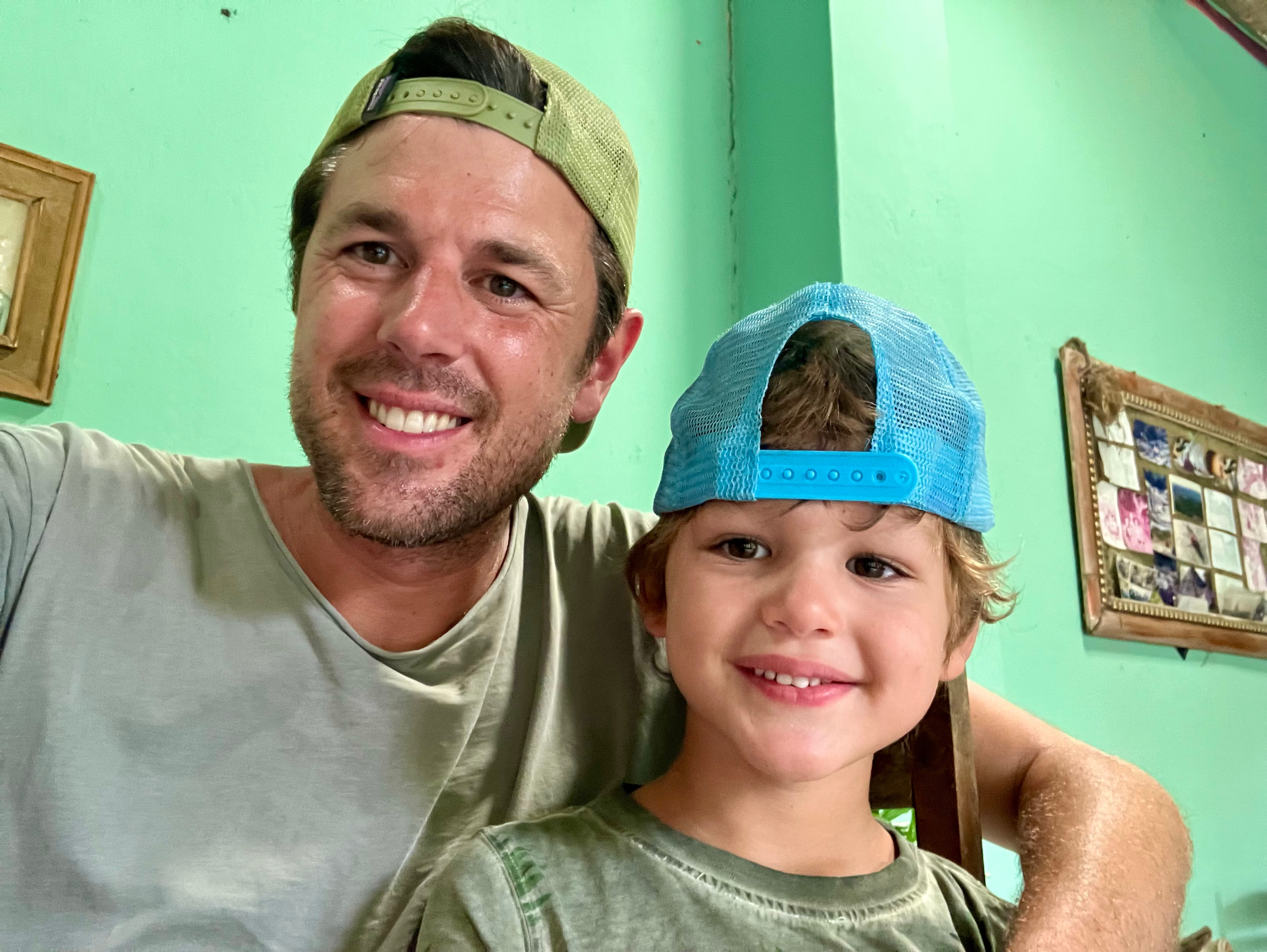
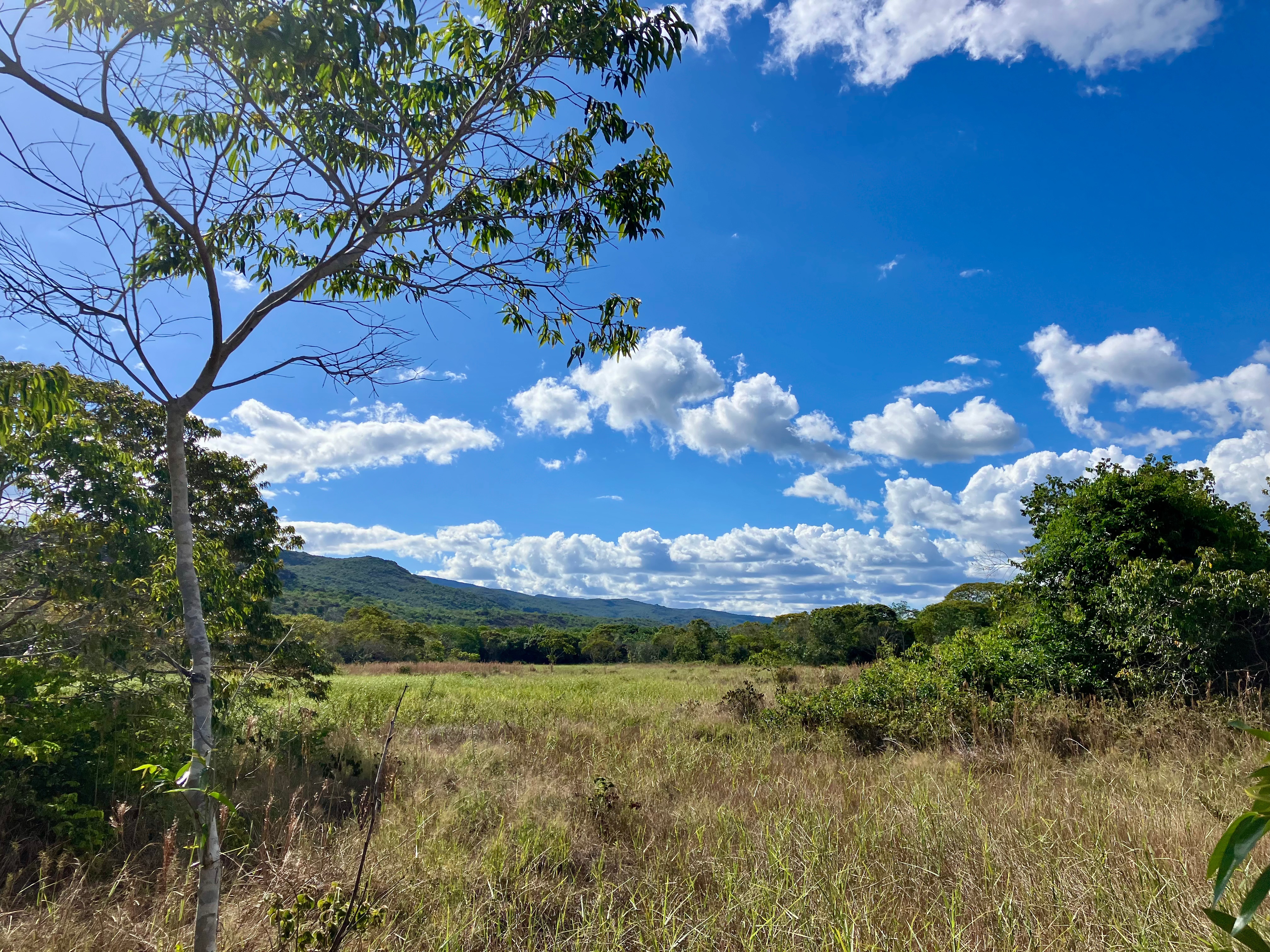
Even far from the sea, the Brazilian spirit is still there — that gentle way of life, that mix of slowness and human warmth. Laid-back, welcoming, peaceful.
We could have stayed a little longer. Just to let time stretch out a bit more.
But the journey goes on. Our fourth region is waiting.
4. The state of Minas Gerais, April 5–14, 2024
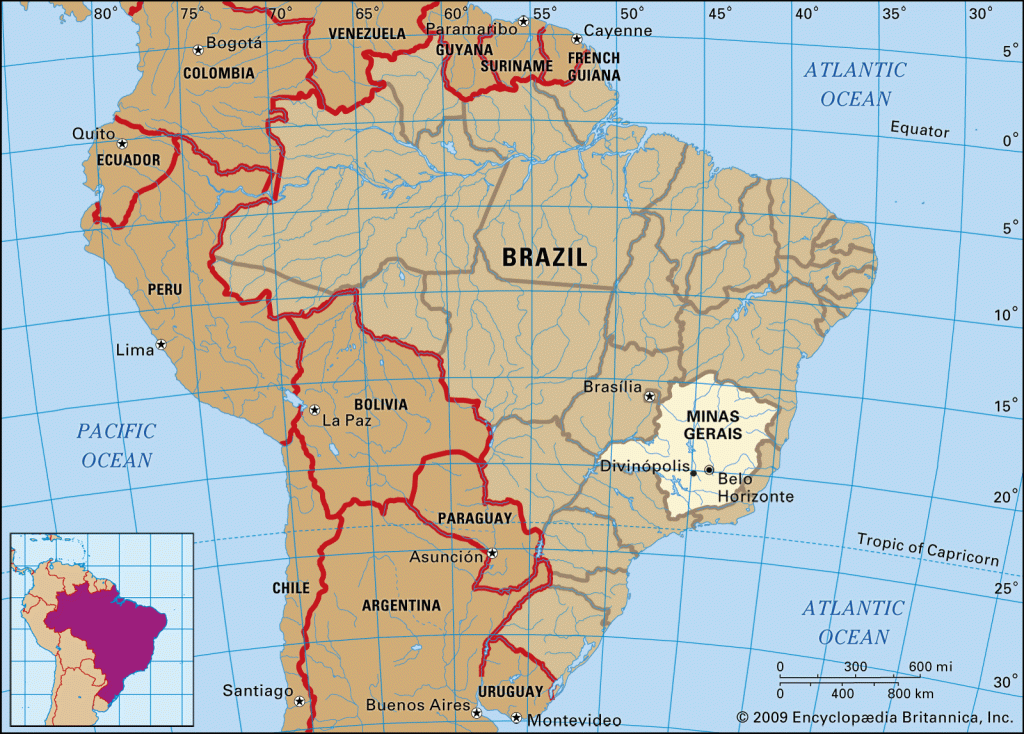
Minas Gerais (pronounced “Mee-nas Zhe-rah-eesh” with the proper flair) is a state located just above São Paulo and Rio de Janeiro. These three form a kind of golden triangle: the three richest states in Brazil — a stark contrast to Bahia.
And you can tell right away.. The blatant poverty of the Northeast is gone Here, roads are well maintained, cities feel tidy (well… by Brazilian standards, let’s not get carried away) — and the ultimate delight: cheese reigns supreme in the local cuisine.
We’re in a landscape of rolling hills, far from the Instagrammable spots of Rio or the dream beaches of the South, but beautiful nonetheless.
Now, let’s get back to the name: Minas means “mines,” as you might have guessed. And here, mining is far from ancient history. I was stunned by the number of roads literally swarming with trucks full of ore. Because Brazil is a global champion in this field:
🥇 World number one in iron and niobium
🥈 Top 5 in bauxite and manganese
🥉 Top 10 in gold
In short, here, the ground is worth its weight in gold — quite literally.
But let’s be honest: we din’t come to Minas for the mines. We are here for what the mines helped build in the 18th century: absolutely stunning colonial towns that look like something out of a historical film set. Welcome to Ouro Preto, Mariana, Tiradentes… and other baroque gems full of gilded churches, calf-killing cobblestones, and magnificent houses.
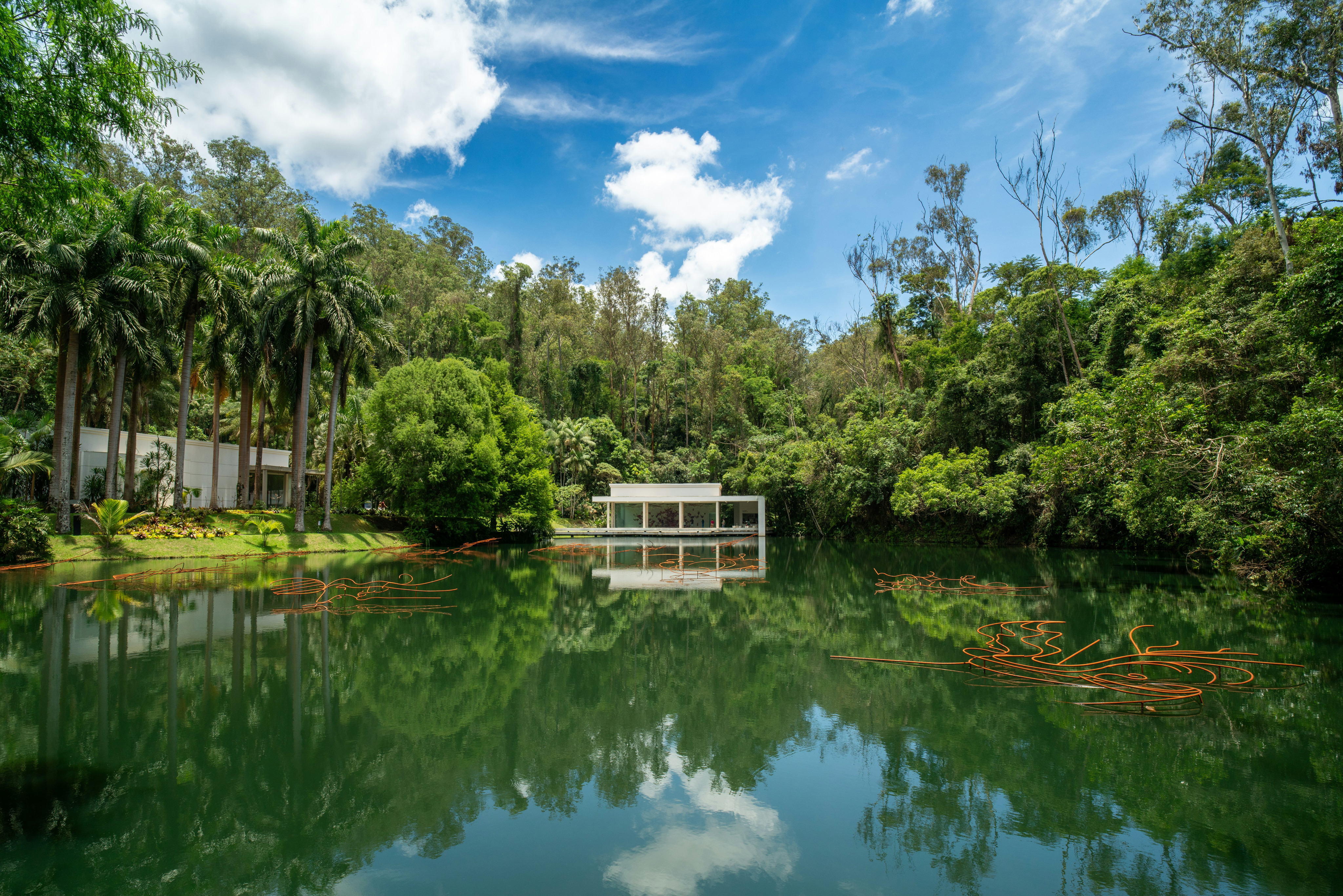
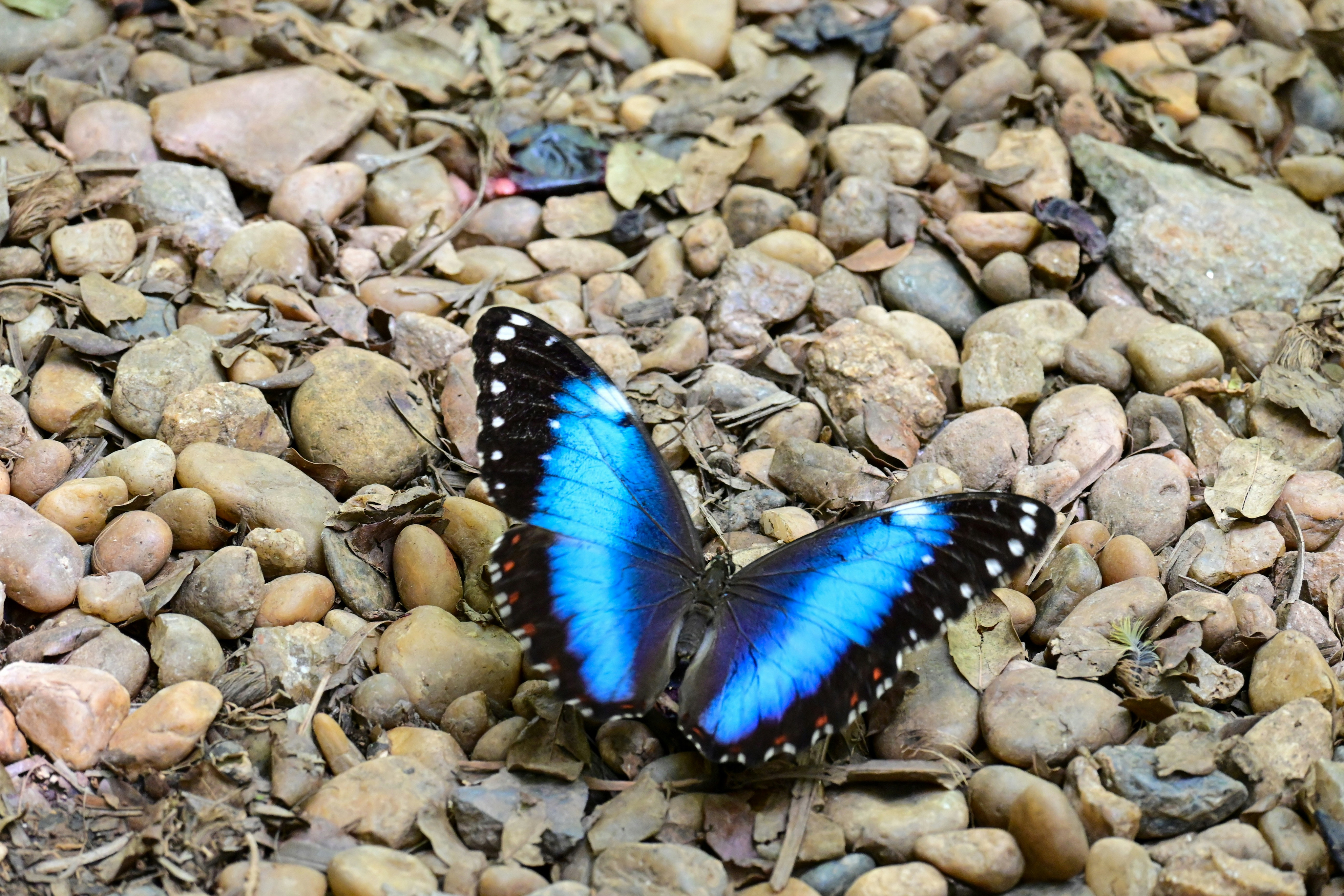
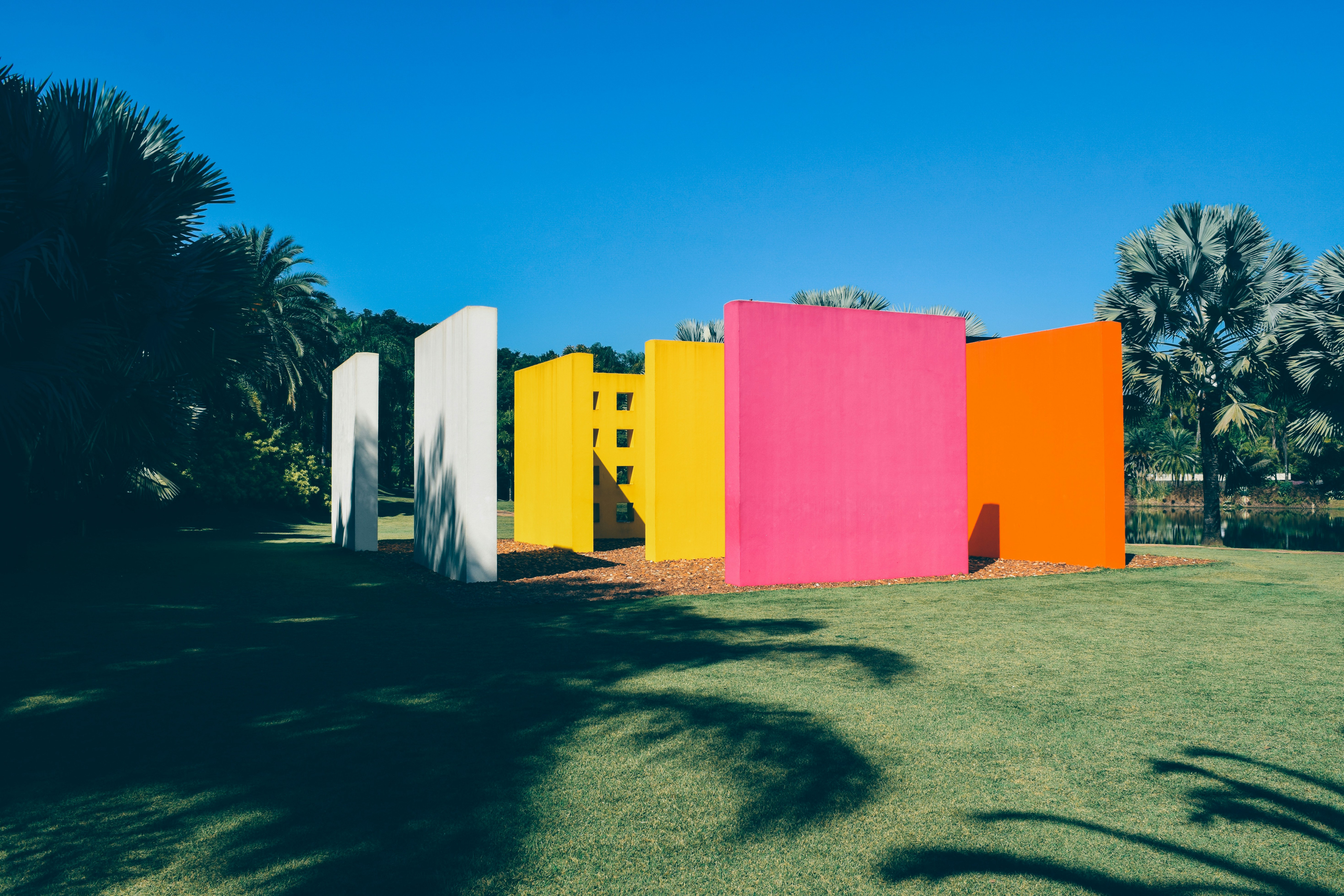
But before falling under the spell of these colonial jewels, we started with an artistic UFO: Inhotim. One of the largest open-air contemporary art museums in the world. 140 hectares of botanical gardens dotted with contemporary art pavilions. It’s beautiful, it’s inspiring, and it makes you walk. A real favorite!
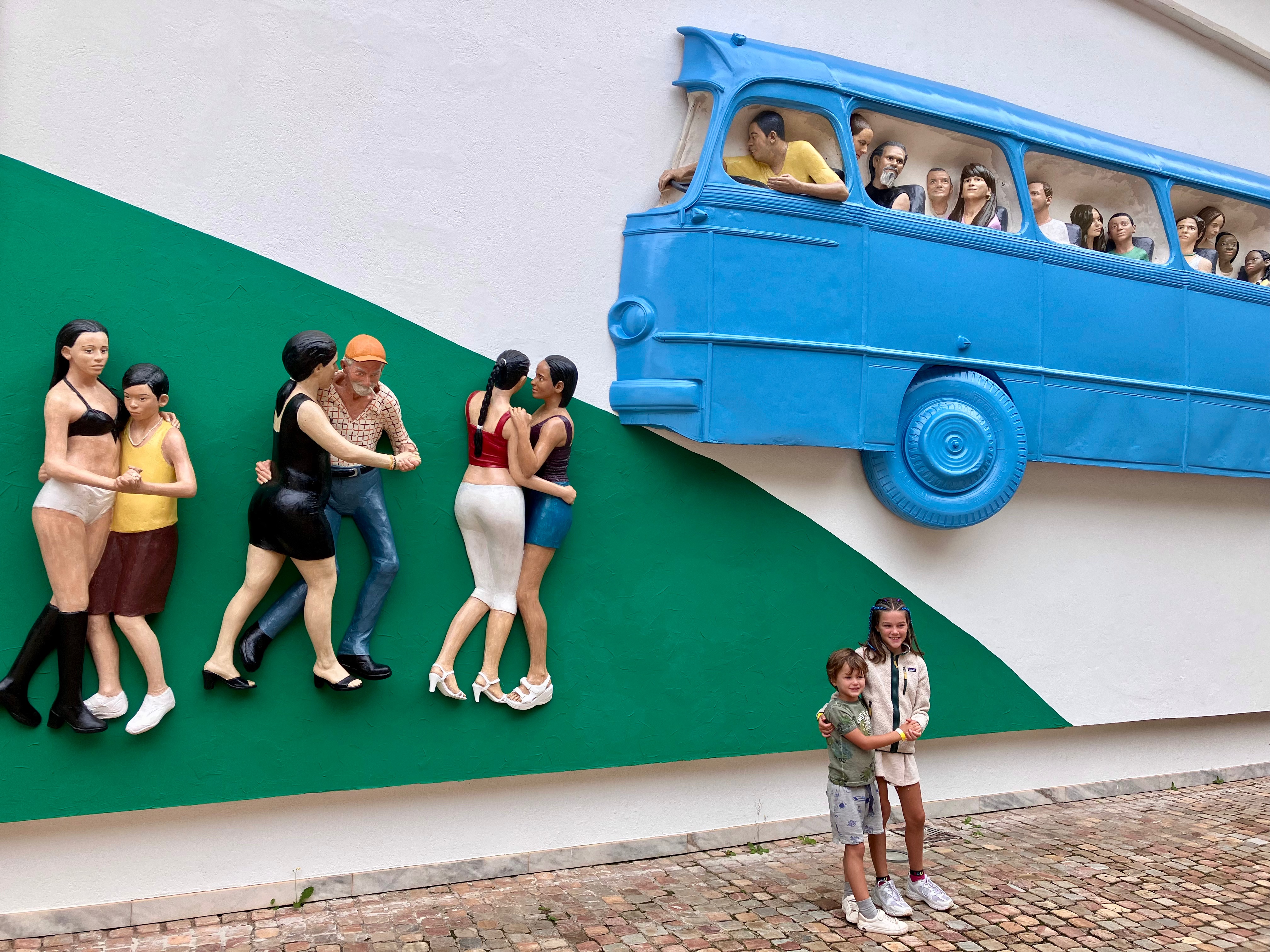
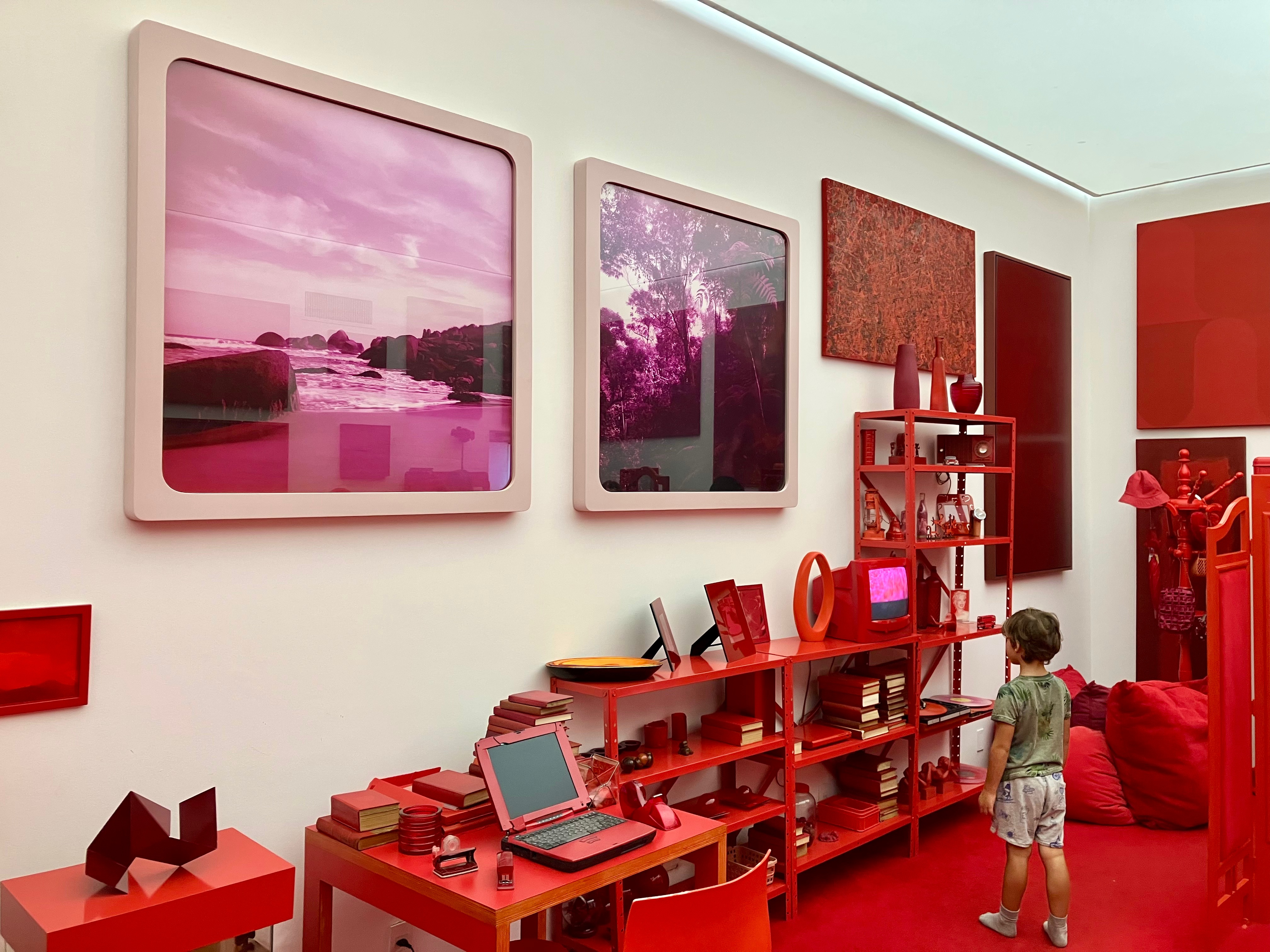
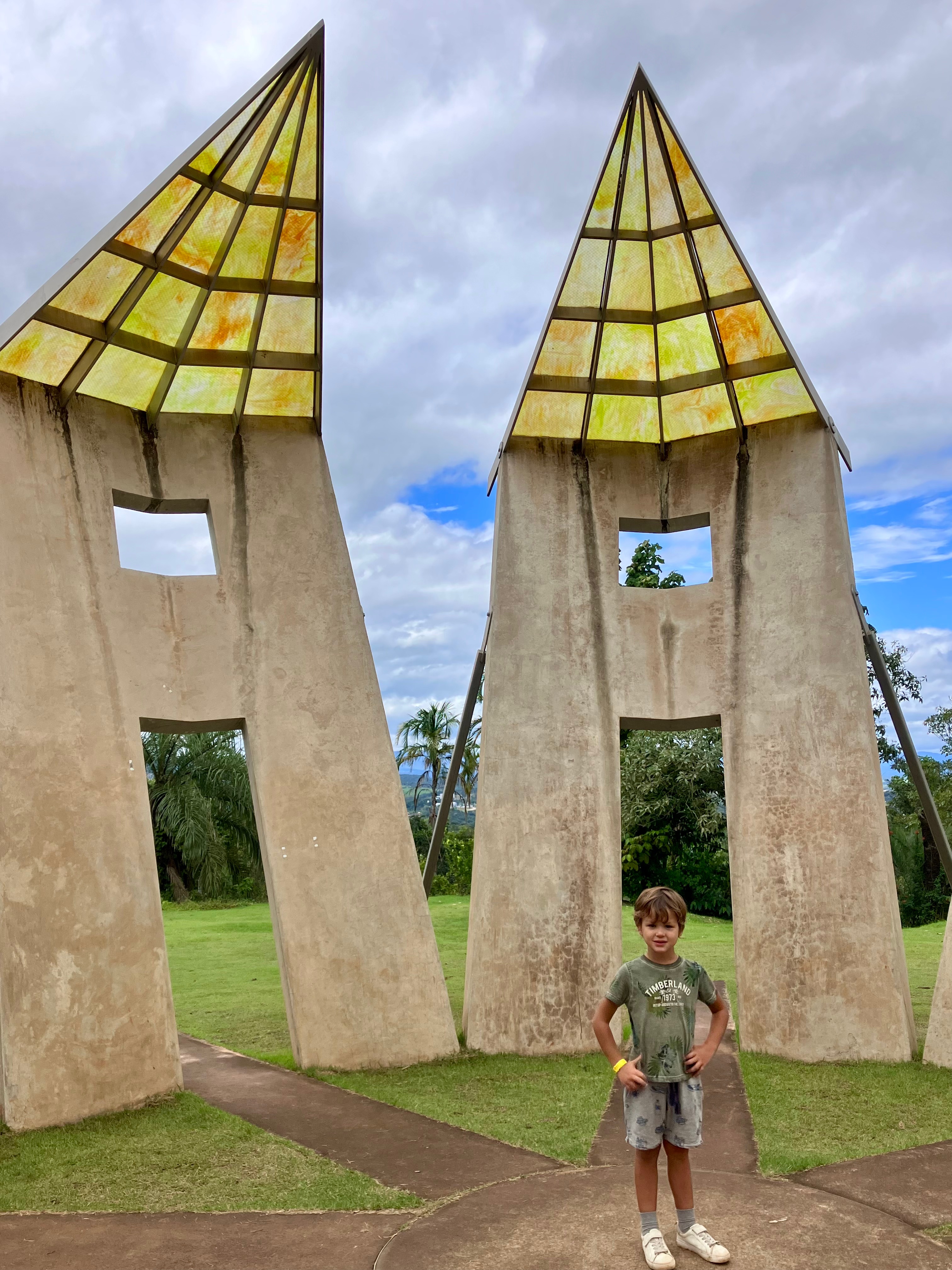
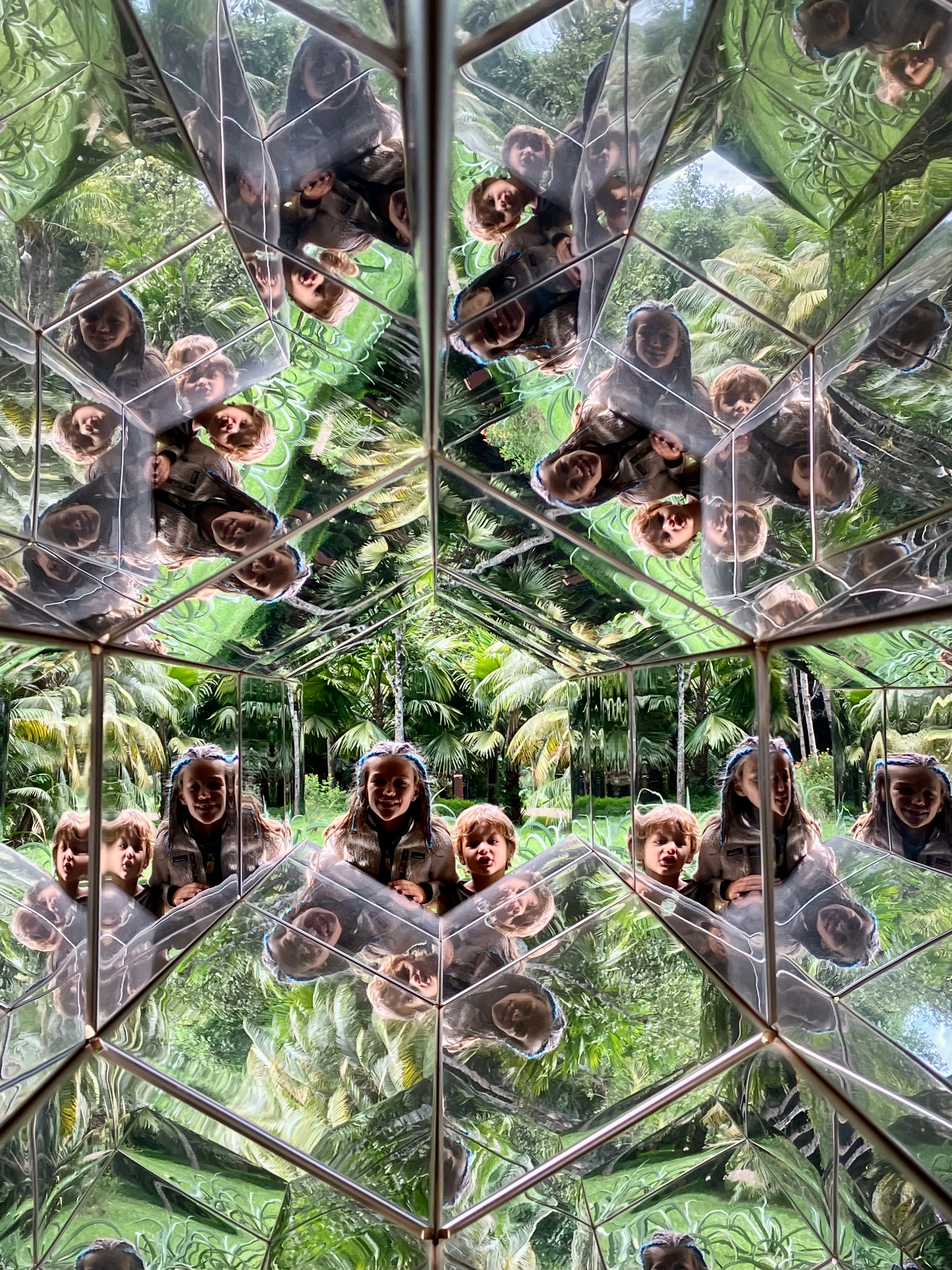
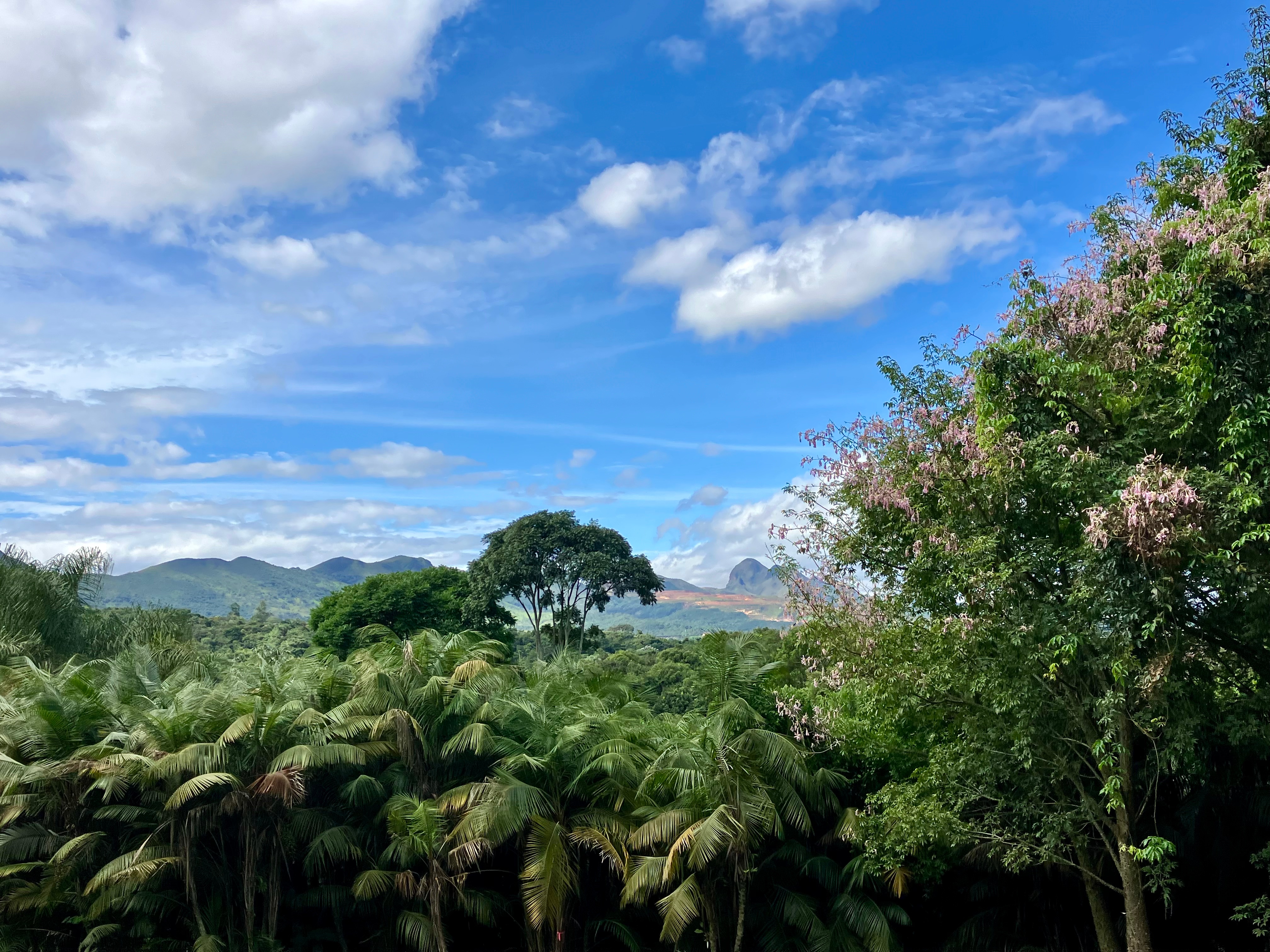
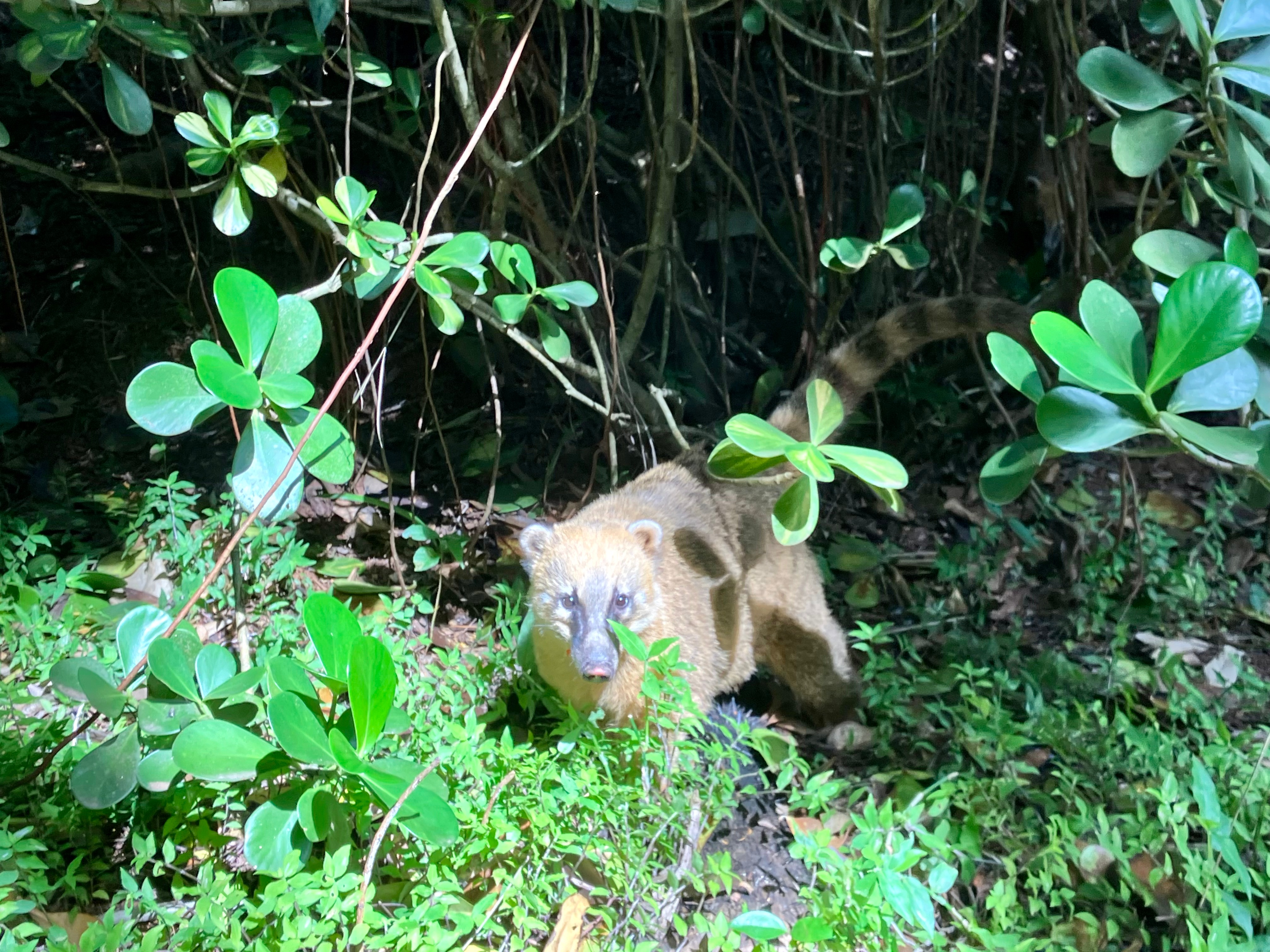
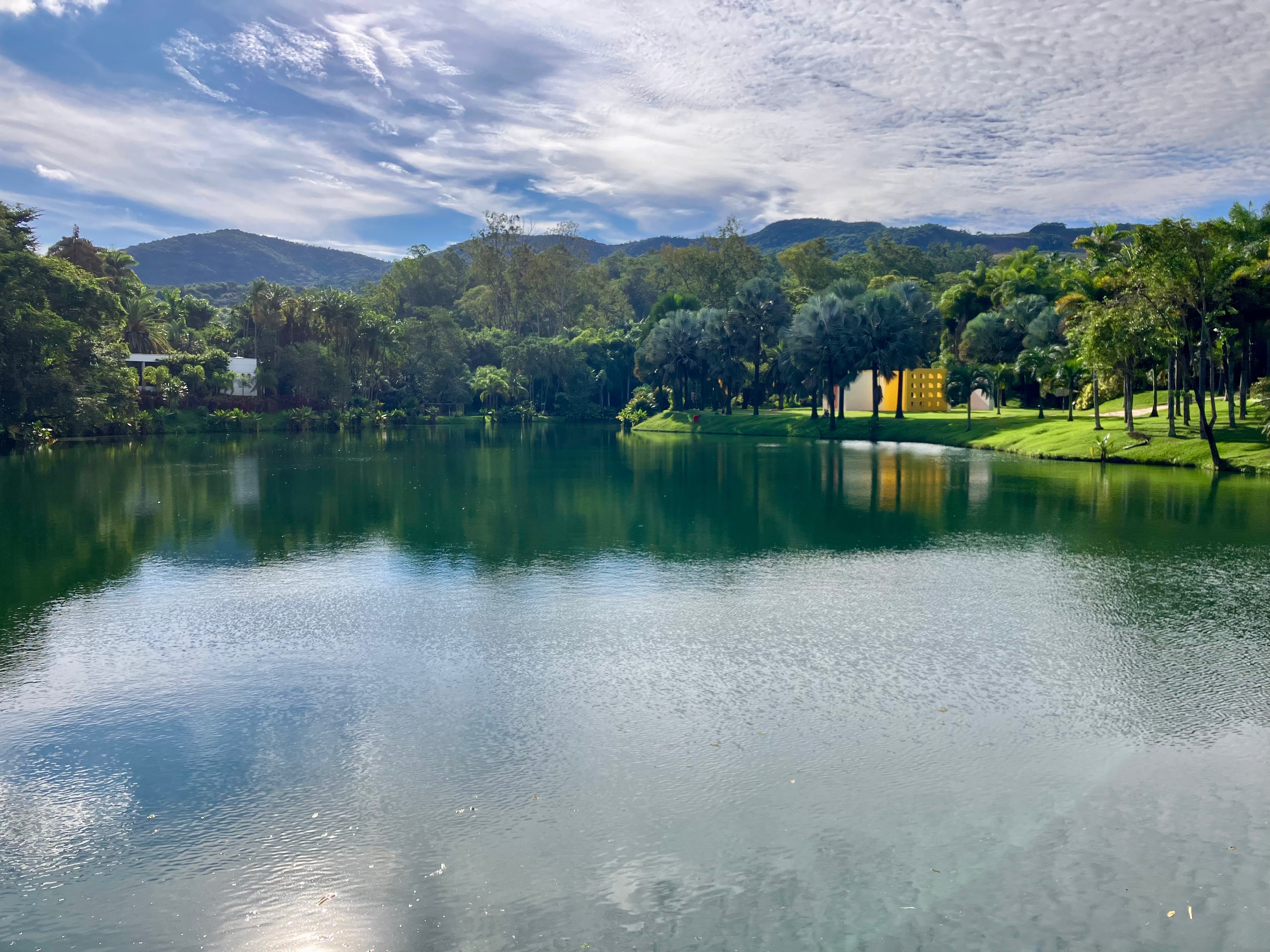
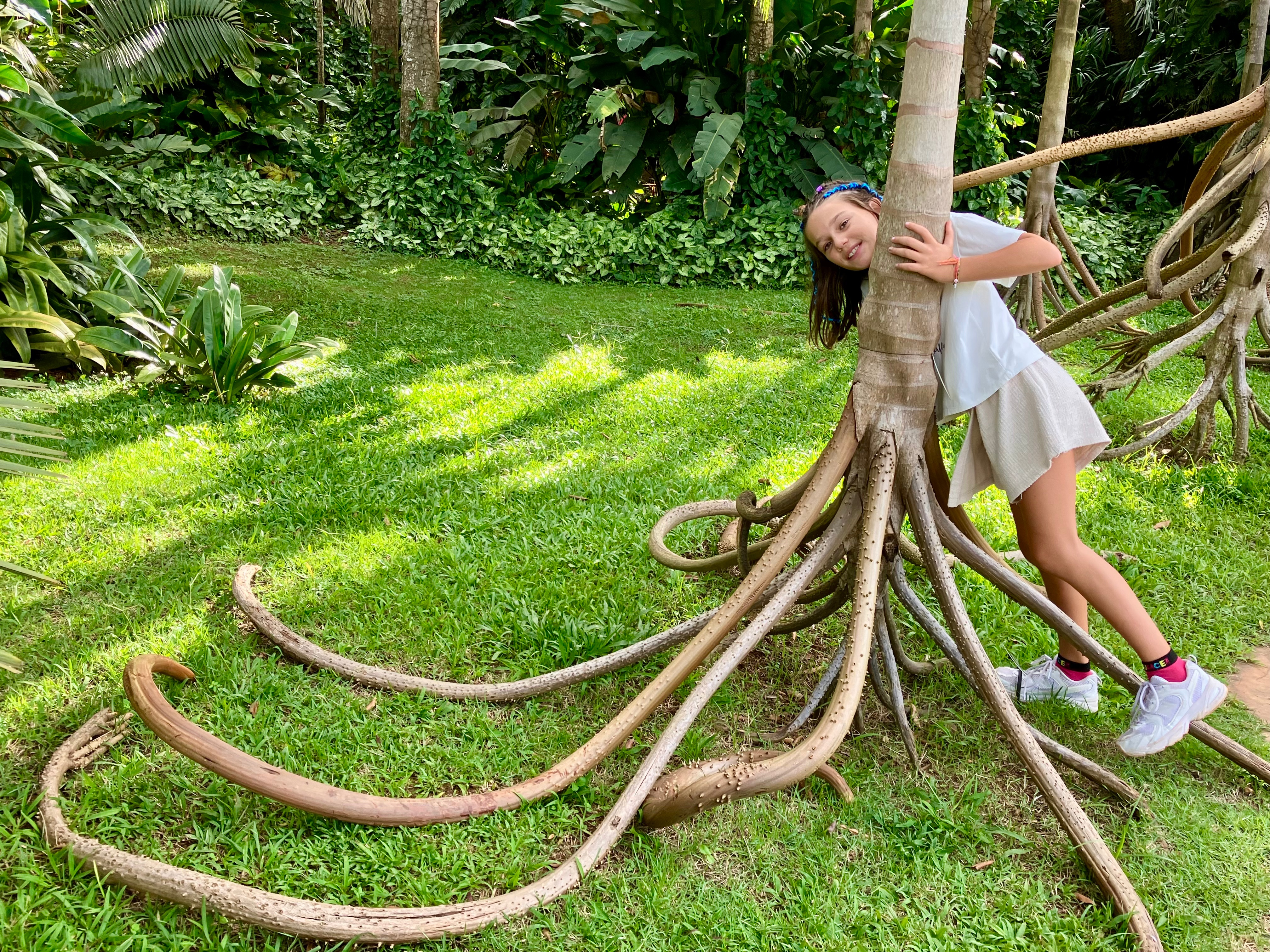
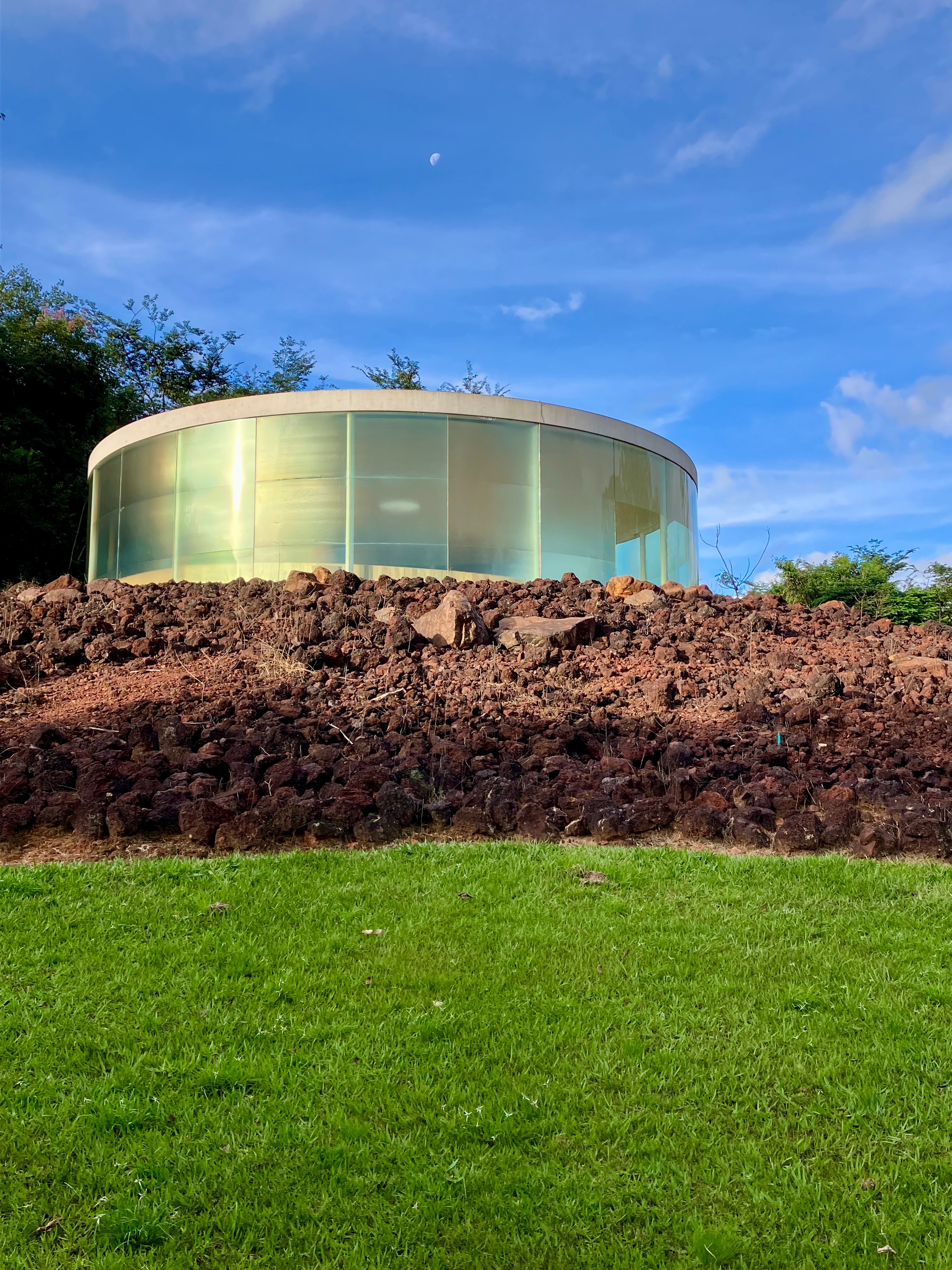
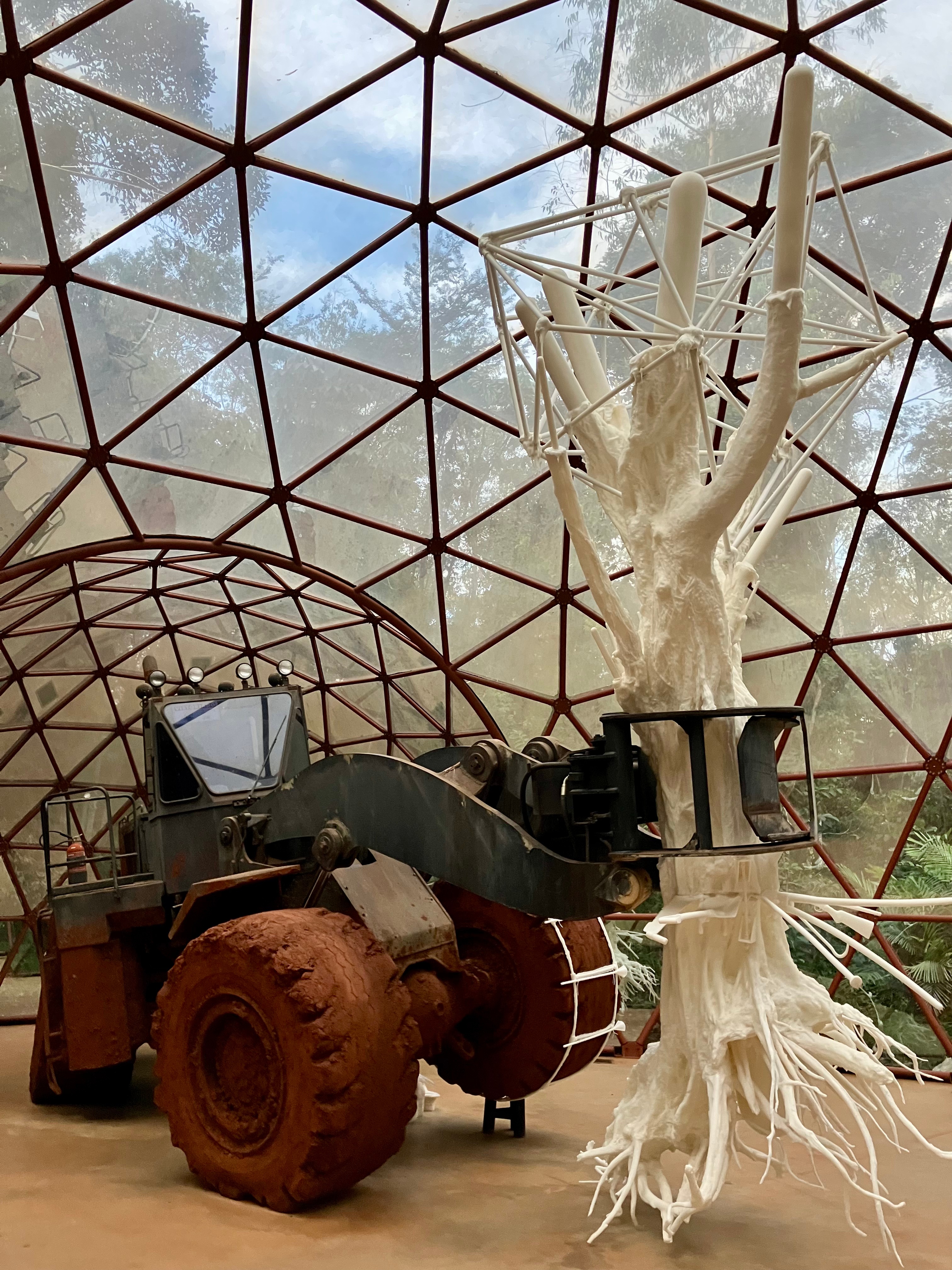
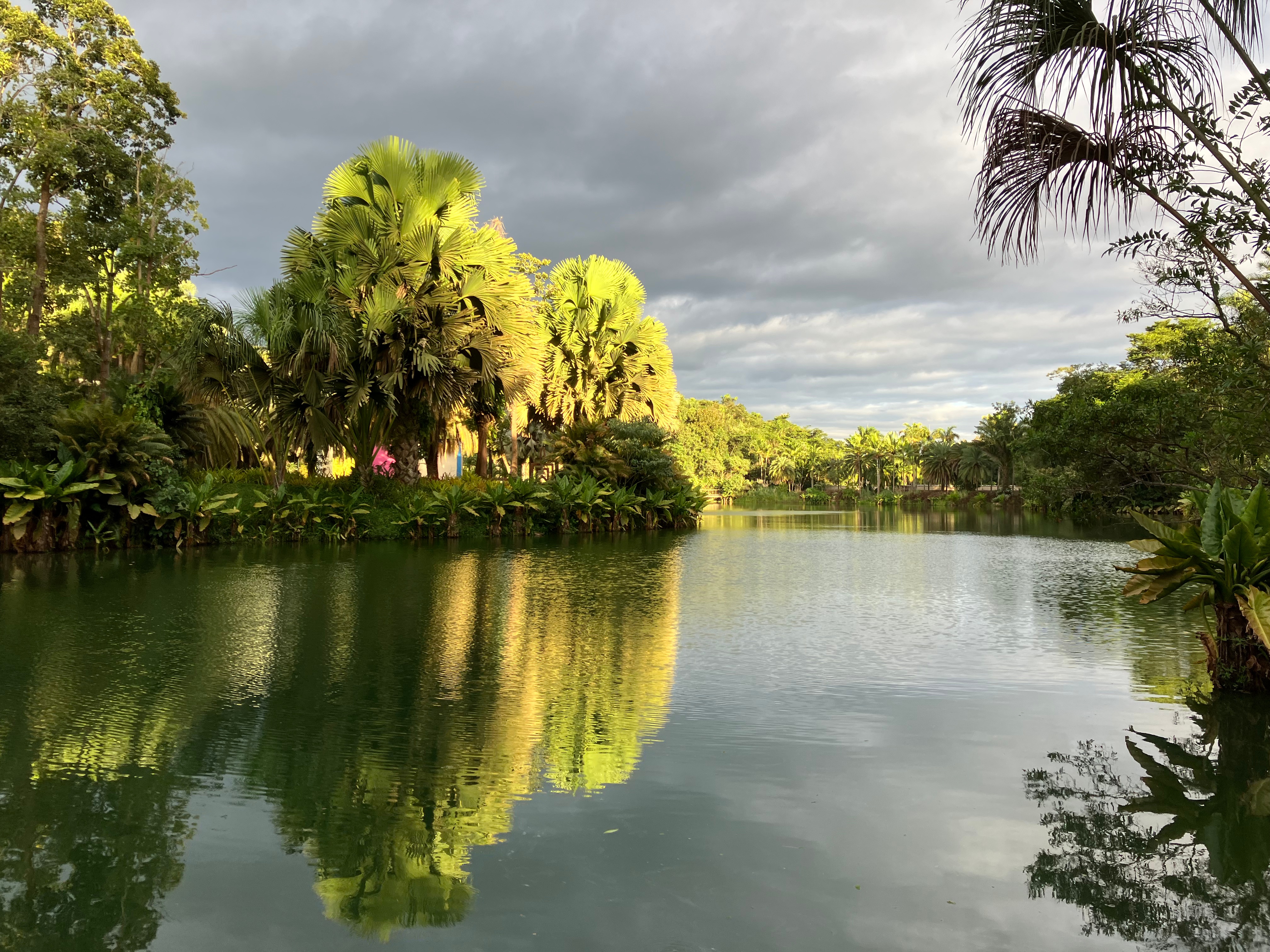
Then, after four winding hours on the road, total change of scenery. We leave behind contemporary art and manicured lawns to dive headfirst into the baroque jewel of colonial Brazil: Ouro Preto.
Once called Vila Rica — literally “the rich town” (subtle, right?) — Ouro Preto was the gold capital of the 18th century, the beating heart of mining and colonial wealth. At its peak, it was the most populated city in Brazil, even more than Rio or Salvador. No kidding.
A quick historical detour… With the discovery of gold at the very end of the 17th century, Portuguese colonization entered its second phase: after Brazilwood and sugarcane, came the golden vein. And gold means labor. Tens of thousands of enslaved people were transferred from the sugar plantations of the Northeast to the dark galleries of Minas Gerais. Brazil wasn’t just discovering gold — it was diving headfirst into extractive capitalism in all its brutal glory.
But the wealth wasn’t just underground: Ouro Preto also became an intellectual and artistic center. Universities, baroque churches literally covered in gold, cobbled streets on rollercoaster-like hills… everything breathes 1700s-style colonial opulence.
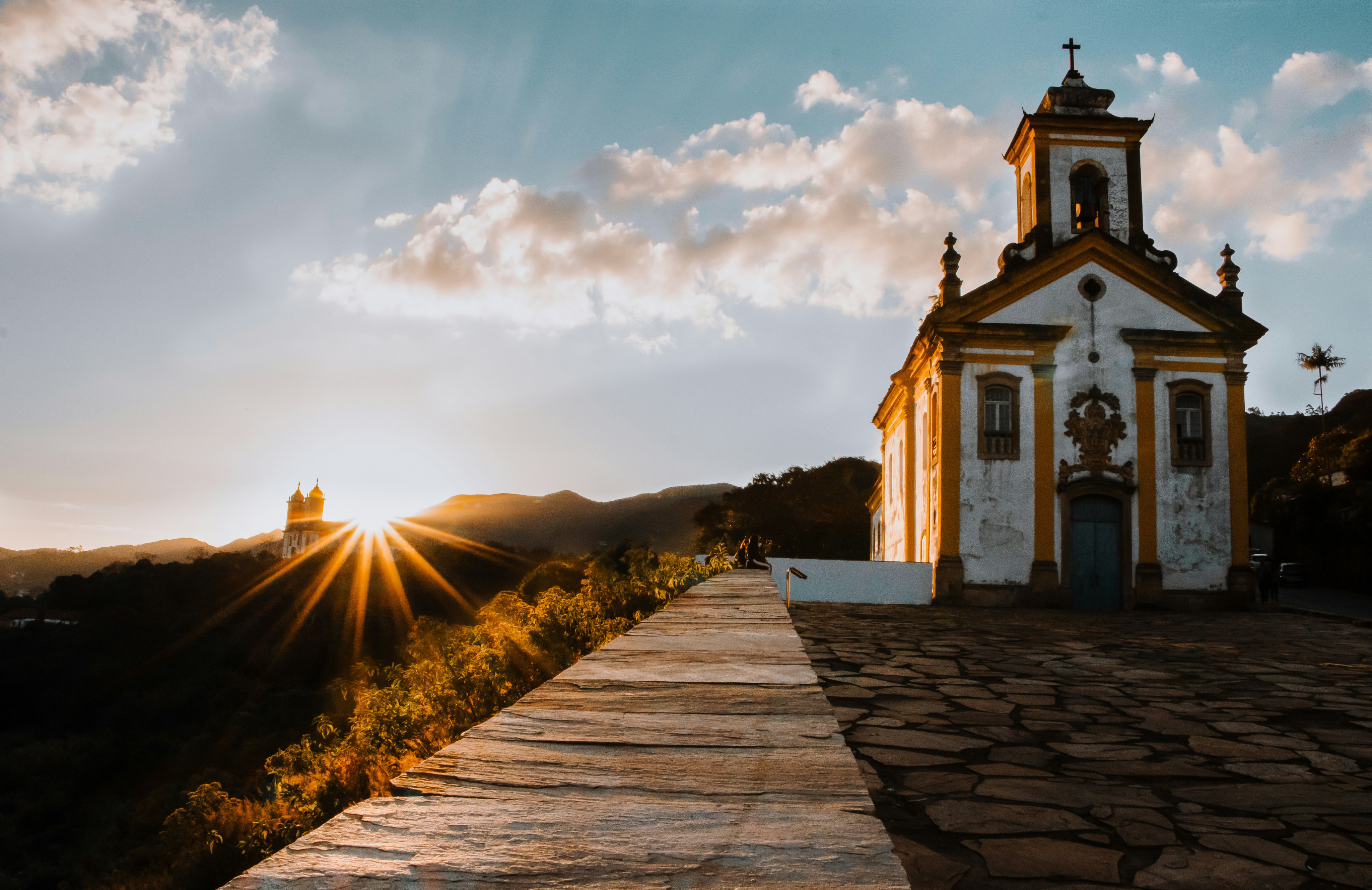
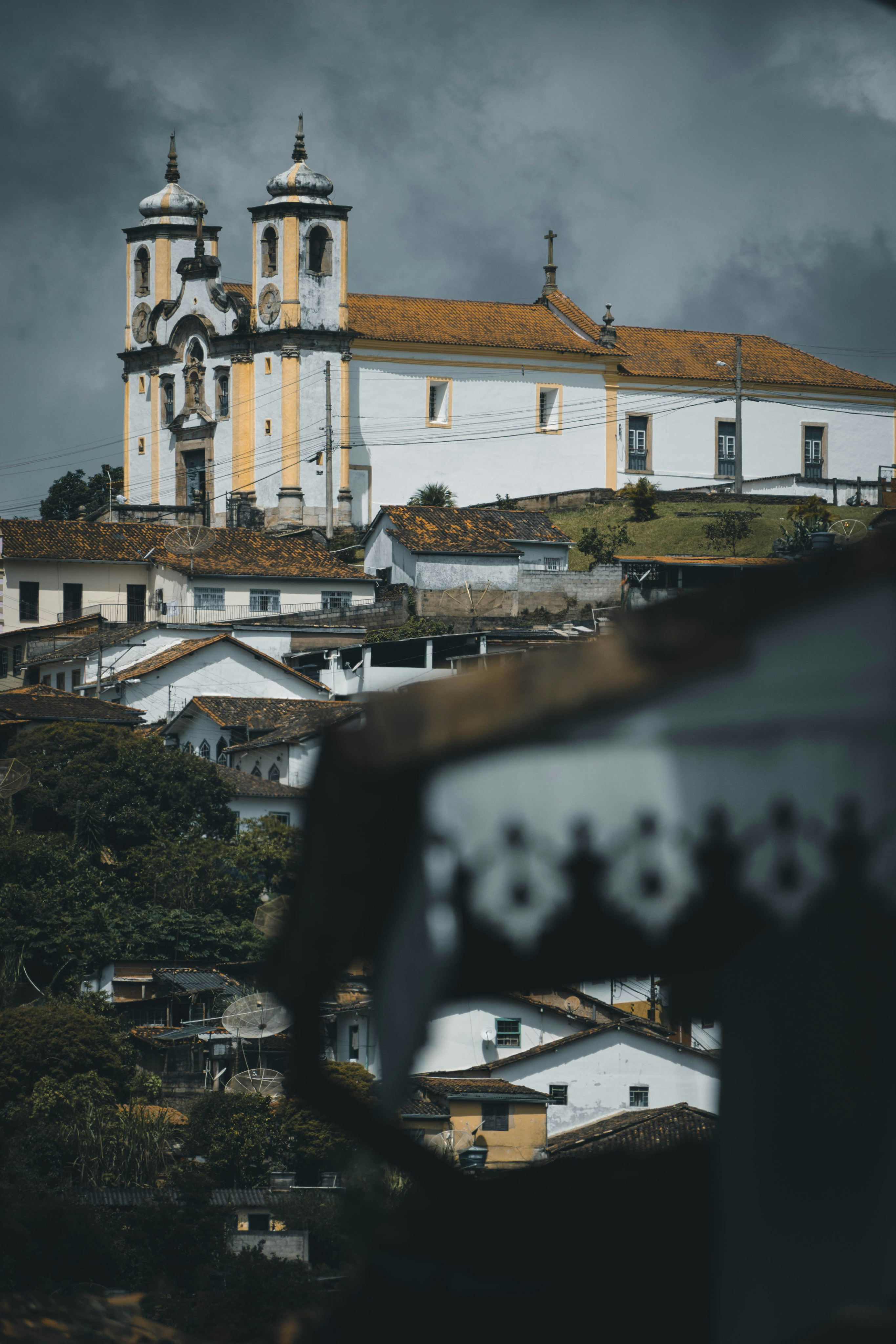
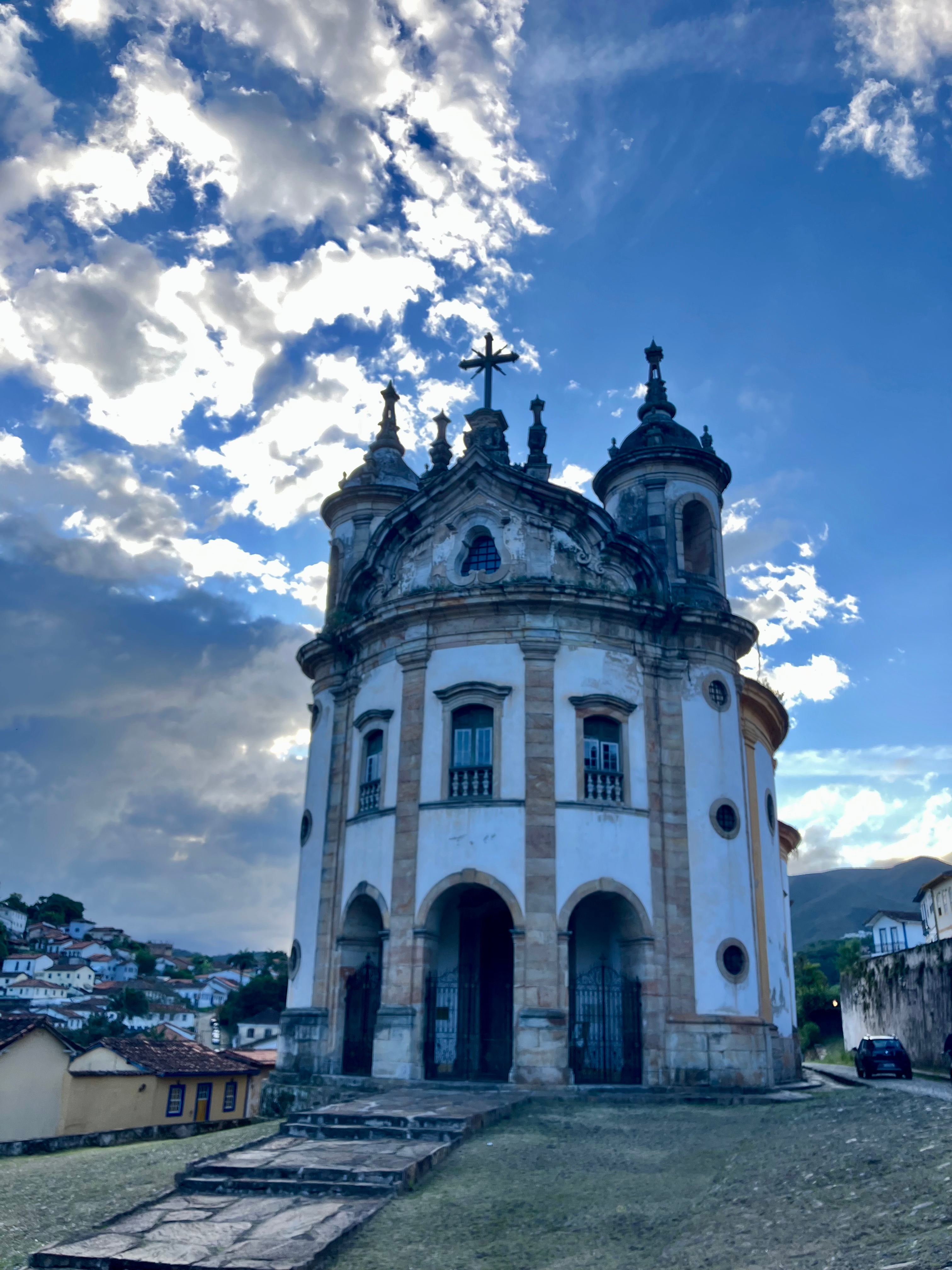
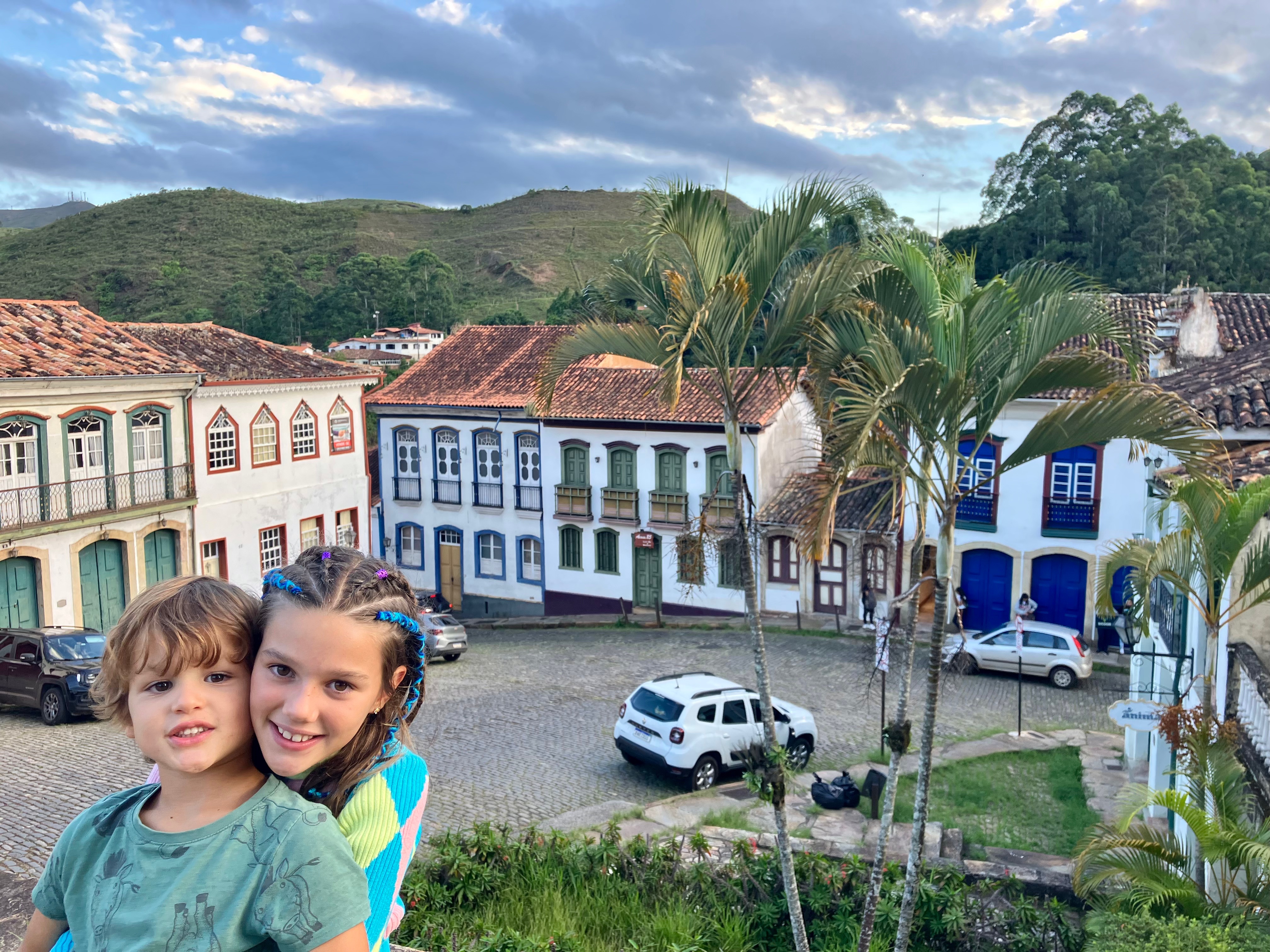
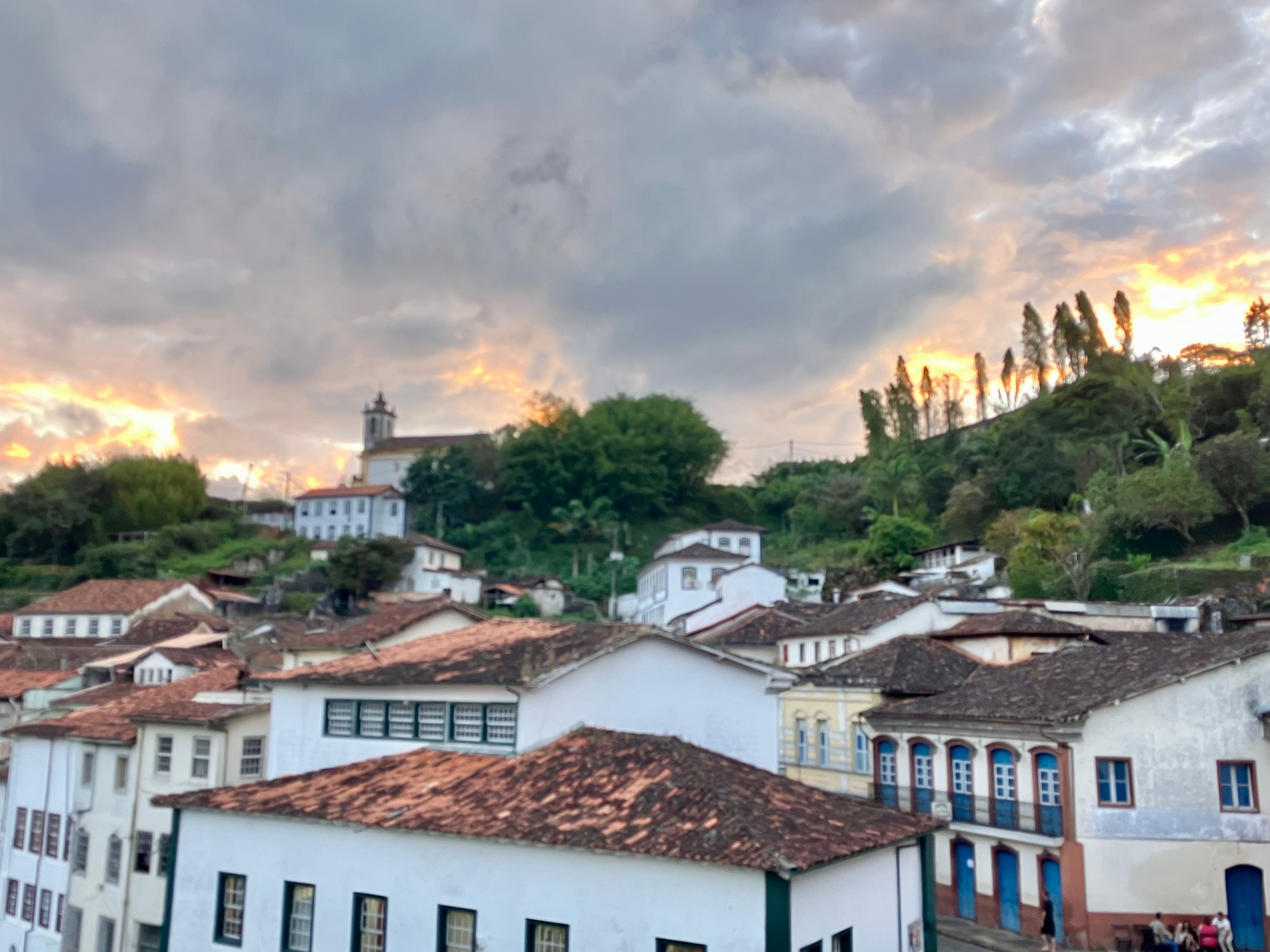
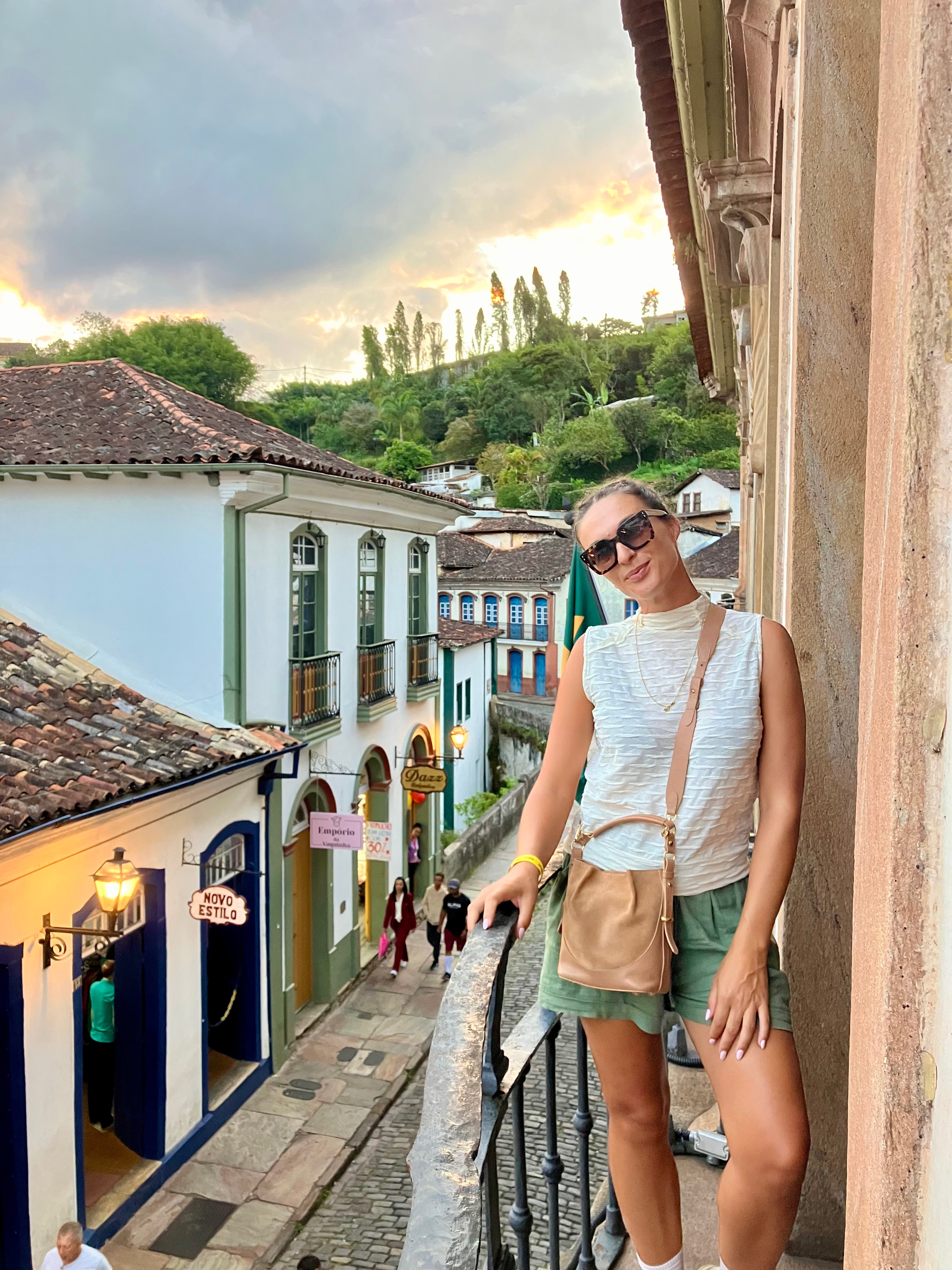
To ship all that shiny treasure off to Lisbon, they used the Caminho do Ouro, the “gold road”, which passed through Tiradentes and descended all the way to Paraty — that charming little colonial port on the coast I mentioned in the previous post — where the gold was loaded onto ships bound for Portugal.
Second stop for us: Tiradentes.
Less steep than Ouro Preto (our calves are forever grateful), but just as delightful. A little colonial gem frozen in time, with flower-laden balconies, white-and-gold baroque churches, and cobbled streets straight out of a postcard.
We spent two days here, just enough time to wander… and to experience the opening of the Semana Santa celebrations — Easter Week — for which Tiradentes is one of the key destinations in Brazil.
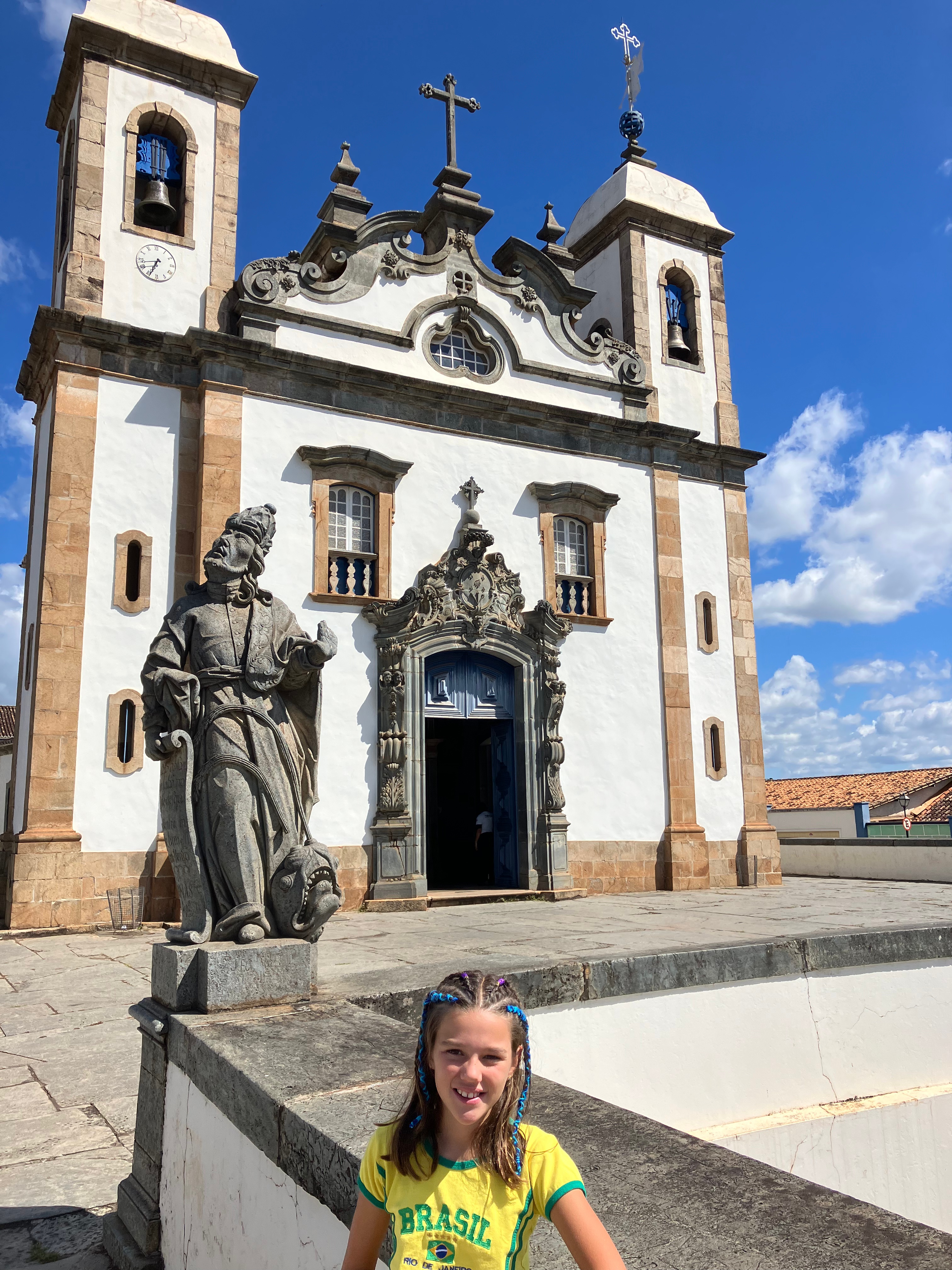
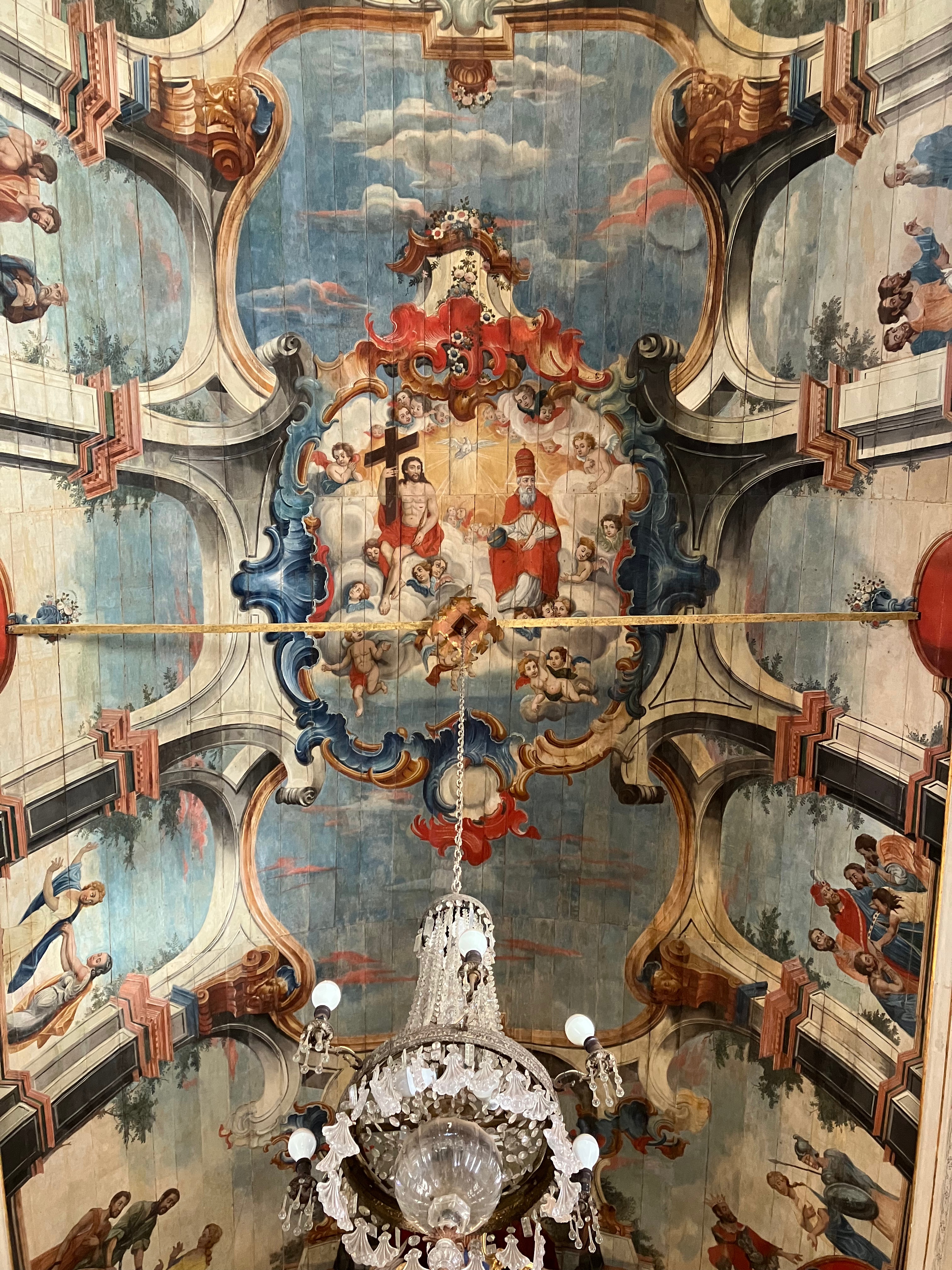
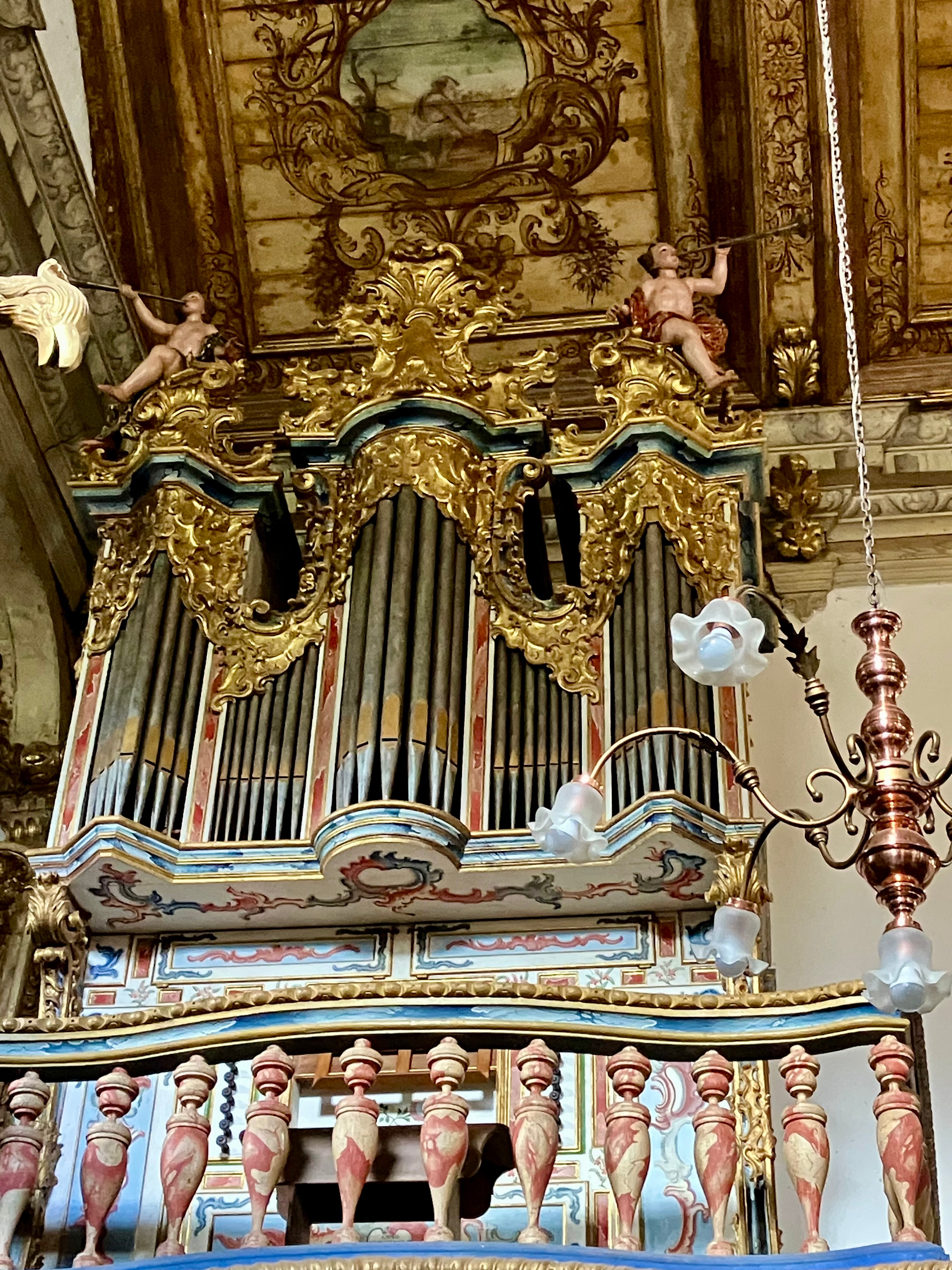
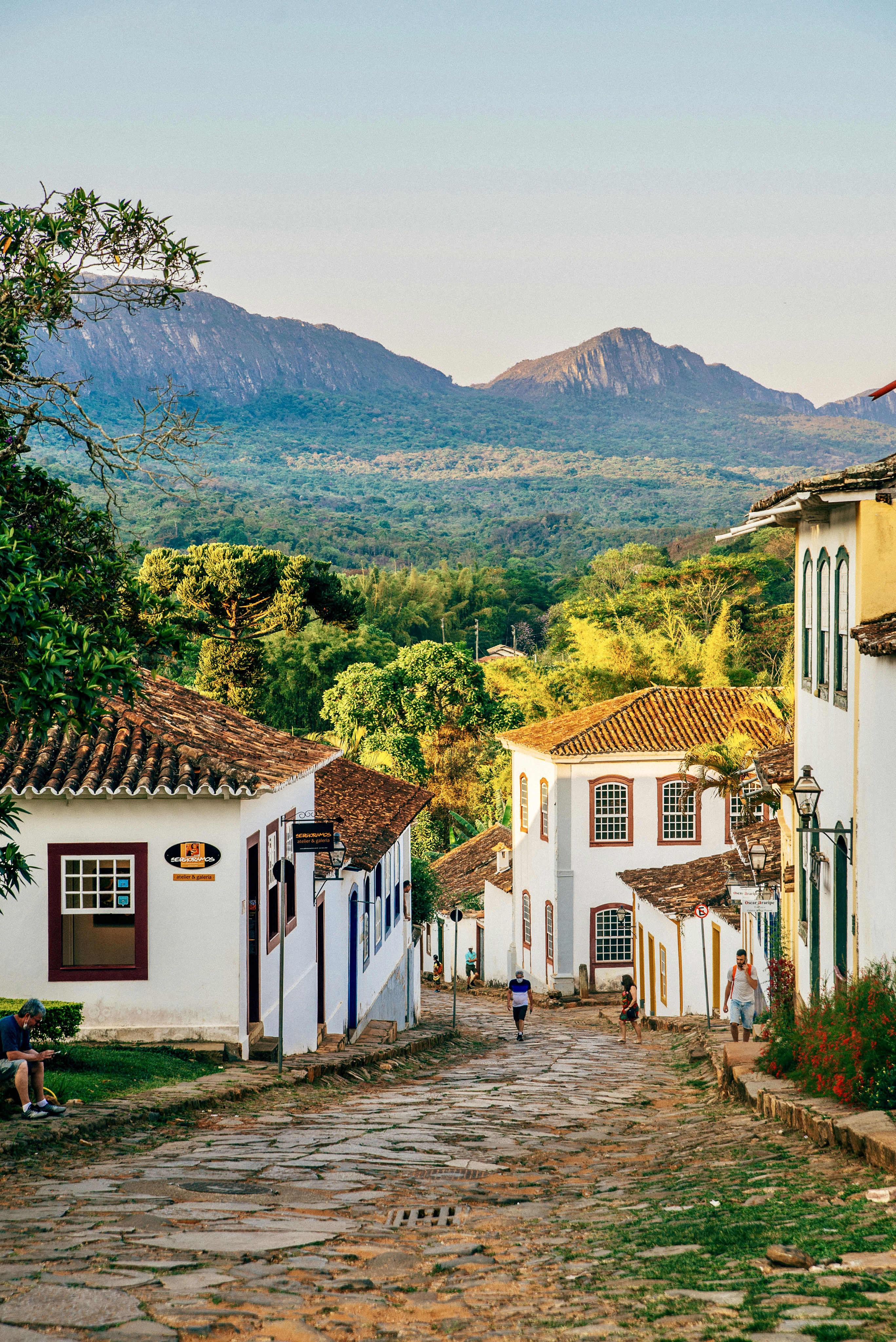
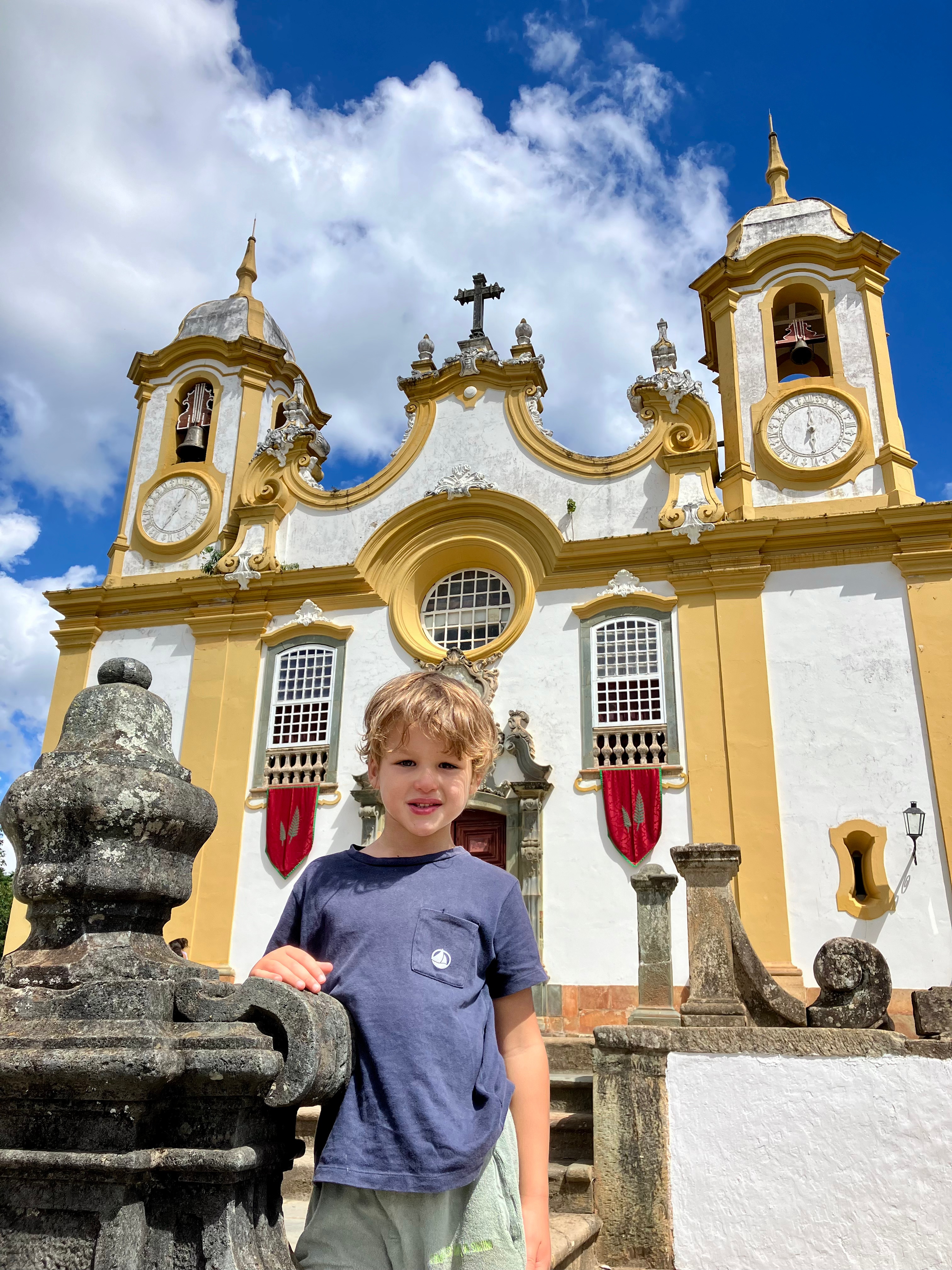
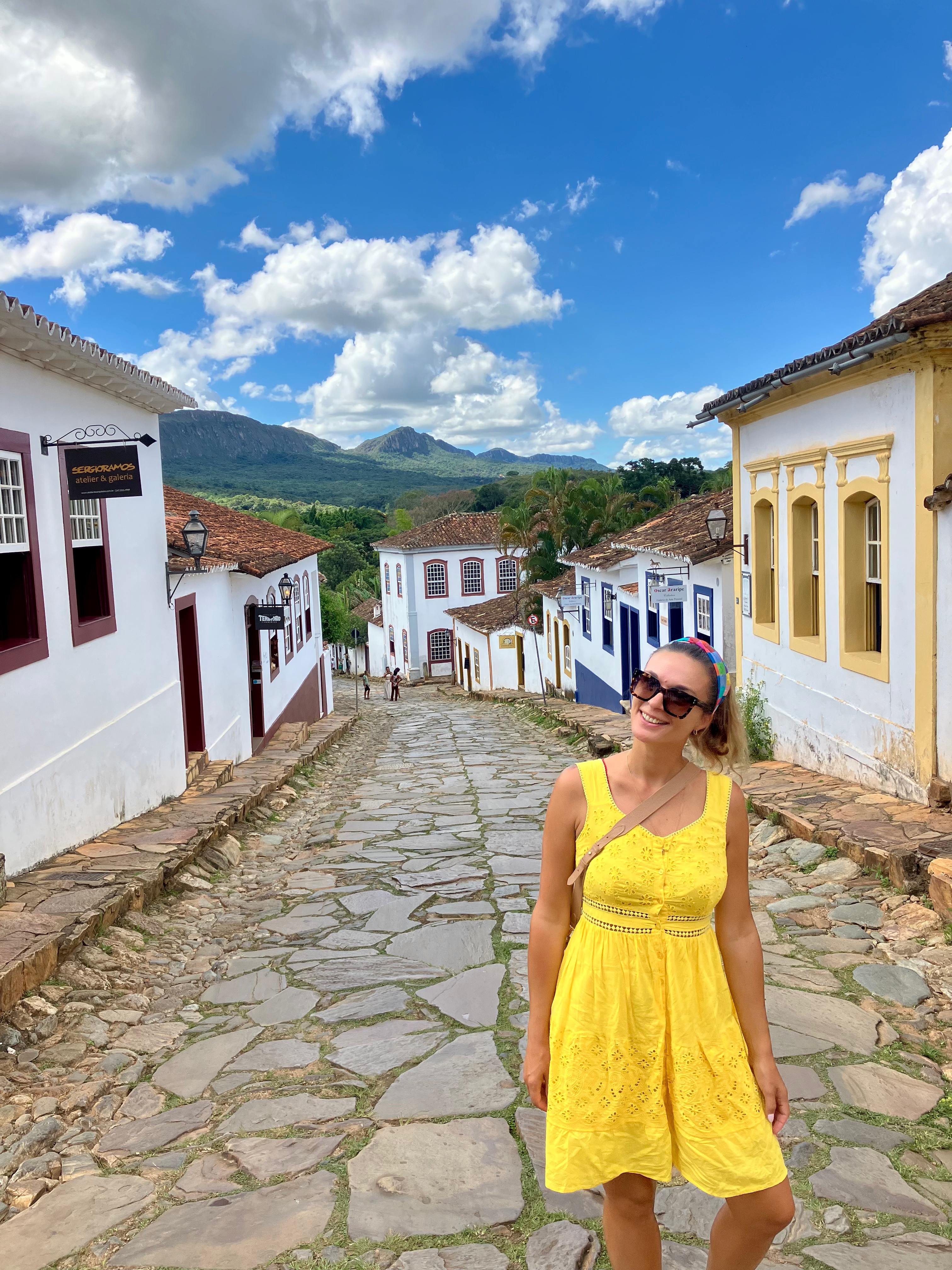
Here, Easter isn’t just about egg hunts. Semana Santa is the second most important celebration in Brazil after Carnival. Less exuberant (well… sort of), but marked by an impressive blend of popular and religious fervor. Processions, chants, incense, scenes from the Passion — it’s all there.
We wrapped up our tour of the region with Petrópolis, a charming little town nestled in the mountains less than two hours from Rio de Janeiro. This is where the Brazilian imperial family used to escape the city’s humidity in the 19th century. Yep — Brazil was once a monarchy.
The town itself is lovely, with a bit of a European feel. Cobbled streets, a neo-Gothic cathedral, a German pastry shop… and of course, the imperial summer palace. But let’s be honest for a second: we’ve got plenty of castles and royal residences back home. So if you’re in Brazil for just three weeks, you might want to skip this one.
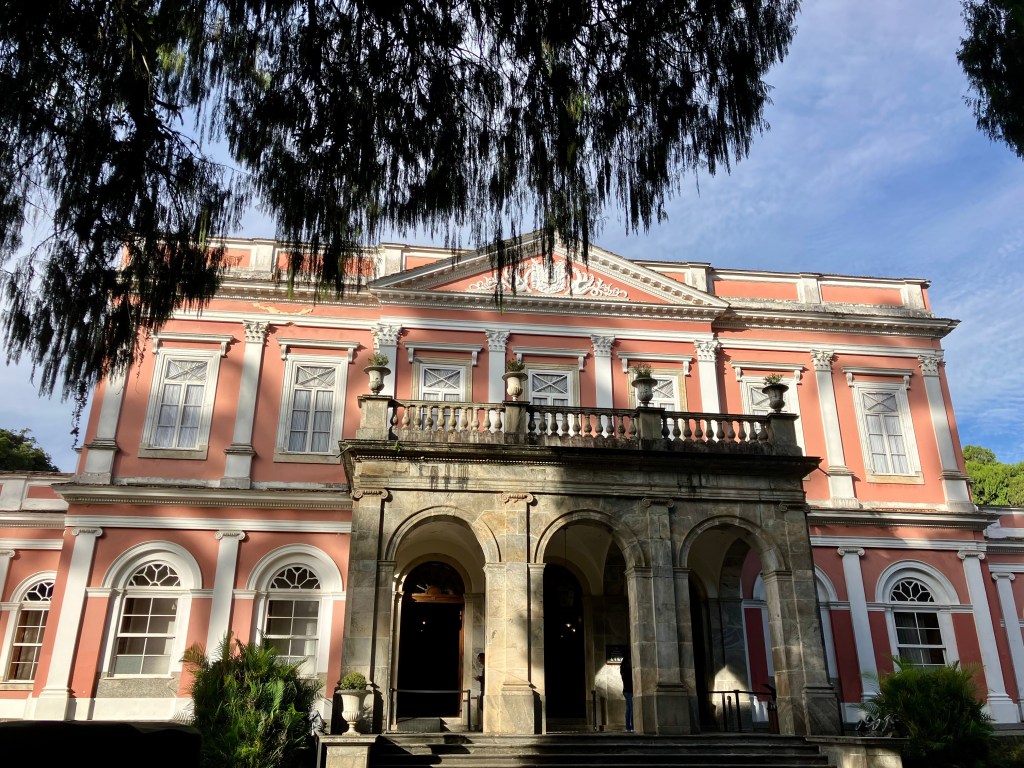
We hadn’t set foot in Europe for eight months, so stumbling upon a little slice of Vienna felt pretty amusing. And honestly, the local history is worth a closer look — it’s got some seriously juicy bits.
1807: The king of Portugal panics and flees Lisbon because of dear Napoleon, who’s causing him no end of trouble. So, naturally, he escapes to Brazil — with his entire court. Picture this: 15,000 nobles and servants crossing the Atlantic to settle in a colony.
1822: Brazil declares its independence… and decides to keep the Portuguese king’s son as emperor. And no, this isn’t a joke. Defying all revolutionary logic, Brazil becomes independent by putting the king’s son (a Bourbon) on the throne. Bold move.
1889: Brazil breaks up with the monarchy. After 67 years on the throne, Dom Pedro II is politely shown the door by a group of crisply dressed military officers. No flaming flags, no fiery speeches, no guillotines — just a discreet little coup d’état.
Why? A bunch of reasons. Pedro II preferred his books to politics, had no son to inherit (his daughter Isabel didn’t exactly win over the macho generals — especially since she had just abolished slavery). And while Brazil was the last country in the Americas to abolish slavery — 26 years after the U.S., 55 after France, 65 after England — for the old plantation owners up north (remember them?), even that was too soon. They had no clue what to do without enslaved labor. No plan B. Poor things… but not really.
Mix all that with a frustrated army, some republican ideas floating around, and boom — the monarchy collapses. Quietly. Pedro II heads into exile in Europe with his little Louis Vuitton suitcase, and just like that, the Brazilian Republic is born.
As for us, after visiting the royal palace, we walk through the doors of the final home of one of my favorite authors: Stefan Zweig. A quiet, moving moment — suspended in time — somewhere between literature and a heartfelt chat with an Austrian volunteer working at the museum.
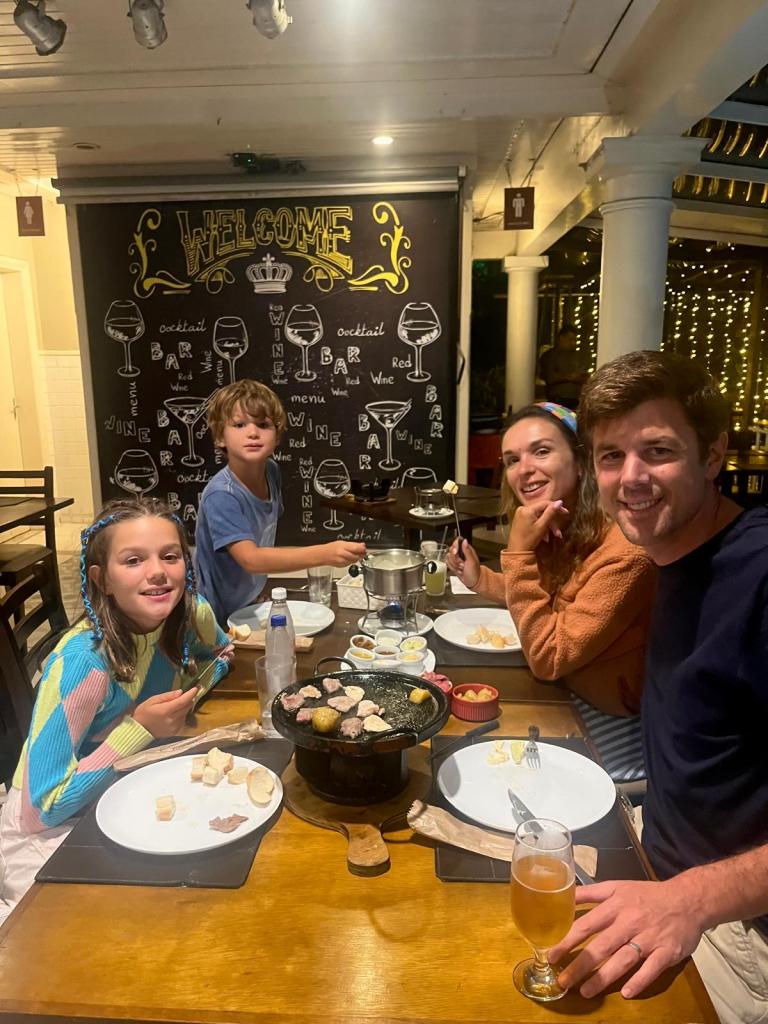
In the evening, we treat ourselves to a fondue — both meat and cheese — a surprising little nod to the Old Continent, even as our minds begin to drift across the Rio de la Plata.
Tomorrow morning, we leave Brazil for ten days in Uruguay…
But don’t worry — we’ll be back right after our Uruguayan interlude!
Sending hugs.

 365 days of summer
Leave a comment