
Today marks the beginning of our quartet of countries where, let’s be honest, nobody ever goes on vacation: Uruguay, Paraguay, French Guiana (yes, it’s technically France, but let’s not quibble), and Suriname.
Uruguay
Here, there are no Lonely Planet guides, no Routard, no Petit Futé, and not even a little Rough Guides to sink your teeth into. When the only available guide is a Bradt, you know you’ve left the tourist highway and are headed straight for adventure. Bradt is like the punk of travel guides: it only covers places where nobody goes. Not exactly a goldmine of a business model, but for curious souls craving the unexplored, it’s a gem.
To be fair, Uruguay is mostly known for… not much. Well, there’s football. The legendary Celeste, twice world champions in 1930 and 1950. Sure, that was a while ago, but even so, the team is still often considered the third best in South America.
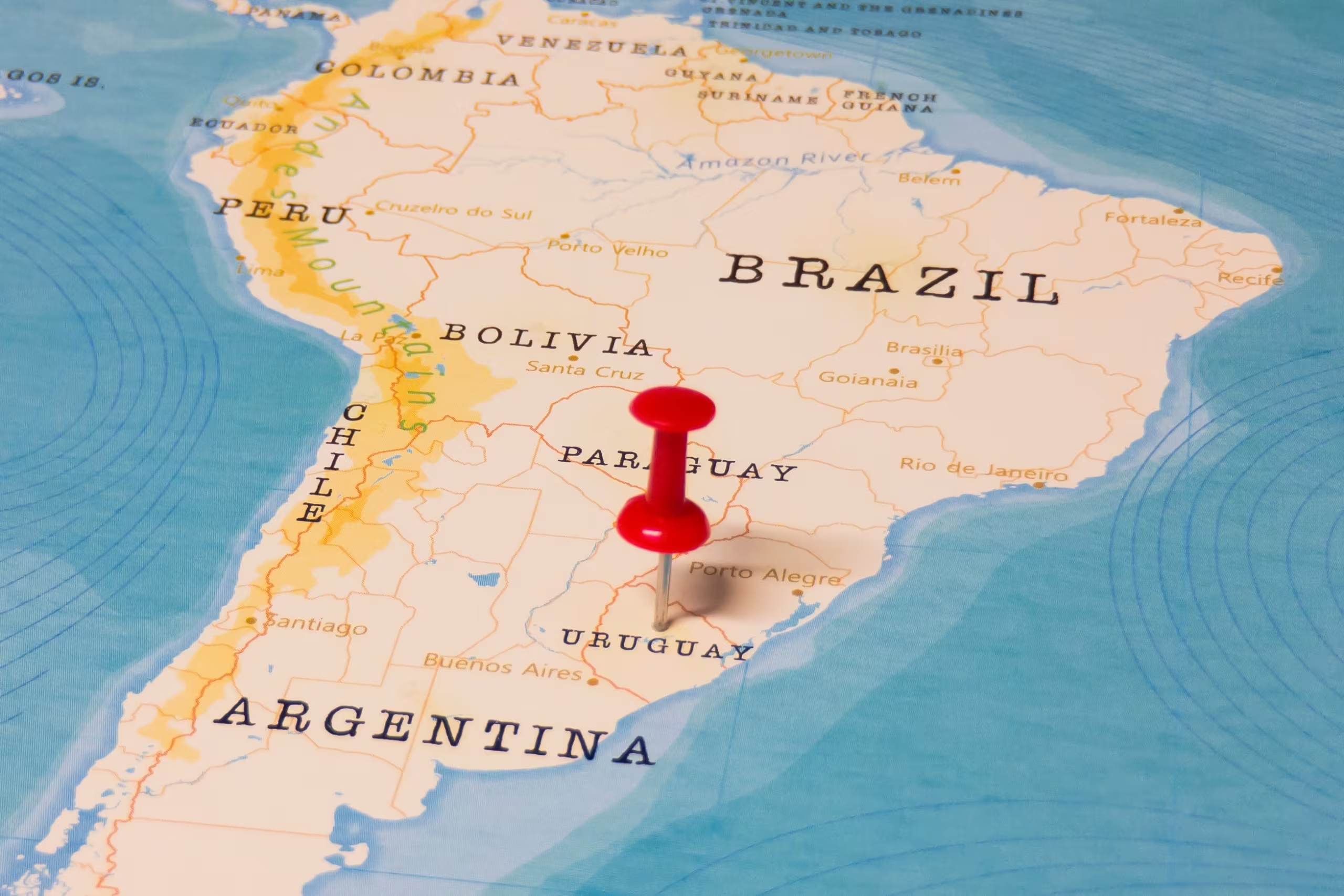
Not bad for a country the size of a comma compared to Argentina and Brazil, with a population of barely 3.5 million souls. Sure, everything is relative with 176,000 km², but when you’re wedged between two geographic giants like Brazil and Argentina, you instantly look like a dwarf.
It’s a bit like the Belgium-France, Canada-USA, or Ireland-UK syndrome: living in the shadow of a loud neighbor while being firmly convinced you’re much more subtle and clever than them.
Another similarity with the flat country that is mine: once a Spanish colony, Uruguay gained independence in 1830 after a series of conflicts with its dear neighbors (Argentina and Brazil). Almost the same year as Belgium (1831). And like Belgium, it was designed as a buffer state between two giants.
I have a feeling we’ll get along well with our Latin American brothers!
Montevideo, a Laid-Back Capital
8:00 p.m., we step out of the airport, pick up a rental car, and then… shock.
We’re on the wrong continent.
This isn’t Latin America. It’s a posh Spanish city I’ve never visited. Everything is clean, the roads are smooth, upscale buildings line the waterfront, and the grass along the road has just been mowed. It smells like a high standard of living. But… where are we?
Oh yes, they call Uruguay the Switzerland of Latin America.
Not for its mountains — here, it’s even flatter than Belgium. But for its wealth and its role model status within Latin America. Uruguay checks pretty much all the boxes of a model student:
✔️ The only Latin American country classified as a “full democracy” by The Economist.
✔️ Free education, universal healthcare system.
✔️ Progressive laws on same-sex marriage, marijuana legalization, and women’s rights.
✔️ Among the lowest inequality rates on the continent.
✔️ Number one for press freedom.
✔️ And the cherry on the parilla: 95% of its electricity comes from the sun, wind, or water.
Basically, an ecological dream… until we talk about cows.
A lot of cows.
For every Uruguayan, 3.5 cows graze peacefully. Problem: these charming animals emit staggering amounts of methane, a greenhouse gas 25 times more potent than CO₂. As a result, agriculture alone accounts for more than half of the country’s emissions. And as for forests? Almost none remain since colonial times.
But still, with only 2 tons of emissions per capita per year, that’s four times less than the European average. Let’s keep things in perspective.
Montevideo is home to half of Uruguay’s 3.5 million people. It’s a calm city, lined with modern buildings and parks stretching along the sea. Not exactly a postcard capital, but it has its own quiet charm. Apart from one or two landmarks worth seeing, you mostly stroll along the Rambla — the longest coastal promenade in South America, stretching for 22 kilometers.
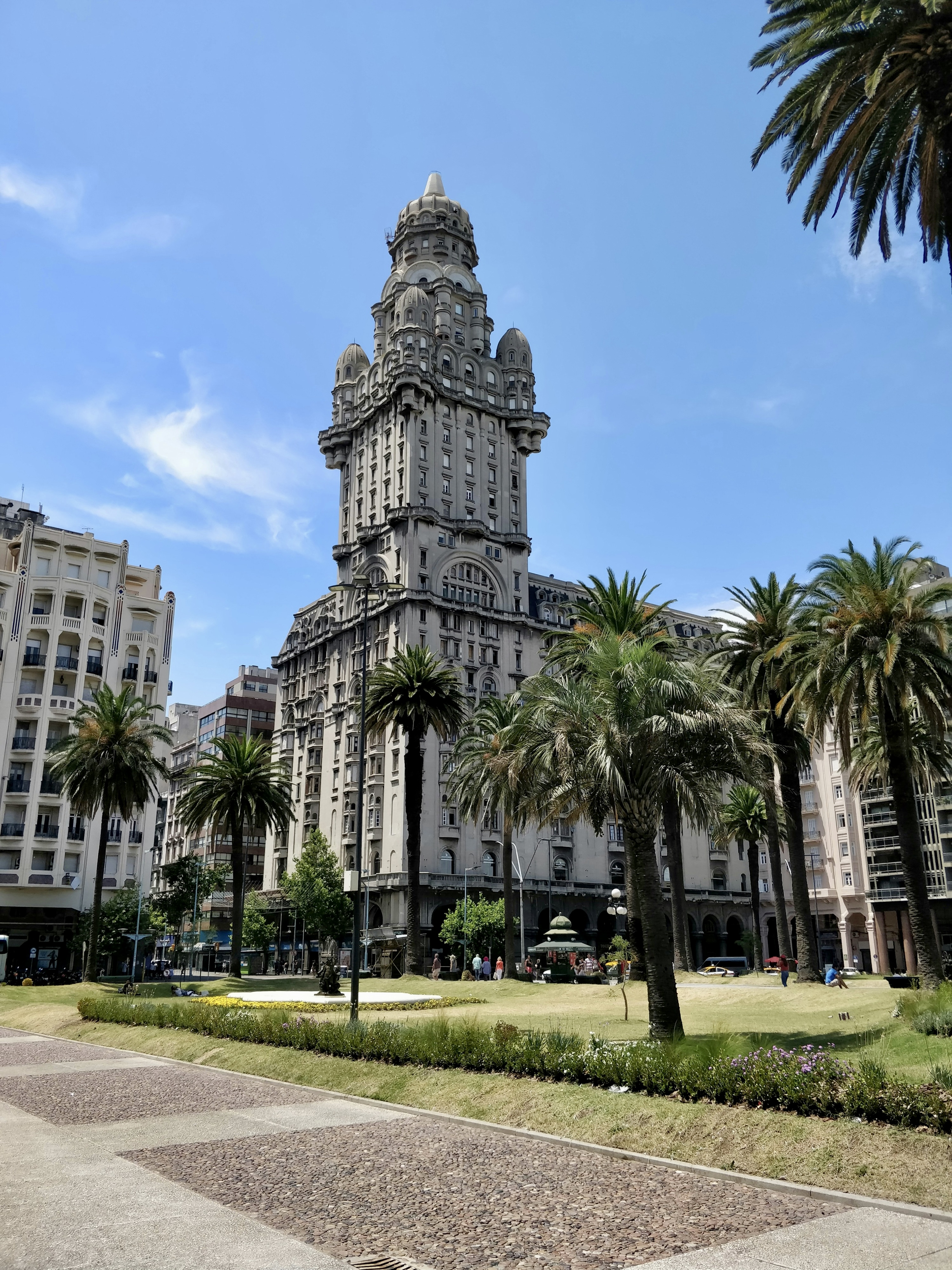
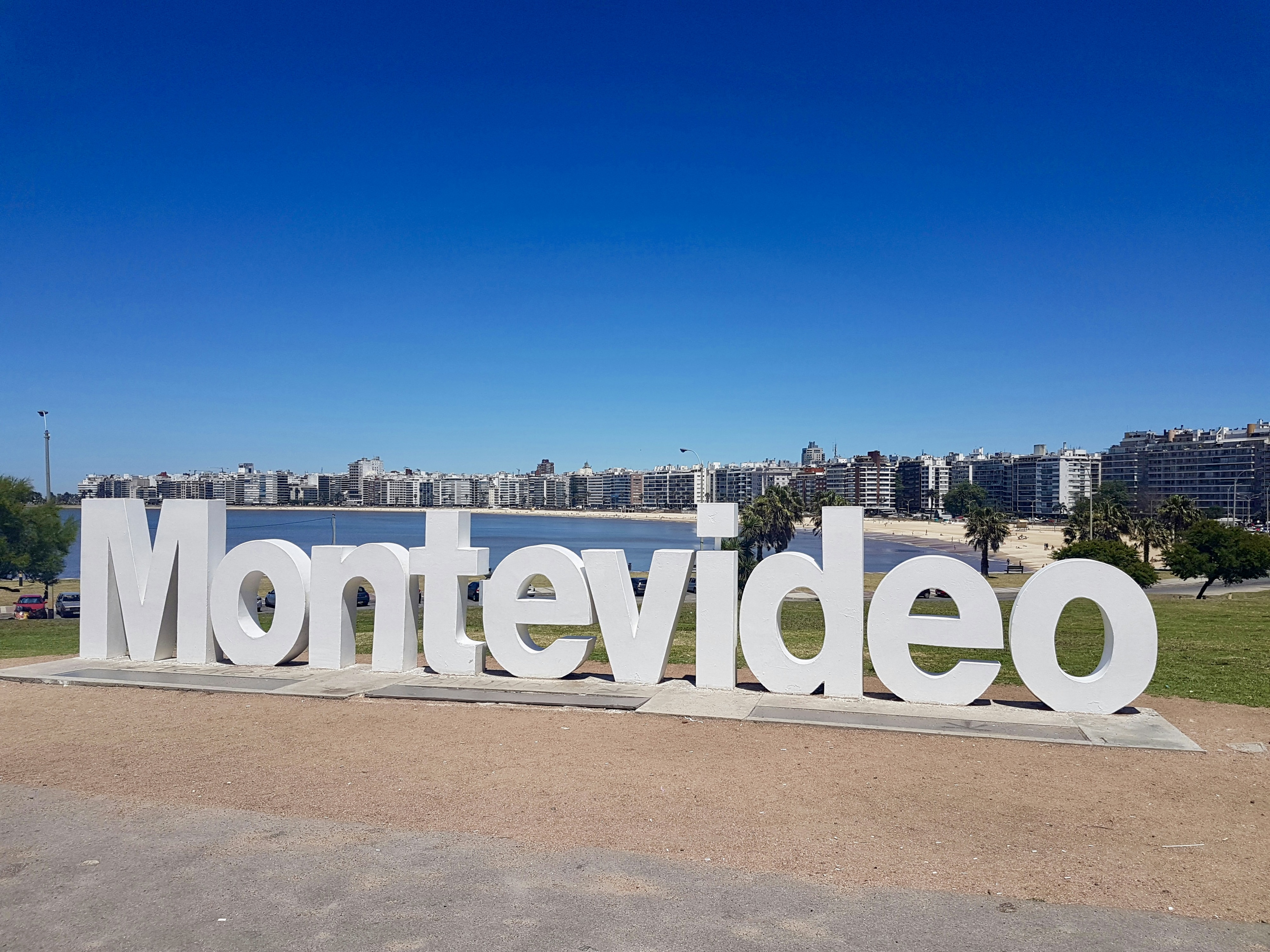
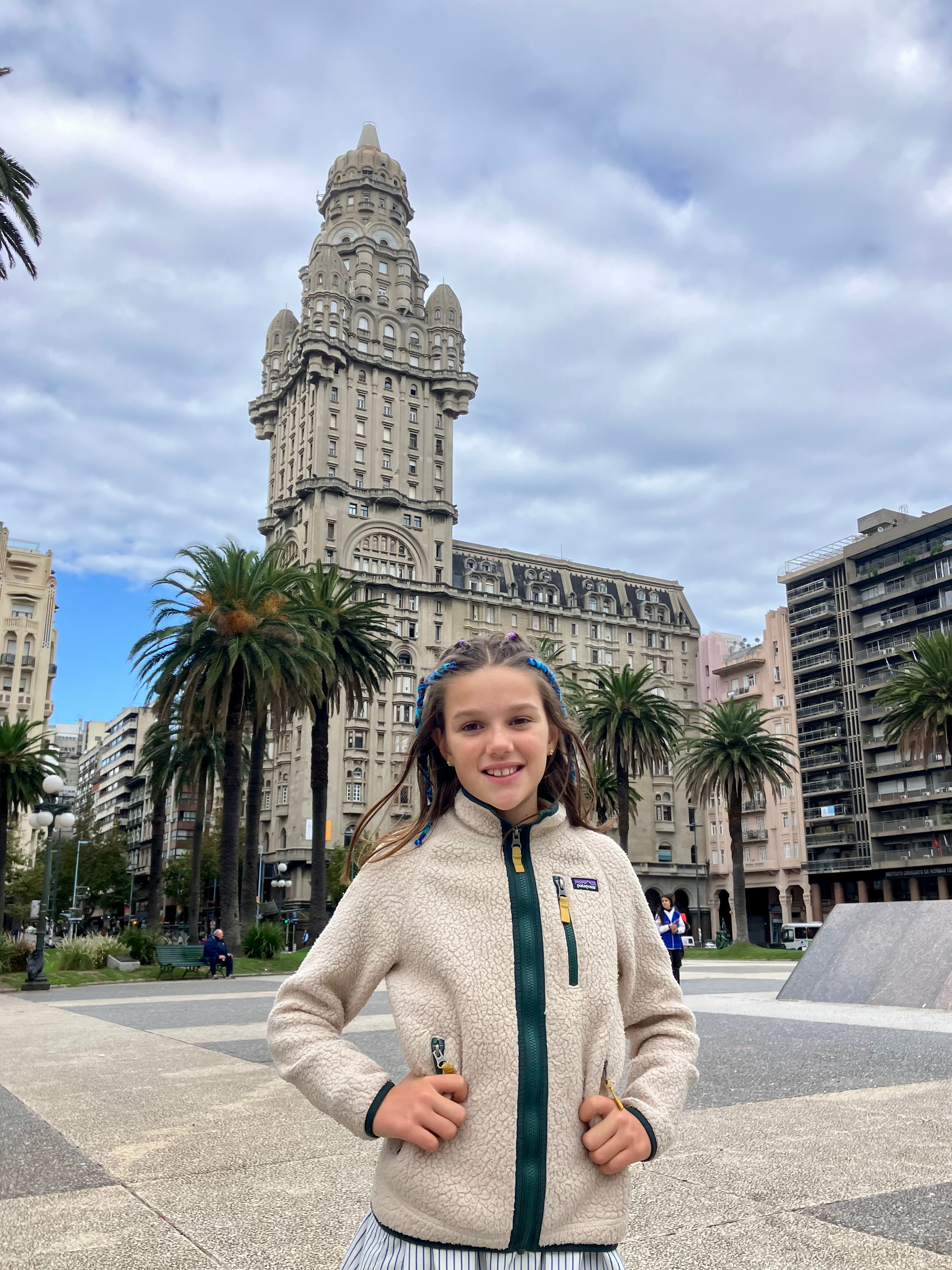
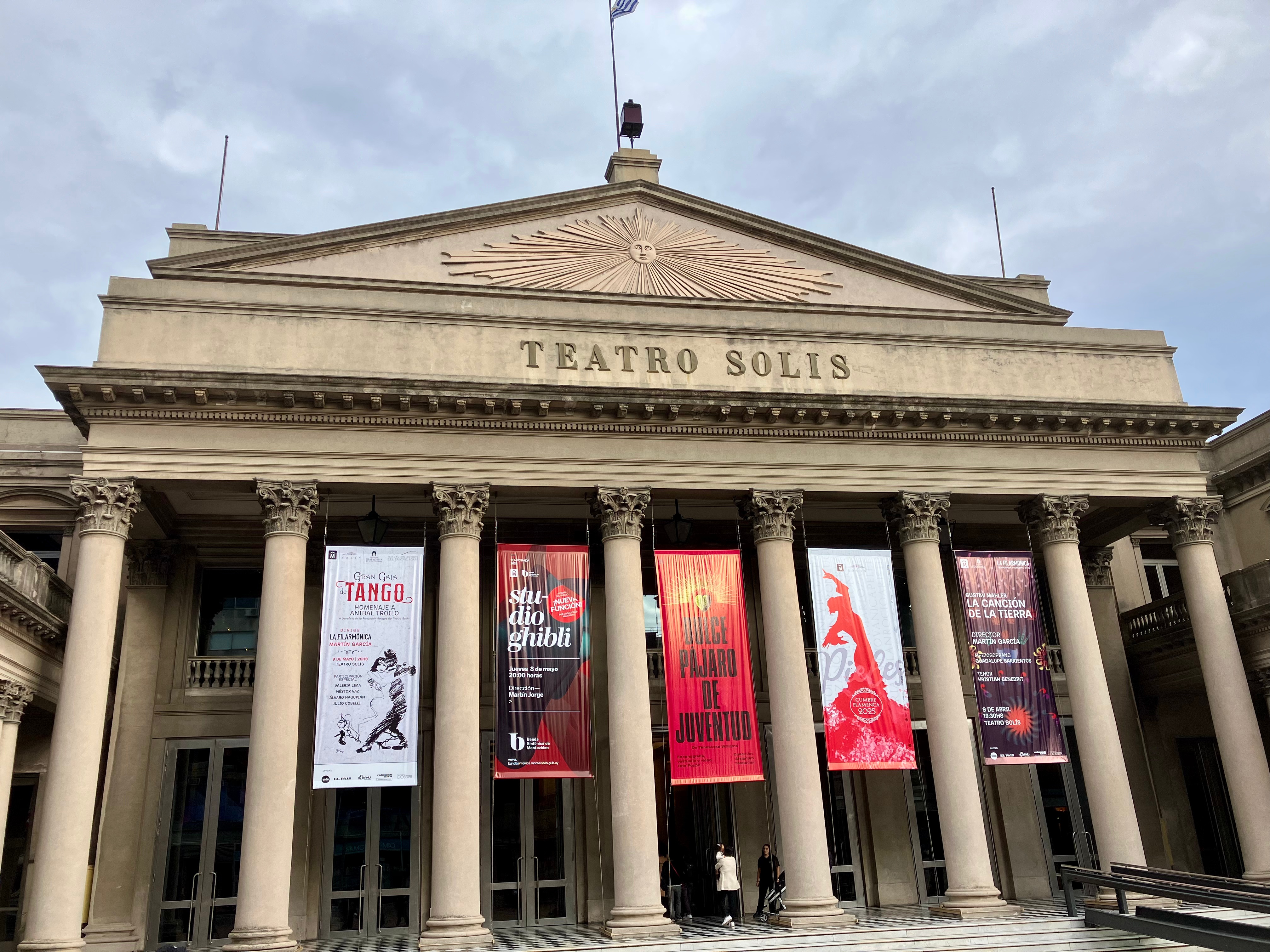
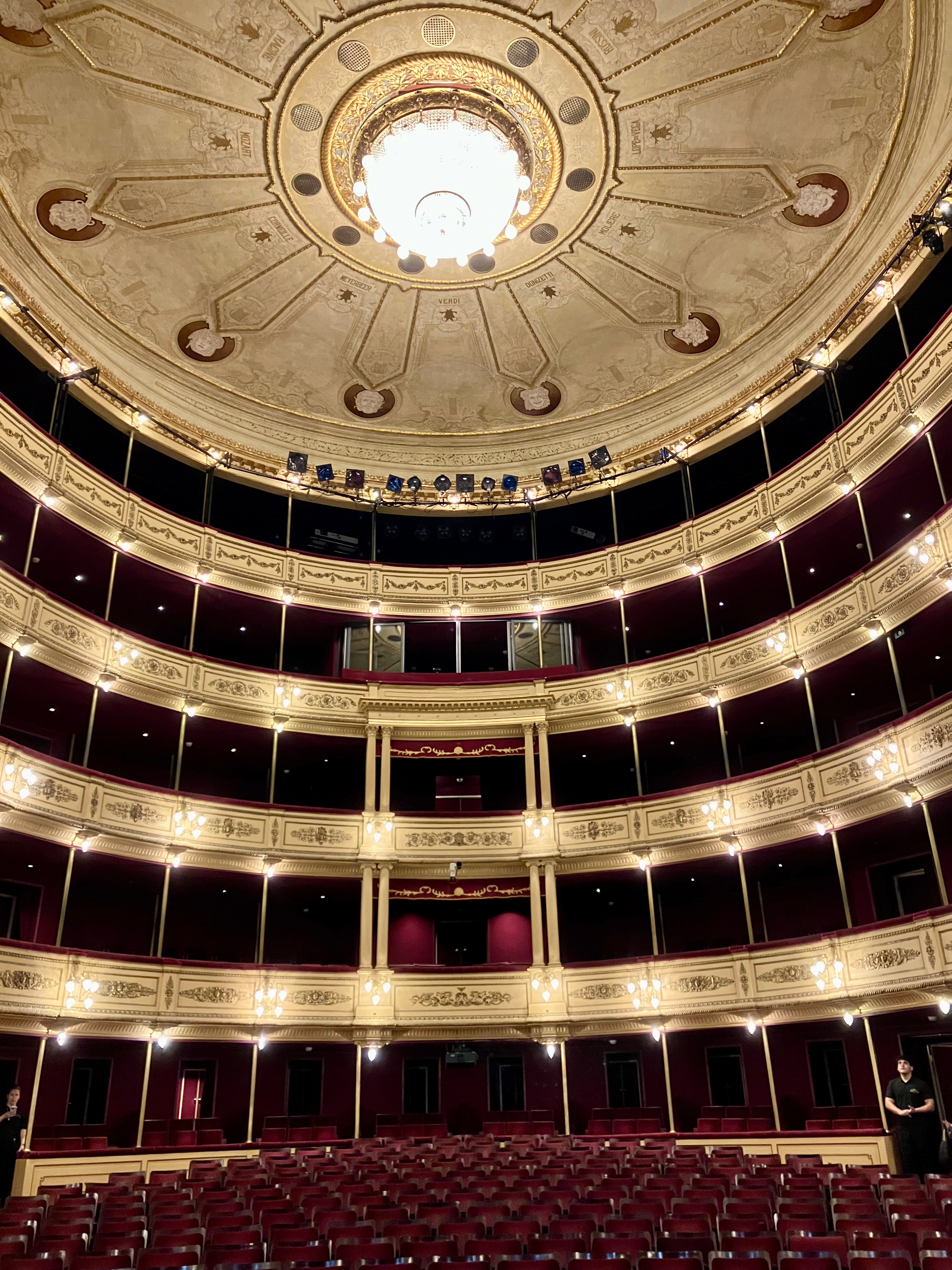
No architectural extravagance on every street corner, but a soothing quality of life that feels just right.
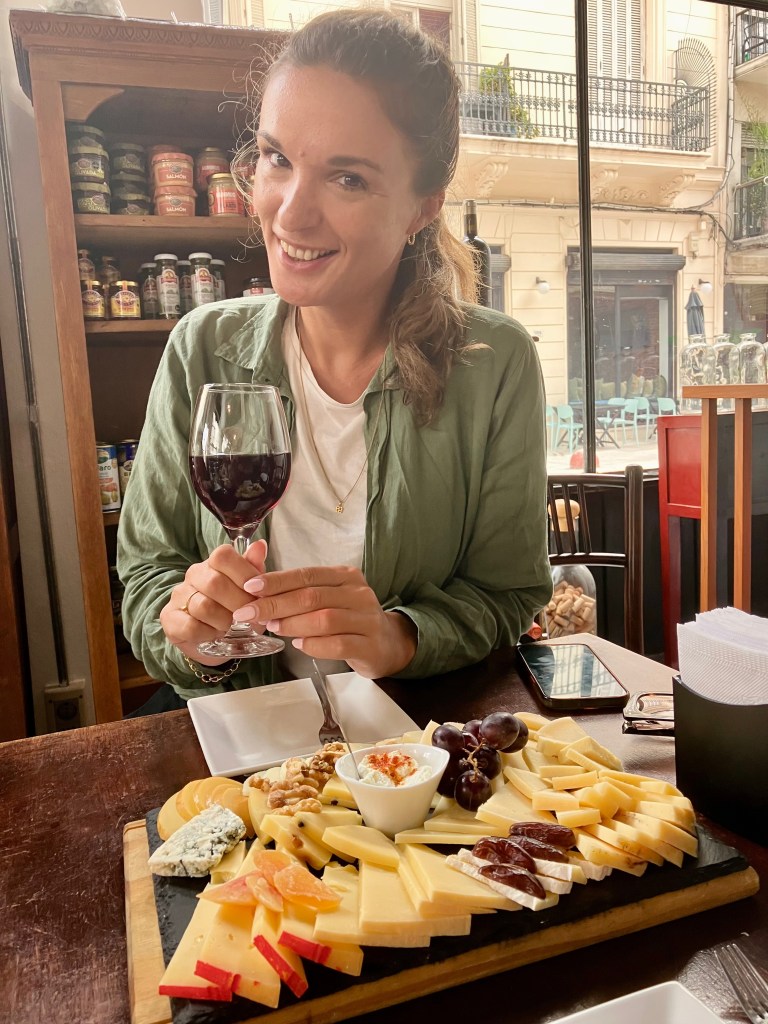
And let’s be honest, it gave Suzanne a chance to go to the hairdresser and eat at a restaurant specializing in cheese and wine.
Paradise, right?
After exploring the country’s only real big city, it’s time to step off the beaten path and discover three other regions — less “must-sees” and more “must-experience.”
Vineyards
Okay, I’ll admit it, it’s become a little game for us: squeezing in at least one vineyard (often two, let’s be honest) in every country we visit — at least those that produce wine. But we weren’t expecting this: Uruguayan wines pleasantly surprised us.
The king grape here is Tannat — a rustic grape variety originally from southwestern France, but which has found a perfect home in Uruguay. It produces powerful, well-structured reds, but often smoother than in France, thanks to the local climate. That being said, the country doesn’t stop there: you’ll also find Merlot, Cabernet Franc, Viognier, and even Albariño. In short, it’s not just a local curiosity — it’s a true wine country.
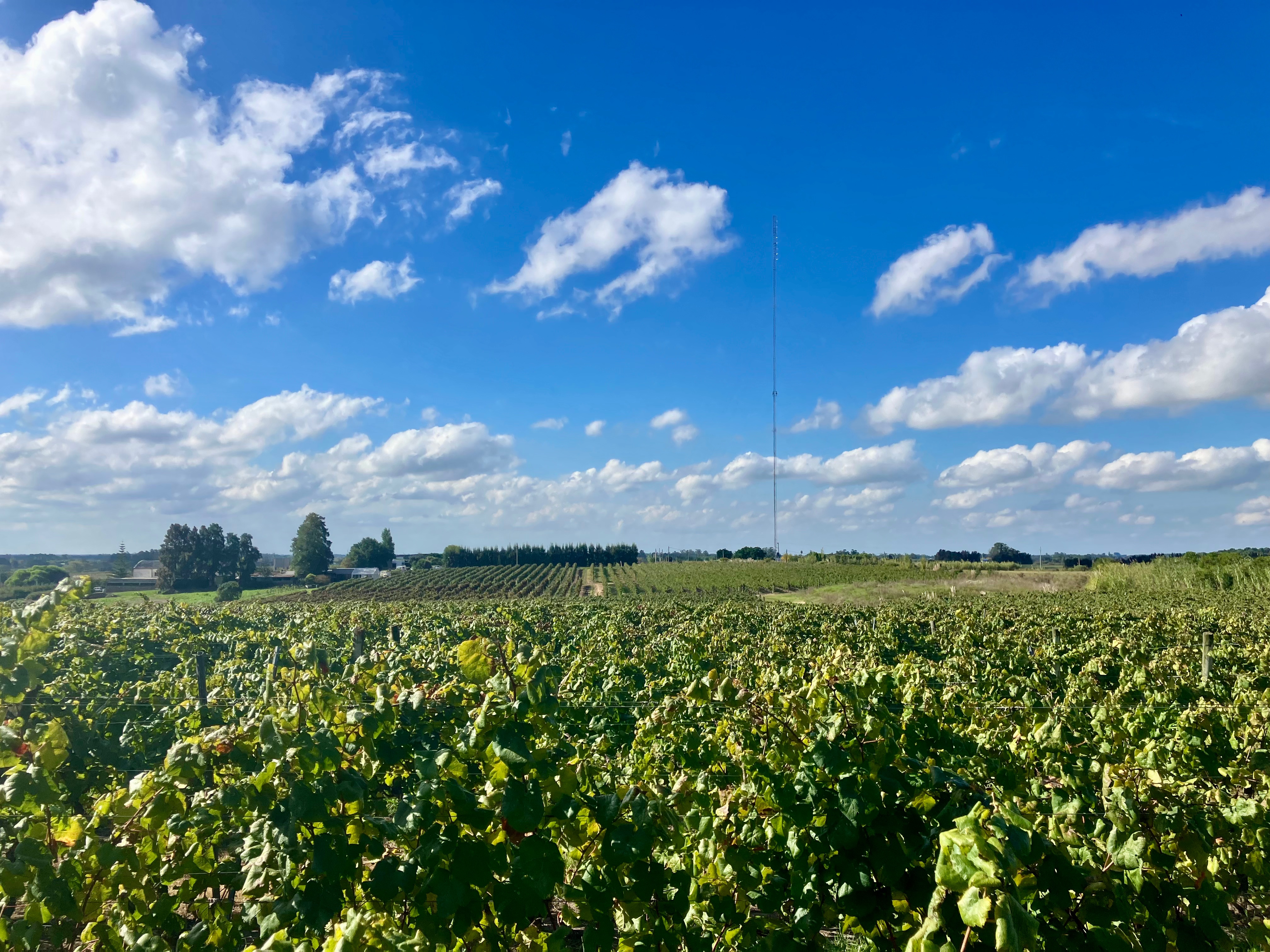
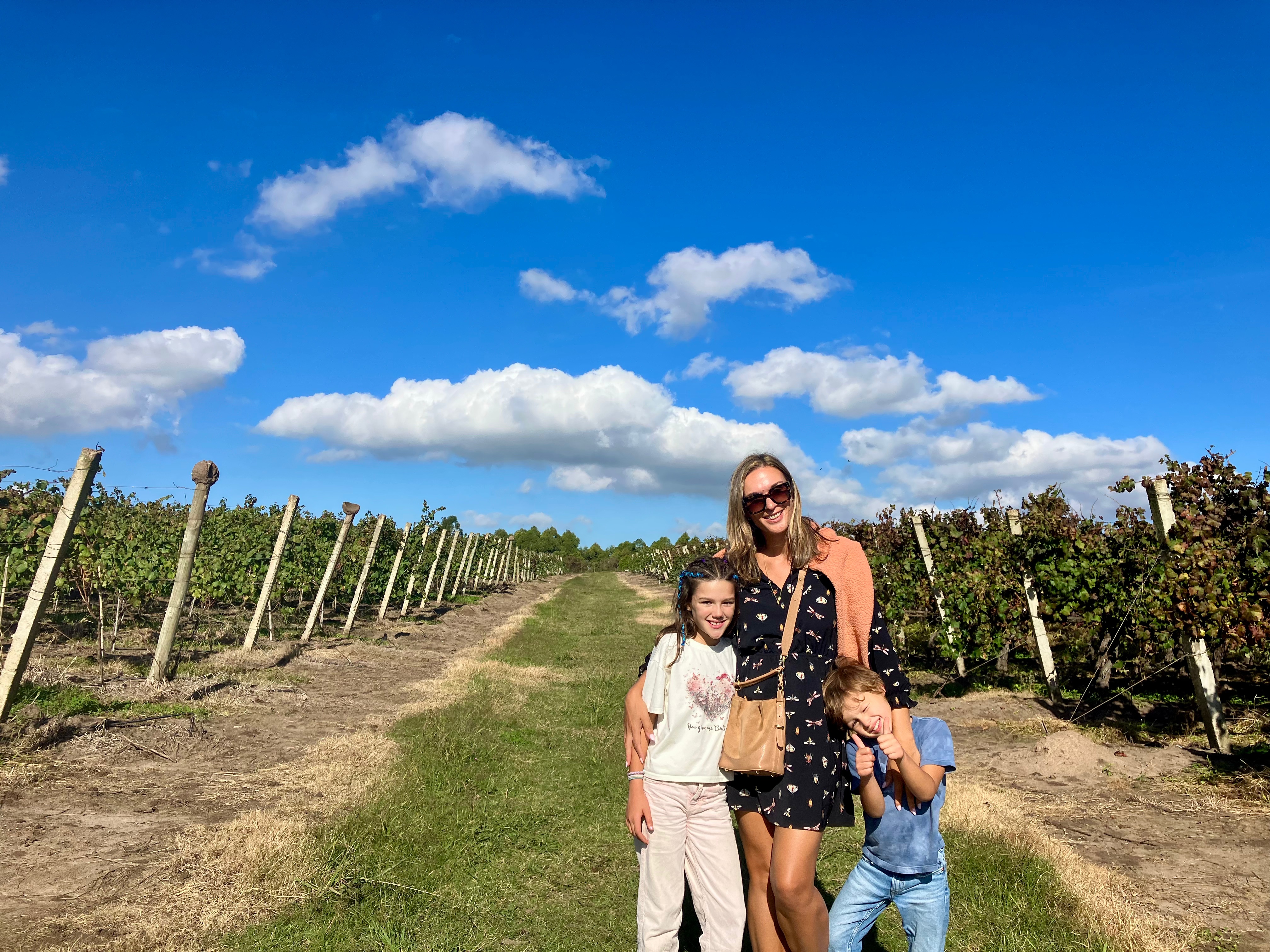

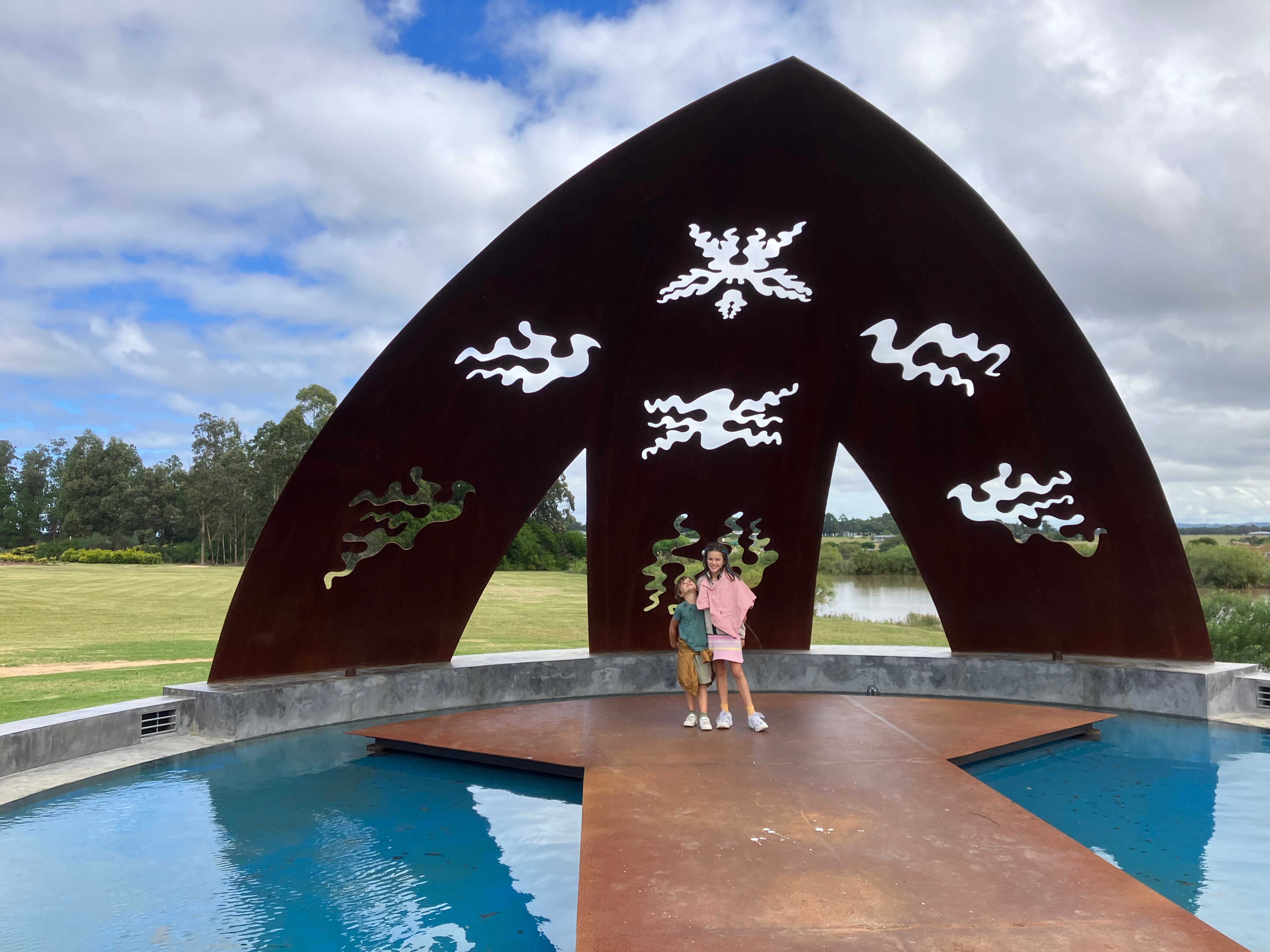
We visited two very classy bodegas that had nothing to envy to some European wineries. And we even tasted a wine from an Atlantic vineyard where the bottles don’t age in a cellar, but… 15 meters underwater in the ocean! They stay there for about four months, gently rocked by the currents, at a constant temperature, away from light. The result? A unique aging process that’s supposed to soften the tannins and develop special aromas. Impressive? Honestly, if they hadn’t told me, I wouldn’t have guessed. But I always appreciate good storytelling. And most importantly, we had a great time.
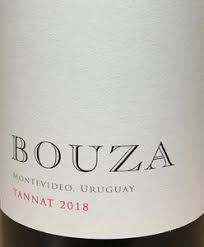
So why do we so rarely come across these bottles back home? It’s pretty simple… Uruguay produces around 80 to 90 million liters of wine per year, which is 20 times less than its neighbor Argentina, and they consume over 80% of their national production. The result? There’s not much left to export. A shame for our taste buds, but good for them.
2. East Coast, 320 km Long
We leave Montevideo, heading east. After an hour, maybe an hour and a half on deserted roads where we pass more cows than cars, we arrive in Punta del Este, the country’s most bling-bling beach resort. This is where all the South American jet set comes to see and be seen between mid-December and mid-January… A little taste of Saint-Tropez, Latin style.
Everything and everyone with money seems to have gathered here, and for half an hour, we drive, wondering if we’ve somehow landed in Knokke on a sunny day. Sleek villas, perfectly manicured lawns… Pricey, discreet good taste.
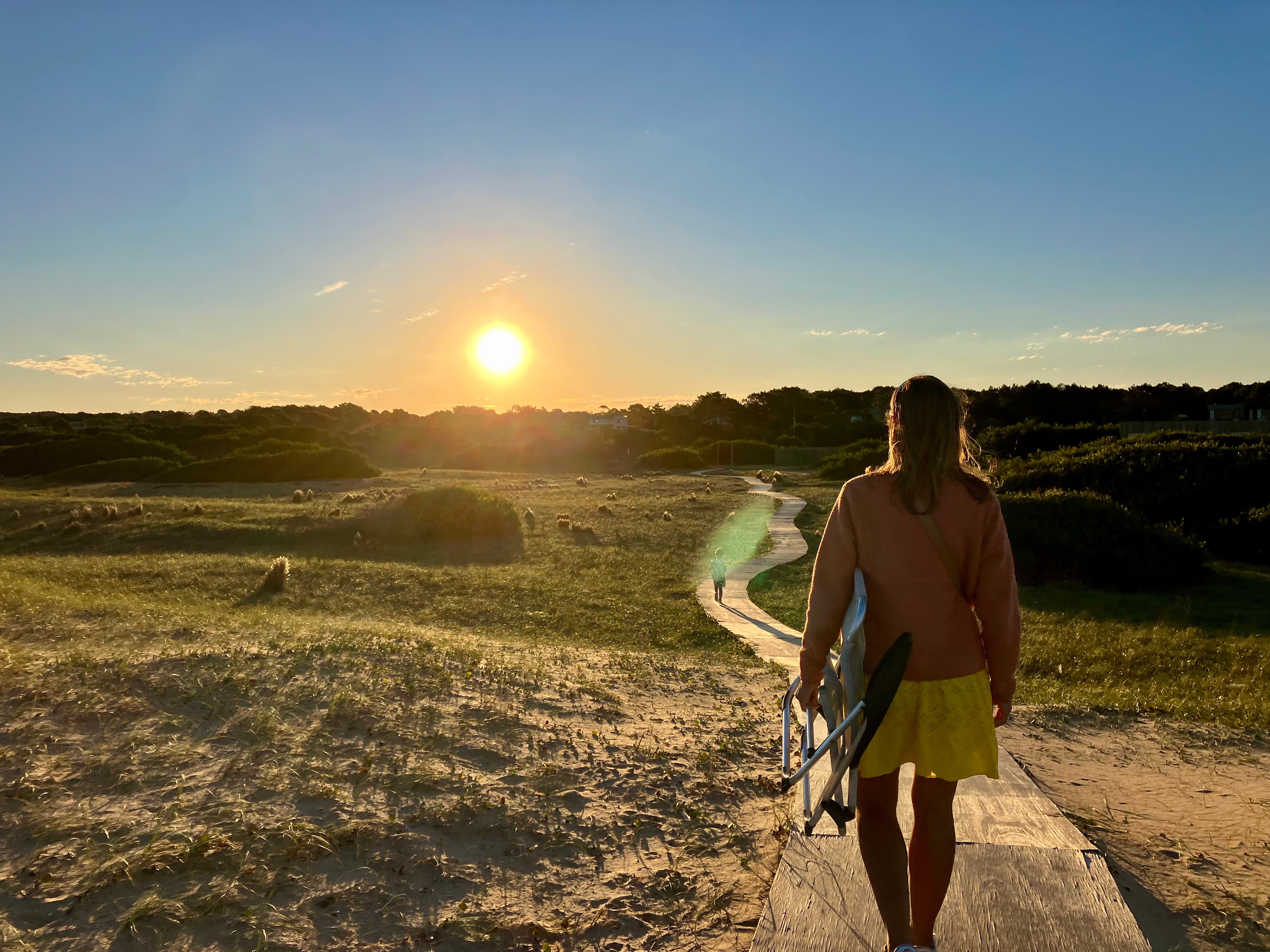
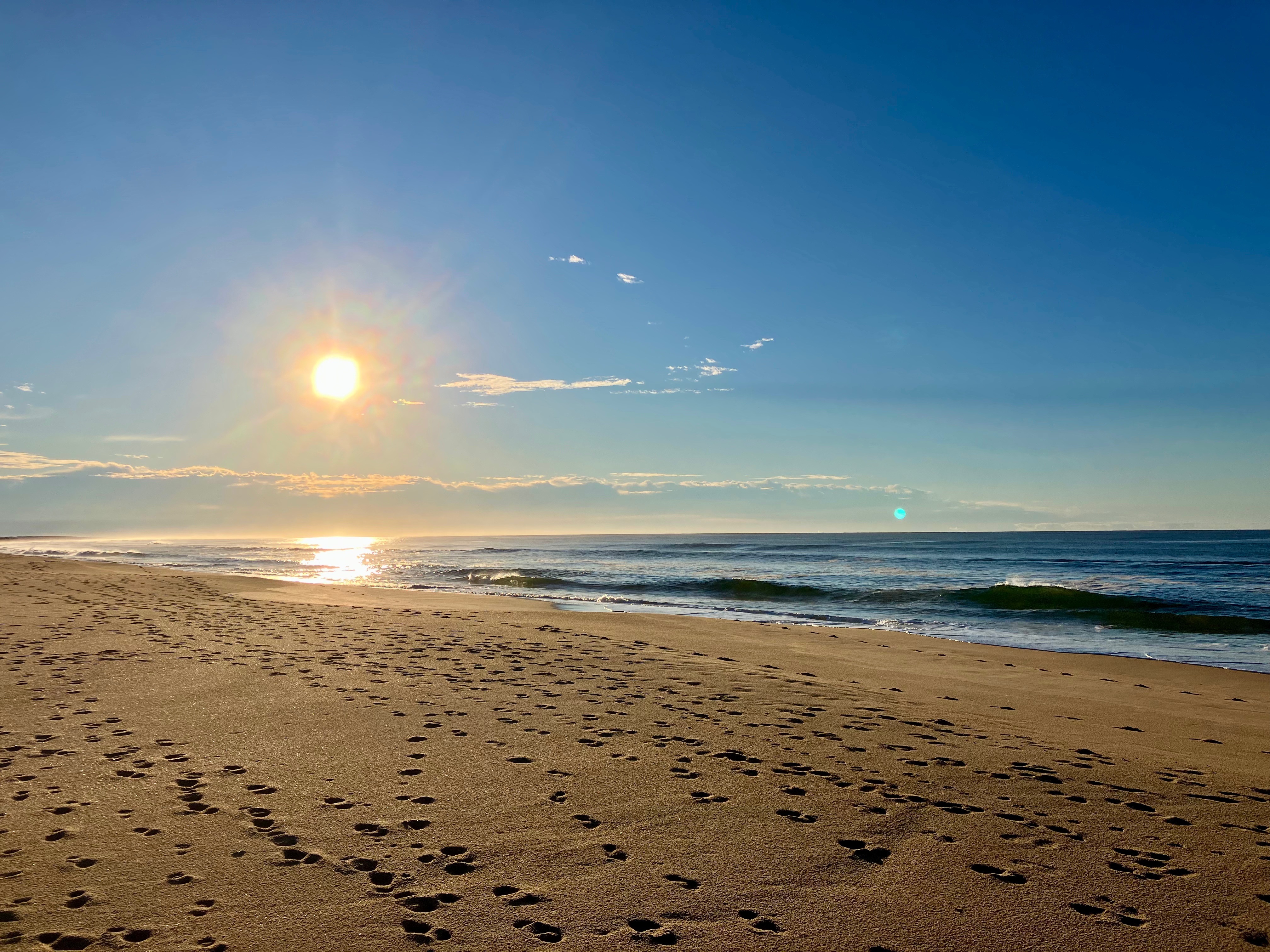
Our little cabañita, however, half an hour later, is a bit (a lot) less chic. But we are all alone, just 50 meters from a vast, empty beach. And honestly, that’s worth all the bling in the world.
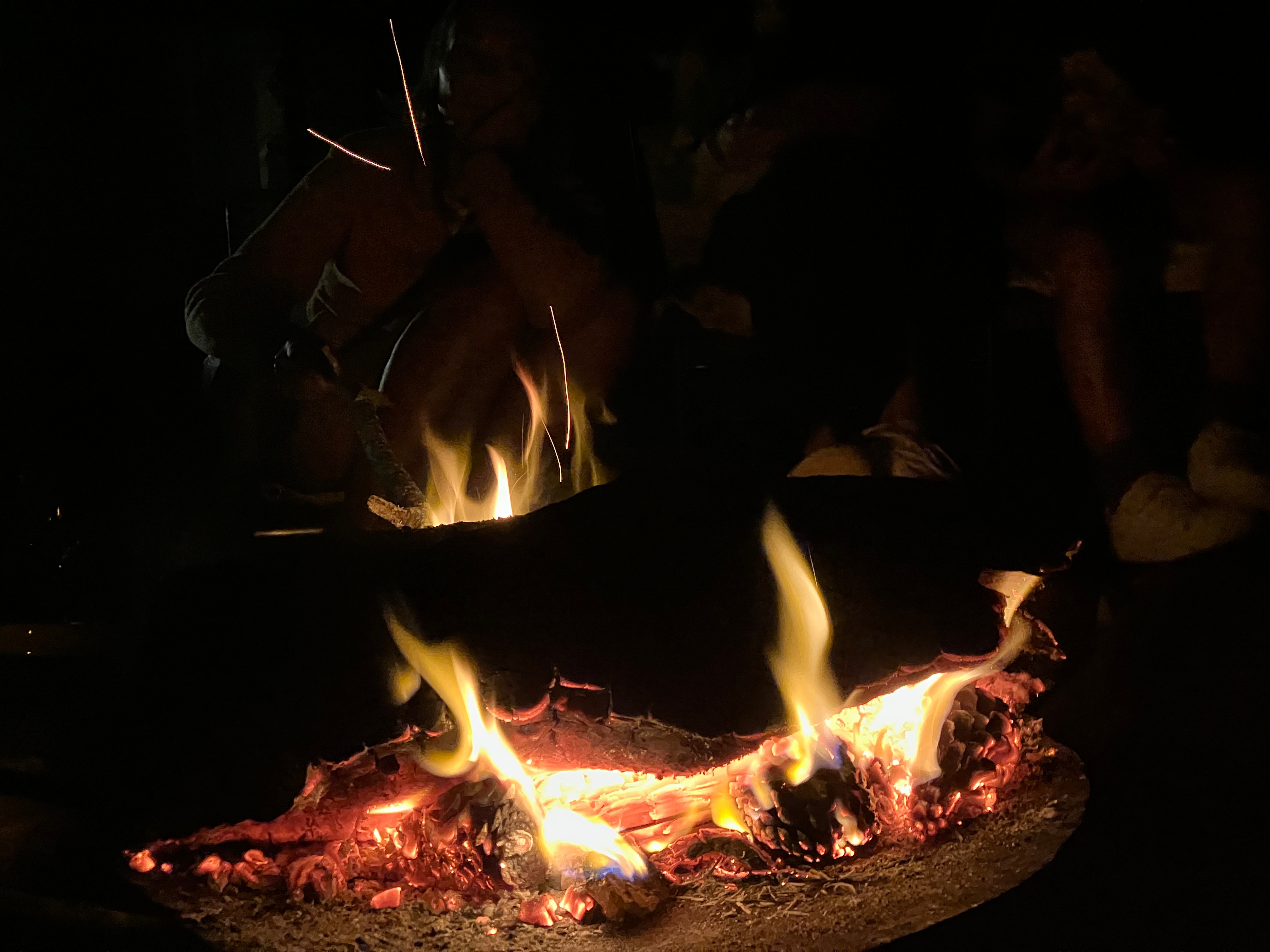
Our three days here are spent under a sometimes moody sky. Between strolls on the sand, we visit a few museums, indulge in long lunches, and in the evening, we warm up around the fire, gazing at the Milky Way (and yes, it’s not the first time on this trip).
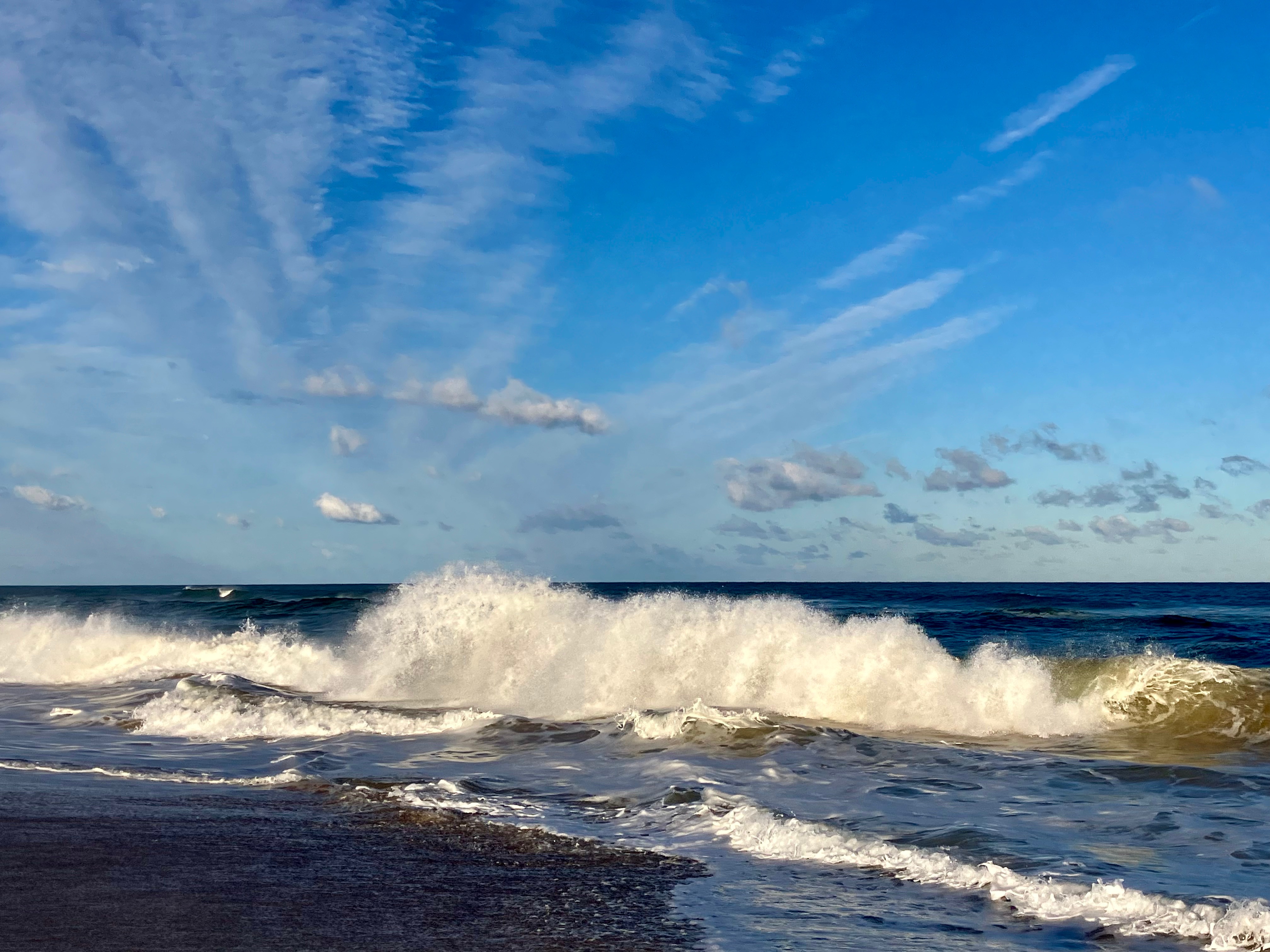
Apart from the hundreds of kilometers of deserted beaches, the atmosphere is a bit like the North Sea… in April, Uruguay-style.
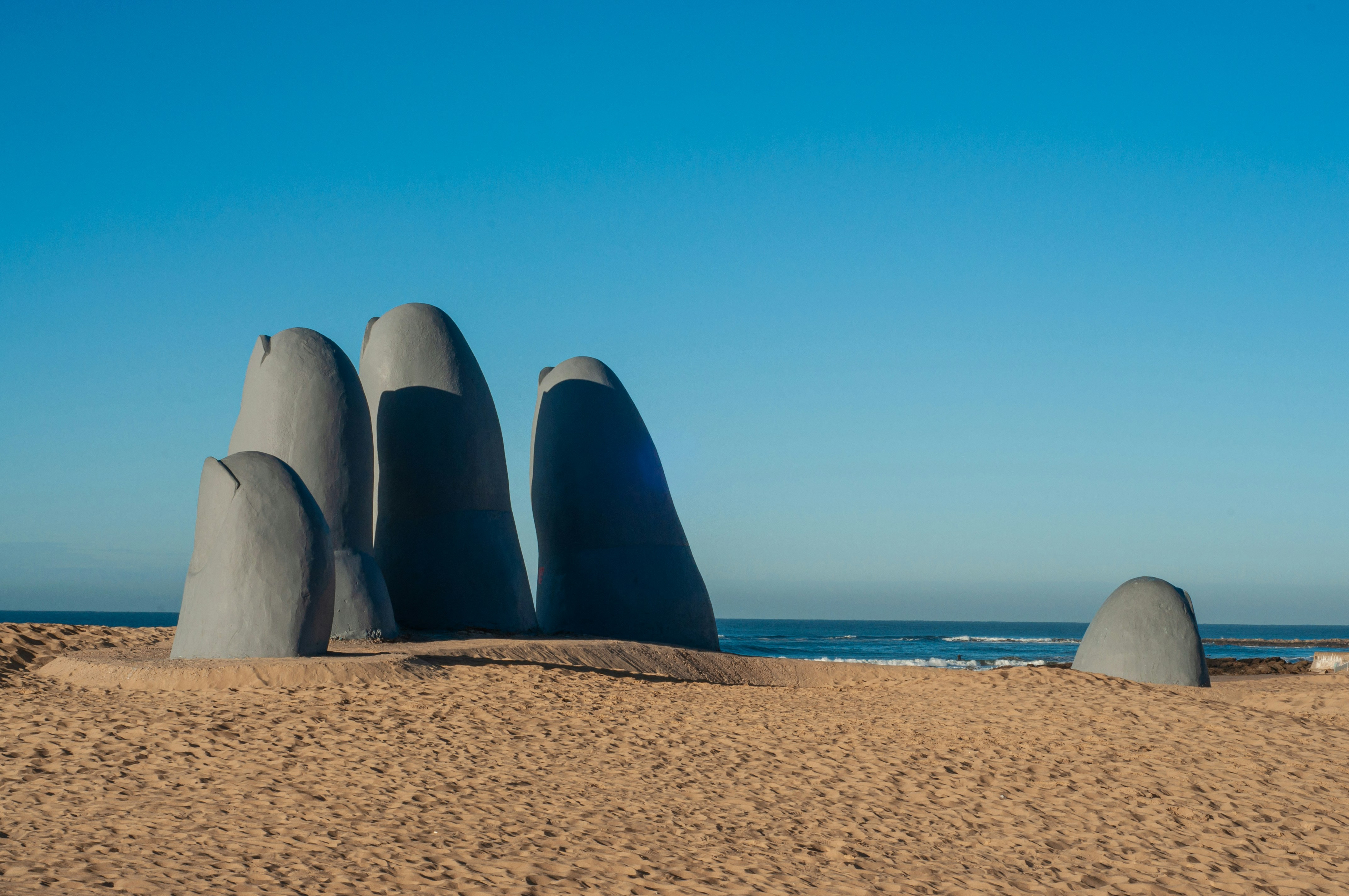
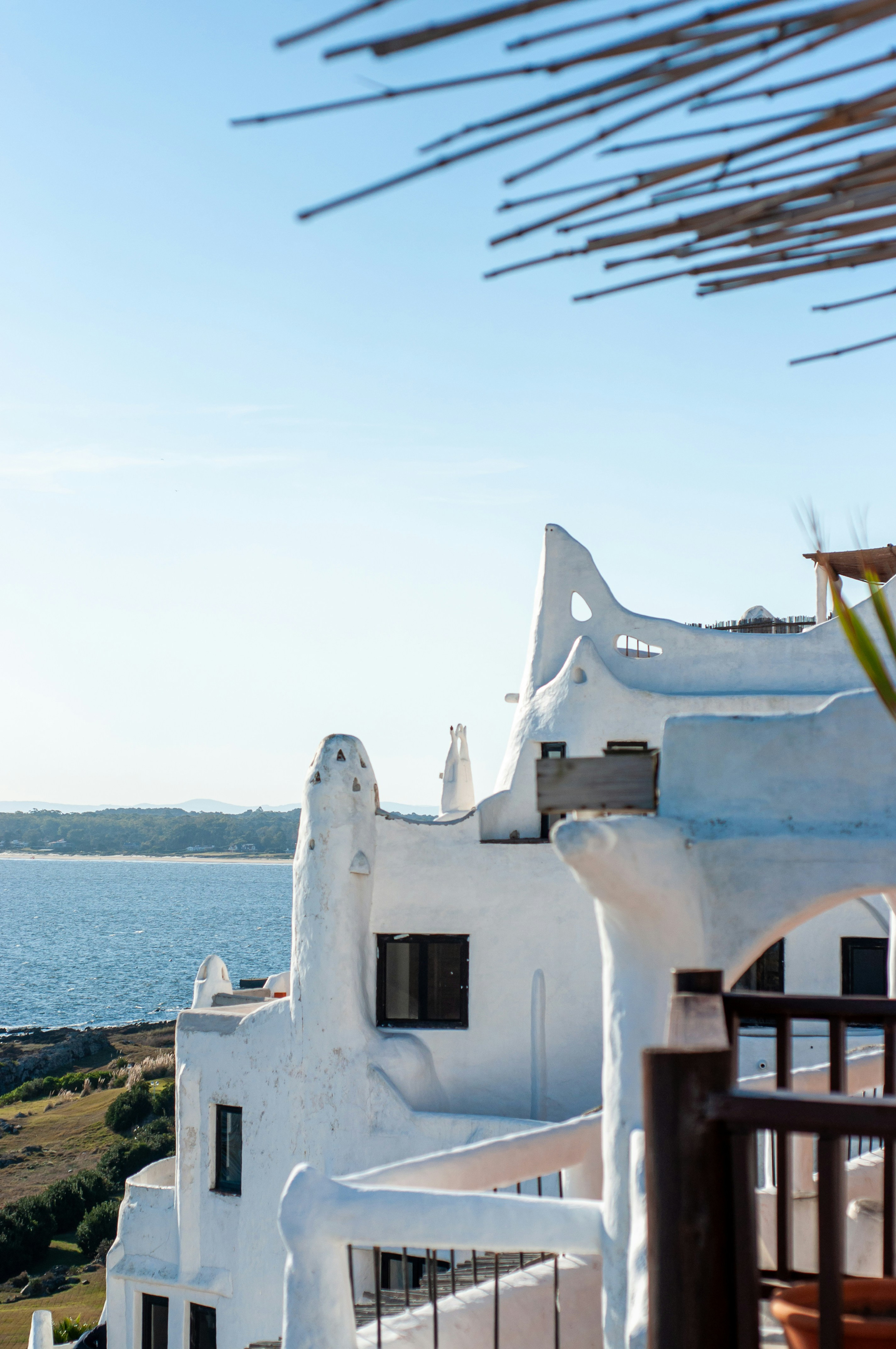

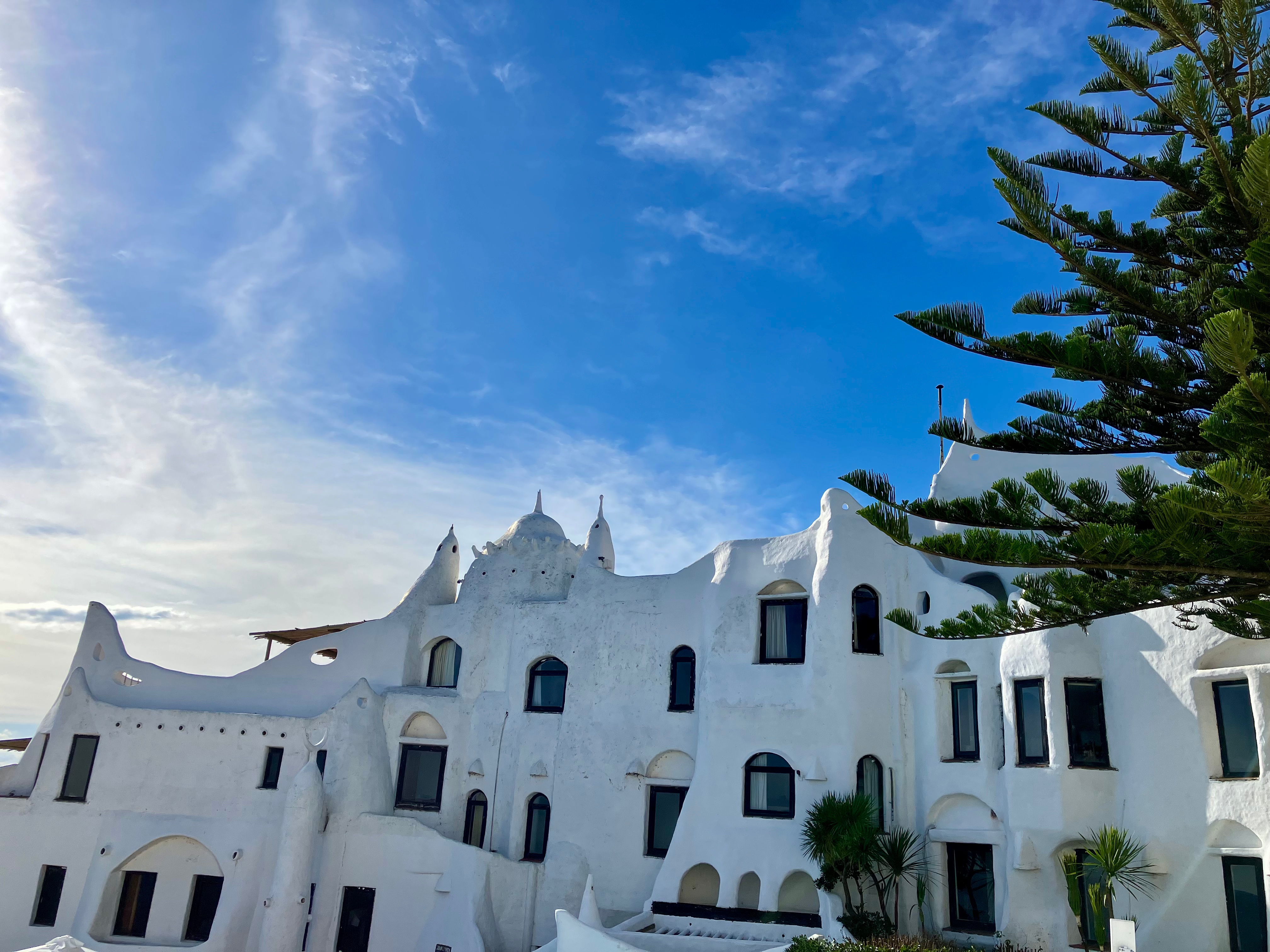
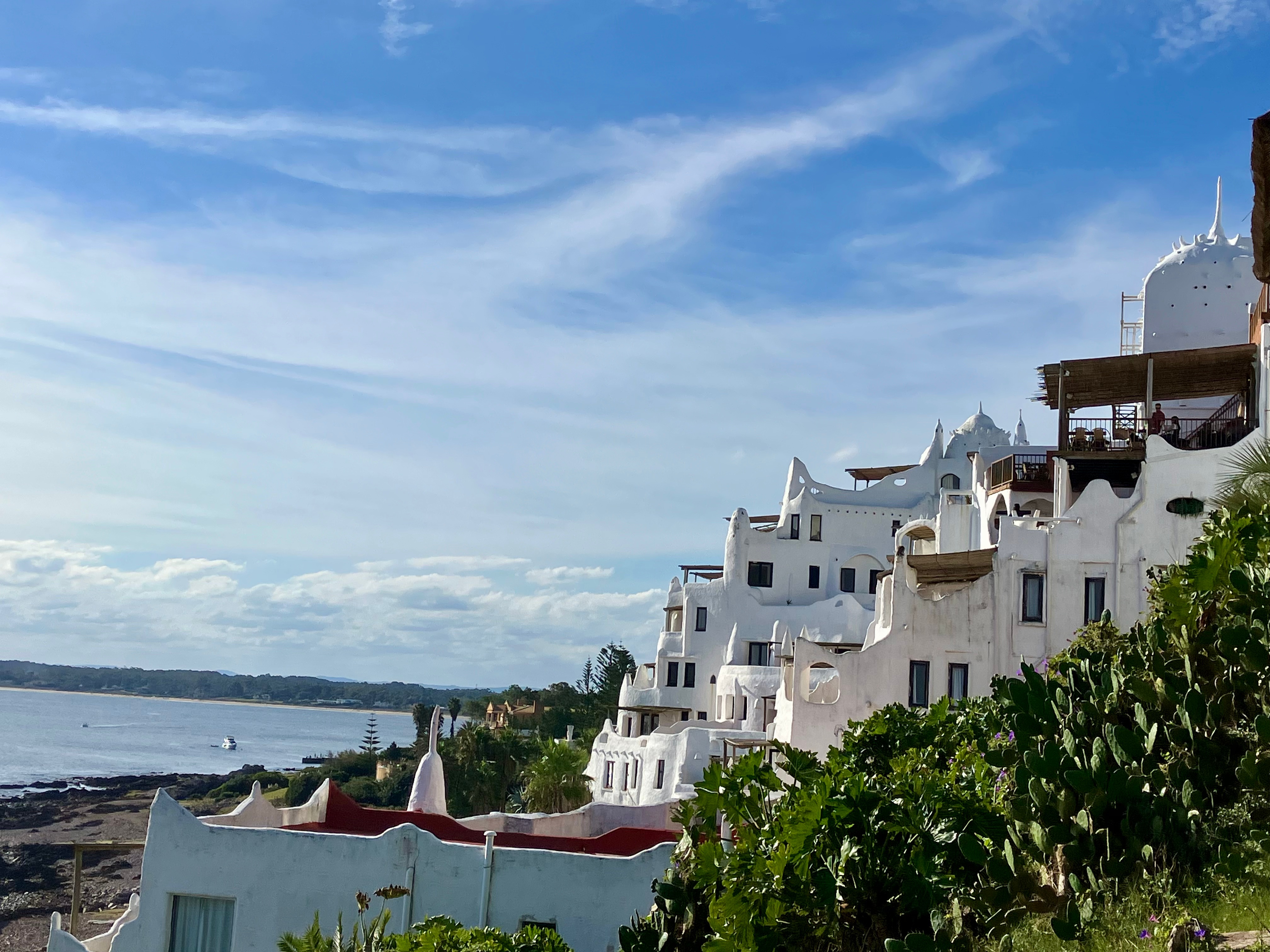
Except that…
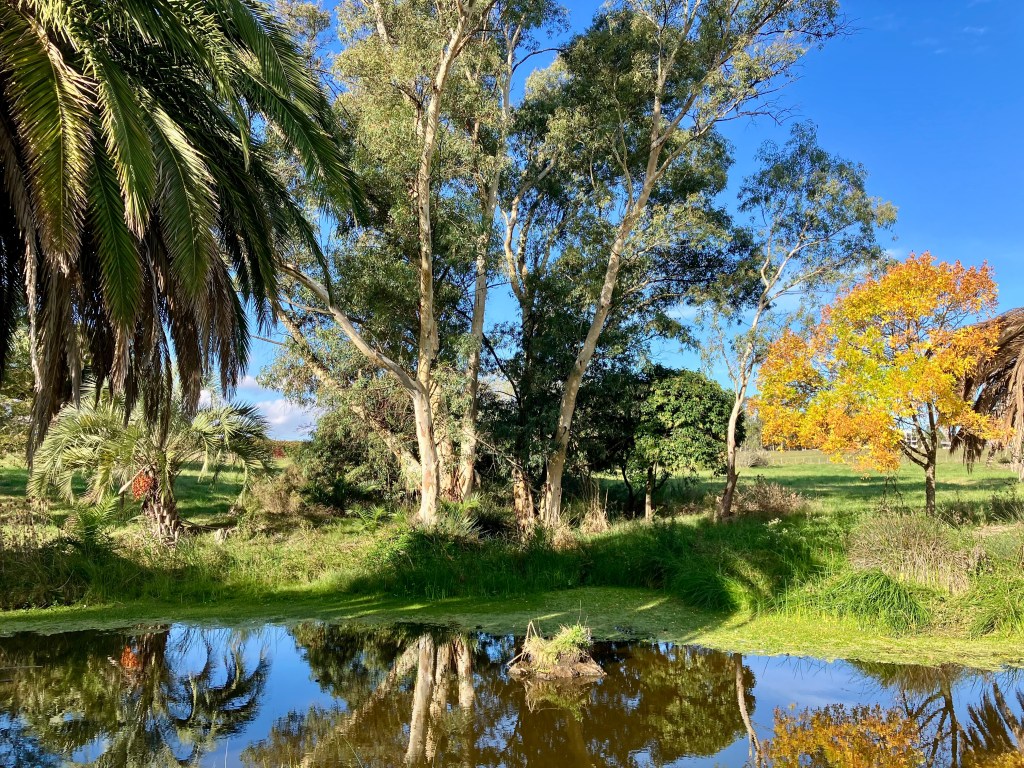
Except that nature here plays hide-and-seek between hemispheres. Oaks and pines stand alongside laid-back palm trees, as if Uruguay still can’t decide between temperate forest and tropical beach.
But before leaving the coast for the vast deserted areas of the country’s interior, I absolutely have to tell you about their national obsession: a gourd, a metal straw, a thermos under the arm… and off they go with their mate. A bitter infusion of yerba leaves, served piping hot.
Yes, they drink it in Argentina too, but here, they consume ten kilos per person per year. At the beach, on the bus, in meetings, at the hairdresser’s: mate is everywhere. It’s not just a drink. It’s a ritual. A social comfort blanket. An identity.
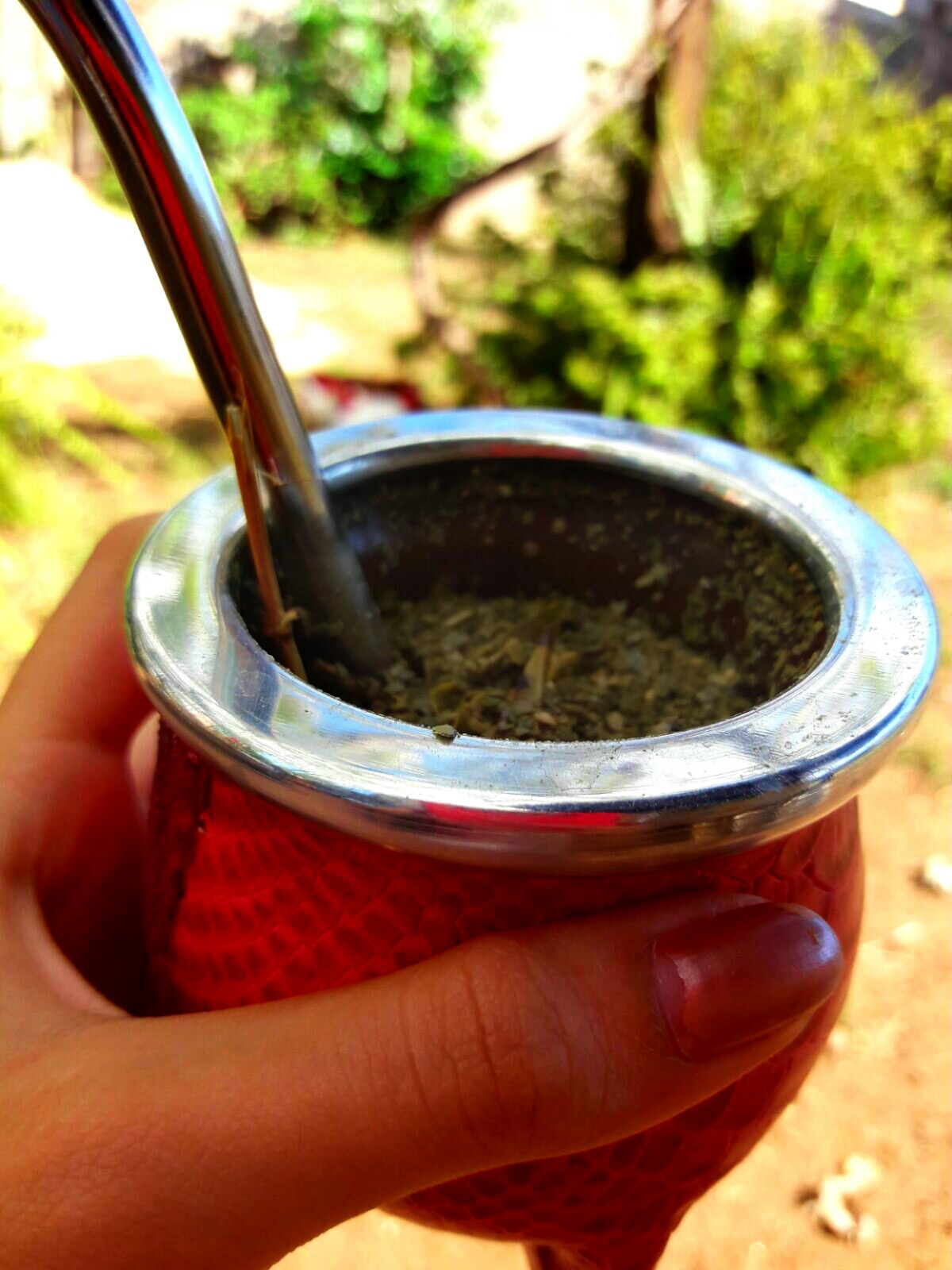
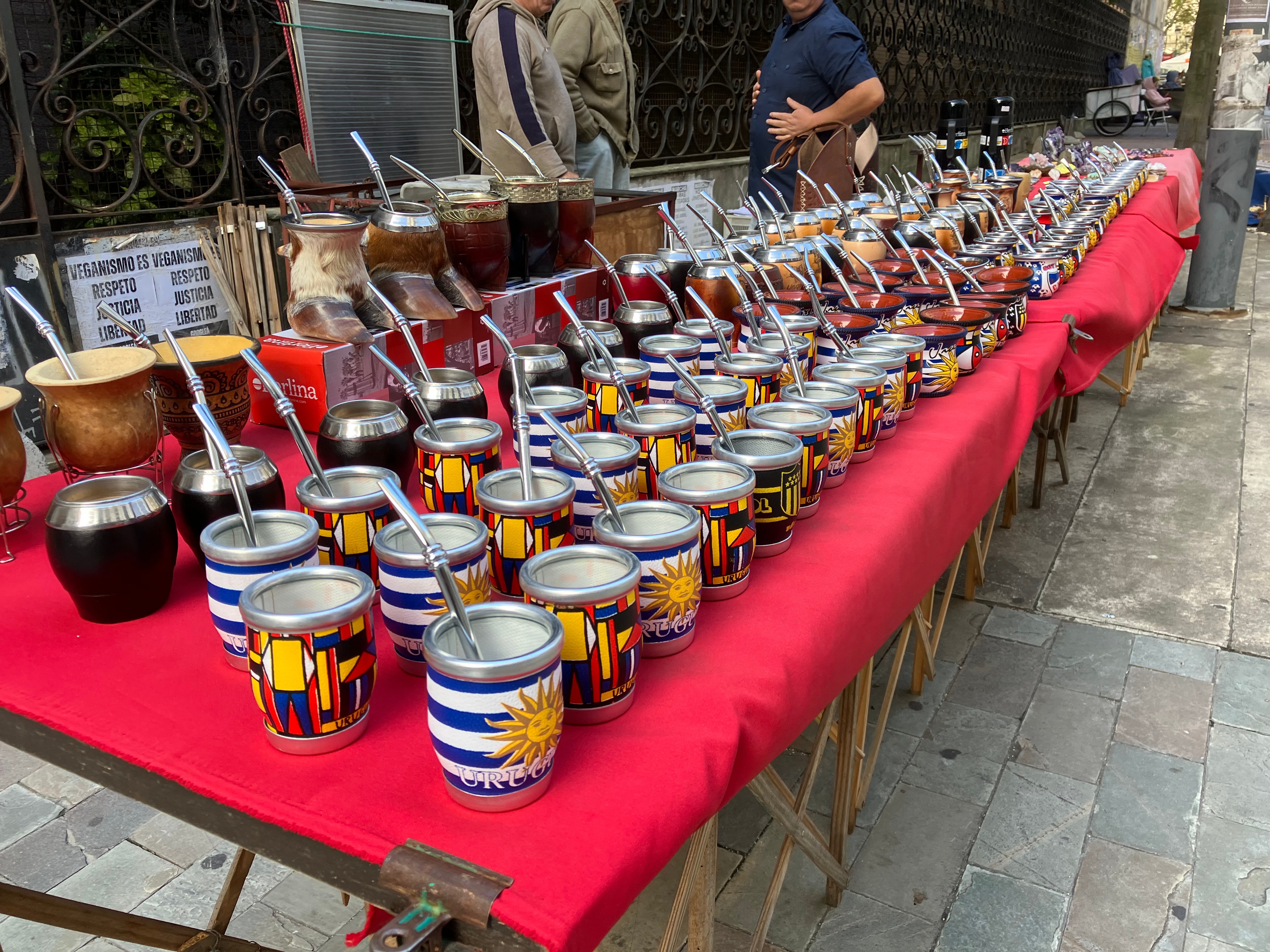
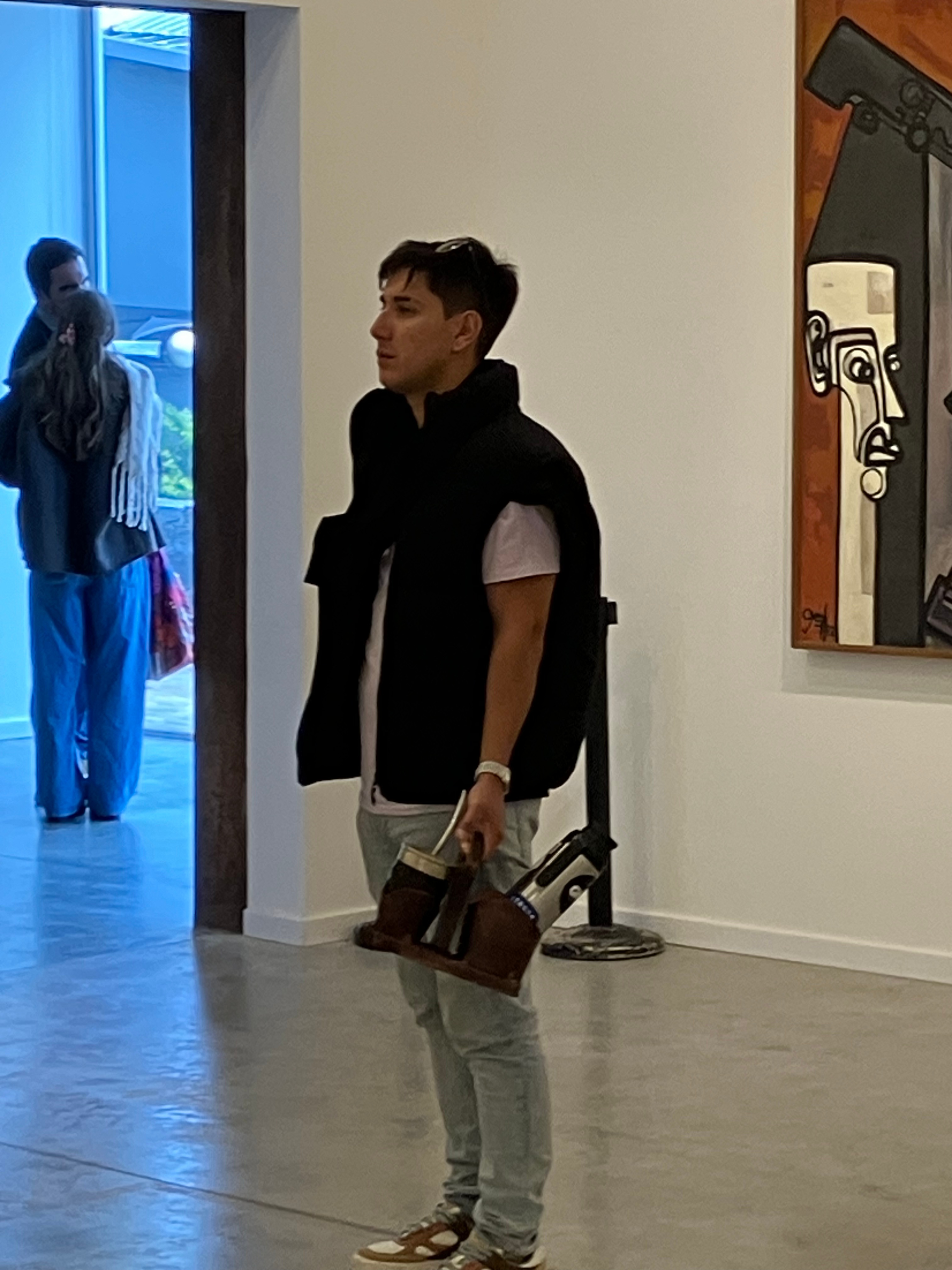
Even the law has adapted: you can drink mate while driving, but pouring hot water while behind the wheel is strictly forbidden. You have to draw the line somewhere with Uruguay’s charming madness.
And they genuinely don’t understand why the rest of the world doesn’t drink it.
Me? I still don’t understand how they manage to swallow that stuff.
But that’s another story.
3. Ranch & Wide Open Spaces
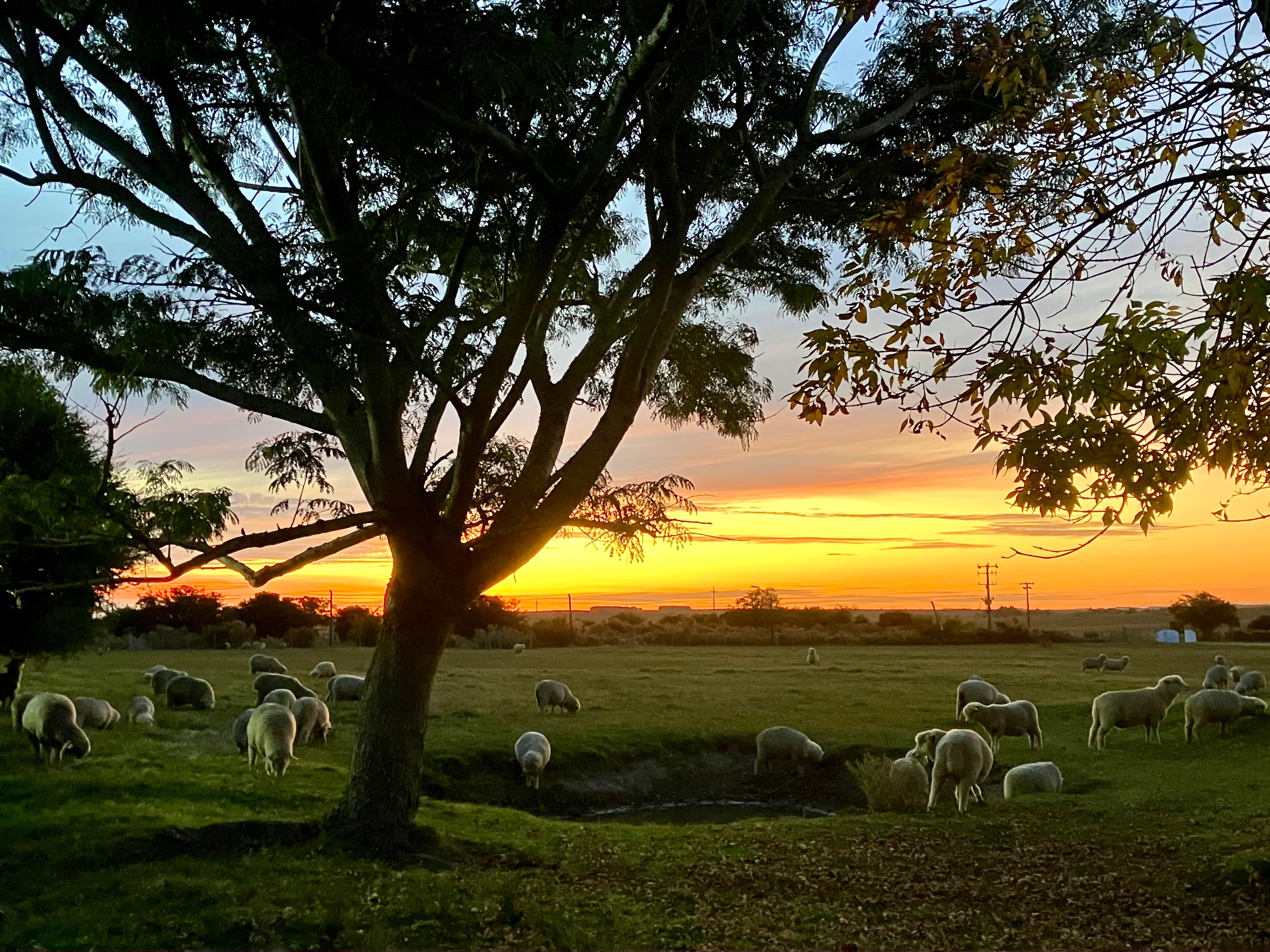
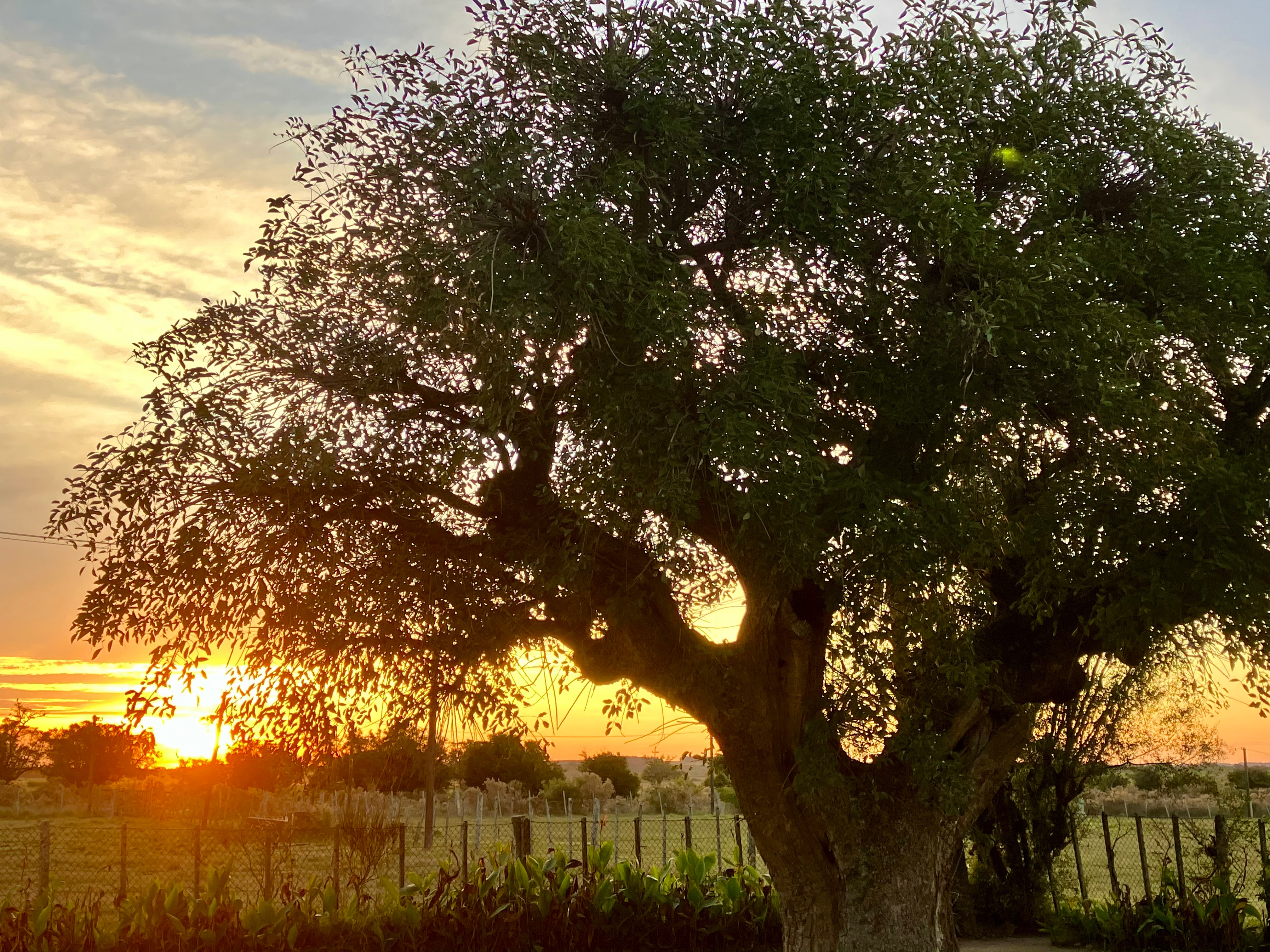
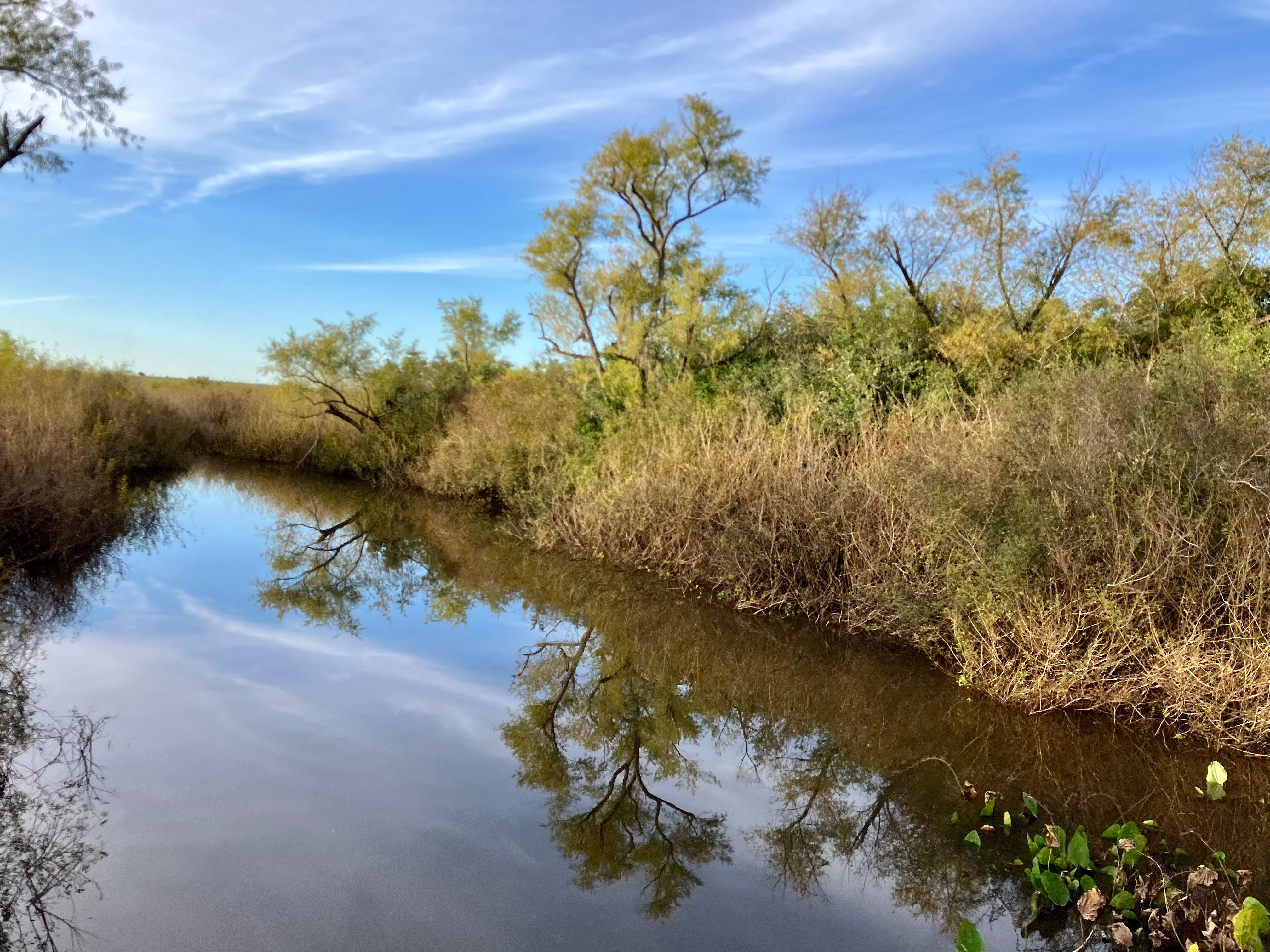
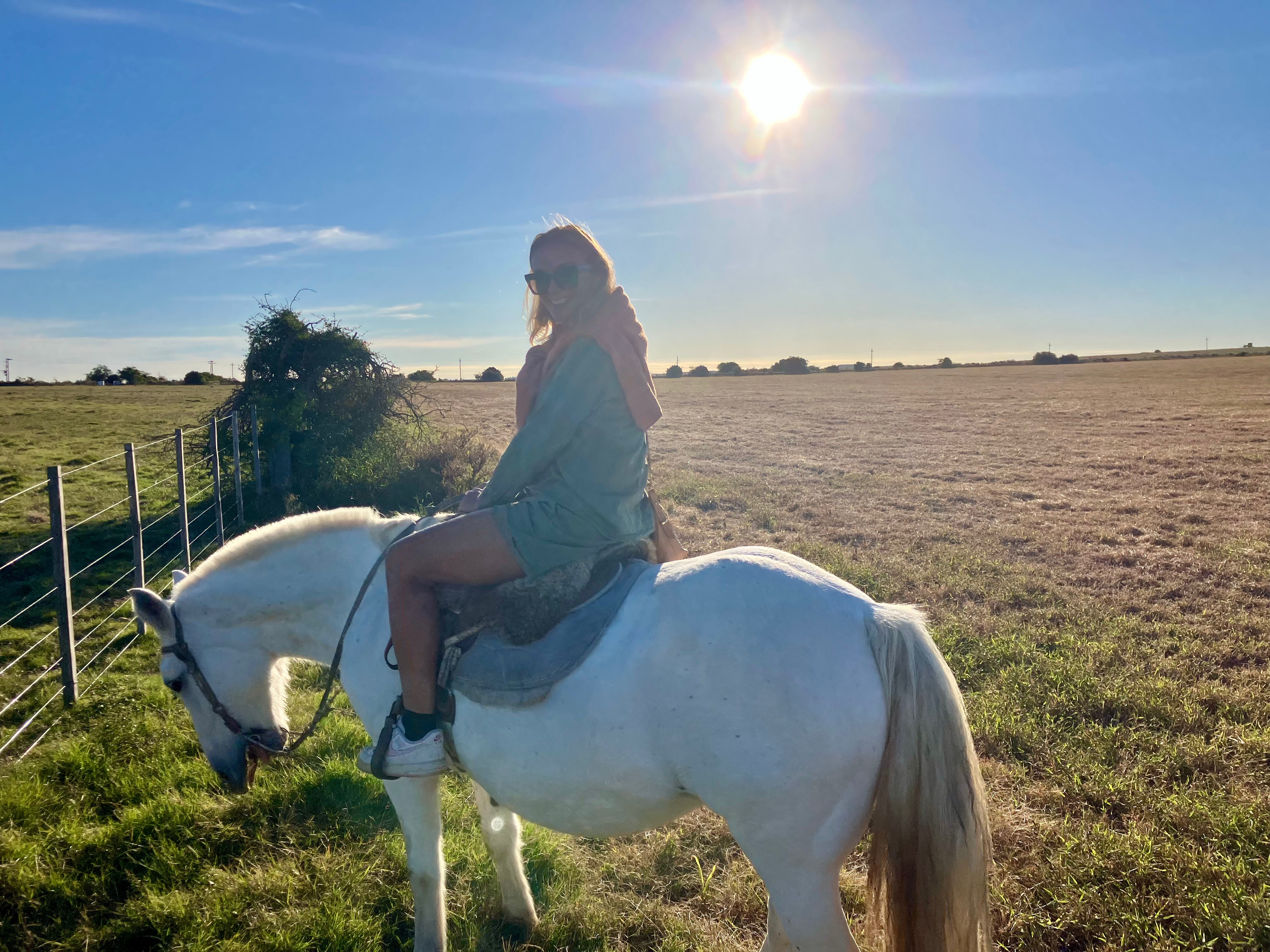
Beyond the coastal cities, Uruguay unfolds into peaceful landscapes, all gentle curves and endless horizons. Softly rolling hills, vast fields stretching as far as the eye can see, free-roaming horses, cows lazily chewing under a tree. And above all: gauchos — those proud South American cowboys, with their boots, scarves around their necks, cigarettes between their lips, always ready to ride off like in an old western.
Ranching is not just a tradition; it’s an essential part of the national identity. Even today, meat exports remain one of the pillars of the economy, alongside unexpected sectors like tech and finance — two industries that benefit from a surprisingly relaxed fiscal framework: bank secrecy is preserved, and there are no taxes on foreign income for ten years. Uruguay cultivates a sense of discretion… and seems to appreciate those who know how to do the same.
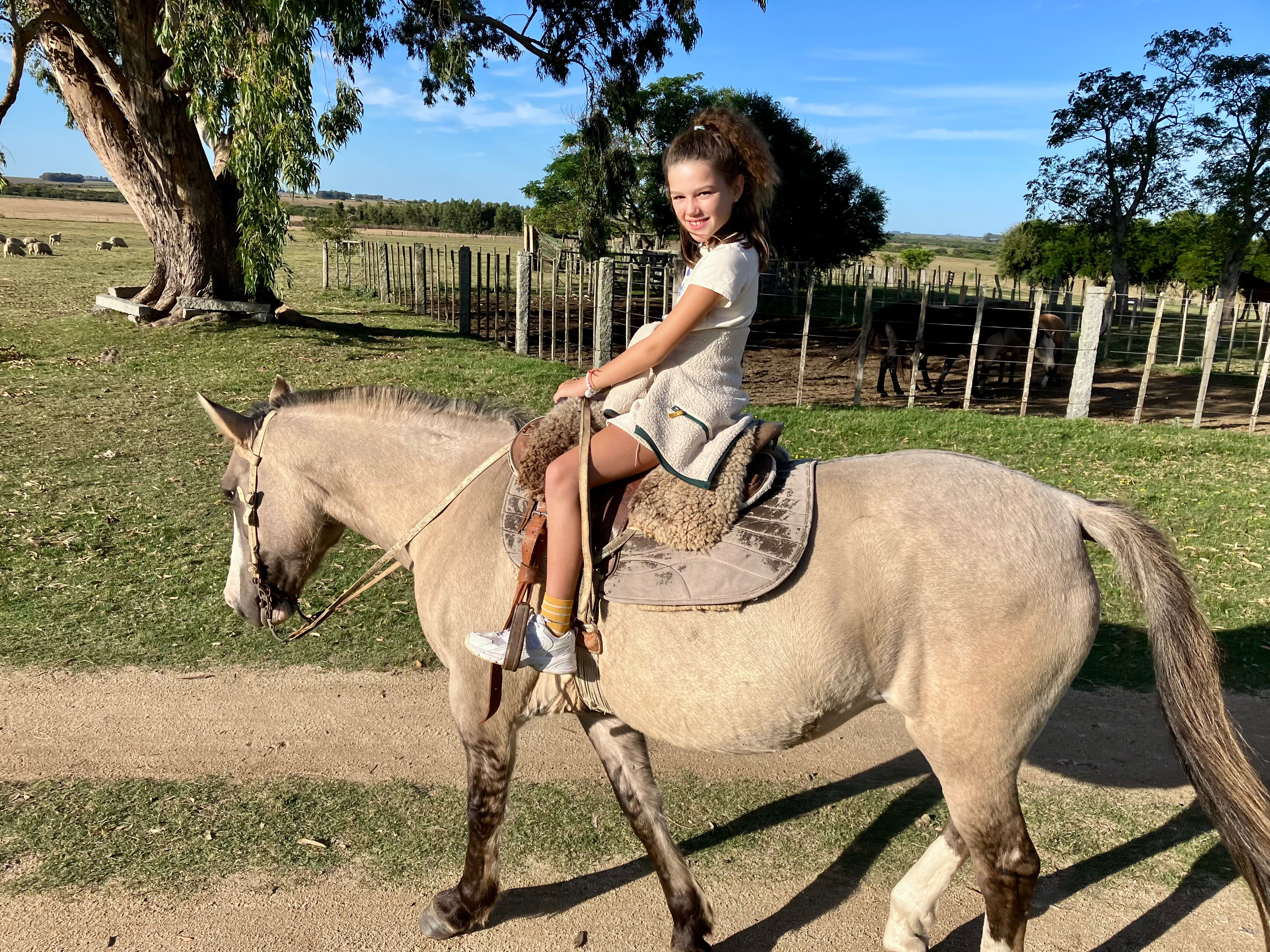
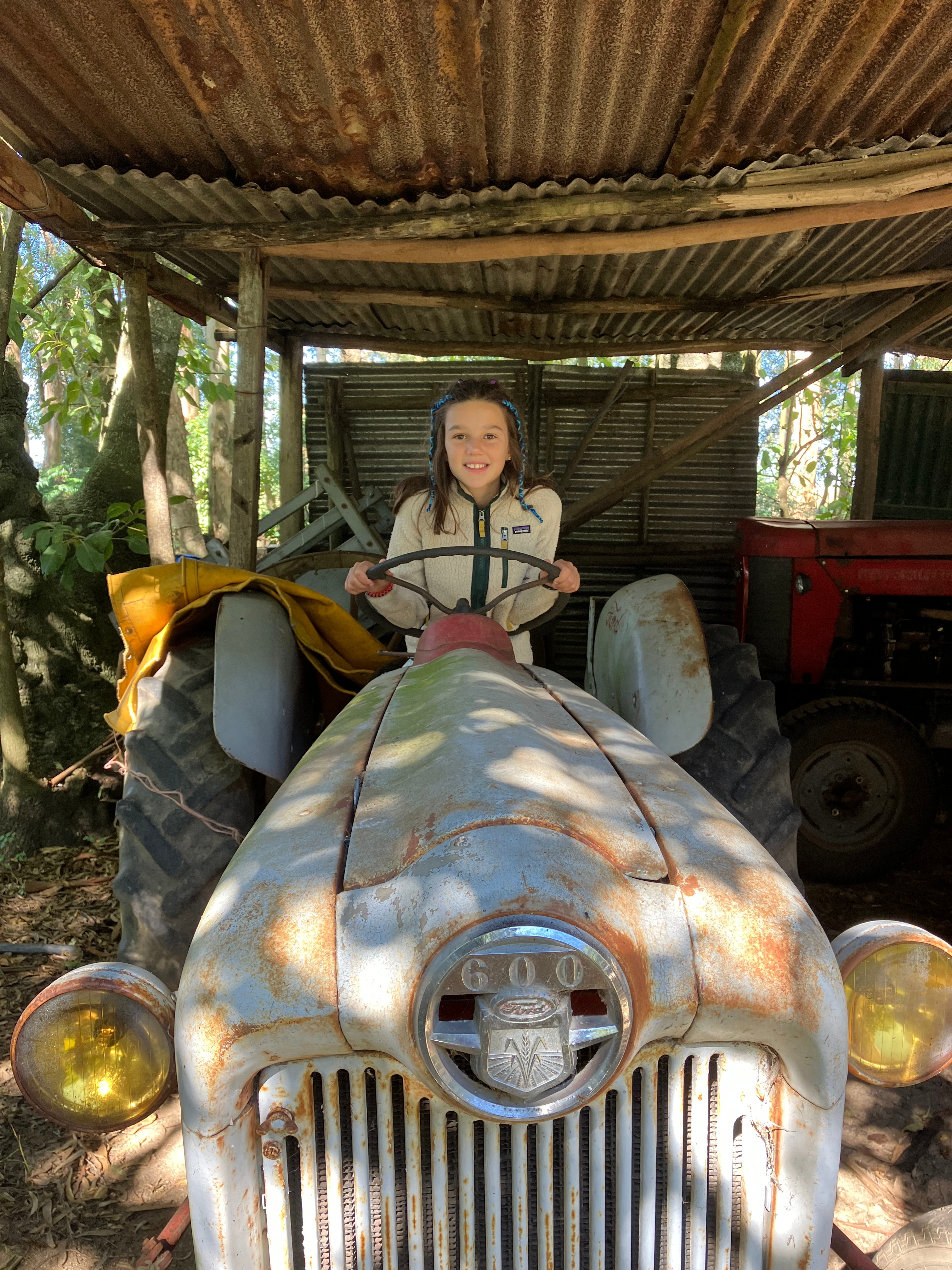
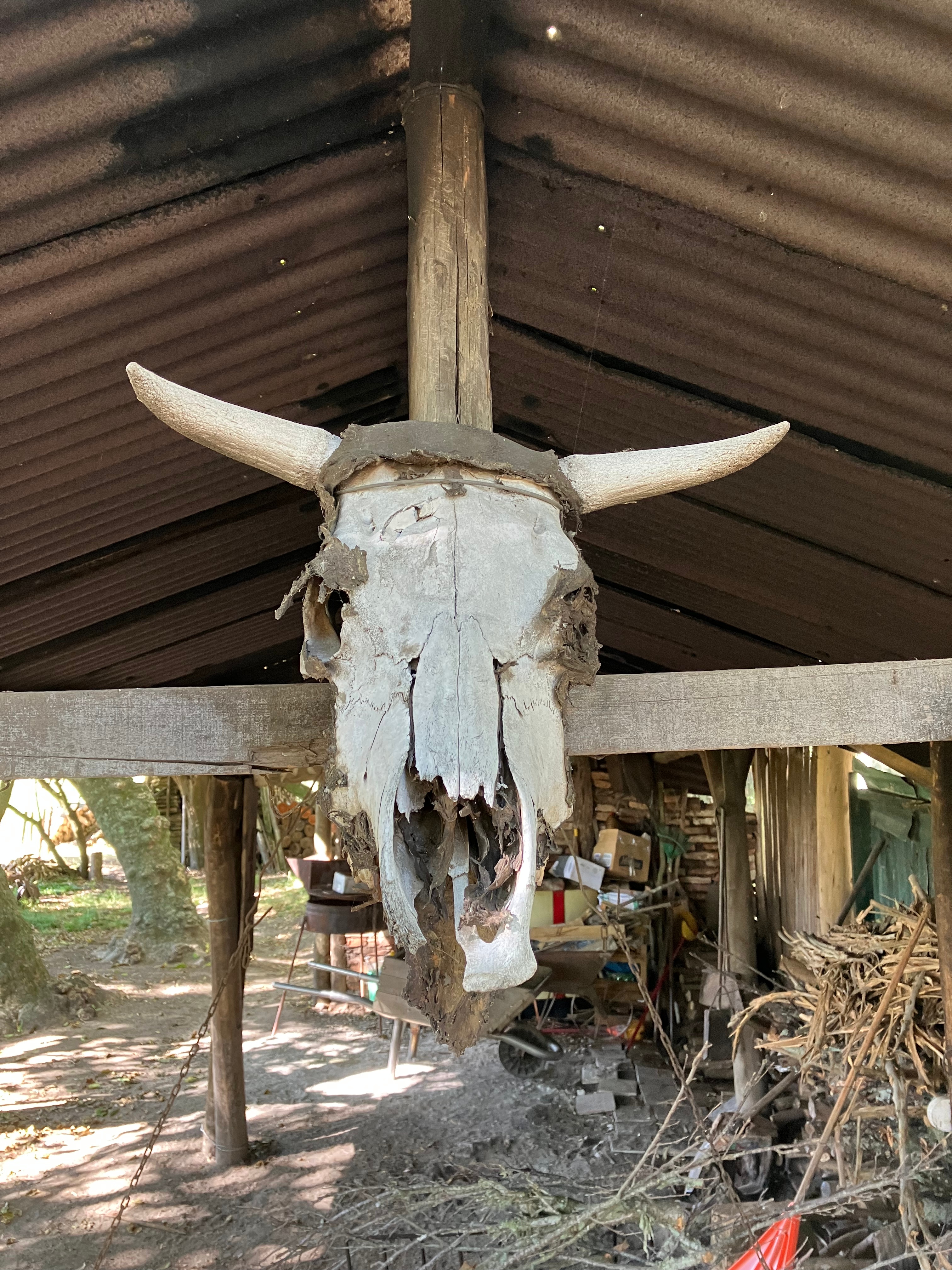
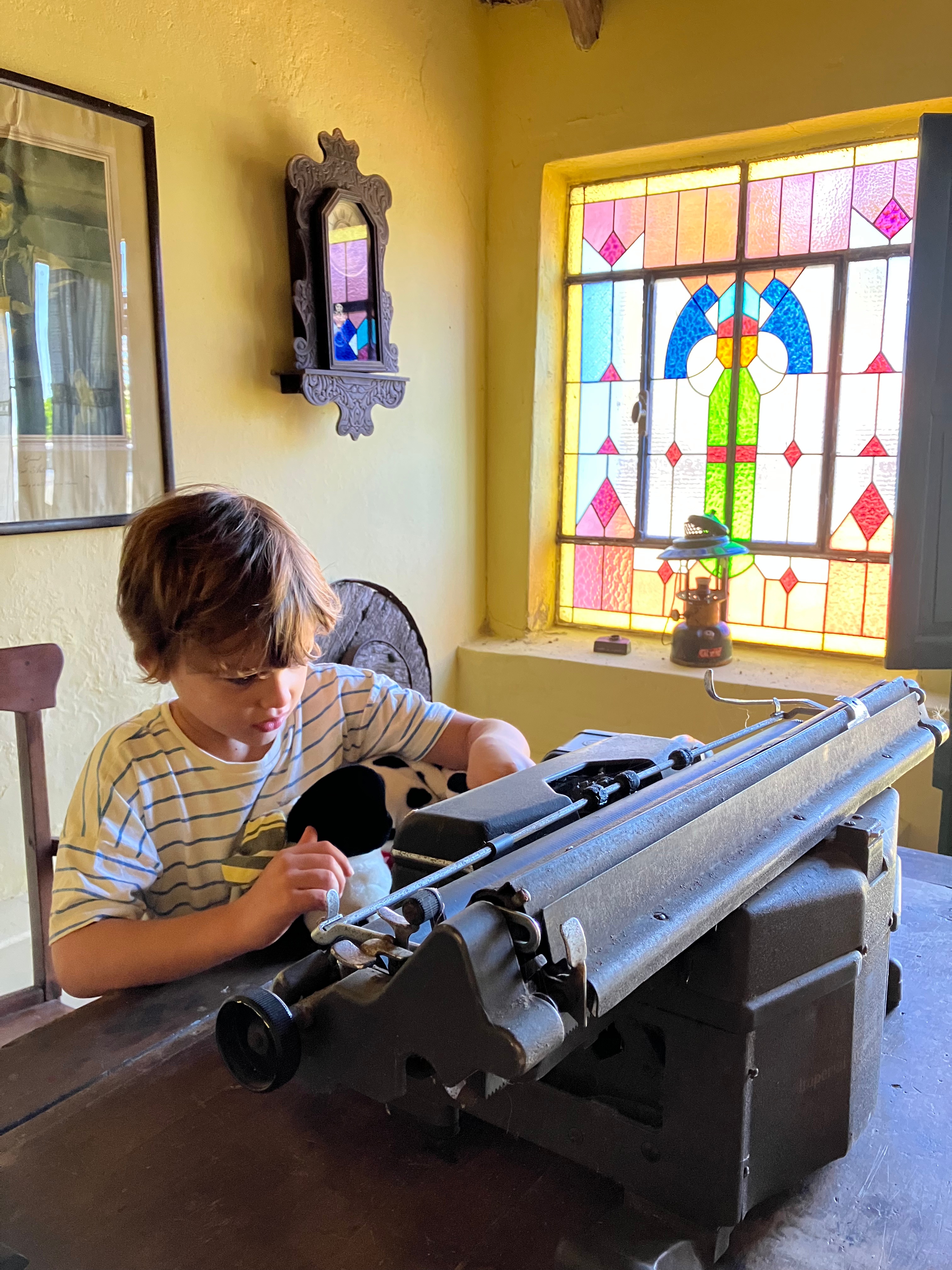
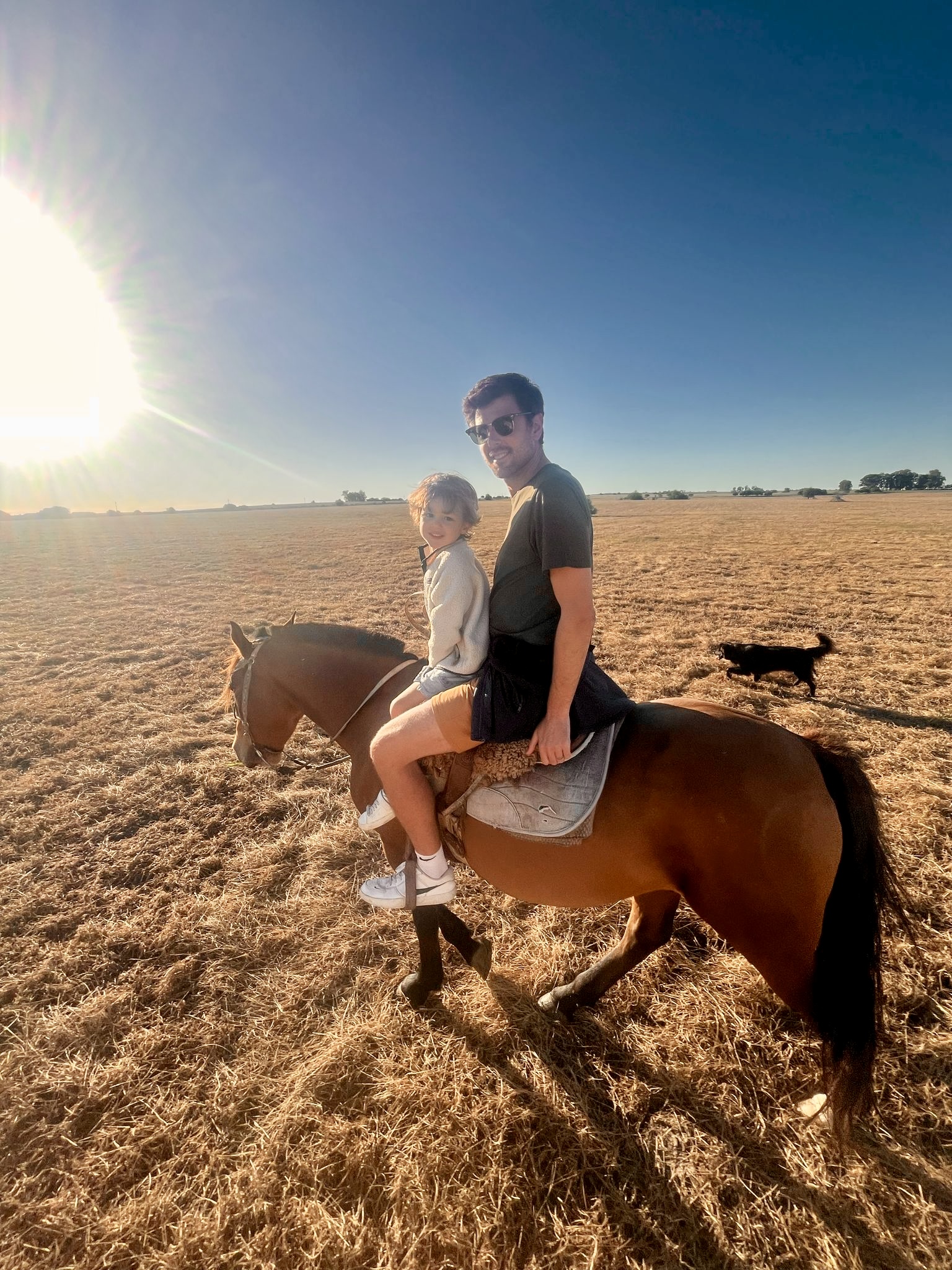
We spent two days in an estancia lost in the middle of nowhere, and it was probably one of the most authentic moments of our trip. Here, time seems to stand still. A calm atmosphere prevails, interrupted only by the songs of countless birds. We rode horses twice a day, crossing pastures, surrounded by grazing animals, with sheepdogs faithfully following us. The kids played with the farm animals.
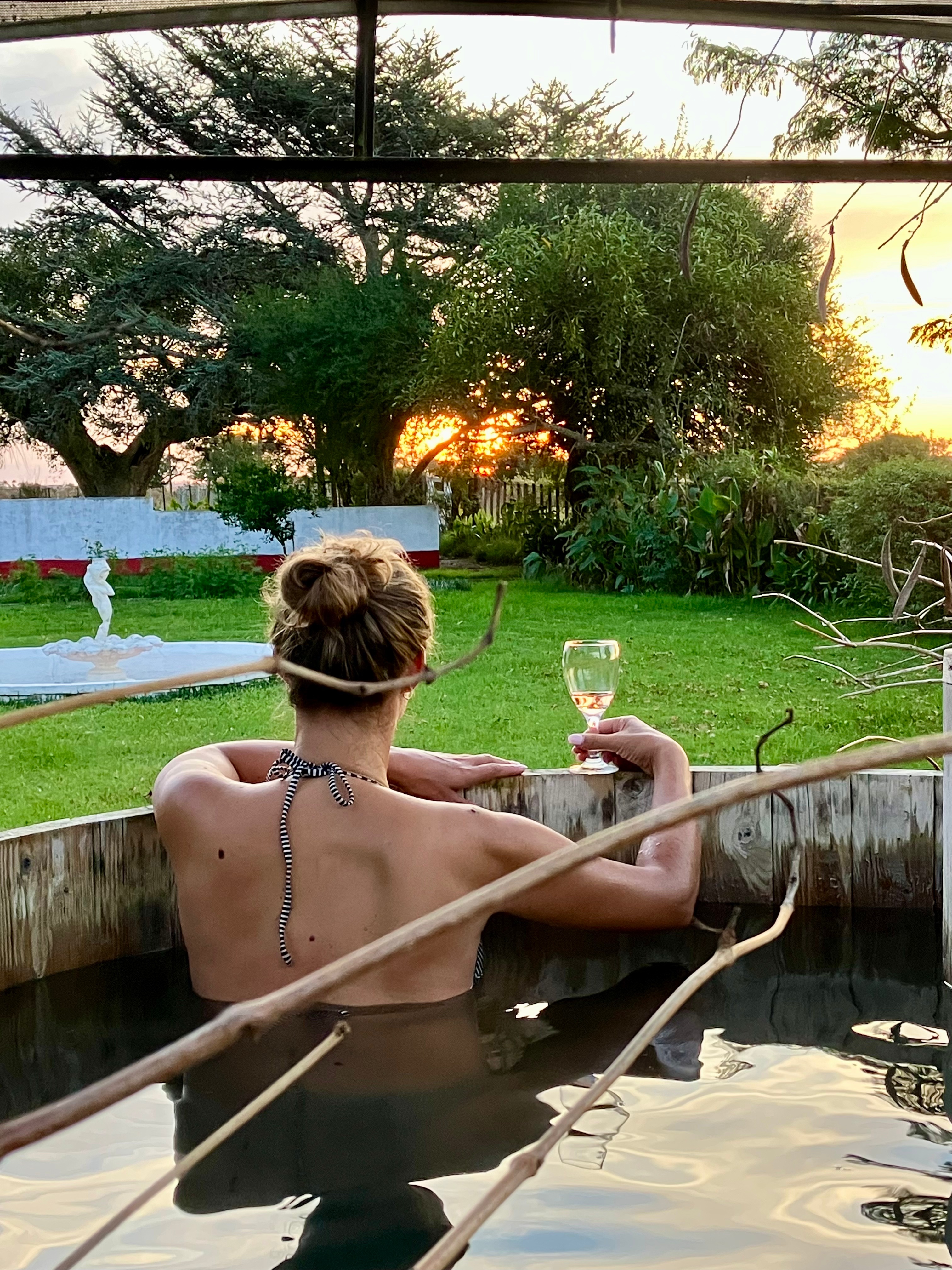
At night, once they were asleep, we indulged in the estancia’s only luxury: an outdoor hot bath. With a glass of wine in hand, we gazed at the stars.
At that moment, we thought we couldn’t have dreamed of anything better.
And then, there’s the food…

simple and generous: grilled meats over an open fire, vegetables straight from the garden, and far too many homemade sweets… Everything is lovingly prepared by the estancia’s cook.
So, Uruguay?
We loved it. No grand monuments, no UNESCO wonders (except for the town of Colonia, which we visited ten years ago), no breathtaking landscapes that leave you in awe. But instead, experiences, calm, a gentle way of life.
And yet, when I ask my favorite question to Uruguayans — “Are people happy here?” — the answer surprises us: not really. They sometimes say that Uruguayans are sad Argentinians, and that it’s the Brazilians, just across the border, who hold the monopoly on happiness.
Honestly? It leaves us puzzled. When you compare the stability, security, and quality of life here with the economic roller coaster of Argentina or the institutional chaos of Brazil, you wonder what it really takes to be happy.
Perhaps it’s a cultural sobriety that gives this impression of melancholy. But this calm has nothing to do with dissatisfaction. In fact, Uruguay regularly tops the happiness rankings in Latin America (in 2023, it was first in the region and around 30th worldwide).
Uruguay may not be the most Instagrammable country in South America — and we haven’t seen it all. But we found what we often look for without even knowing it: time, space, wild beauty, kind people, and a rare tranquility.
This journey has changed our perspective on this quiet little country, squeezed between two giants.
And isn’t that why we travel? To redraw our mental maps… and add new contours.
Love to you all!
 365 days of summer
Leave a comment