6. Pantanal, May 9–15, 2025
The Pantanal — welcome to the largest flooded plain on the planet. A vast, untamed territory straddling Brazil, Bolivia, and Paraguay.
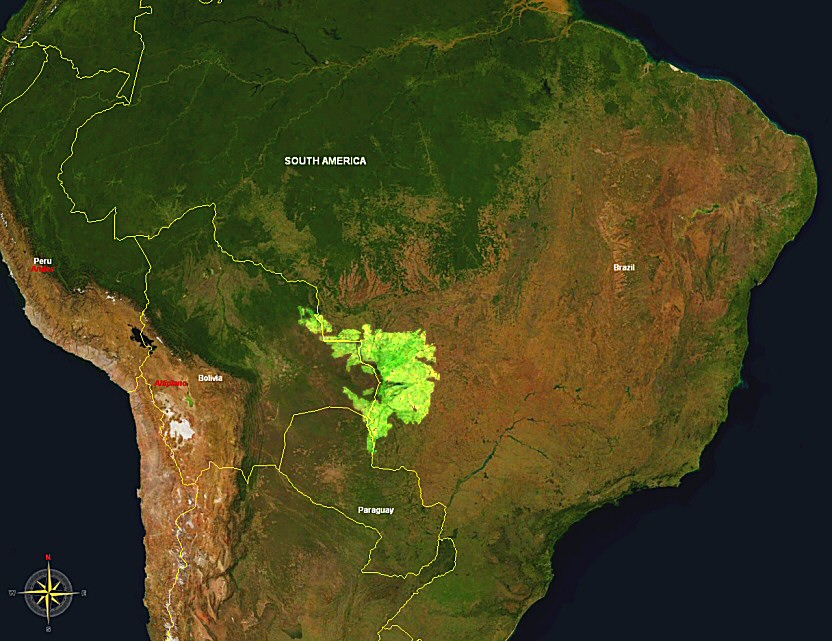
Over 210,000 square kilometers — larger than England. And when the rainy season hits, up to 80% of it is submerged. Six months of rain, flooding, and teeming life. Then six more of drying out, cracking open, and turning into a dusty savanna.
We arrived in May. Just at the end of the rainy season. A tiny window of opportunity, our only chance to explore this mythical region before (almost) saying our final goodbye to Brazil.
And where there’s water, there’s life. And what life! 3,500 plant species, 650 types of birds, 325 fish species, 159 mammals, 100 reptiles… a living encyclopedia of paws, feathers, and scales.
But if I’m honest, we came for the stars. The jaguar, obviously. The capybara, that stoic, mustachioed mascot. The giant river otter, the anteater, and the hyacinth macaw—an enormous, majestic, royal blue parrot that, sadly, is on the brink of extinction.
And so began our five-day quest to track down the Pantanal’s stars.
The goal: to fill our memory card with unforgettable images—and, with a bit of luck, tick “jaguar” off our dream checklist.
Day 1: Discovering the Transpantaneira
8:30 a.m. Yoann, our French guide (from the agency Jabiru), who’s been living in Brazil for years, picks us up in his 4×4 in front of our guesthouse in Cuiabá, the regional capital.
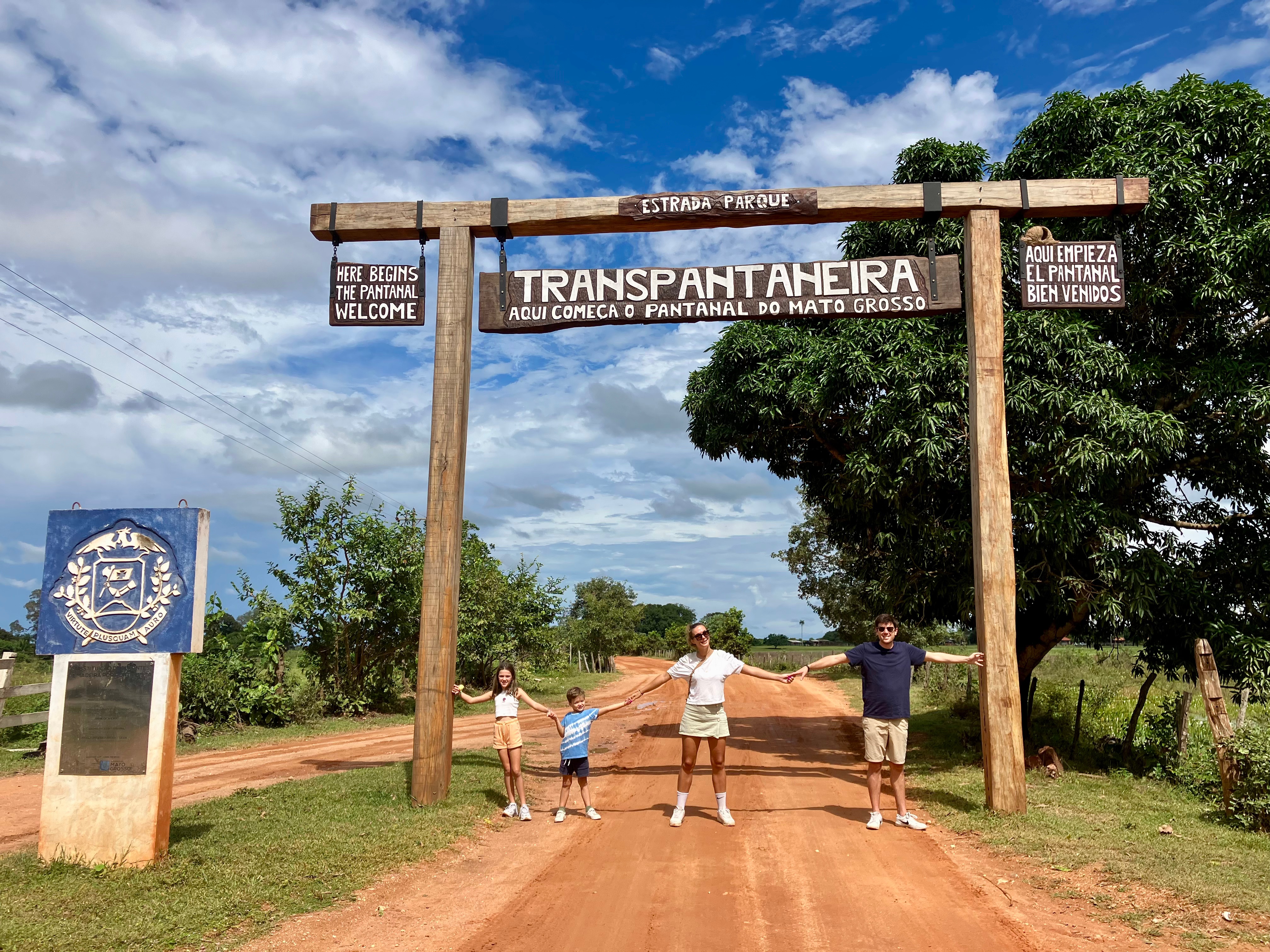
We head south, toward the Pantanal, for five days of full immersion. Two hours on the road, a few trucks passing by, small villages flashing past the window—and then, finally, the entrance to the legendary Transpantaneira appears.
A road like no other
Originally, the Transpantaneira was meant to link northern Mato Grosso with the city of Corumbá, on the Bolivian border. A 400-kilometer lifeline through the heart of the Pantanal.
On paper: an engineering marvel.
In reality: an abandoned project. Too many swamps, too much flooding, too many complications.
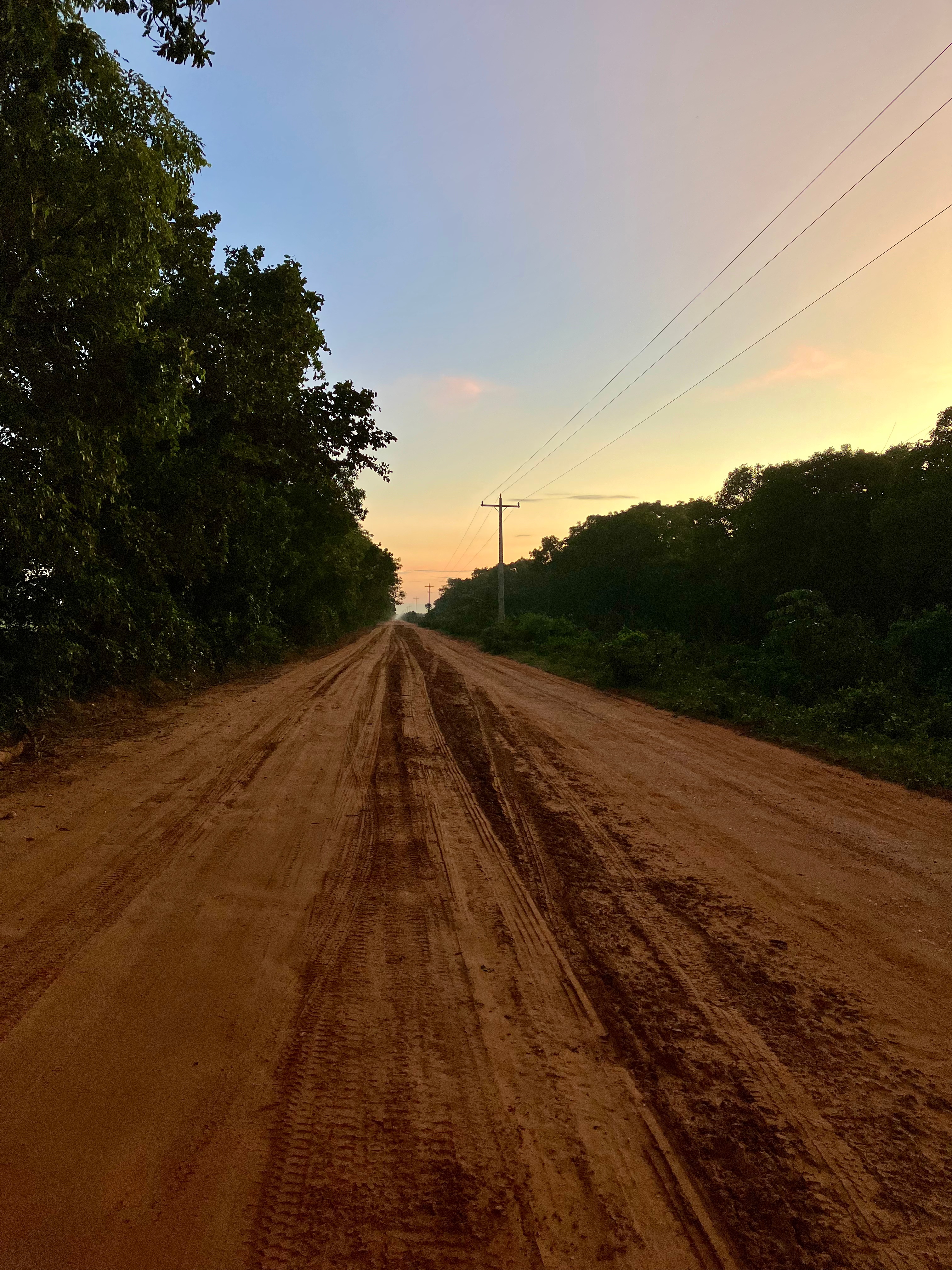
In the end, the road abruptly stops at Porto Jofre, after just 147 kilometers of elevated dirt track laid on makeshift stilts. Over 250 kilometers are missing for the Transpantaneira to reach its intended destination.
But here, the dream got swallowed up by the mud.
And maybe that’s a good thing—for nature at least: no trucks, no transit corridor, just creaky wooden bridges and wildlife left in peace.
As we drive, we quickly realize: out here, it’s not the destination that matters, but the journey.
The Transpantaneira is a road suspended between sky, earth, and—most of all—water.
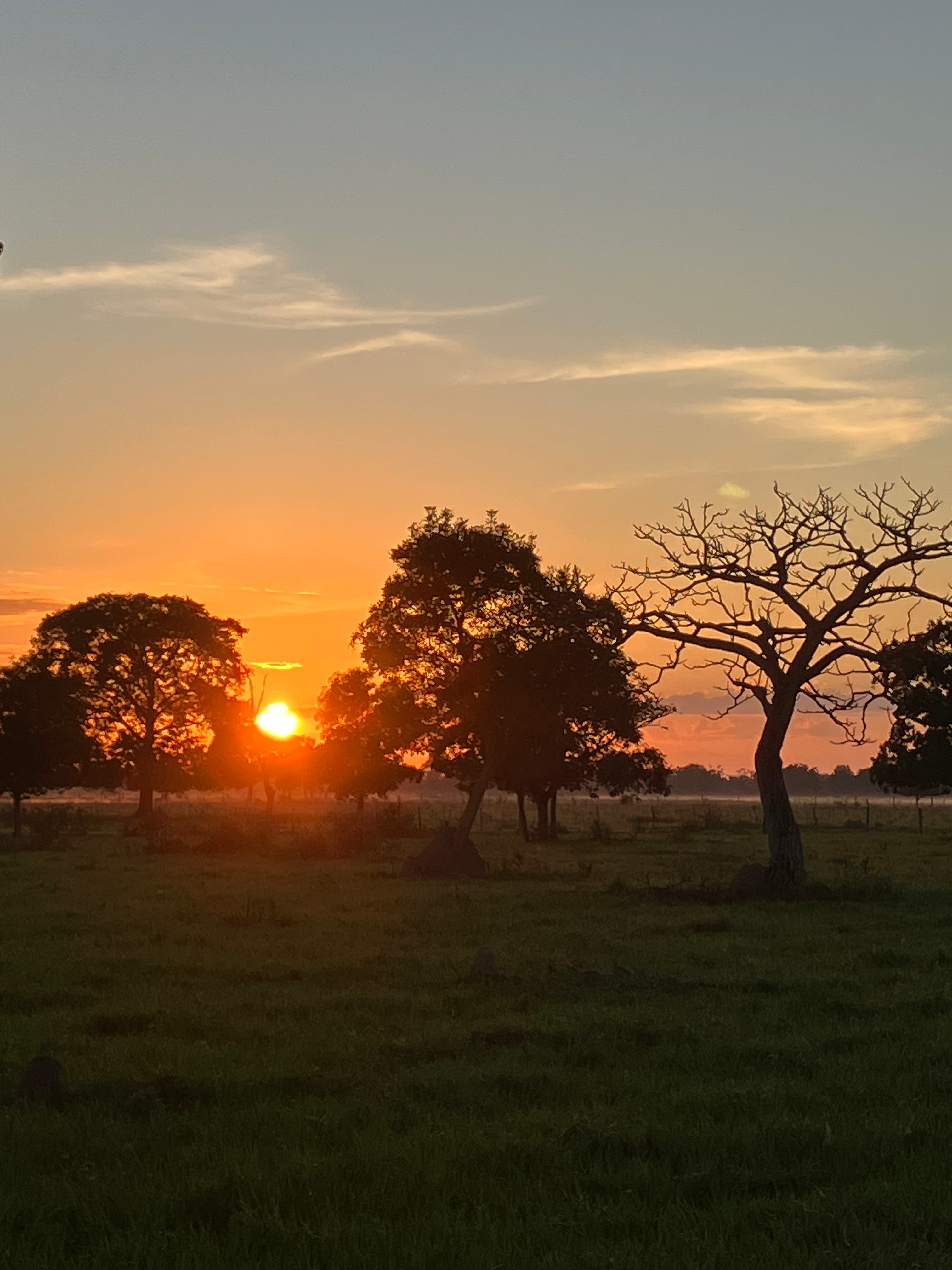
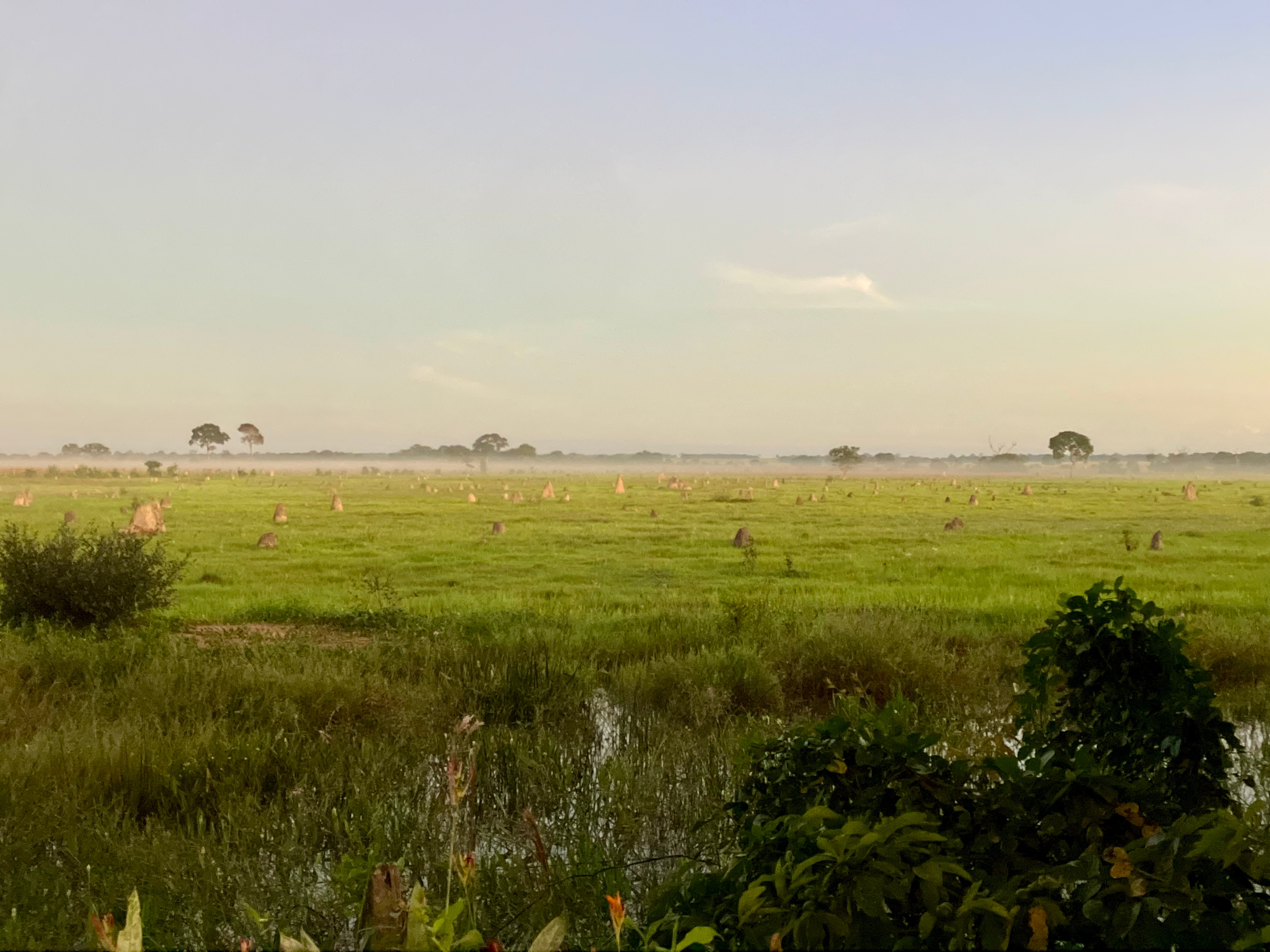
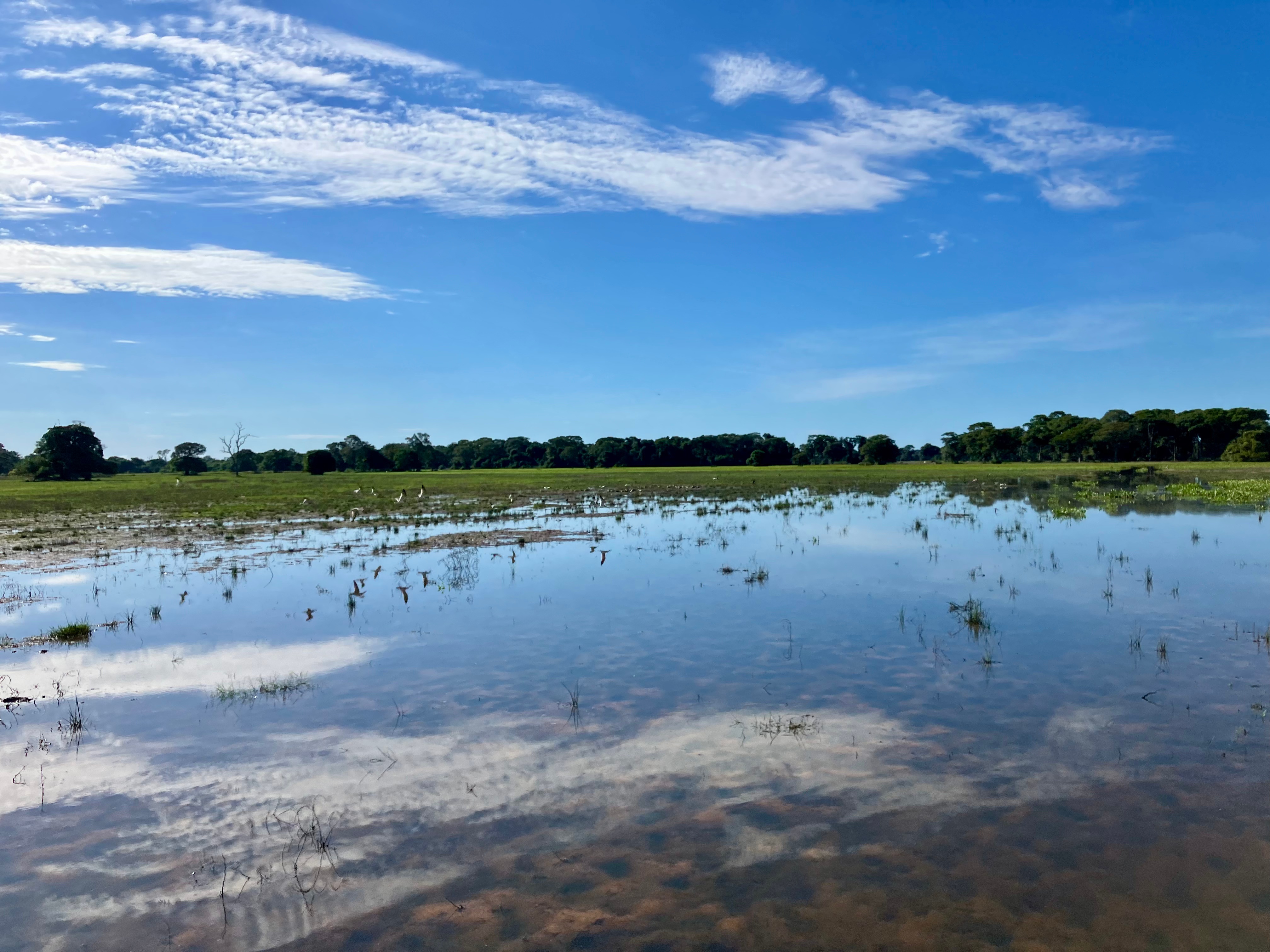
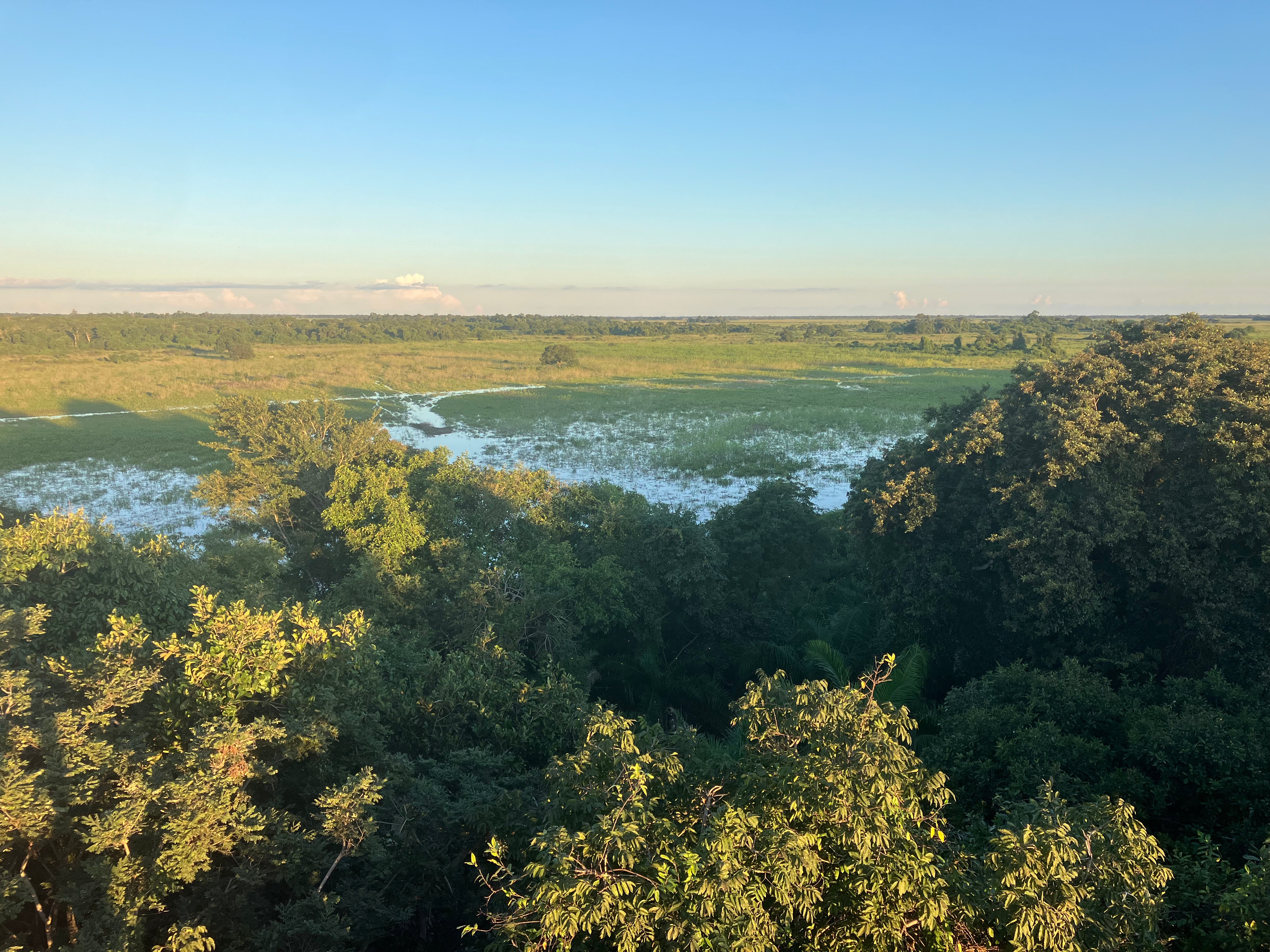
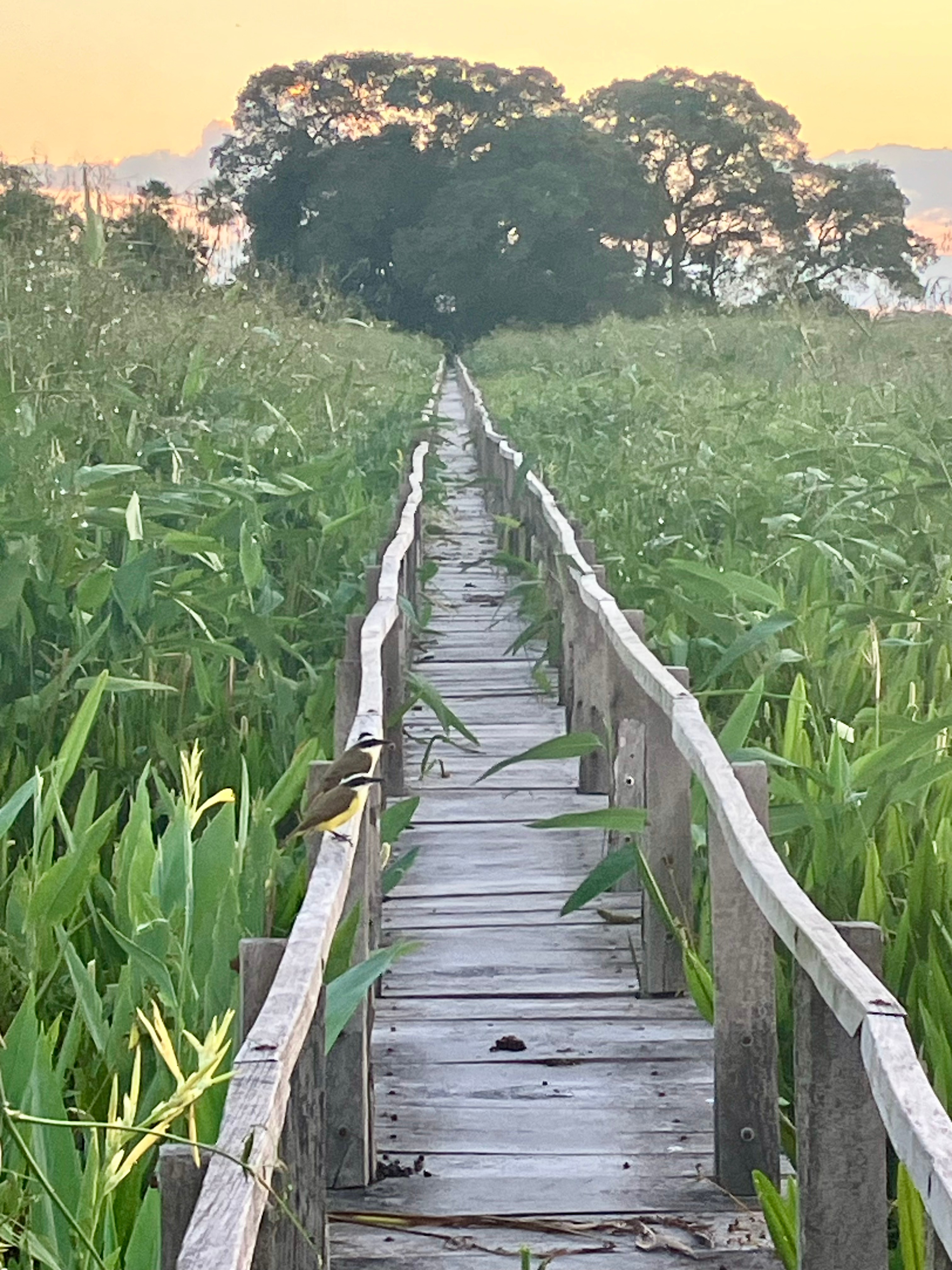
This time of year, the rains have just eased—and this year, they were especially generous. Everything is flooded. Left, right, as far as the eye can see: vast plains submerged in water.
Day 2 – Rough wake-up, elusive wildlife
Wake-up call at 5:30 a.m. Let’s just say… it stings a little.
We climb into the jeep hoping to spot a still-groggy jaguar, a distracted deer, or maybe an insomniac armadillo.
But two hours later, we’re back at camp—empty-handed.
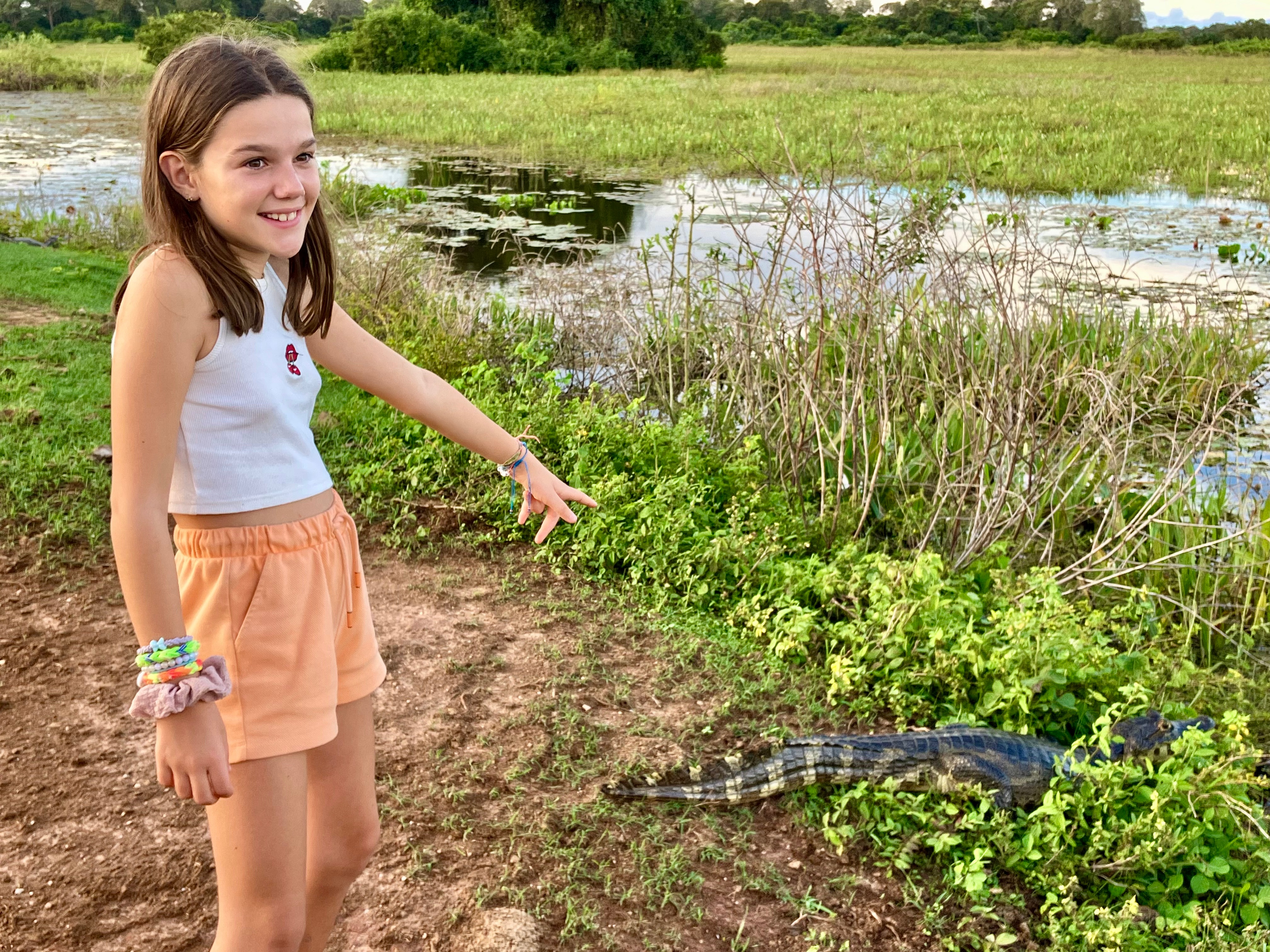
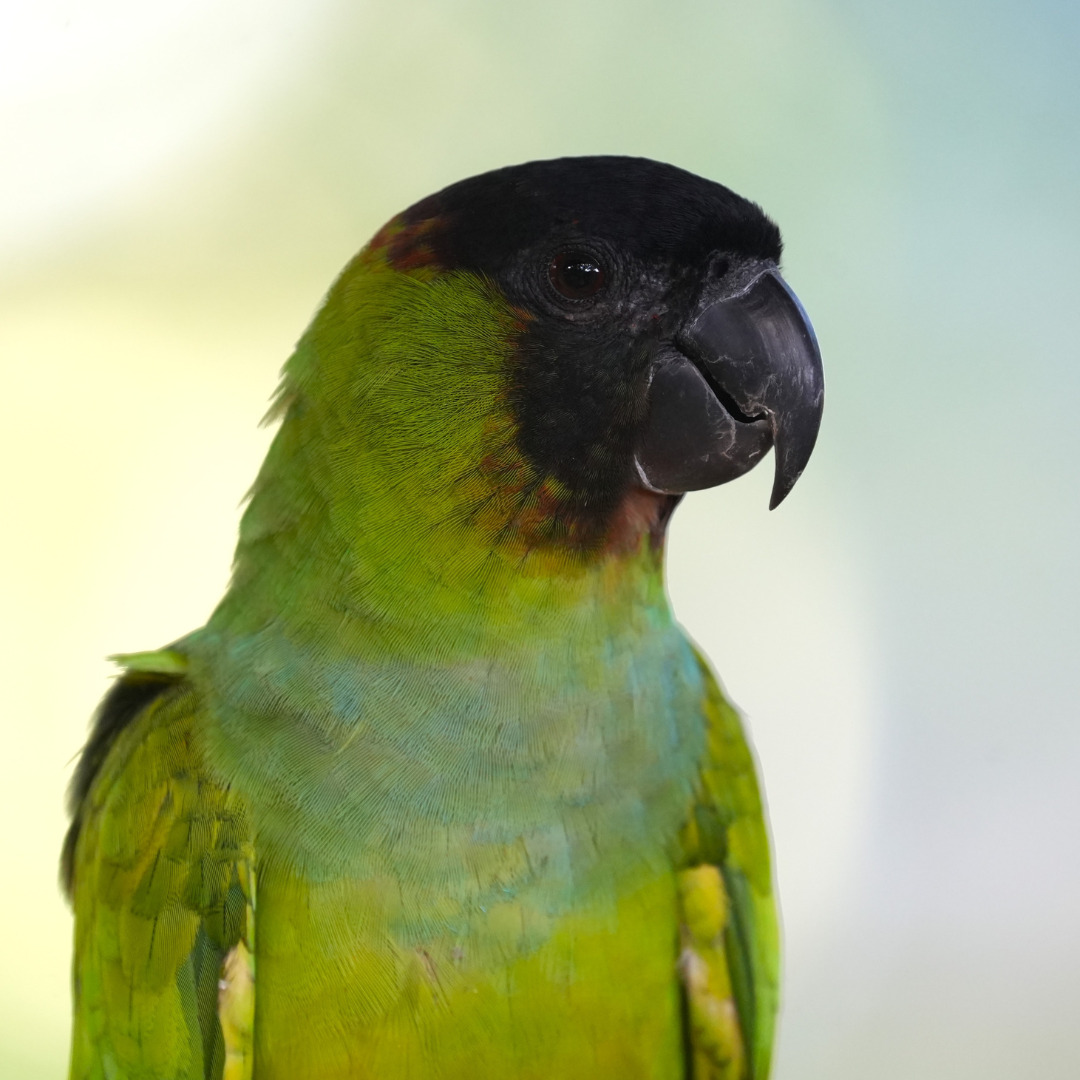
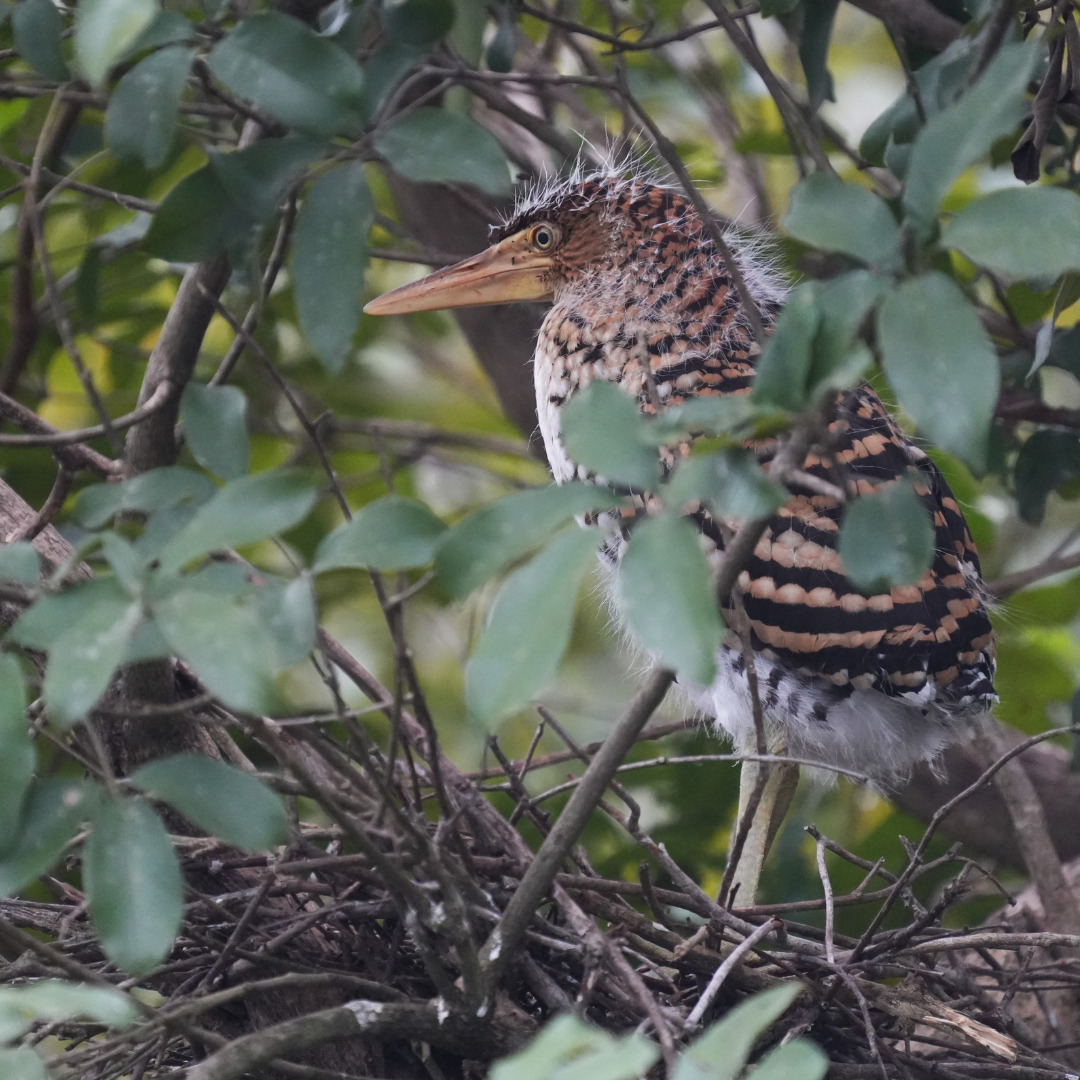
For the second time—after an equally underwhelming late afternoon outing yesterday—we’ve only seen birds. Beautiful ones, sure.
But mammals? Nada. Radio silence. A ghost jungle.
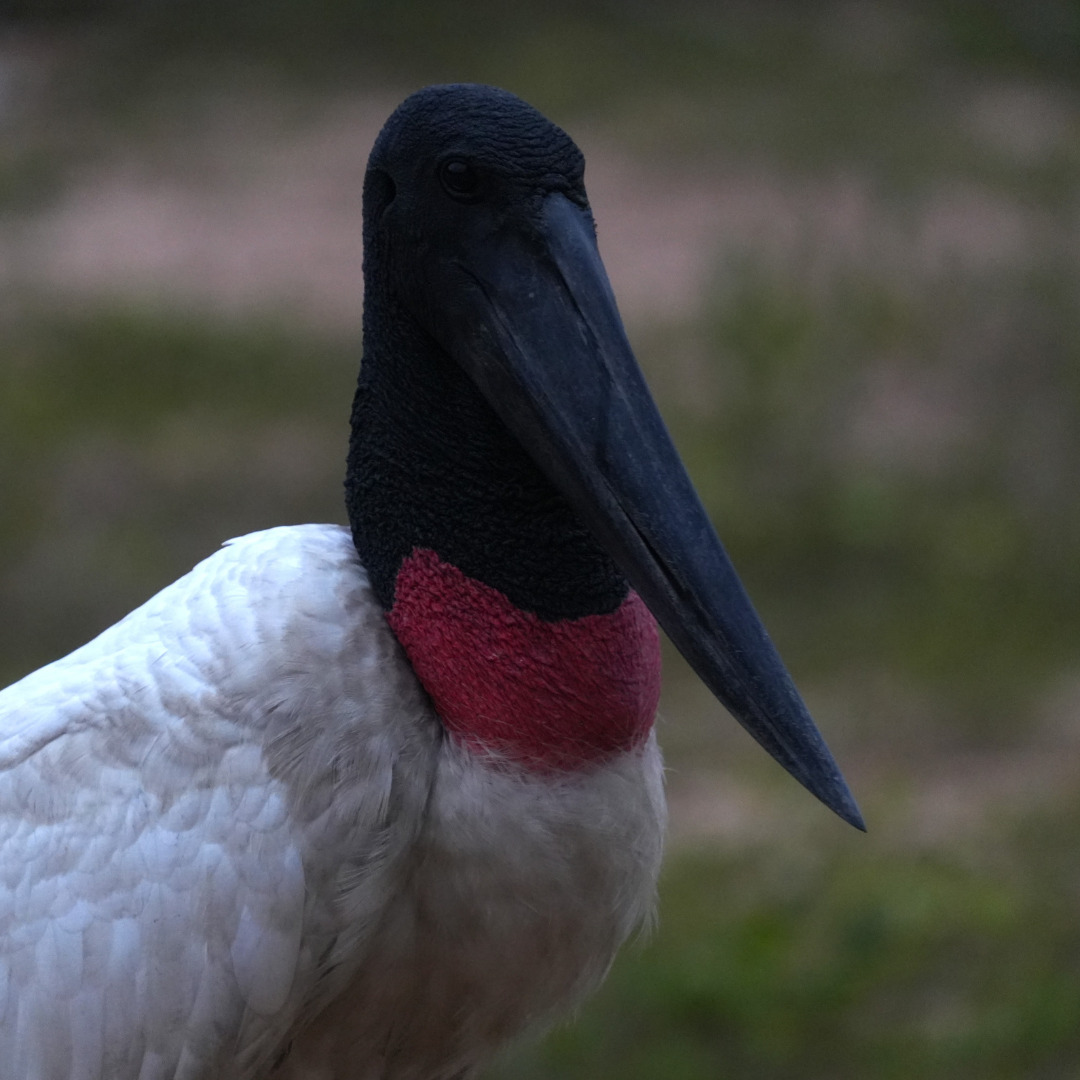
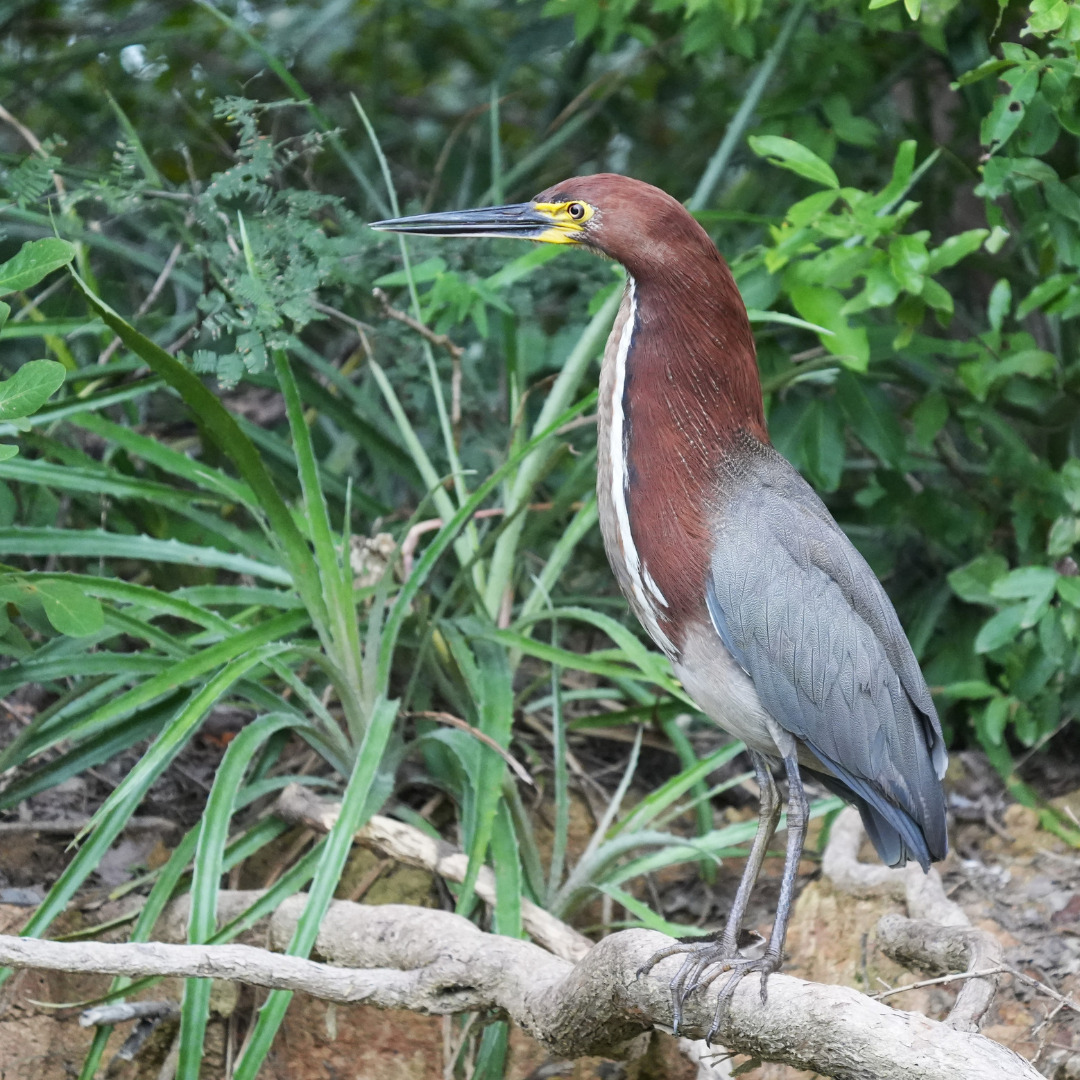
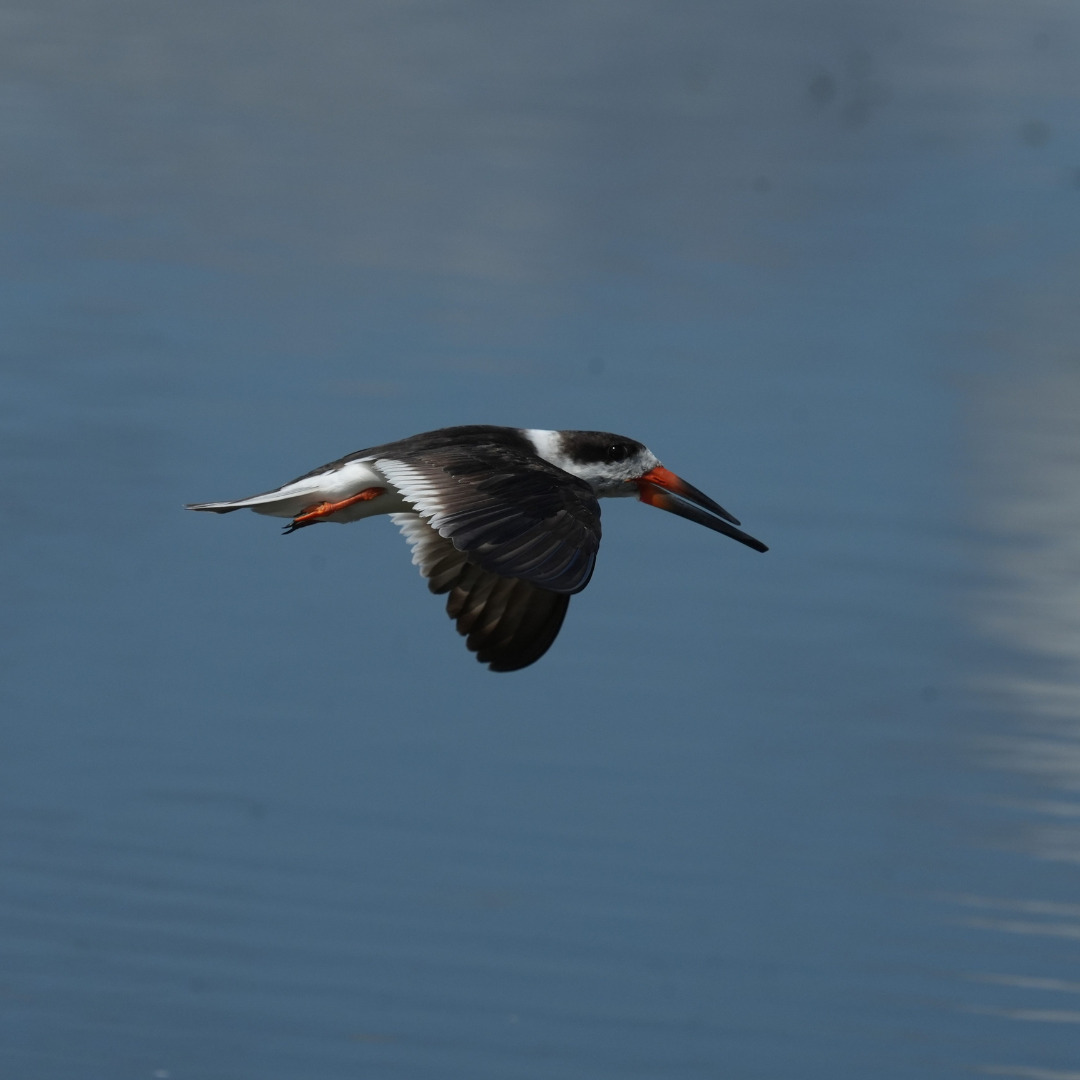
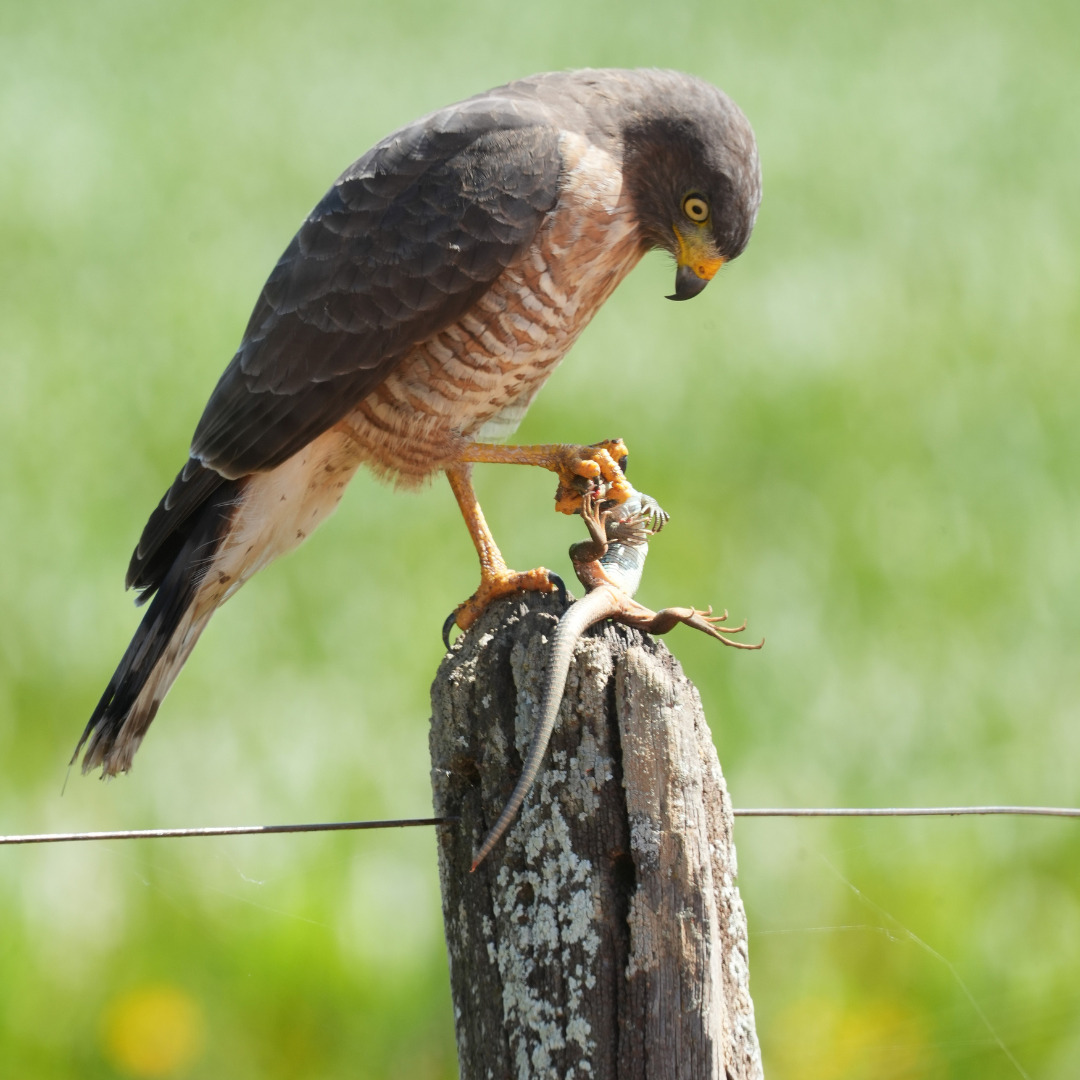
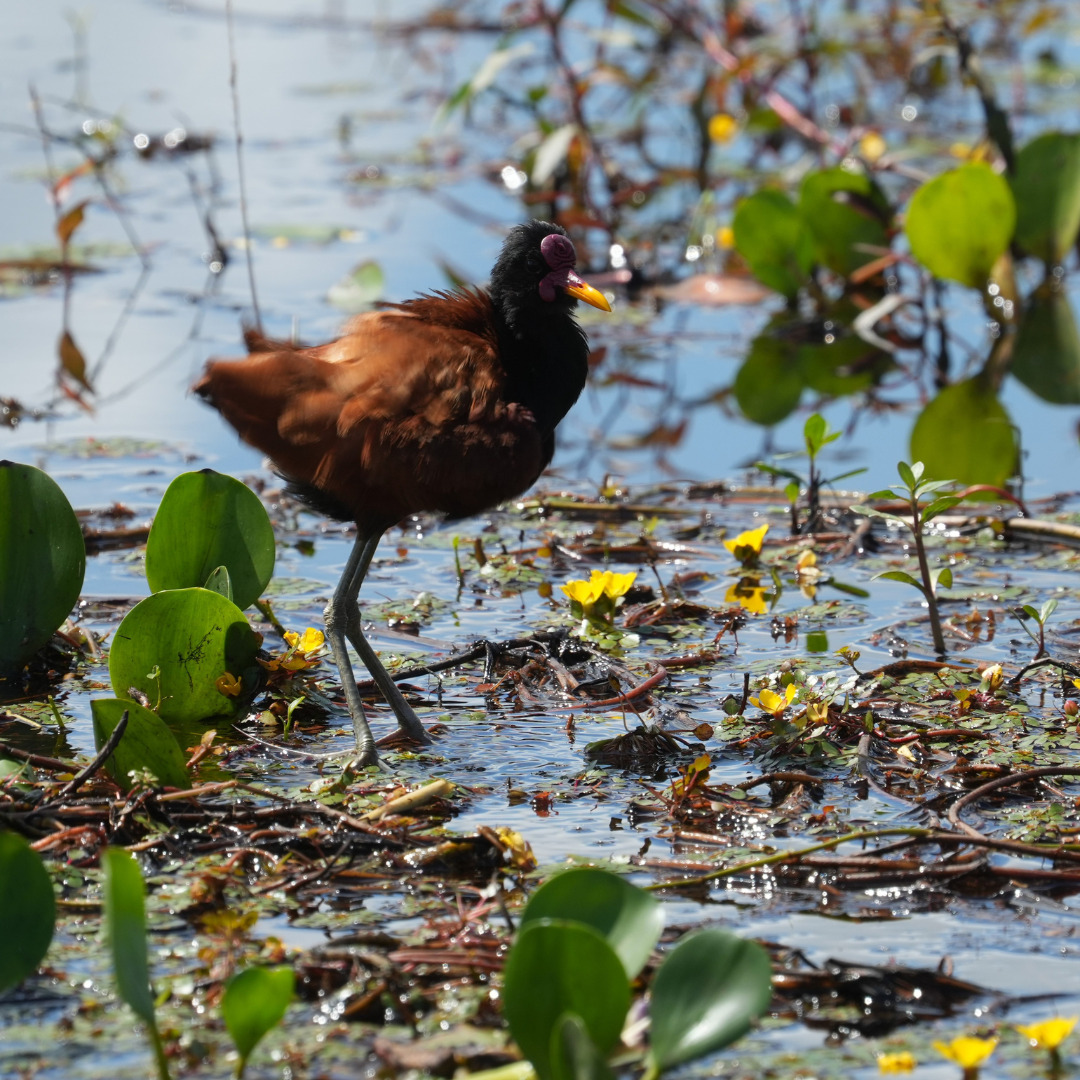
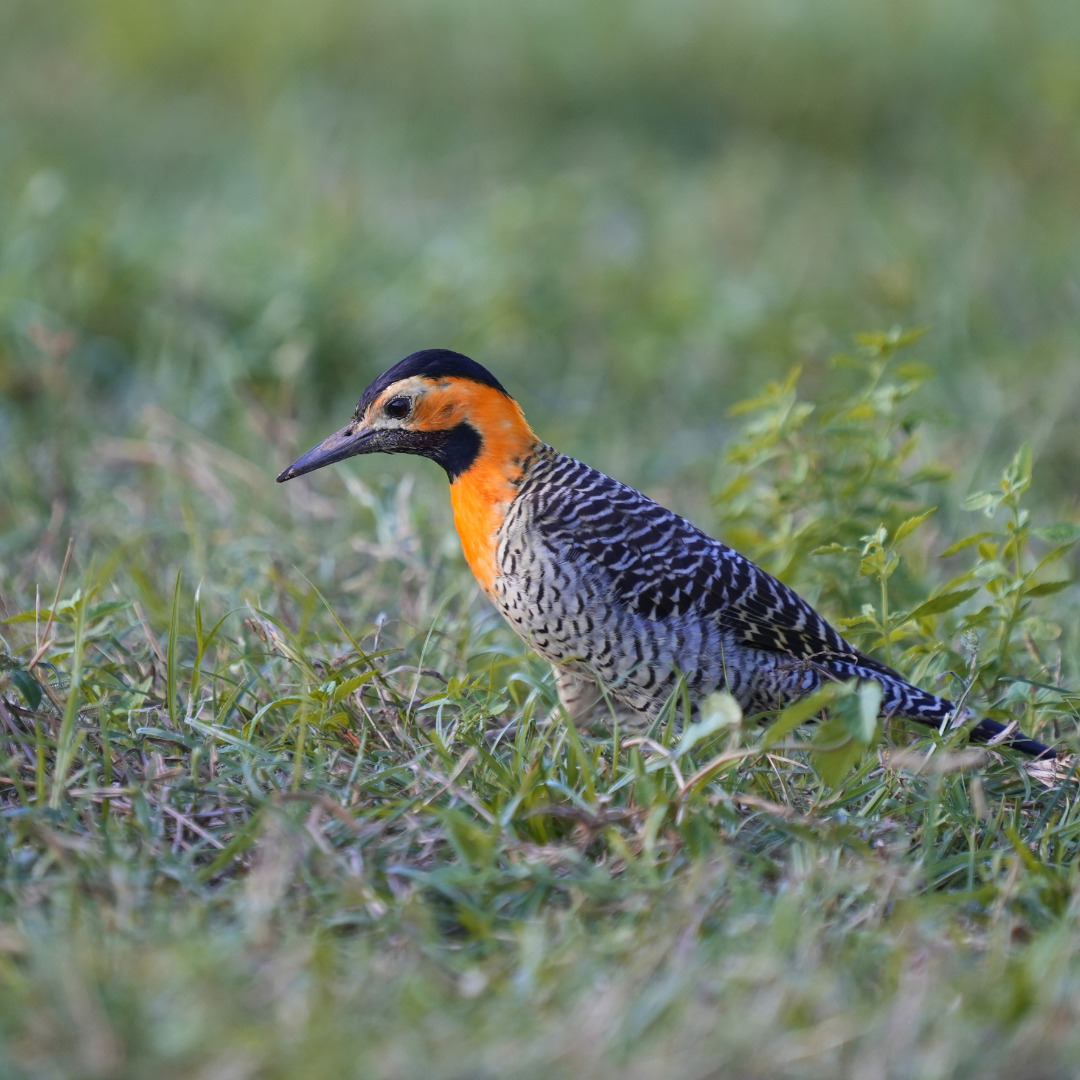
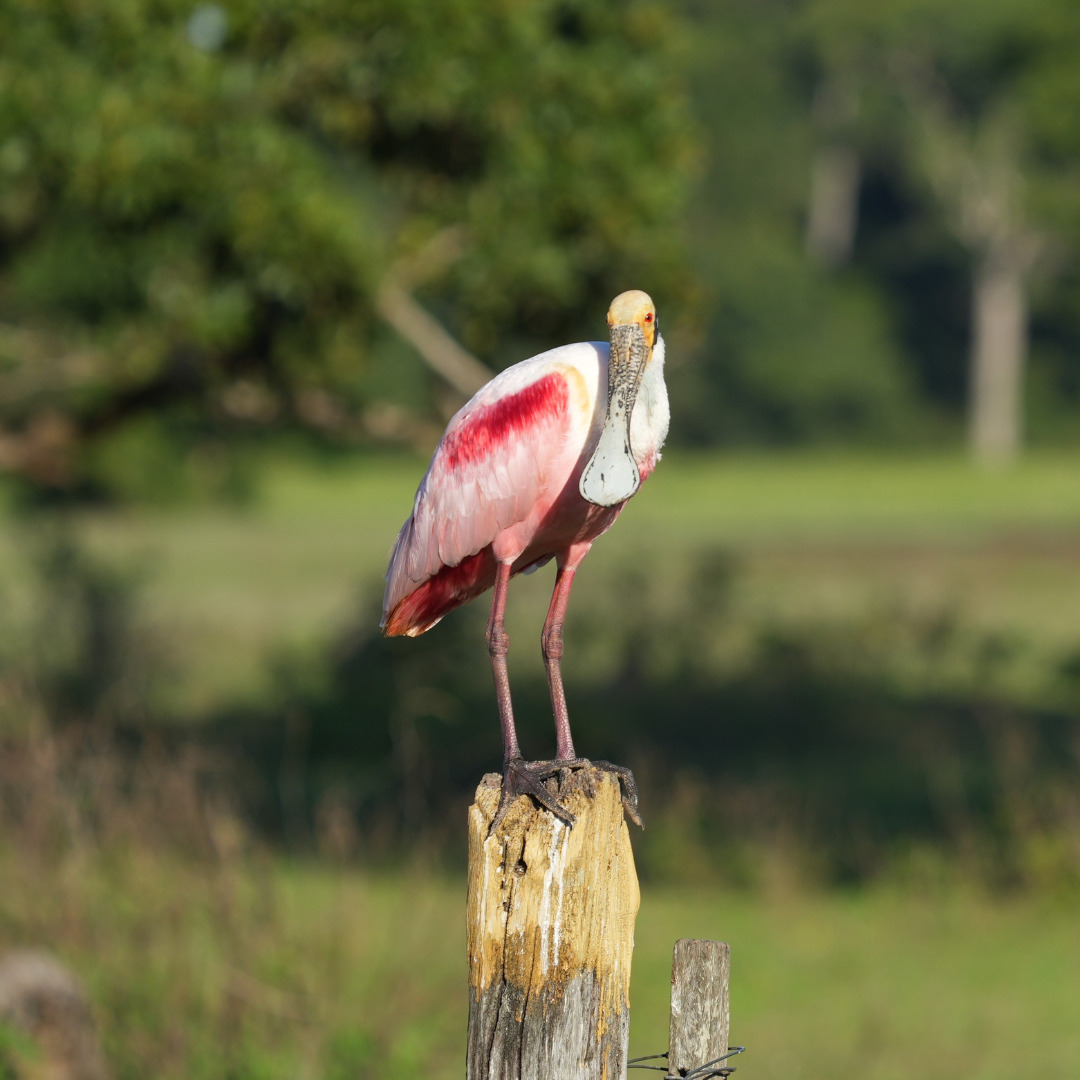
And there’s a reason for it. With so much water everywhere, animals no longer need to move around to drink—they just lower their heads.
As for us, we’re stuck to the main roads: going off-track is literally impossible… unless you’ve brought a submarine.
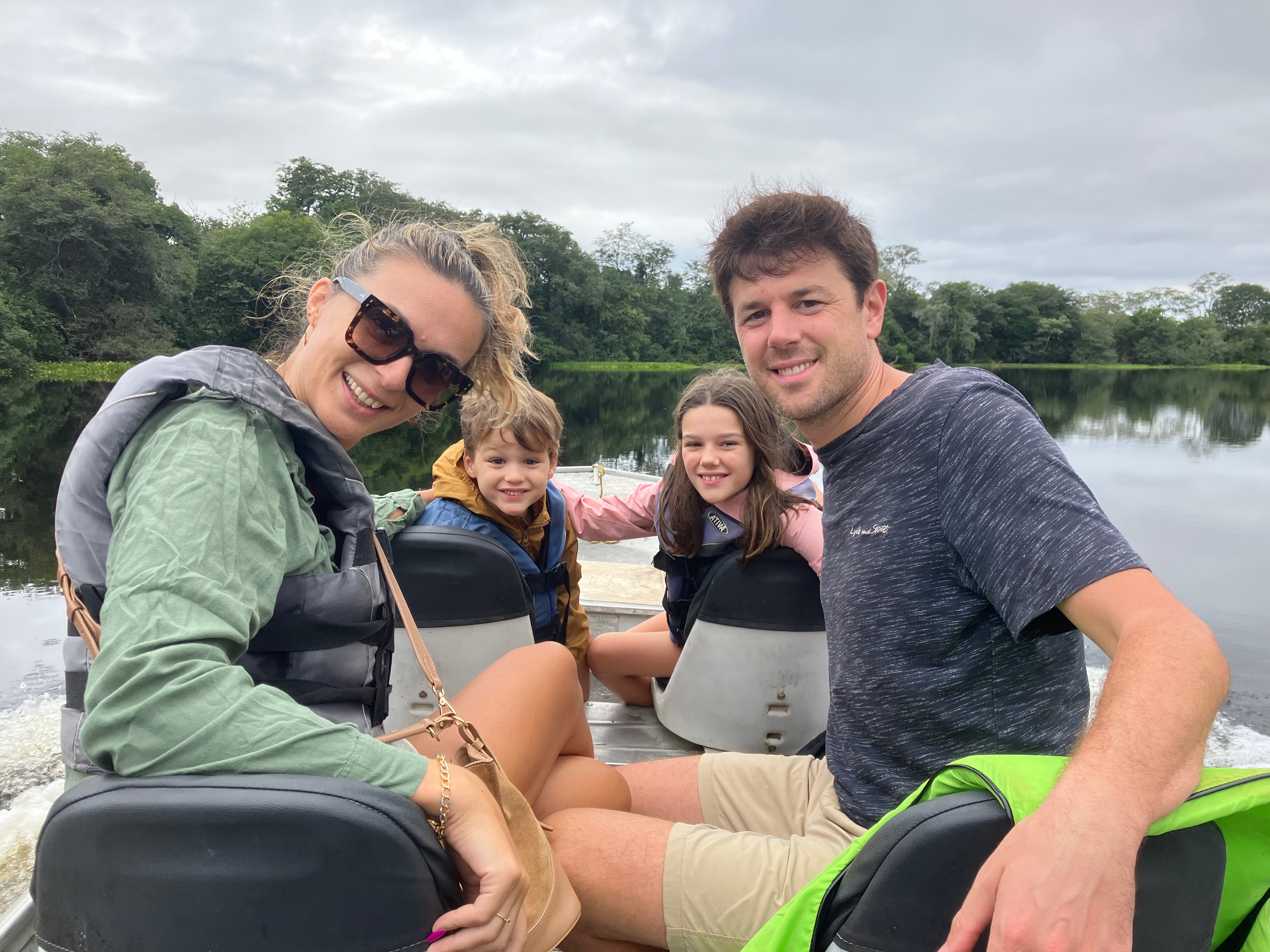
In the afternoon, we switch tactics: a boat ride through the canals.
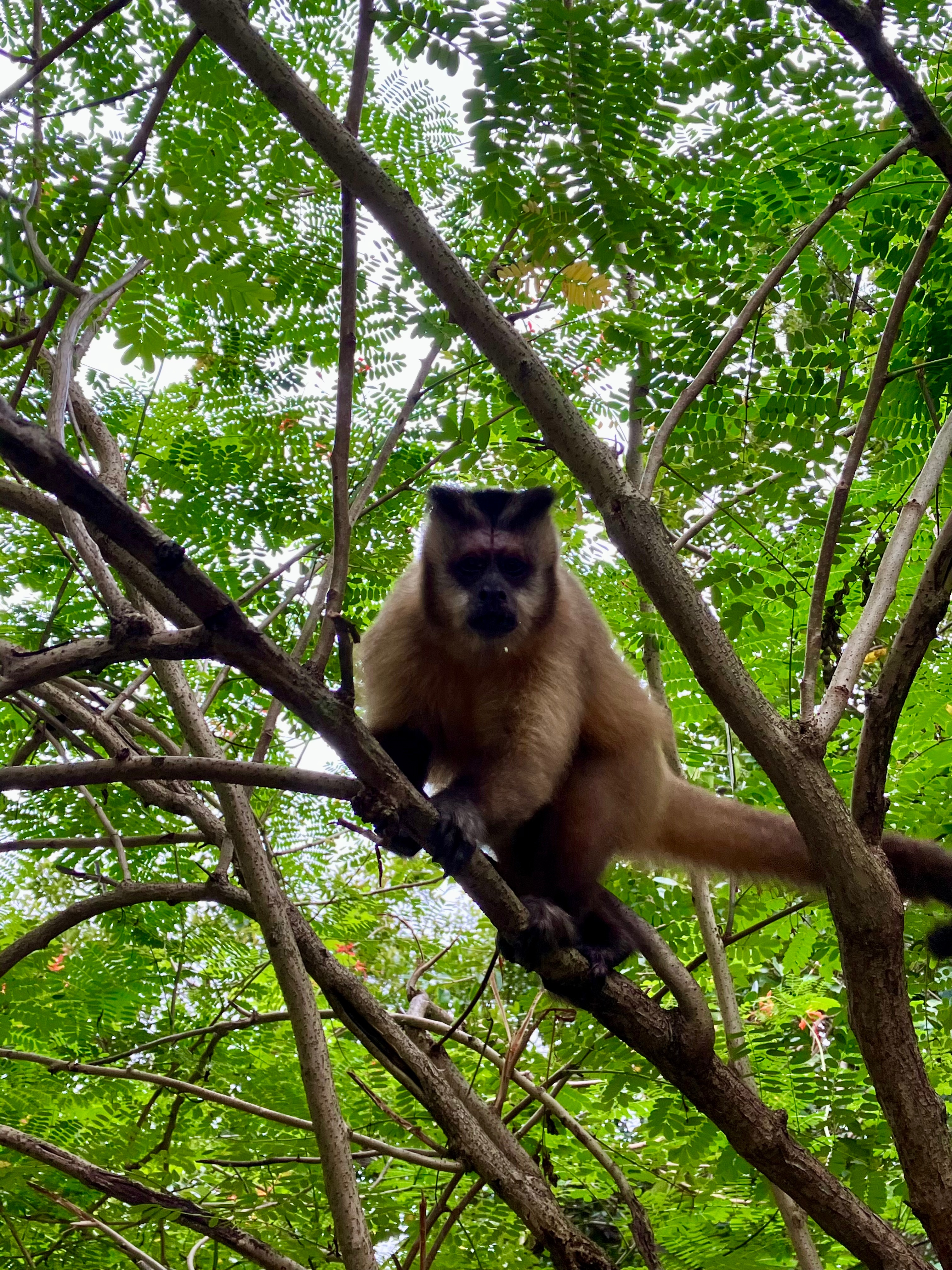
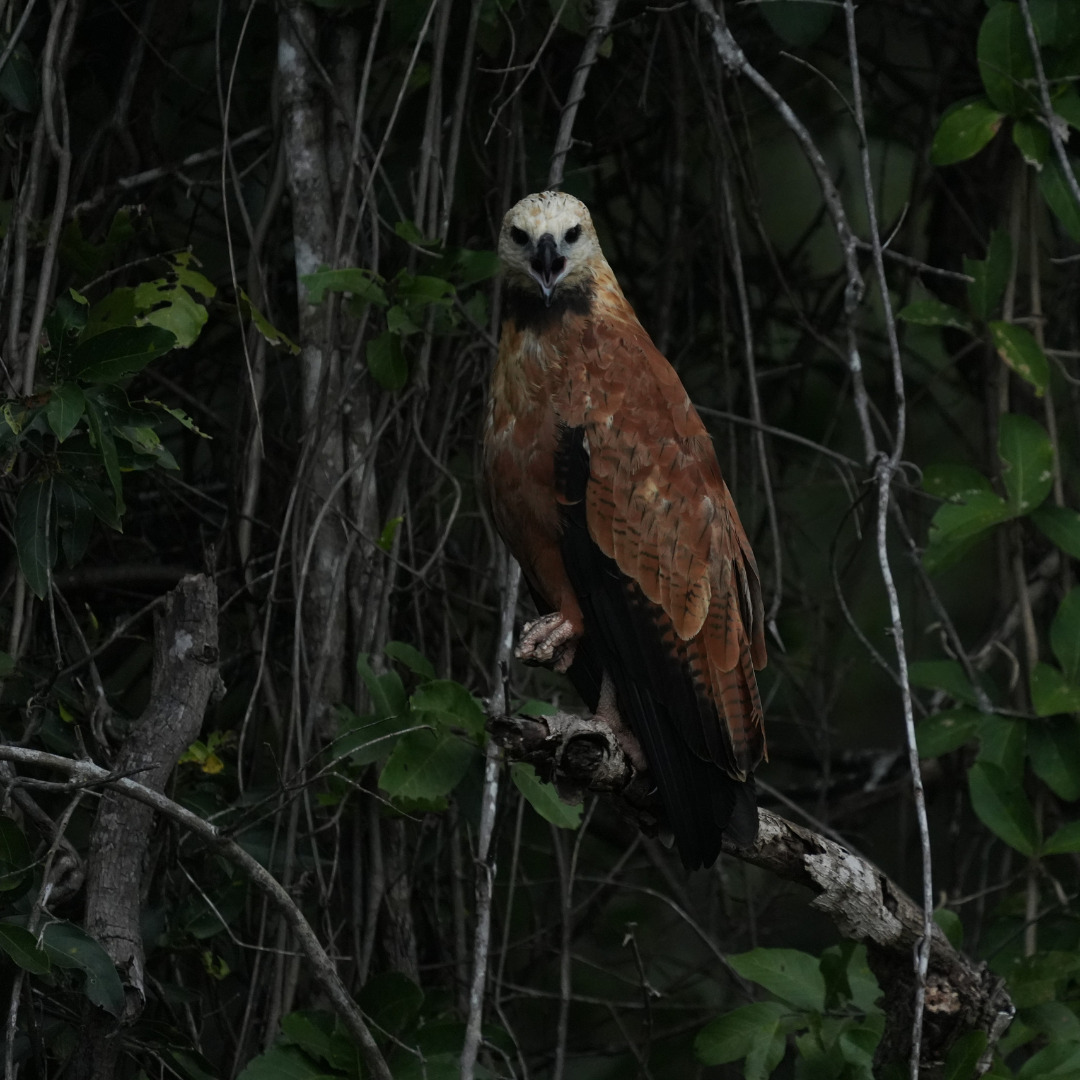
We spot a few monkeys, and a hawk catching a fish mid-air (full-on National Geographic moment), but still no sign of a giant river otter.
And that’s a shame.
Because those mustached giants live only here, in these Brazilian waters.
Nearly two meters long, looking like an oversized plush toy with the attitude of a predator—they’re the undisputed queens of the rivers.
But today, they’re giving us the cold shoulder.
But at this time of year, they have other things to do: building their nests. Two or three, just to have options—each nest with multiple entrances and exits, a real river architect’s strategy.
The result: they’re discreet. Very discreet. Too discreet.
Day 3: Capybaras on the loose, mosquitoes lying in wait
Wake-up at 5 a.m., heading to the river for a boat ride.
Animal-wise, it’s not exactly wild, but no matter—I love these mornings that follow nature’s rhythm.
And on the water, it might be even more magical.
The sun slowly rises, birds leave their nests, monkeys start stirring in the trees…
The silence of night gives way to the soft, steady rustle of the day beginning.
After breakfast, we leave our fazenda (farm) to reach our third stop, where we’ll spend two nights.
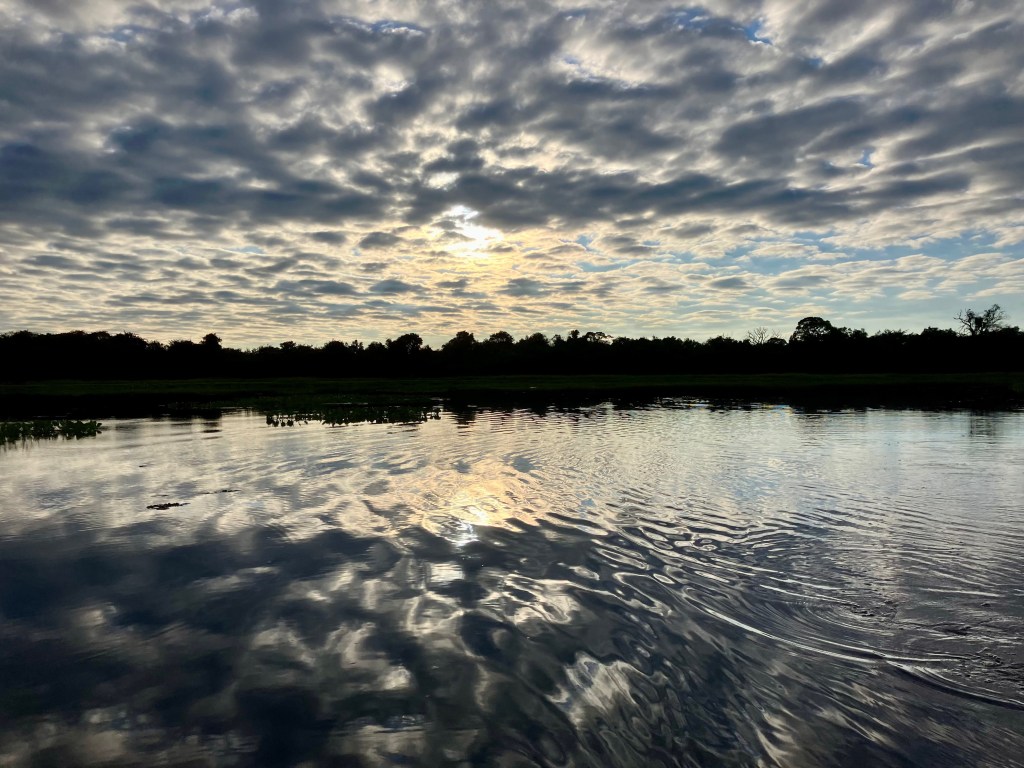
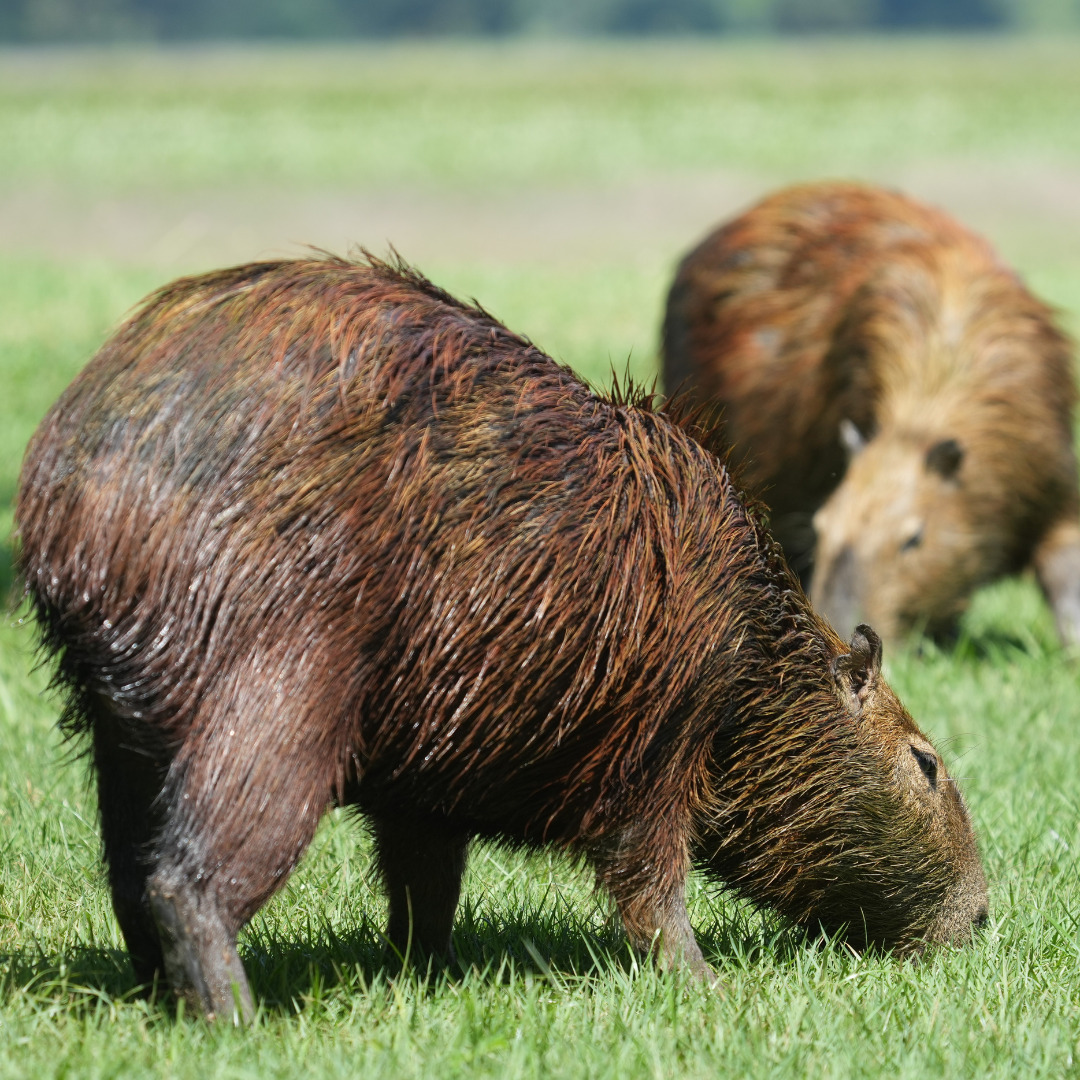
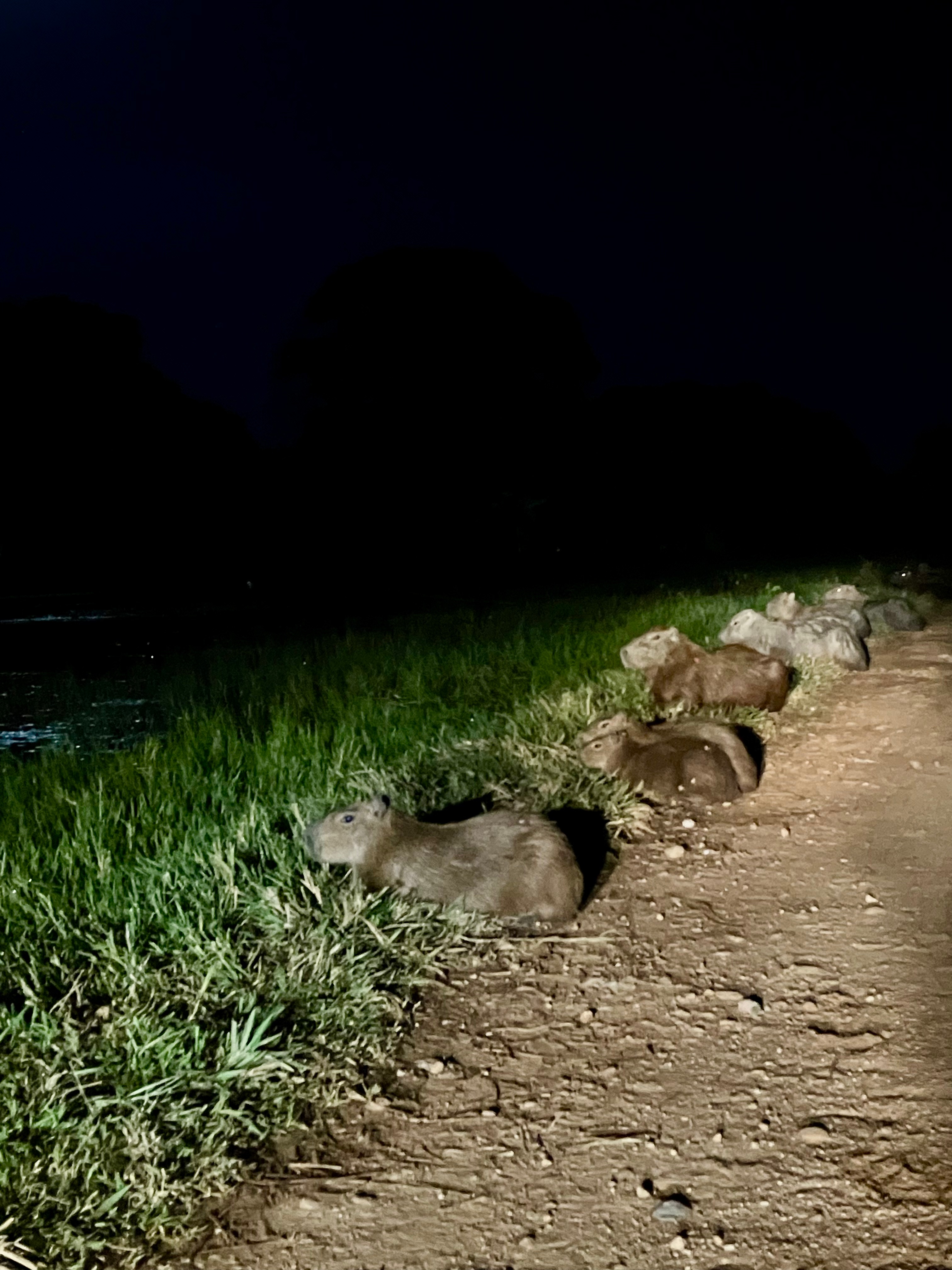
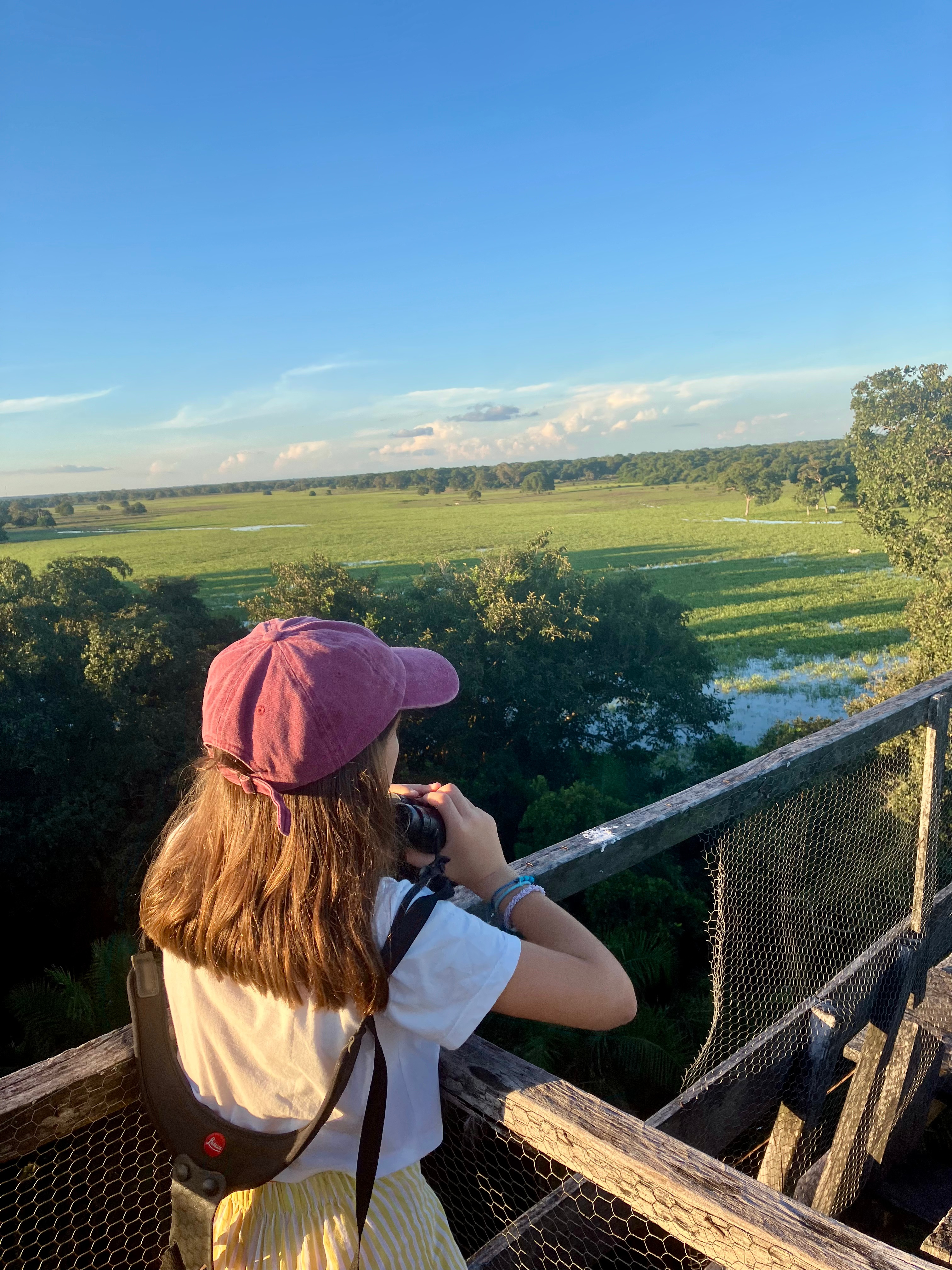
The place is fabulous: an open view over a vast flooded plain, hundreds of birds, and capybaras strolling peacefully, like scenes straight out of a wildlife documentary.
In the afternoon, we set out for a beautiful walk. The heat is intense, the mosquitoes are relentless, but the kids hold on.
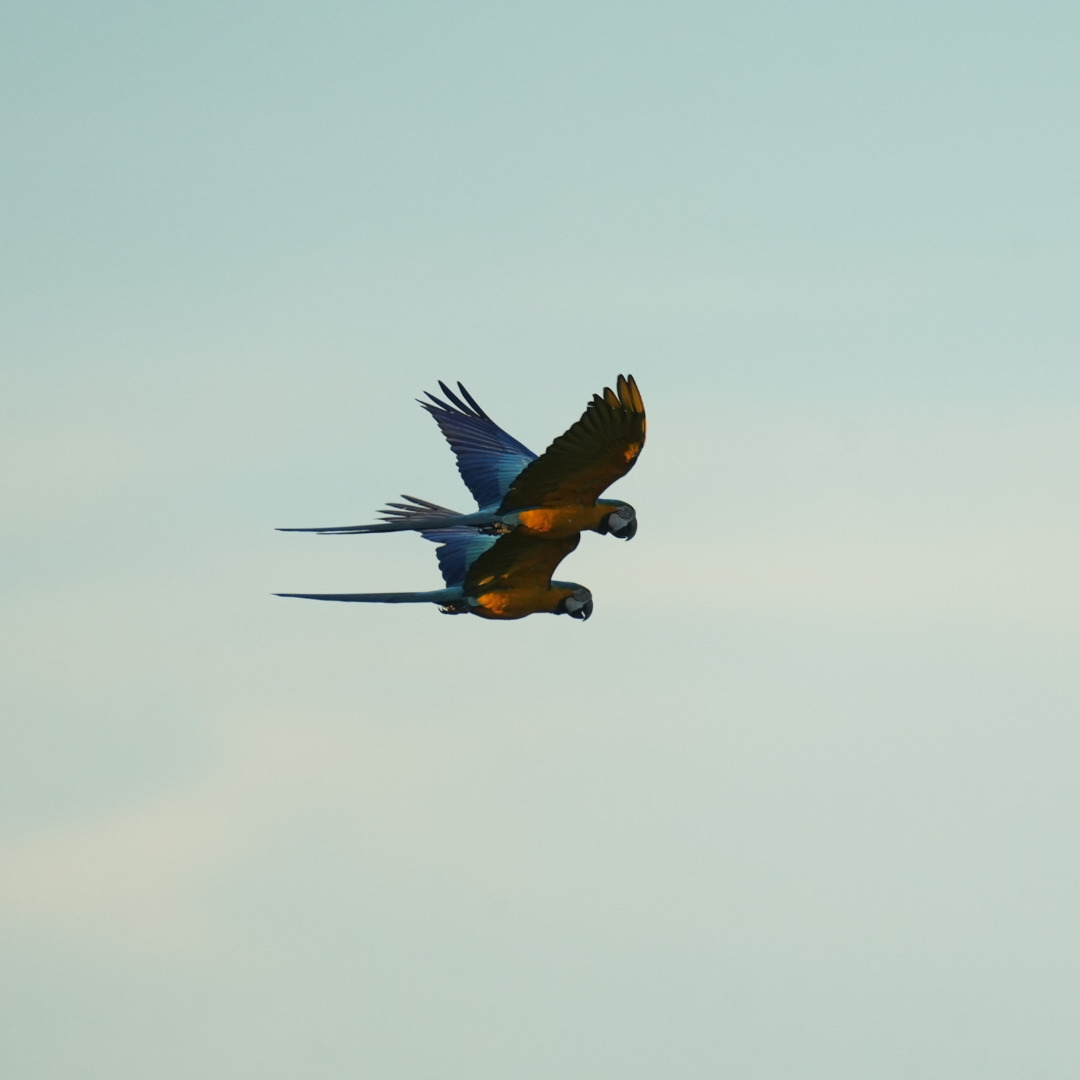
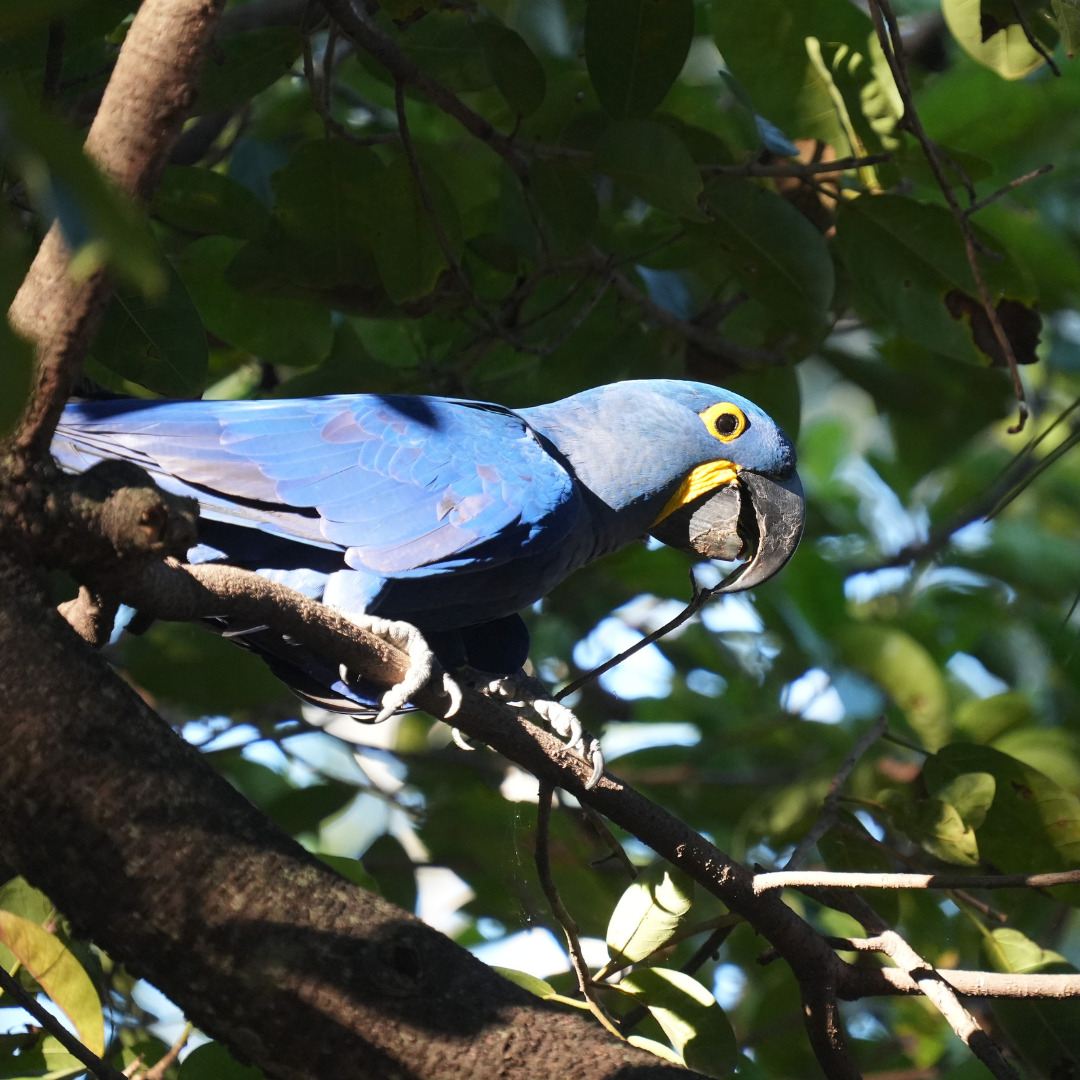
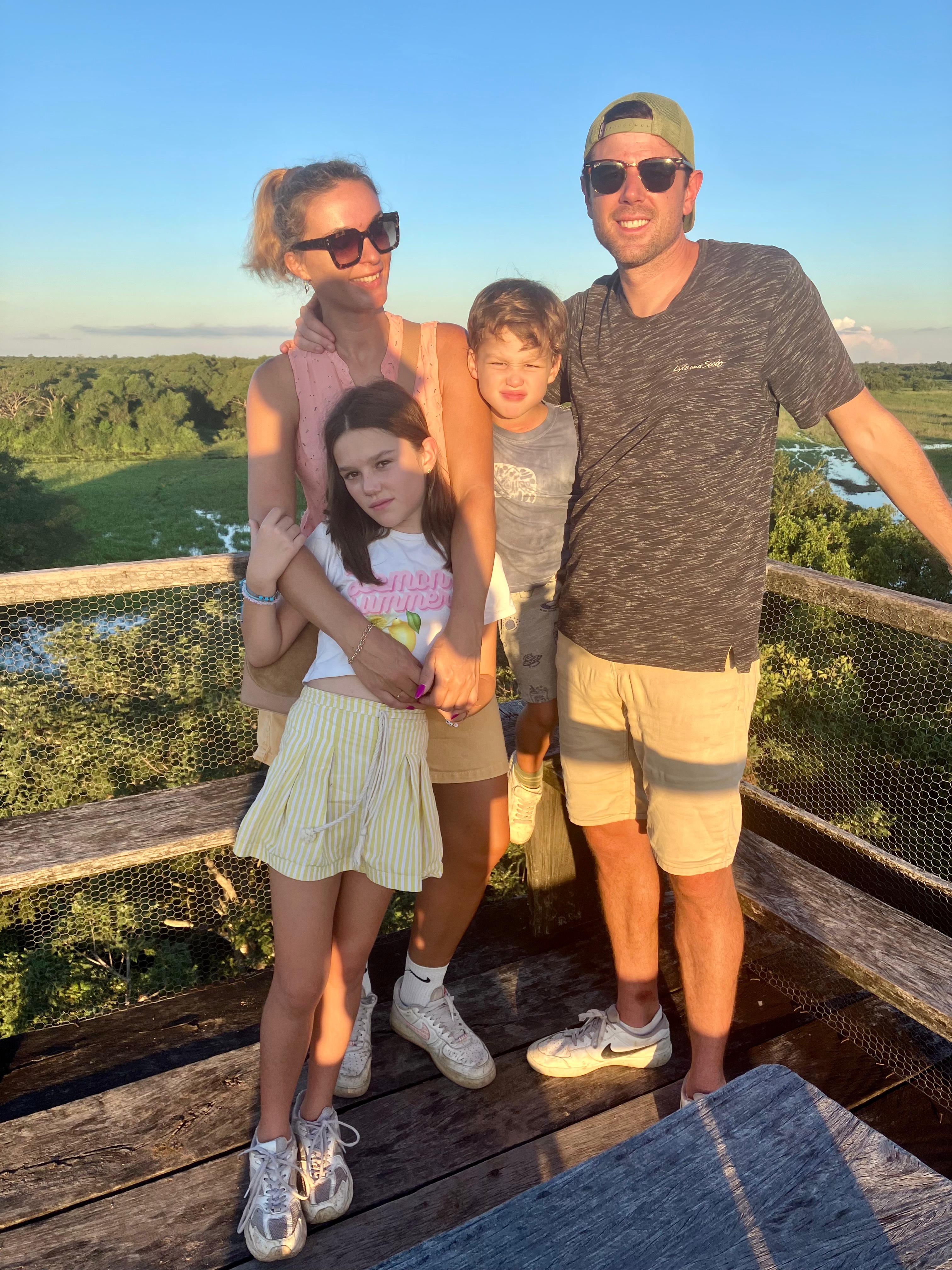
Climbing to the top of a lookout tower, we finally spot what we came for: hyacinth macaws. Majestic, brilliantly blue, these parrots soar over the plain like flying jewels. Some measure nearly a meter long — an unforgettable sight.
And you know what surprised me most? Their loyalty. The hyacinth macaw is a hopeless romantic: it chooses only one partner for life.
Yoann, our guide, told me about a male who, after losing his mate, literally wasted away. He stopped eating, stayed still for days… and after a month, he died of heartbreak.
Day 4: The day of the giant anteater
A new start at 5 a.m.
I’d like to say I’m used to it… but that would be a lie.
I sneak out of the room, trying not to wake the kids or Suzanne, still wrapped up in the warmth of their blankets.
Today’s special mission: find a tamandua, that giant, prehistoric-looking anteater.
For two hours, we explore the trails on foot, passing termite mound after termite mound, hoping for a sighting.
But nothing. Not a shape, not a movement.
The heat starts to climb, the air grows heavier, and we have to head back for a horseback ride.
So we turn around, a bit frustrated.
We’re less than five minutes from the lodge when Yoann, our guide, says to me:
— “Wait… look over there, in the distance.”
We approach quietly on foot. And there it is.
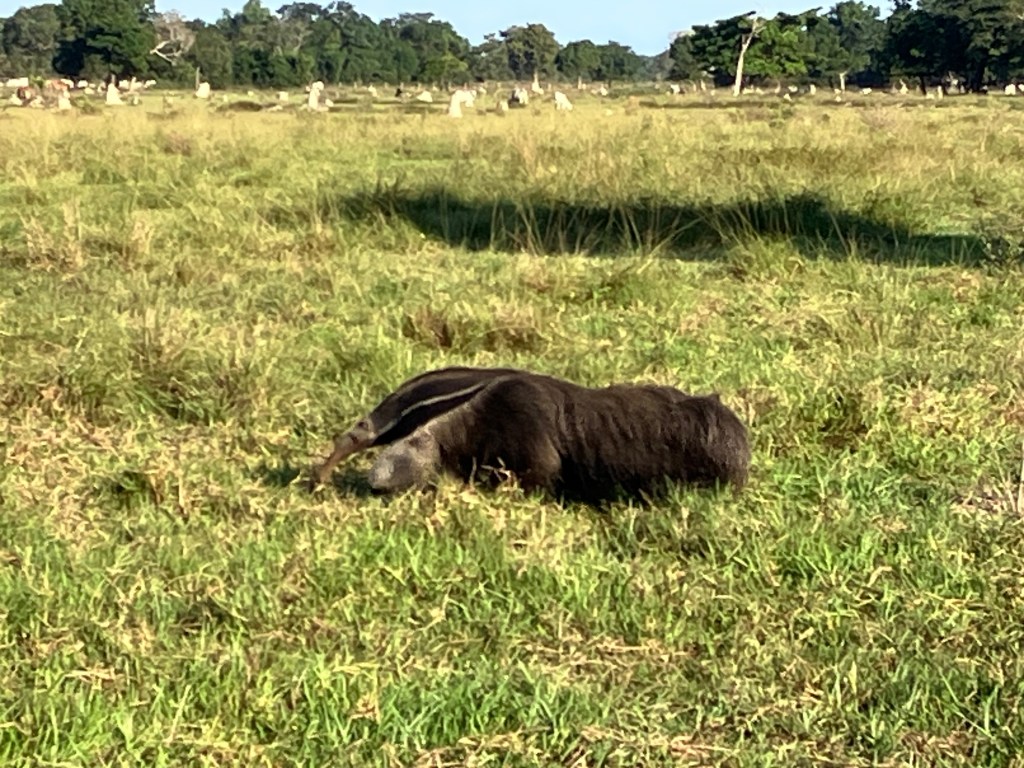
Majestic. A somewhat nonchalant air, but not at all shy.
Still, you have to be careful: those claws are like a bear’s—not ideal for hugs.
We stay there, watching him for over 30 minutes, mesmerized.
He calmly rummages around, searching for termites, digging into one mound, then another.
He’s so at ease that he walks past us at just five meters, without even glancing our way, before disappearing into the forest to sleep.
This animal is unique. Almost unreal. It feels like he’s from another world.
I’m over the moon!
The rest of the day is magical, alternating between a leisurely horseback ride and expeditions by 4×4 and on foot in search of animals.
A perfect pace: enough action to spark curiosity, enough calm to savor the moment.
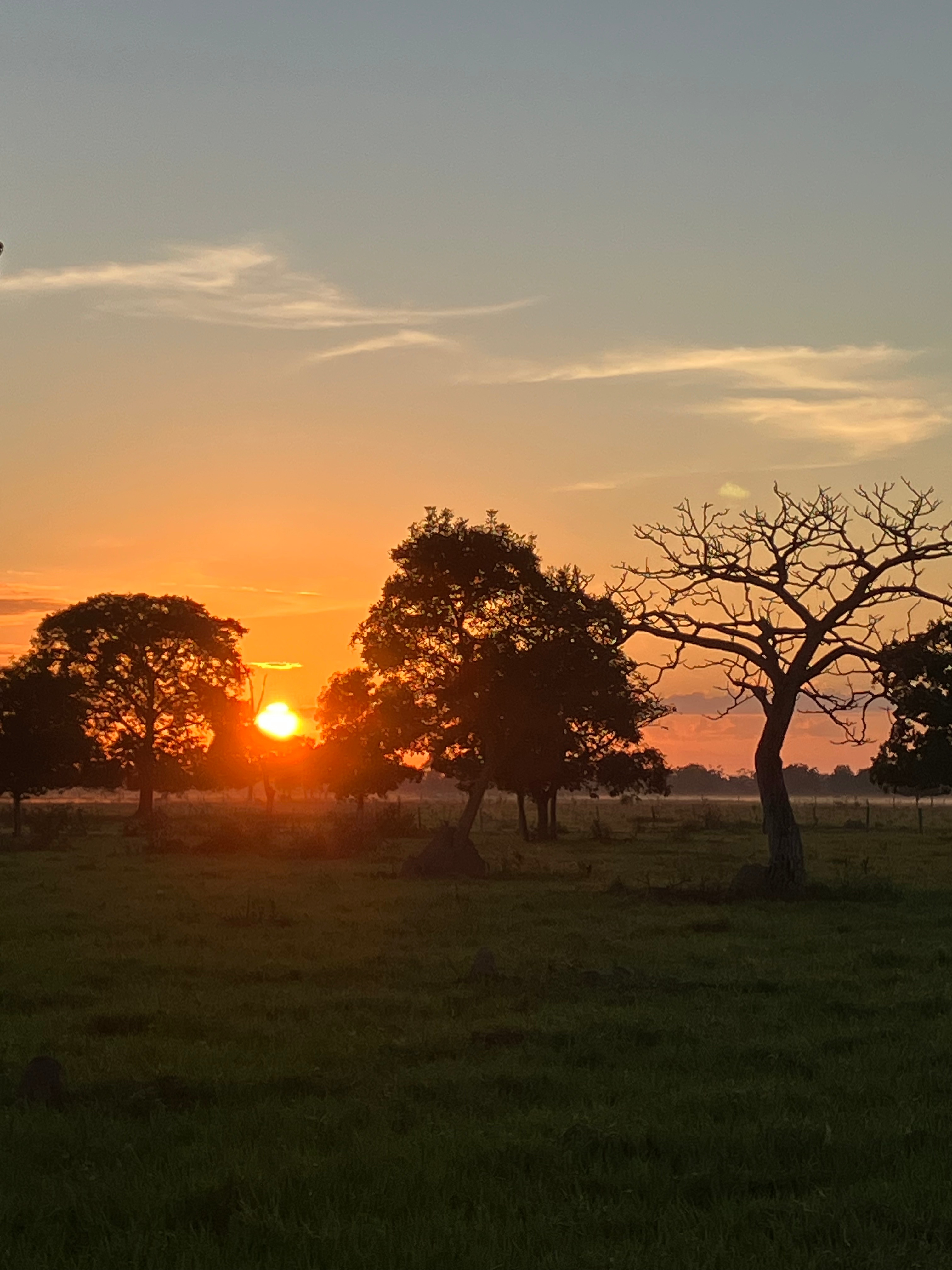
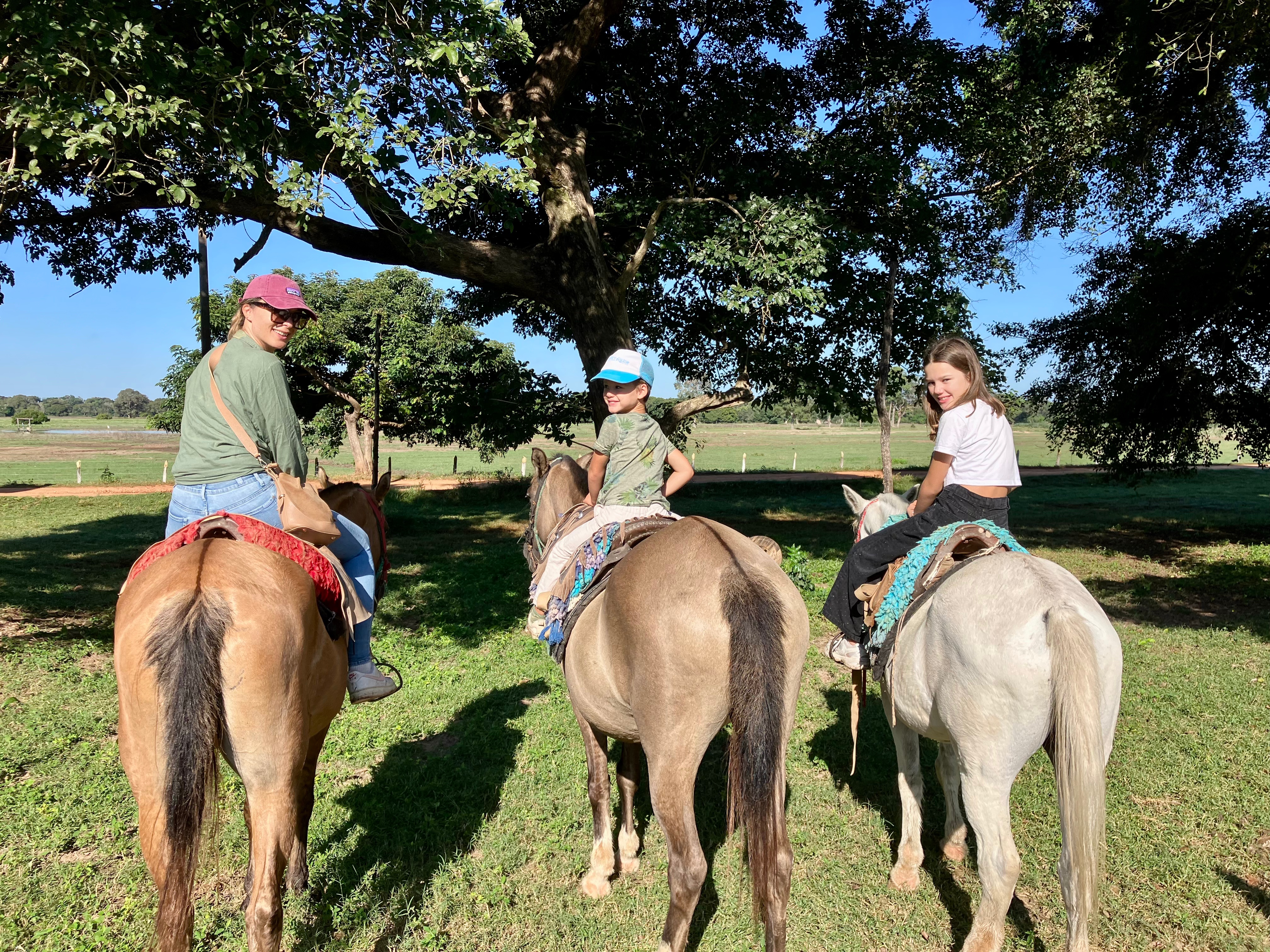
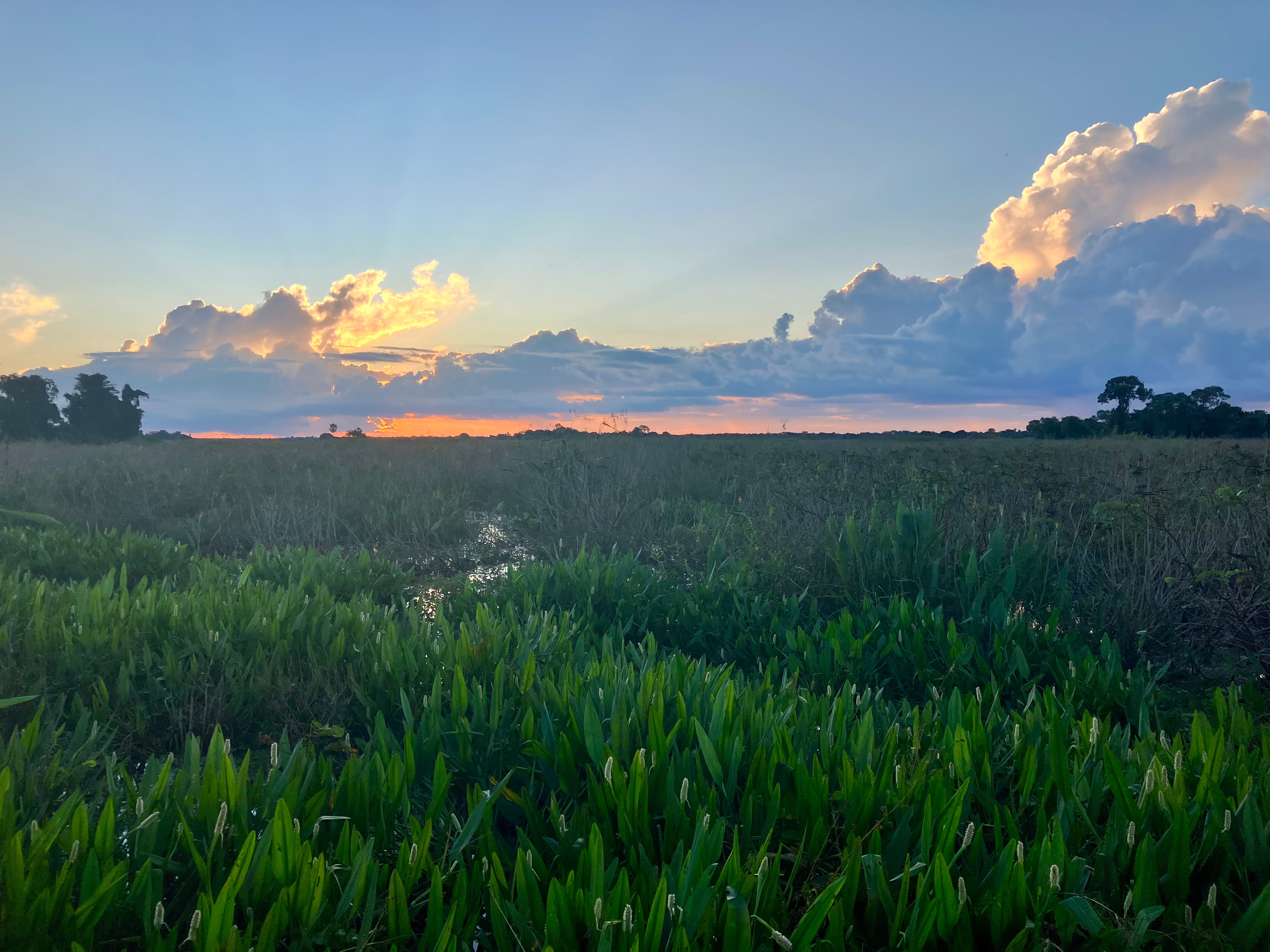
But it’s after dinner that the excitement really kicks up a notch.
Yoann comes back with a sparkle in his eye: “A jaguar has been spotted nearby.”
No one lingers at the table anymore. We devour our plates in a flash and jump into the vehicle like teenagers on a treasure hunt. After an hour of searching in the pitch-black night, the radio crackles – good news: the other car has spotted a jaguar, just 10 minutes away.
Yoann floors the accelerator. On these rough tracks, we bounce like we’re on a wild ride. Adrenaline rises, eyes scan the darkness, headlights sweep through the bushes.
A car is already there. Spotlights on. Hearts race. We’re here…
We watch. We wait. We hope.
But…
Nothing.
The jaguar slipped away into the forest.
And to top it all off, buckets of rain suddenly pour down on the savanna. Curtain. Game over.
No jaguar tonight.
Day 5 – Tiaraju, the jaguar to close our odyssey
Last chance. Last dawn. We leave the Pantanal at noon, but before that, we try one final outing to cross paths with the discreet king of the Brazilian savanna.
Departure at 5:15 a.m. In the car, Yoann and I resume our talks: politics, economics, Brazilian history, field anecdotes… and of course, eyes constantly scanning for the slightest movement. This is our last slot for the jaguar. The odds are low. But as always, I keep faith in my lucky star.
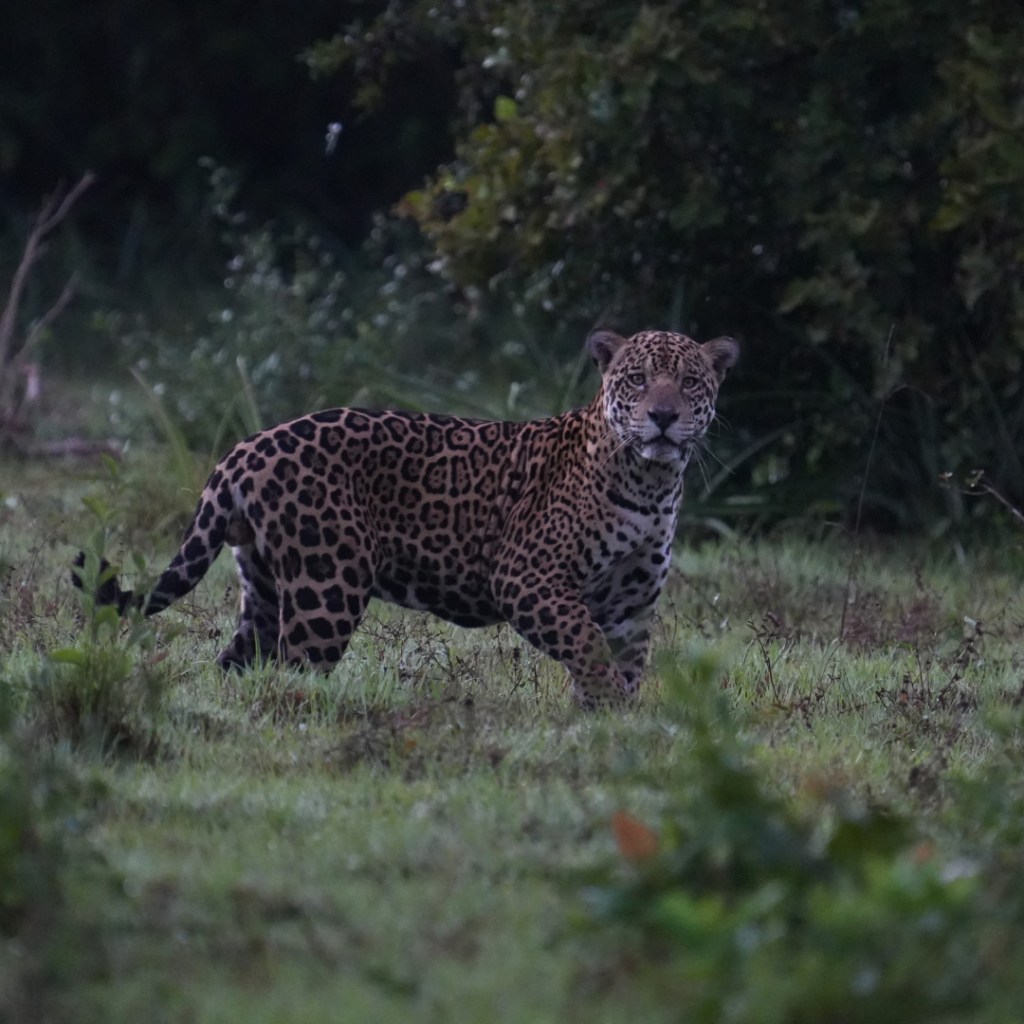
At 5:50 a shiver runs through me. About a hundred meters ahead, a large animal crosses the road. Yoann reacts instantly. He turns left onto a side track, and there, around a bend… there it is.
It moves with a smooth but powerful stride, crosses calmly, watches us. It’s huge. A leopard, but much bulkier and more compact.
A quiet strength radiates from it, pure animal charisma.
For twenty minutes, we follow it from a distance, hanging on its every move. Every now and then, it turns back, as if to remind us: you are merely guests here.
I swear, just writing this gives me goosebumps.
He embodies nature in its rawest form. This jaguar can crush reptile shells with a single bite. It kills with one blow, aiming straight for the skull, the brain. Clean, precise, deadly.
At noon, we learn that this feline had never been officially recorded. It’s the third “new” sighting in twelve years for Yoann, and the first in five days for me. We named him Tiaraju, in honor of an indigenous warrior.
We end our stay with a sublime horseback ride through the flooded plains. The horses of the Pantanal are unique: they’re the only ones capable of dipping their heads underwater. And here, that’s a vital skill.
We spot a graceful deer, a few rheas — those huge South American ostrich-like birds — and landscapes stretching endlessly, soaked in light.
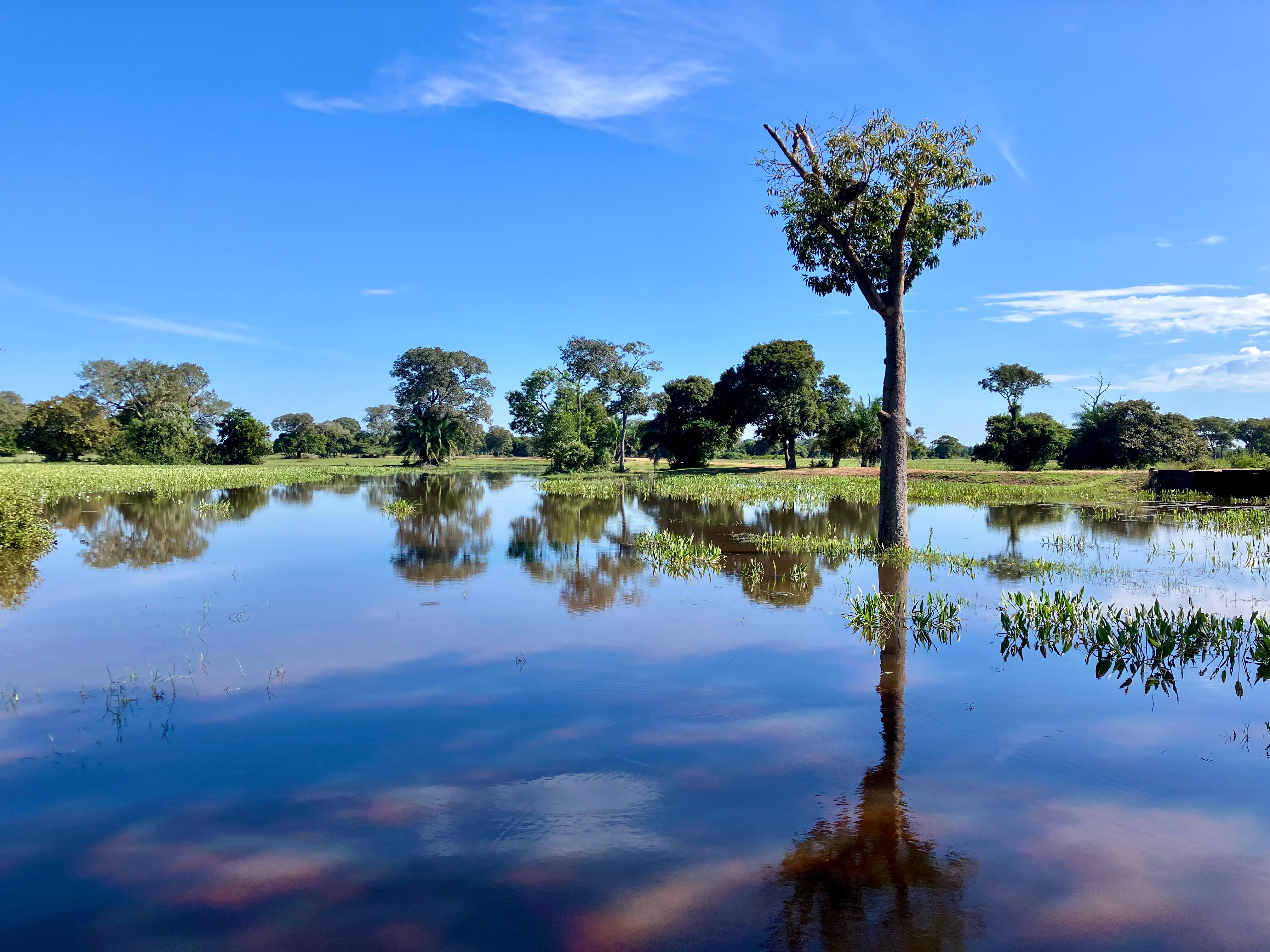
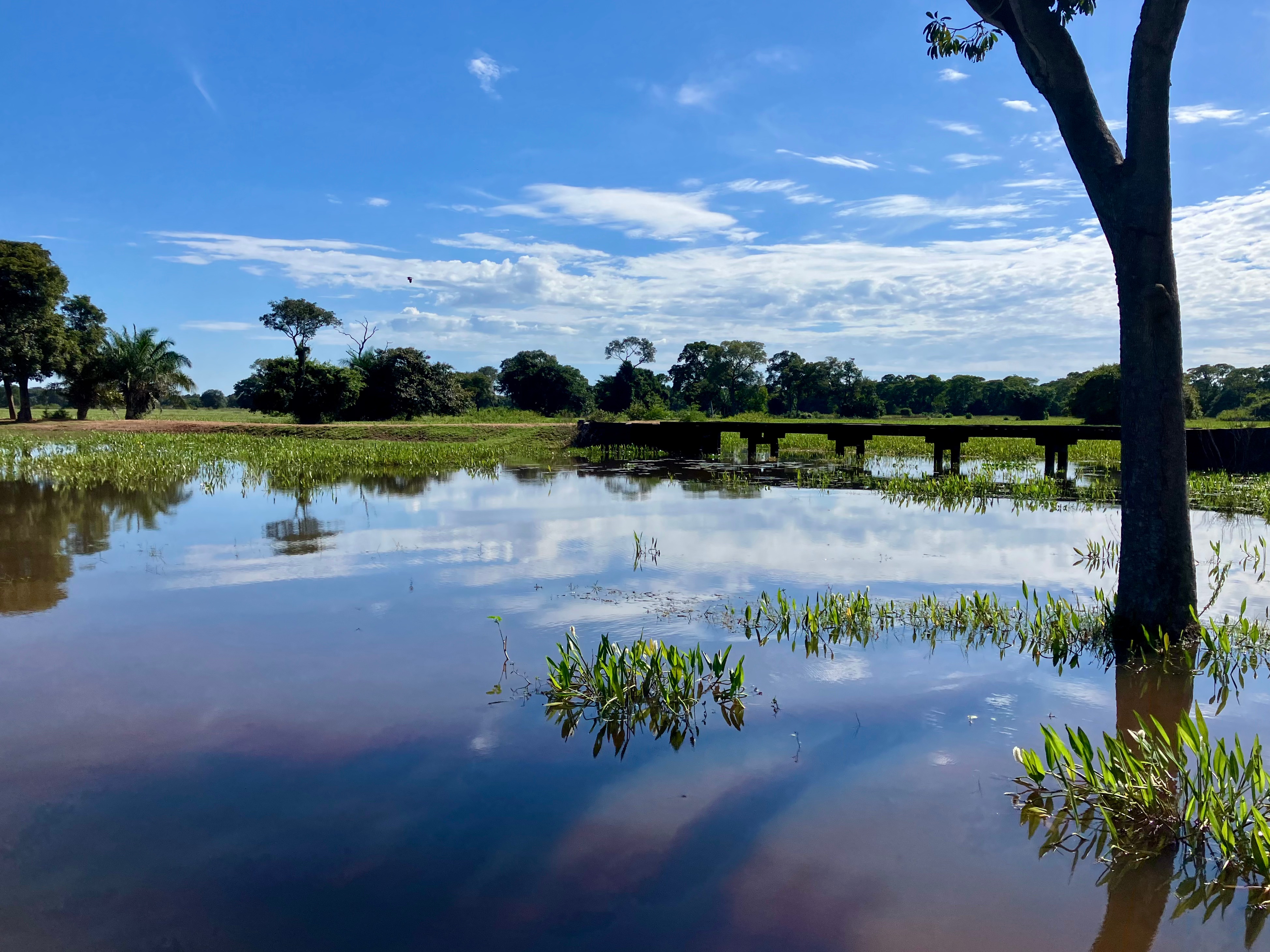
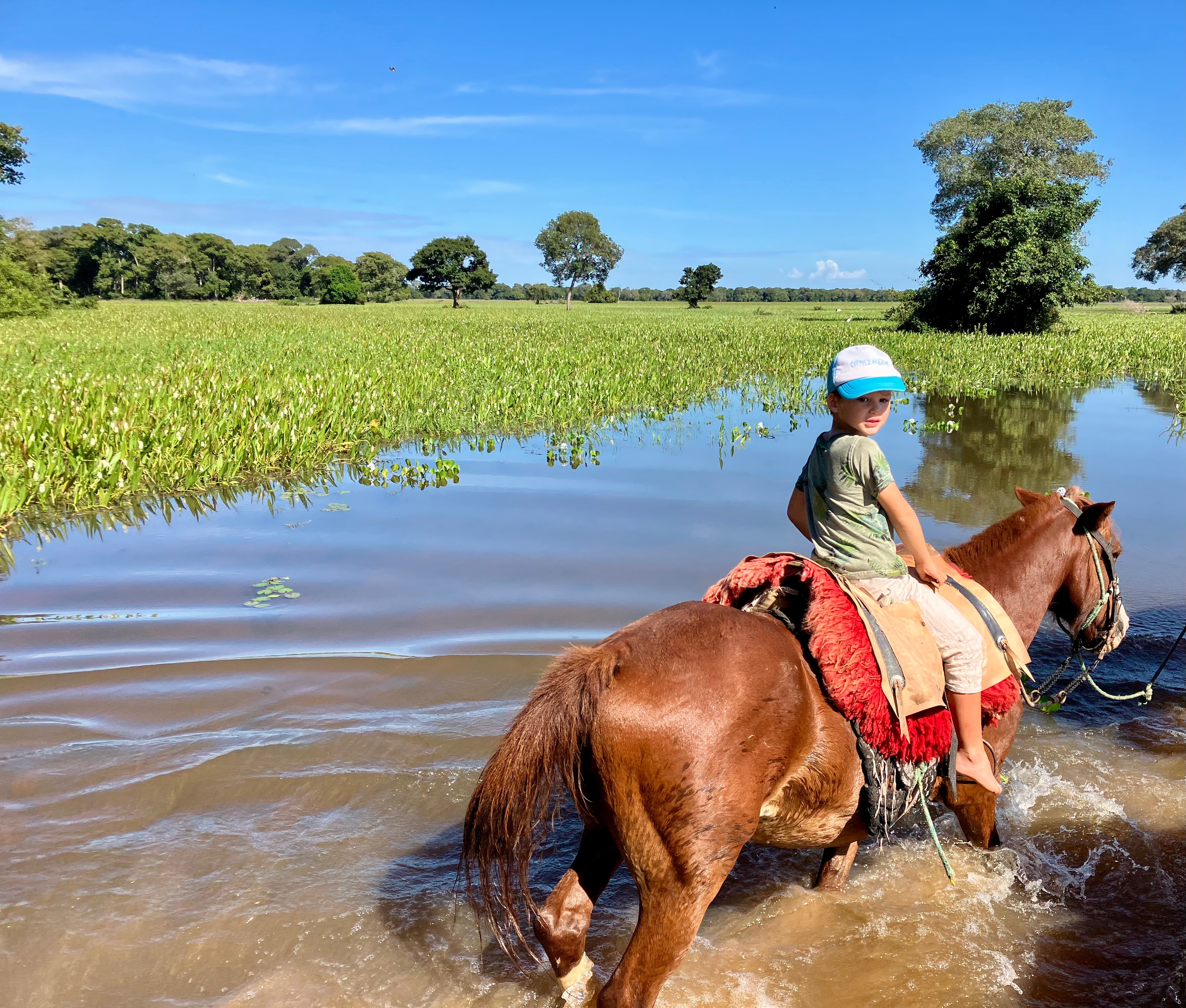
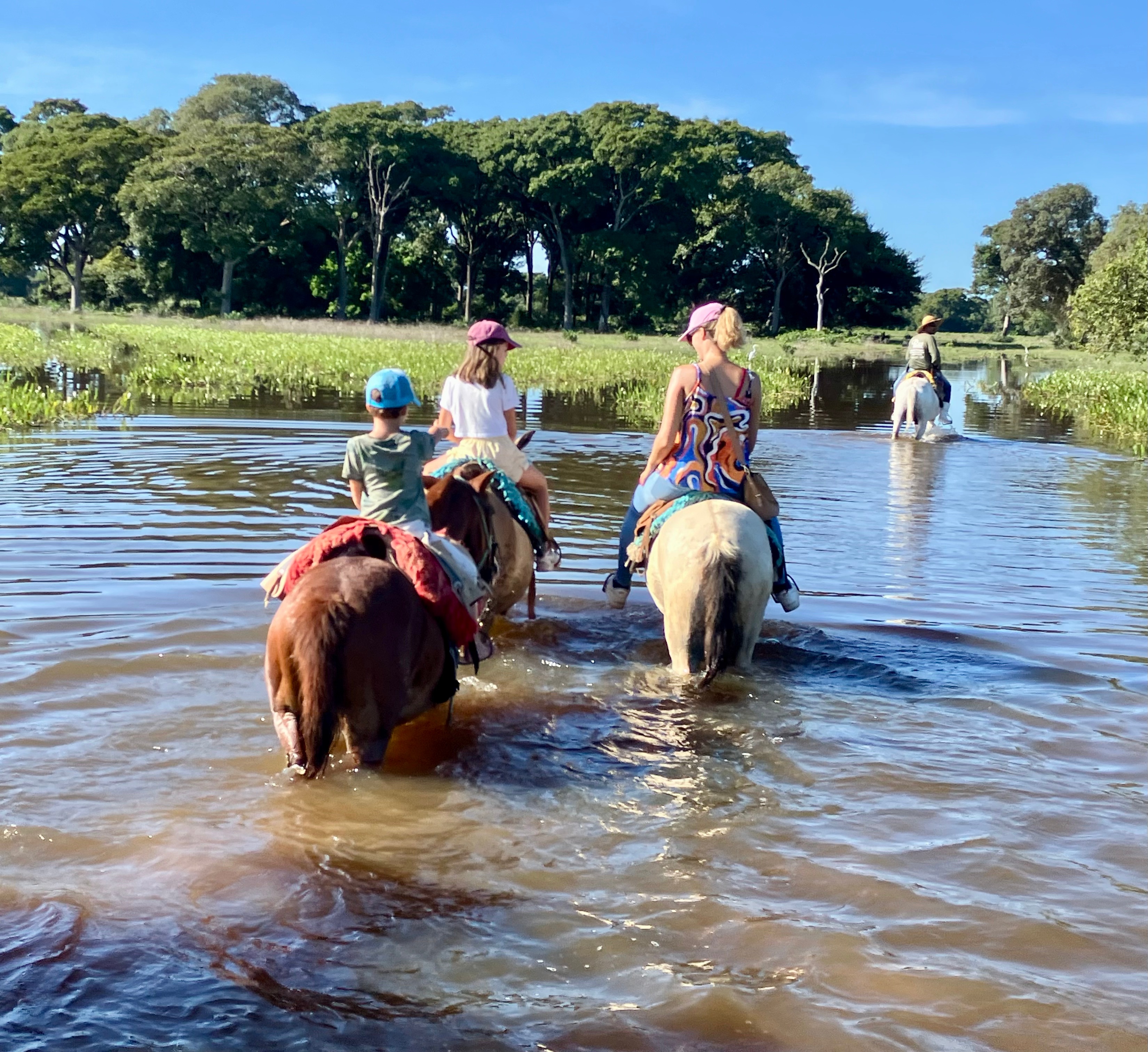
The Pantanal bids us farewell in grand style.
Five days out of this world, in a different rhythm.
An incredible diversity, inhabited silences, breathtaking landscapes.
Mud, water, mosquitoes… yes.
But above all: what a feast for the eyes!
And an exceptional guide, Yoann — passionate, committed, human.
If you ever get the chance to come here, he’s the one you want: https://www.pantanaljabiru.com/
Sending you lots of love.
And above all, stay tuned: the next post will take you to one of the most beautiful natural sites I have ever seen: the Lençóis Maranhenses!
 365 days of summer
Leave a comment