March 20-23: Valparaíso, the chaotic city
Our return to the continent begins with Valparaíso, Chile’s third-largest city.
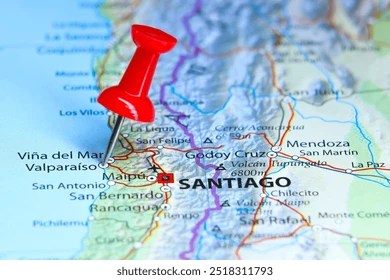
It’s only an hour and a half by car from the capital, Santiago de Chile.
But it’s mainly known for being the most chaotic city – and perhaps that’s its charm.
Perched on 44 hills, it seems to defy order and gravity. Nothing is straight here, everything is on a slope, and each alley oscillates between art and disorder.
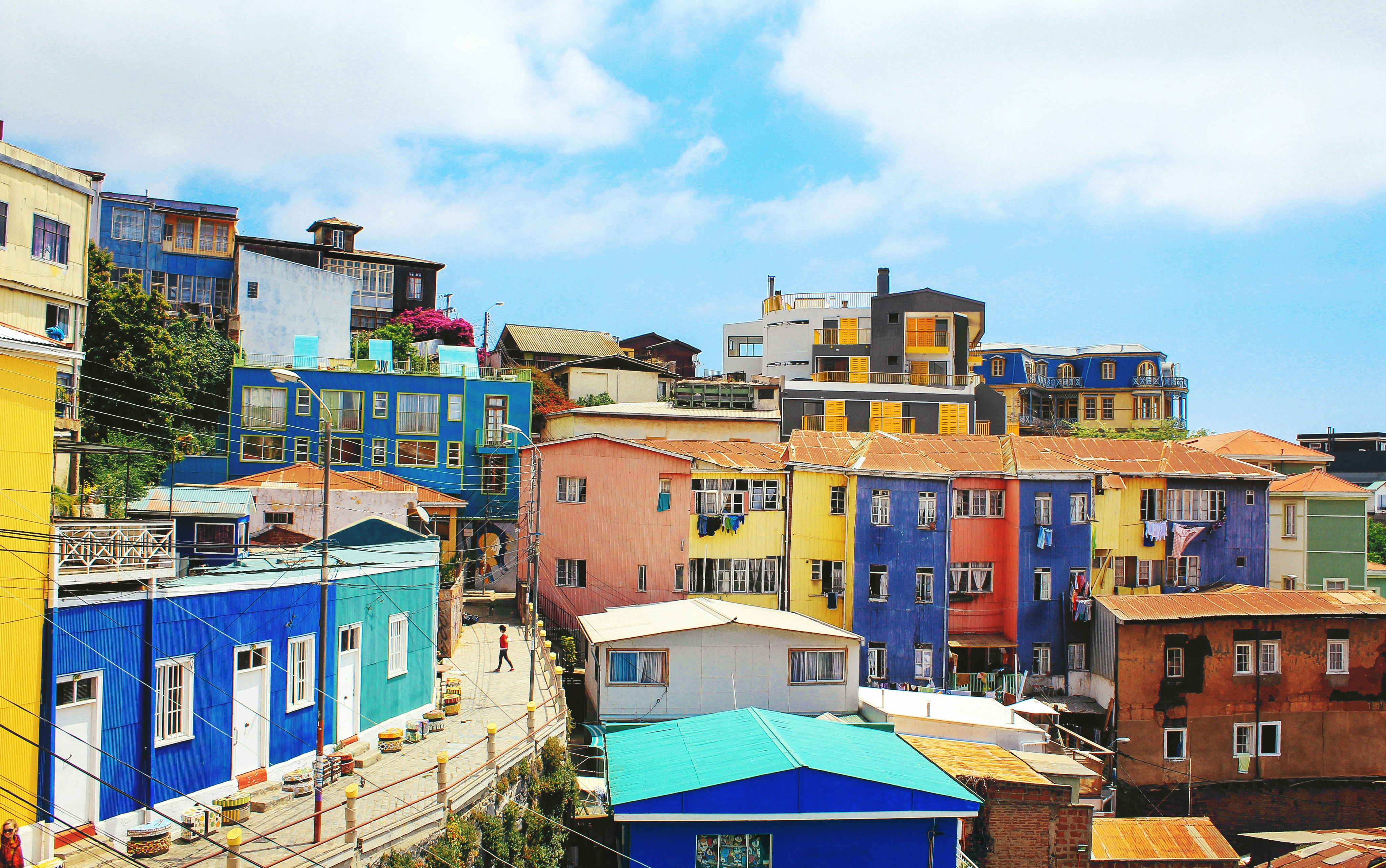

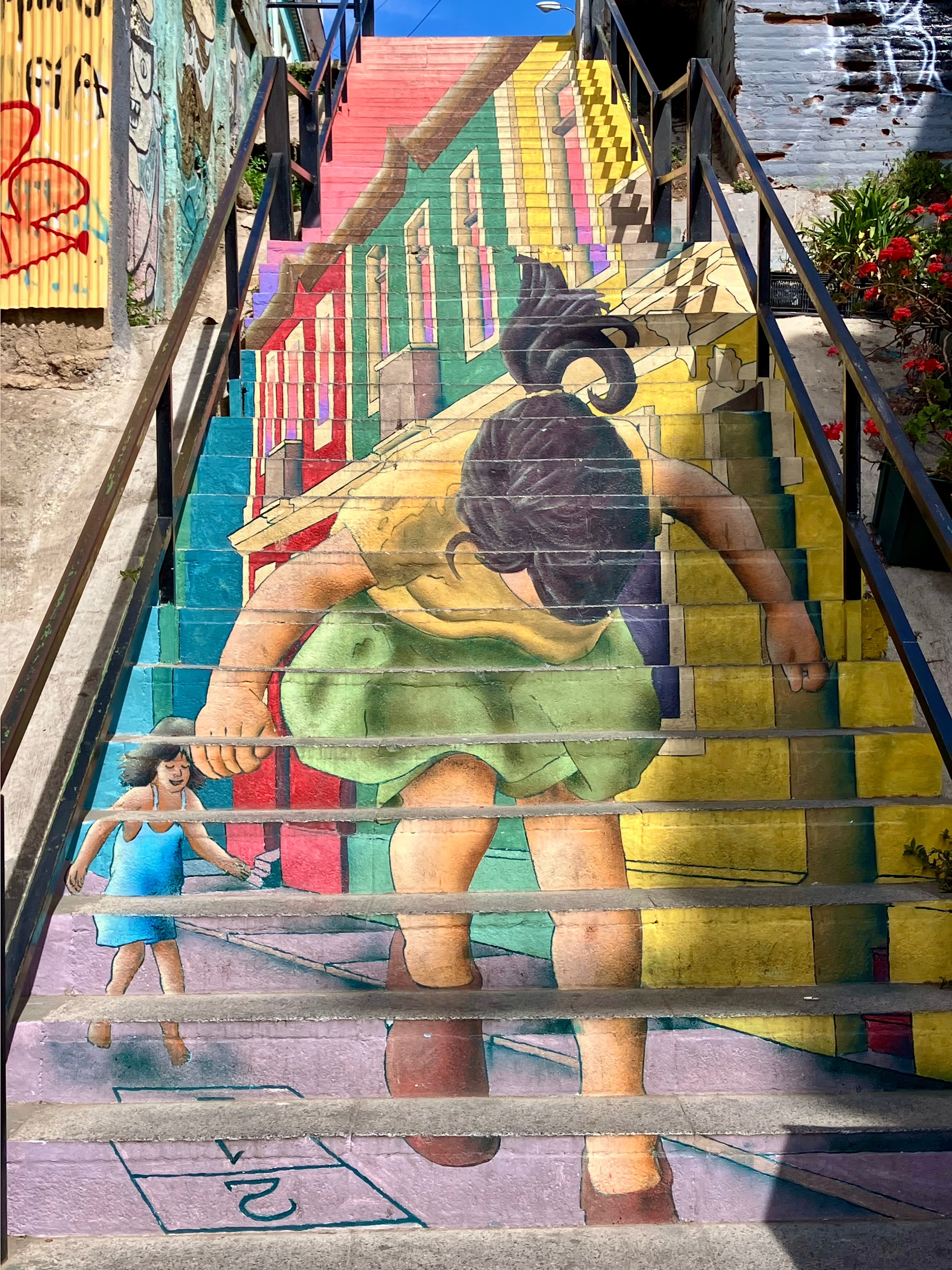
Why so many colors? Because in the past, sailors would paint their houses with leftover paint from their boats. Today, the story continues, but it’s street artists who have taken over. The result is a living museum of a city, where every wall tells a story of rebellion, dreams, or simply a psychedelic frenzy.
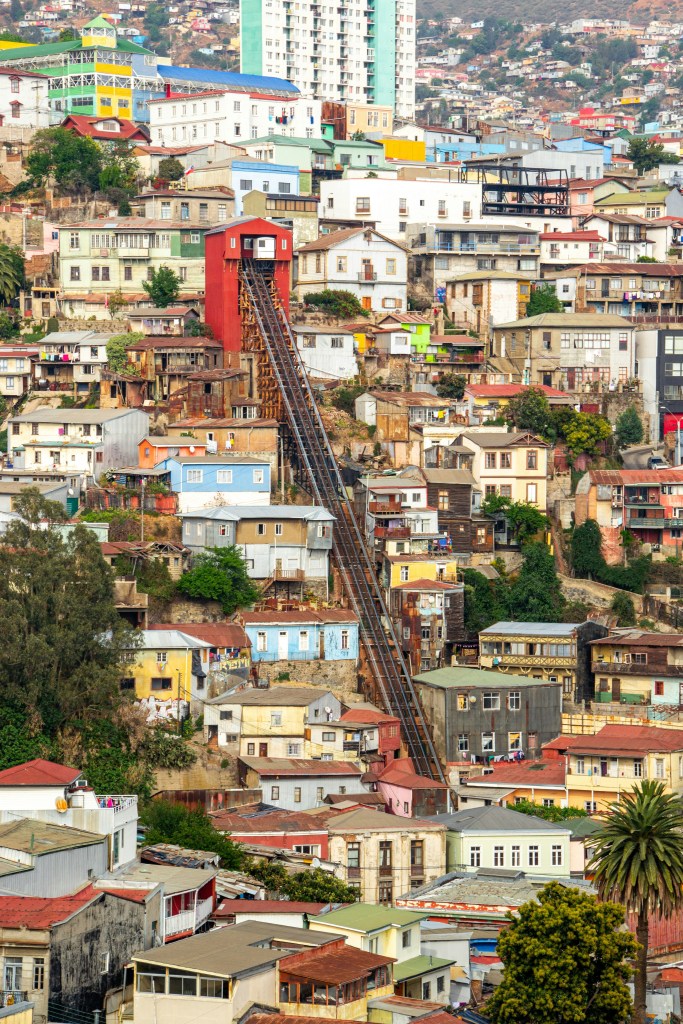
The rickety funiculars, relics of an era when Valparaíso still reigned supreme over Pacific maritime trade, relentlessly climb the cerros, clinging to the steep hills like relics of another time.
Grandeur and decline coexist at every corner. A dilapidated old palace stands next to a lively bar, a beautiful façade hides an abandoned house. As we ascend toward the heights, we catch glimpses of the city’s glorious past between two giant murals, before the opening of the Panama Canal shattered its growth.
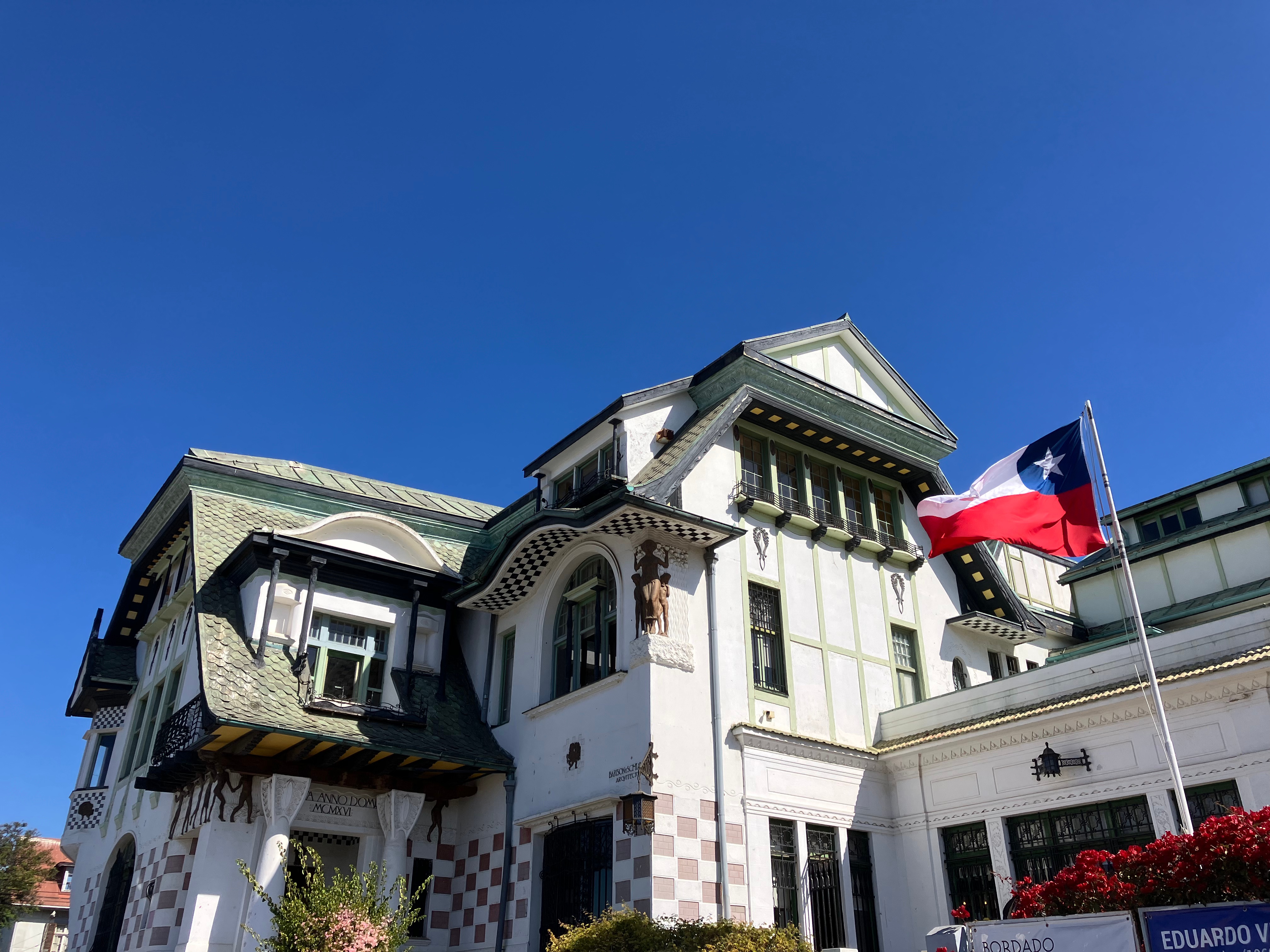
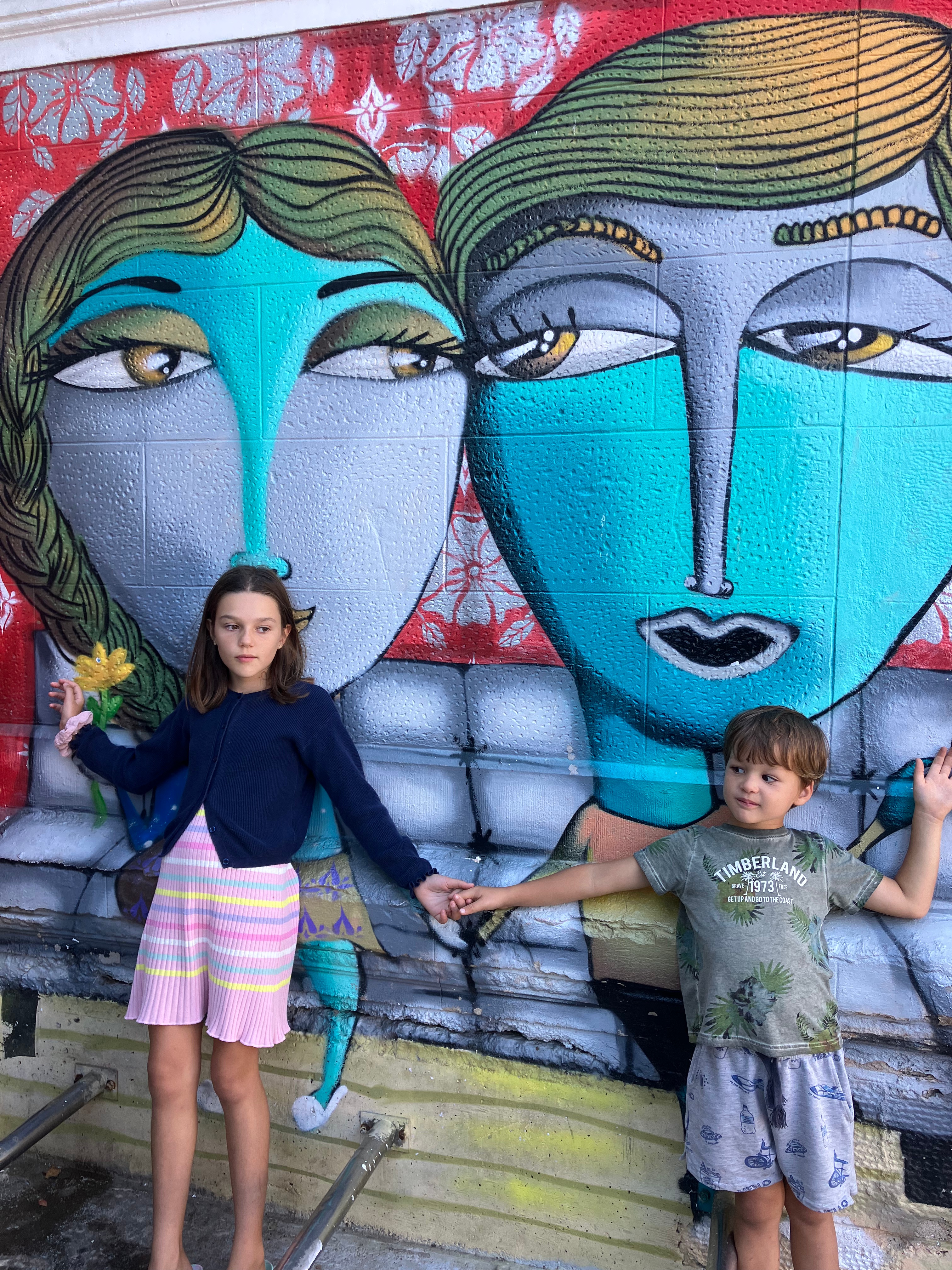


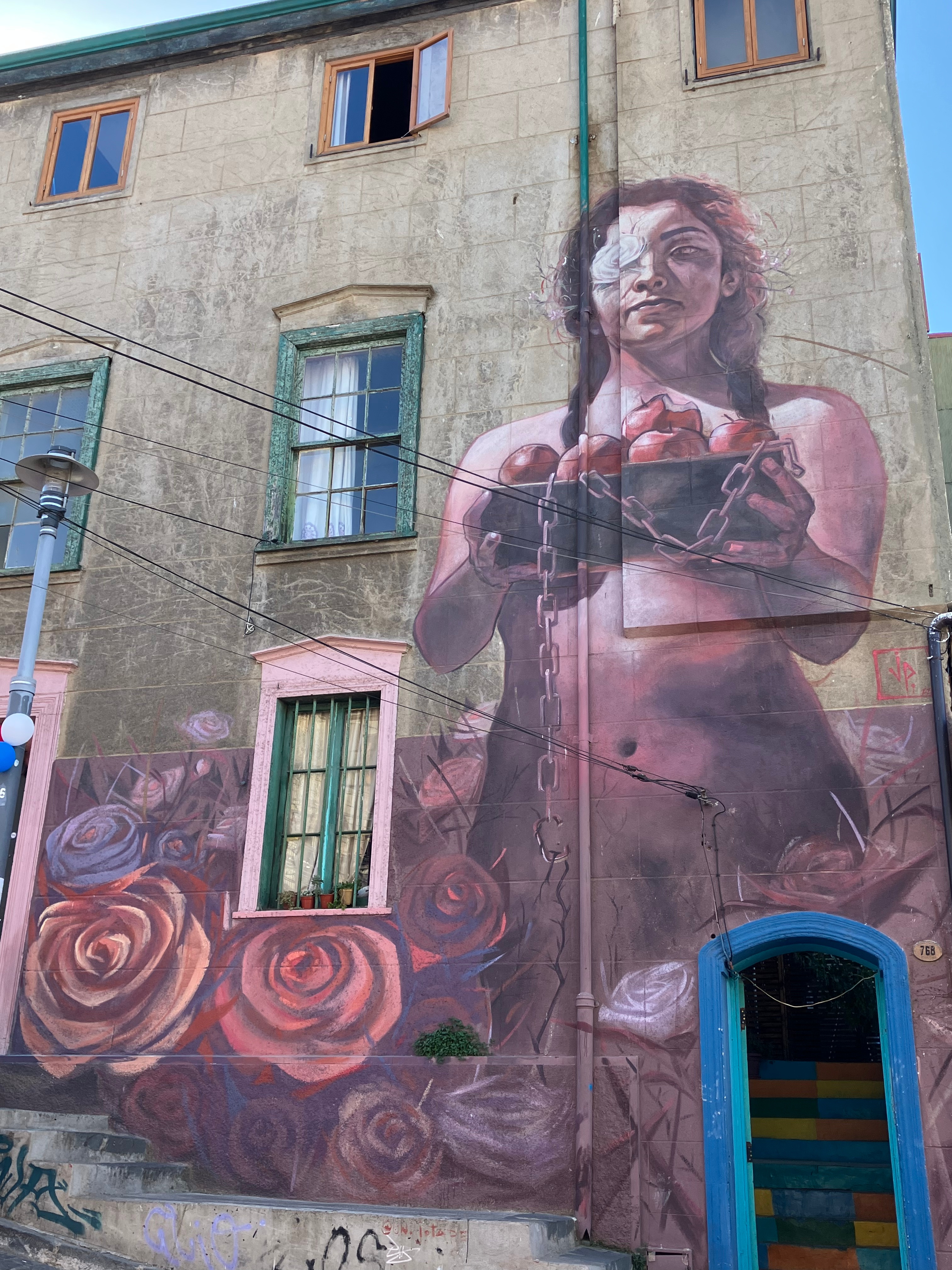
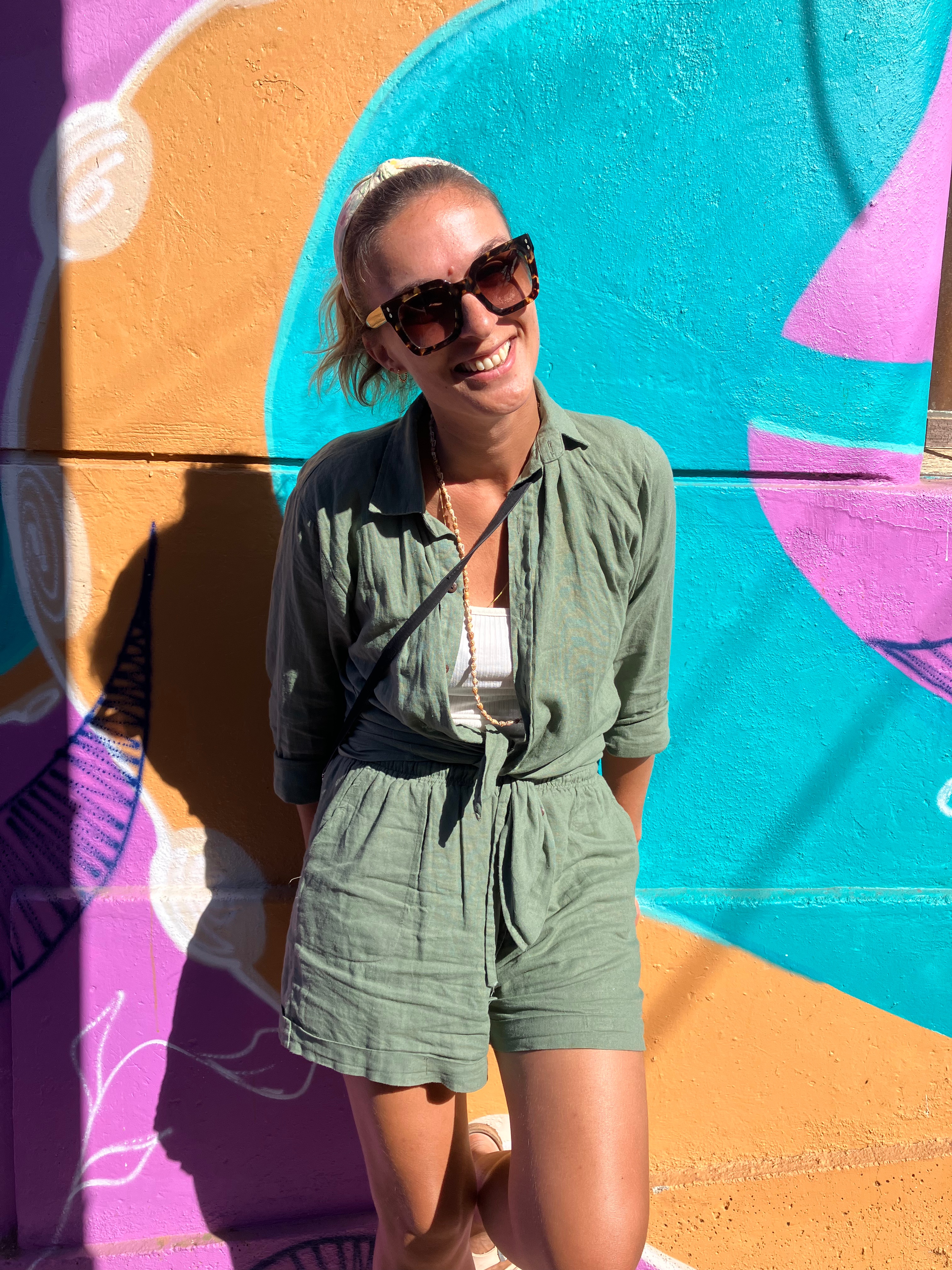
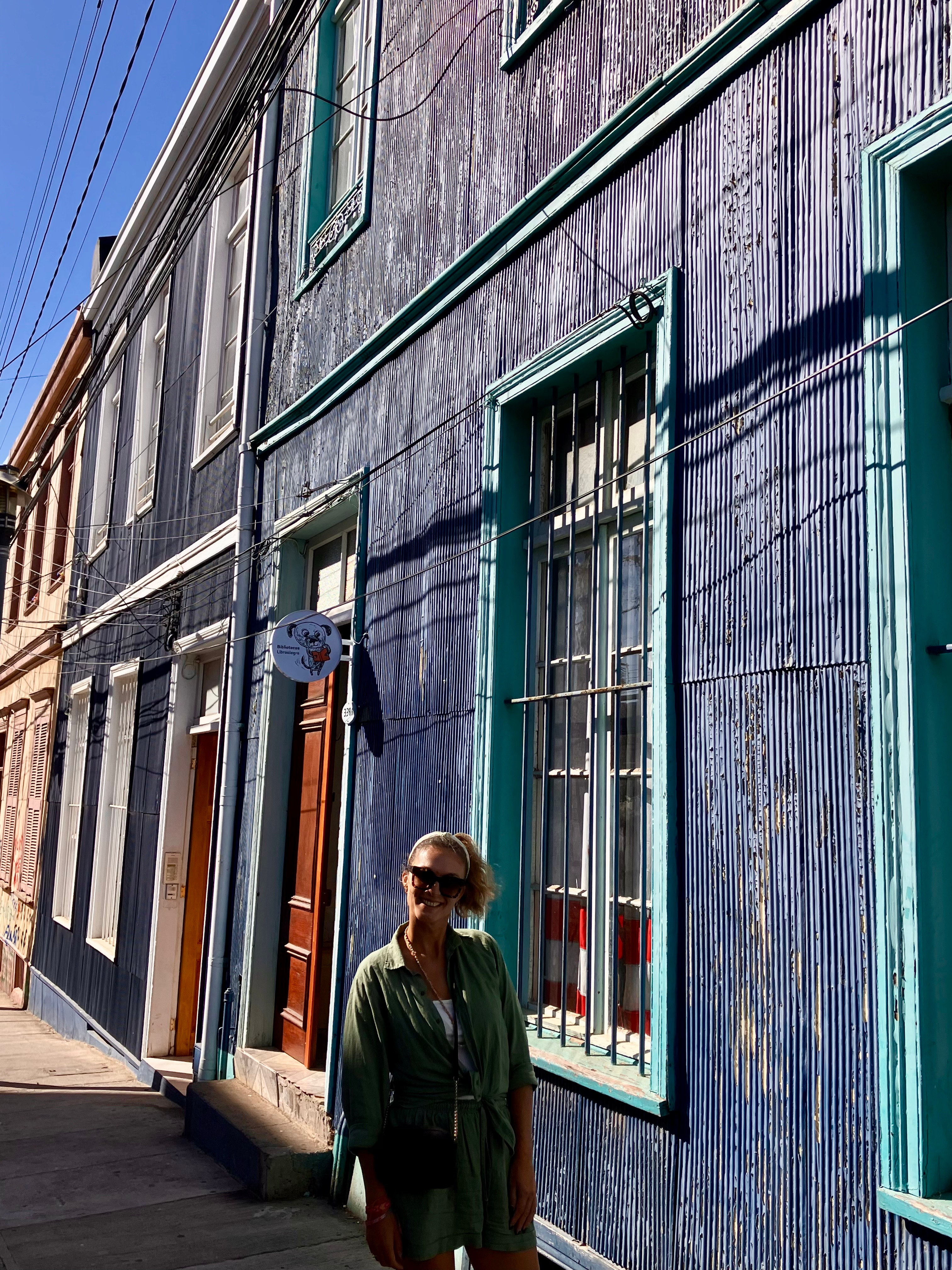
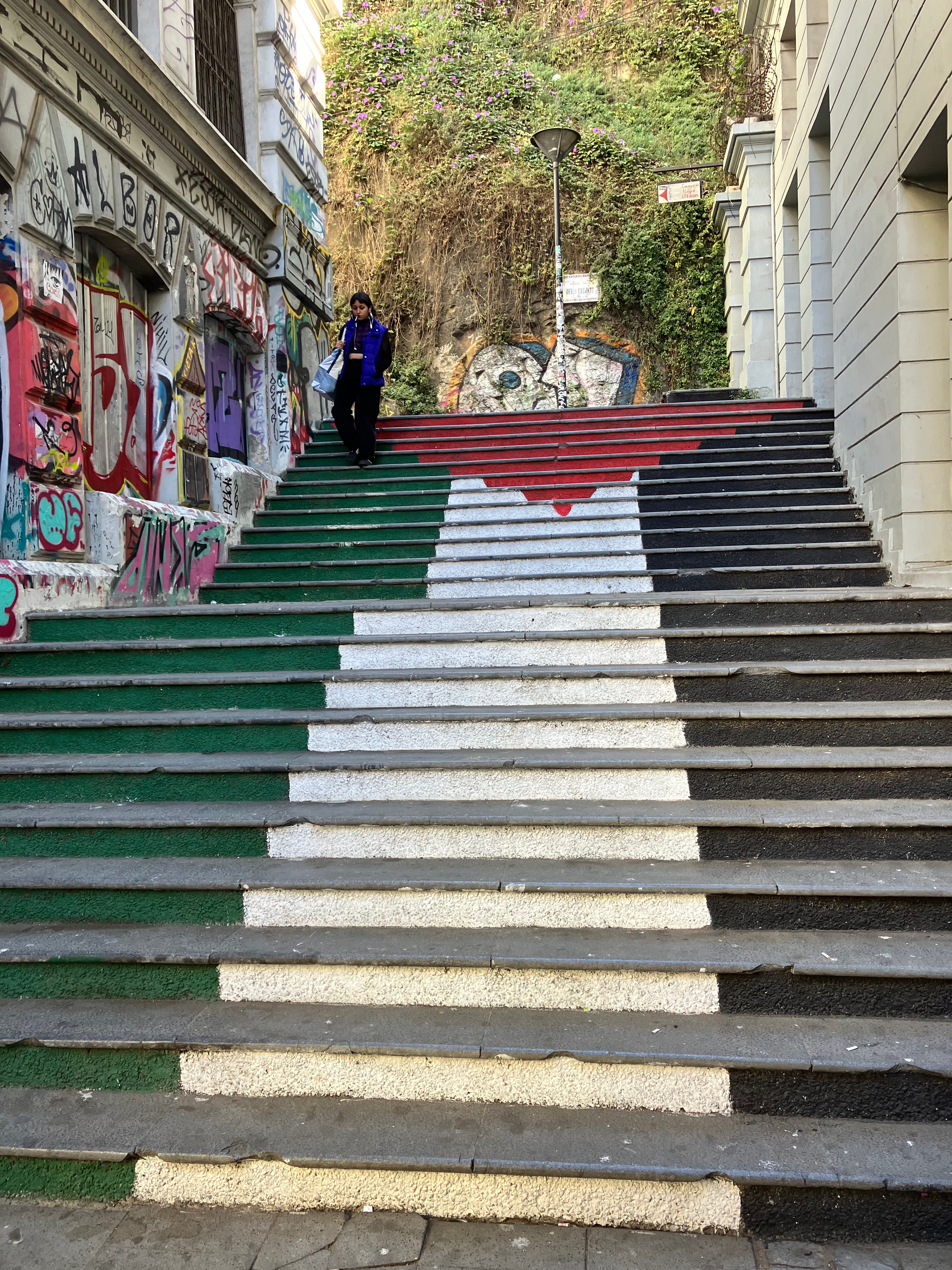
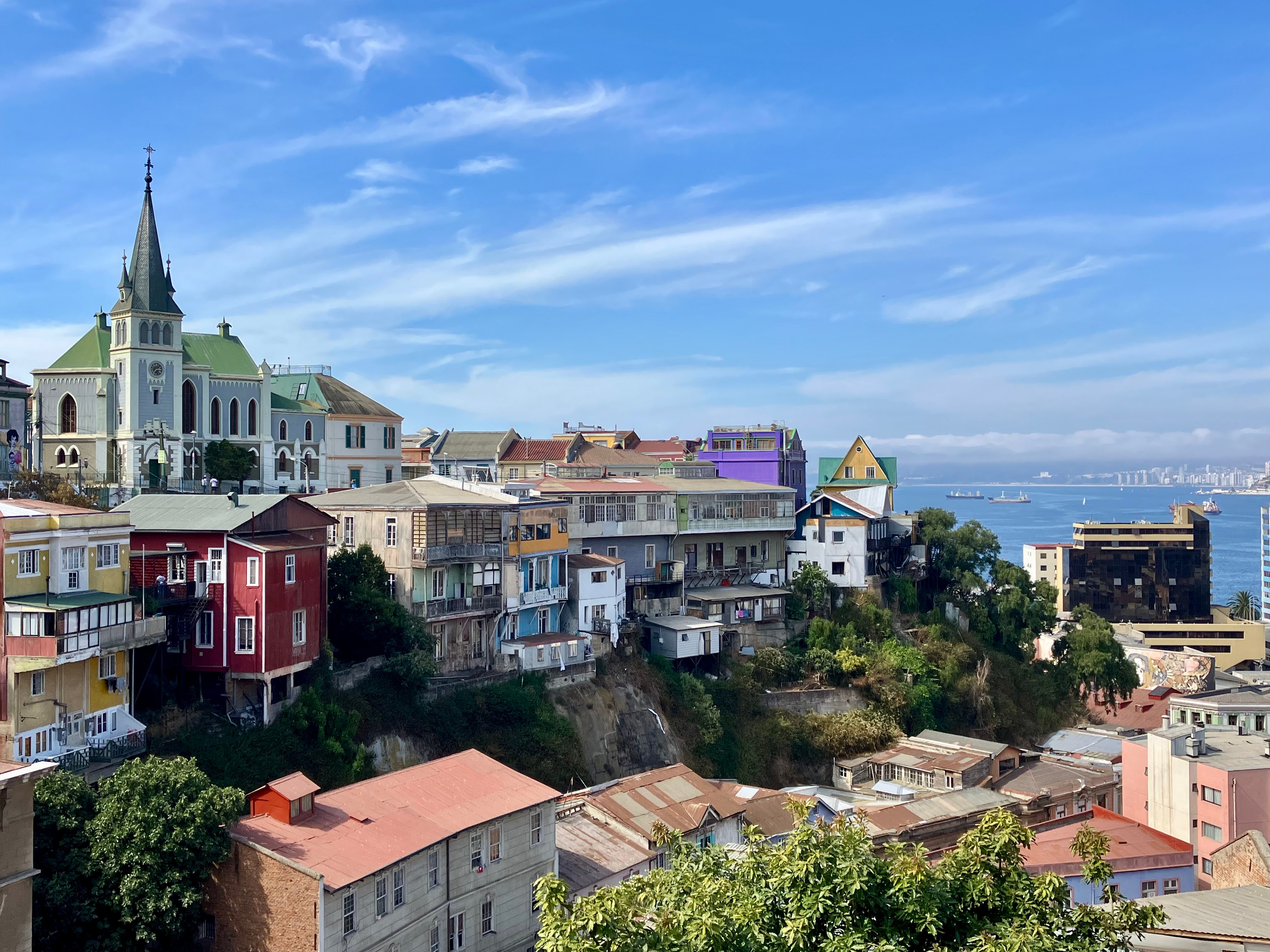
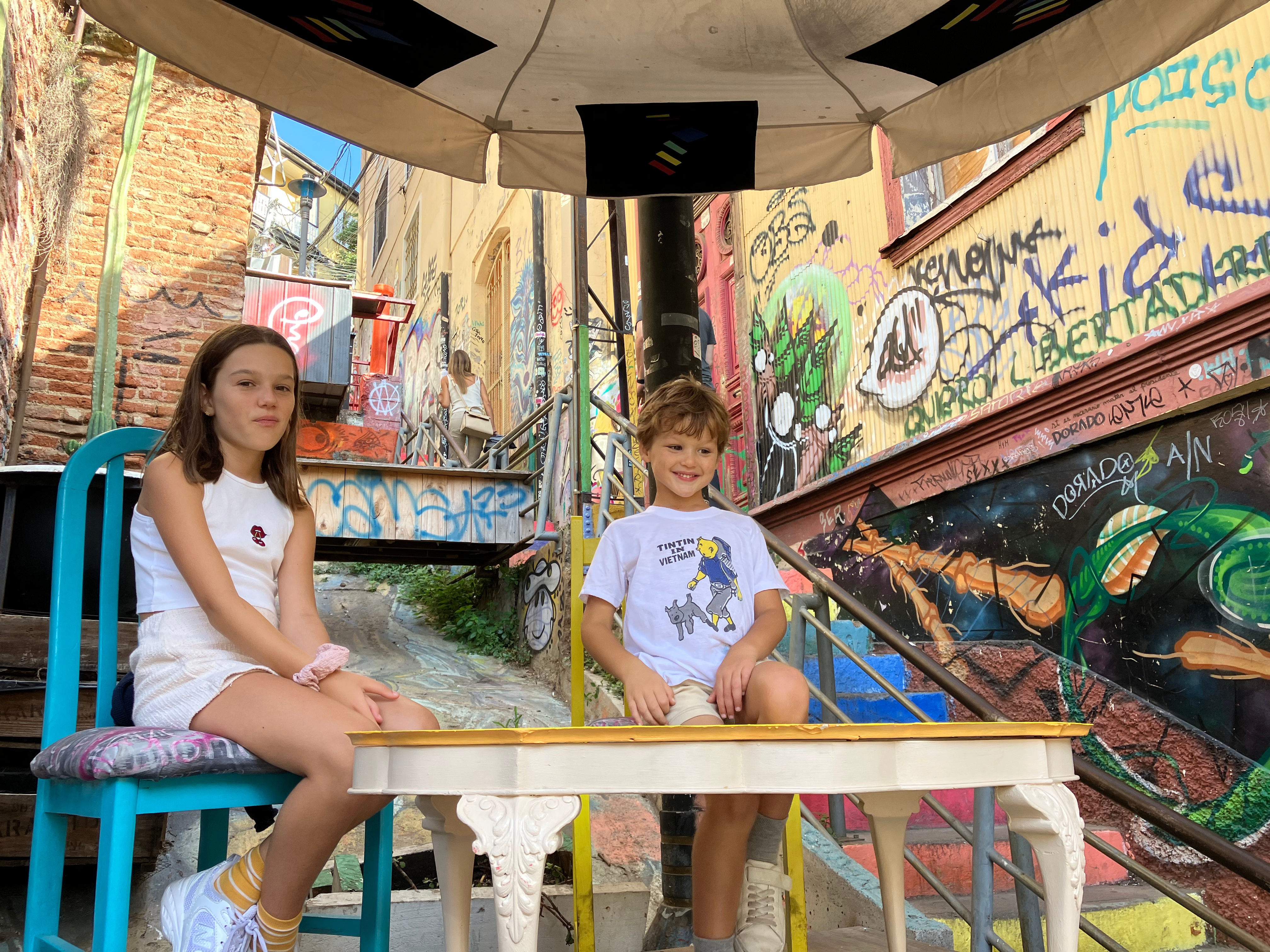
3 pleasant days in our Airbnb, nestled in the heart of the tourist districts. Valparaíso is a living postcard, ideal for Instagram with its vibrant colors and bohemian atmosphere… although, let’s be honest, once night falls, some streets make you want to quicken your pace rather than take out your camera.
February 23: Journey from Valparaíso to the Valle del Elqui
We’re covering the miles on the Pan-American Highway, the road that stretches across the entire American continent, heading towards the Valle del Elqui, 500 km north of Valparaíso. In a country that stretches over 4,000 km, our journey feels like a mere hop… well, a six-hour hop, stuck in the car with the kids.
On one side, the raging Pacific Ocean. On the other, arid mountains. And in between, surprisingly cool air.
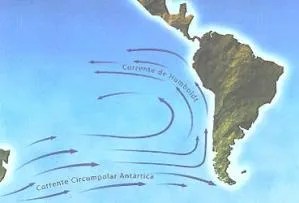
The culprit? The Humboldt Current. This cold ocean current rises from Antarctica, runs along Chile and Peru, and completely transforms the climate. The result: much cooler summers than the latitude would suggest.
Take Valparaíso, for example. At 33° South, you might expect a climate similar to Sydney or Cape Town, with sea temperatures around 25°C. But here, the water rarely exceeds 15°C, and the air struggles to reach 23°C in the middle of summer. All thanks to the cold Humboldt current, which cools everything in its path.
The result? Even with the Pacific Ocean as a backdrop, our swimsuits stayed deep in our bags. After seven months of travel, we’ve become a bit sensitive to the cold…
But it doesn’t just cool the air; it also dries out the 4,000 km of Chile’s coastline. In the north, it’s the reason the Atacama Desert, the driest in the world, stays alive by preventing the formation of rain clouds.
We know the Gulf Stream shapes our climate in Europe, but seeing the impact of the Humboldt current with our own eyes makes you reflect on the possible influence of streams on climates everywhere.
February 24 – The Elqui Valley: The Art of Growing Dreams in the Middle of the Desert
If Valparaíso is a storm of colors and noise, the Elqui Valley is its exact opposite. Here, silence reigns. Barren mountains frame an improbable green ribbon: vineyards, fruit trees, vegetation that seems to defy all logic.
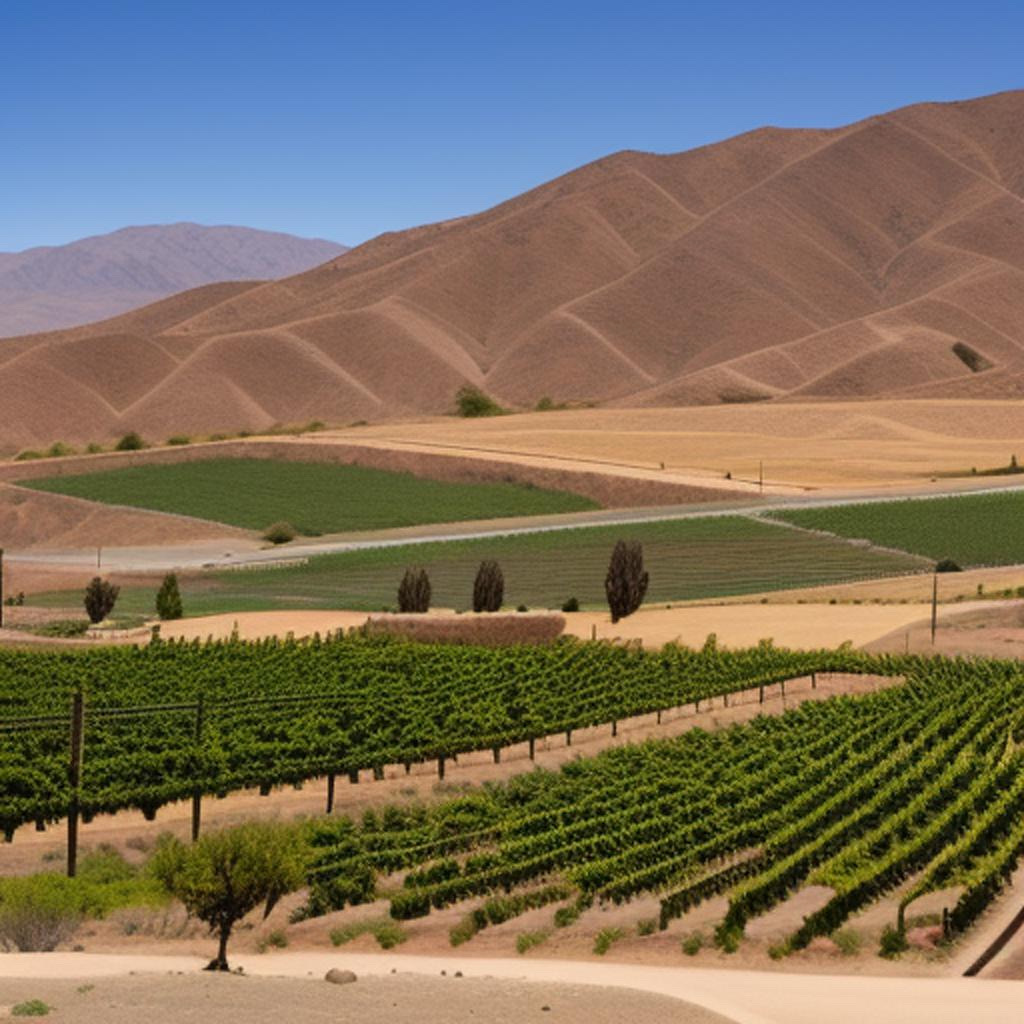
How did humans manage to grow vines here, in the middle of the Andean desert? Water—that’s the secret. A meticulously controlled management of the rare rivers winding through the valley, combined with an ever-present sun and cool nights, makes grape cultivation possible. With these grapes, they produce wine (one that’s not exactly unforgettable, to be honest) and pisco.
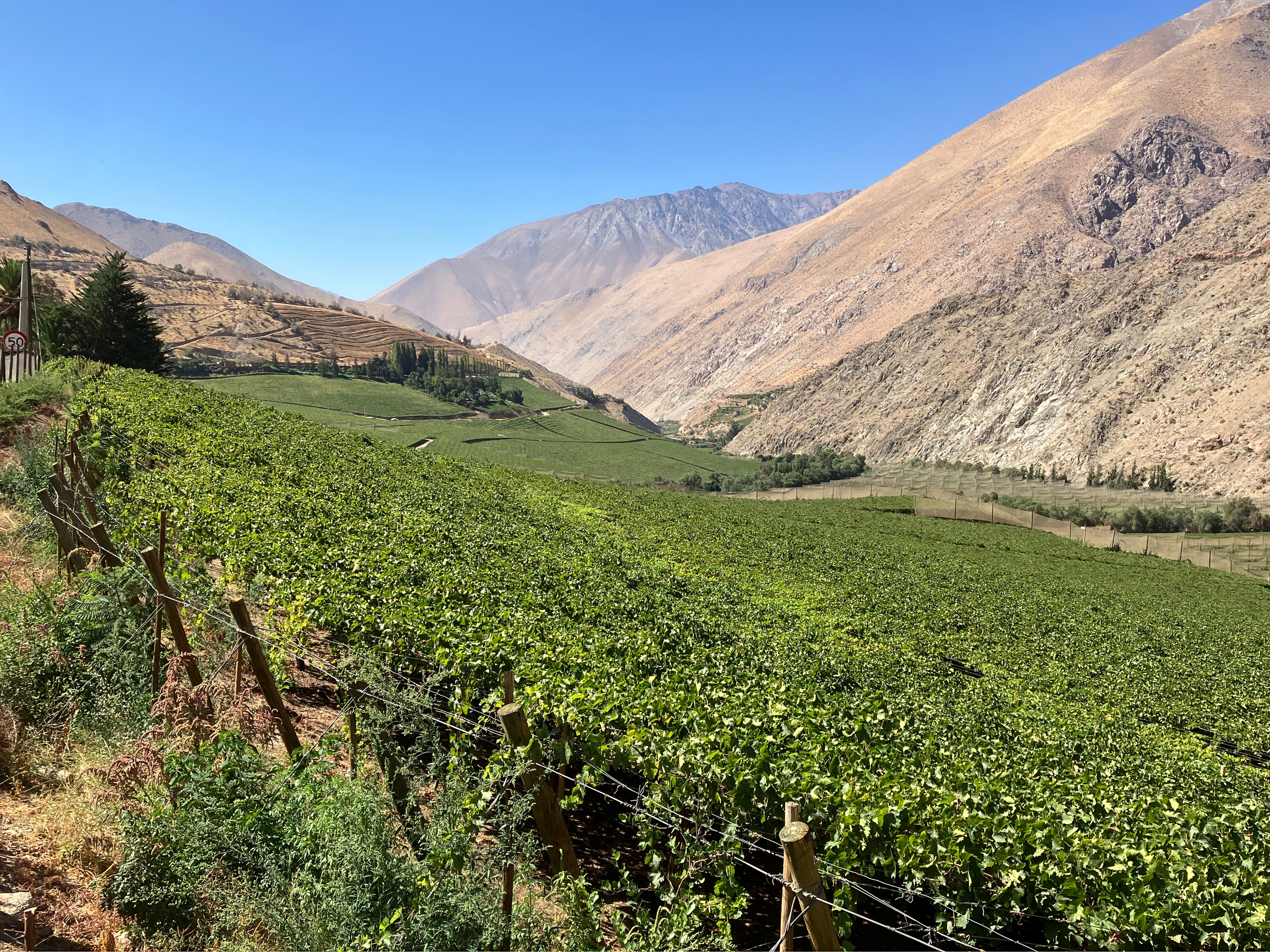
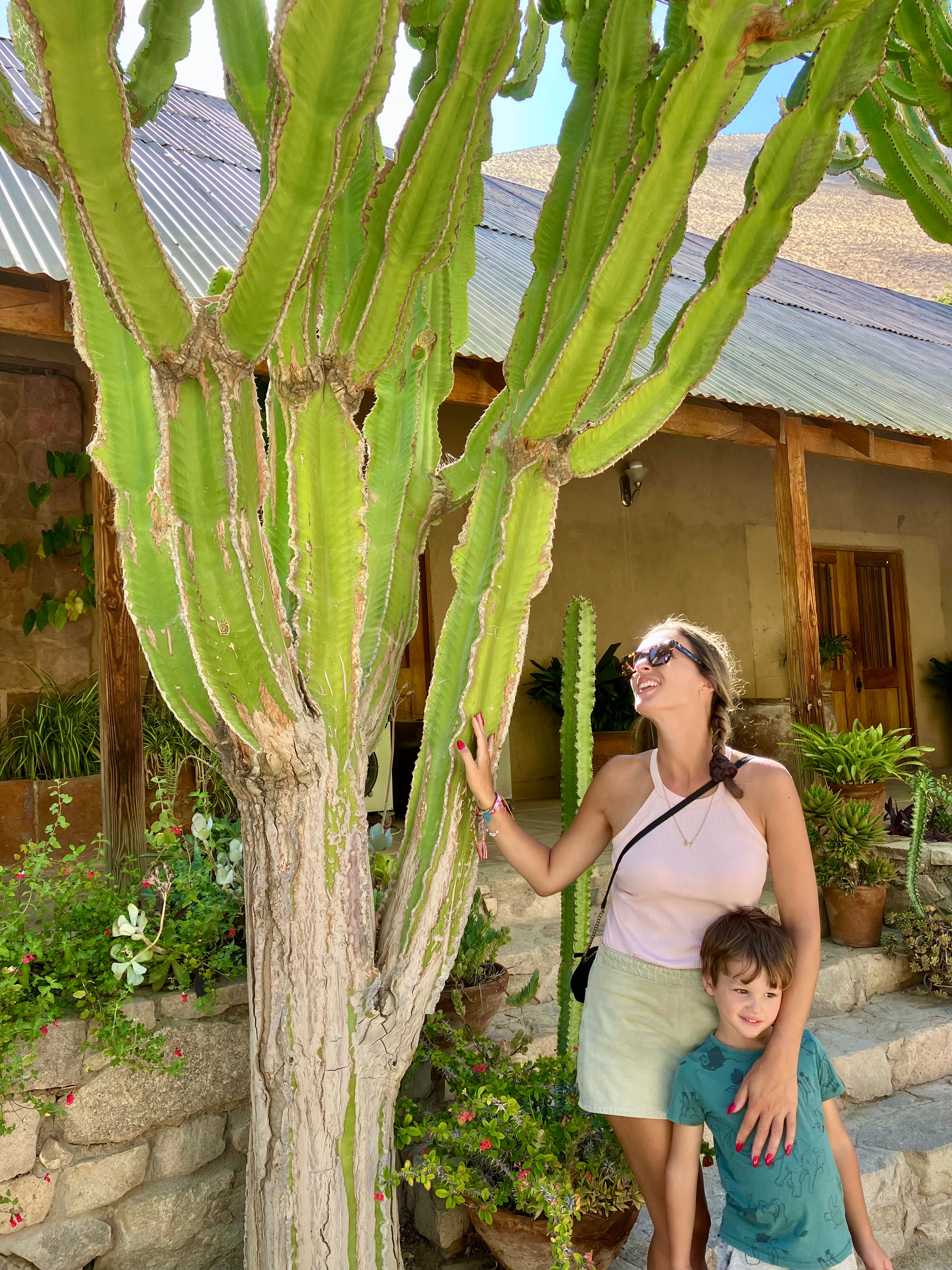
To be fair, I had no idea pisco came from grapes. After the first fermentation, the wine undergoes two distillations to become pisco. It’s the national drink here, consumed with an almost sacred respect. We’ve learned to appreciate it.
But the Elqui Valley isn’t just about vineyards and pisco. It’s a place where, instinctively, once night falls, you find yourself looking up. Because here, the real star is the sky. Observatories dot the valley, drawing astronomers and dreamers from all over the world. The air is so pure that, aside from Australia, we had never seen the Milky Way so clearly.

So, we did what everyone does: we planted ourselves in front of a telescope to observe thousands of stars. A magical moment… well, in theory. Because in reality, the kids were exhausted, found it too long, and were dreaming more about their beds than distant galaxies.
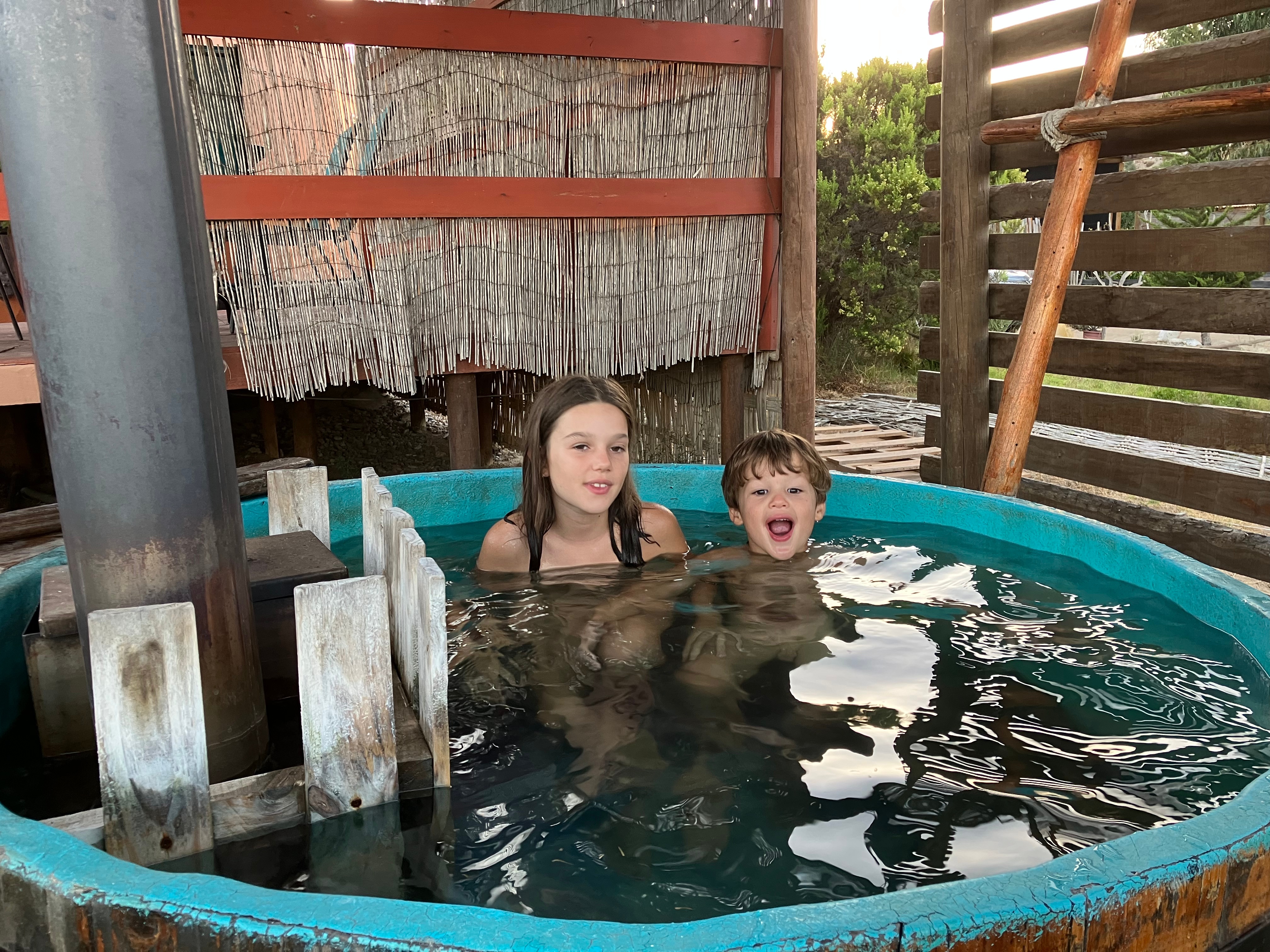
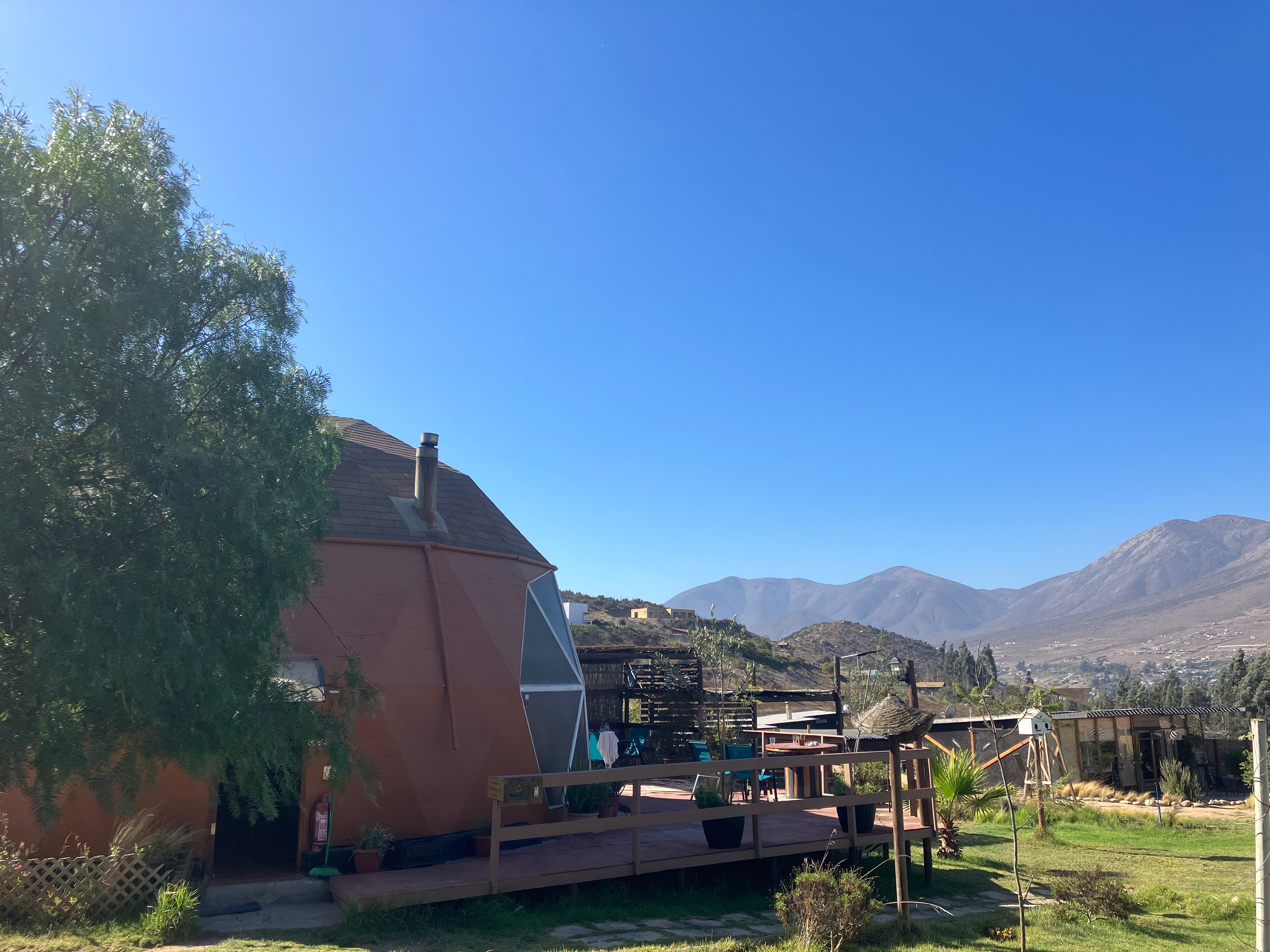
And us? In our spaceship-style accommodation, soaking in our hot tub, we raised our glasses—pisco or wine—in a toast to you. Head in the stars, feet in warm water, with the fleeting impression that infinity was within reach.
February 25 – Elqui Valley
3:30 PM – We arrive at a piscotería for a visit, but the receptionist stops us in our tracks: “We’re closed, power outage. It should be back in one or two hours.” We shrug. Nothing unusual in the countryside.
4:30 PM – On our way to a nearby village, we stop for a fresh juice. But once again, no electricity. And no cell network either. Strange… the outage seems to be spreading.
5:00 PM – We drive up to a vineyard and learn that the outage extends to a significant part of the country.
Well, as you’ll see in the video, our stress level was still fairly reasonable.
On the way back, all gas stations are closed. No electricity, no fuel. A simple equation, but brutally effective at bringing everything to a halt.
7:30 PM – Back home, still no lights, no connection. Just in time to enjoy the last daylight and prepare a meal on our gas stove. The owner drops by, arms full of wood and candles. “This could take a while,” he says with a resigned smile.
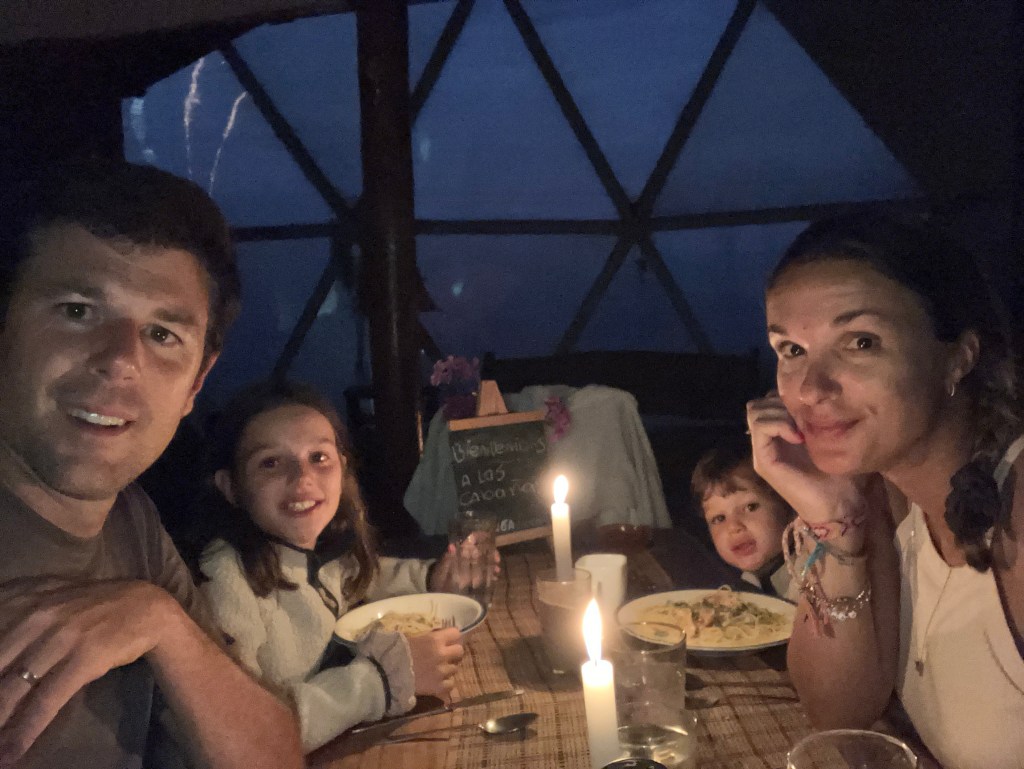
9:00 PM – The water stops running. The backup generators are dry.
9:30 PM – Chatting with our neighbors, the news drops: the entire country of Chile is in darkness. Santiago, Valparaíso, Concepción… all the major cities are paralyzed. The only media still functioning? The radio.
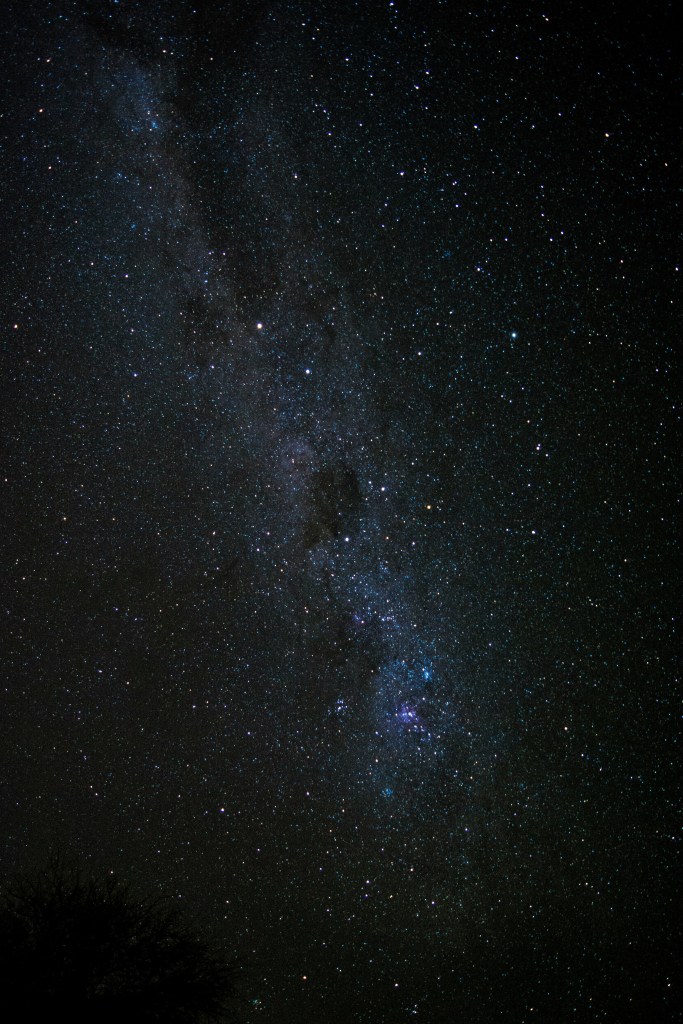
10:30 PM – Sitting in our hot tub, we gaze at the sky. Thousands of tiny lights pierce the darkness, and the Milky Way reveals itself in all its splendor. A sight unseen in the region for years…
In the cities, it’s a different story—it’s chaos. In Santiago, the metro stopped in its tracks, forcing thousands of passengers to walk through dark tunnels. People were trapped in elevators, left to fend for themselves. Traffic lights were down, plunging the streets into total anarchy. Looting broke out, prompting the army to take over Santiago. A state of emergency was declared, and a curfew was imposed.
Experiencing a situation like this makes you realize just how utterly dependent we are on electricity. The moment it disappears, our little world grinds to a halt.
19 million people without power, water, or network for 24 hours—yet you didn’t hear about it. Because the media is too busy analyzing every single word Trump says.
February 27 – Return trip from the Elqui Valley to Santiago
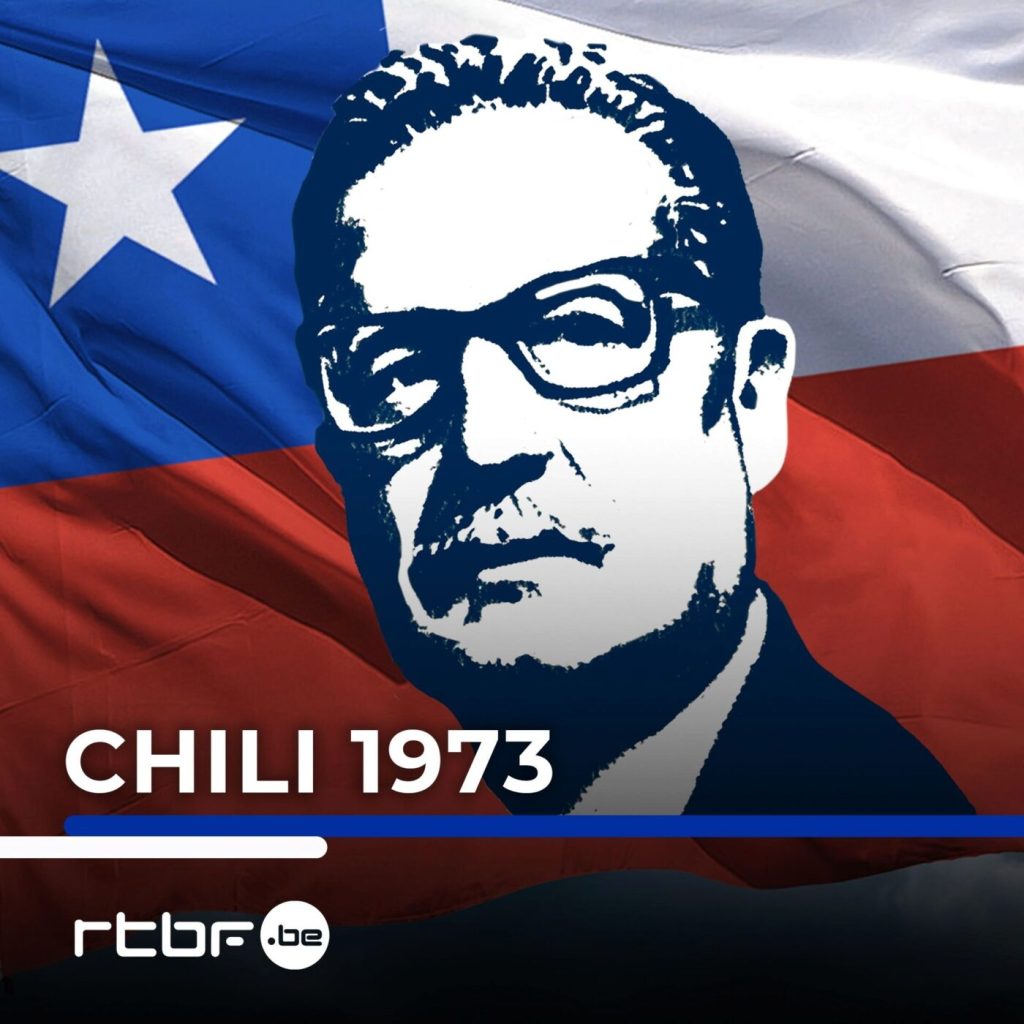
Six hours on the road gave me the chance to listen to an excellent podcast by Belgian journalist Sandro Calderon (five 30-minute episodes on Spotify), in which he tells the story of his family, refugees from Chile in the 1970s after dictator Pinochet came to power. This podcast is both moving and captivating.
Moving, because it reminds us how painful it is to leave a country one loves, but also how crucial it is to be welcomed in a new land.
Captivating, because it retraces Chile’s history: in 1970, Salvador Allende, a left-wing president, was democratically elected. Three years later, he was overthrown by a military coup led by Pinochet, who remained in power for 17 years. Very quickly, anyone associated with the government or the left had to flee the country to escape prison, torture, or worse. That’s what happened to Sandro’s parents.
Seventeen years of fear, repression, and forced silence for the Chilean people, marked by censorship, disappearances, and a dictatorship that would profoundly reshape the country.
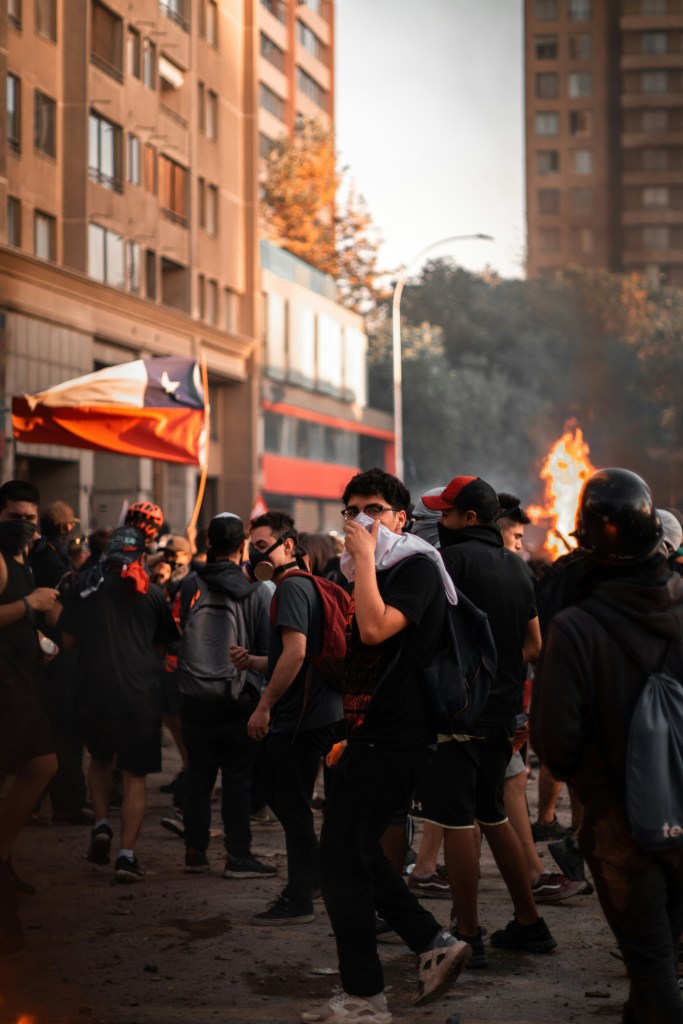
Chile, now one of the richest countries in Latin America (after Uruguay and Panama), has nevertheless experienced a social explosion over the past five years.
Following major protests in 2019, a young left-wing leader, Gabriel Boric, full of promises for change, was elected president in 2021
But the disillusionment that followed was even greater. Changing a country is far more complex than one imagines. He found himself trapped between an increasingly impatient people and a deeply entrenched system resistant to change.
Today, the far right is stronger than ever (35% in the latest 2023 elections), fueled by fears over immigration, a growing sense of insecurity, and concerns about purchasing power. It just goes to show that certain political dynamics are universal… even on the other side of the Atlantic.
But I digress. After all, we’ve only spent two weeks here… Too little time to claim to grasp the full complexity of Chile. We leave with a feeling of wanting more. But a good kind of wanting more. The kind that makes you want to come back. As they say, third time’s the charm.


Leave a Reply