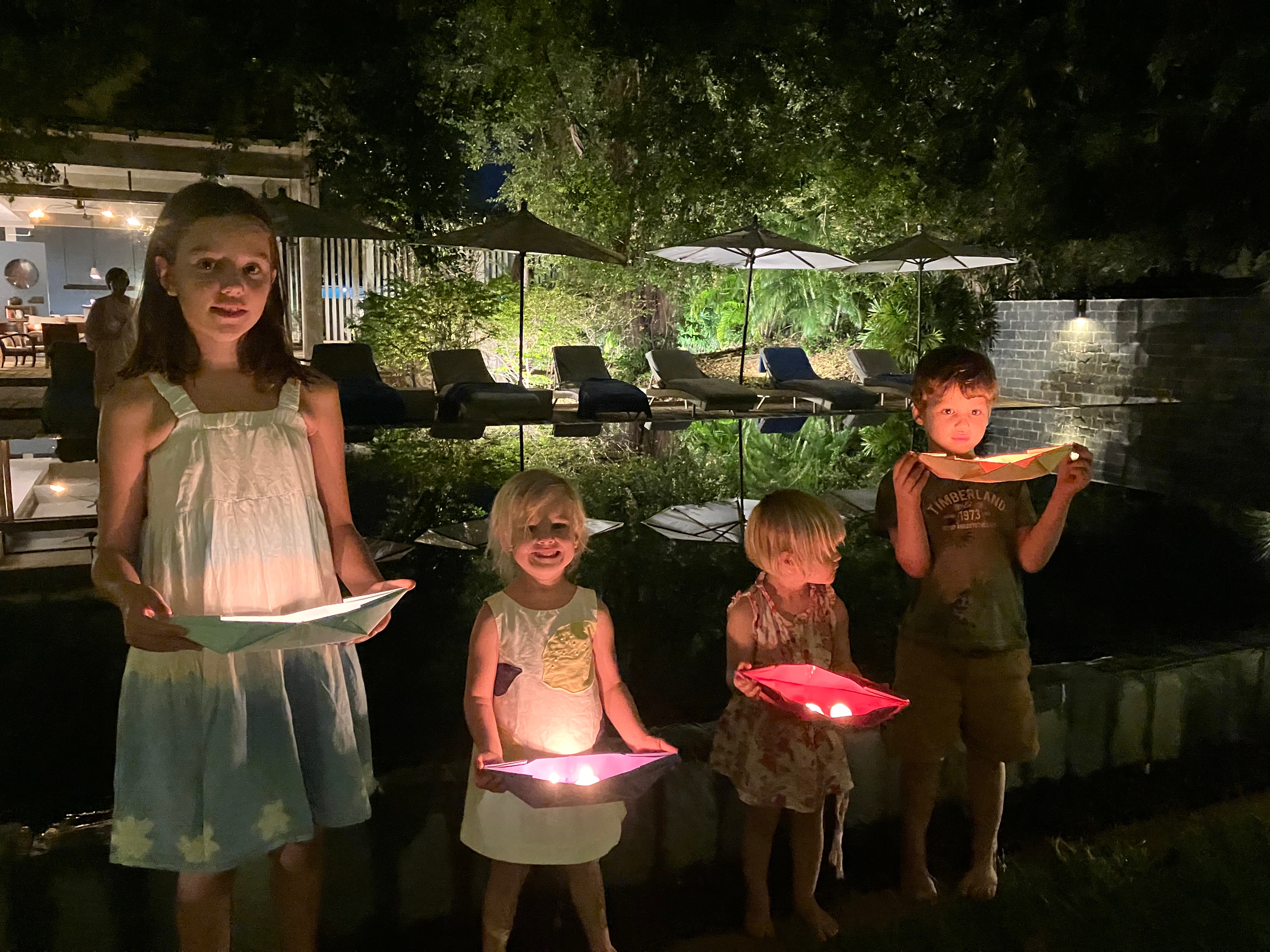
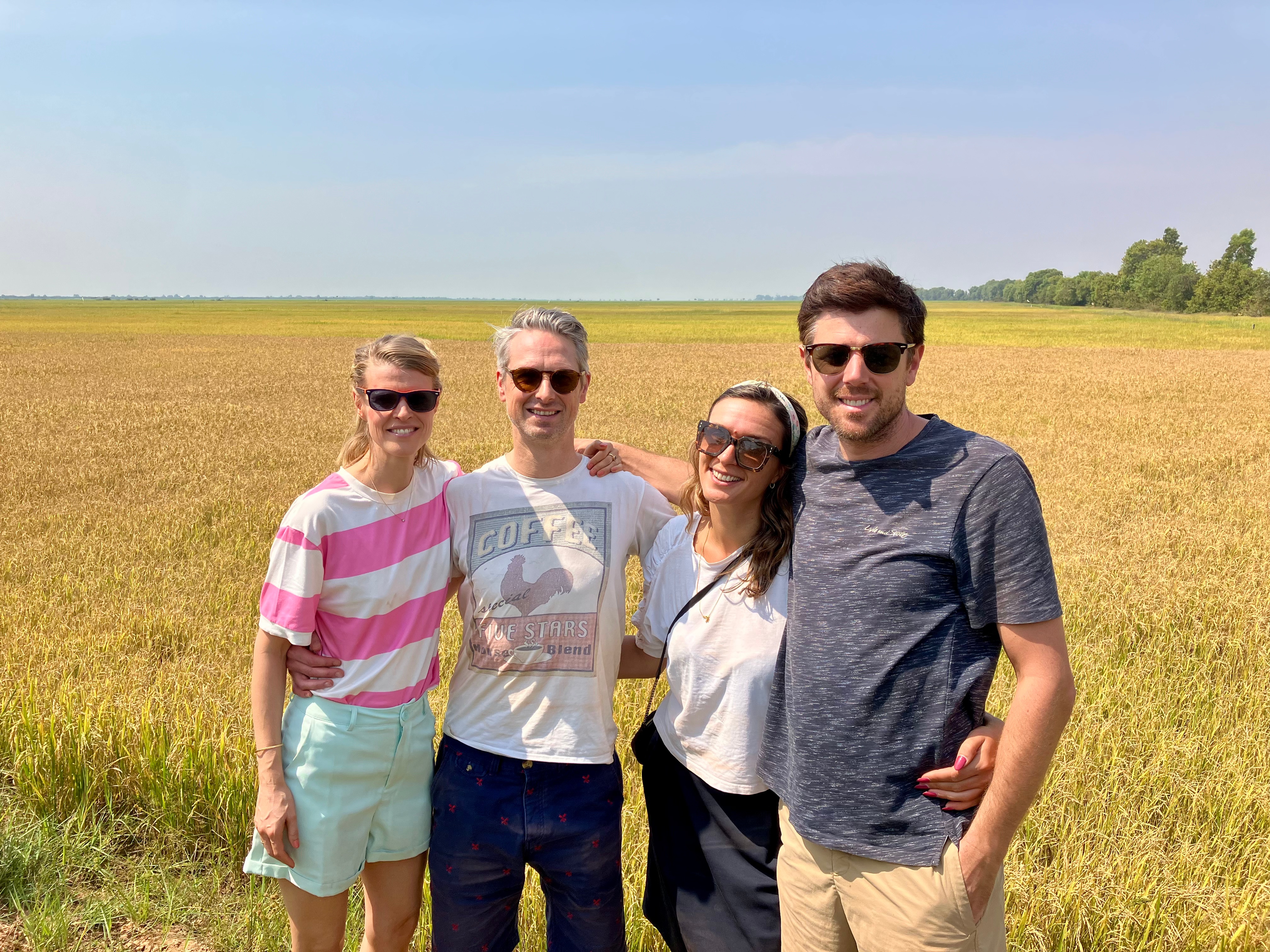
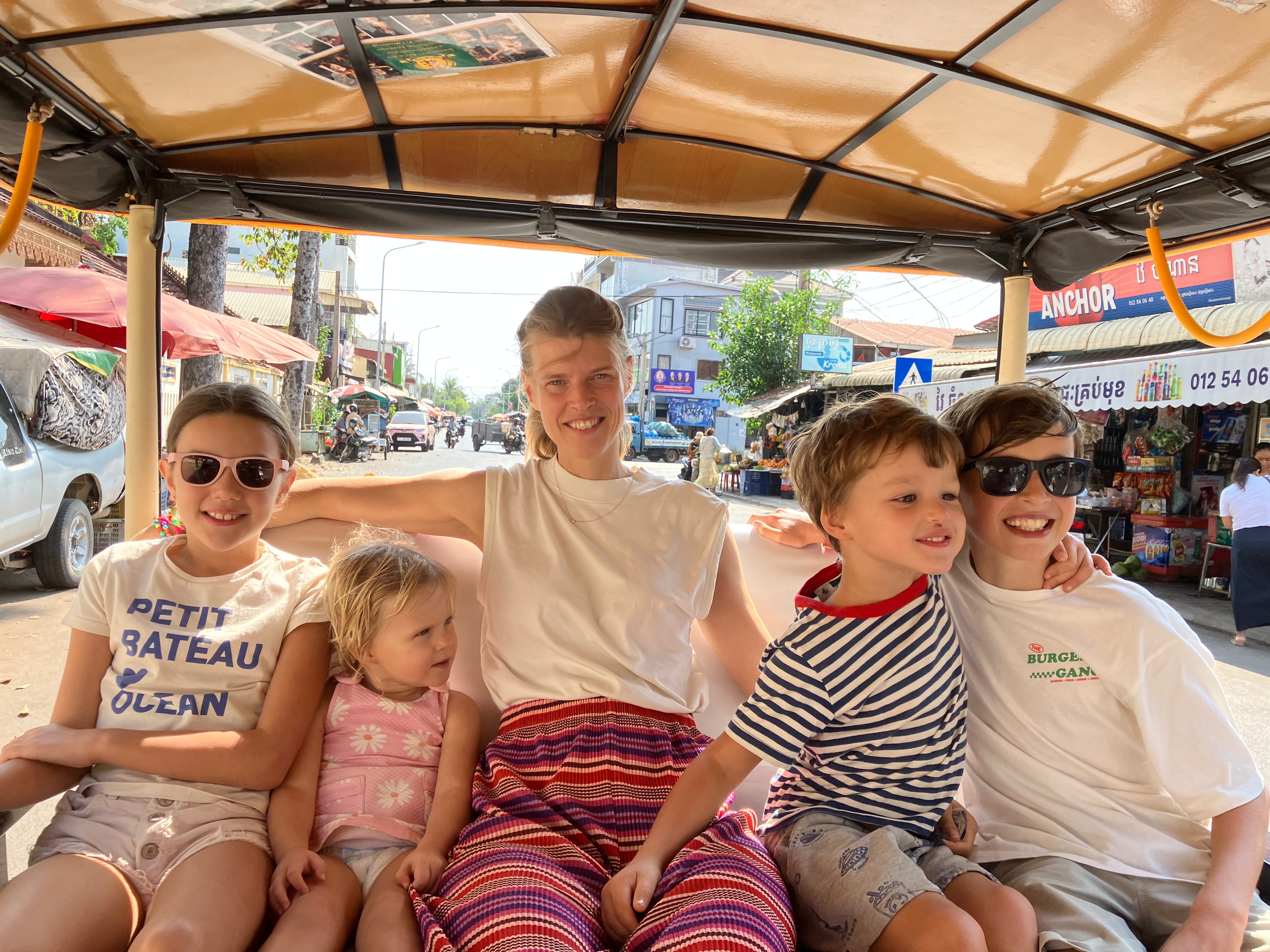
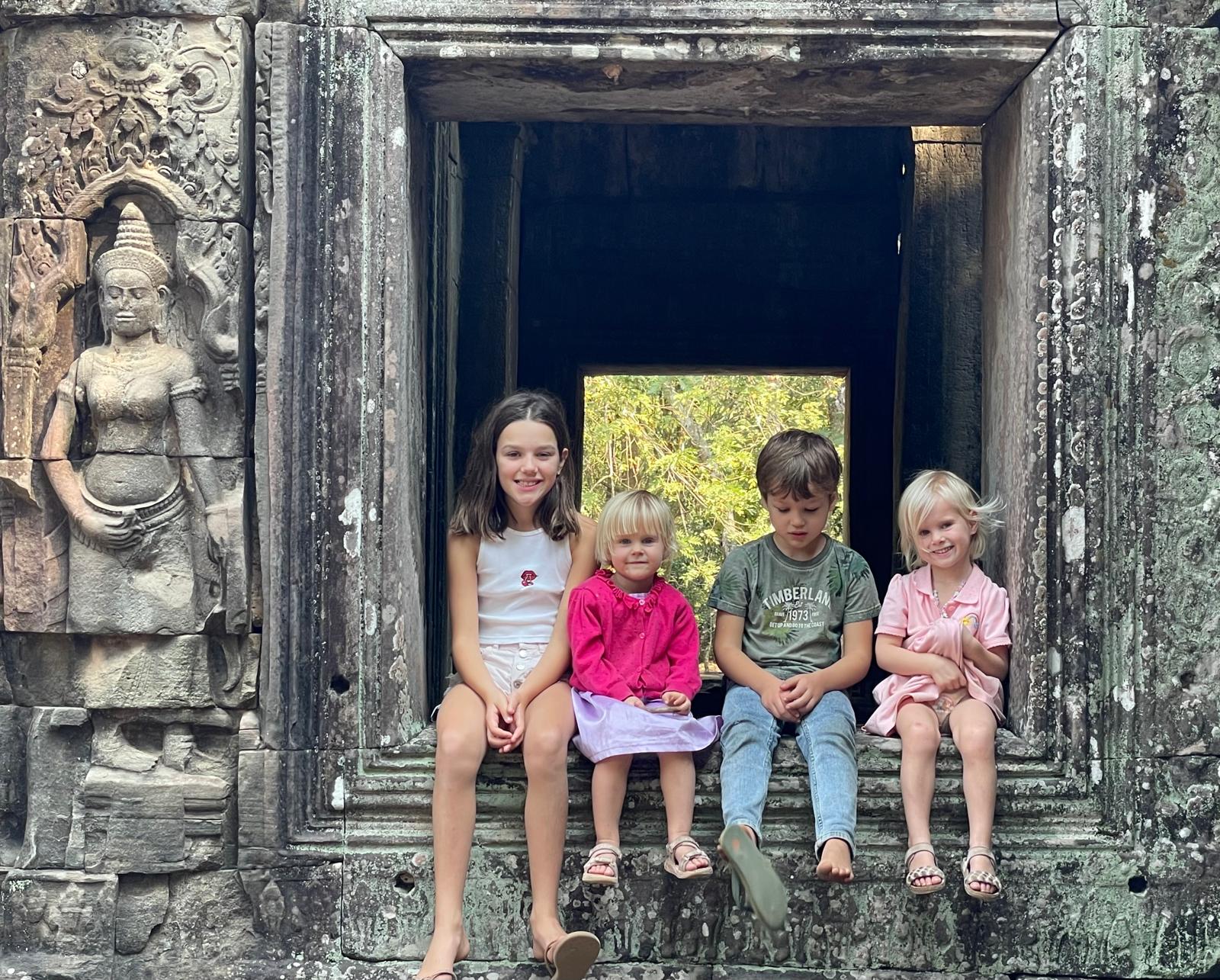
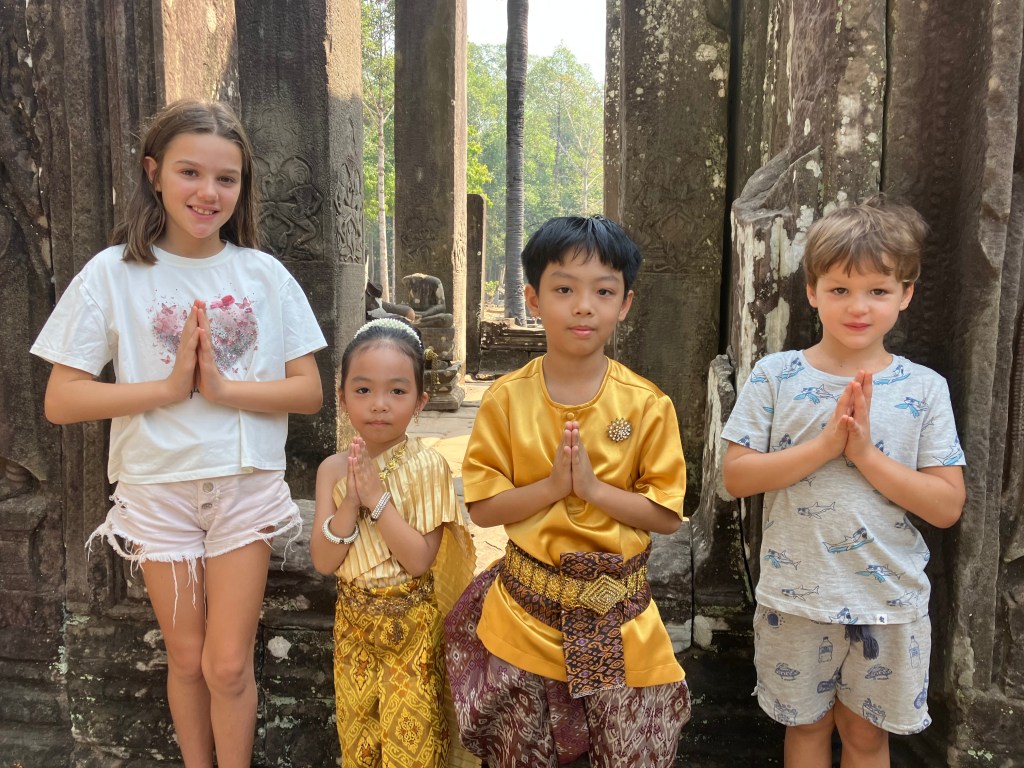
You think you know Cambodia. Four visits, and yet, every time, it pulls us in differently. This time, no frantic race, no long journeys, no packed itinerary. Just two weeks in Siem Reap, staying with our friends Bruno and Astrid, along with their two kids, Elia and Victoria. A house that feels like paradise, a luxurious pause in the middle of our travels.
A Cambodia where we took our time.
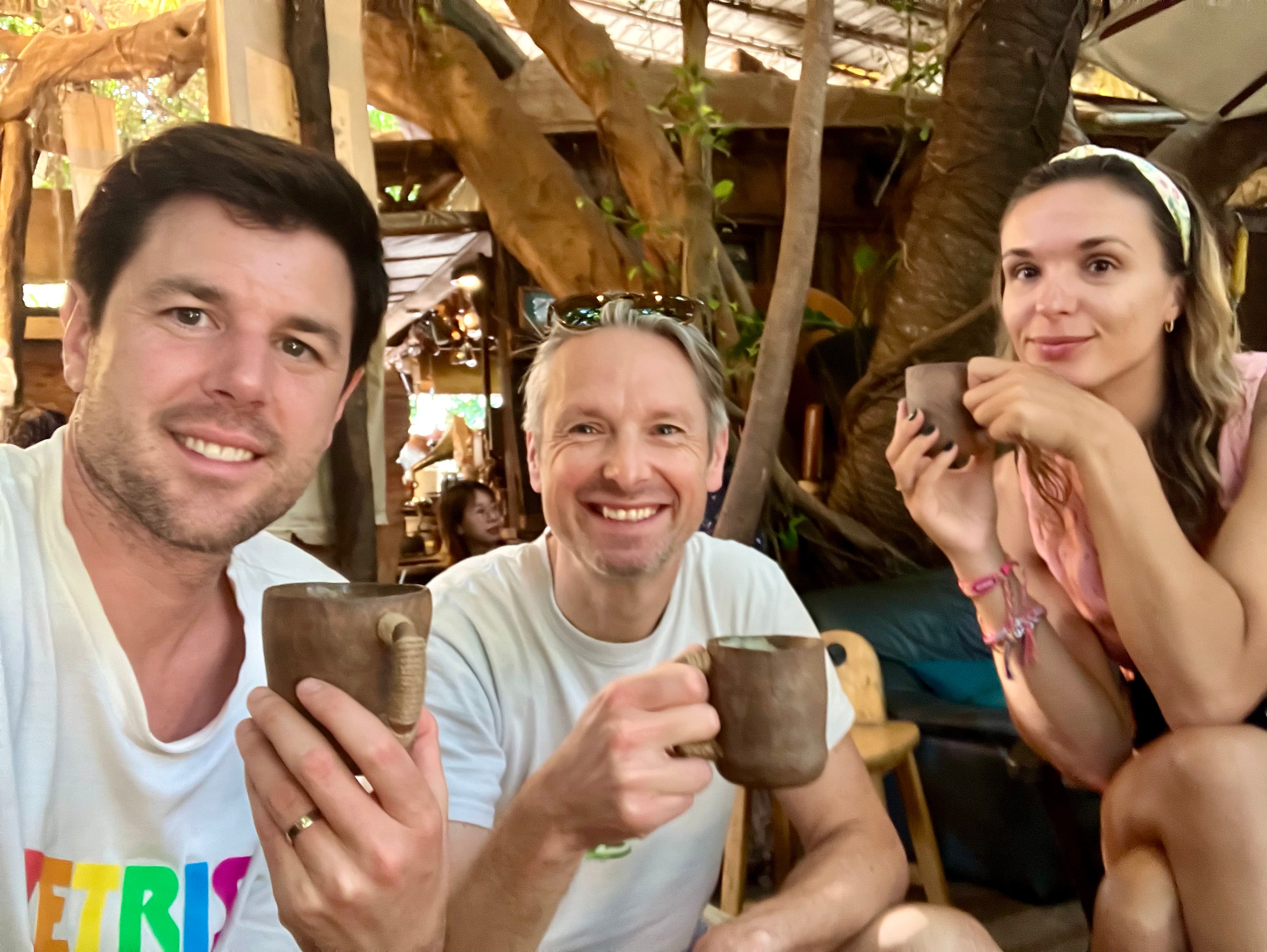
A Cambodia savored slowly. With friends.
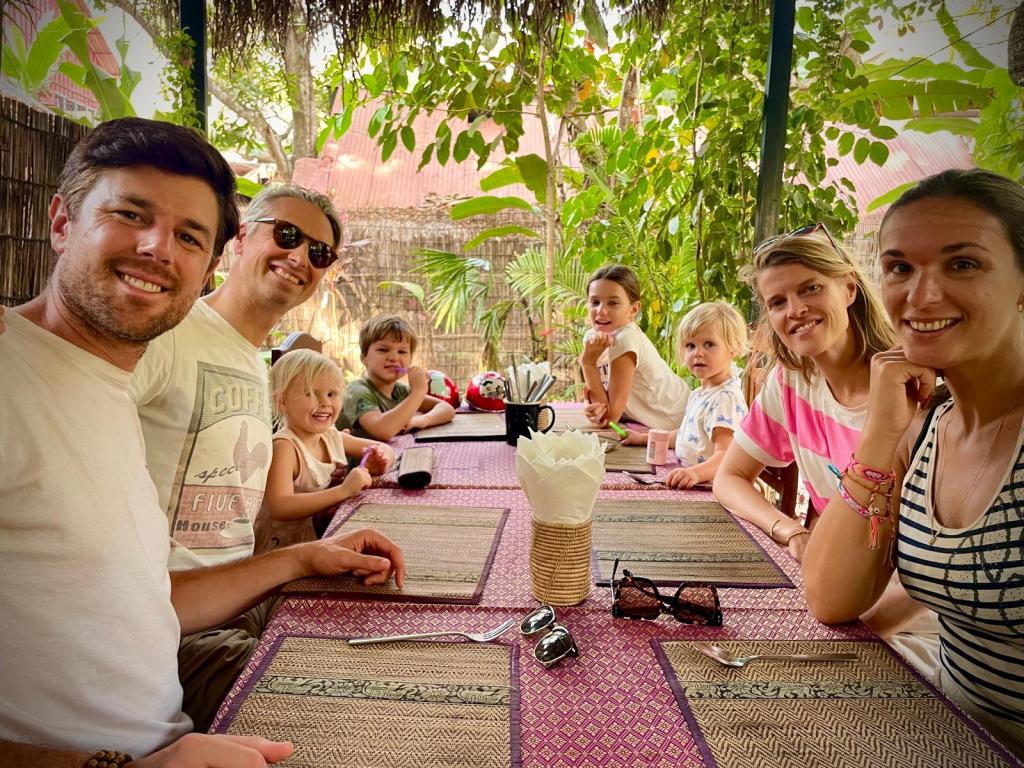
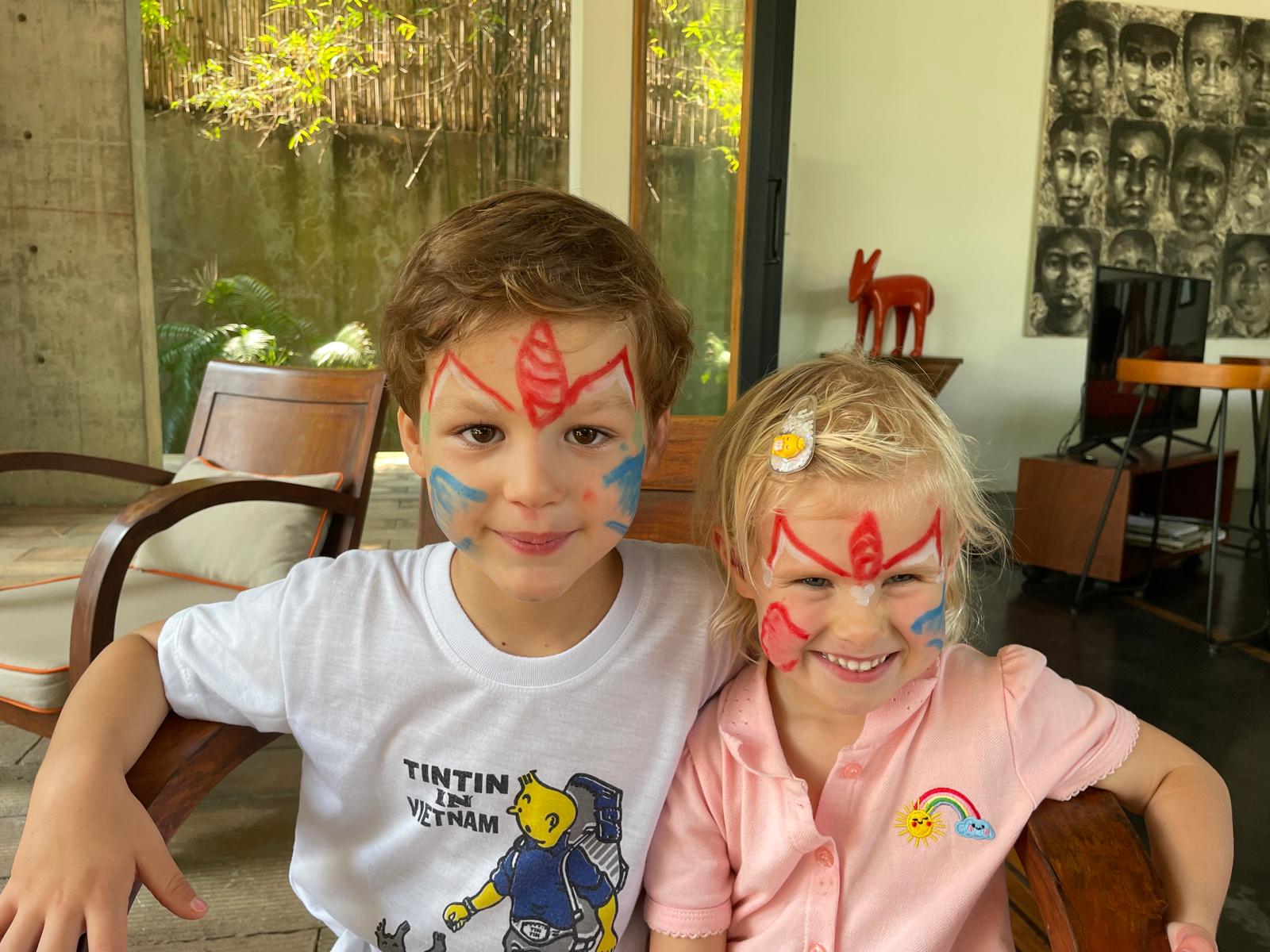
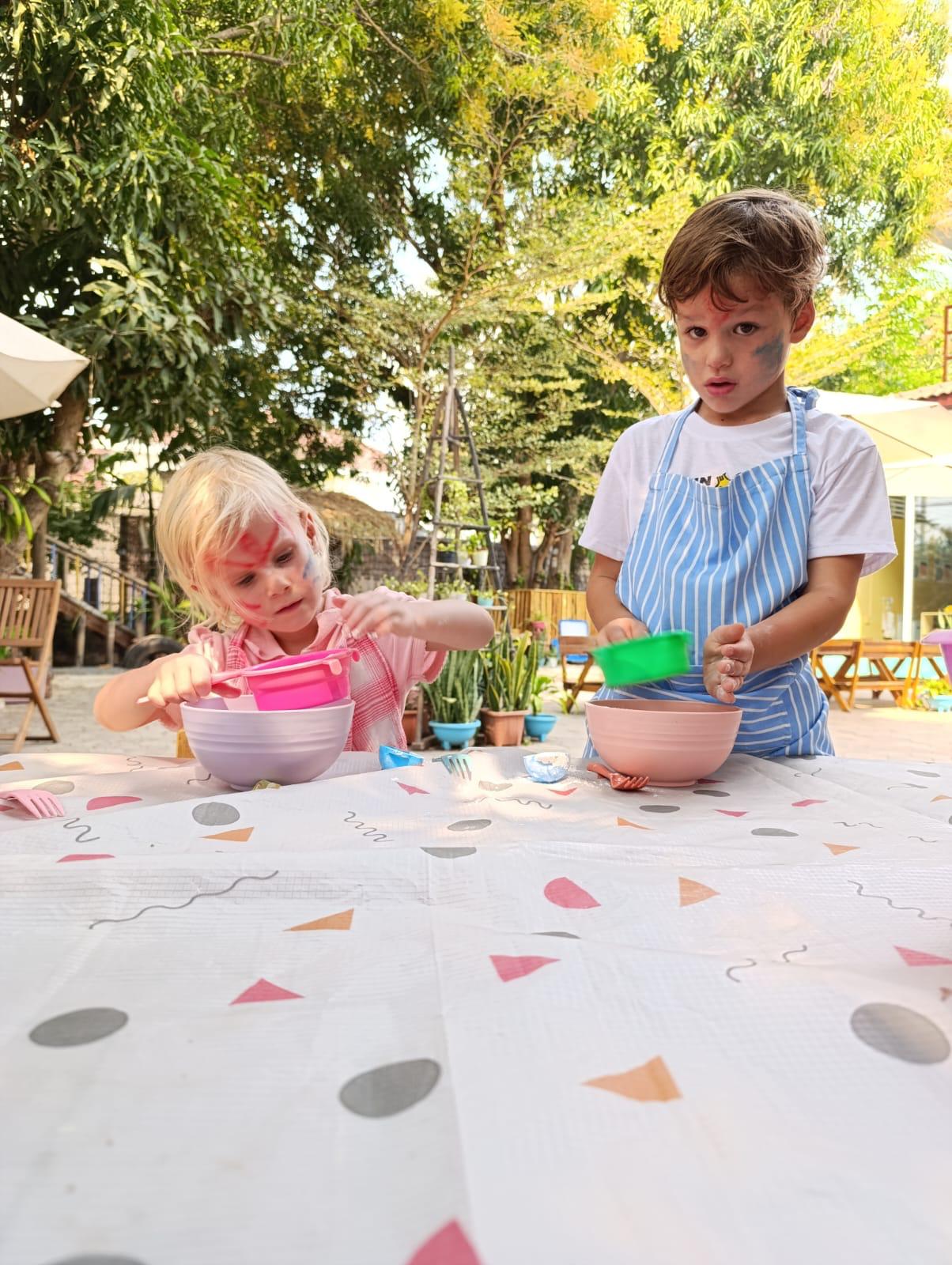
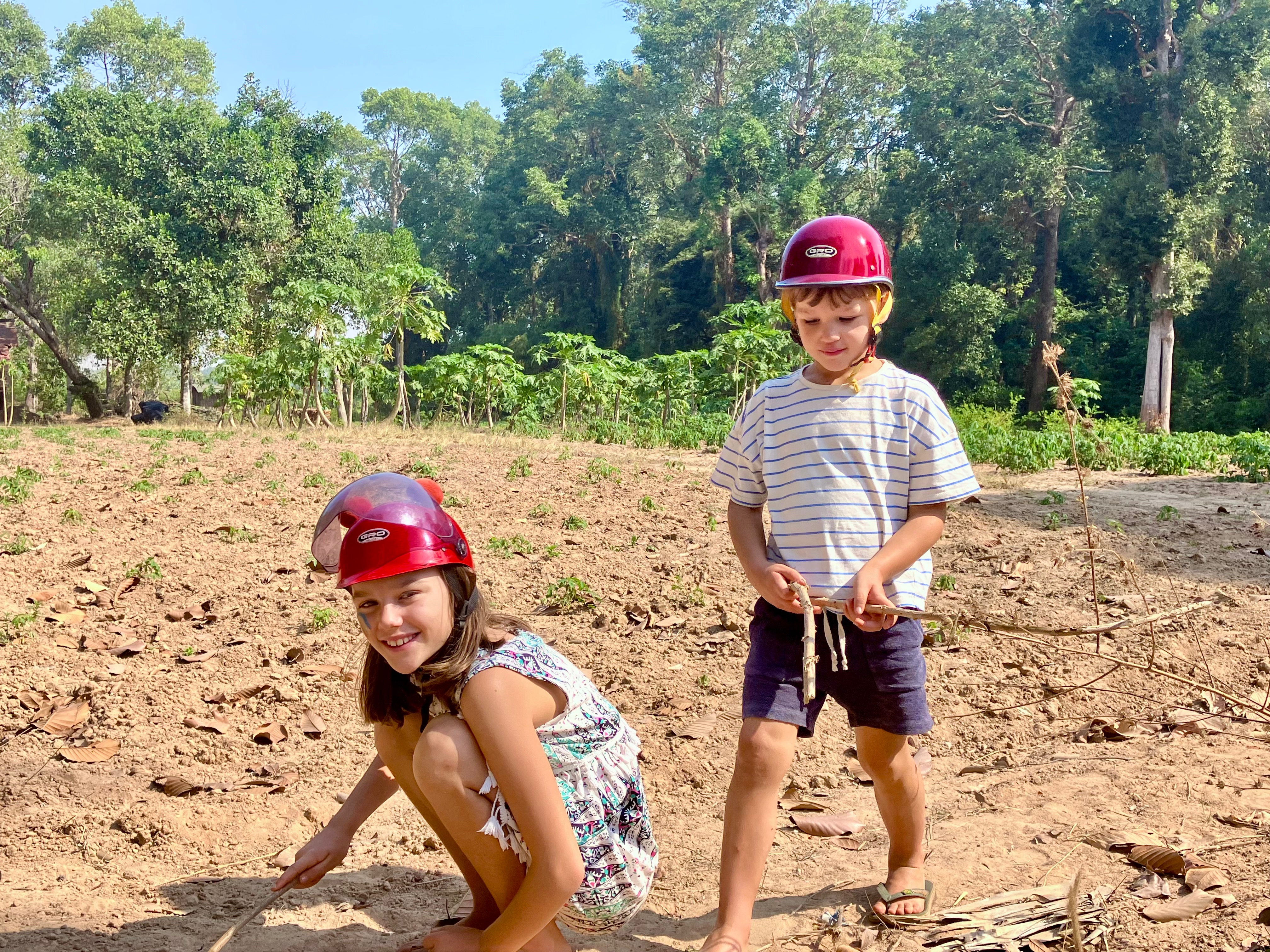
A Cambodia where we took our time. Time to hang out for hours at the playground with the kids. Time to hire a babysitter—three times, with kids actually happy to see us go.
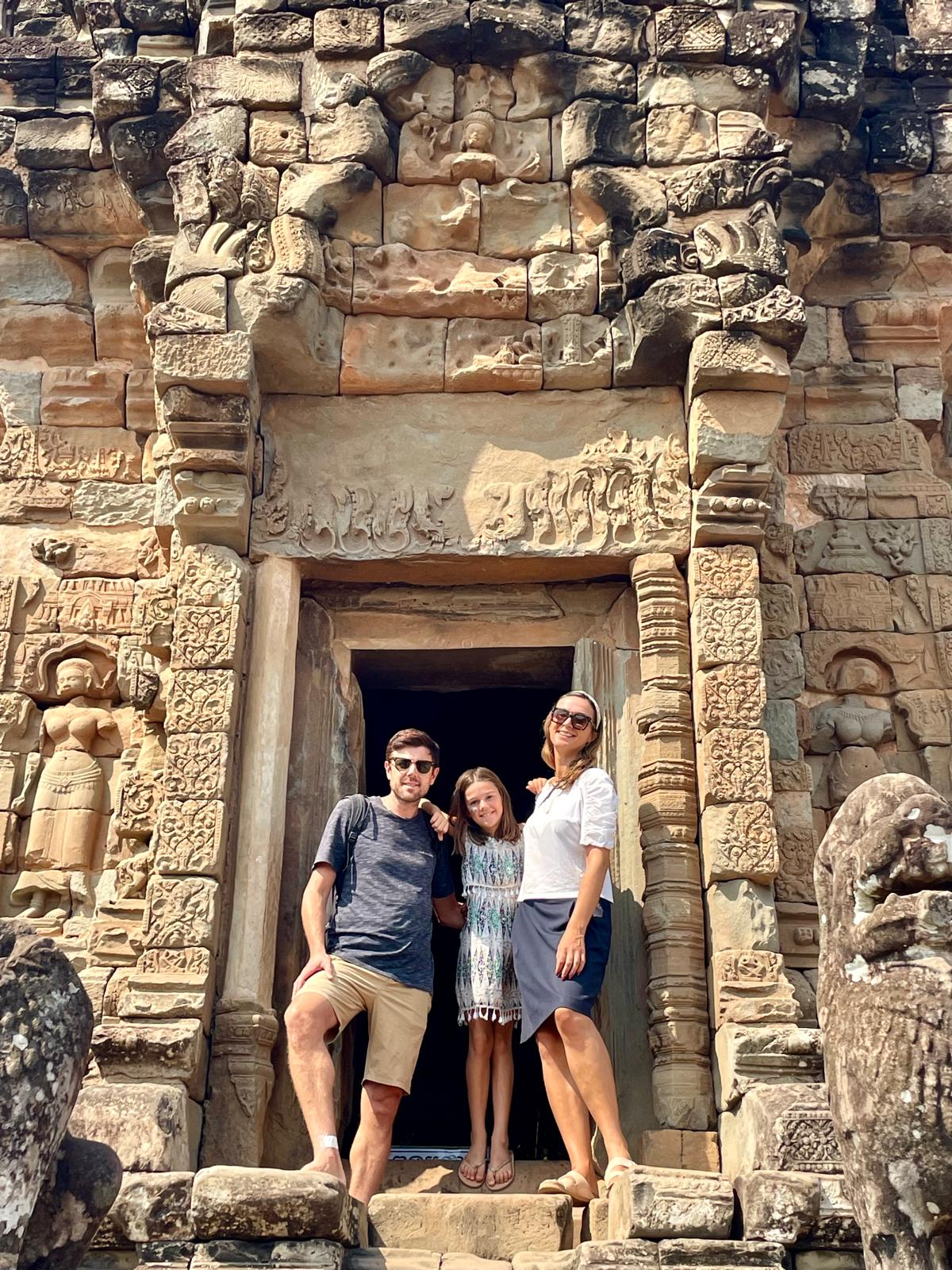
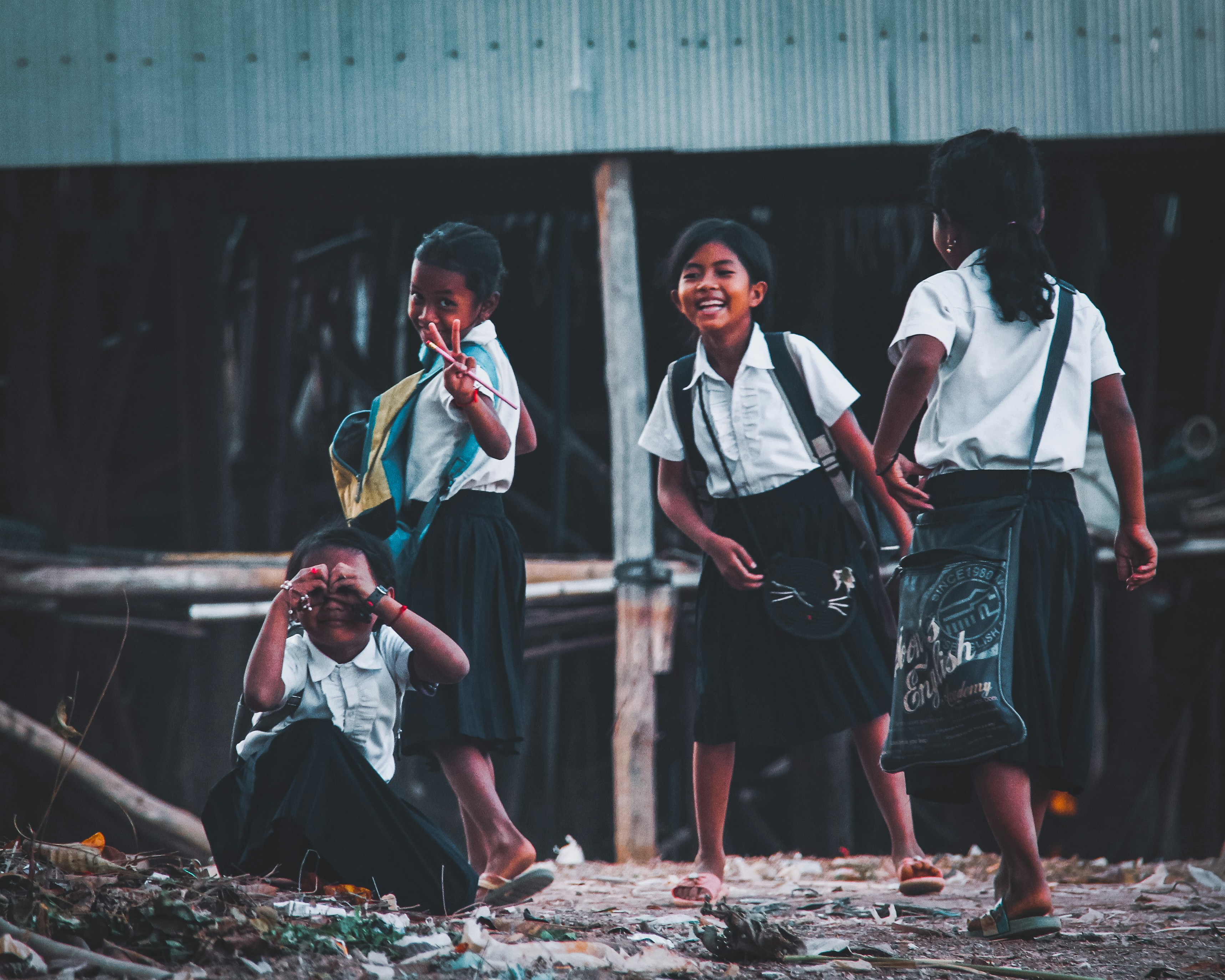
A Cambodia where we observed local life, visited temples, and showed the children those overcrowded schools, a world away from Belgium.
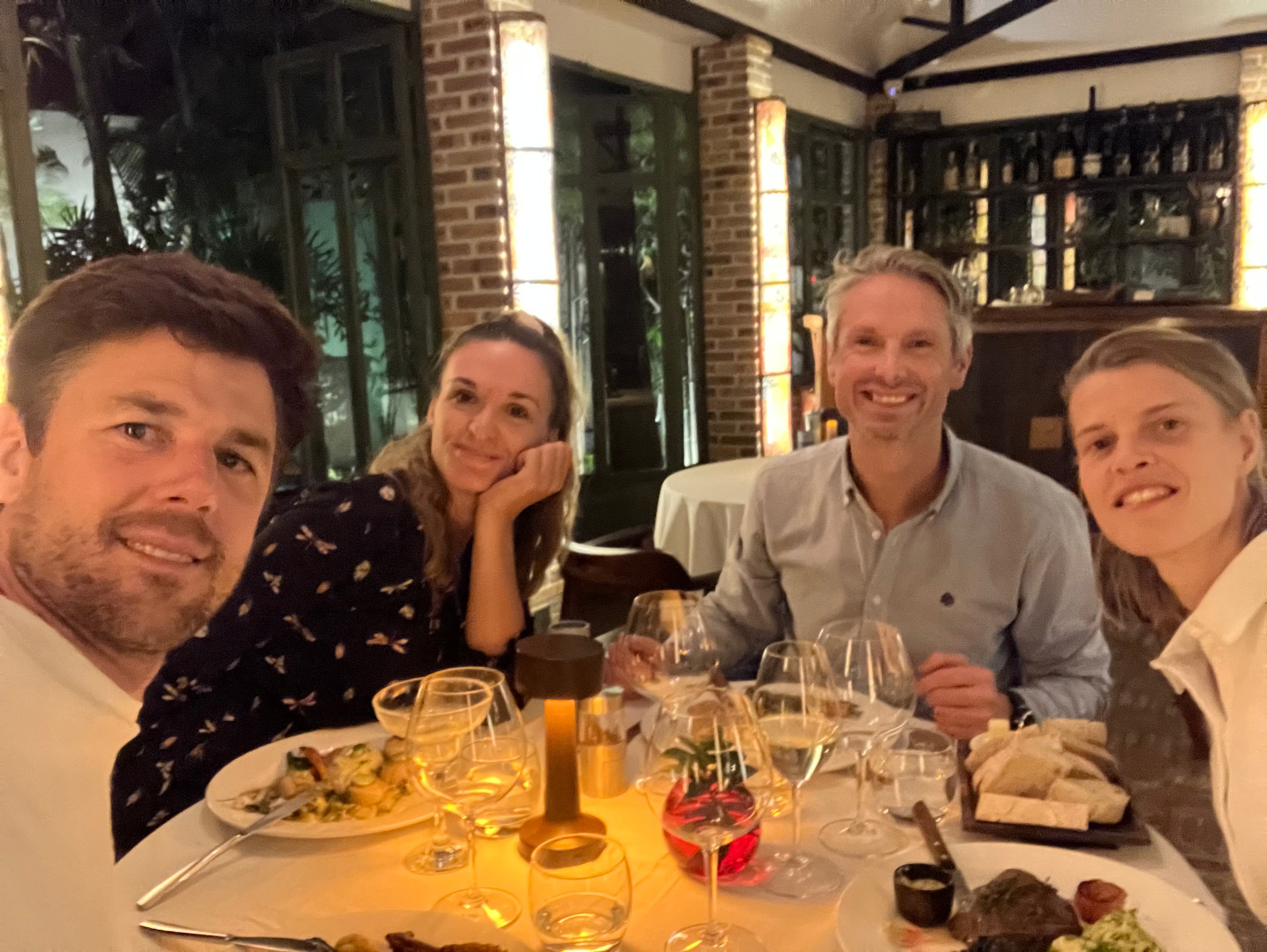
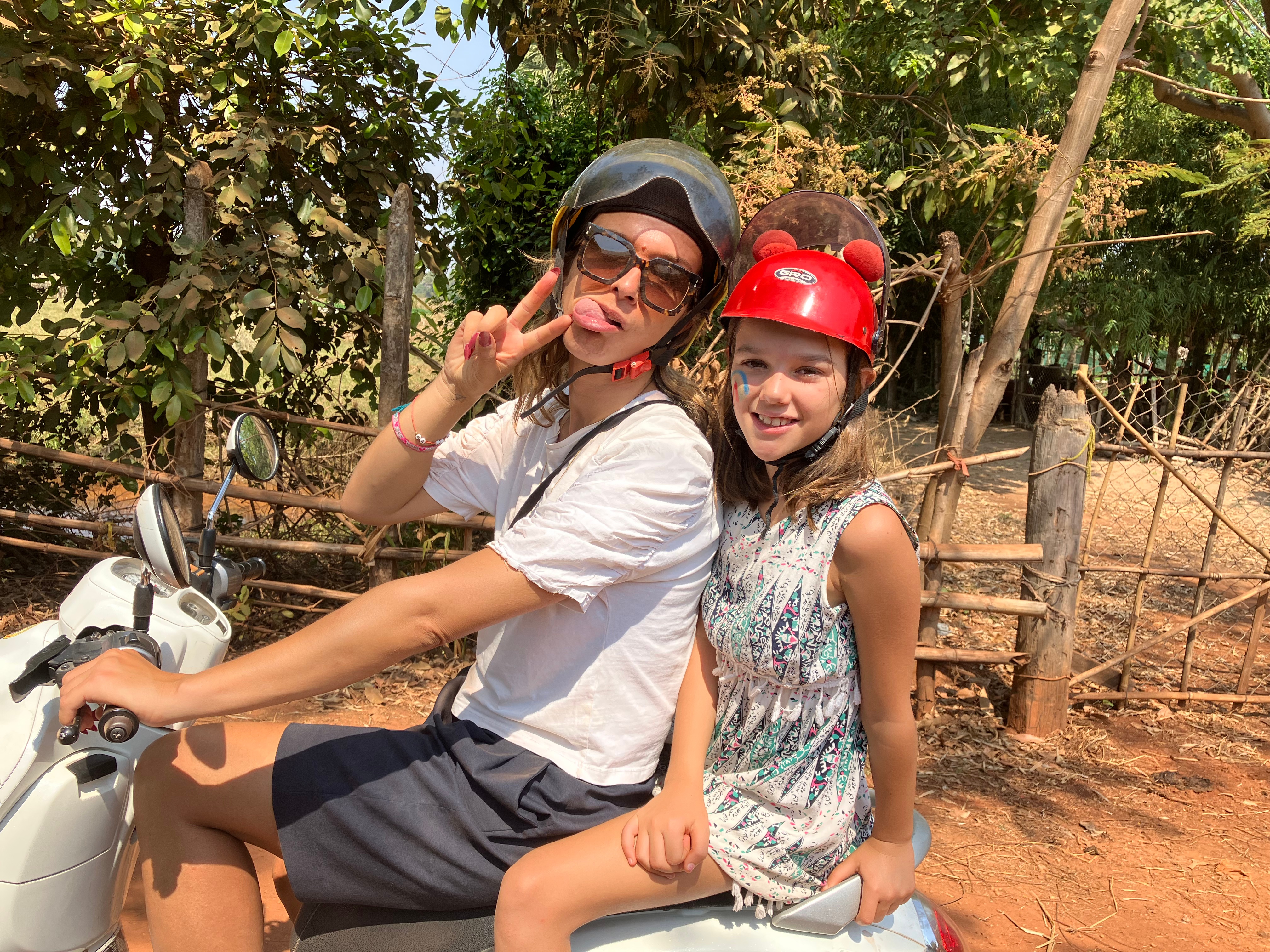
A Cambodia where we indulged. Incredible restaurants at absurdly low prices. Motorcycle rides. Dips in the pool.
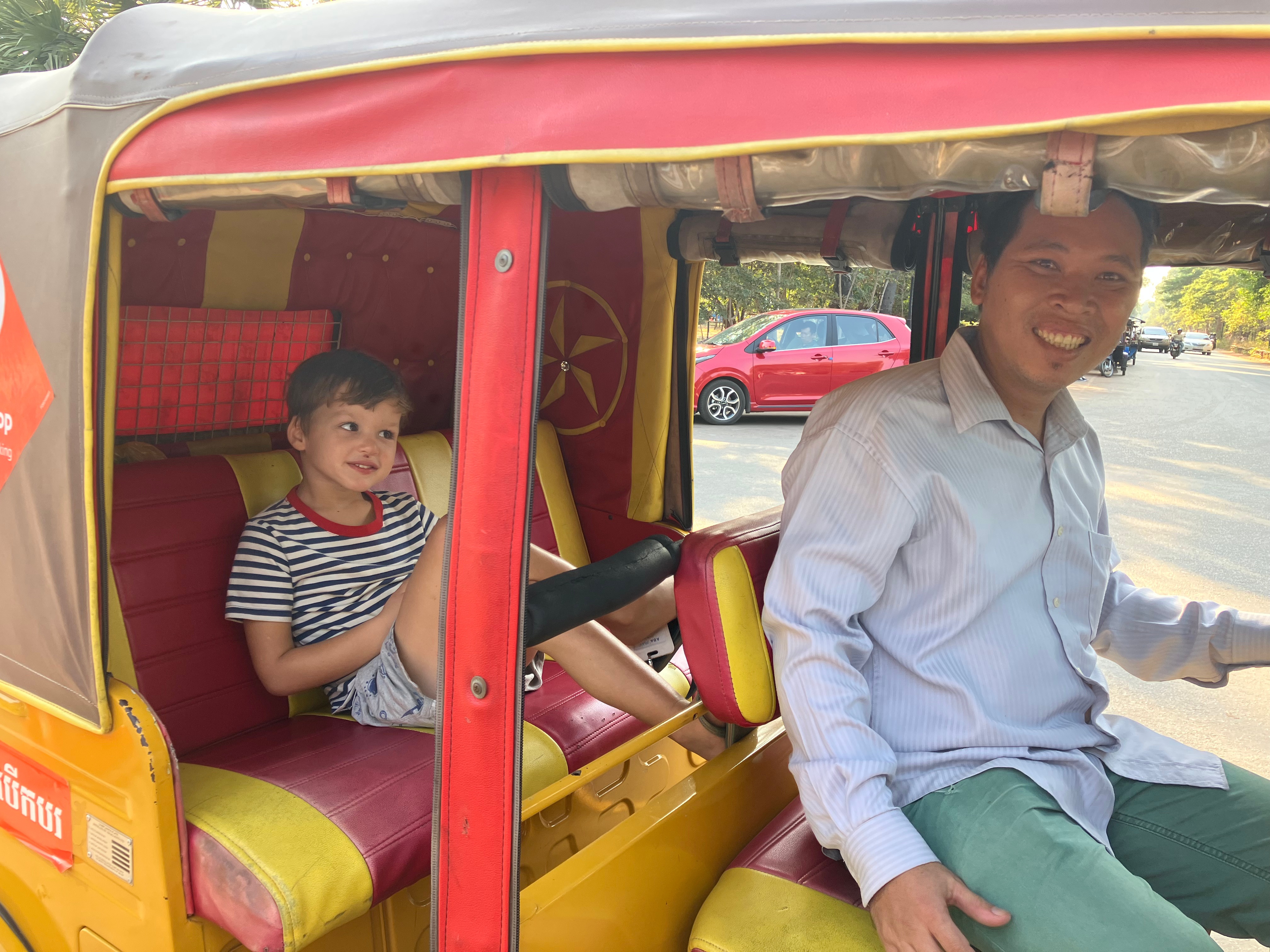
But rather than telling you everything all at once, let’s talk about three things that strike us every time we come here.
1. The Temples of Angkor: A Timeless Wonder
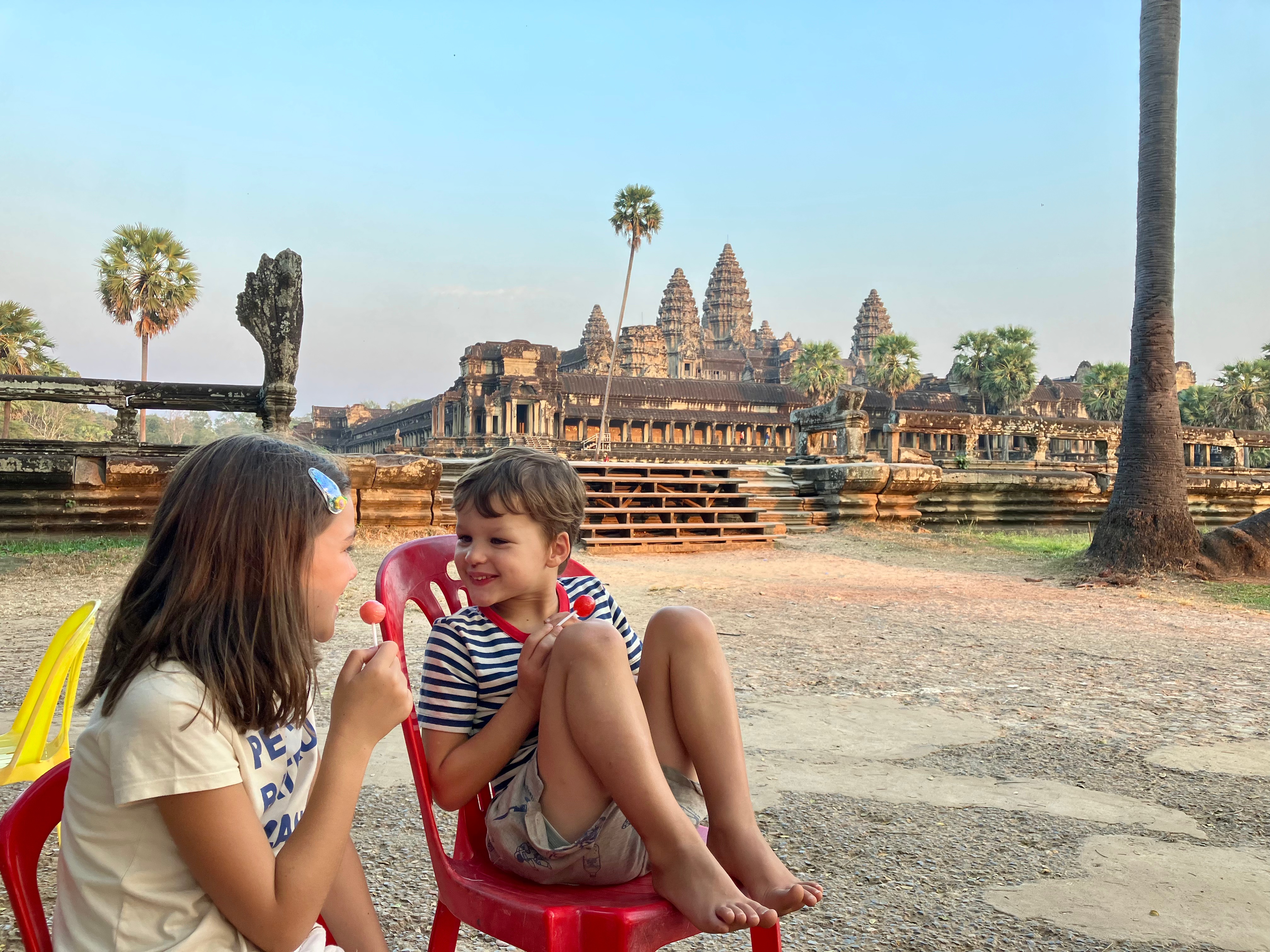
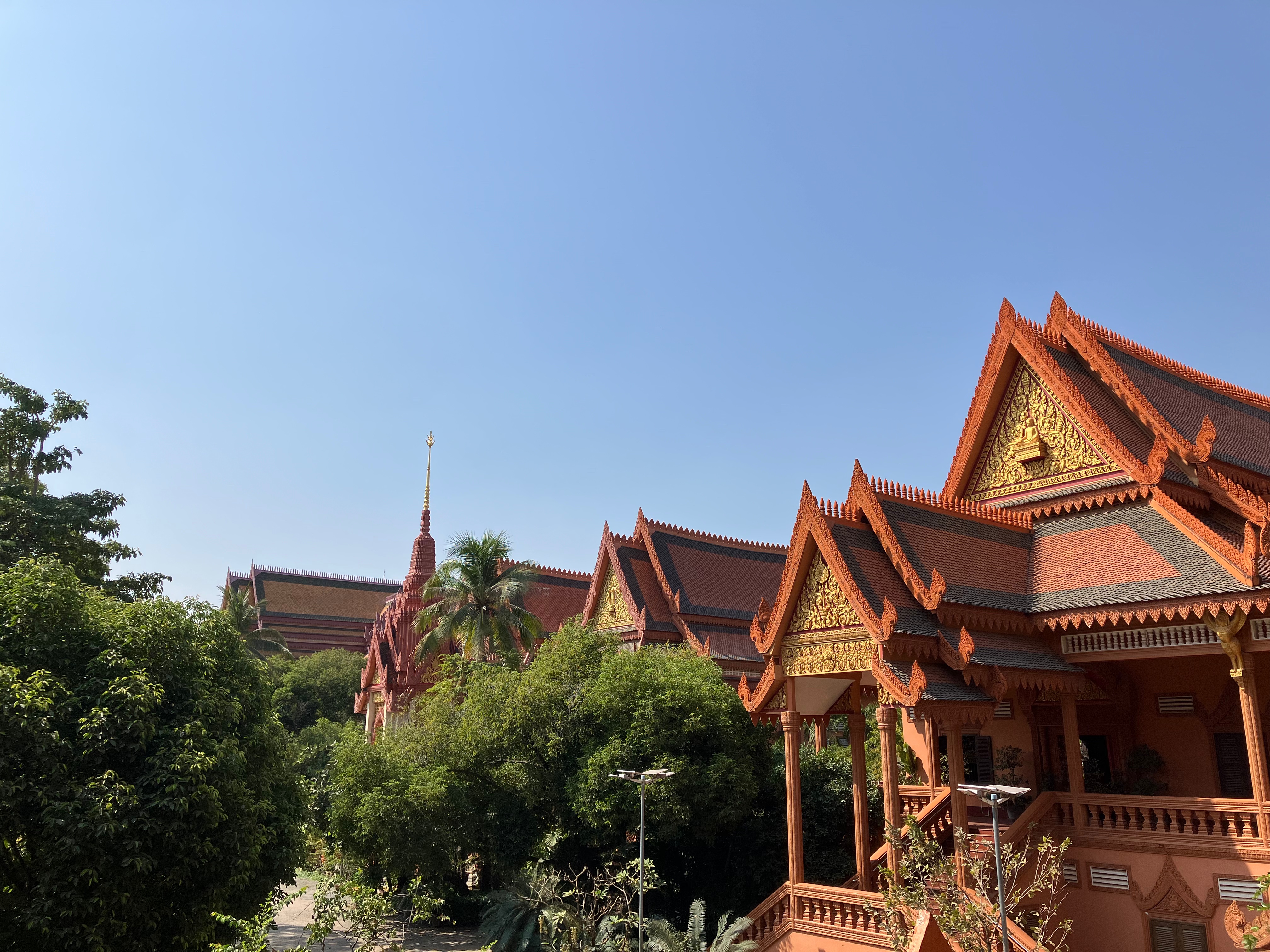
I almost never go back to the same place. The world is too vast, and time too short. But Angkor is different. Angkor is a punch of history straight to the face, a place that defies oblivion—one you return to with the same sense of awe every time.
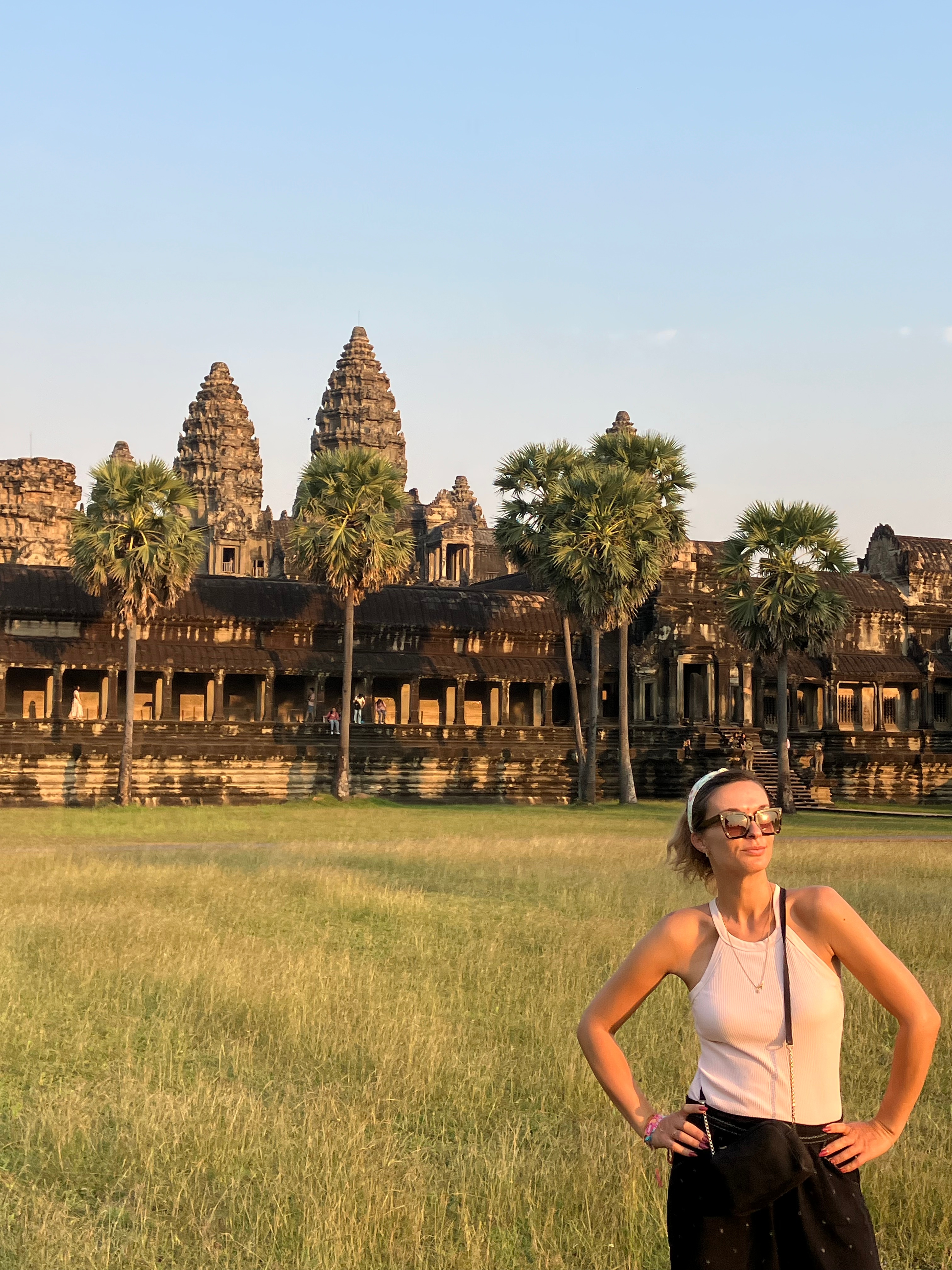
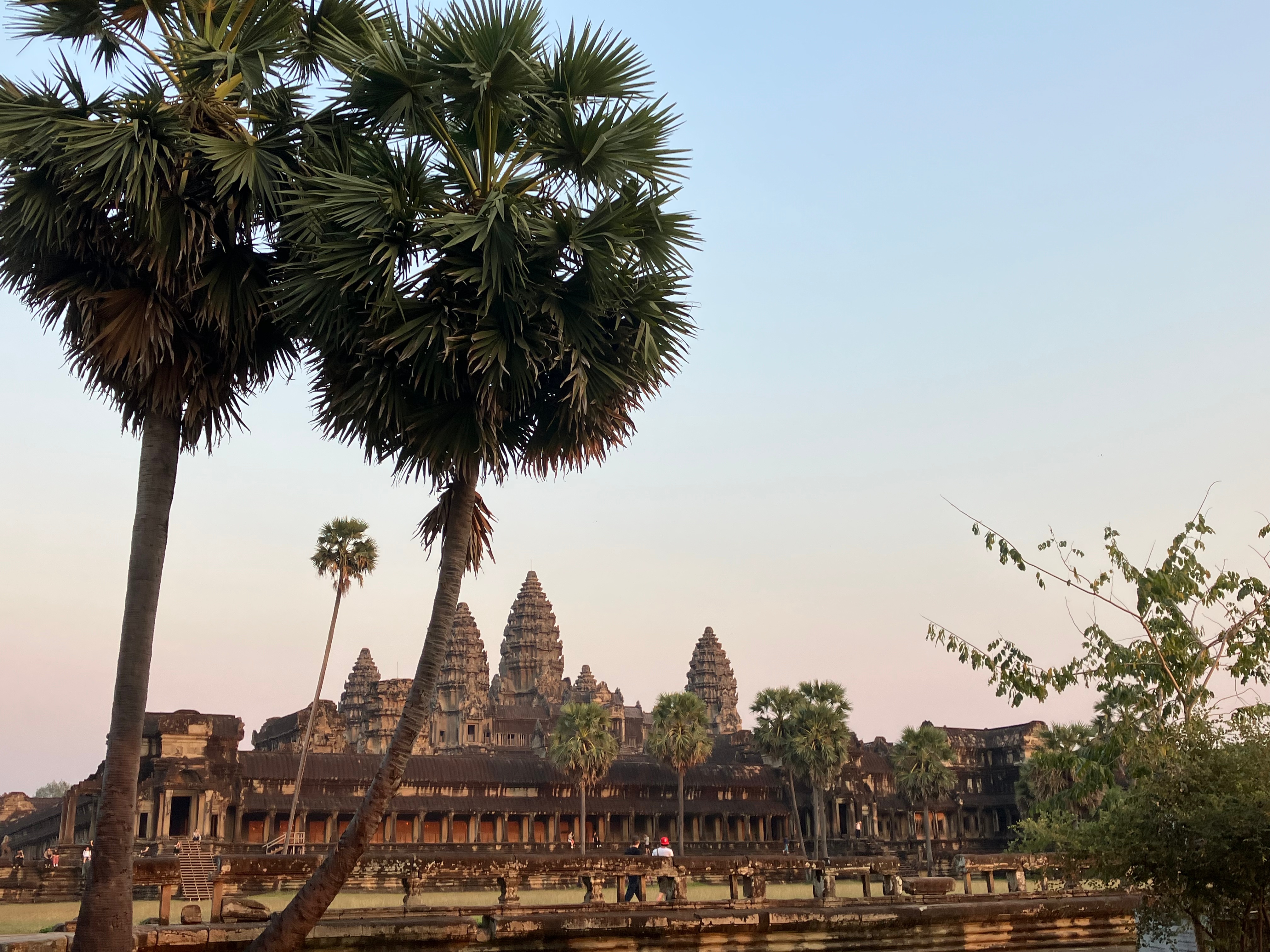
The moment we arrive in front of Angkor Wat, the feeling is unchanged. That immense pathway stretching ahead, the colossal silhouette rising on the horizon, imposing, indifferent to the centuries… Everything here seems designed to remind us just how fleeting we are.
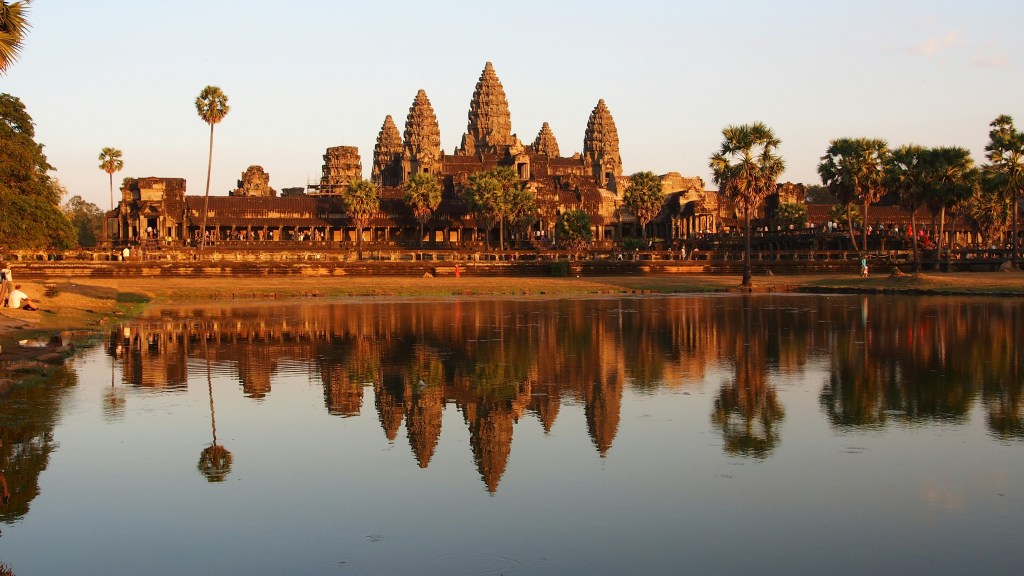
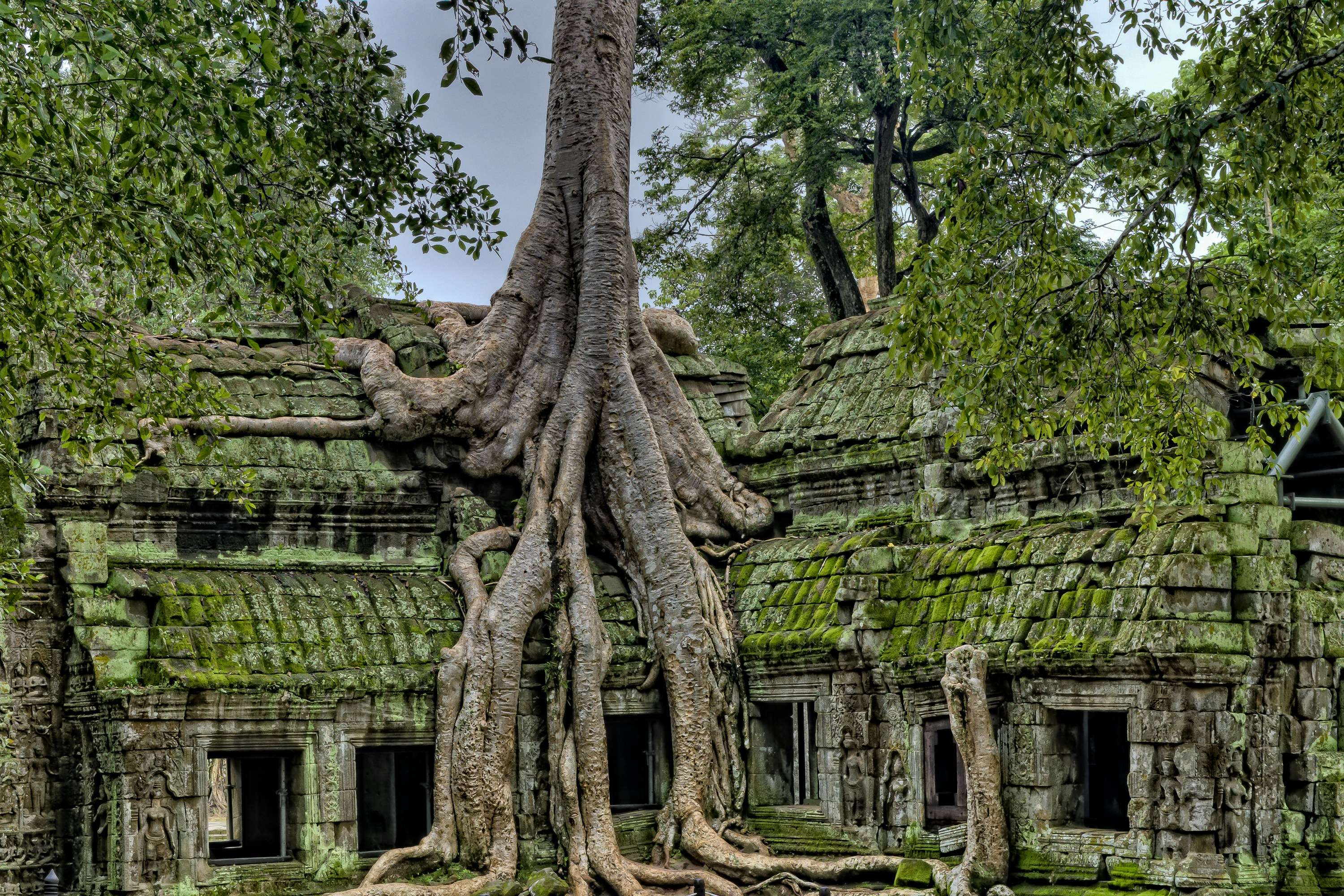
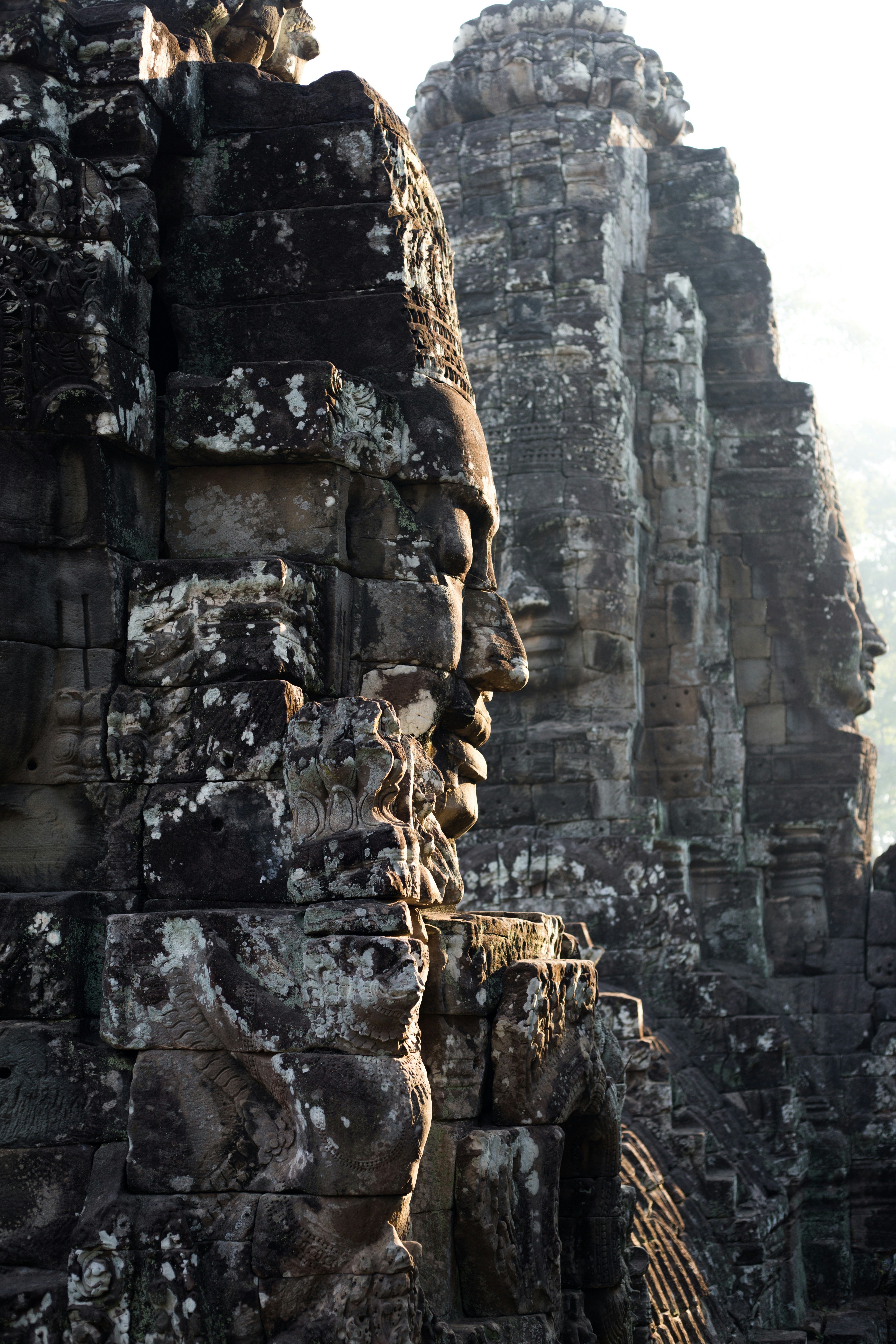
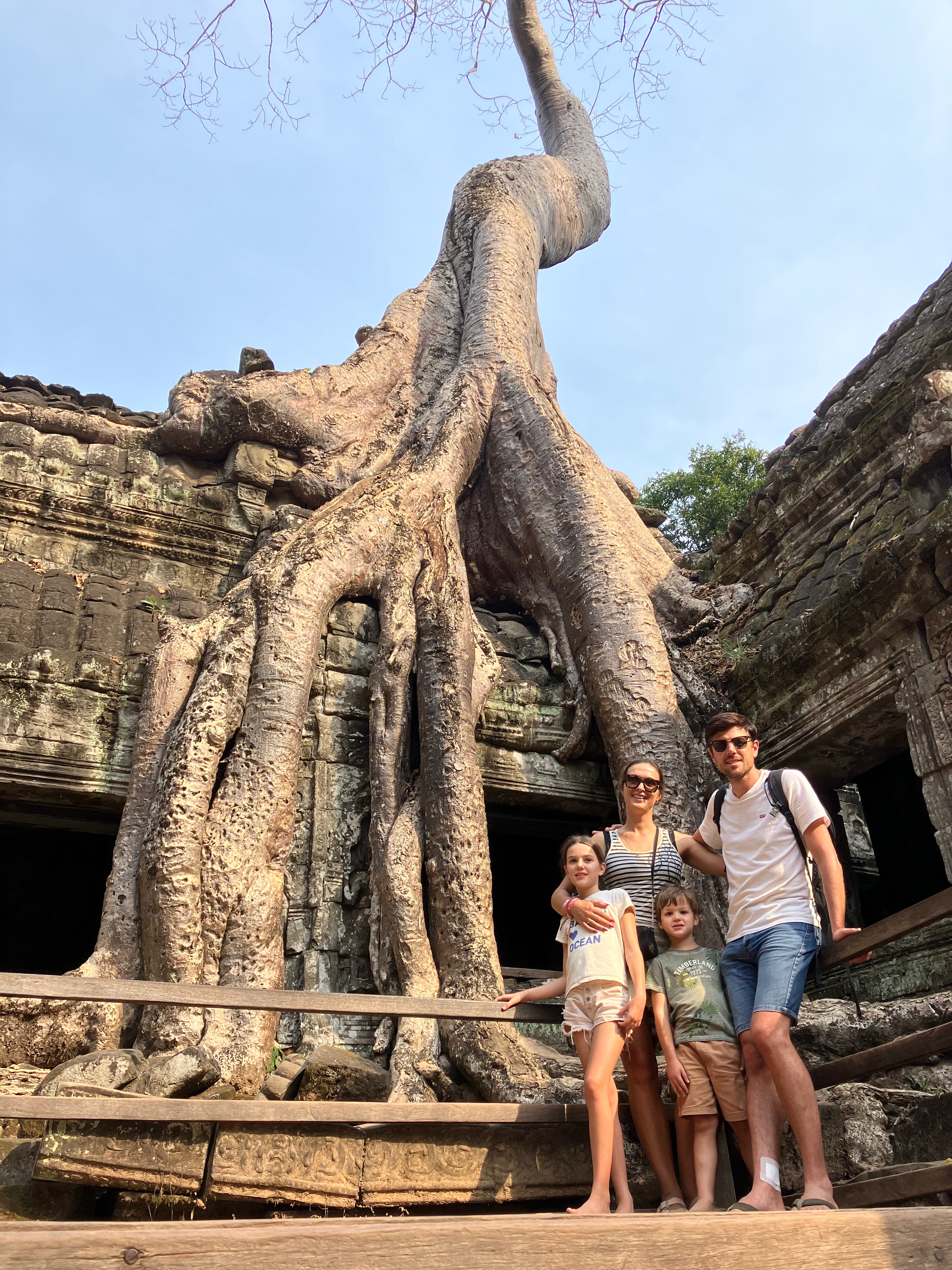
At its peak in the 12th century, the Khmer Empire covered a territory six times larger than present-day Cambodia, leaving behind an extraordinary legacy. Angkor Wat, majestic despite looting and the wear of time, is its most dazzling symbol. And yet, it’s only a fragment of a lost empire. In reality, Angkor is a constellation of over 290 temples spread across nearly 400 km². You couldn’t possibly name them all—let alone visit them in a single day. To truly absorb the grandeur of this place, three full days are barely enough.
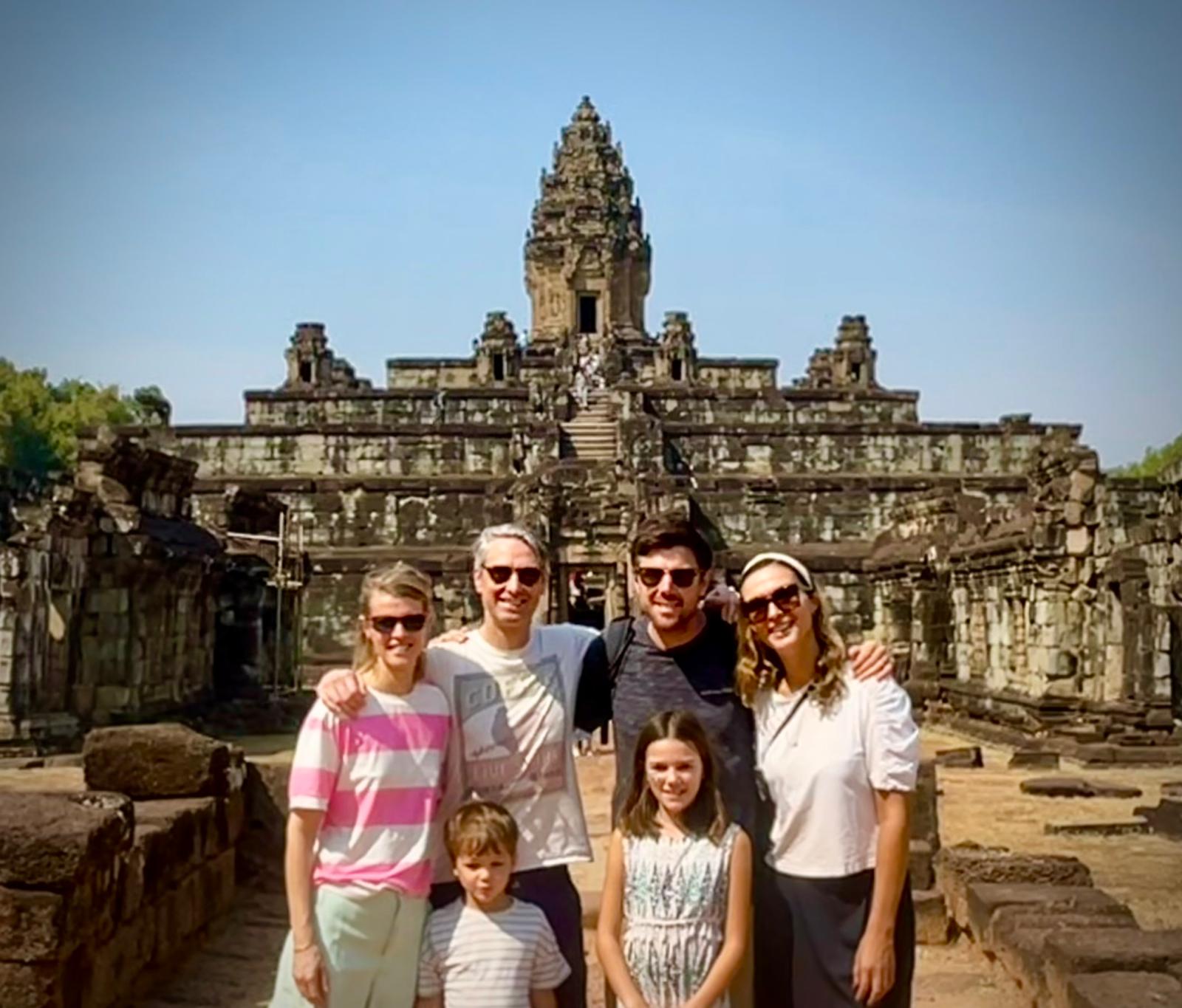
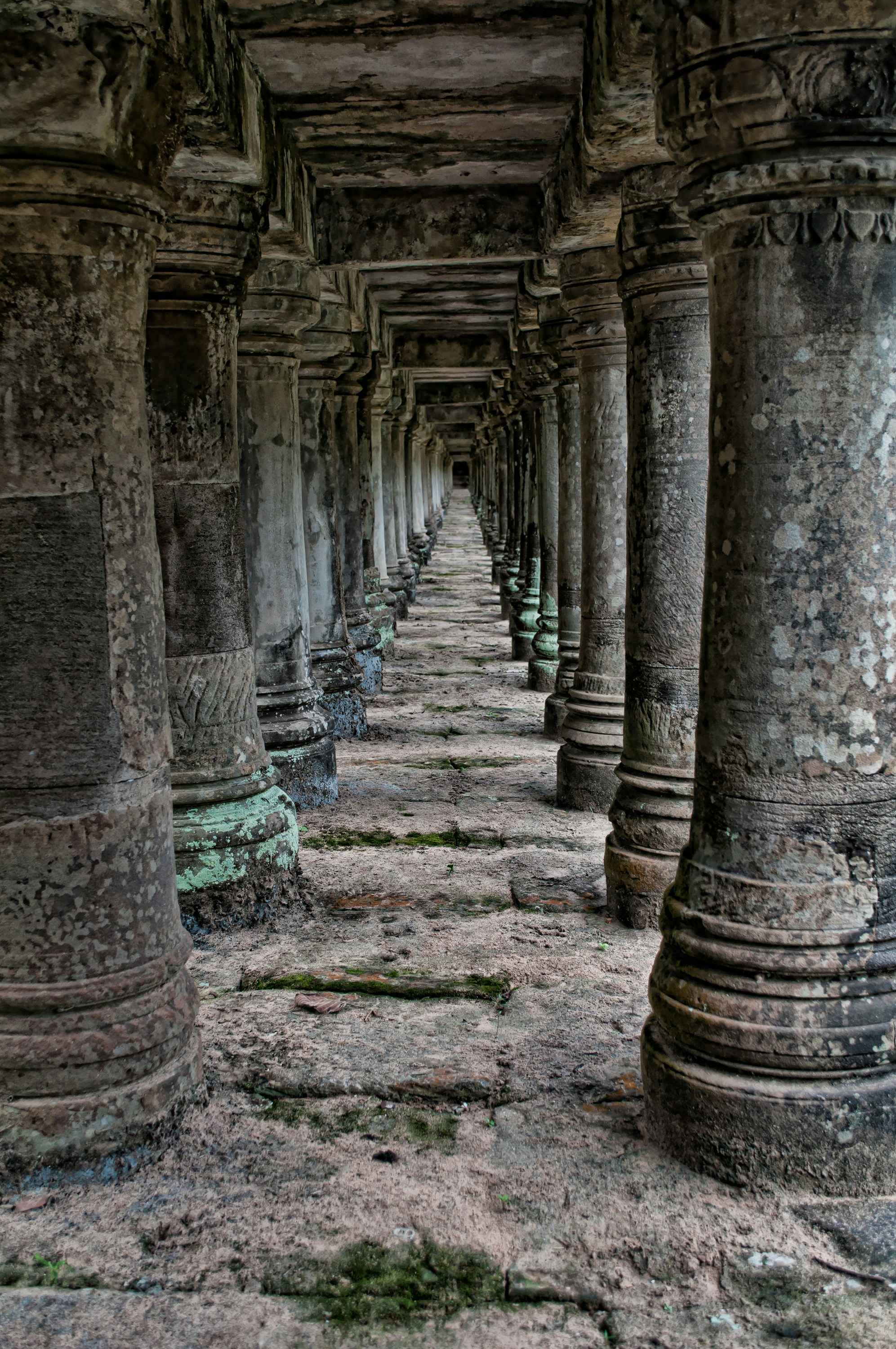
And then, there’s Siem Reap. More than just a base for exploring Angkor, the city has a charm of its own. You stroll aimlessly, sip on a mango juice at a night market, lose yourself in narrow streets lined with cafés.
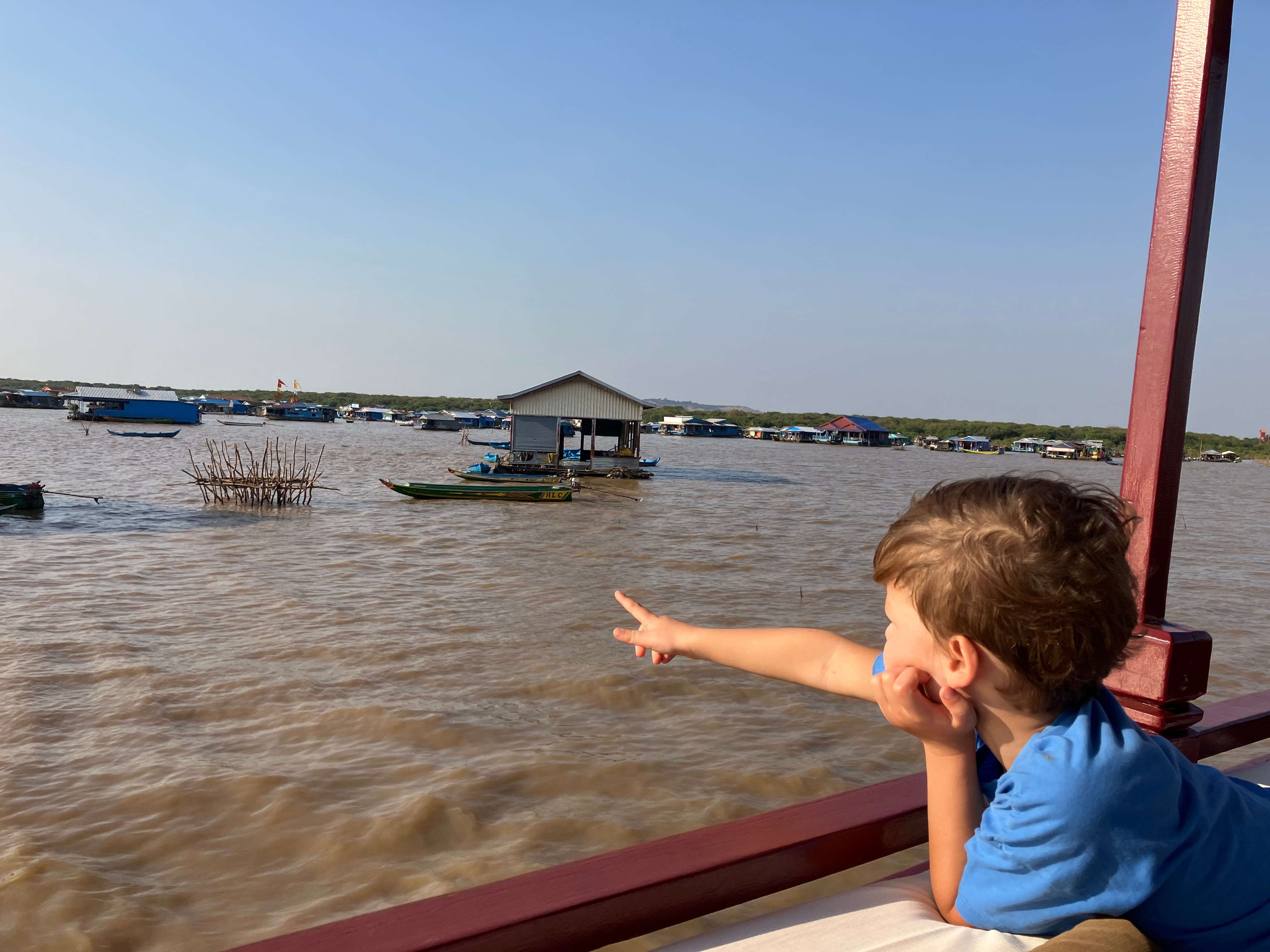
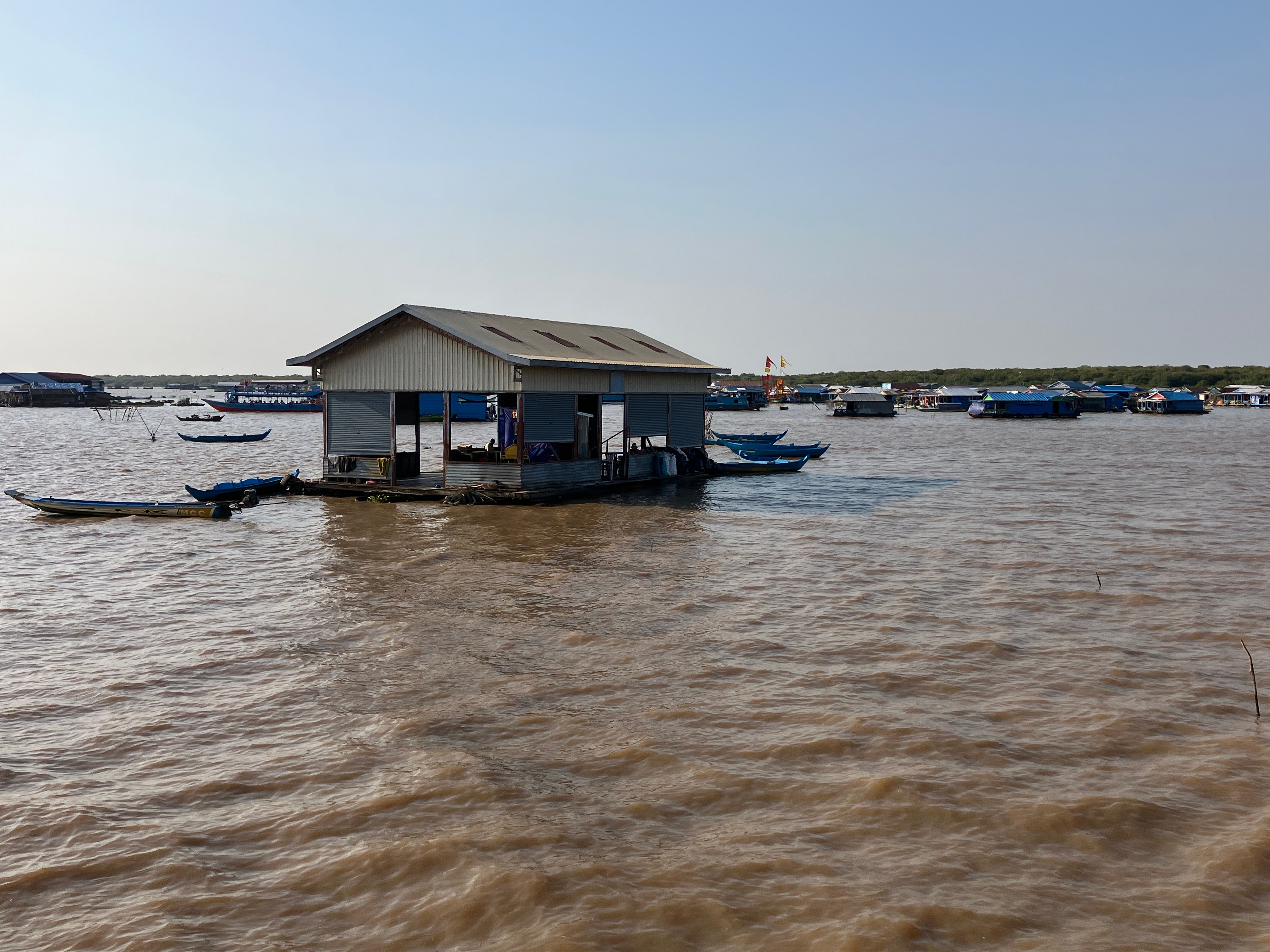
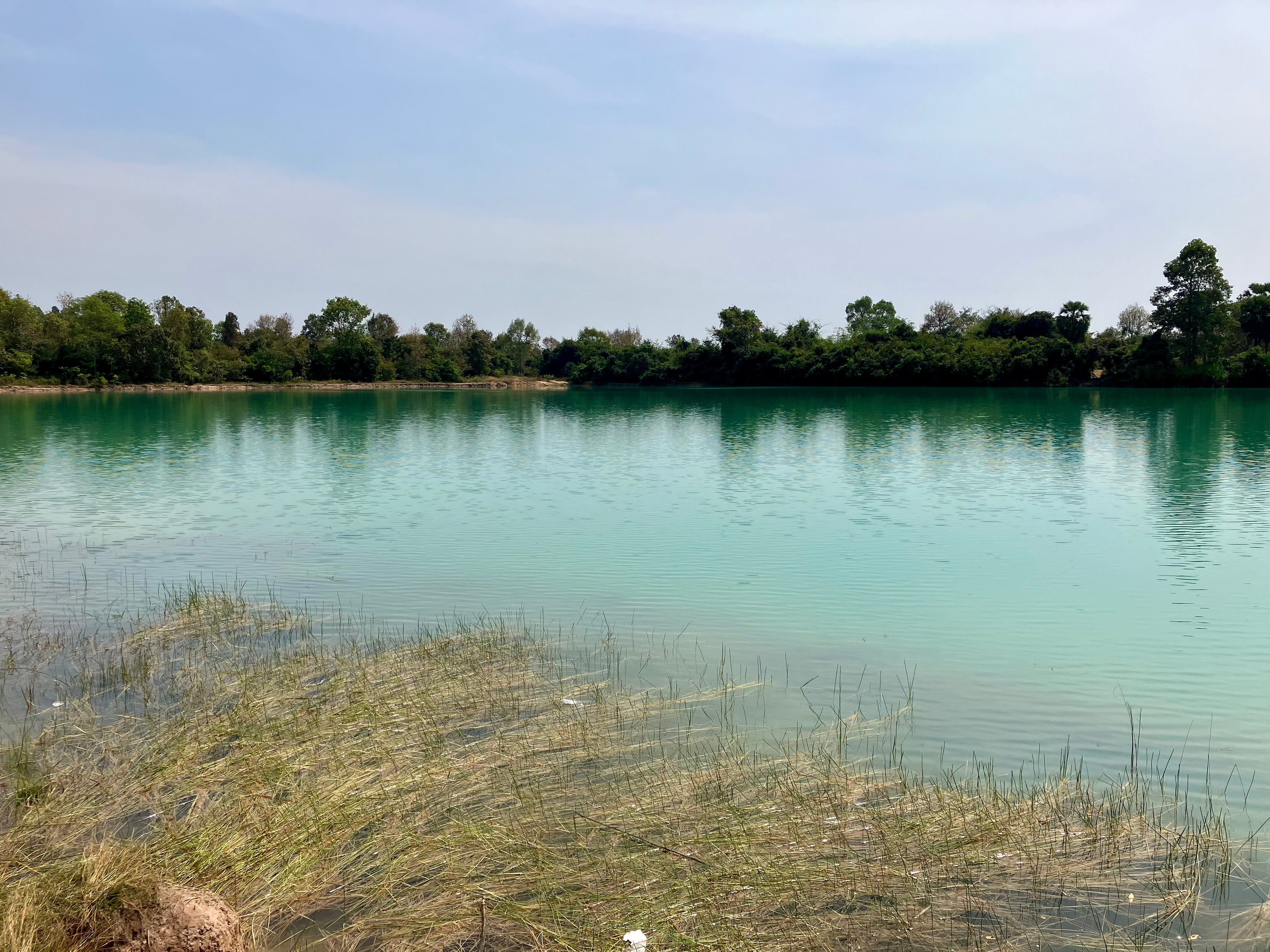
And if that’s not enough, there’s Tonlé Sap, the largest lake in Southeast Asia—a vast ecological lung that expands and contracts with the seasons, breathing in rhythm with the rains. Or perhaps a stunning motorbike ride through golden rice fields and traditional villages.
But beneath the beauty of these landscapes, Cambodia’s soil holds a darker past. Decades of war left behind a deadly legacy: landmines, scattered by the millions across the country. By the end of the 20th century, Cambodia held the tragic record of being the most heavily mined country in the world.
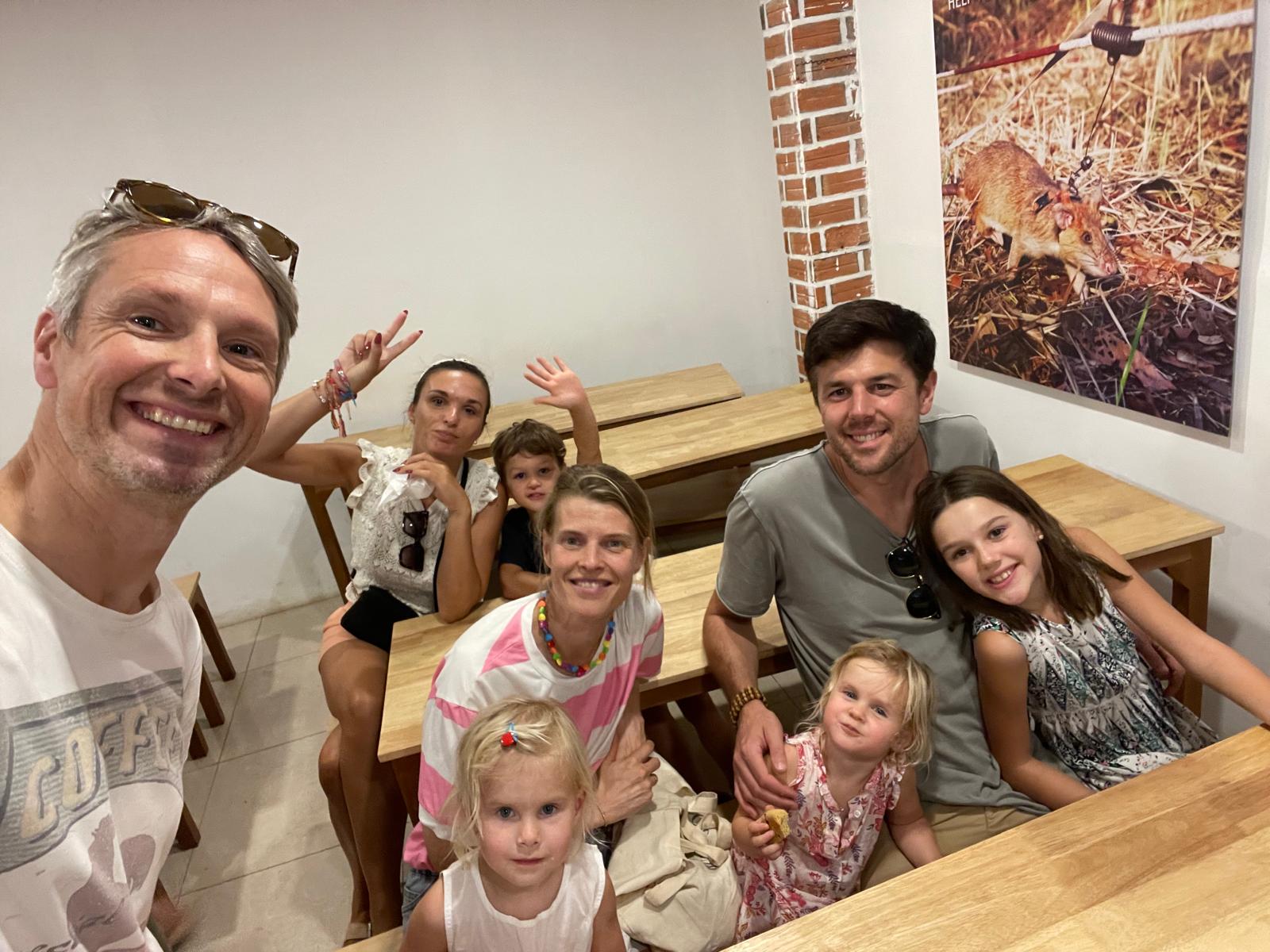
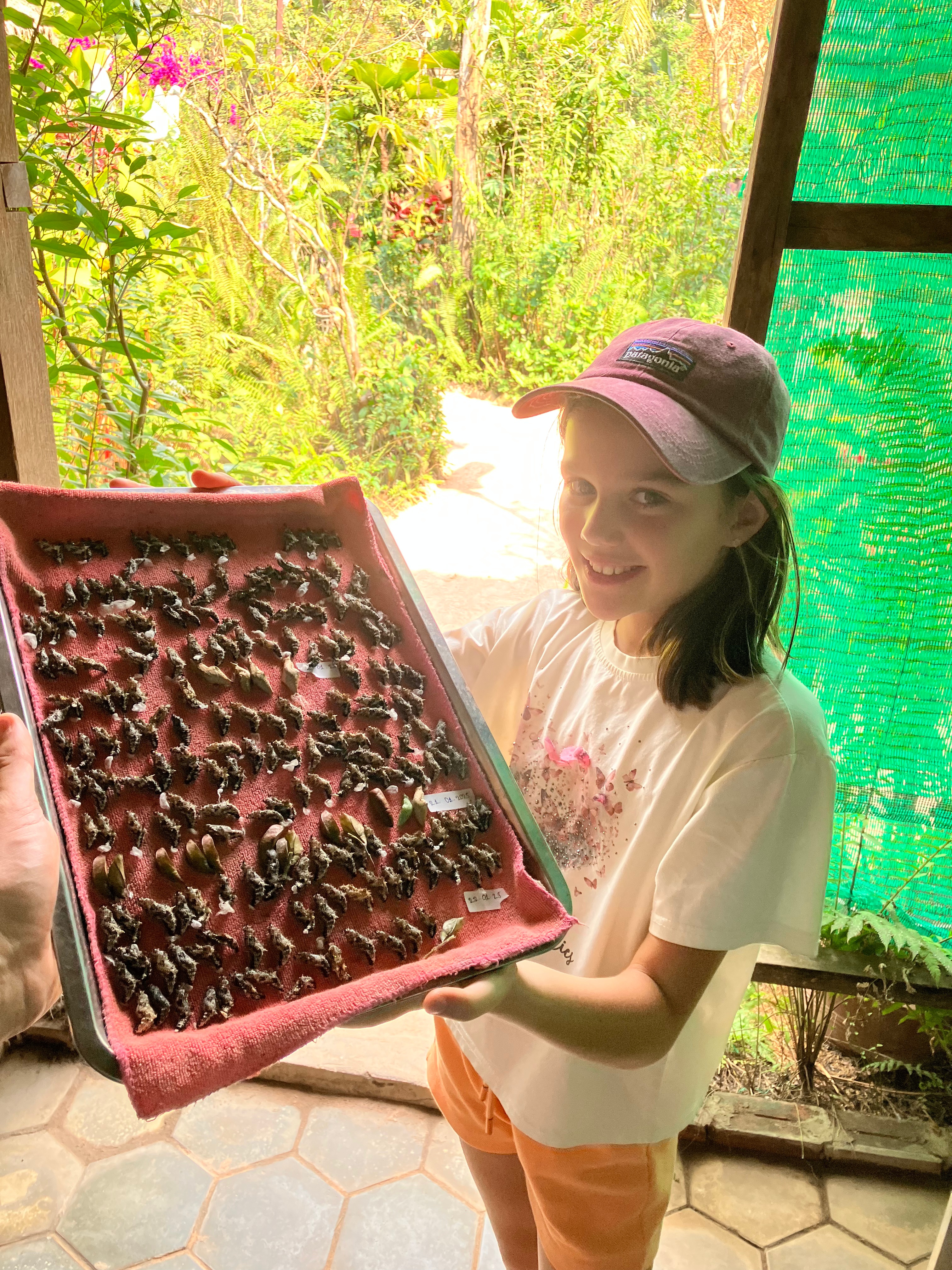
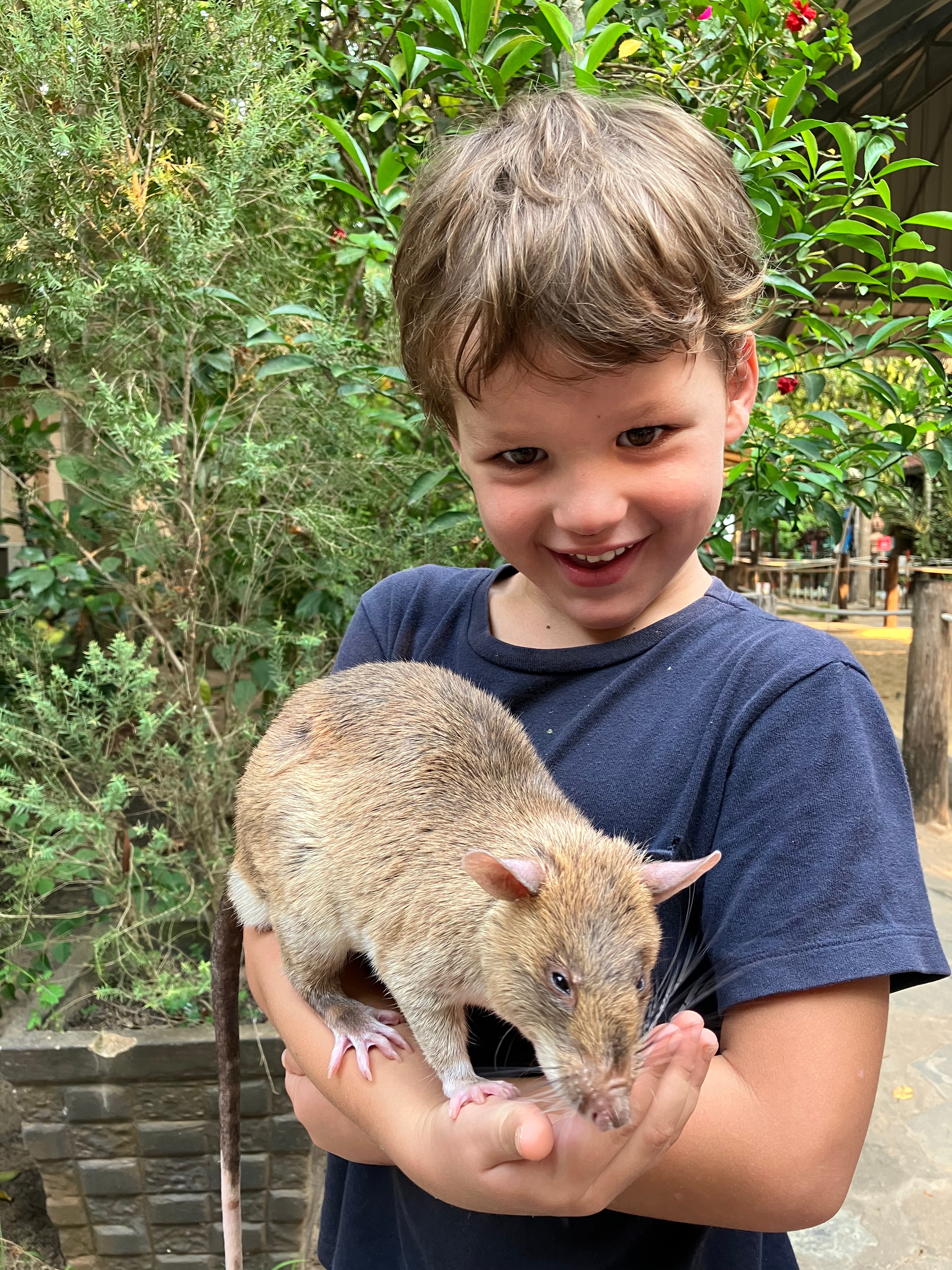
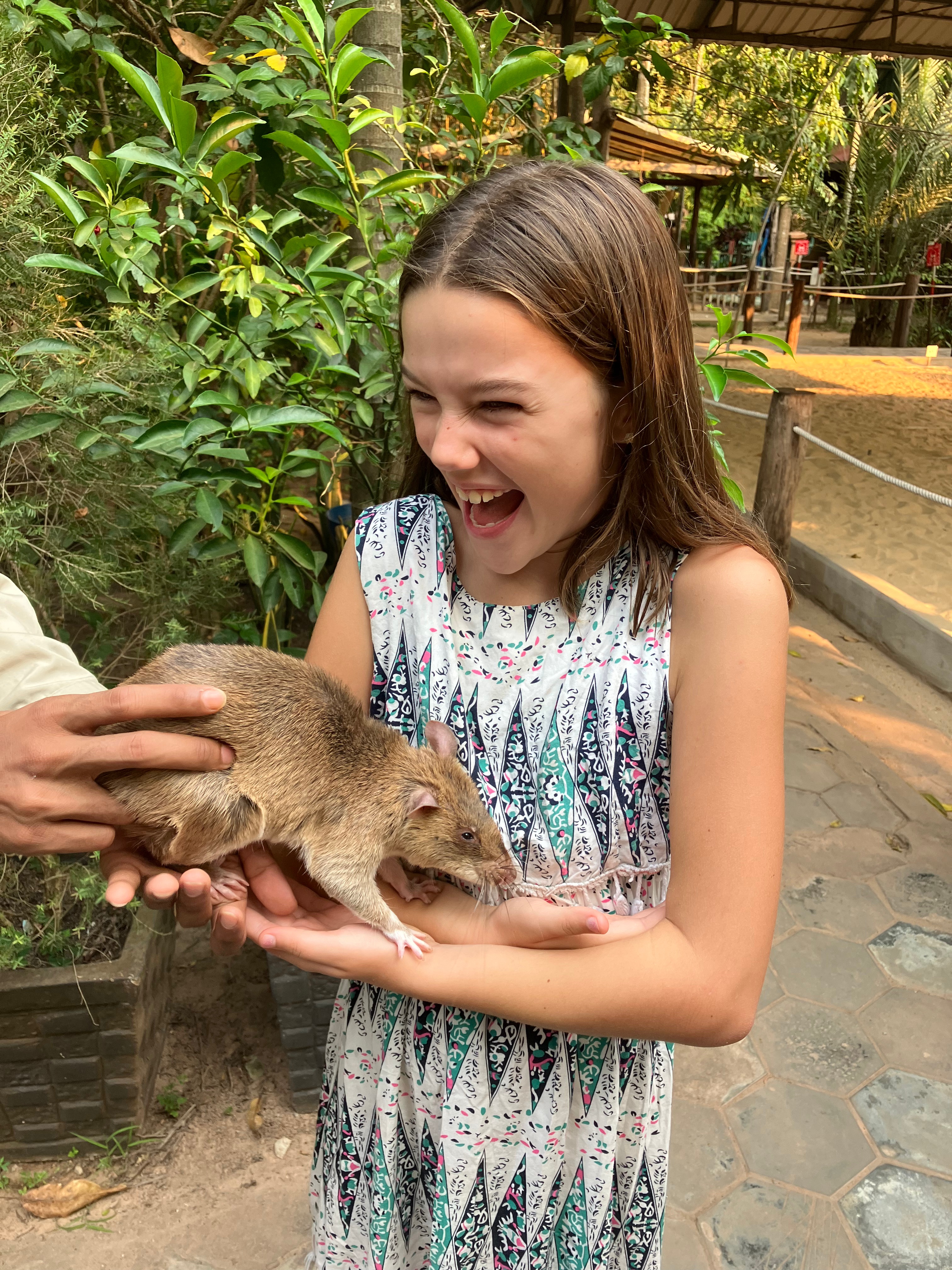
Thankfully, initiatives exist to clear them, and among the most unexpected heroes of this fight are… rats. These tiny, bomb-sniffing specialists have become essential allies in Cambodia’s demining efforts.
Even today, an estimated 4 to 6 million mines remain buried beneath Cambodia’s fields and trails, continuing to kill or maim innocent people, especially in rural areas.
That’s where these whiskered lifesavers come in. Too light to set off a mine but gifted with an extraordinary sense of smell, they can clear an area the size of a football field in just 30 minutes—a task that would take days using conventional methods.
These little heroes save lives every day. Who would have thought that Cambodia’s guardian angels would come with whiskers and a tail?
2. The Khmer Rouge Nightmare and Today’s Dictatorship
How can you talk about Cambodia without mentioning the madness of the Khmer Rouge? This time, we skipped the memorial sites—S-21 prison, the Killing Fields… Those places where silence weighs a ton, where history seeps from the walls and the ground. We had already visited them on previous trips, and after Nagasaki, the Vietnamese prisons, and other glimpses of human horror, we decided it was enough for the kids for now.
But for anyone discovering Cambodia for the first time, these visits are essential. You have to understand that collective madness is real, and the one that ravaged this country still leaves its mark on the present.
Pol Pot’s regime wasn’t just a dark chapter in Cambodia’s history—it was a deranged social experiment, carried out between 1975 and 1979, that nearly wiped out an entire people. The goal? Start from scratch. Erase all traces of modernity, exterminate the intellectual class, and bring everyone down to the same level: a peasant working the land, with no ties, no knowledge, no past.
In practice, this meant the complete dismantling of Cambodian society. As soon as they took power, the Khmer Rouge emptied Phnom Penh and other cities in a matter of days, forcing millions to march for hundreds of kilometers to forced labor camps. Schools, hospitals, and factories were shut down. Private property was abolished. Wearing glasses, speaking French, having hands that were too soft—any of these were considered suspicious signs of being part of the intelligentsia. And the punishment was swift: execution.
In just four years, a quarter of the population disappeared, wiped out by starvation, disease, torture, and purges. This genocide—one of the three deadliest of the 20th century—left deep scars. Even today, the country struggles to recover. Education, culture, research… everything was annihilated.
And then came 40 years under Hun Sen.
Dictator Hun Sen ruled from 1985 to 2023, making him Asia’s longest-serving leader. In August 2023, he officially handed over power to—drumroll—his son, Hun Manet. A real transition? A change in leadership? Not in the slightest. Cambodia remains a one-party state where elections are rigged. In the latest parliamentary elections in July 2023, the Cambodian People’s Party (CPP) took 120 out of 125 seats in the National Assembly. Of course, they made things easier by eliminating their main political opponent just two months before the vote. Can’t be too careful, right?
And the result? Not much in terms of economic progress. Officially, Cambodia boasts an annual growth rate of 5 to 6%, which might sound decent. But 5 to 6% of almost nothing is still not much. In terms of GDP per capita, Cambodia ranks 45th out of 50 in Asia, ahead of only war-torn countries like Syria, Afghanistan, and Yemen. After 40 years of dictatorship, Cambodia remains one of the poorest countries on the continent.
And then there’s this anecdote, told by a Frenchman who has lived here for decades, which sums up the country’s governance perfectly: the brand-new, gleaming Siem Reap International Airport… completely empty.
Before, getting to town took 20 minutes. Now, it’s an hour. A vanity project funded by a Chinese state-owned company, but, as is often the case in Cambodia, personal profit came before public interest. Someone close to the ruling elite saw a golden opportunity, sold off distant land for the airport, and made a fortune in the process.
The result? Airport fees skyrocketed, airlines reduced their flights, and tourists vanished: a 60% drop in visitors to Angkor’s temples. And here’s the best part—a staggering 98% drop in Chinese tourists.
Good news for us, who got to explore the temples in an almost surreal calm. But an economic disaster—yet another symptom of a system where personal enrichment trumps common sense.
3. The Kindness of Cambodians
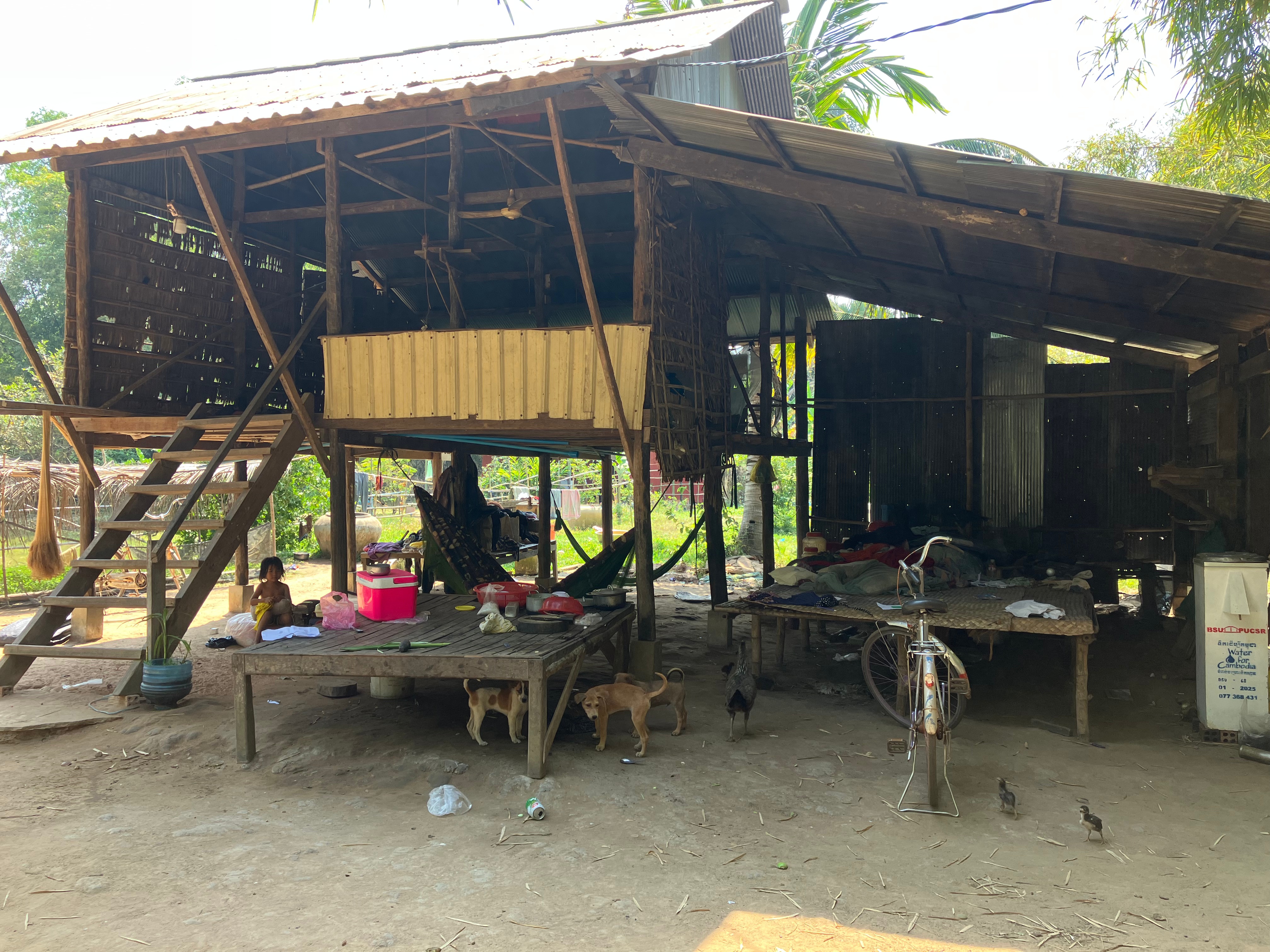
And then, there are the people. Despite decades of suffering, this country exudes an almost disconcerting gentleness. Cambodians have a sincere kindness, a natural warmth, free of any ulterior motives. And yet, when I look around, I feel a tinge of sadness. The economy seems stuck, living conditions haven’t really changed since my first trips here over fifteen years ago. Siem Reap has grown, sure, but as soon as you leave the city, you find yourself in that same rural Cambodia, frozen in time, as if the decades had barely left a mark.
Maybe that’s what makes it so different from Vietnam. Both countries were once part of French Indochina, yet they have very little in common—ethnicity, way of life, even their attitude towards time itself. Here, everything feels slower, more relaxed. That famous saying sums it up perfectly:
“The Vietnamese grow rice, the Cambodians watch them, and the Laotians listen to them.”
And honestly, after traveling through all three countries, it makes perfect sense!
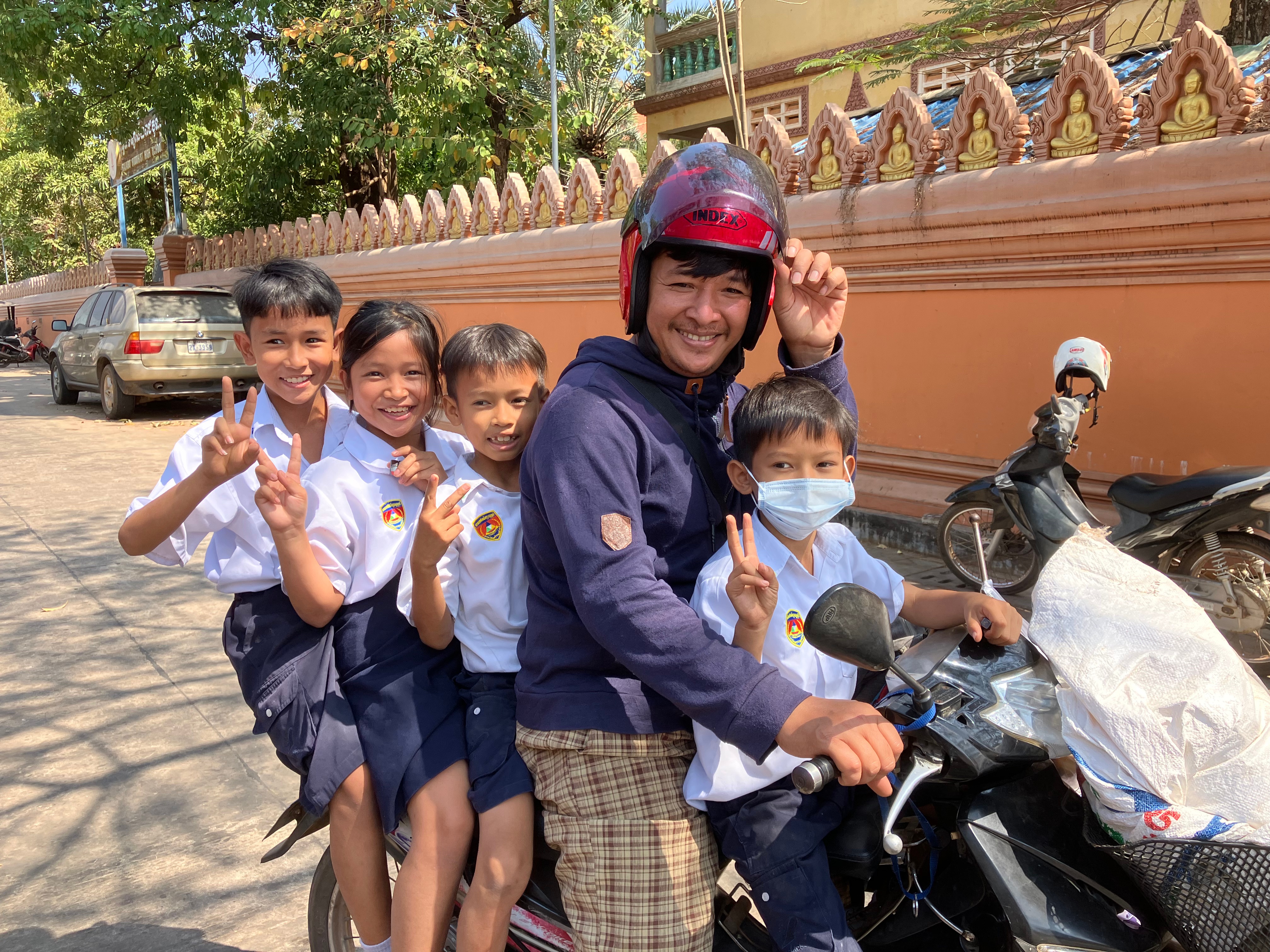
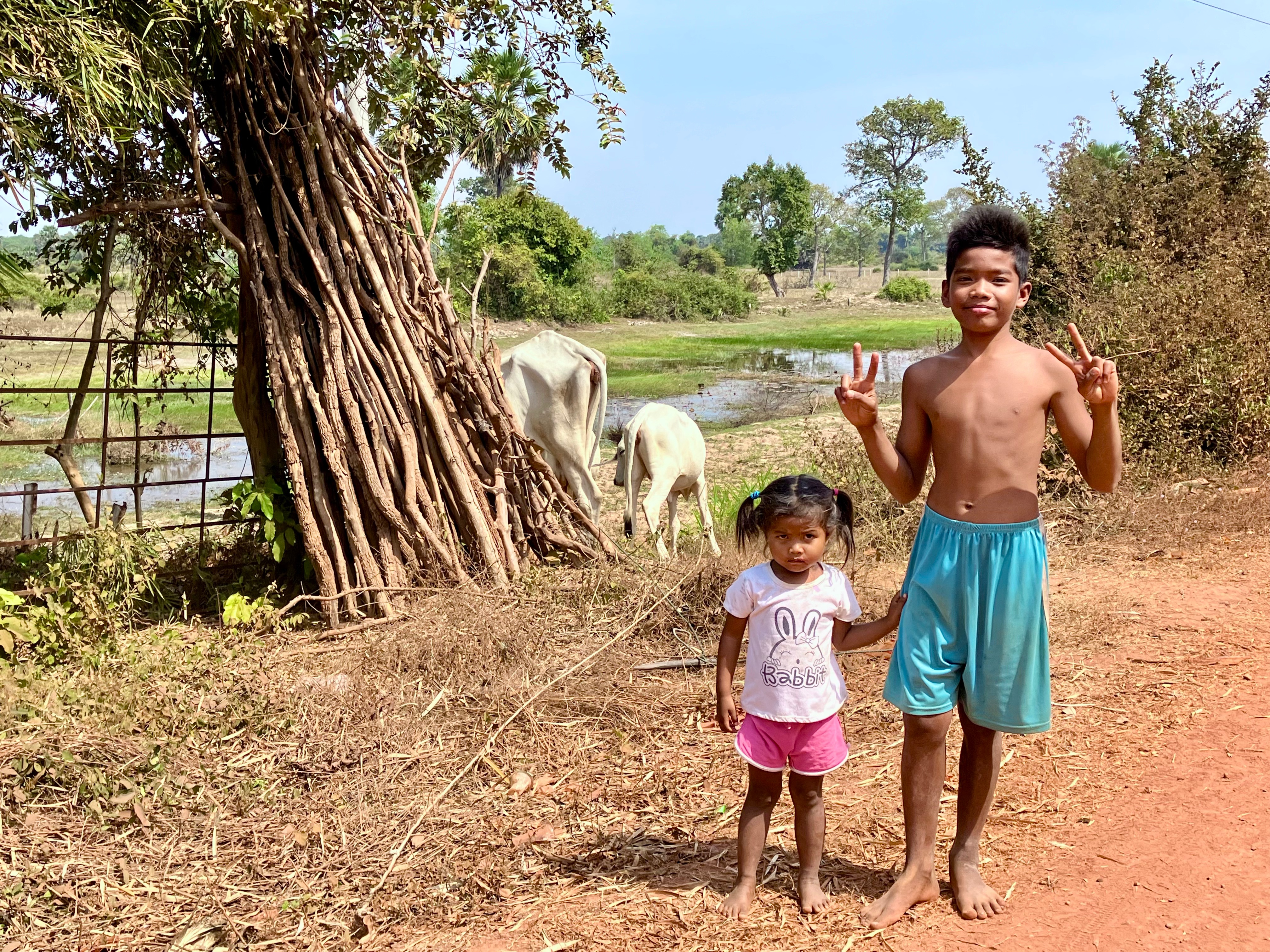
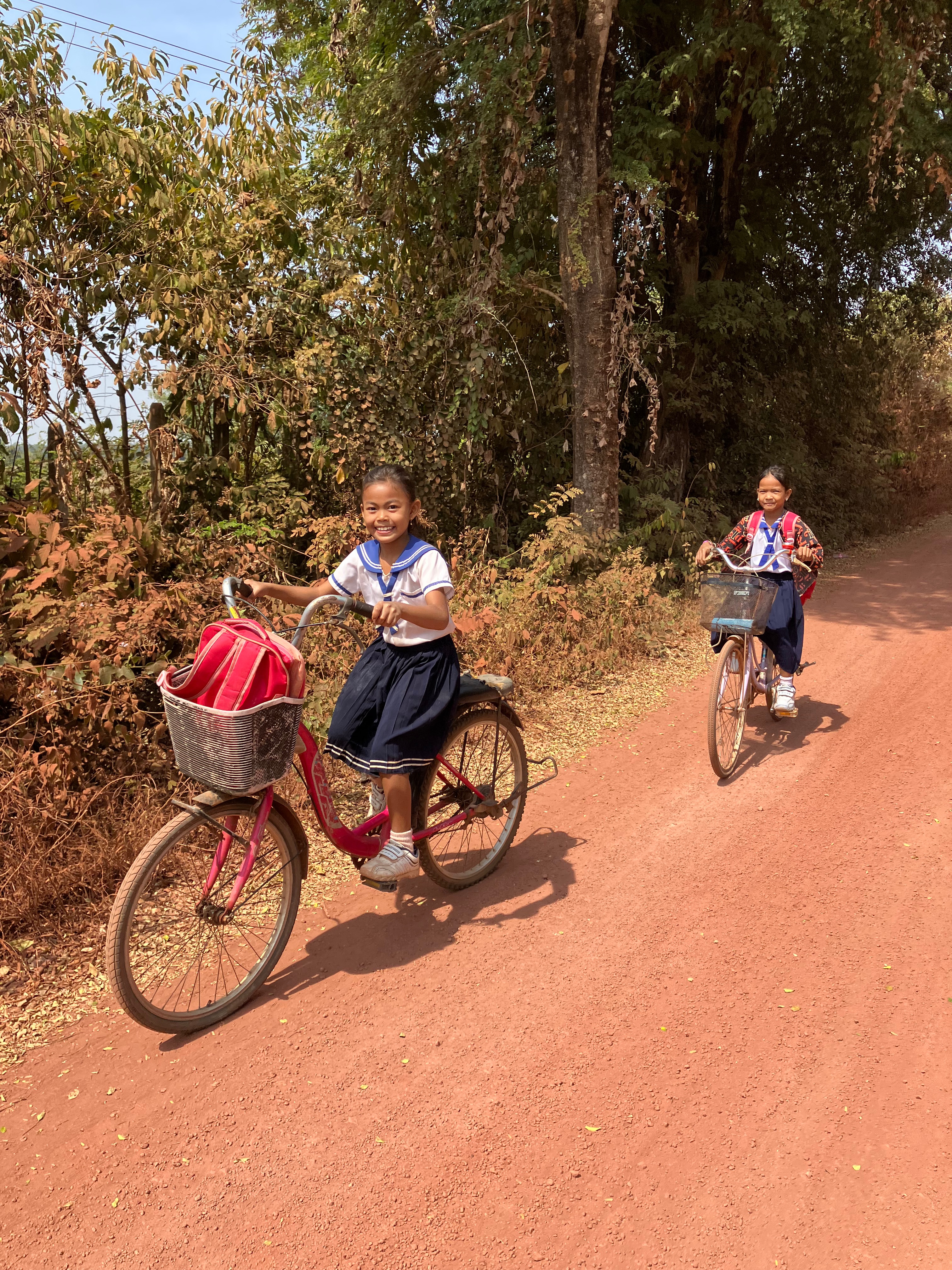
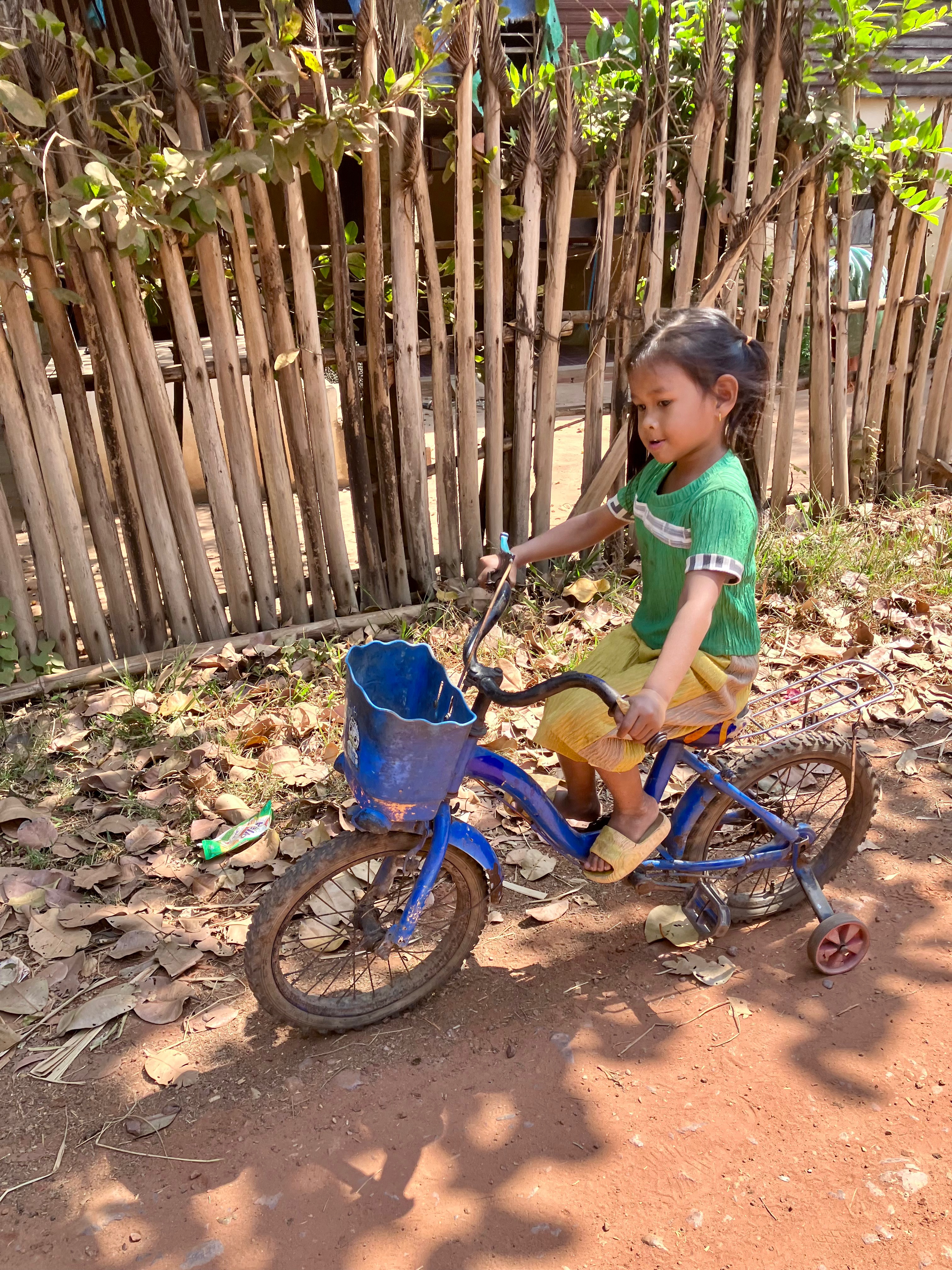
Riding through the countryside on our motorbikes, we passed through villages where modernity seems to have stopped at the doorstep. Everywhere, genuine smiles, children laughing as they waved from the roadside. A warmth, a rare authenticity.
Cambodia, despite its past and struggles, continues to shine with a unique light.

Before we leave you, here’s a snippet of a conversation with Suzanne, on the day we realized we had already been traveling for six months. Alright, maybe the conversation is slightly dramatized (thank you, selective memory), but the essence is all there. 😉
Vincent: “Wow, six months on the road already. Japan feels so far away now. We’ve had so many adventures, seen so many incredible places, met so many people.”
Suzanne: “Yeah, and at the same time, we still have six months ahead. Sometimes, I feel like time is flying by, and other times, I realize we’re only halfway through. Six months is huge. I don’t feel impatient at all—just the joy of being here, right now.”
Vincent: “And when I look at the kids, it’s just incredible. This journey will mark their lives forever. Matteo, for one, barely remembers Belgium anymore. For him, traveling is just life. It’s normal. Every day is a new adventure. His biggest question is always the same: ‘How many nights are we staying here?’”
Suzanne smiles: “The bond they’ve built is amazing. With their age difference, I never imagined they’d become this close. And these two weeks with Bru and Astrid? Pure joy. We see them so little because of the distance, so we’re making the most of every moment.”
I nod: “Yeah, and at the same time, in a few days, we’ll be back in our little bubble of four… and that’ll feel good too. Before leaving, we wondered if being together 24/7 would be too much. But actually, it’s the complete opposite. We keep discovering each other, laughing, arguing, living.”
Suzanne agrees with a glance: “We don’t know yet everything this journey will bring us, but one thing is certain—it’s amazing.”
Sending you all our love!!!


Leave a Reply