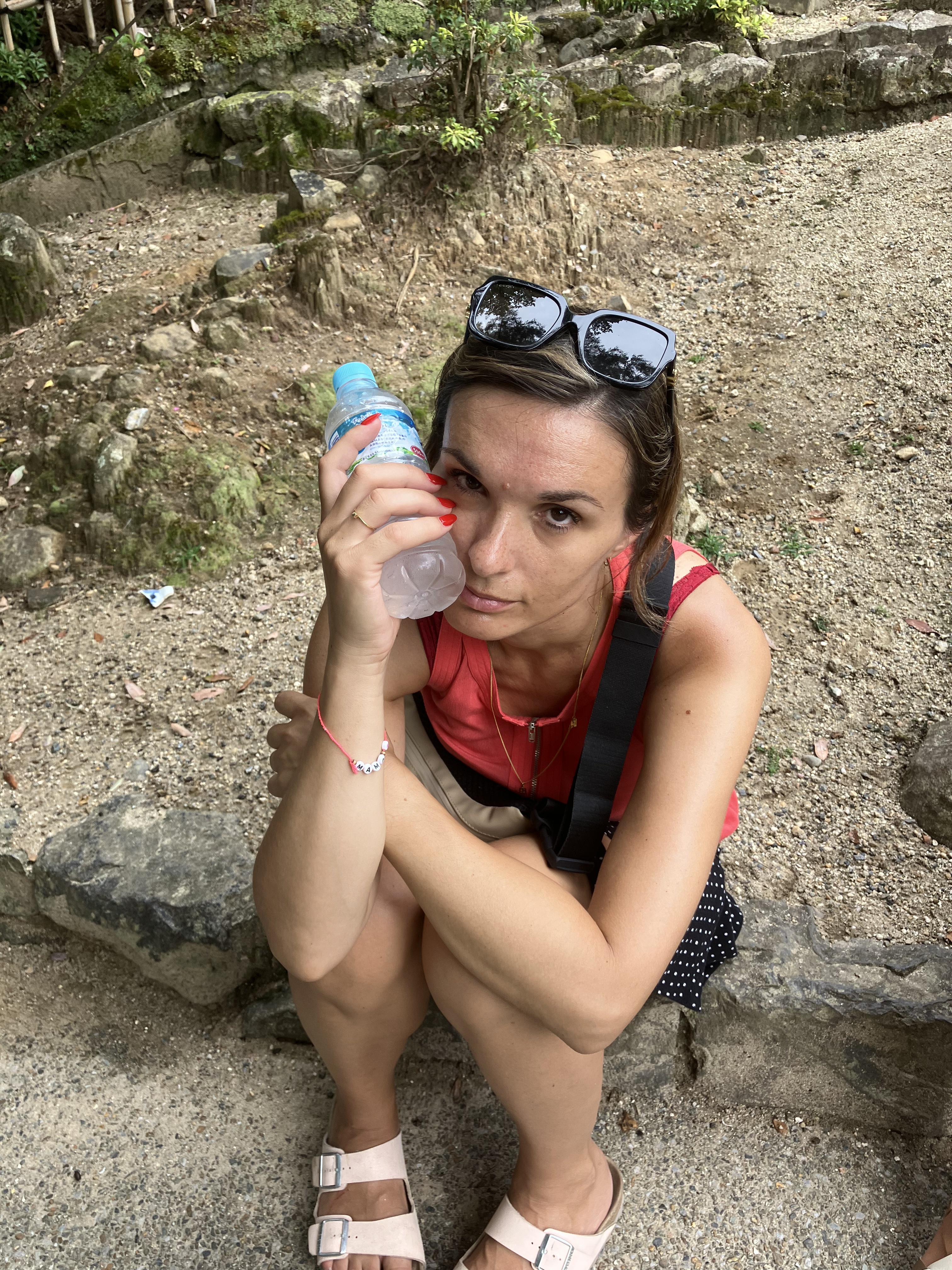
In this post, get ready to dive into our daily Japanese life: not-so-peaceful nights on futons, mountain escapades during typhoon season, and Kyoto under a blistering 35-degree heat. And, of course, a few reflections on Japan.
The more we travel in Japan, the more we fall for it. A month has passed, and it’s rare for us to stay this long in one country without yearning for a change of scenery! But here, the kindness and civility of the Japanese continue to enchant us daily. Be it the lady who chased me down to return my forgotten sunglasses from a restaurant, people who stand up to offer us their large table when they only need a small one, or the many gifts given to the kids. We left without toys, and now we are dragging around a bag full of knick-knacks (or should I say “bric-à-brac”) that they play with for an hour before forgetting about them at the bottom of our bags.
The landscapes are stunning, but more than that, it’s the overall atmosphere of Japan, this kind of omnipresent serenity, that seduces us. But that’s obviously the tourist side of things, because living here might be a bit different. There’s also a hidden Japan behind this polished façade. A Japan where gender equality is disheartening. The Global Gender Gap Report 2024 ranks Japan 118th out of 145 countries! Belgium, on the other hand, is 12th… Quite the gap, wouldn’t you say?
And maybe that’s why Japanese women are on a baby strike. Between social pressure, professional inequality (a 30% wage gap!), and the lack of support to juggle work and motherhood, who could blame them? After all, why sacrifice your freedom for such rigid expectations?
We can’t say that life is always easy in Japan for minorities and foreigners, either. Immigrants, in particular, face integration challenges and social prejudice. And yet, brace yourselves, only 2% of people living in Japan are of foreign origin. 2%, you read that right. In Belgium, it’s 17%. A study by the University of Tokyo in 2022 reveals that nearly 40% of foreigners living in Japan report experiences of discrimination or prejudice.
Still with me? Then it’s time to share our adventures from the last three weeks…
Welcome to Japan, the country that defies natural elements
Setting foot in Japan, you quickly realize that we Europeans aren’t exactly calibrated to face the natural forces. Here, nature plays in the “heavyweight” category. In just one month, we’ve already been served with three types of apocalyptic warnings:
- Mega Earthquake: The Japanese prevention institute announced a potential “mega earthquake,” a 9 on the Richter scale, one week after our arrival. Not seen since the Fukushima disaster in 2011 (magnitude 9.1). Spoiler alert: it was a topic of conversation between myself and Suzanne for at least 2-3 meals. But you could say the Japanese are used to it; in August 2024 alone, there were 84 earthquakes of magnitude 4 or more in Japan… luckily, I “forgot” to mention this little detail to Suzanne before leaving… oops! For context, in Belgium, we panicked over a measly 5.8 in 1993…
- Tsunami: An earthquake obviously means a tsunami. A red alert across the archipelago after the mega earthquake announcement; it felt like Baywatch, but in nightmare mode.
- And the pièce de résistance… Typhoon Shanshan. Or that’s its romantic name; it’s also called Typhoon No. 10 for the more rational types. Anyway, at the end of August, it was at the maximum alert level, a level activated only once every 10 years. The strongest winds blow at 250 km/h. Oh, good, that’s reassuring…
So, you get the idea. Weather here is no joke. But what’s fascinating is how the Japanese have integrated these disasters into their daily lives like an unavoidable yet slightly intrusive neighbor. Early warning systems (every resident gets a message at the same time as their usual spam), mandatory nationwide drills on September 1st, impressive dikes, the world’s strictest building codes…
Every castle, temple, and historical home we’ve visited has already ended up in ruins at some point. Yet, unperturbed, the Japanese have always rebuilt them, already anticipating the next disaster. They plant trees to have wood for reconstruction, train new artisans in ancient techniques… It’s as if they build with ruin and rebirth already in mind. They live with a sword of Damocles hanging over their heads, but they’ve learned to live with that anxiety thanks to their culture of preparation and resilience.
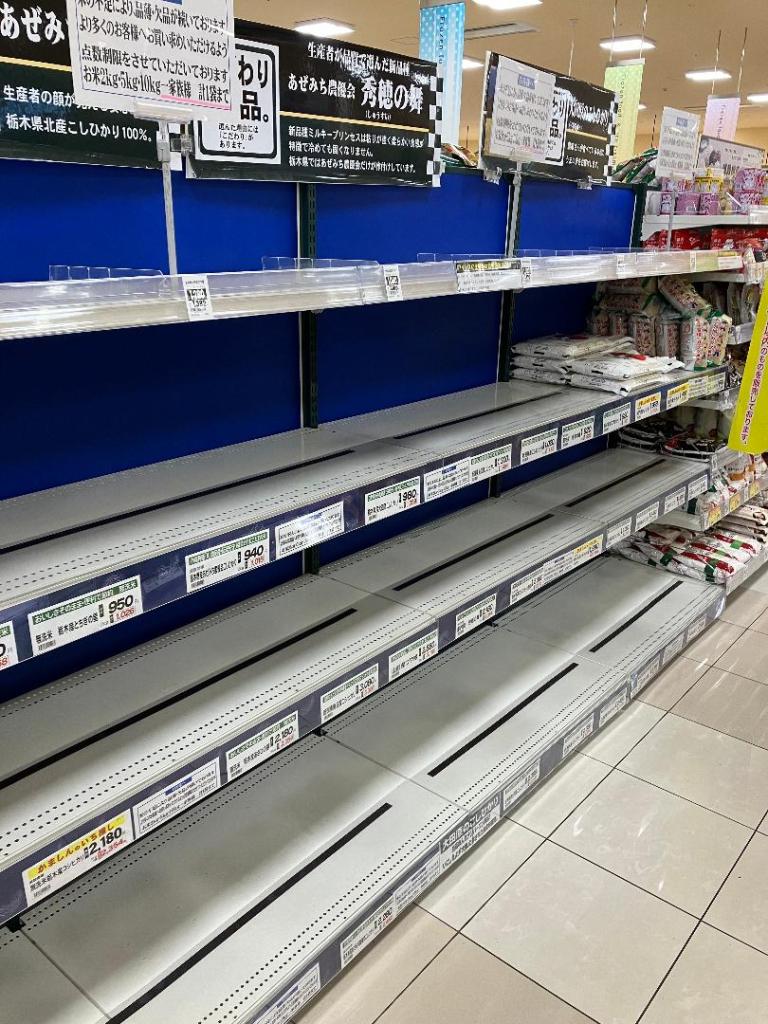
Well, I say that, but August 2024 was quite exceptional: the government had to impose a limit of 2 kg of rice per person at supermarkets. Yes, you read that right. And I can see you smirking already… but remember the chaos over a roll of toilet paper back home during Covid! Food for thought on who has the better survival strategy!
Week 3: Kyoto and its Surroundings
Finally, we found refuge in a small house all to ourselves, for an entire week. That might sound trivial, but after days of sleeping in 18 m² rooms with the four of us — 2 kids, 3 beds, zero personal space — believe me, we savor every extra square meter. 2 rooms, my friends! That’s living large! Sure, they’re adjoining, but who cares. That little bit of extra space is enough to make us feel like we’ve regained a semblance of privacy.
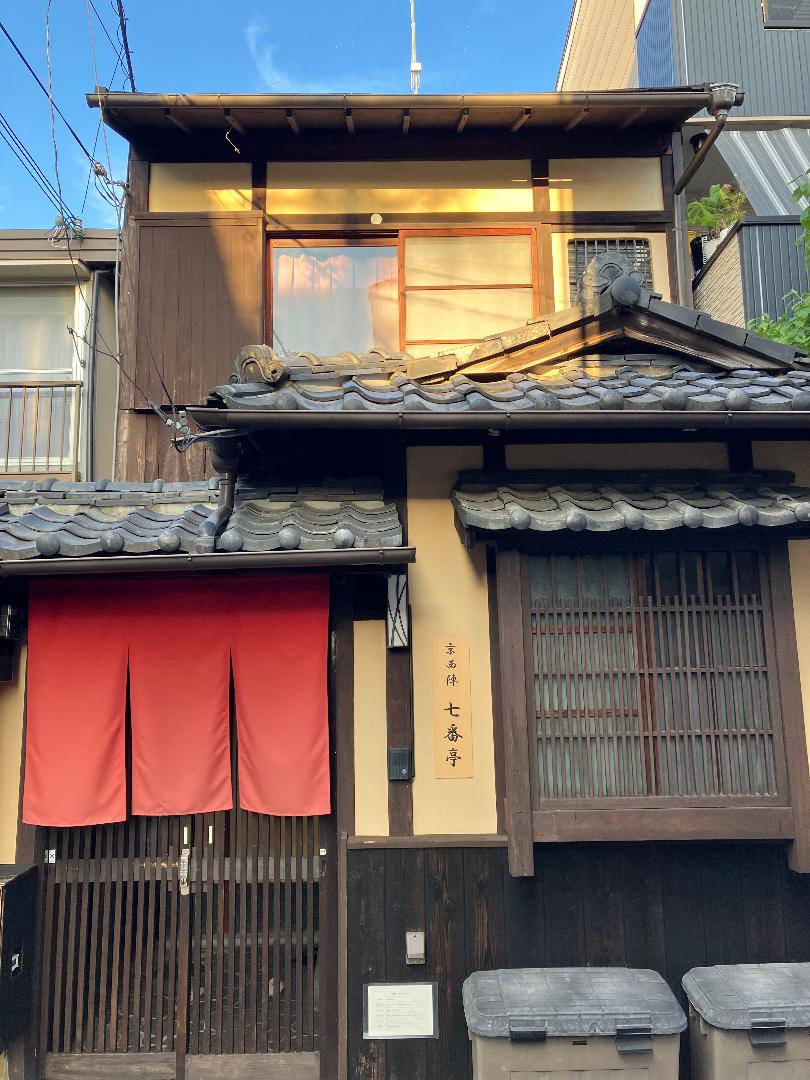
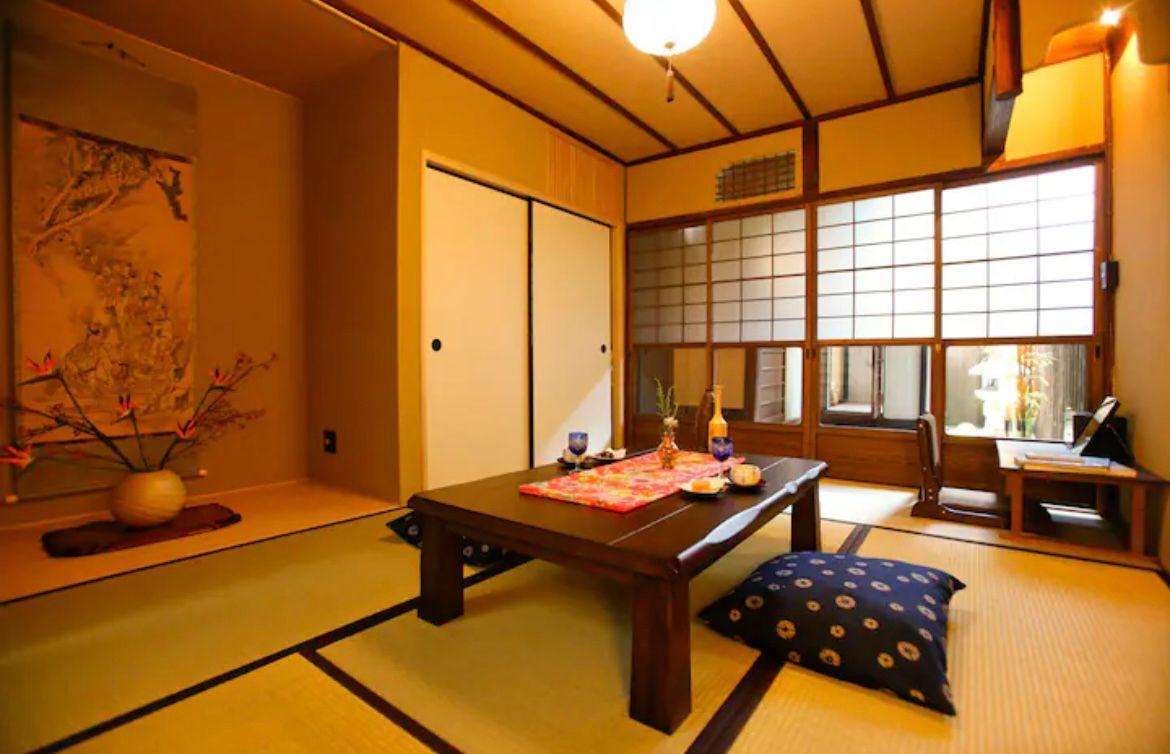
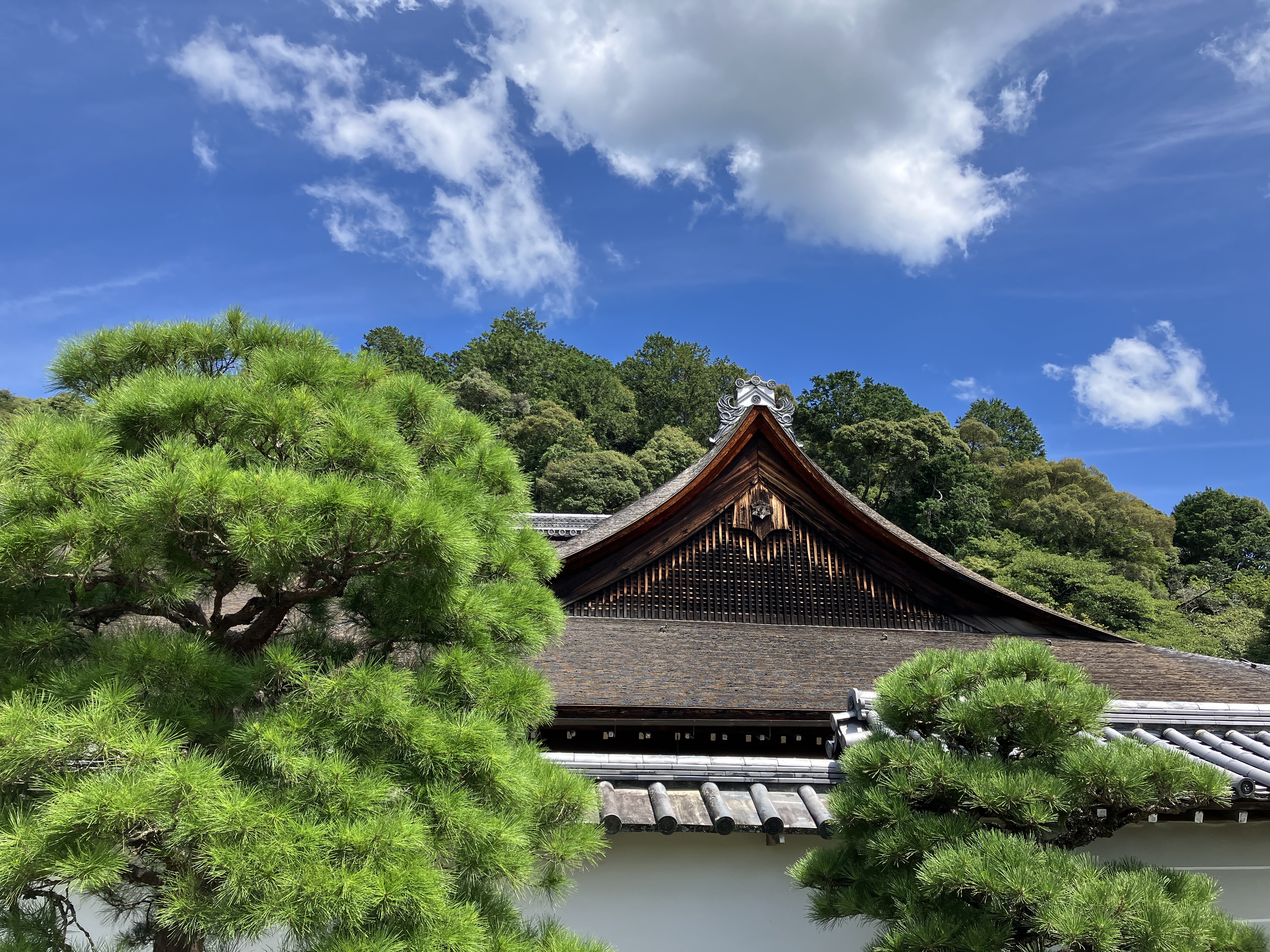
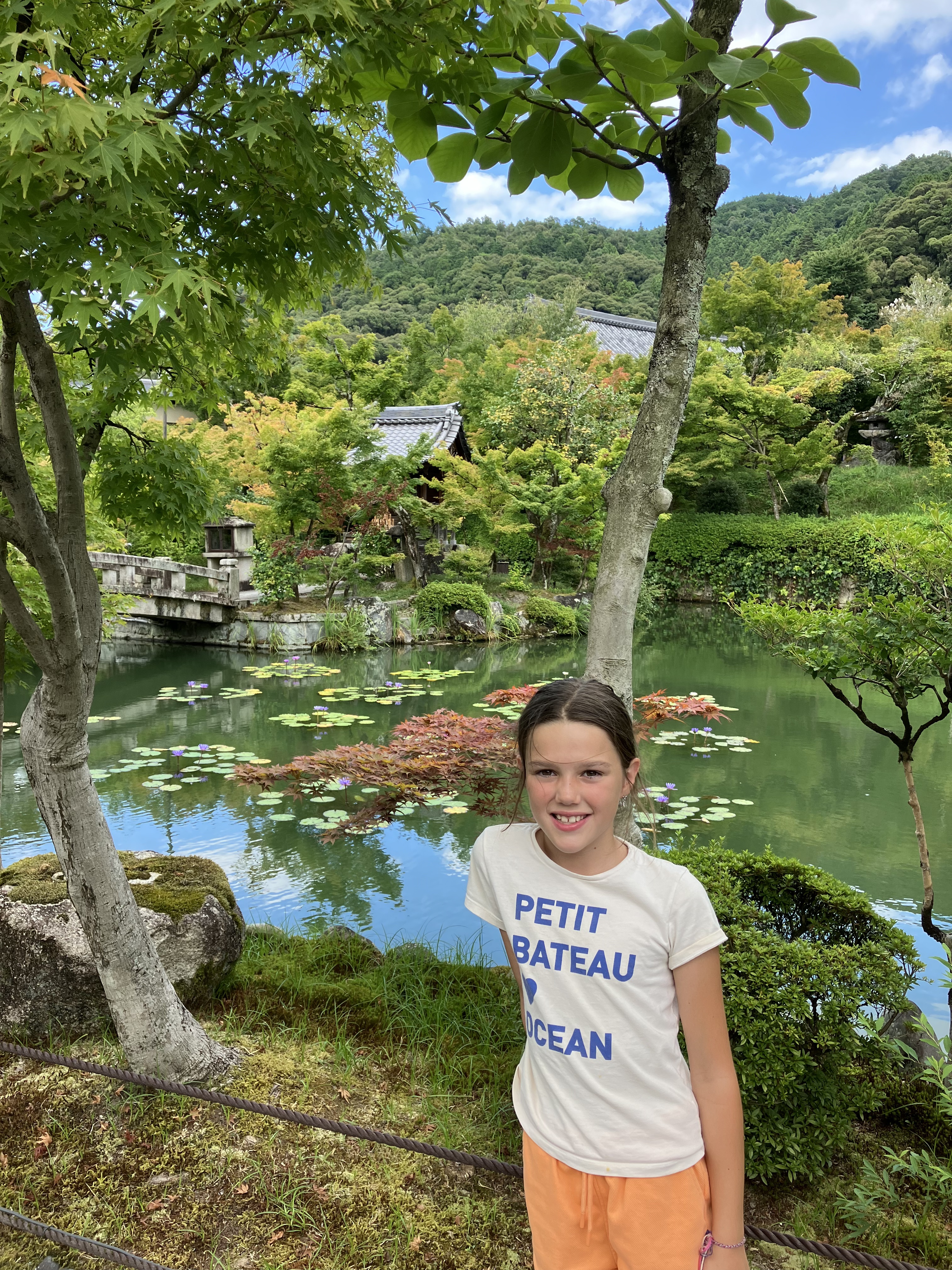
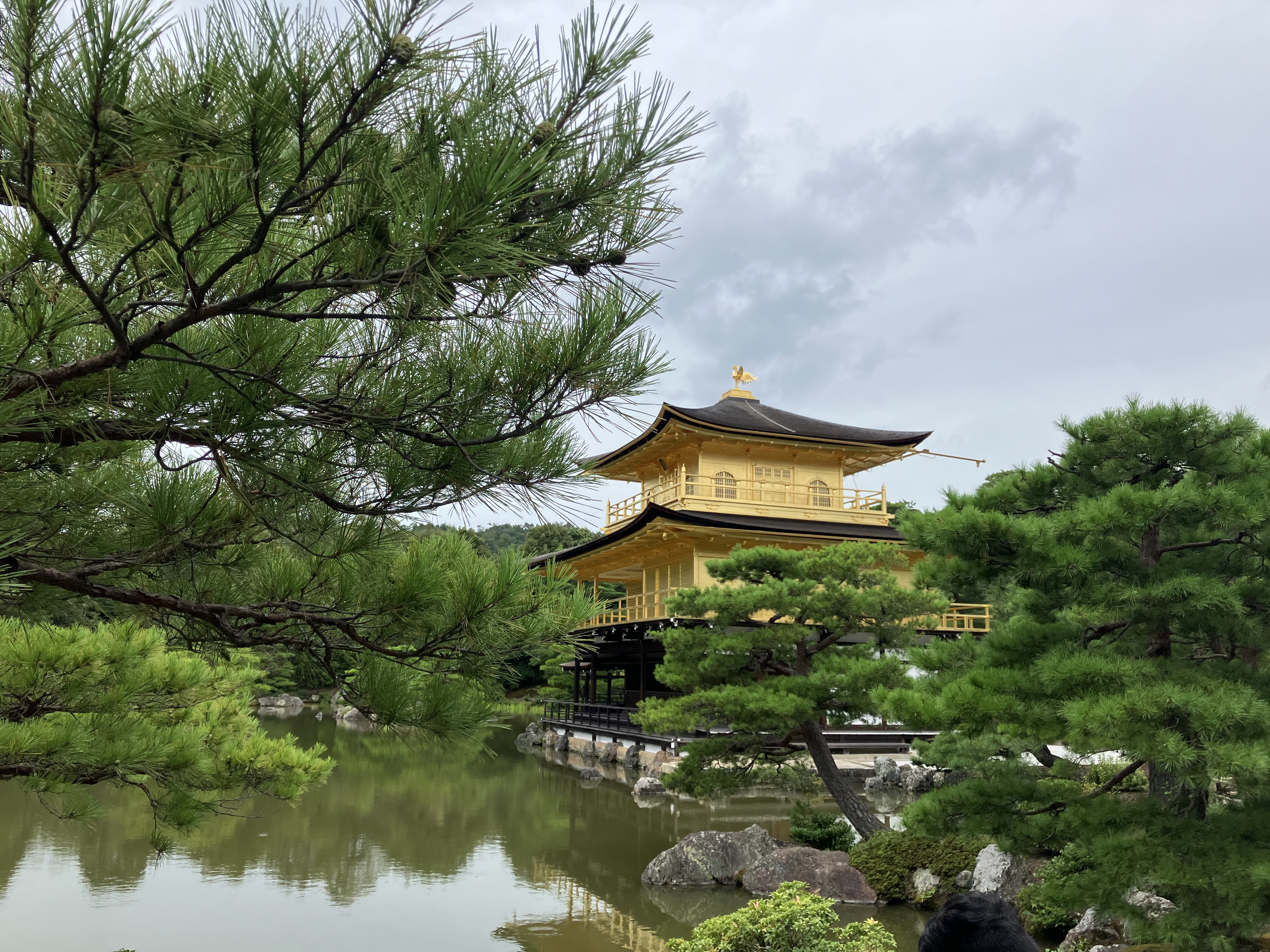
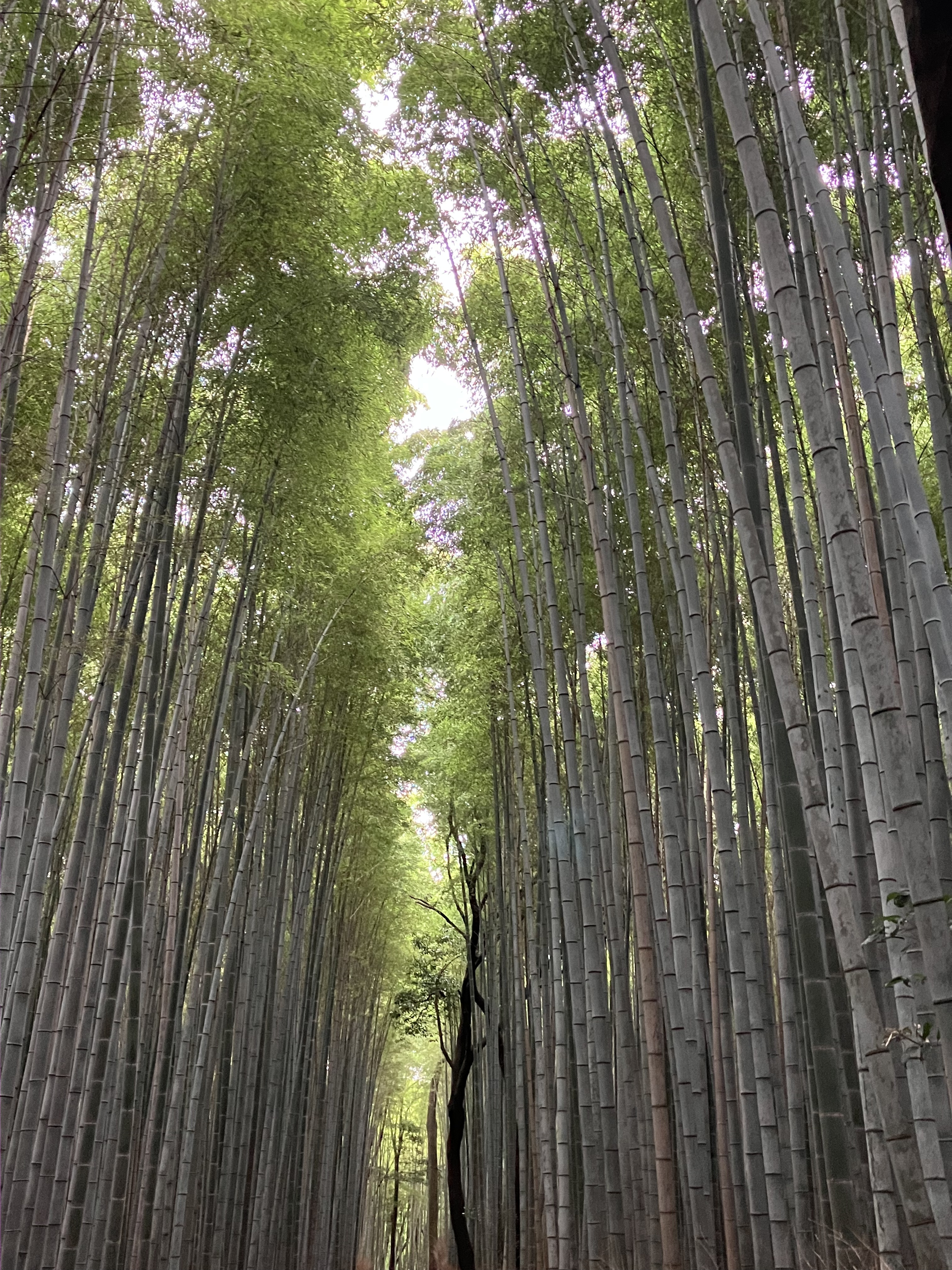
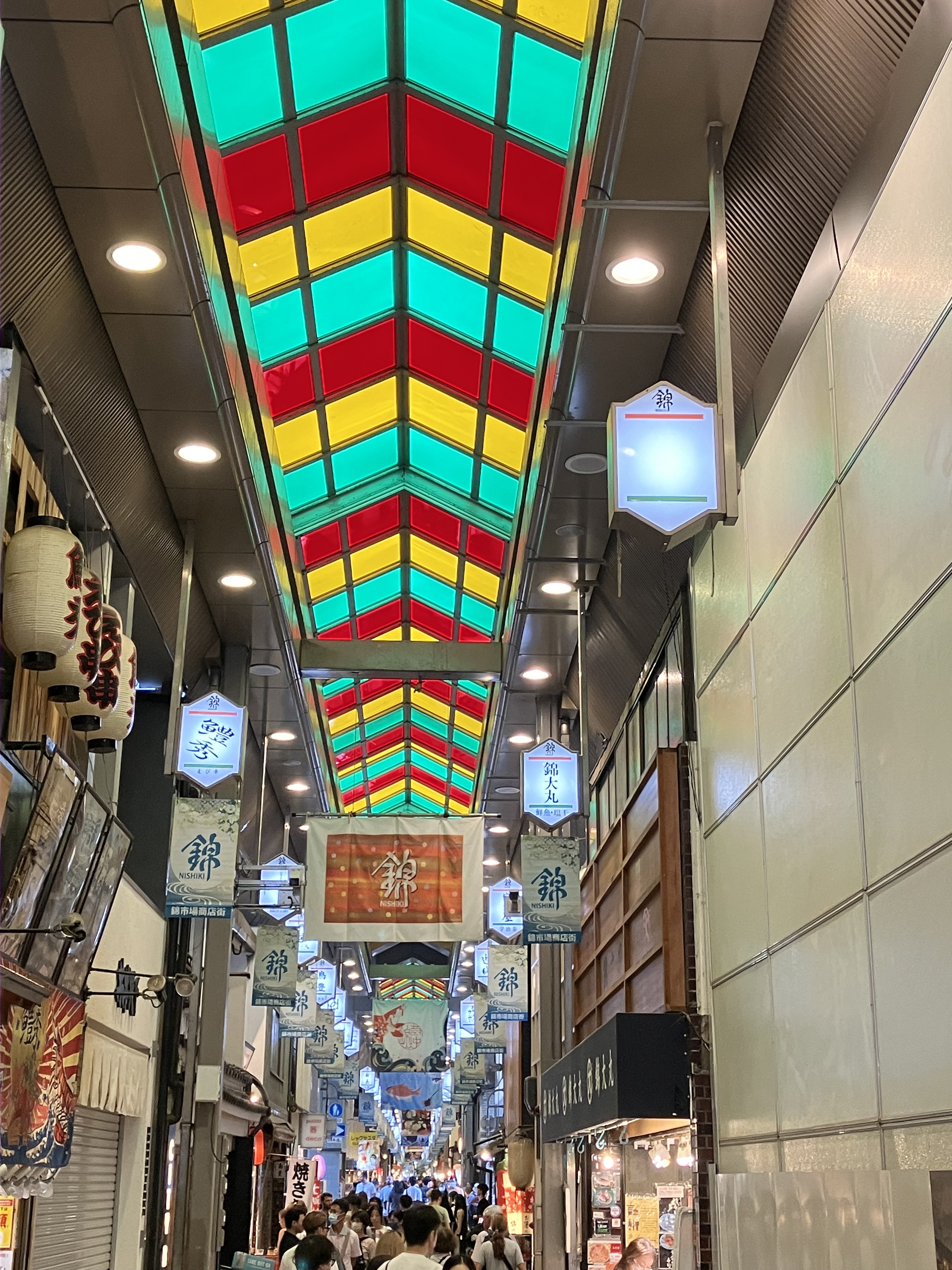
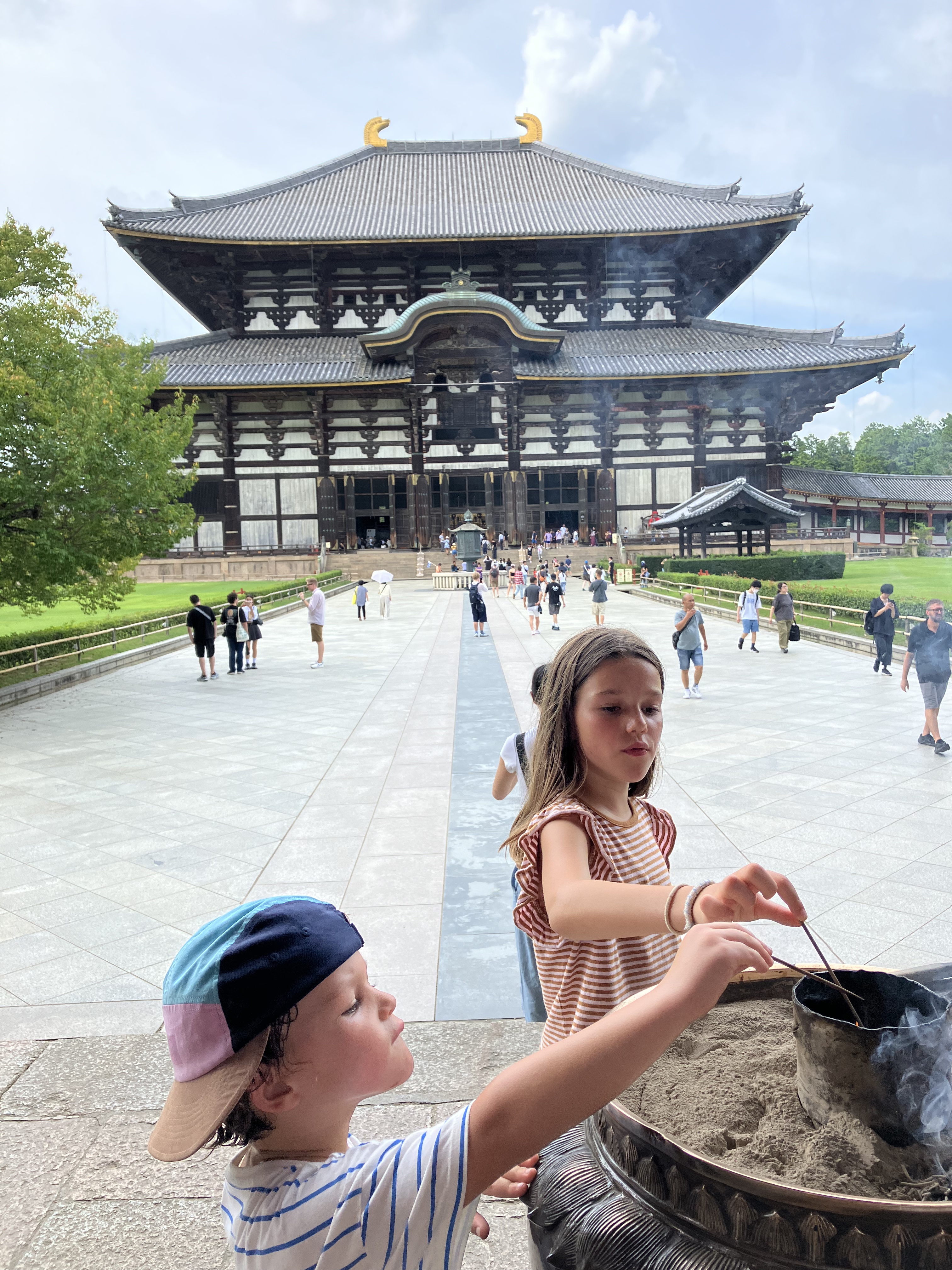
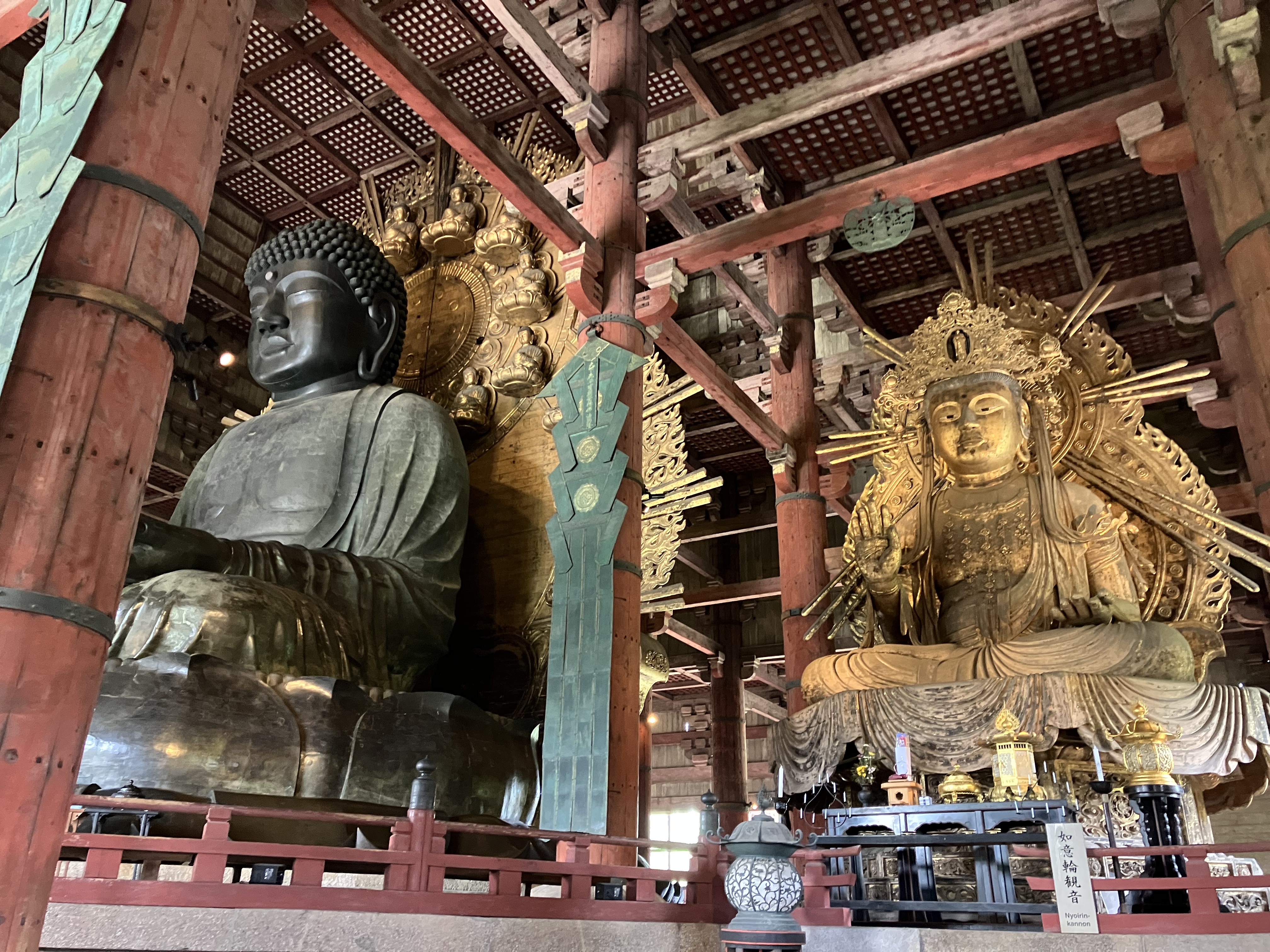
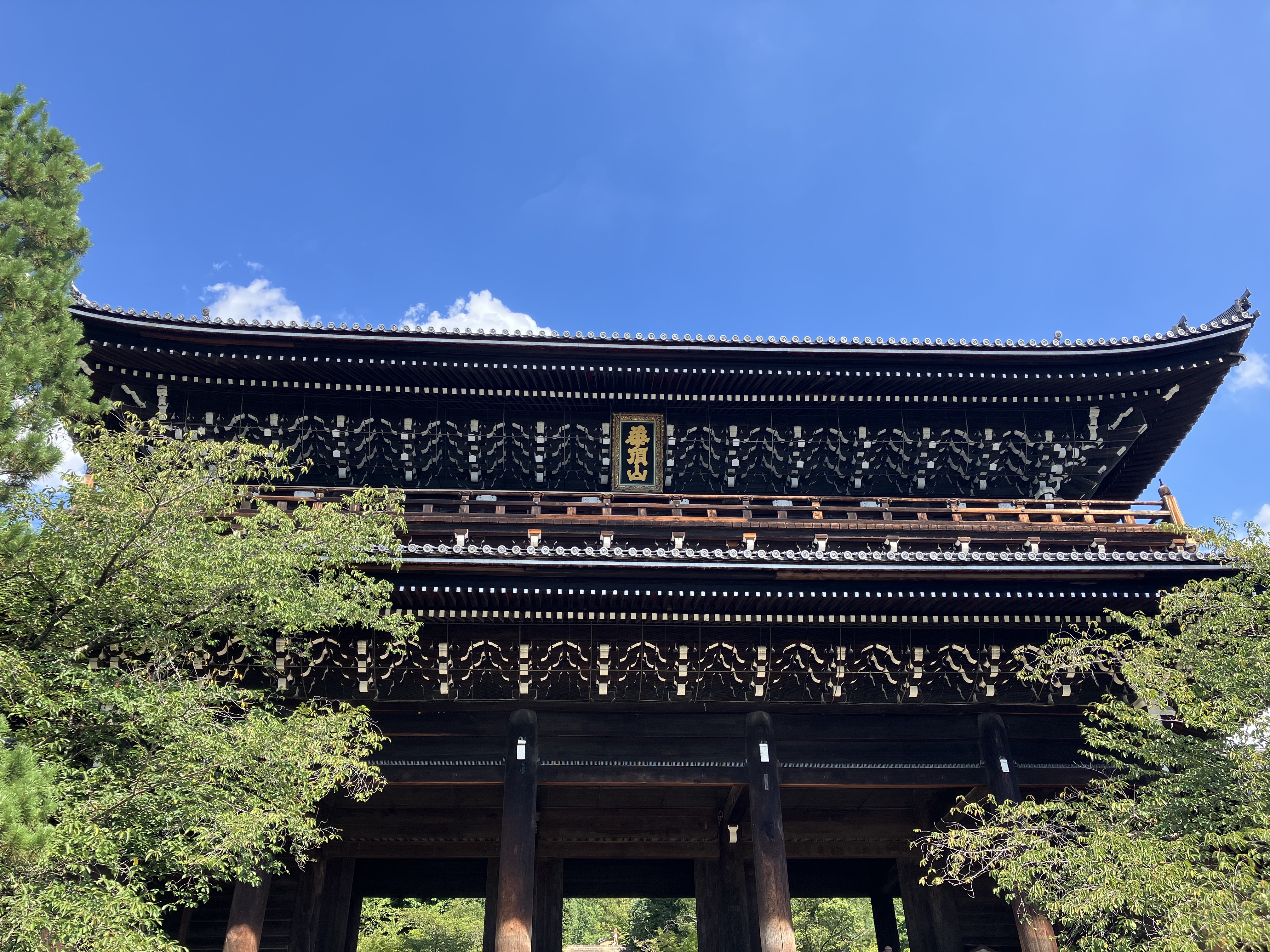
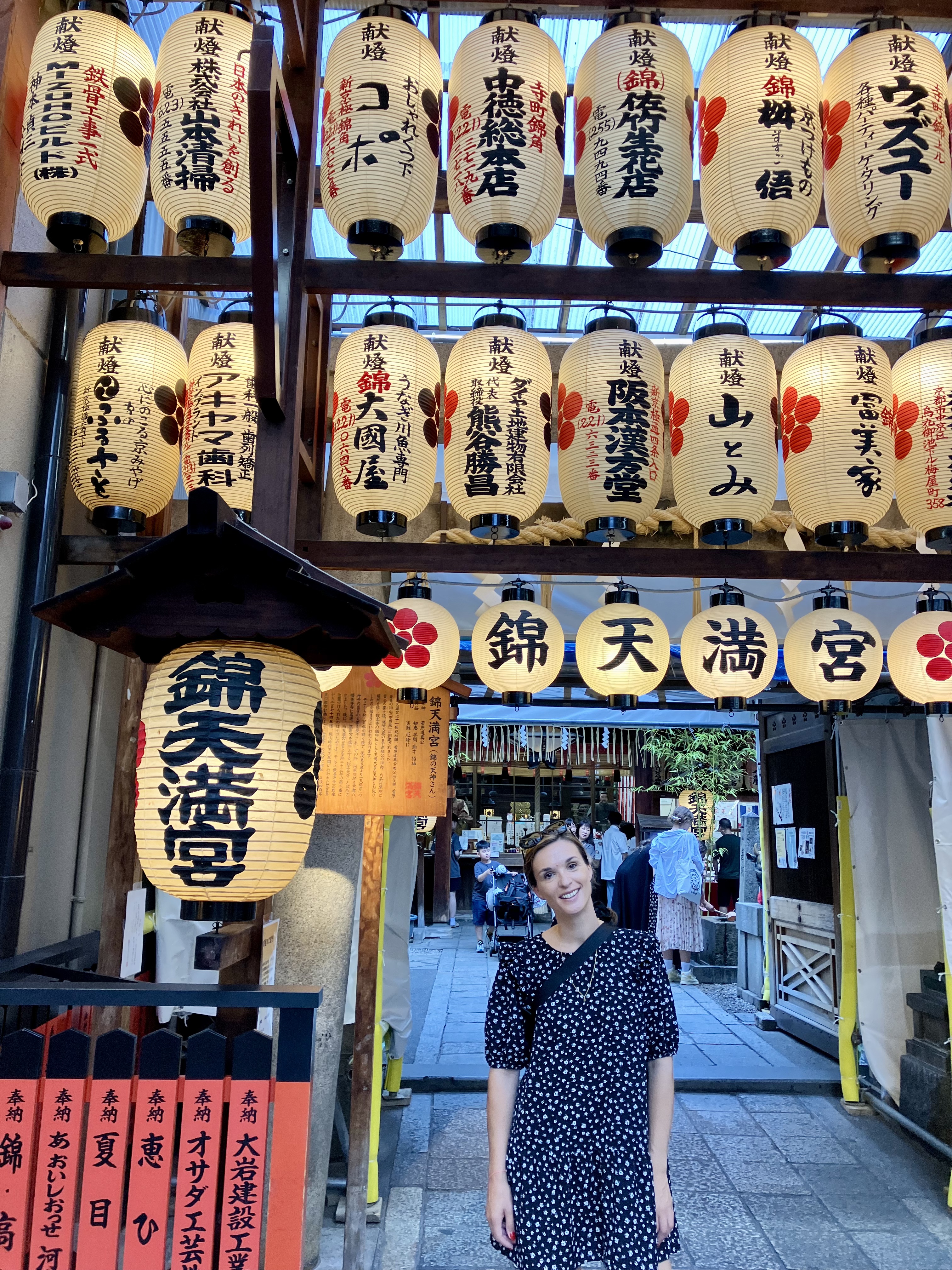
I’ve already declared on Instagram that Kyoto ranks in my top 3 most beautiful cities in the world. And I stand by it! This city was Japan’s capital for over 1,000 years (until 1868), and trust me, you can tell. Over 1,000 temples and shrines scattered everywhere. The temples themselves are already impressive. You feel transported, sensing the sacred breath of the past in every stone, and that’s often the case.
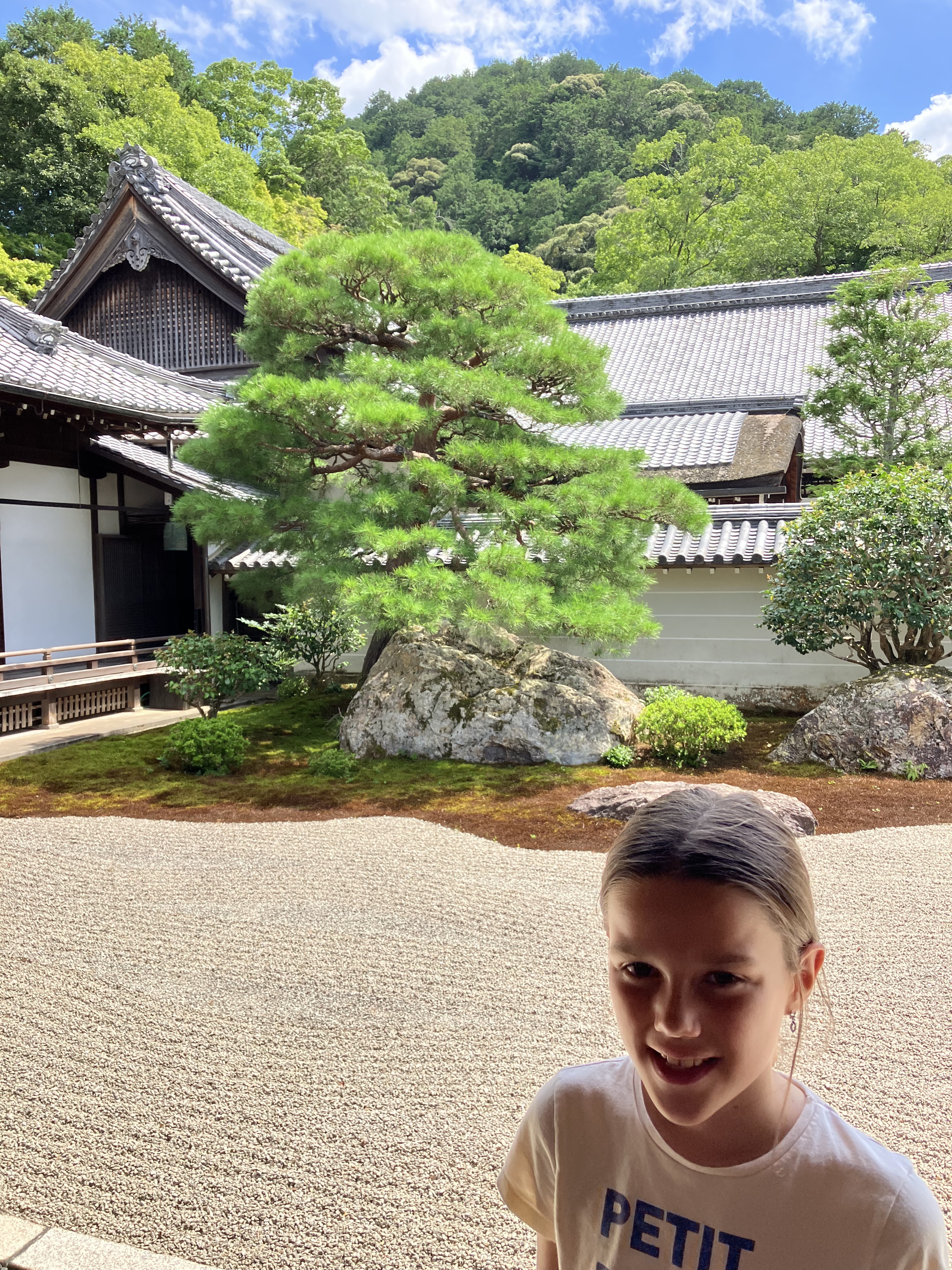
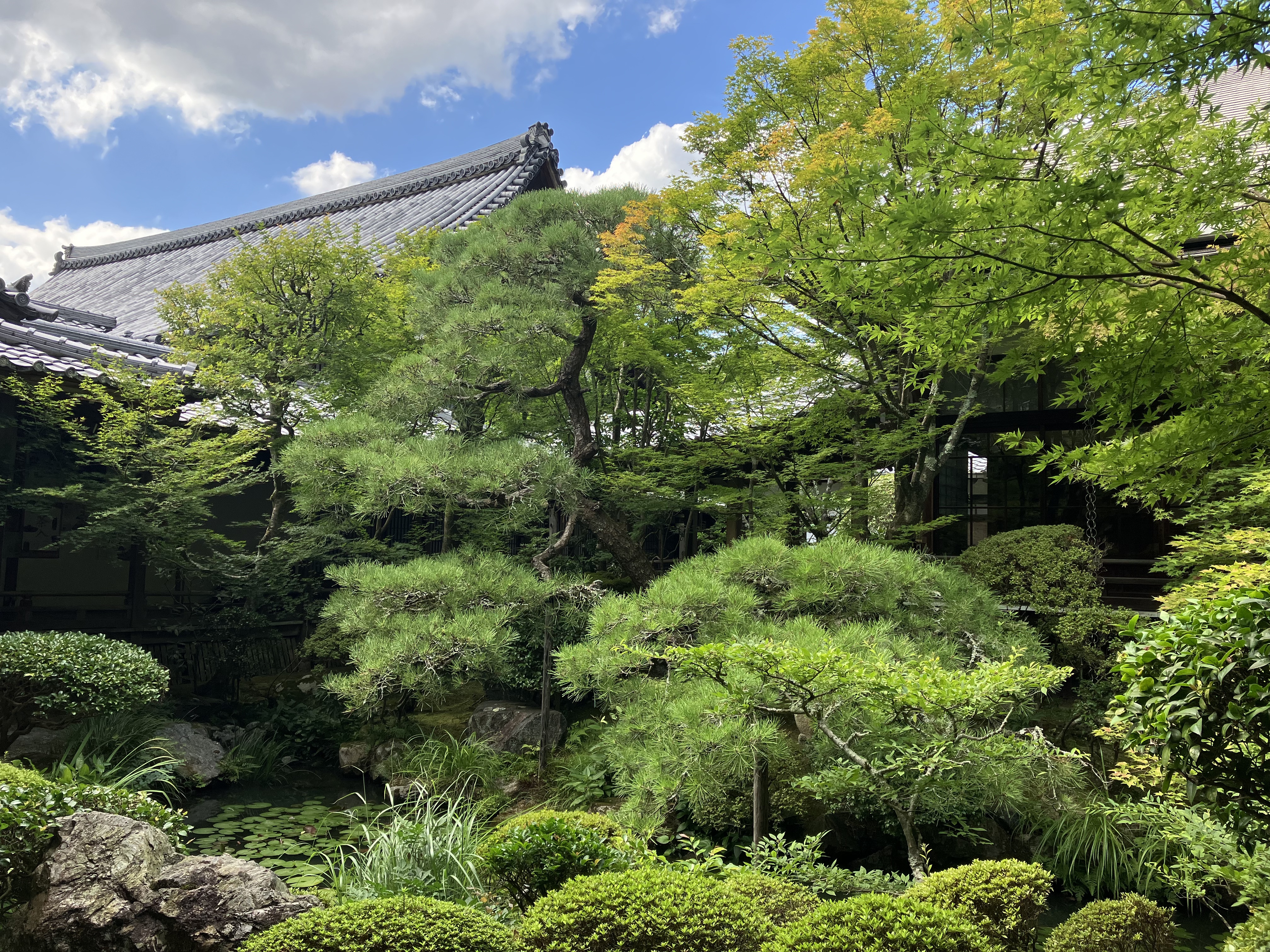
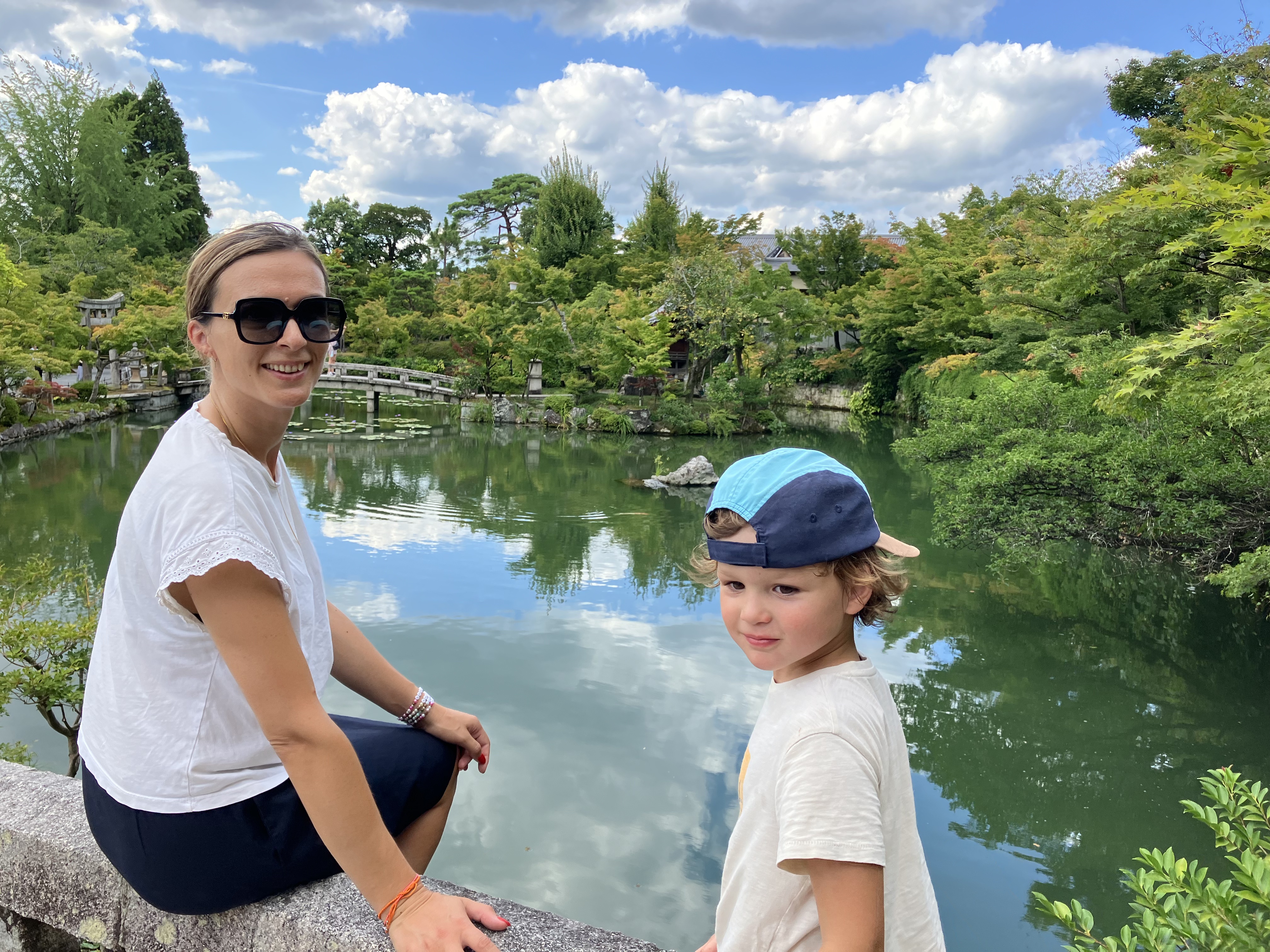
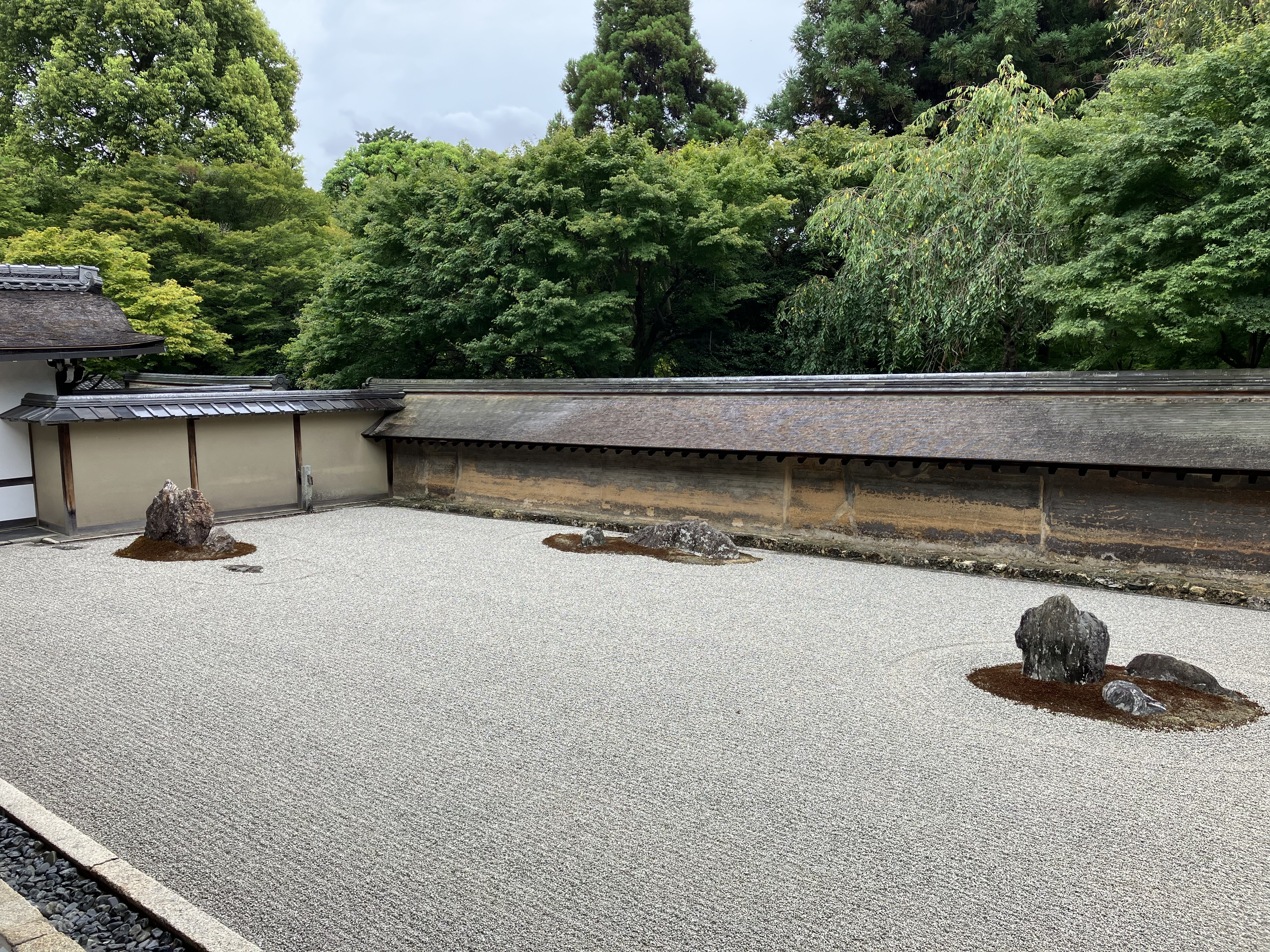
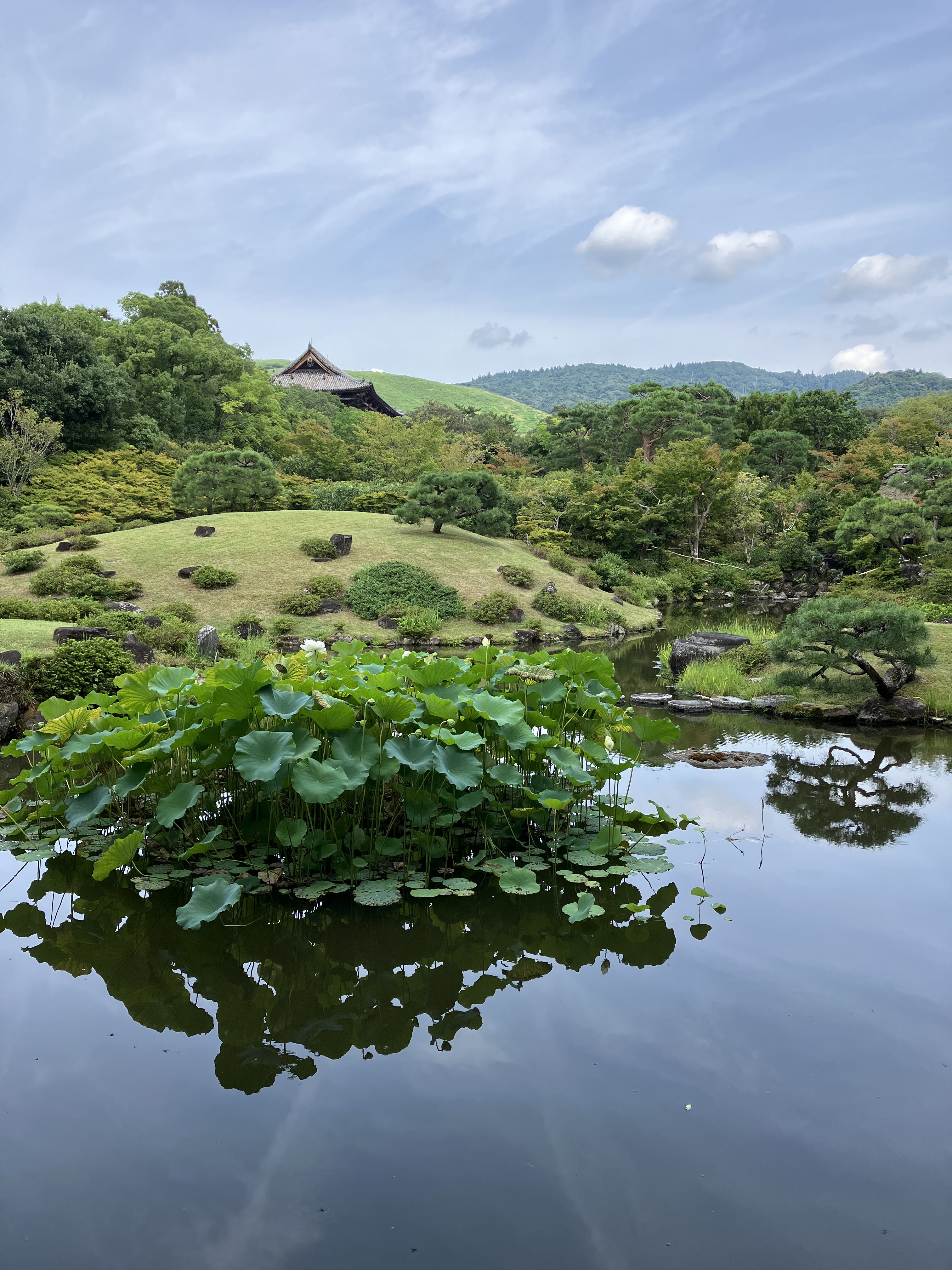
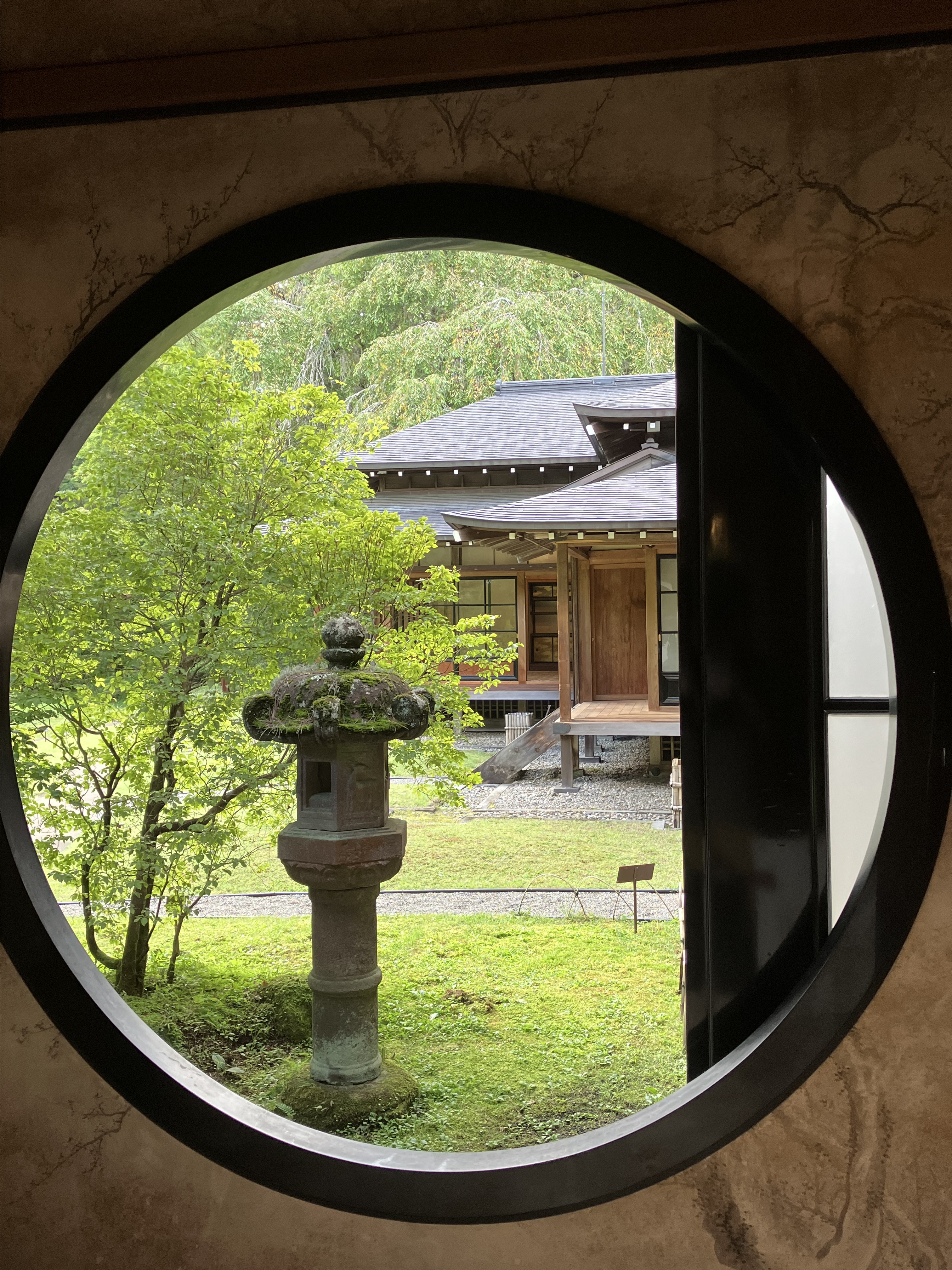
But to be honest, what struck me even more were the gardens. Everyone knows about the famous Japanese gardens, but here, we’re on another level. Masterpieces of harmony where every stone, every blade of grass seems to have been placed after centuries of debate on what would be the most beautiful. You enter, and it’s a shock. It’s pure “wow.” You wonder how humans could reach such a level of beauty, such perfection.
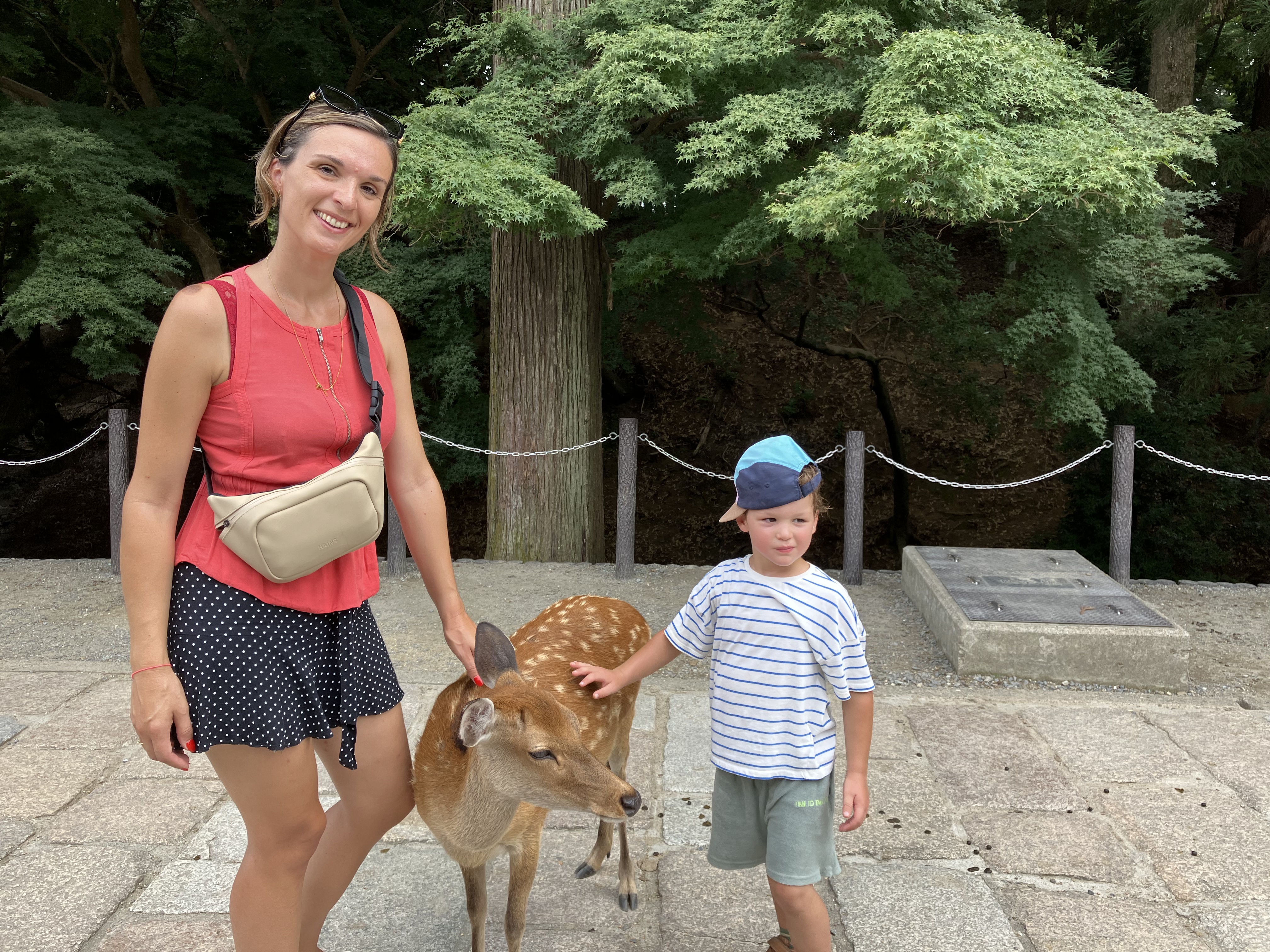
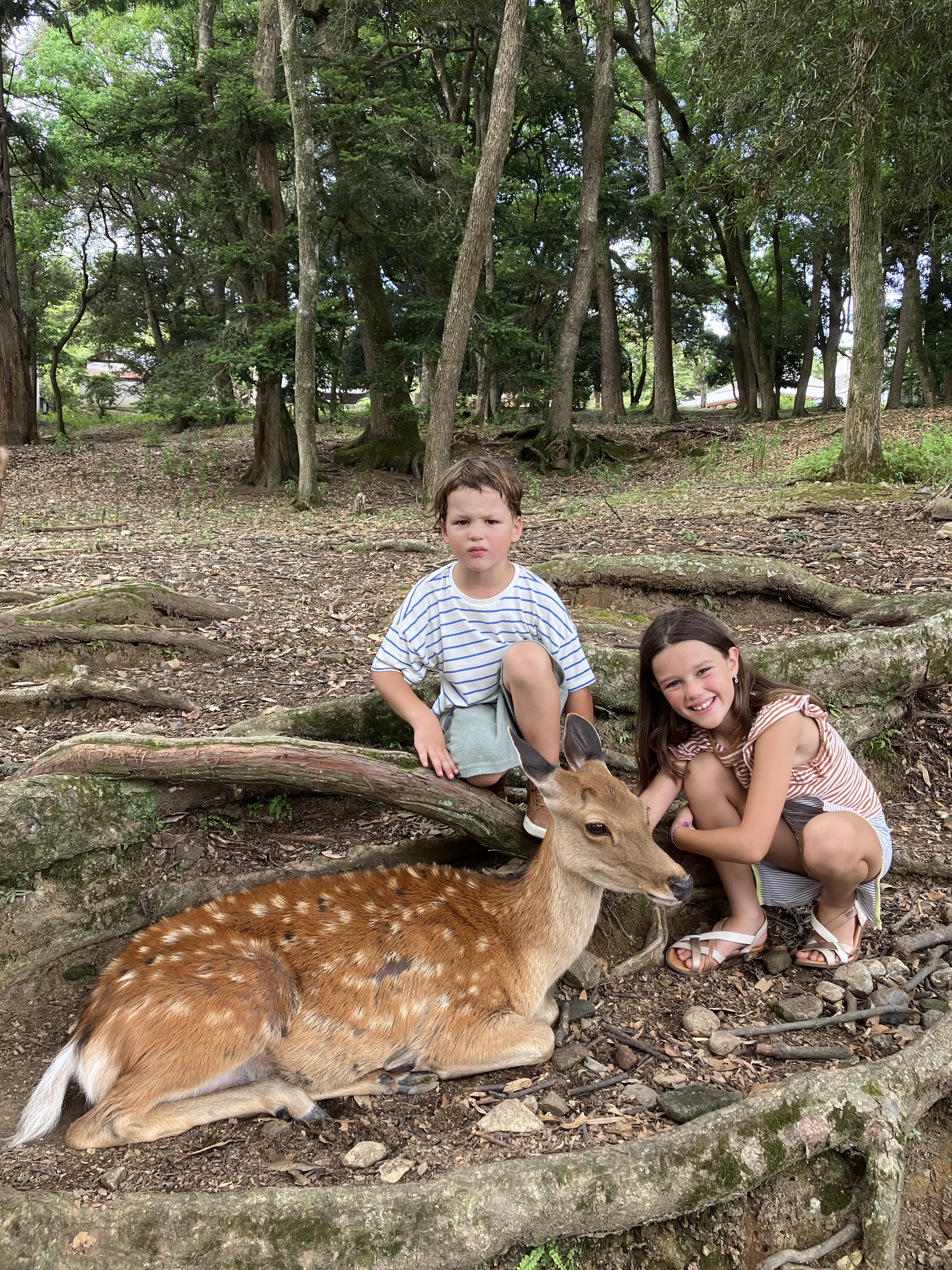
During our week in Kyoto, we took a trip to Nara. A highly recommended excursion. By train, it’s a breeze from Kyoto, and you arrive in a city where deer roam freely like forest spirits.

Weeks 4 & 5: The Mountains, Futon-Style
Ah, the futon. Admit it, the word has a poetic ring, like a promise of exoticism and softness.
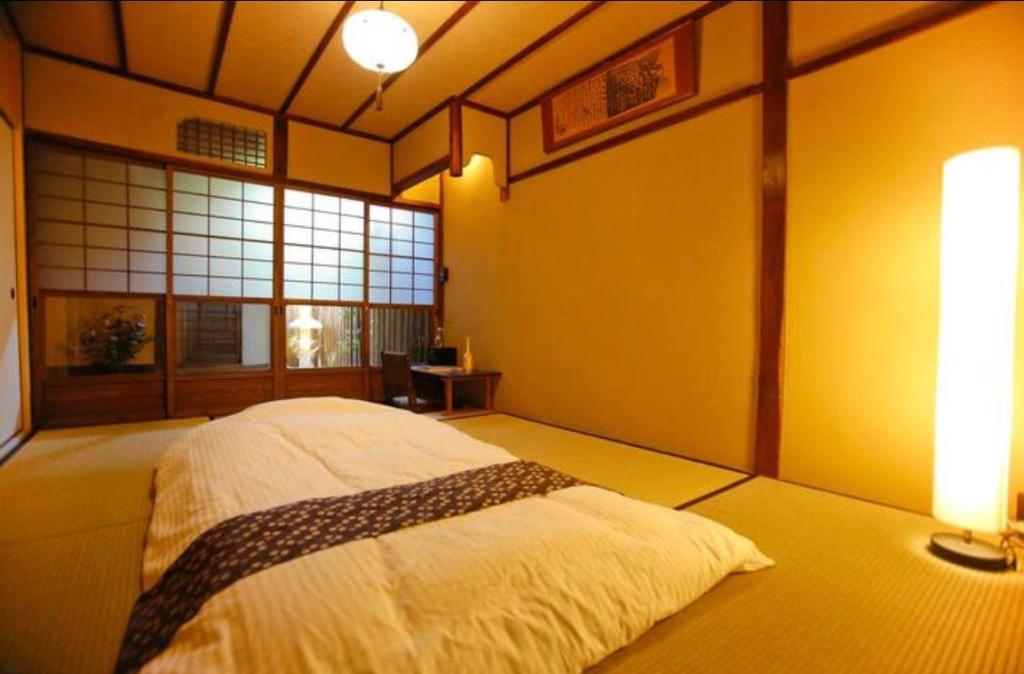
In reality? Just a mattress laid directly on the floor (okay, on a tatami mat, but still). The accompanying pillow resembles a sausage stuffed with bits of plastic.
Naturally, Matteo couldn’t think of anything better than tearing one open, scattering those famous plastic confetti all over the room.
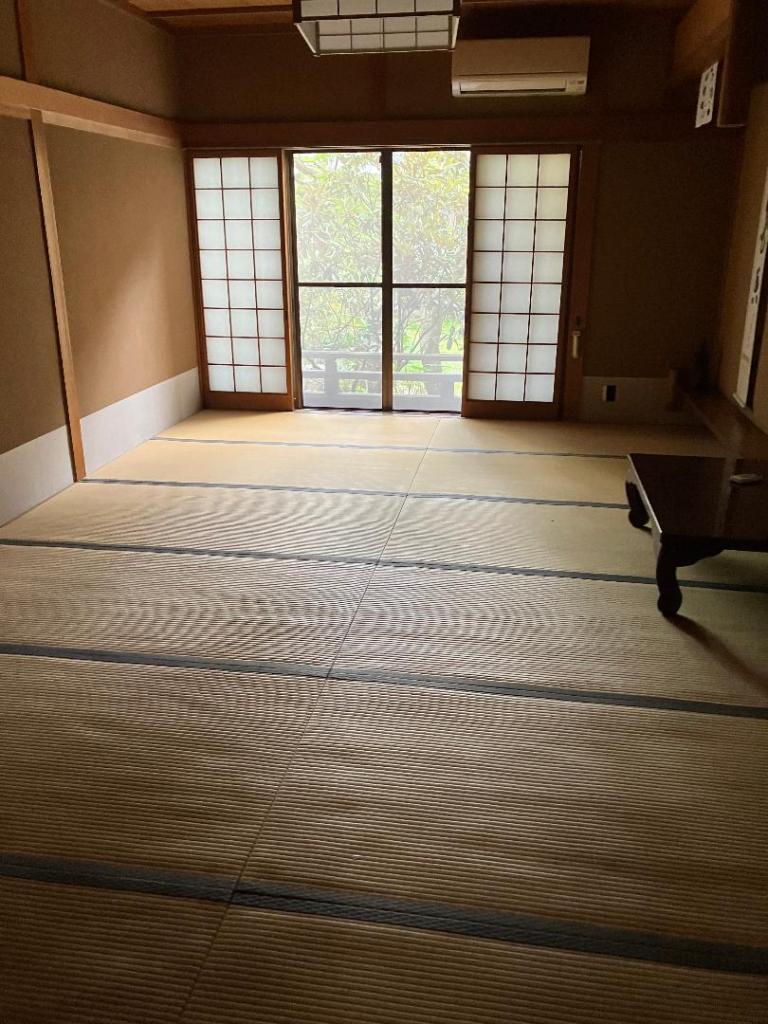
The night? Imagine sleeping four in a row in a room the size of your child’s bedroom… You smile bravely and ask for a second futon to stack on top of the first one, so you don’t feel entirely crushed against the floor.
You get used to it, of course. Let’s also say that some people complain more about it than others… you know who I’m talking about!
I must admit the system has its advantages. In the morning, you fold everything away, and, miracle of miracles, your living room is back, ready to host your imaginary guests. That’s the Japanese genius: everything space-saving, everything practical.
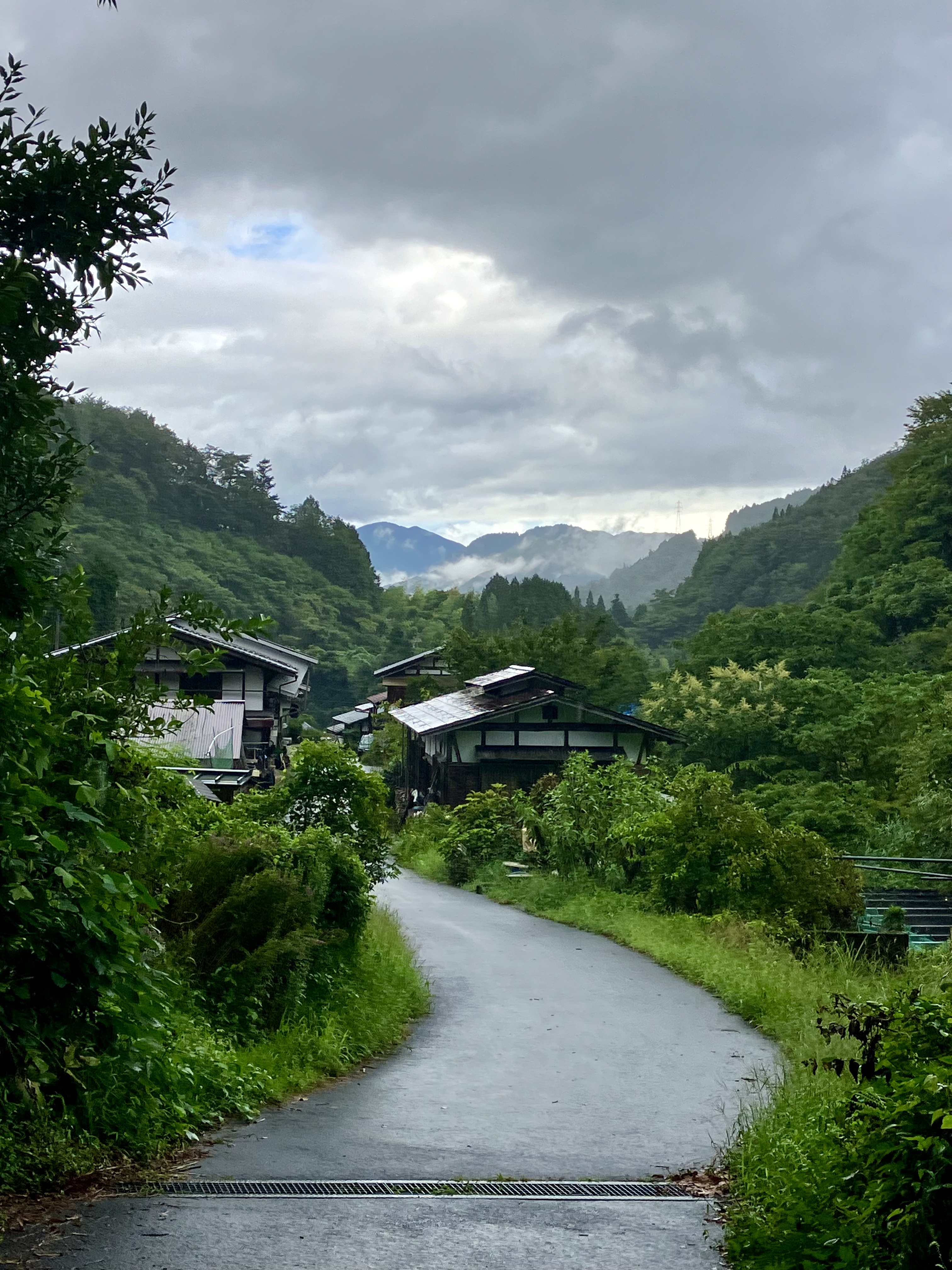
So, let’s talk about these famous Japanese mountains, the “Japanese Alps.” Yes, that’s what they call them here! Why? Because a 19th-century English priest and mountaineer thought these mountains resembled the European Alps. I’ll spare you the detailed story, but even the Japanese have adopted the name!
And believe me, these Alps are just as beautiful as their name suggests.
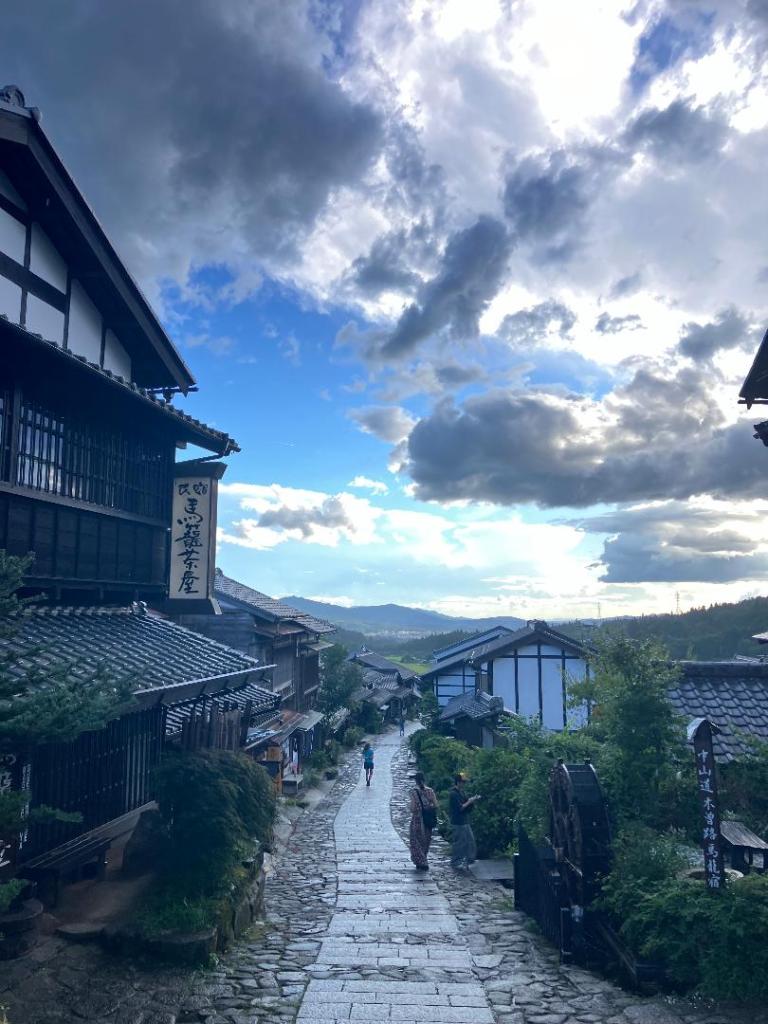
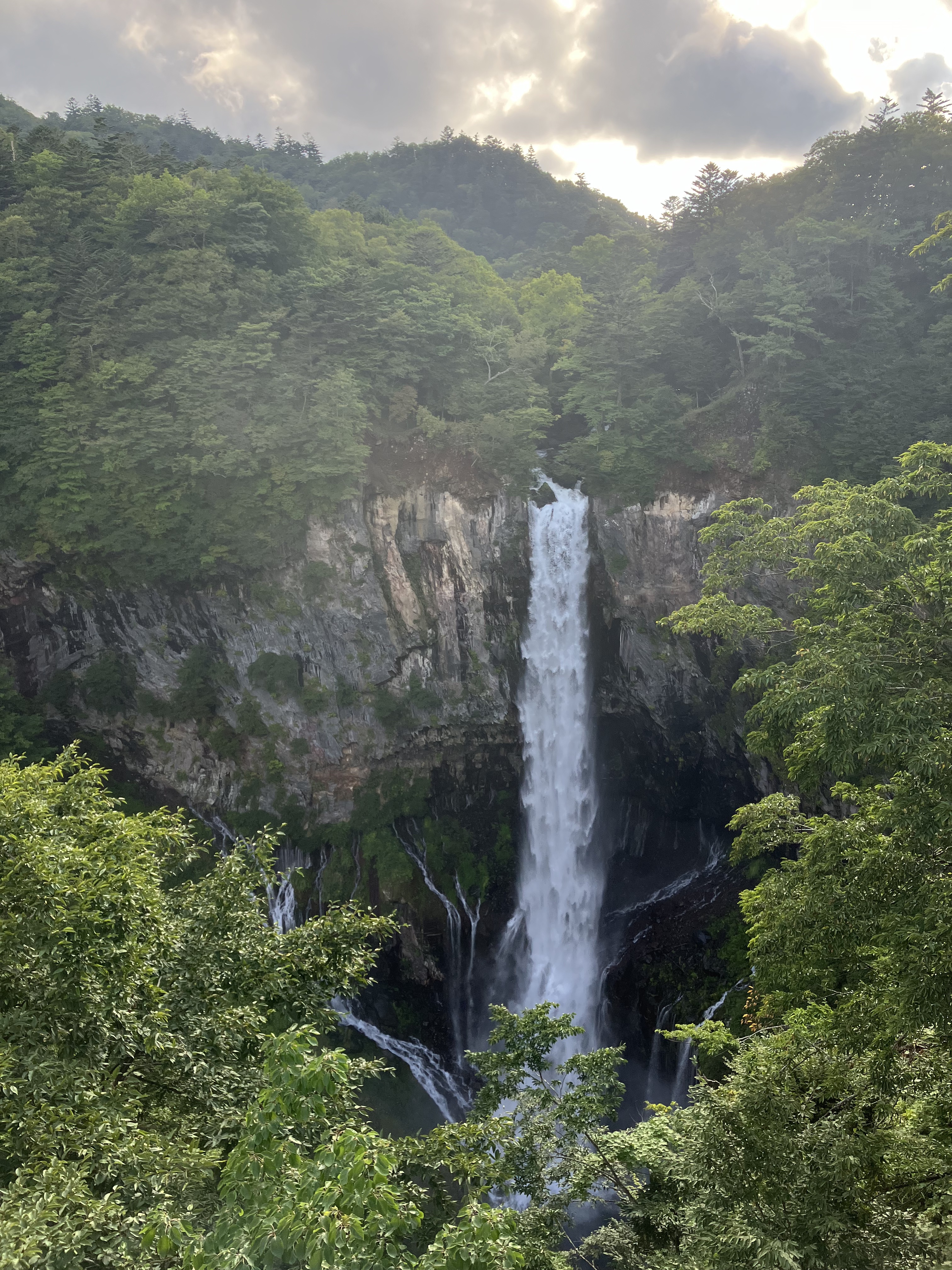
The peaks reach over 3,000 meters, and the valleys are dotted with charming little towns and villages nestled among the mountains.
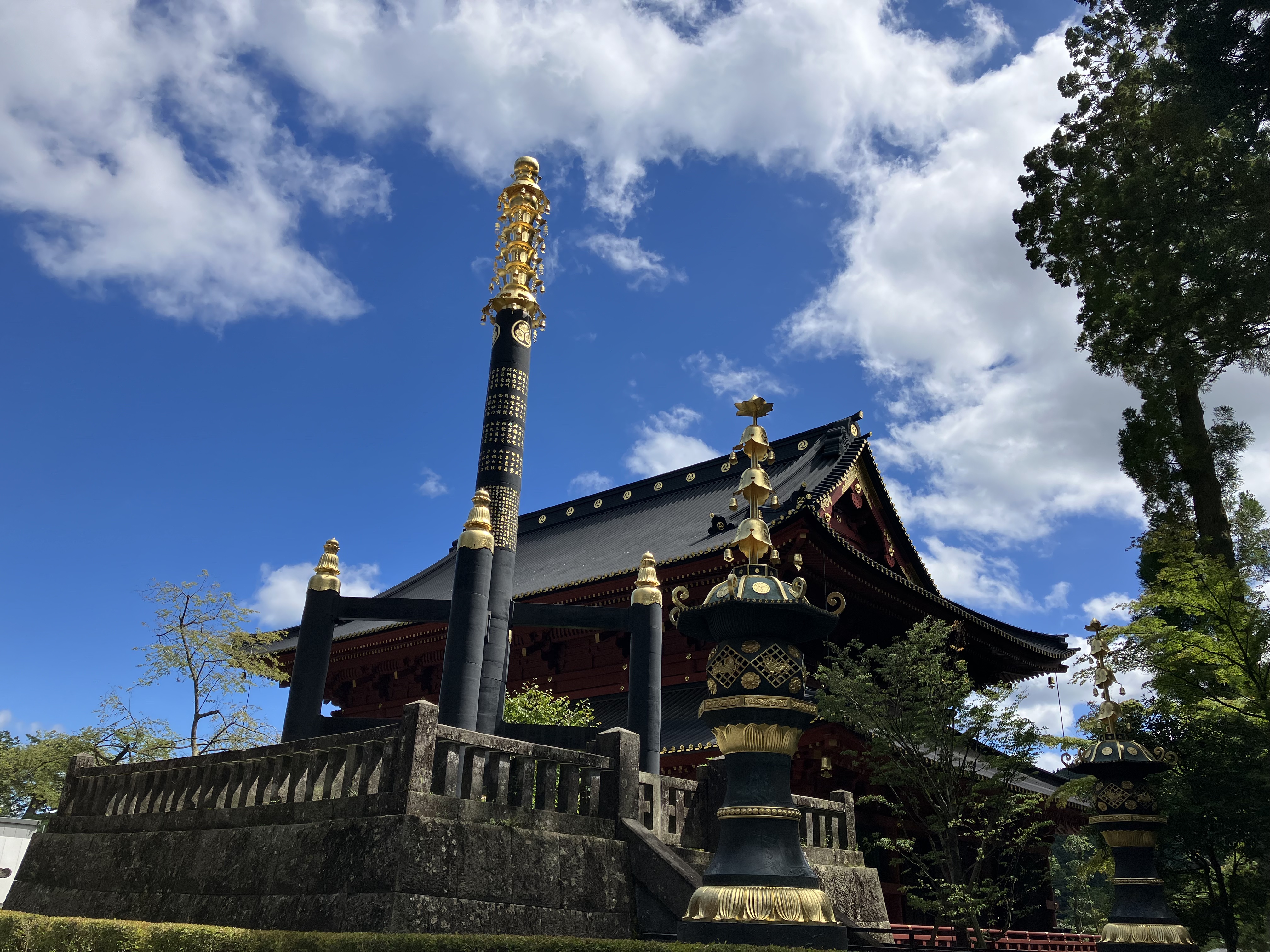
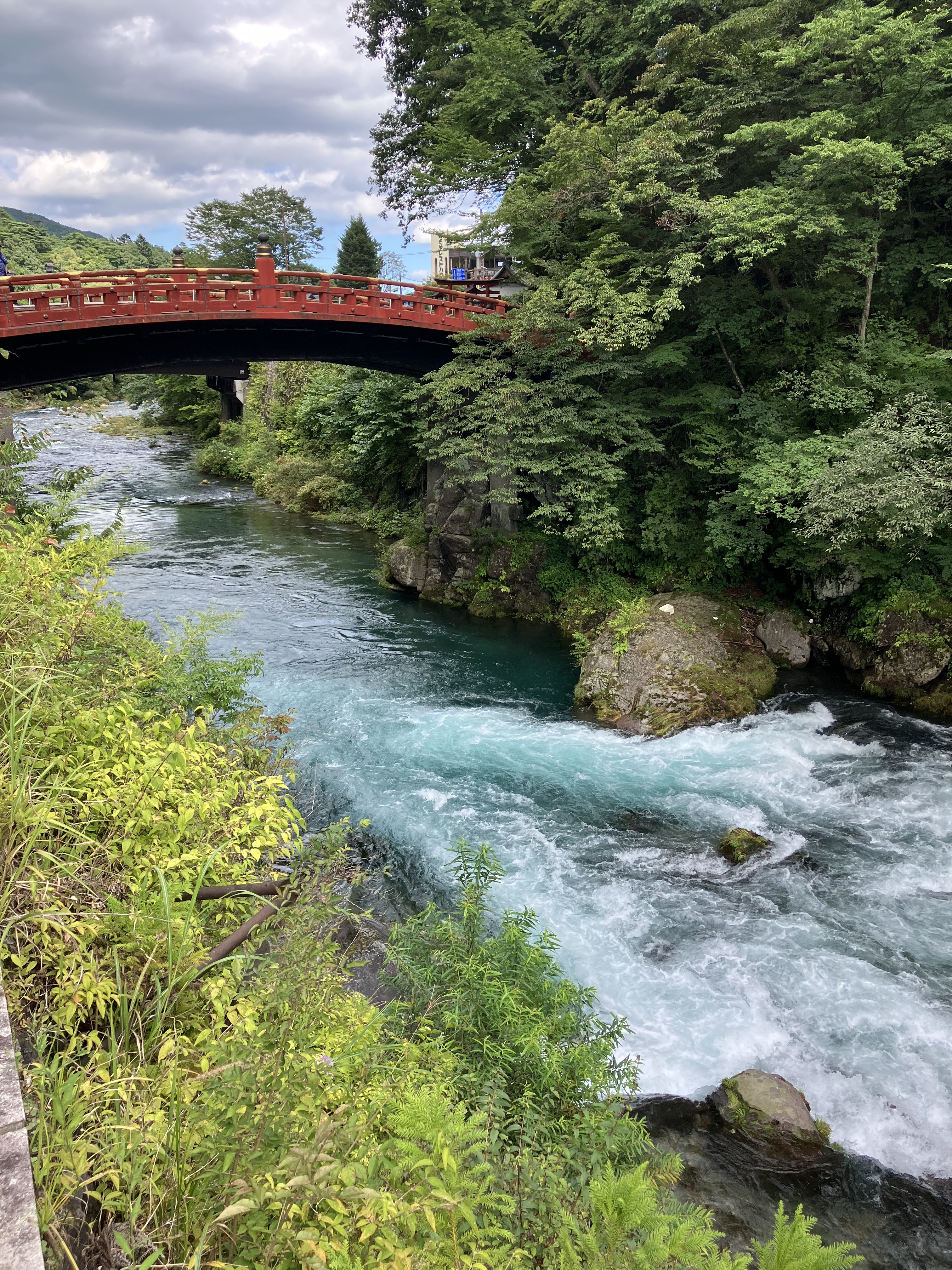
We stopped in Magome, Takayama, Matsumoto (with its majestic castle), Kanazawa (near the beach by the Alps), and Nikko for the temple aficionados.
Let’s be honest: except for one or two exceptions, we’re talking about towns with populations ranging from 150,000 to 300,000. As I mentioned in my previous post, whenever there’s flat land in Japan, it’s packed with people — they have to fit 130 million Japanese somewhere! But the vibe in these small towns and villages is really pleasant, especially with the cooler temperatures.
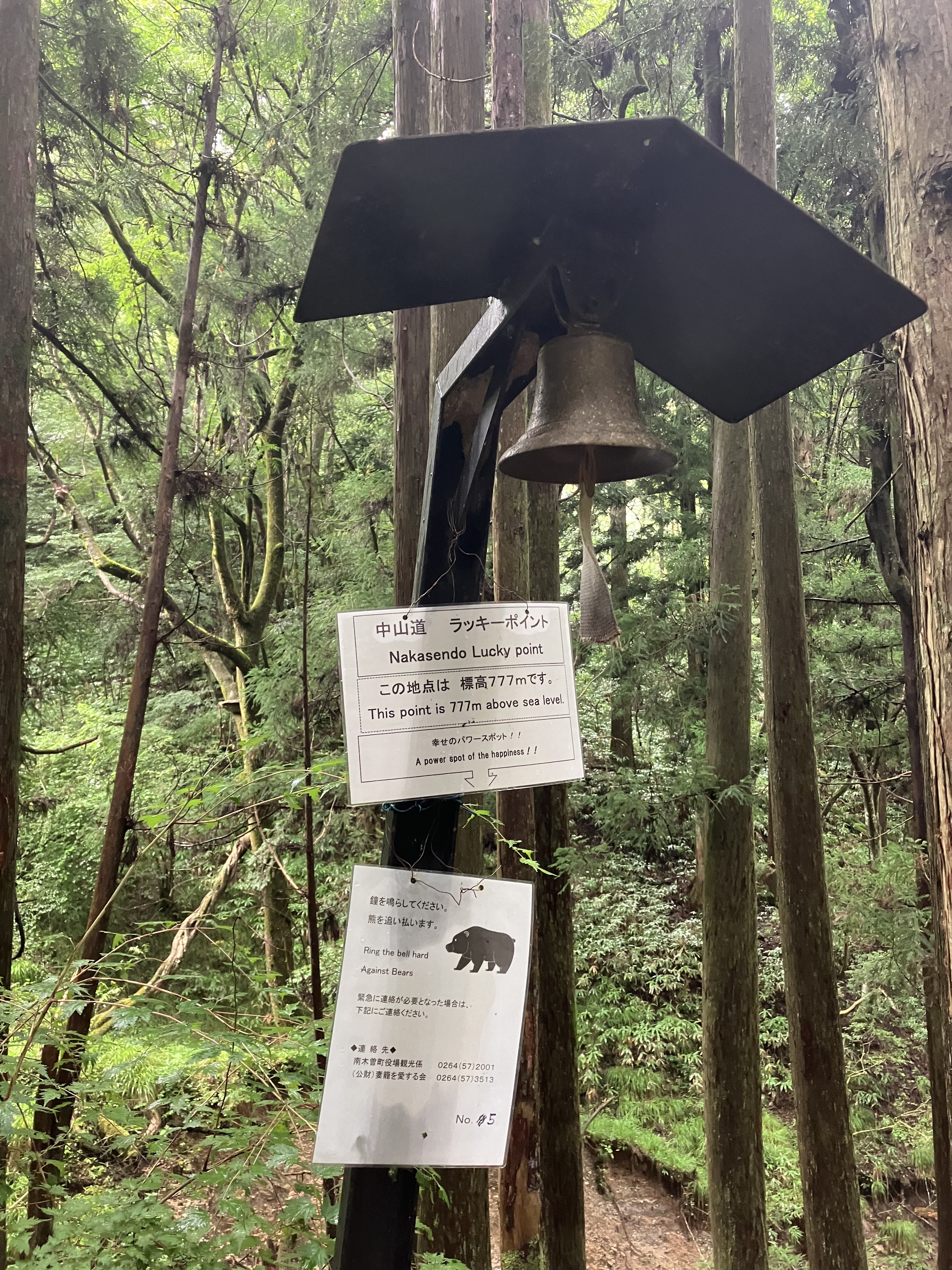
There are some memorable treks to be had here. We didn’t go for any hardcore hikes, but we did enjoy some great walks, pleasantly surprised by Matteo, who did really well! Plus, I managed to sneak away once or twice on my own to immerse myself a bit deeper in these incredible landscapes.
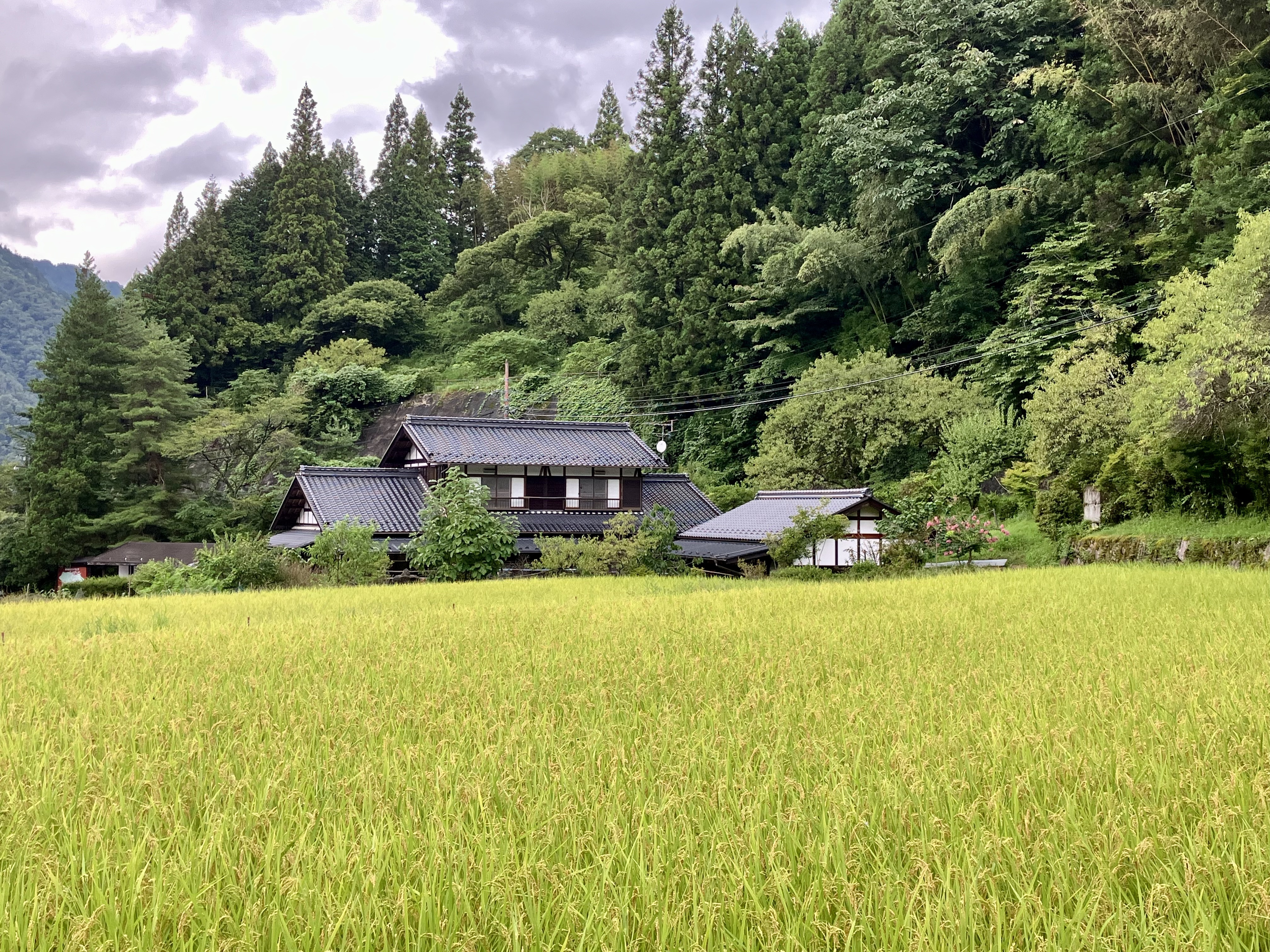
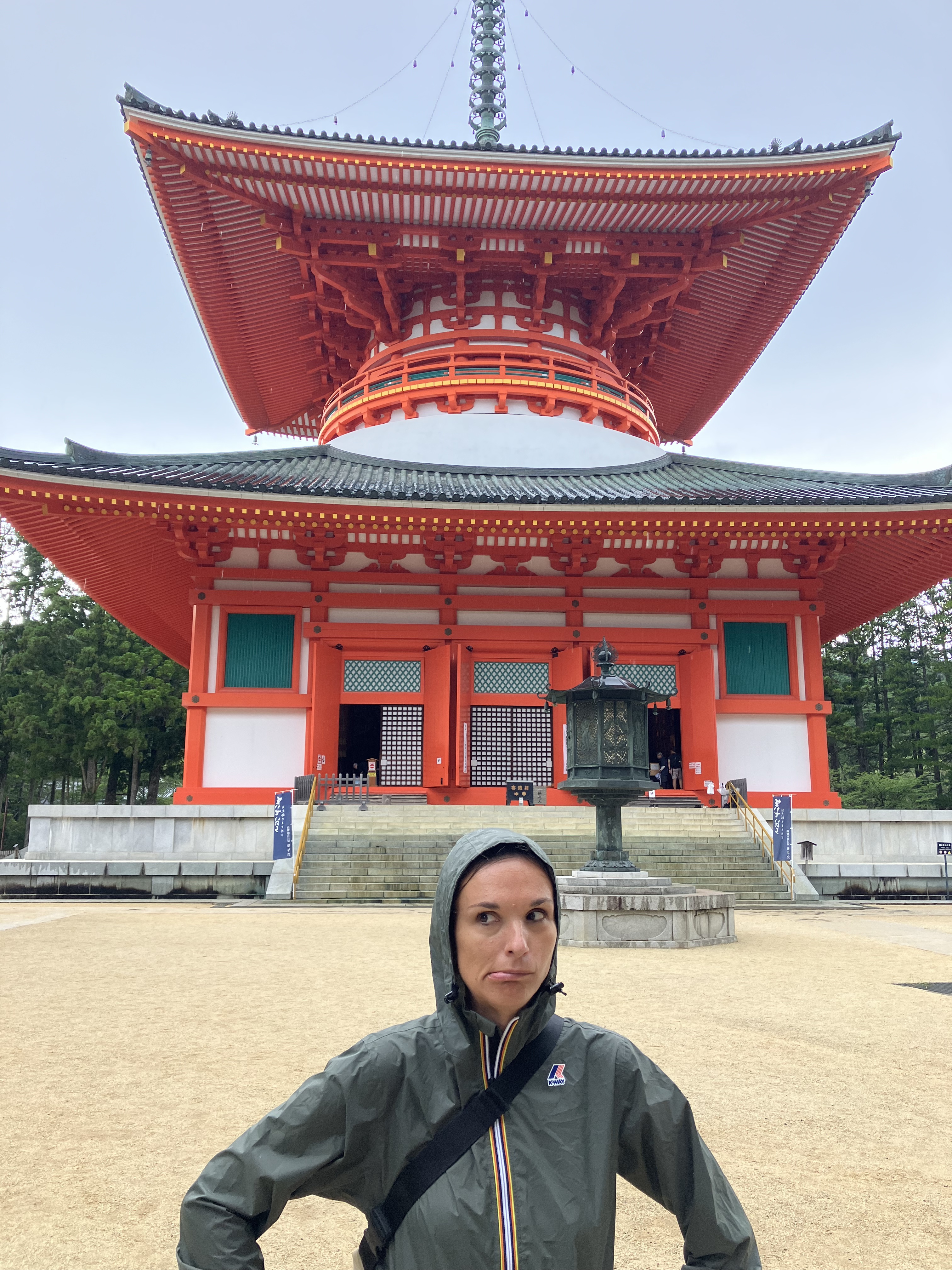
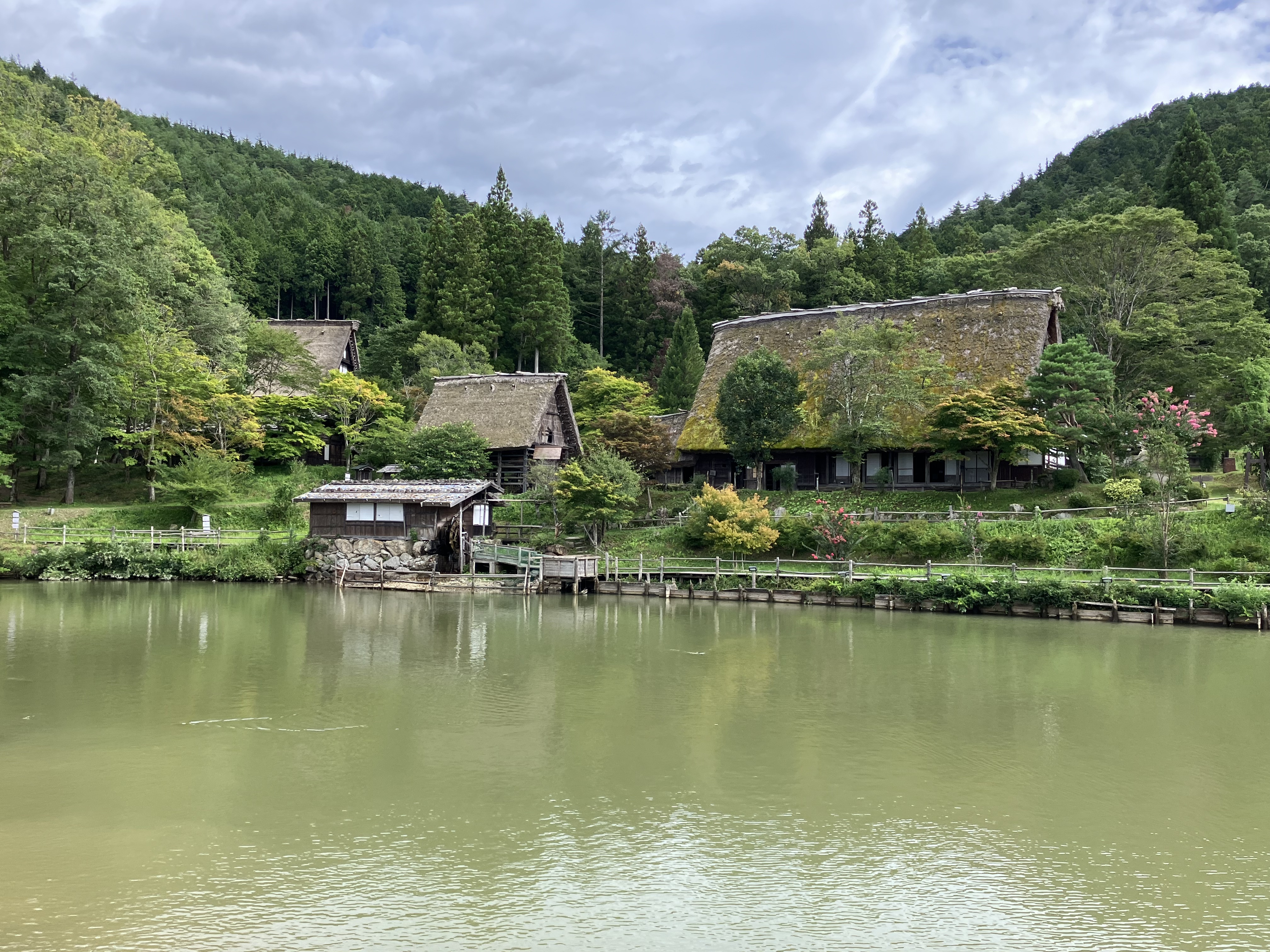
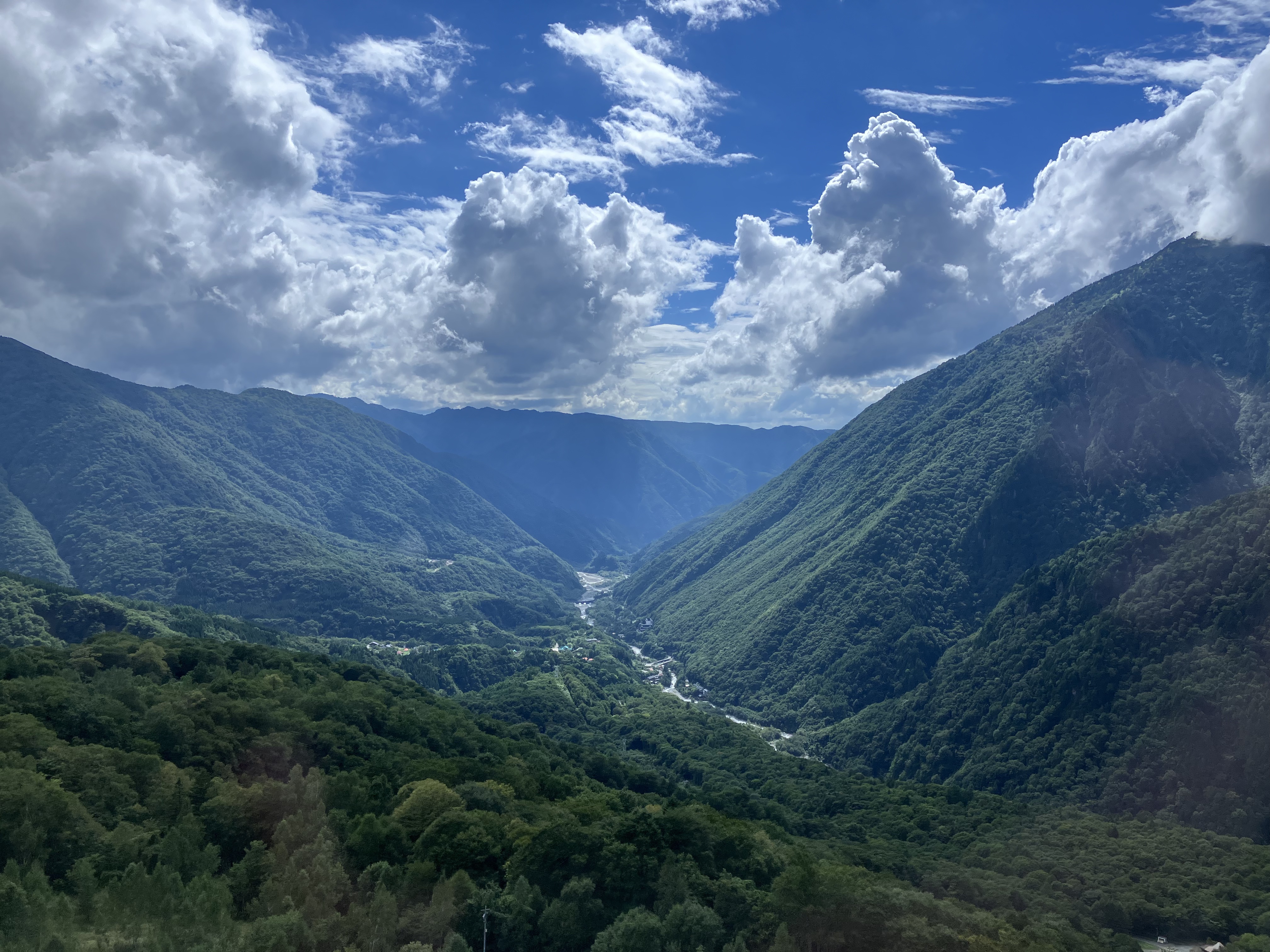
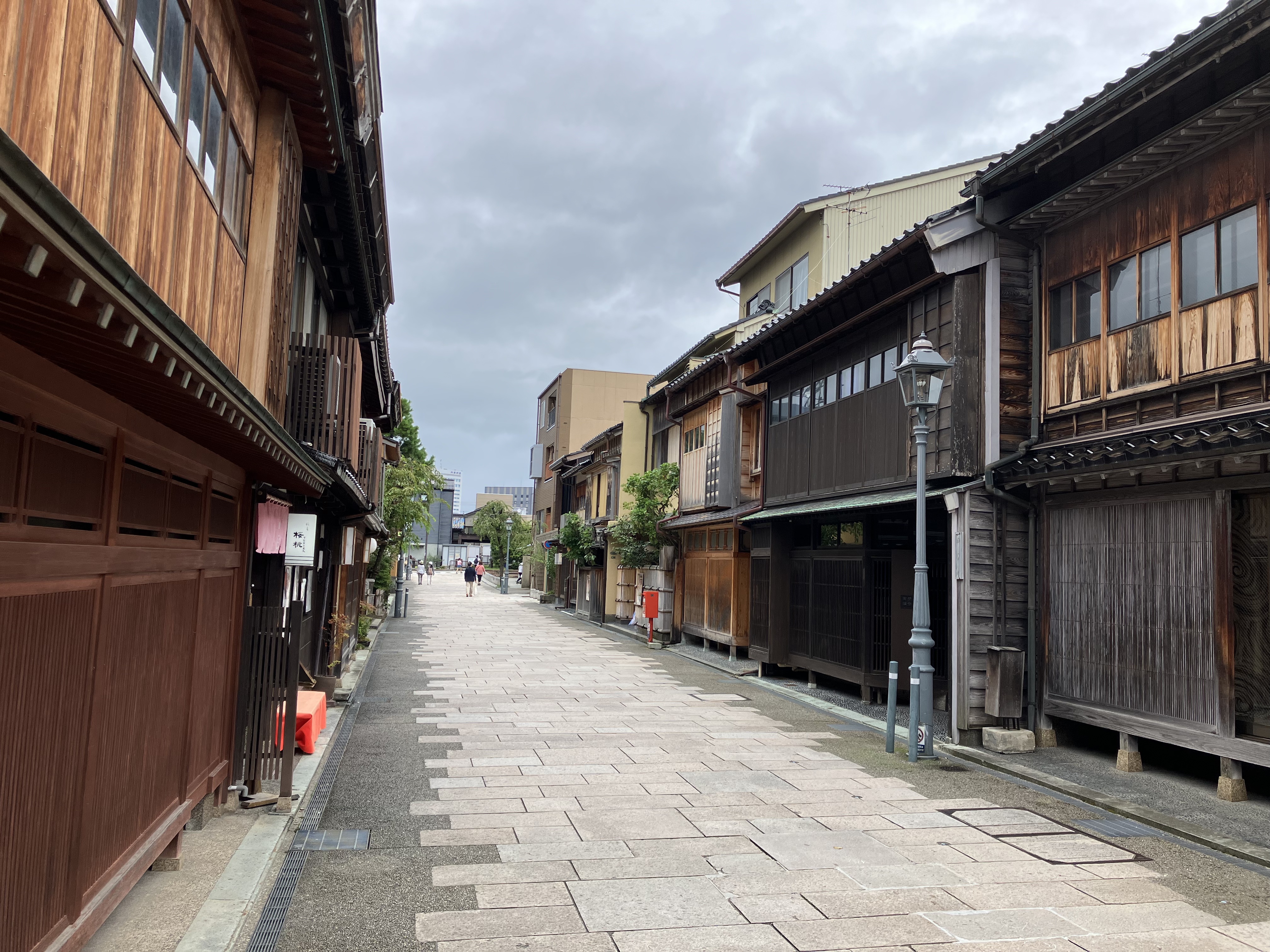
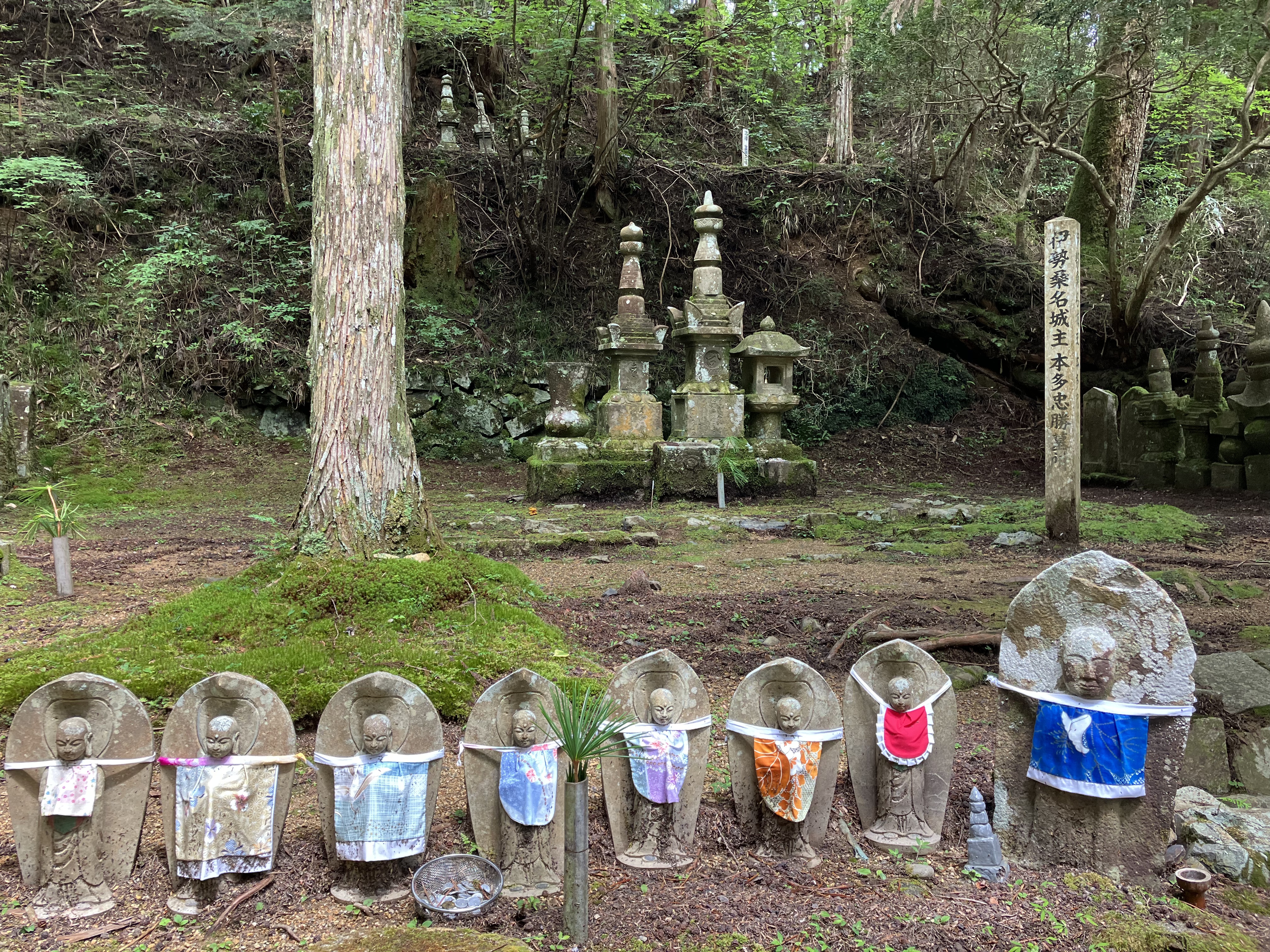
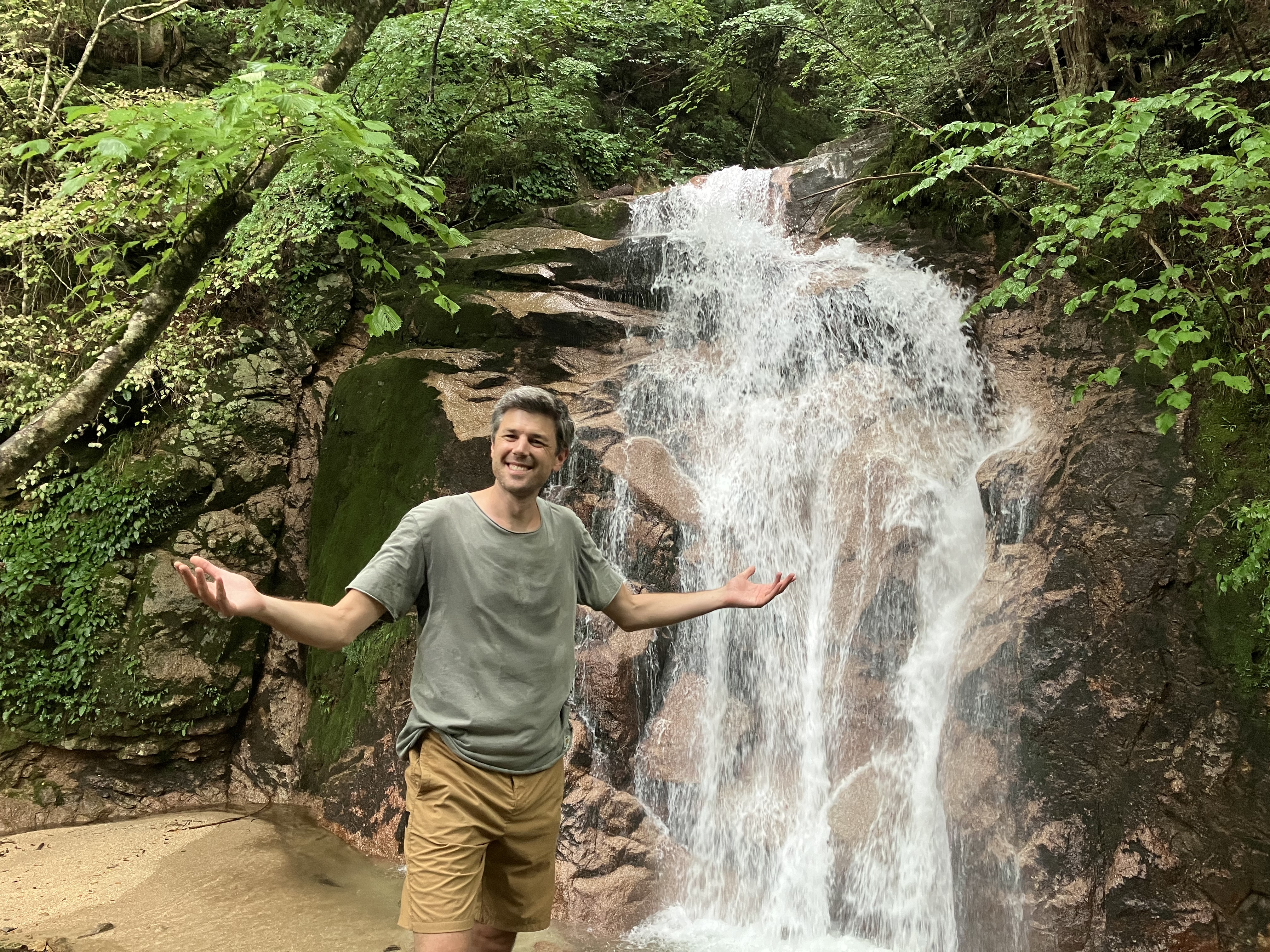

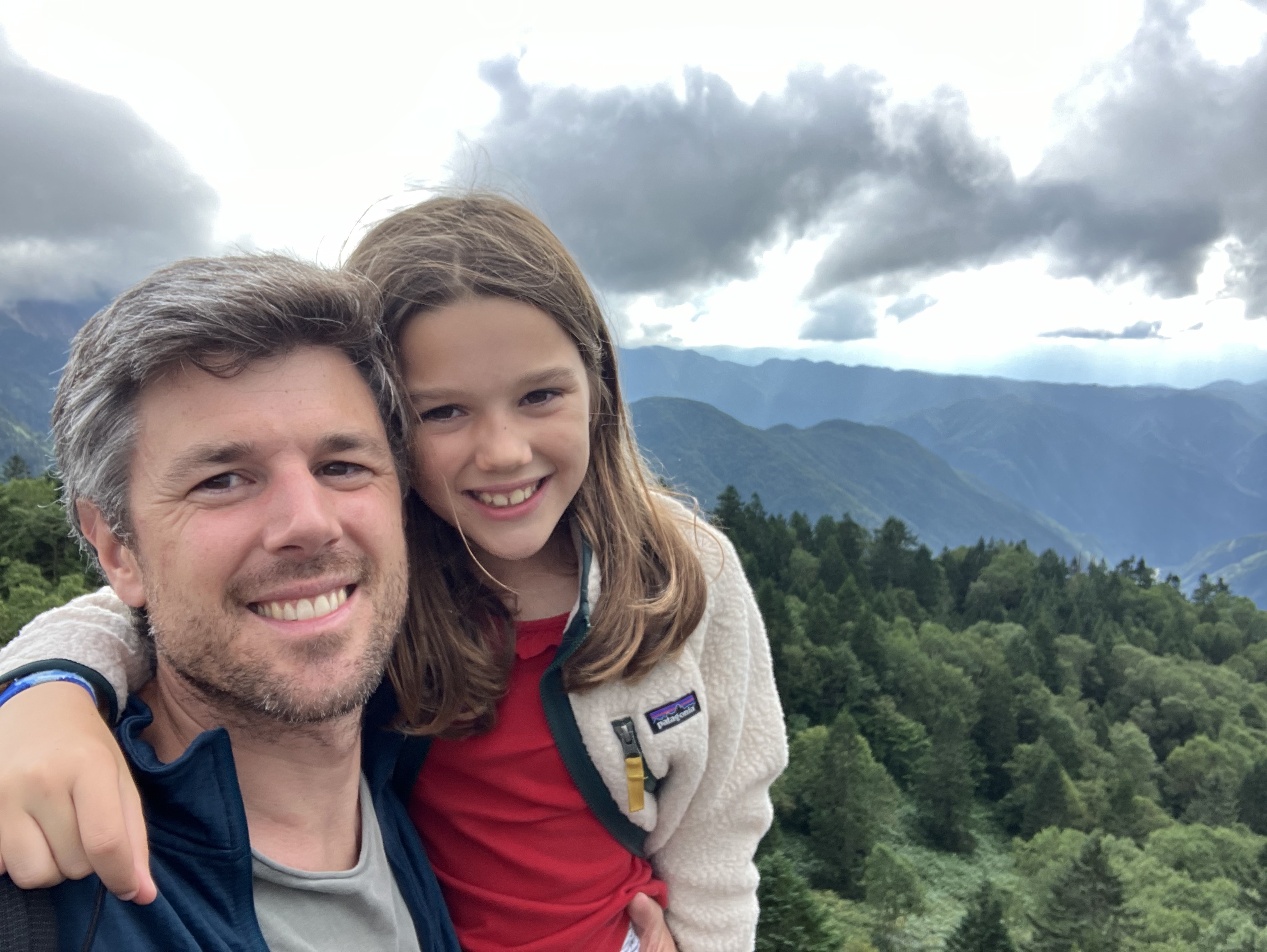
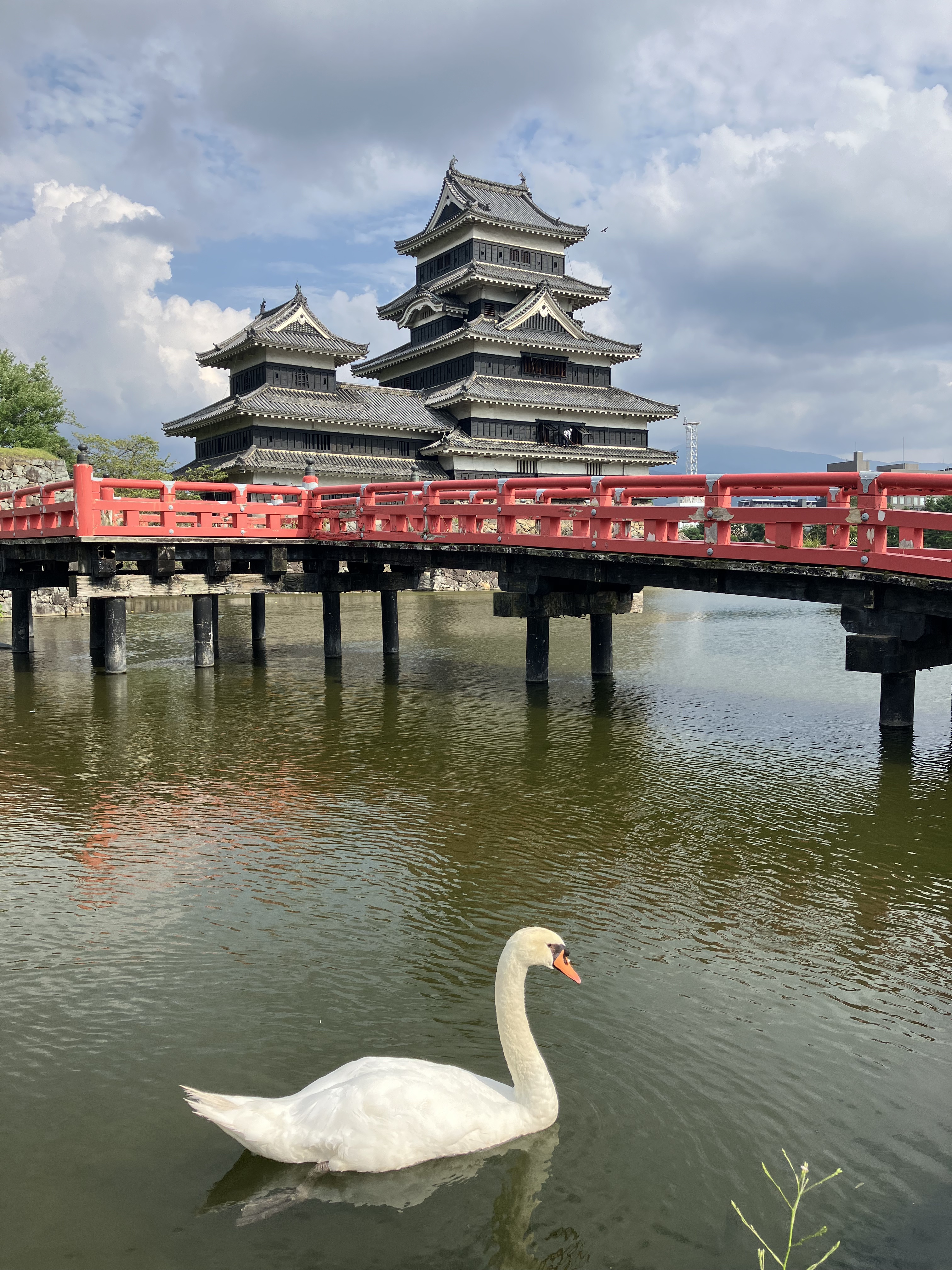
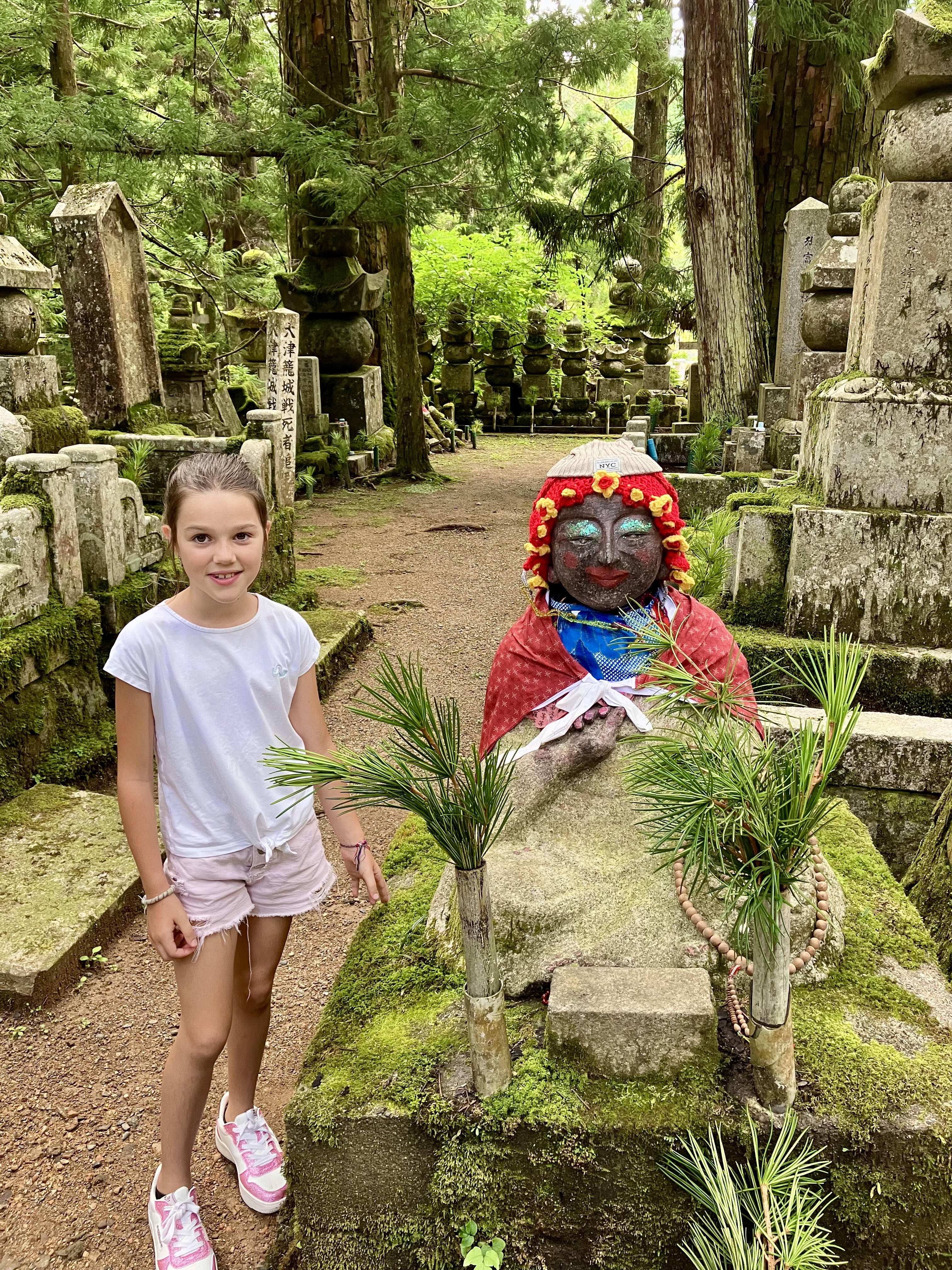
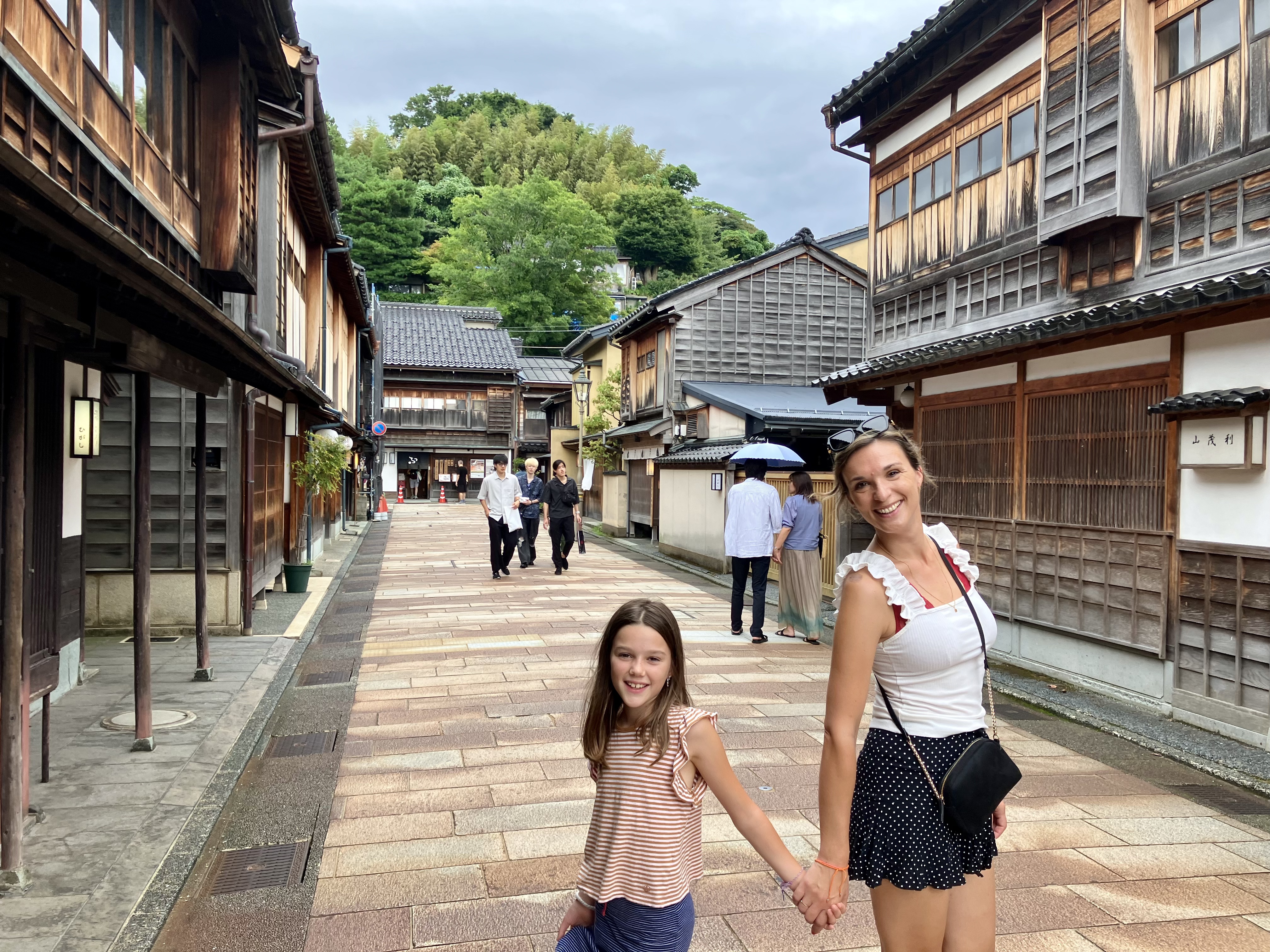
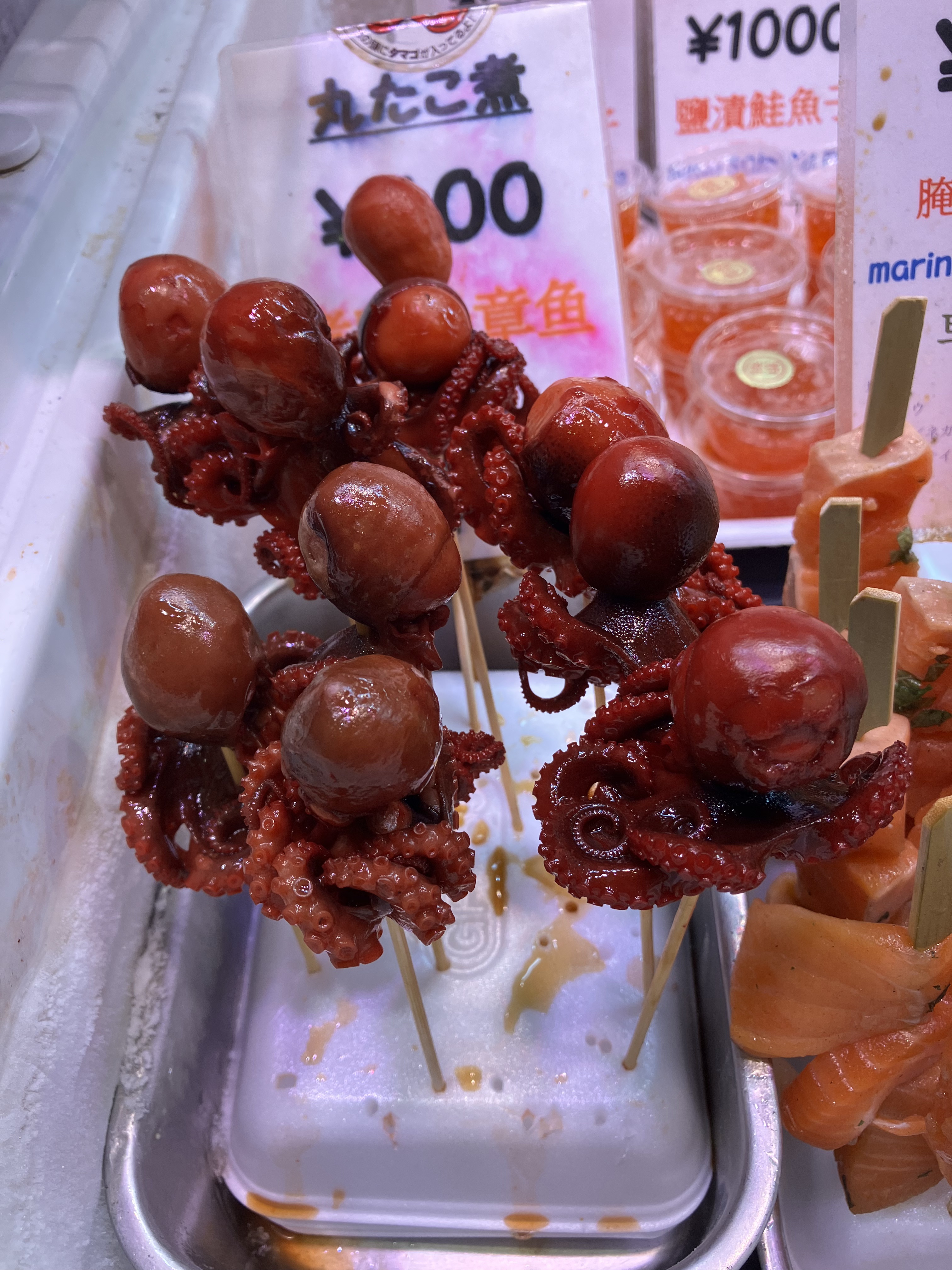
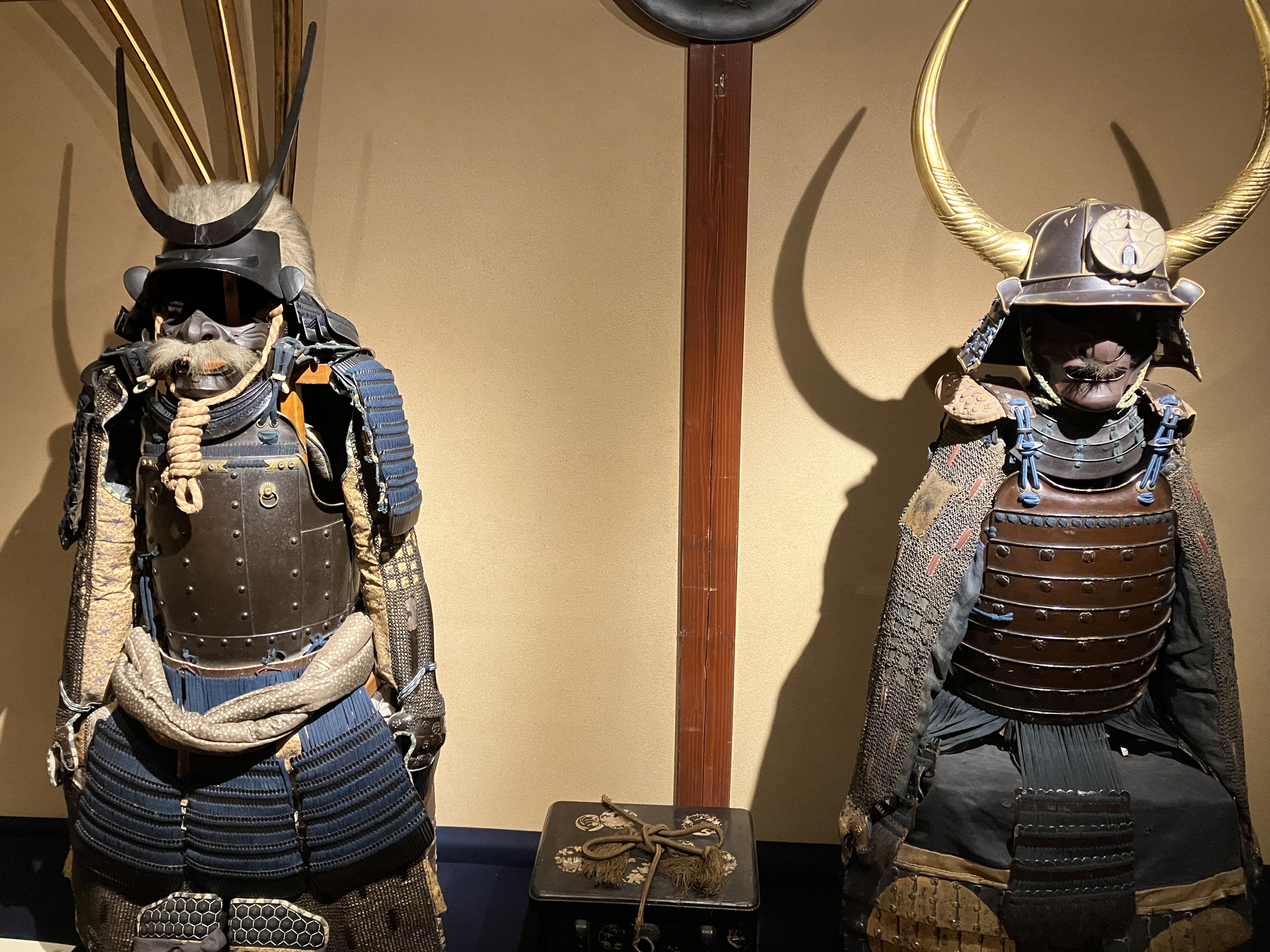
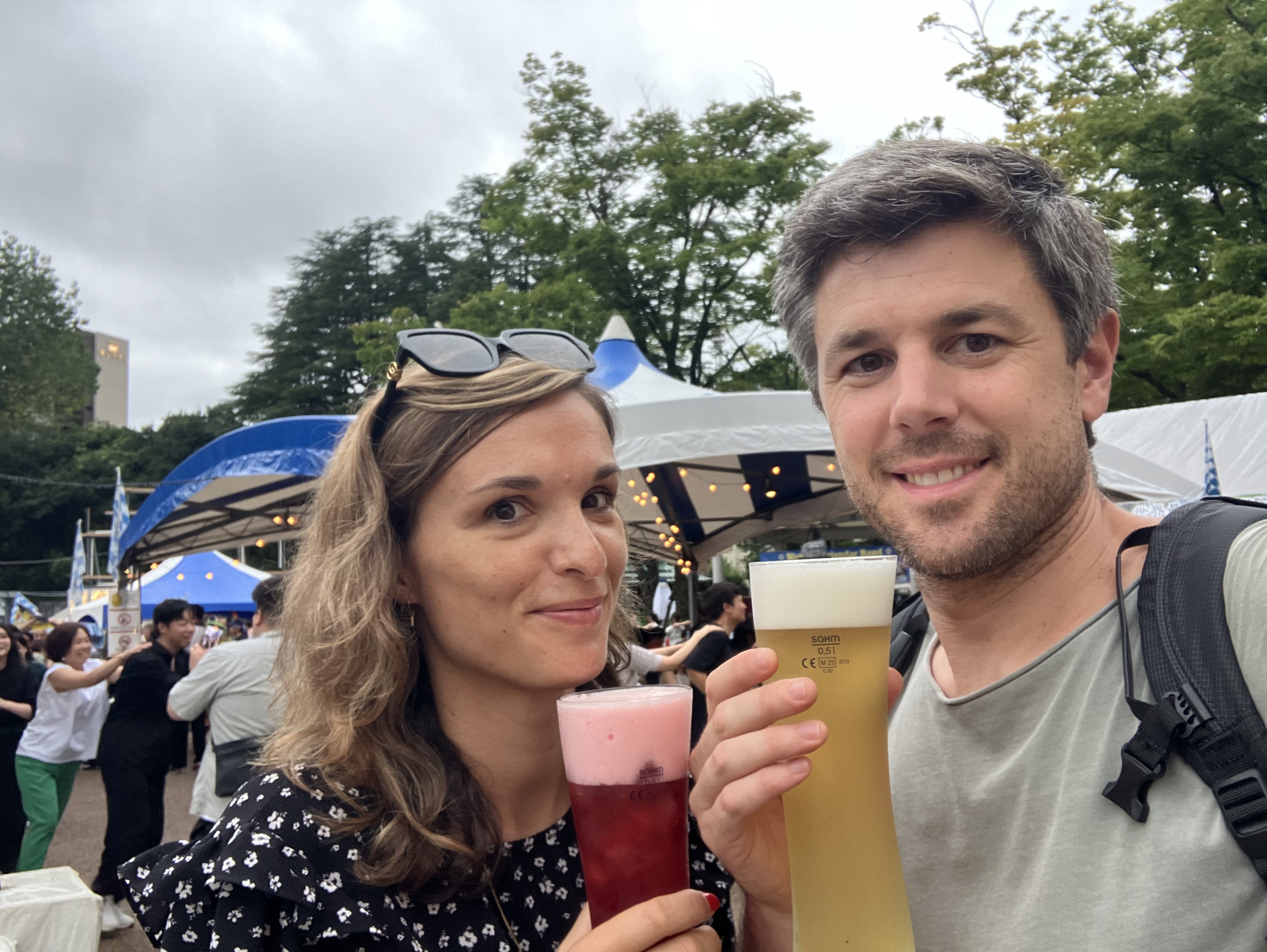
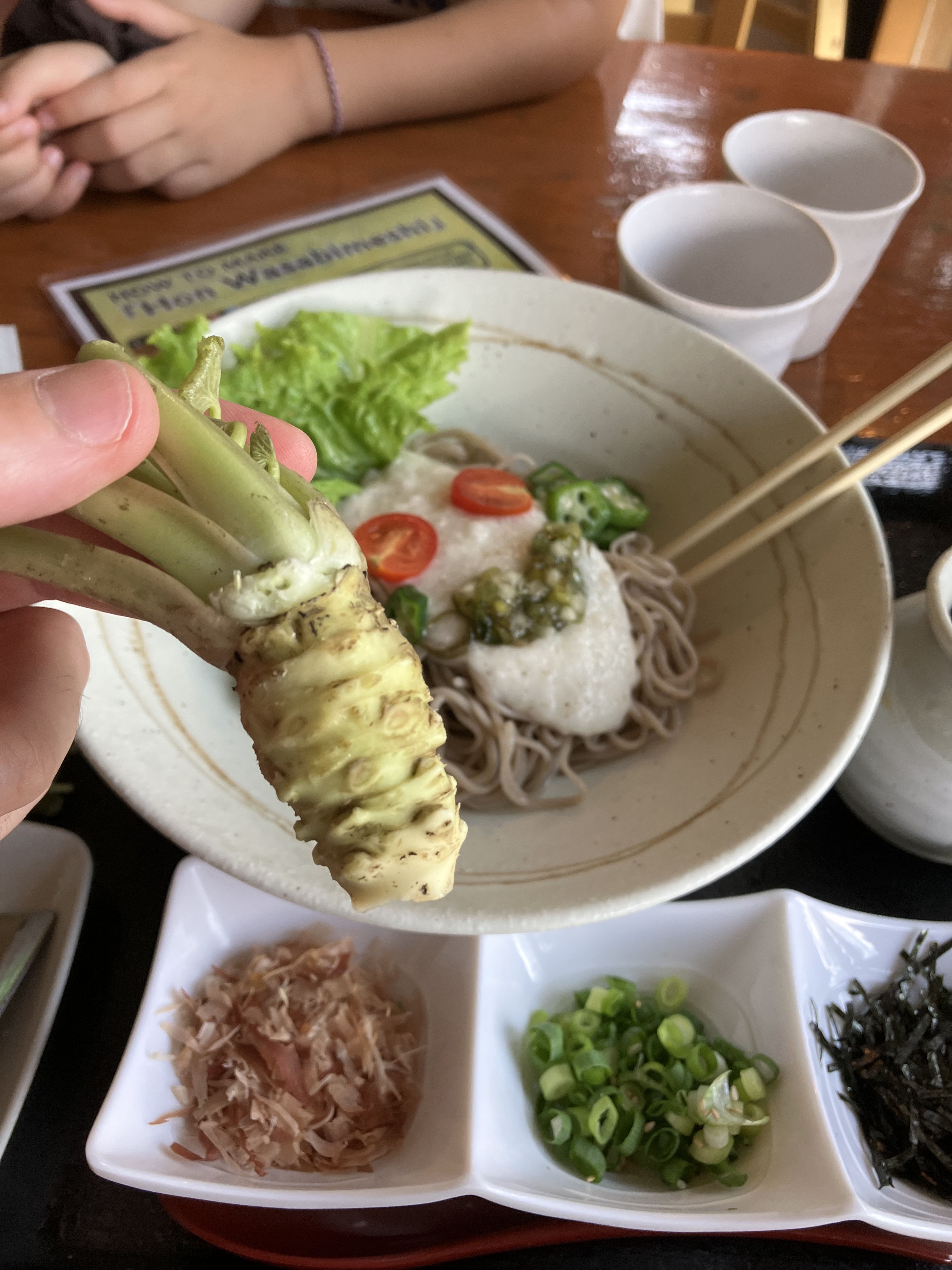
Want more? No problem, we’ve been busy! We came across samurais, turned into ninjas (well, almost), attended Buddhist ceremonies at 6:30 in the morning (yep, that’s a bit early), and discovered the secrets of wasabi by visiting the largest wasabi farm in the world — yes, check out the photos, it’s worth it! We also explored a whole bunch of temples, soaked in onsen (hot springs) almost every day (that’s the good life!), and even celebrated at Oktoberfest (because why not?). For the culture buffs, we toured several museums, including a mandatory stop at the Toyota Museum, of course!
And as if that wasn’t enough, a typhoon decided to spice up our adventure. Luckily, we weren’t directly in the eye of the storm, but we still had a few pretty wet days.
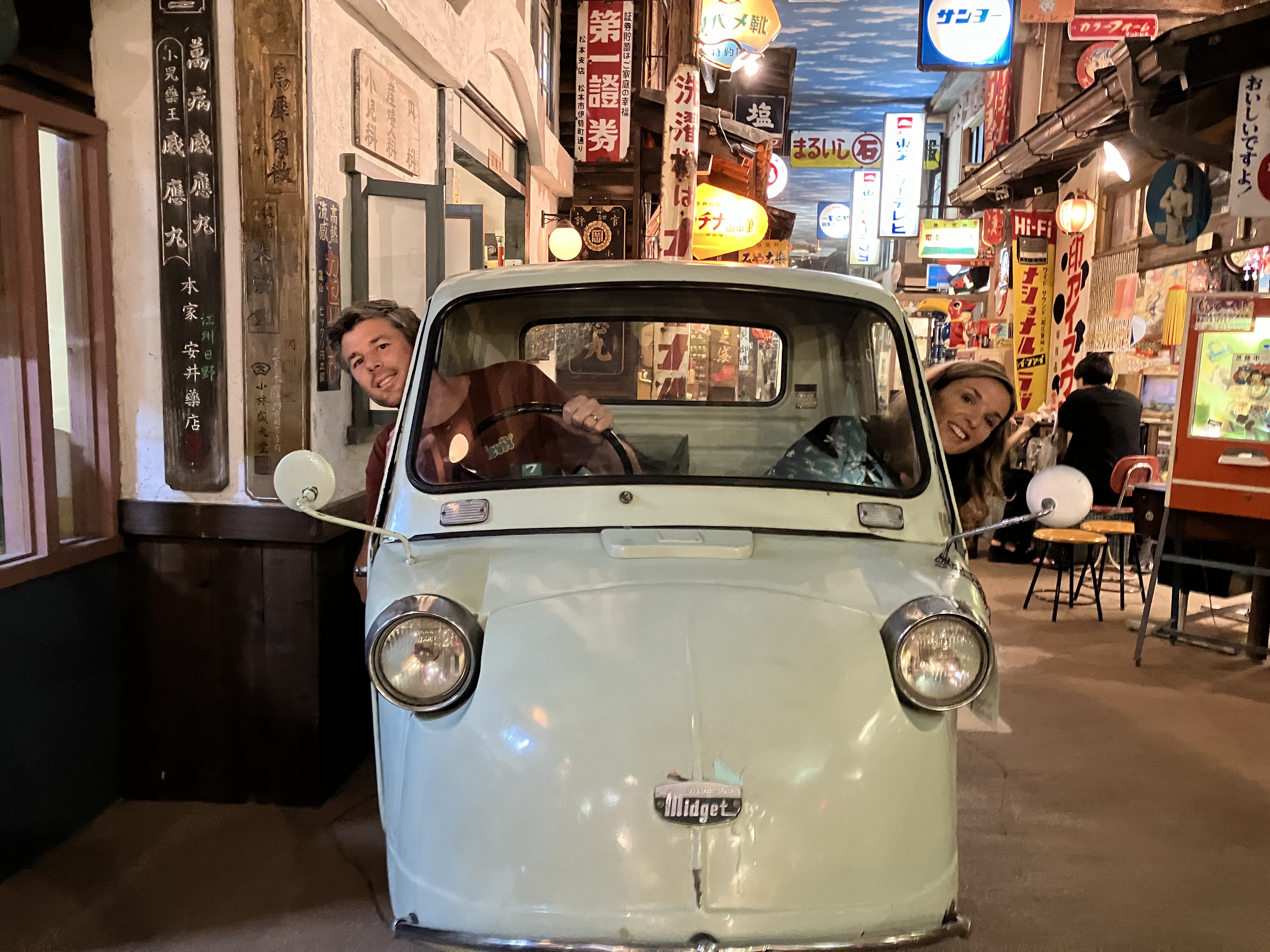
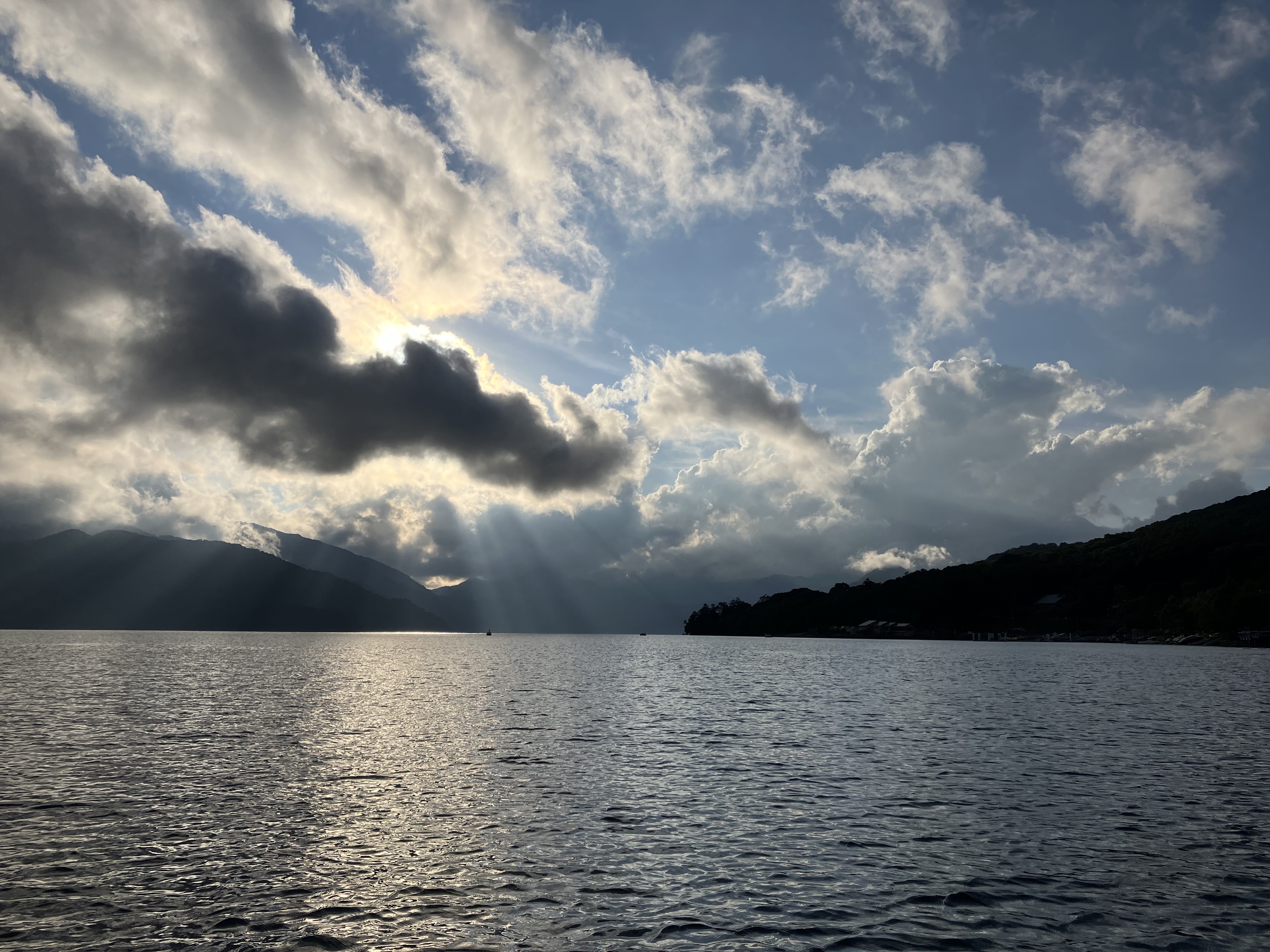

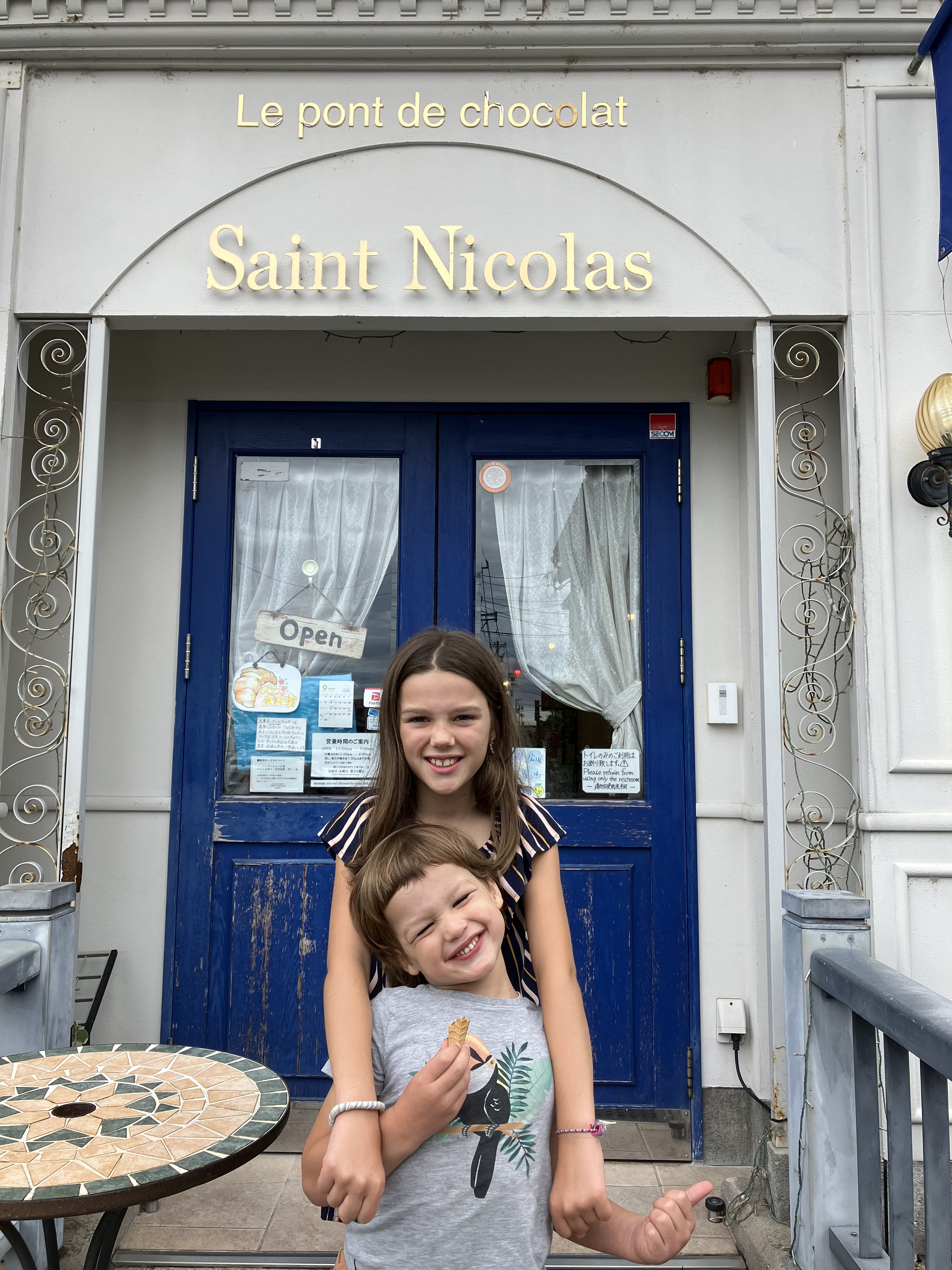


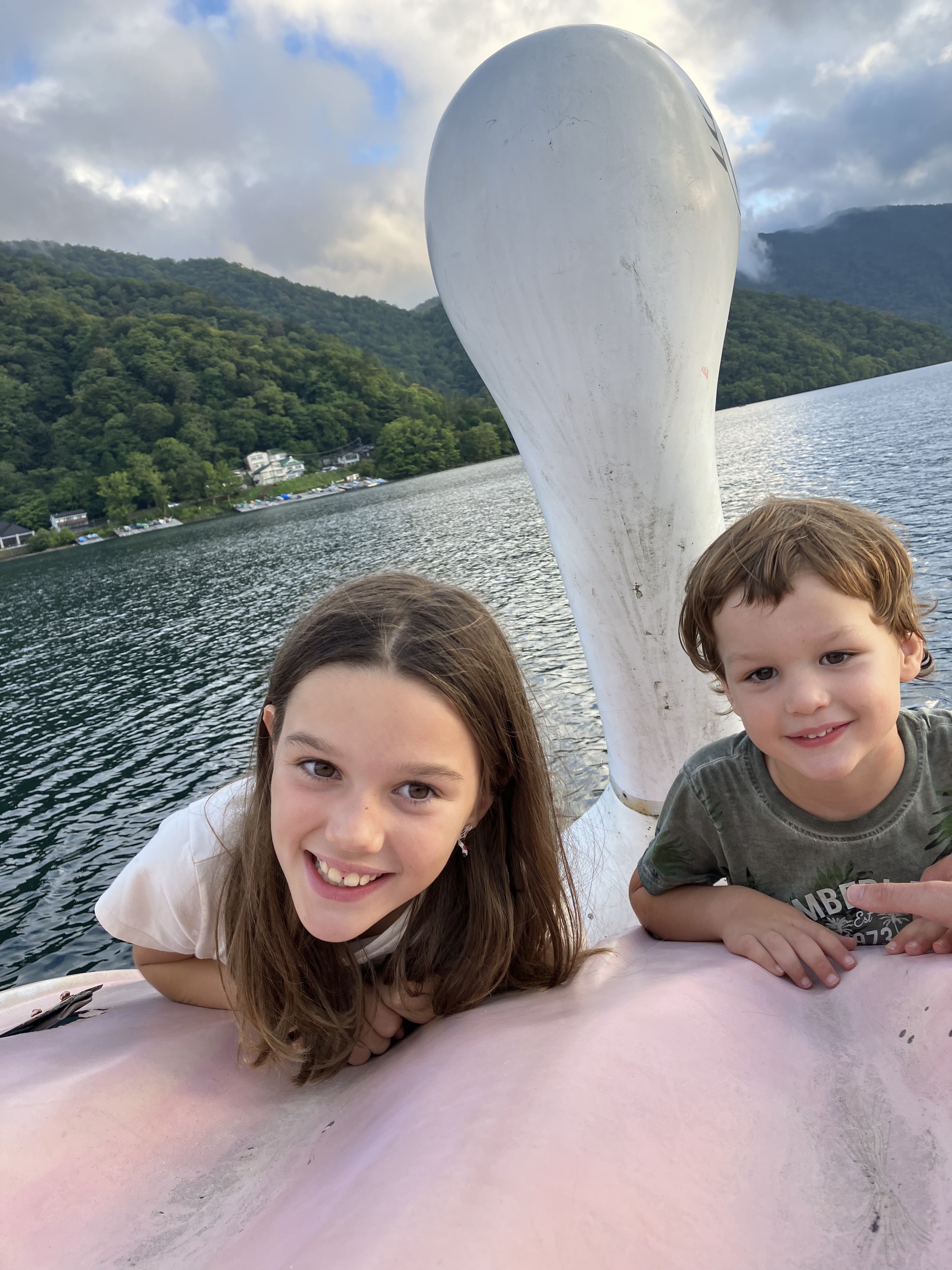
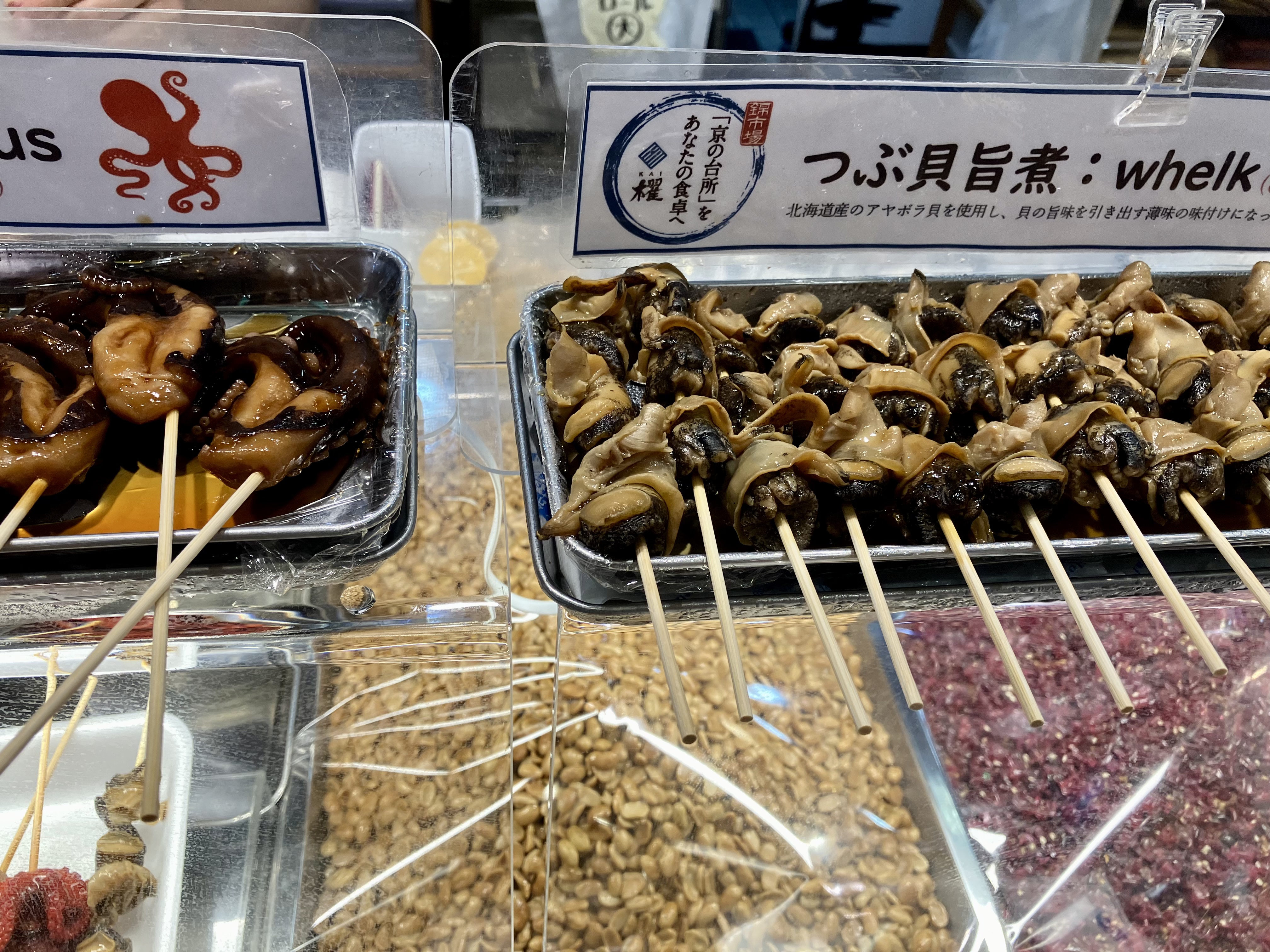
So, was everything perfect? Of course not! Traveling with kids is like an extreme sport. Between the “I’m tired” complaints, Matteo tugging at my arm asking to be carried (I mostly held strong), and Nola’s “I’ll never make it” (school has started!), we’ve had our fair share of lively days. But hey, that’s the charm of family travel!
We hope you enjoyed this post and that it made you want to go on your own adventure off the beaten path in Japan
See you soon for more of our adventures!




Leave a Reply