Welcome aboard this second post for a unique journey through China, where imperial past and digital future collide with a bang. We begin in Xi’an, the city of the famous terracotta warriors. Then, we head towards the China of tomorrow, the one that’s constantly being filmed in the parallel universe of local TikTokers. Finally, we head to Yunnan, the land of ethnic minorities and breathtaking landscapes (and there are plenty of photos below), where tradition and modernity meet.
If you want to dive deeper into China and feast your eyes on some stunning photos, keep reading below. Hold on tight, here we go!
Chapter 4: Marie-Laure, Our Chinese Guide for the Terracotta Warriors in Xi’an
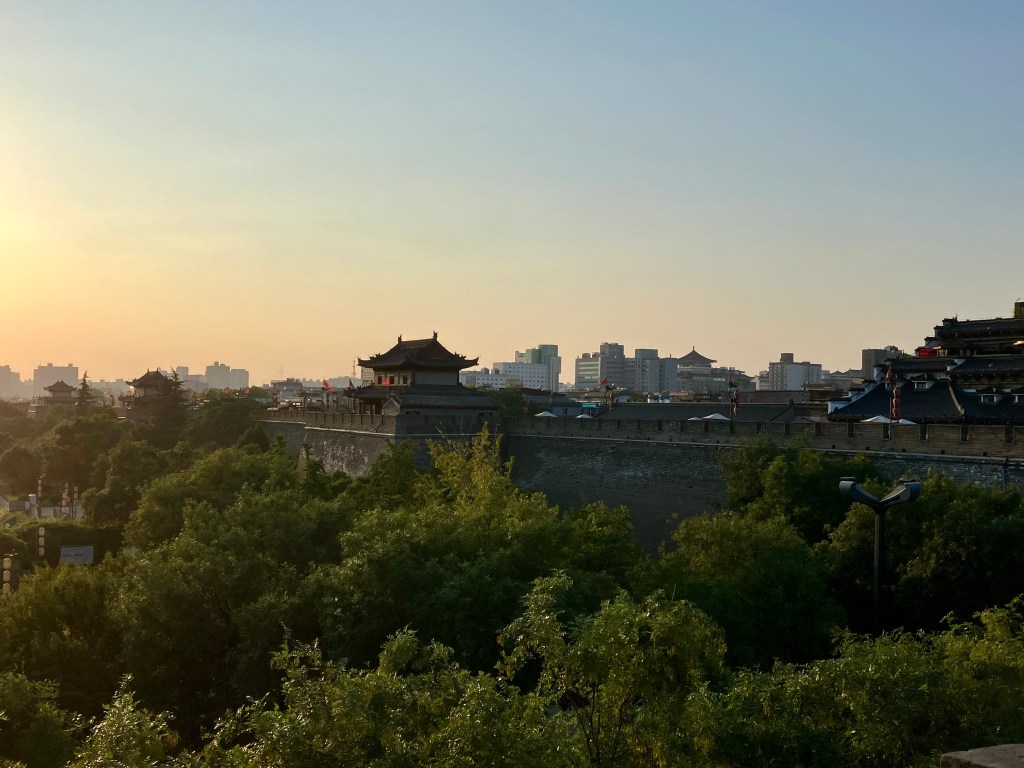
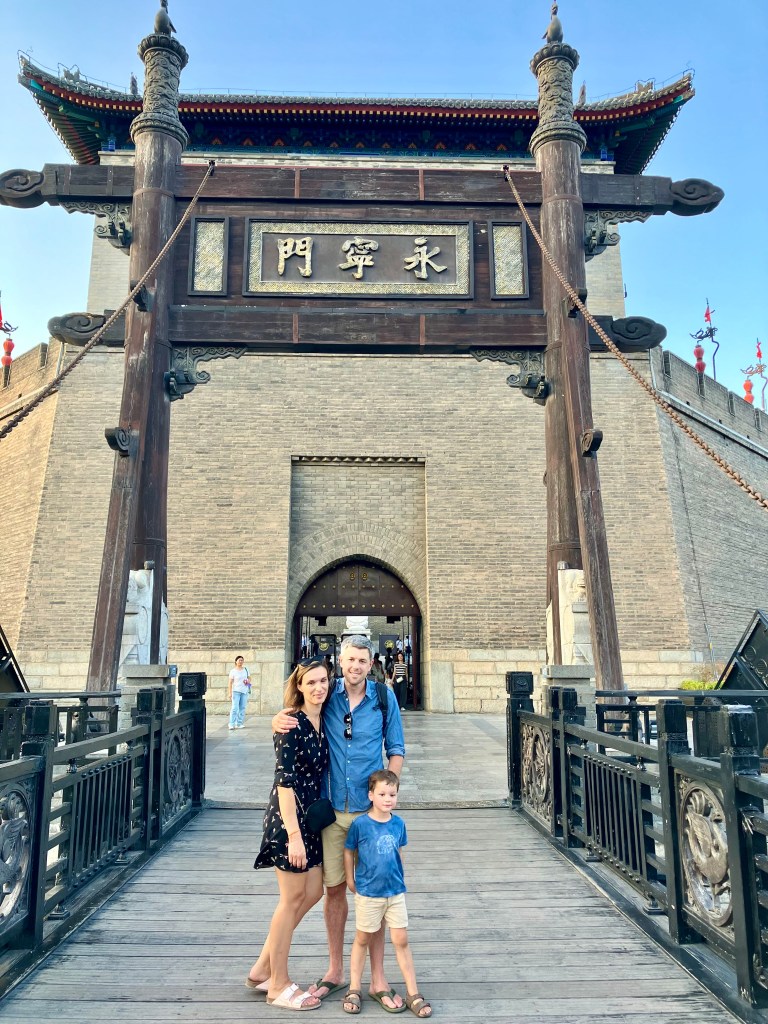
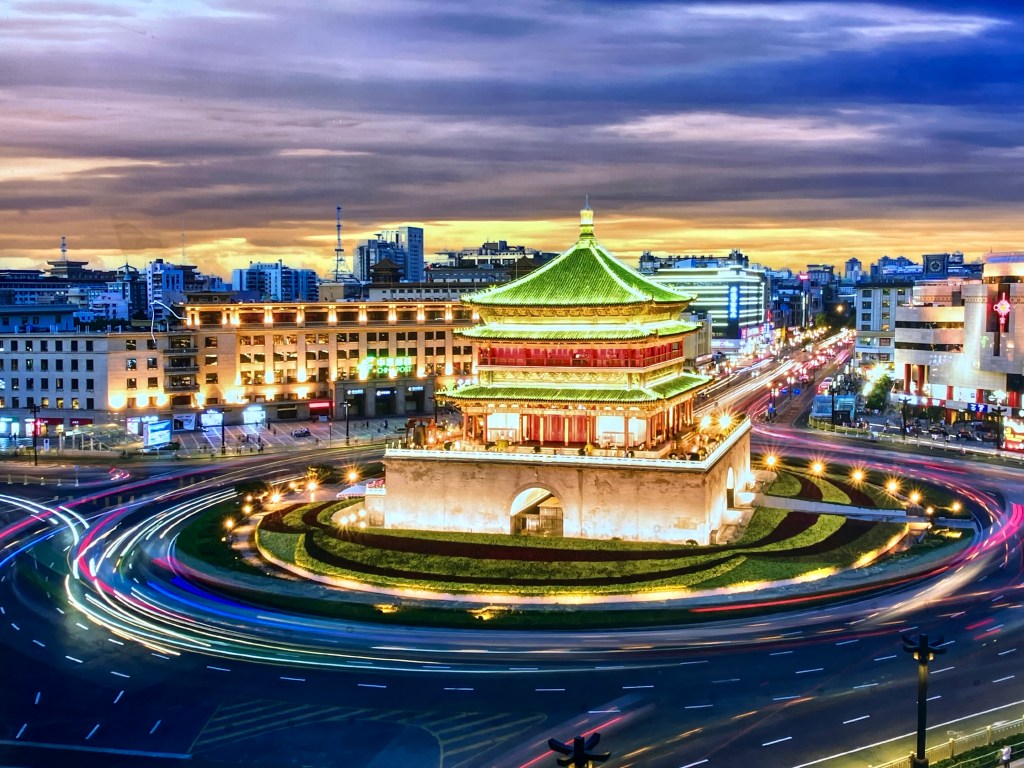
Before introducing you to Marie-Laure, our Chinese guide for a day, let’s take a detour to her city, located about 1000 km southwest of Beijing: Xi’an. If you’re not familiar with it, here are 3 good reasons to take an interest:
- The Cradle of the Chinese Empire. This is where the unification of China began in the 2nd century BC, long before Rome even thought about building its own empire. And while the latter has now turned to dust, China still stands tall. What’s impressive about Chinese history is its longevity. Dynasties (Zhou, Tang, Song, Yuan, Ming, Qing) succeeded one another, and Chinese civilization was, at various points, one of the most advanced in the world. Modern-day Chinese people are still incredibly proud of this. It’s a very different perspective for us Europeans, who sometimes tend to look down on this country.
- World Capital… over 1,300 years ago! Yes, Xi’an was the capital of China in the 7th century and already had more than a million inhabitants. It was the most populous city in the world at the time. Not bad, right?
- The Terracotta Warriors, another famous feature of the city. It was the first Chinese emperor, who unified China, who came up with this idea: to be buried with an entire army. Not an army of flesh and blood, but one made of terracotta! 8,000 soldiers, no more, no less, discovered by farmers in the 1970s. This emperor was a strong believer in the afterlife and thought a small army might come in handy there.
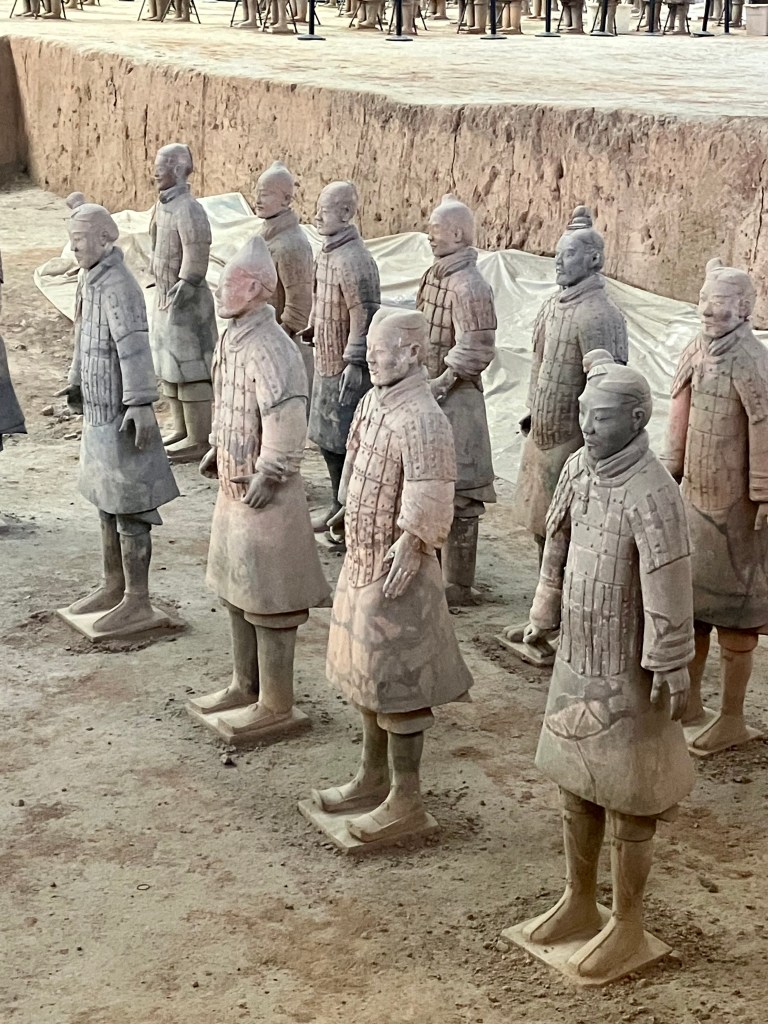


To be honest, the city of Xi’an itself didn’t leave a strong impression on us. But the Terracotta Warriors alone are worth the trip.
And then there was our guide, Marie-Laure. Her French was incredible. An educated woman who has been working with tourists for years. She helped us understand Chinese behaviors a bit better, though some of her remarks left me… puzzled.
- Chinese people and queues: they don’t mix well. There’s no room for politeness here. People push and cut in line. For a foreigner, it’s a bit unsettling. Though I have to admit, with my height advantage, it doesn’t bother me much. But you have to understand: the older generations lived through times of famine. When you had to fight for food, pushing in line almost became second nature.
- Chinese egocentrism, which isn’t surprising in a country as vast as this, cut off from the outside world by state-controlled media and pervasive pro-China rhetoric. Even Marie-Laure, an educated woman, left me speechless when she responded, surprised, that the Japanese didn’t like the Chinese. “Oh really? Why?” she asked. Perhaps it’s because of the numerous anti-Japanese monuments you see on nearly every corner—who knows?
- The One-Child Policy, implemented in 1979, forced each family to have only one child, with disastrous consequences:
- Today, there are 38 million more men than women. Why? Because selective abortions were performed after ultrasound scans. Tradition dictated that a son was needed to carry on the family name and inheritance.
- A single child also means enormous pressure. These children, often called “little emperors,” are adored by their parents but must excel at everything. Failure is not an option.
The consequences today are dire: birth rates are plummeting. In 2023, China reached its population peak of 1.43 billion, but by 2050, it’s expected to fall to 1.2 billion and down to 800 million by 2100. Will the situation change? Probably not. Younger generations refuse to have more than one child: it’s too expensive, too restrictive, too stressful. Sound familiar? Ultimately, the aspirations of the Chinese aren’t so different from our own: a good education for their children, a good job, a decent home, and time to enjoy life. Even in China, this dream is becoming increasingly out of reach.
Chapter 5: The TikTokers
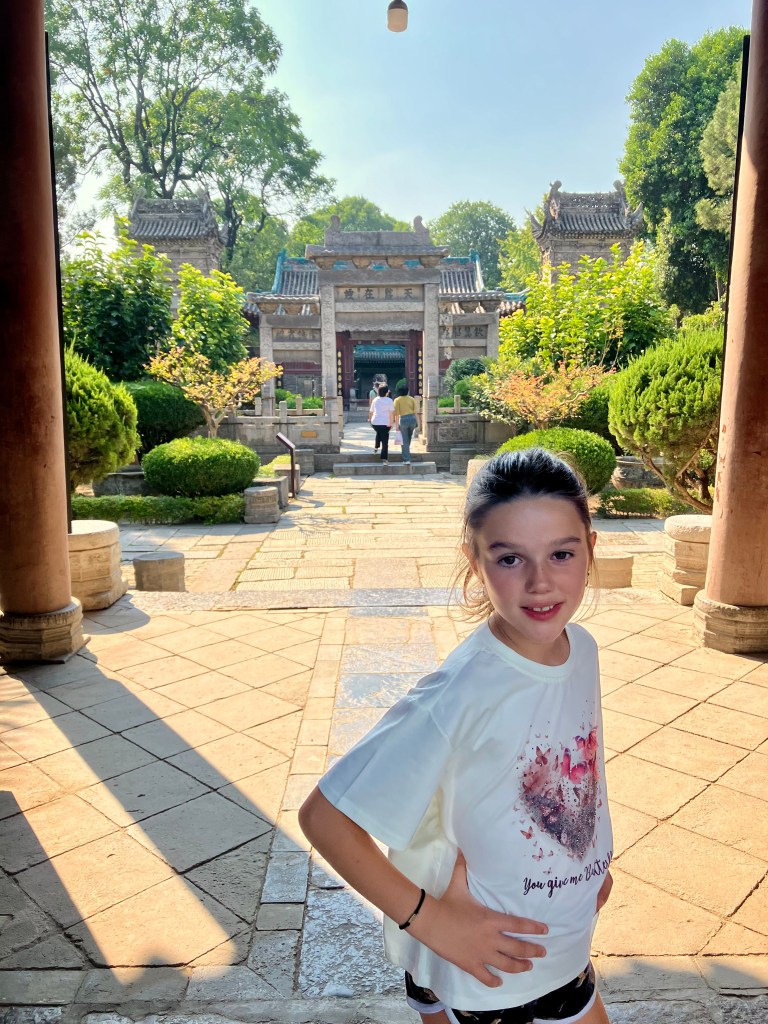
In China, nothing is made for foreign tourists. We’re often the only non-Chinese people around, and there’s no shortage of stares. The kids end up posing for photos at least ten times a day. Not to mention the sneaky snapshots taken on the sly. And Nola is loving it. She doesn’t even ask us if she can pose anymore. Like a diva, she plants herself next to the locals, flashing her Colgate smile and striking a star-like pose. She should start her own Chinese TikTok channel.
Everything here is designed for Chinese tourists. And it’s no surprise, given their sheer number. The Chinese explore their own country, and with 9.5 million square kilometers, there’s plenty to see! This often results in a deafening cacophony, especially when they travel in groups, led by a guide shouting into a microphone as if they were hosting a festival. Thankfully, the rule of “95% of tourists only see 5% of the site” still holds strong.

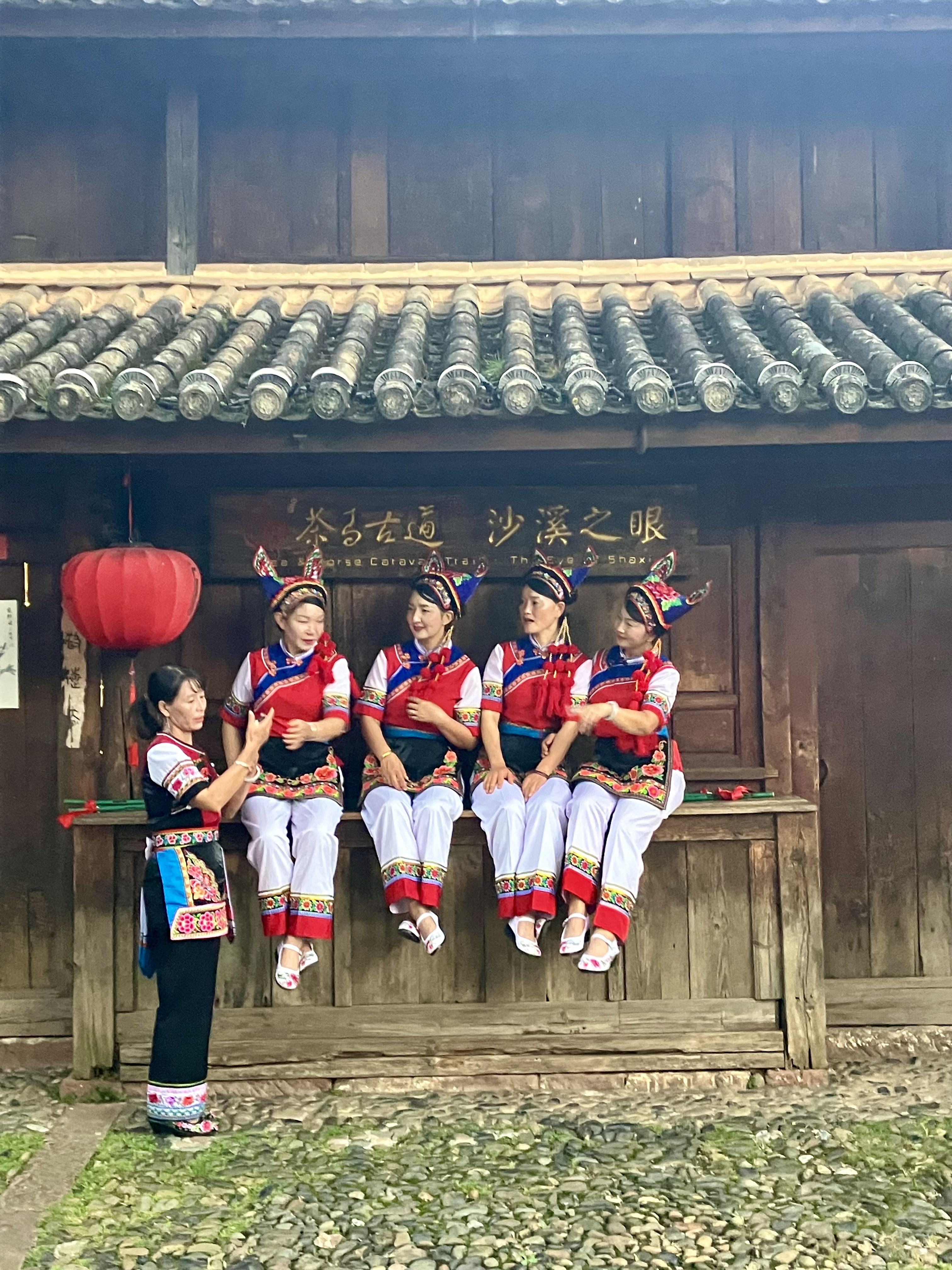
And then there’s their obsession with photos. But not just any photo: it has to be in traditional costume, of course. Everywhere we go—whether it’s in the mountains, on the rivers, in the rice fields, or even in Tibetan villages—we see them dressing up and posing for hours.
The photographer is equipped with a massive lens, with lighting worthy of a studio. Sometimes they even bring in a prop: an old fisherman with a white beard for that perfect “postcard” effect. Naturally, there are shops everywhere to do your makeup, dress you up, style your hair, provide a photographer, and even a prop! It’s so kitschy that we can’t decide whether we think it’s laughable or downright genius.
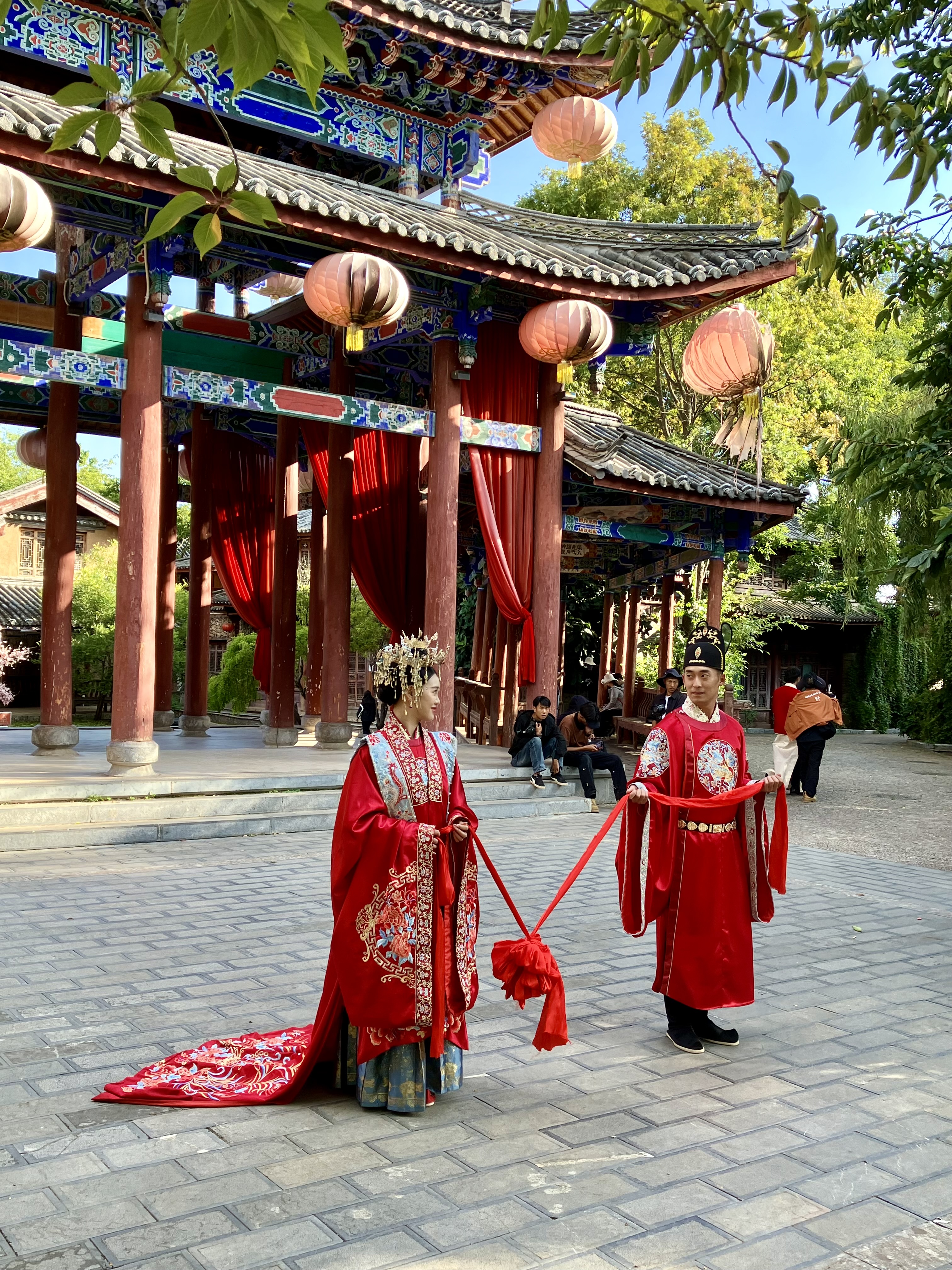
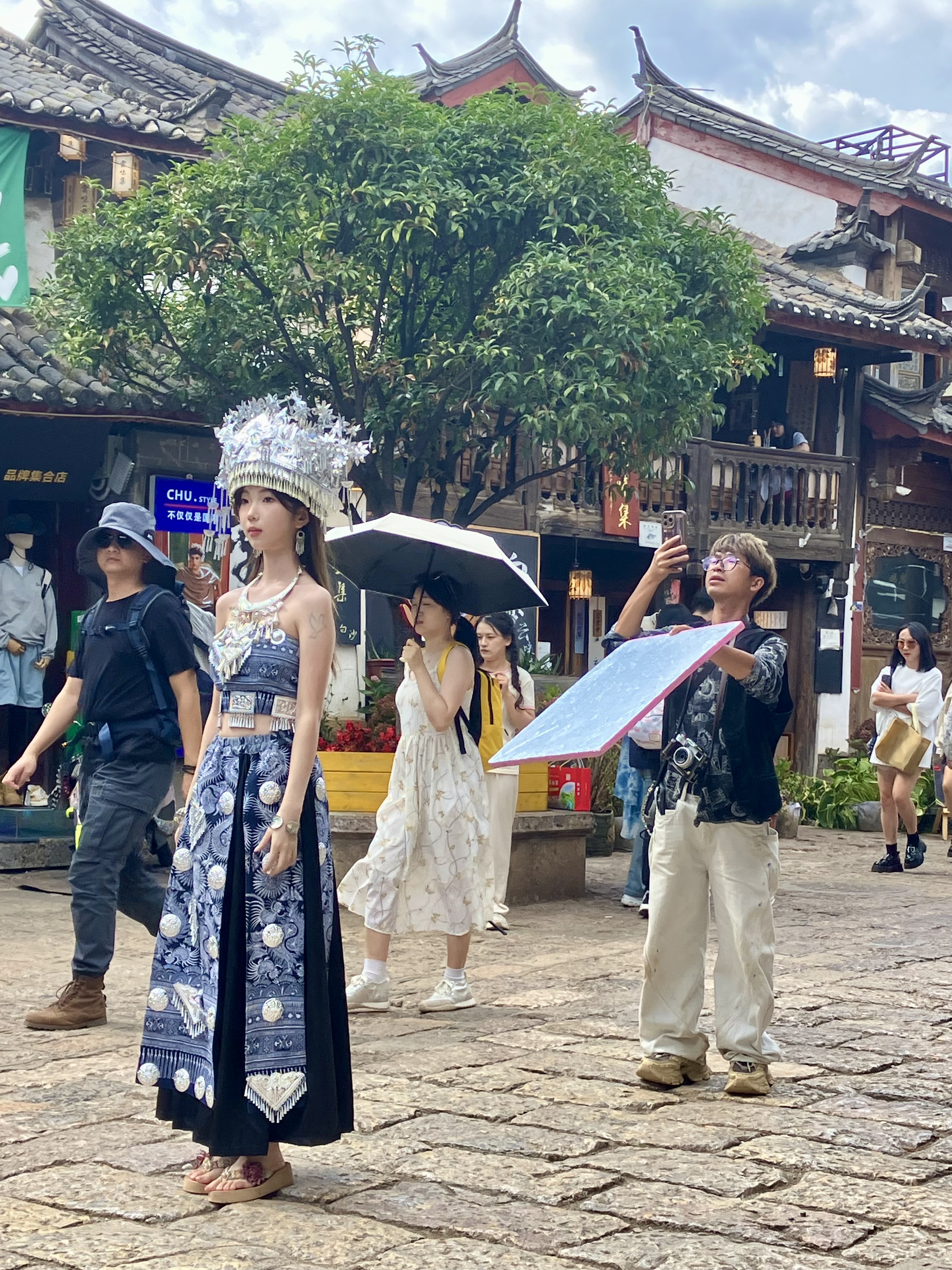

And all of this, obviously, is for TikTok. If we already see phones as a scourge back home, here it’s a full-blown digital apocalypse. The Chinese are glued to their screens at all times. We were shocked more than once, especially in restaurants: four people sitting around a table, not a single word exchanged for an entire hour, just mindlessly scrolling through silly videos. You have to wonder if they even remember they’re together…
Chapter 6 : Yunnan
Why go to Yunnan? Because this province, nestled between Tibet and Myanmar, offers breathtaking landscapes. But more importantly, it’s the perfect place to discover a different side of China.
In China, the Han ethnicity dominates with 92% of the population. But in Yunnan, diversity takes the stage: more than a third of the residents belong to ethnic minorities. Here, this diversity isn’t just a statistic—you can feel it, see it, and experience it everywhere.
And as often in China, everything is on a grand scale. Yunnan is just one of the country’s 23 provinces, yet it has the size of Germany and a population comparable to Spain. With 84% of its territory covered by mountains and hills, traveling here takes time. In two packed weeks, we managed to explore six different regions…
Lijiang and Shuhe: Heritage and Authenticity
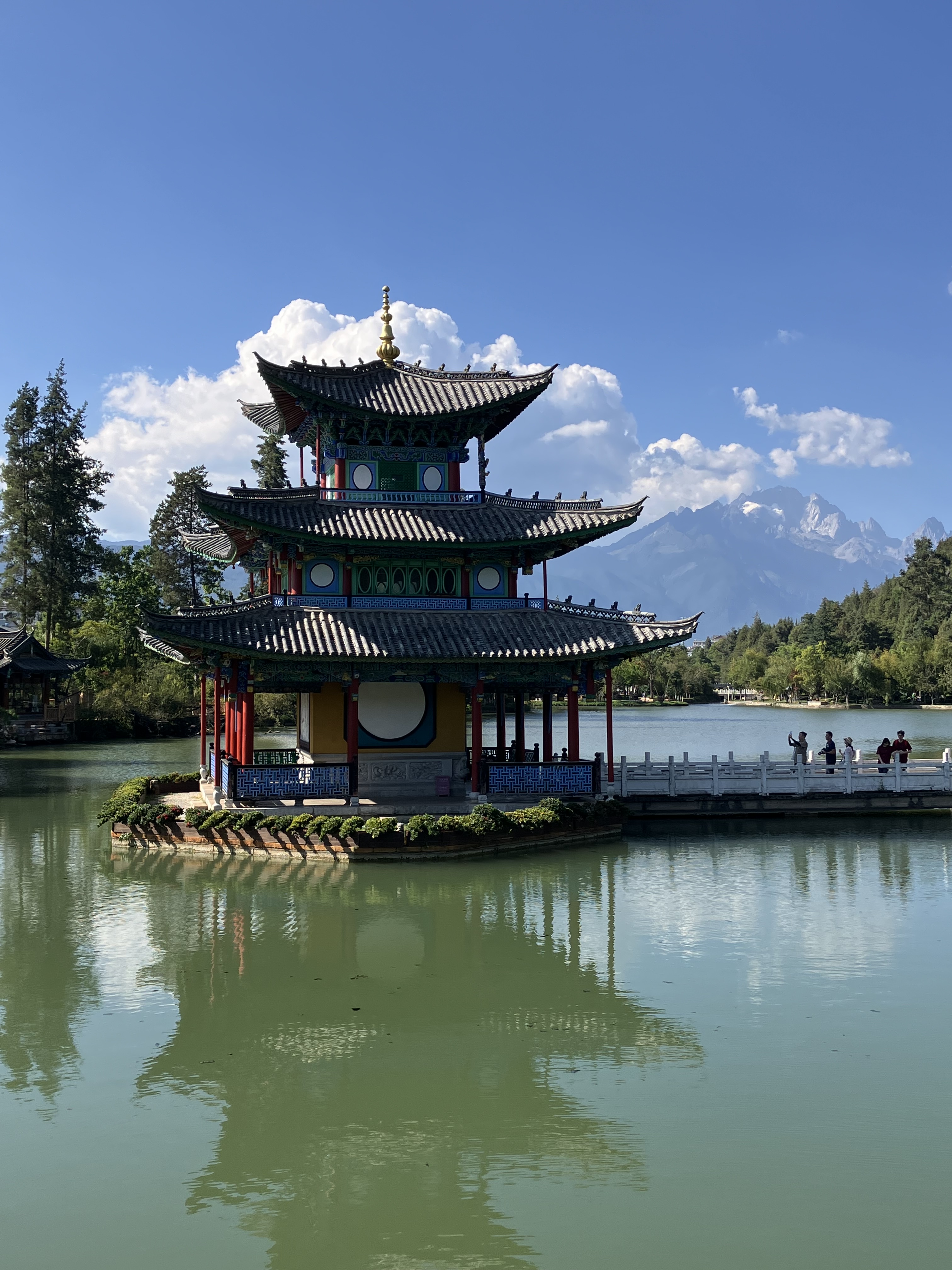
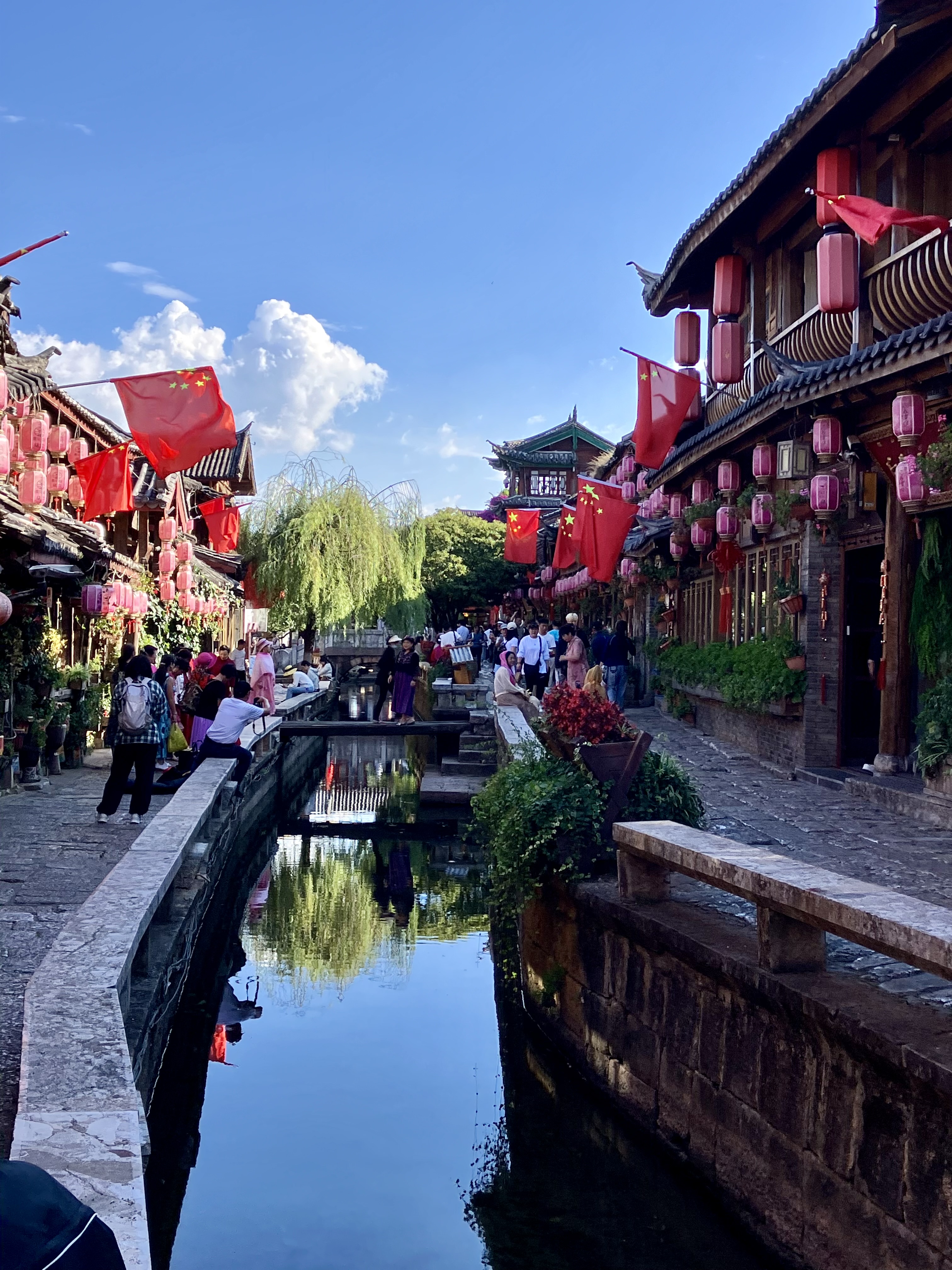
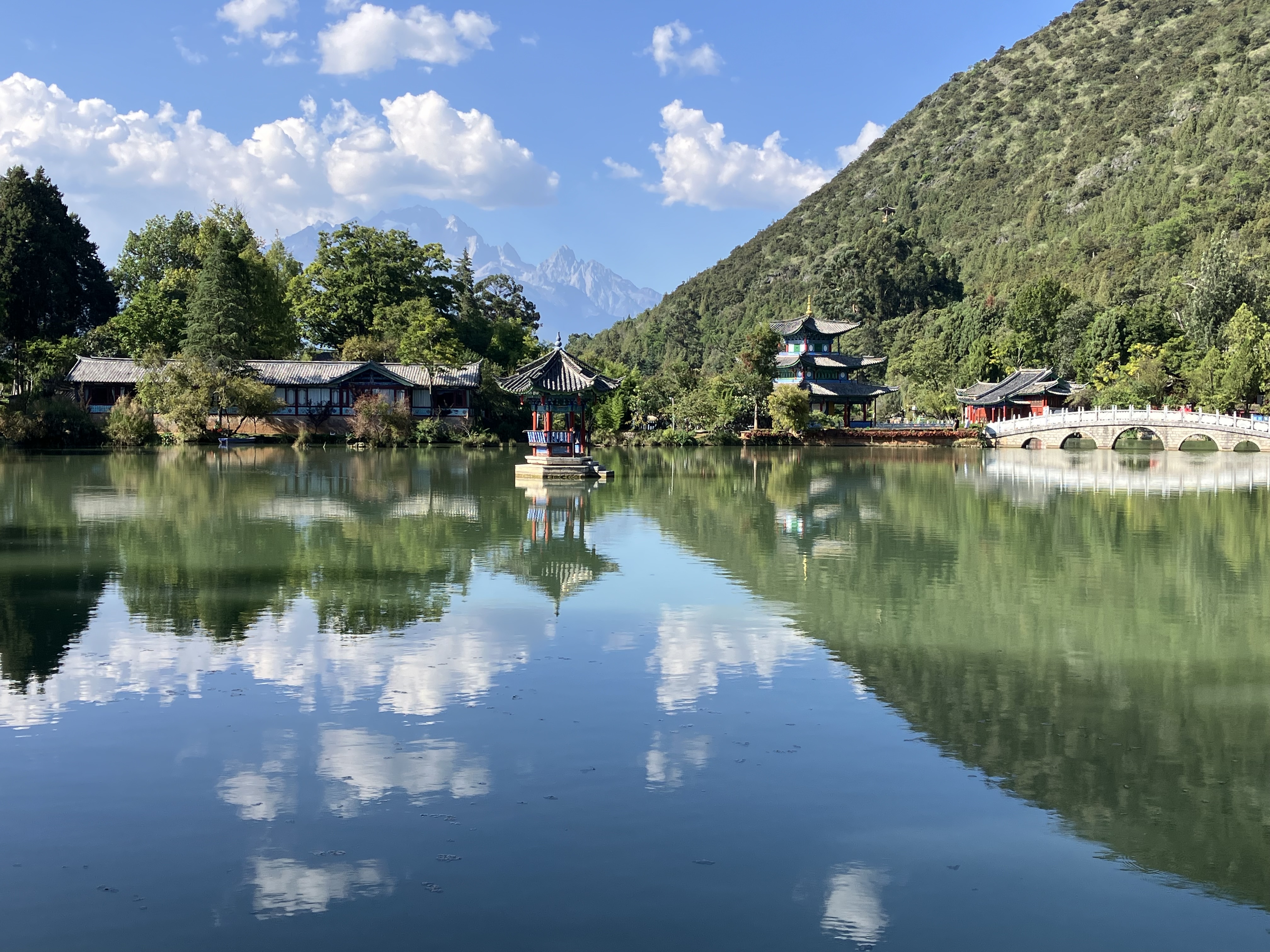
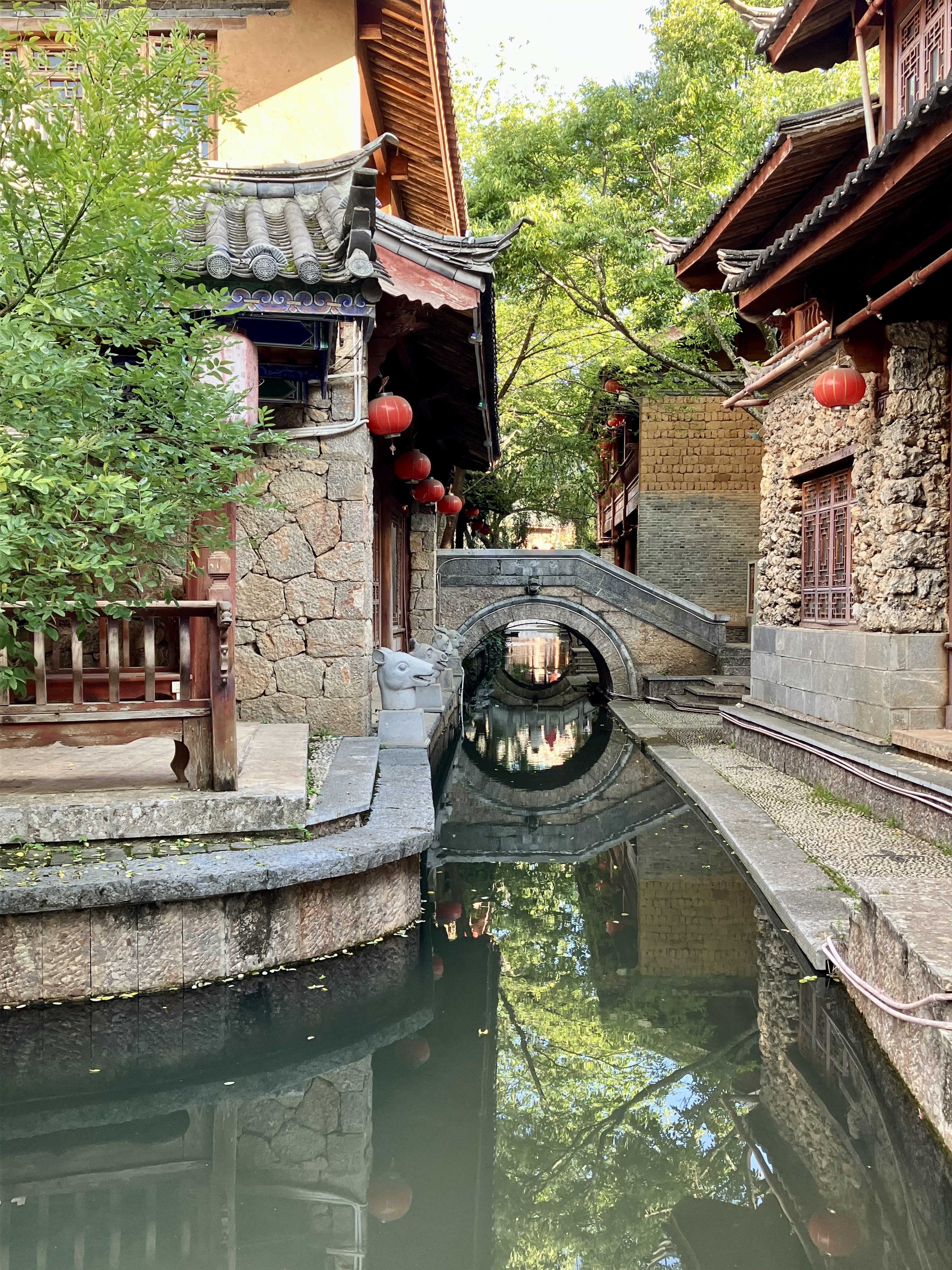
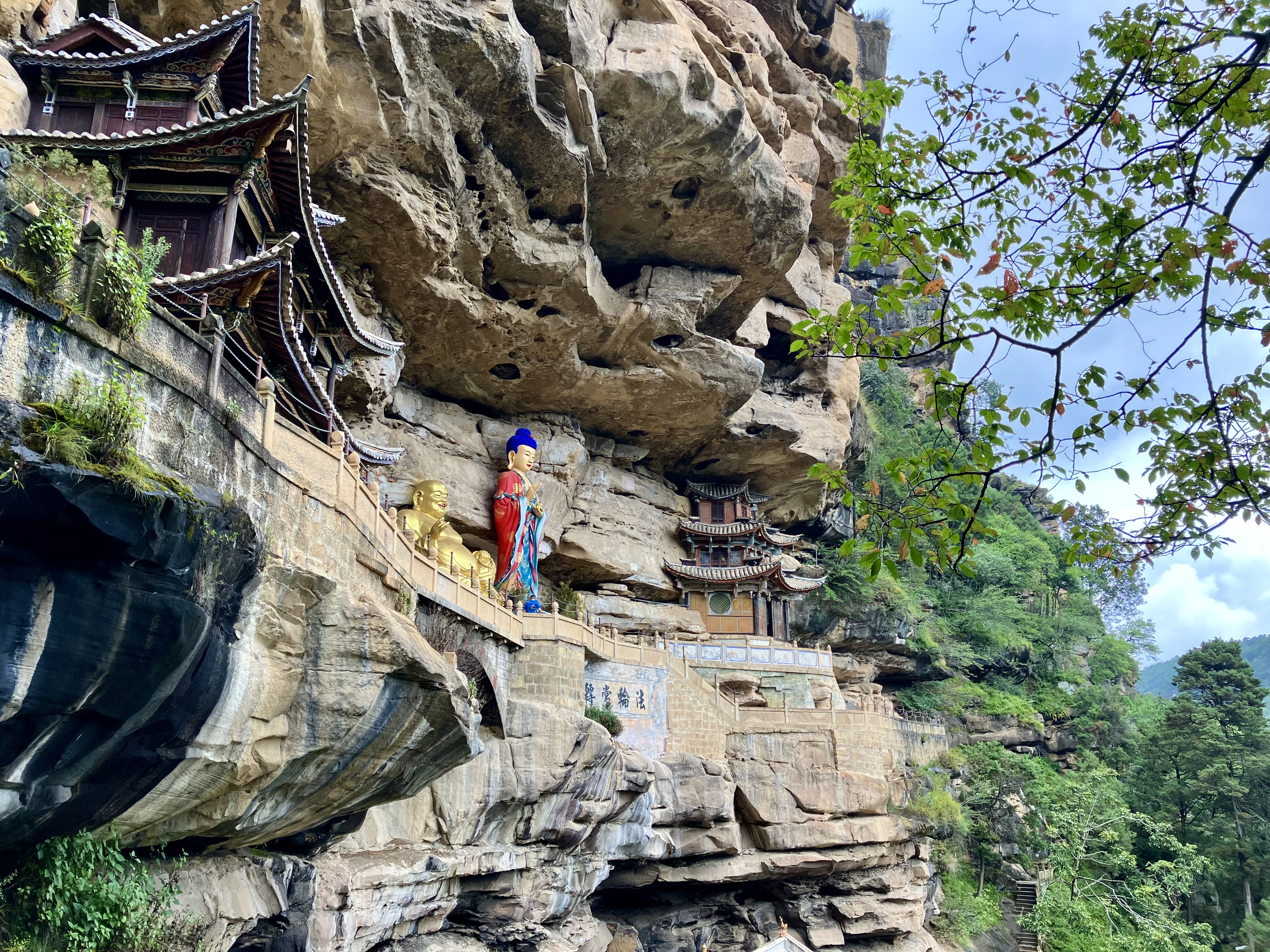
We begin our journey through Yunnan in the Lijiang region, a city listed as a UNESCO World Heritage site. Three days spent here exploring Lijiang and its surroundings, and we are in awe. These two towns and the areas around them are simply stunning and incredibly photogenic.
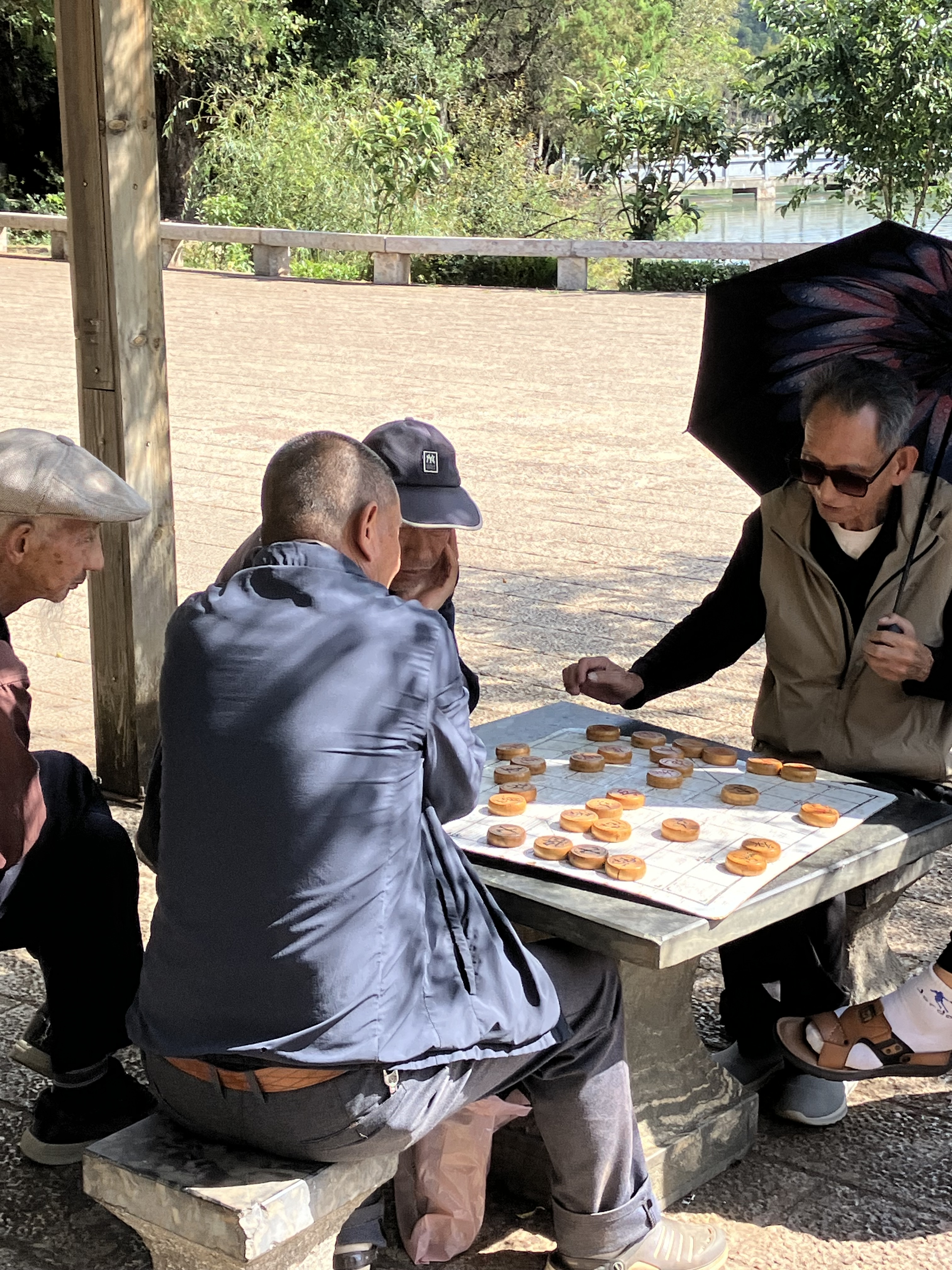
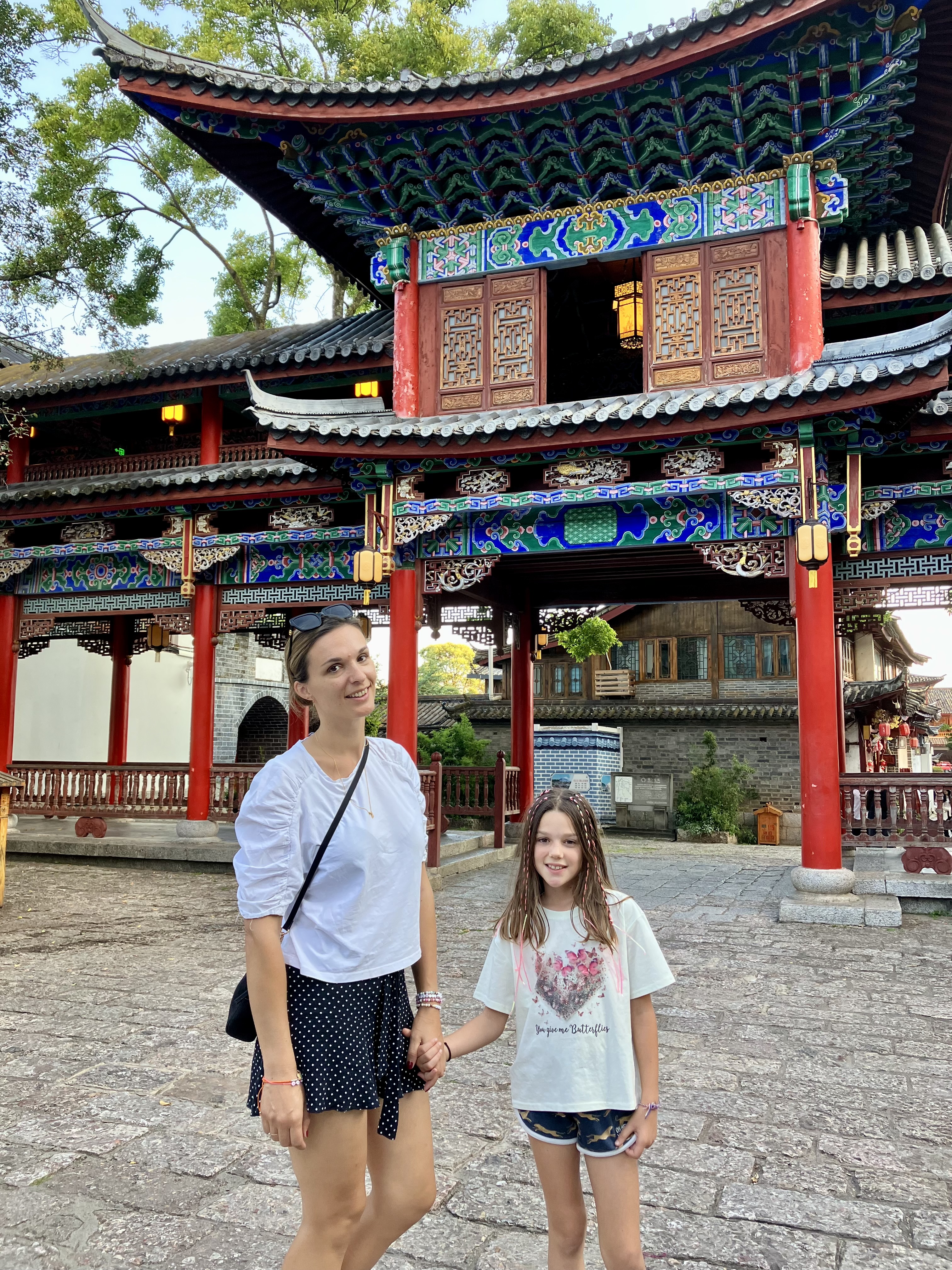
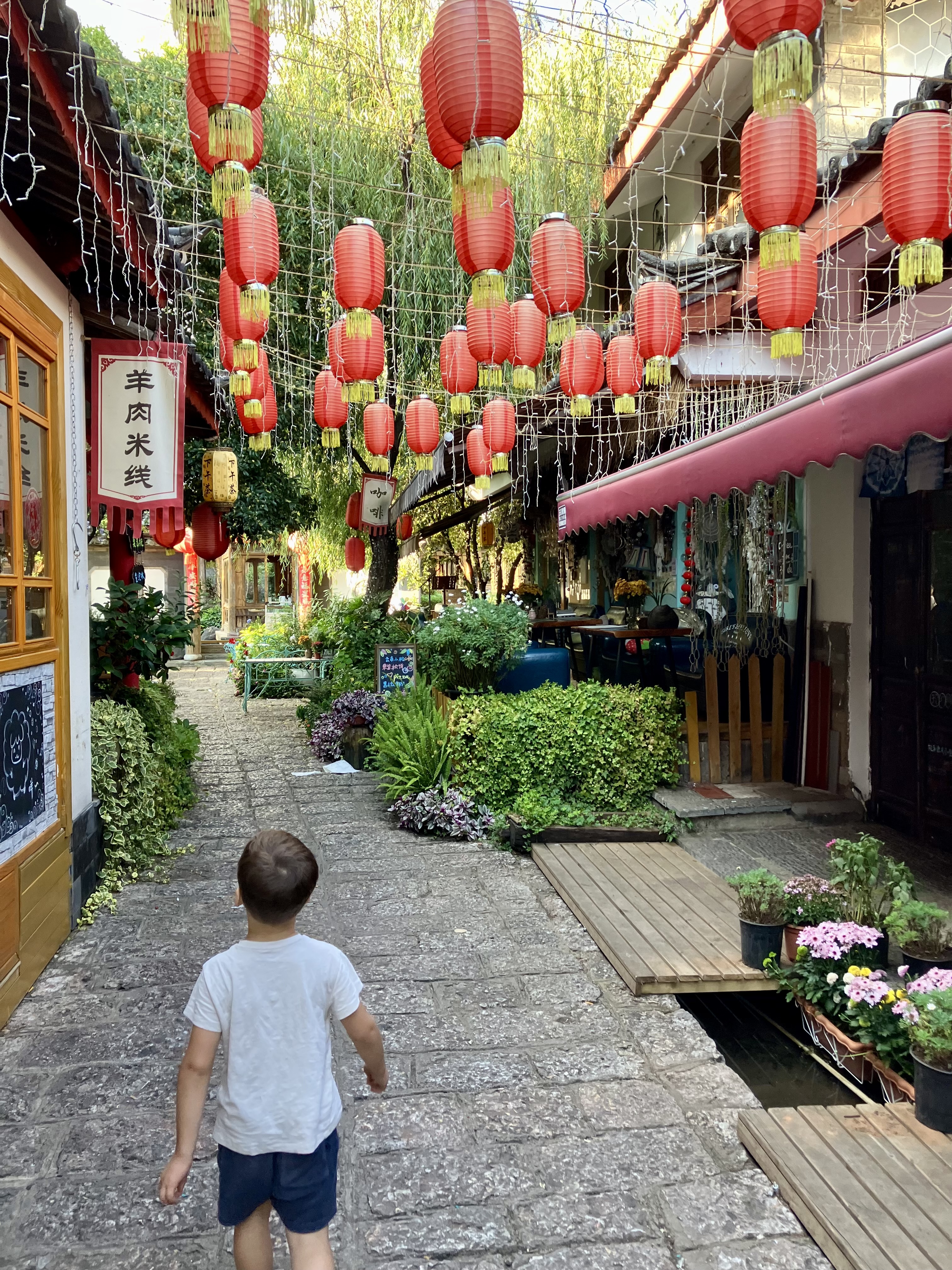
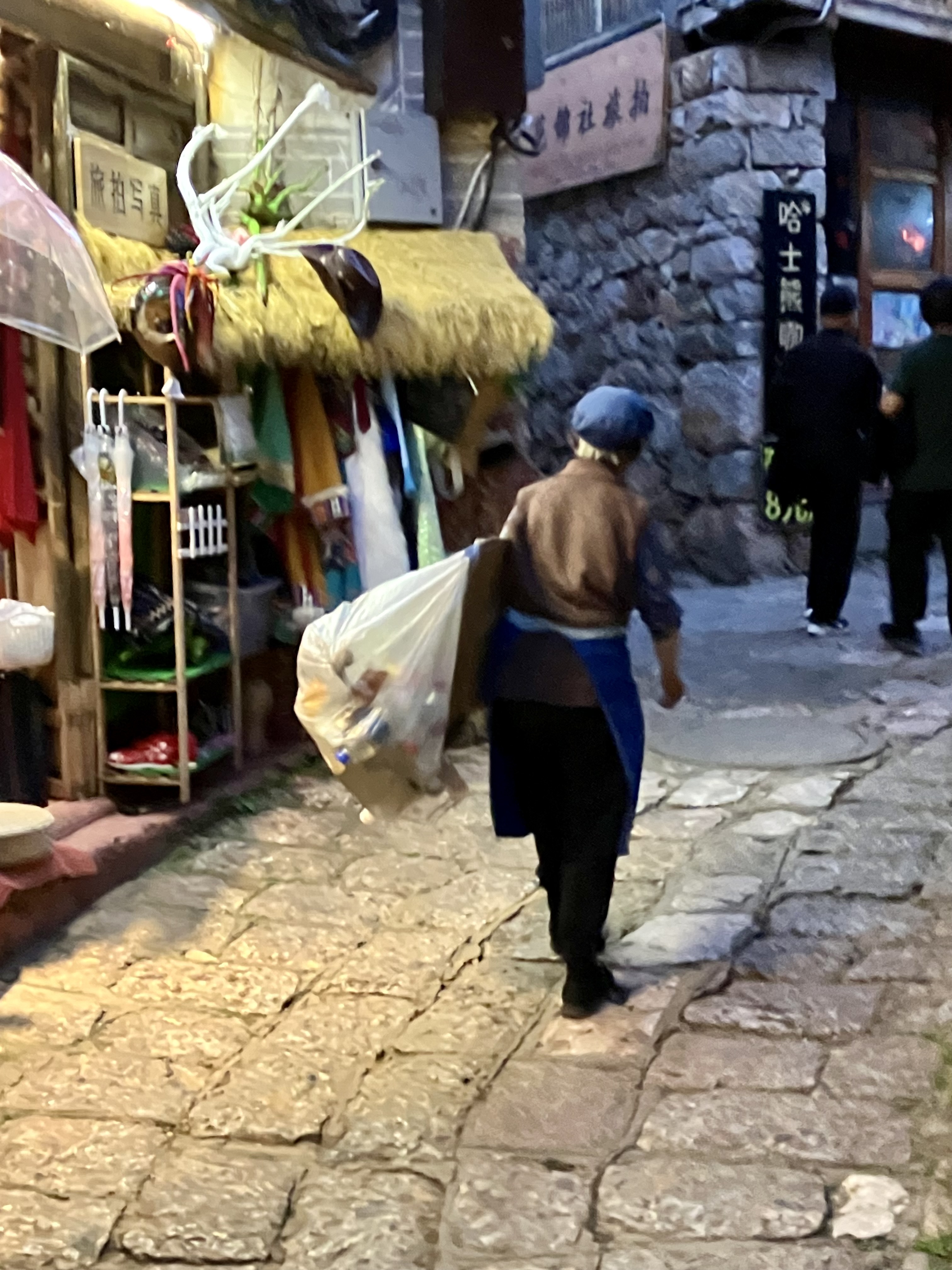
Lijiang, founded over 800 years ago, and Shuhe, even older, are living treasures of Chinese history. Walking through the old quarters of Lijiang and Shuhe, we dive into cobblestone alleys lined with traditional wooden houses. It’s not just one or two streets that leave us in awe, but the unique atmosphere that permeates the entire place.
A tip for travelers: we’re here in the off-season, so everything is quiet and peaceful. But during Chinese holidays, I can easily imagine the endless queues in these narrow streets!

Tiger Leaping Gorge: Hiking
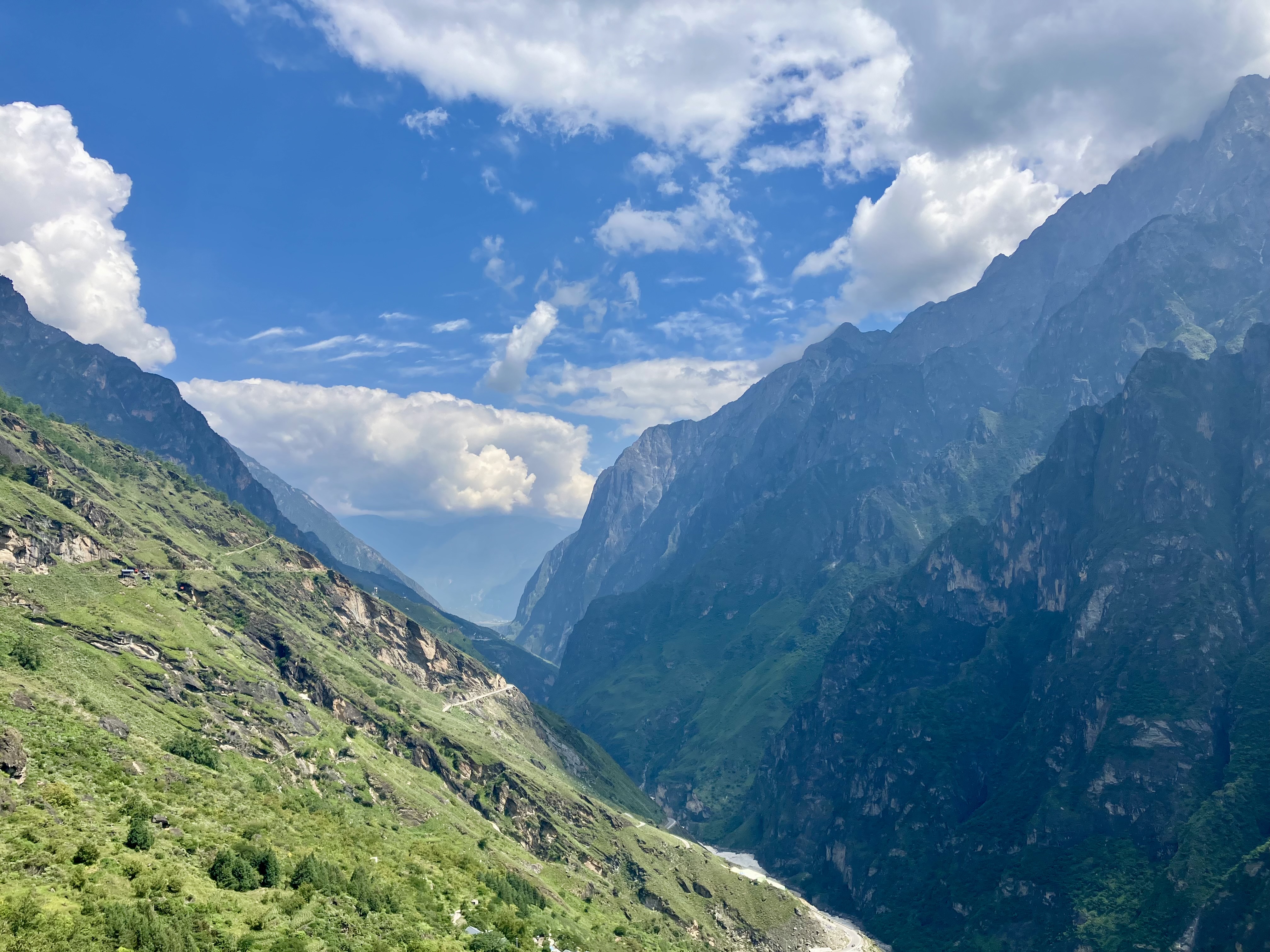
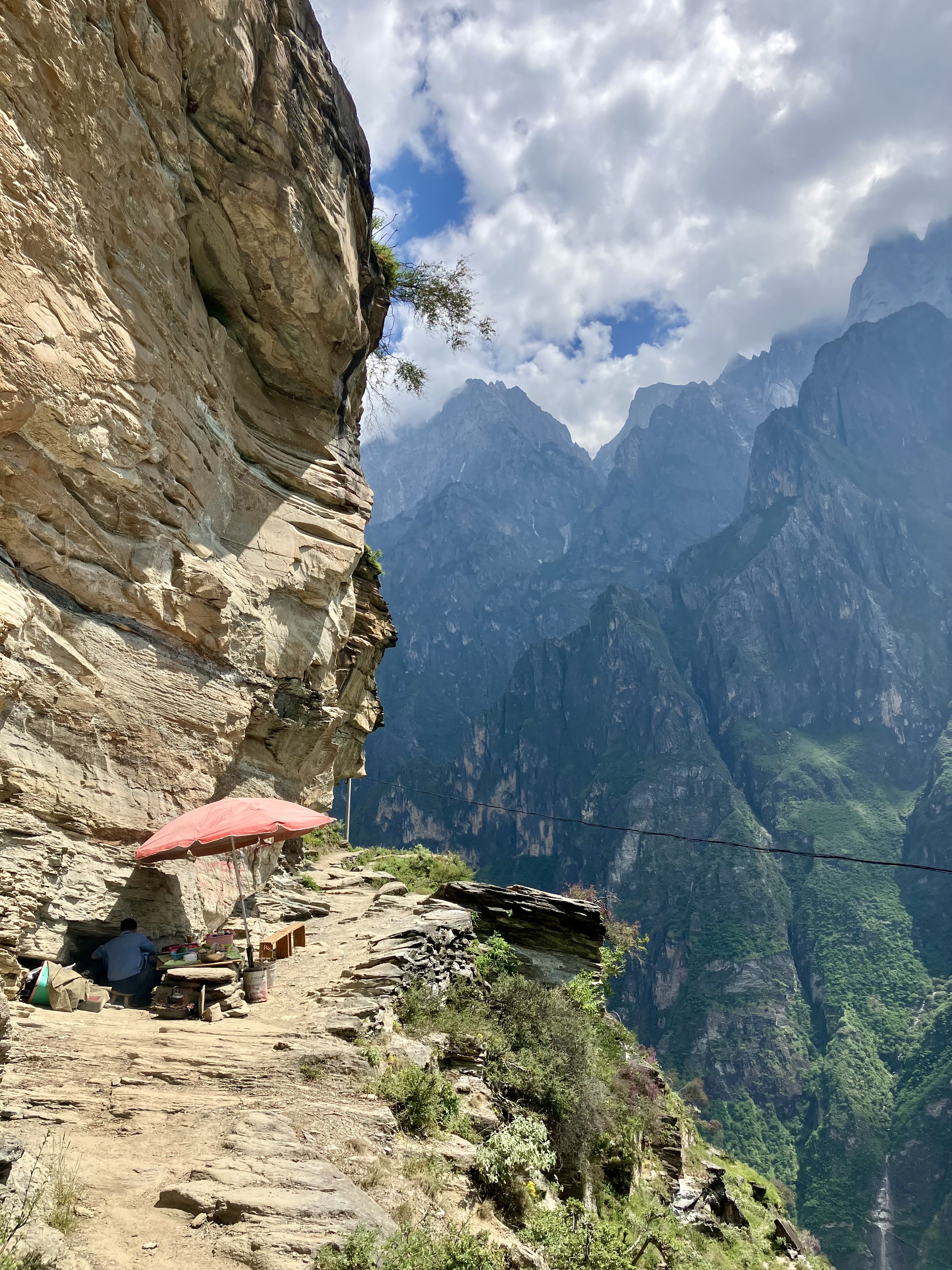
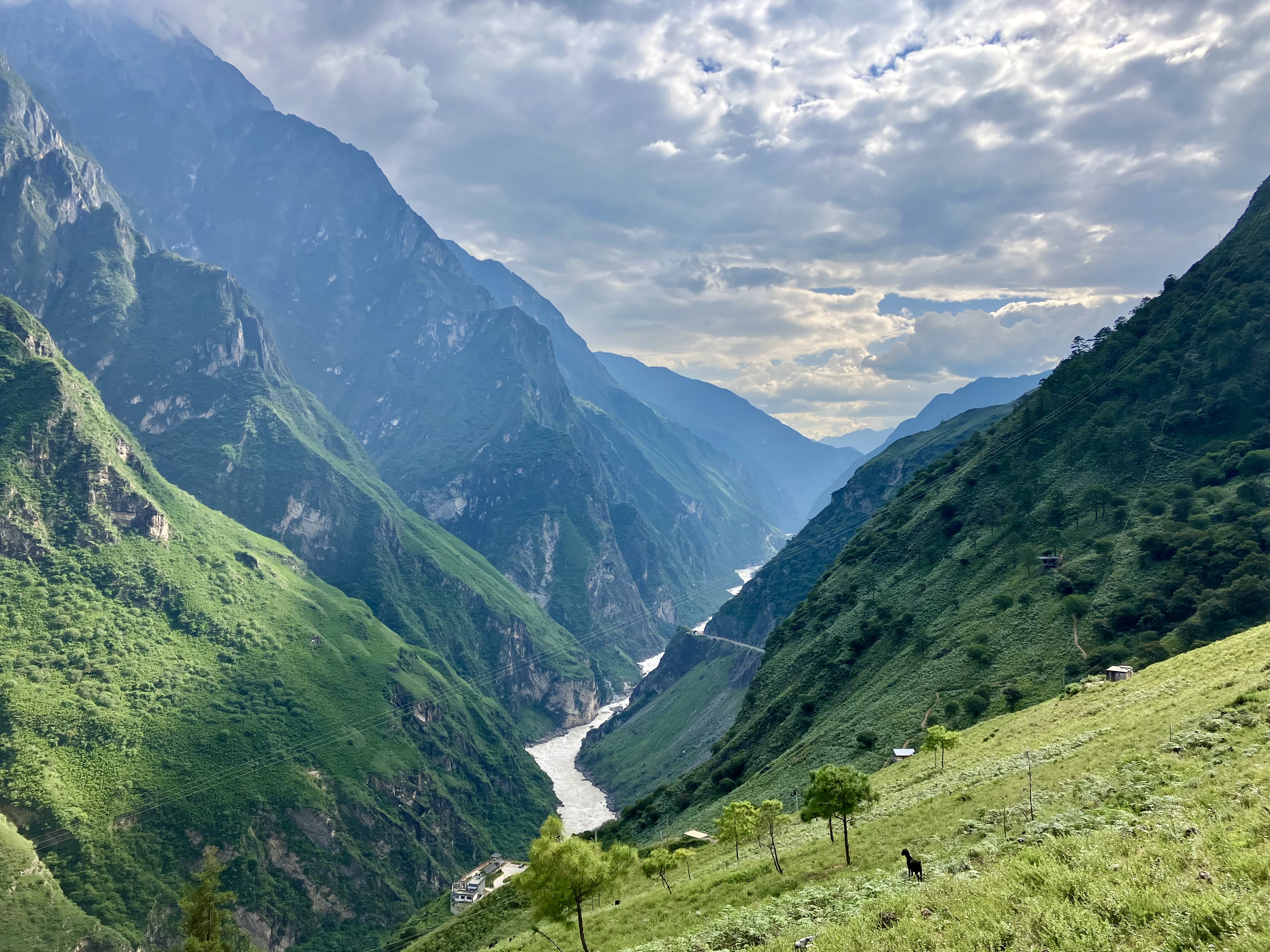
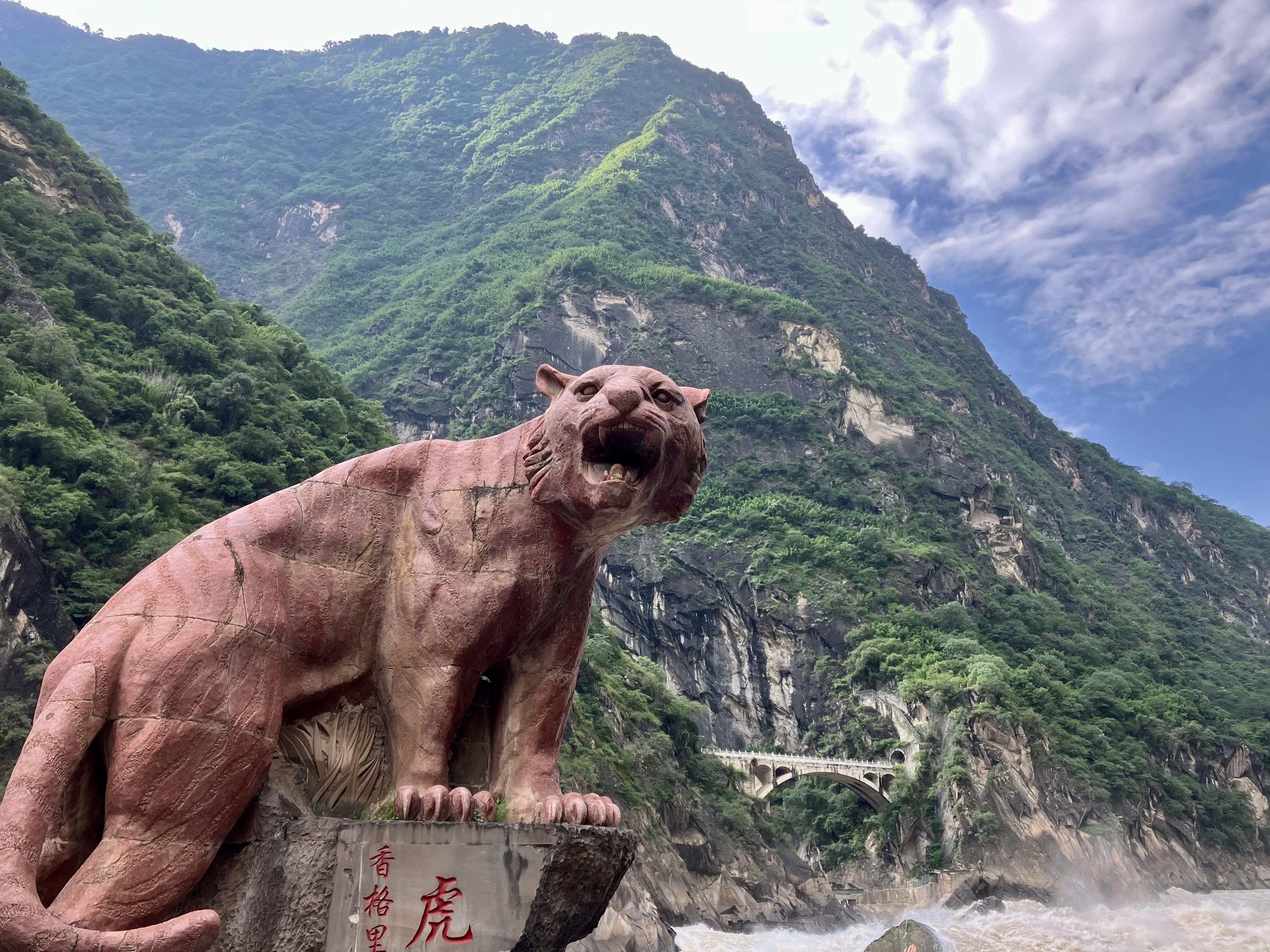
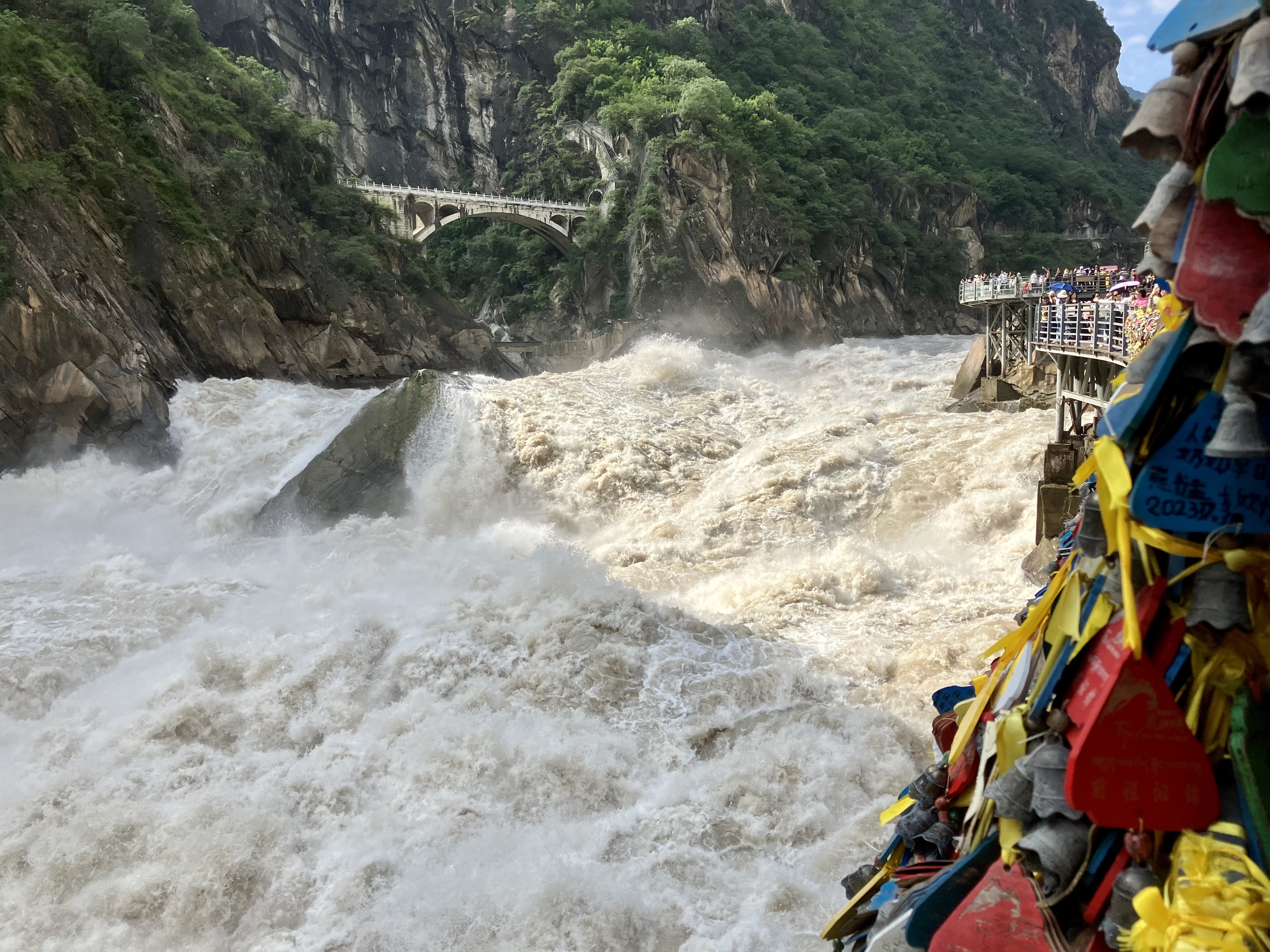
A 2-3 hour drive takes us to the famous Tiger Leaping Gorge. A four-hour trek leads us along breathtaking landscapes: impressive gorges stretching over 16 kilometers, with cliffs reaching heights of nearly 3,900 meters and a roaring river far below. Here, the water isn’t gentle; it squeezes through such narrow passages that the flow rate can reach 2,000 cubic meters per second. Raw power.
Legend has it that a tiger once leapt from one side to the other to escape a hunter… Honestly, I believe it’s just a legend 😉.
The hike is beautiful but not without challenges: in some spots, the trails are so narrow (less than a meter wide!) that I hold Matteo tightly by my side. In the evening, we settle in for a night in the middle of the gorge. Our only companions? The distant murmur of the river and the mysterious rustling of animals nearby. We truly feel far away, at the edge of the world.



Shangri-La: At the gates of Tibet
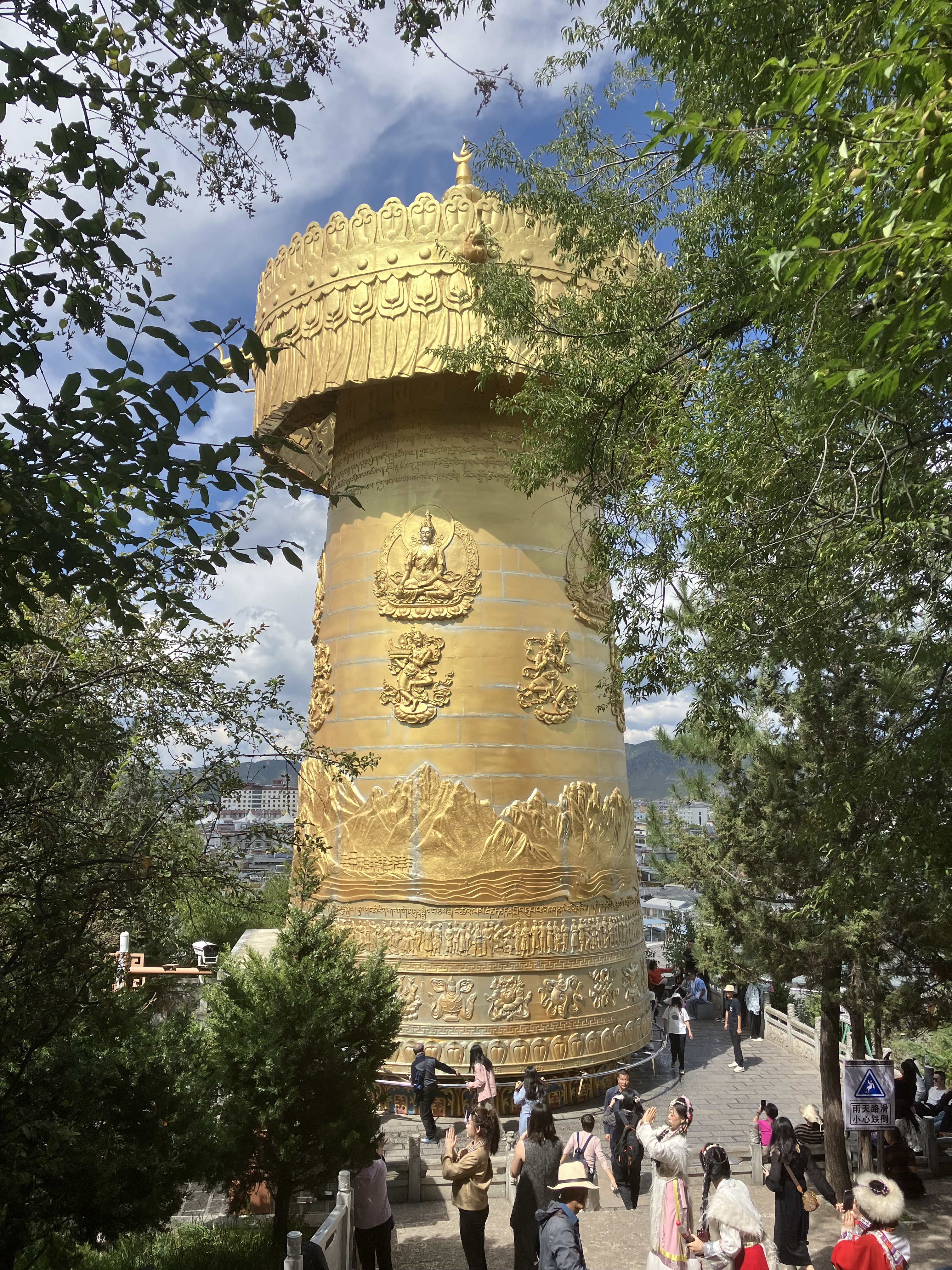
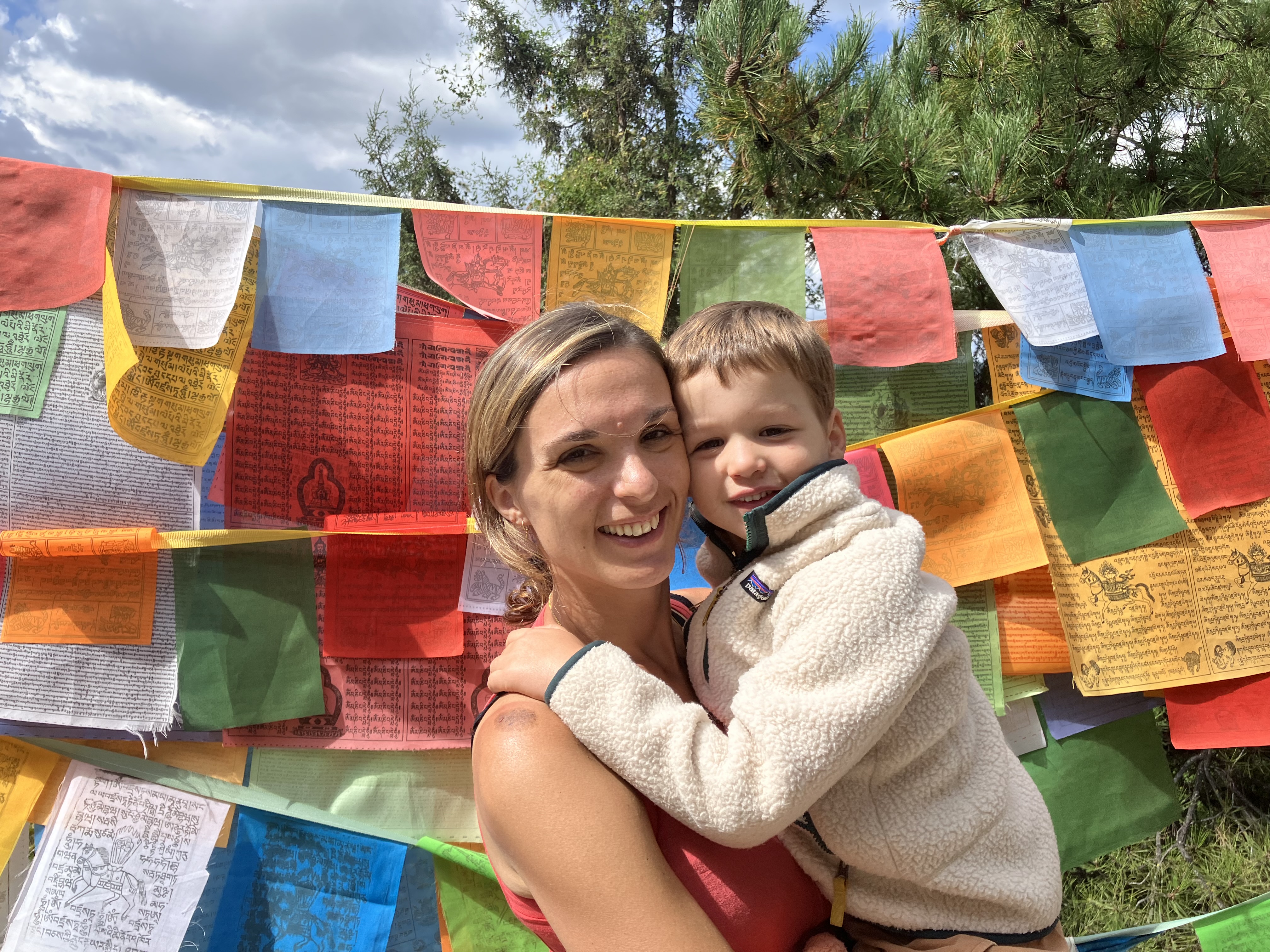
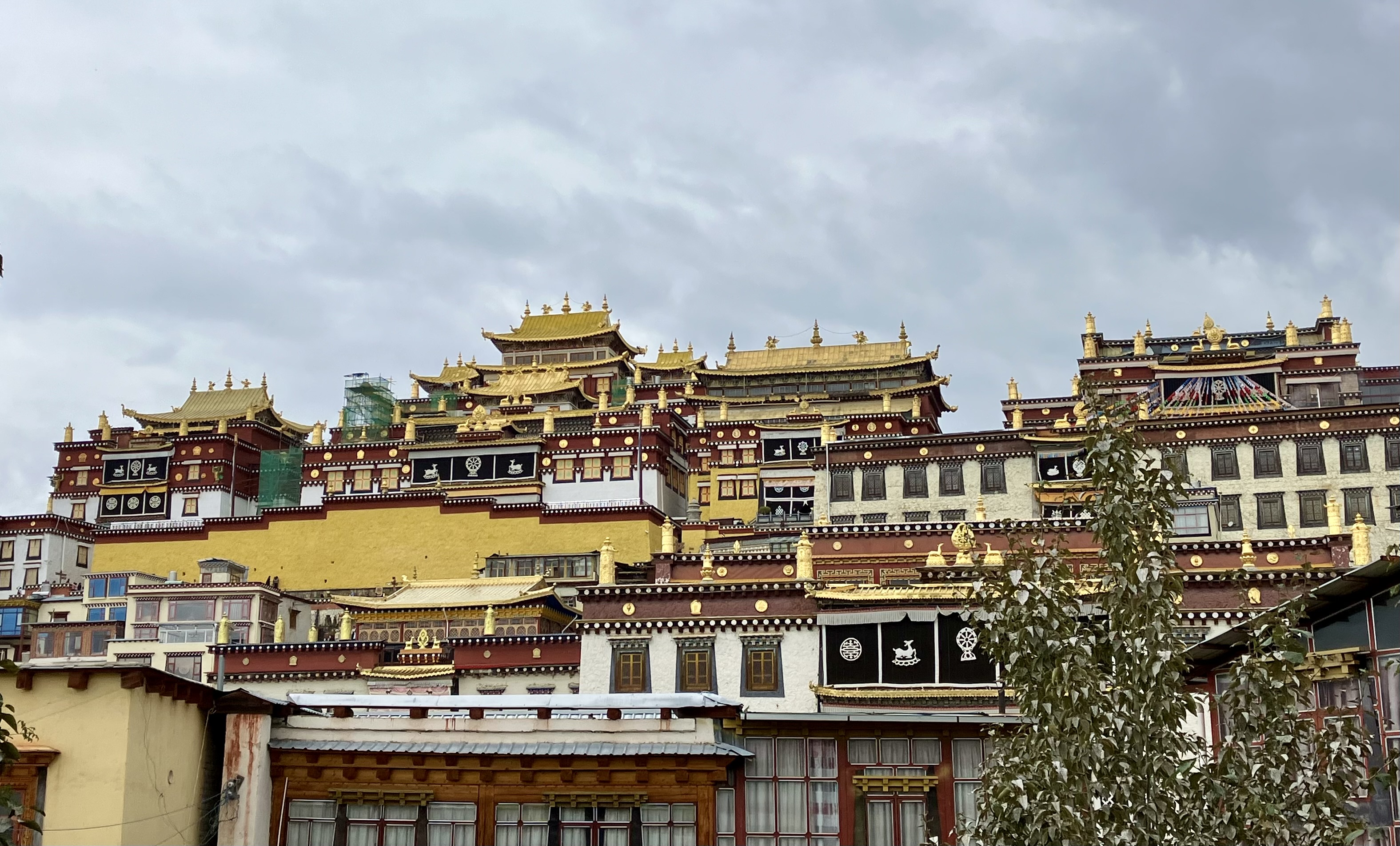
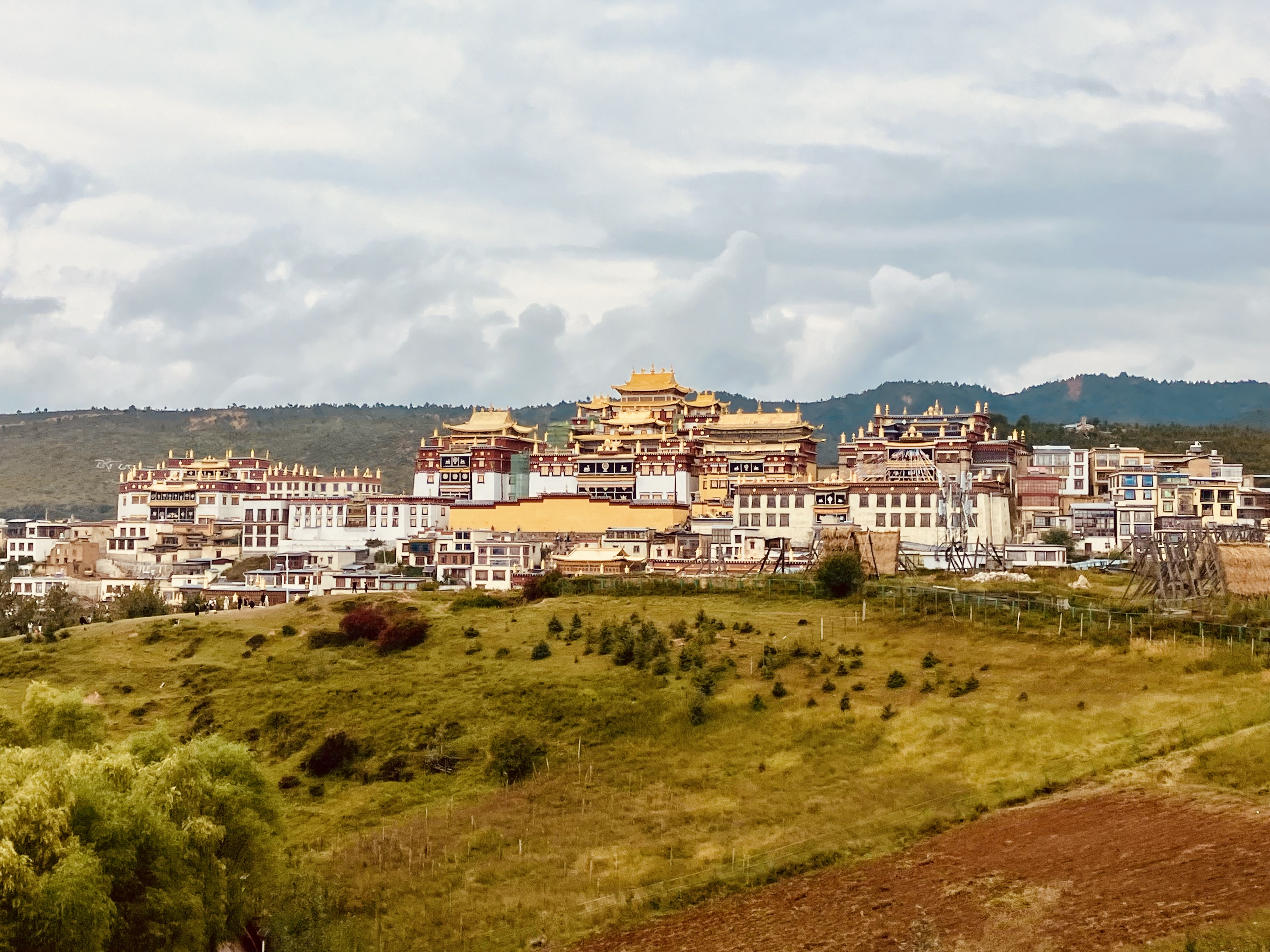
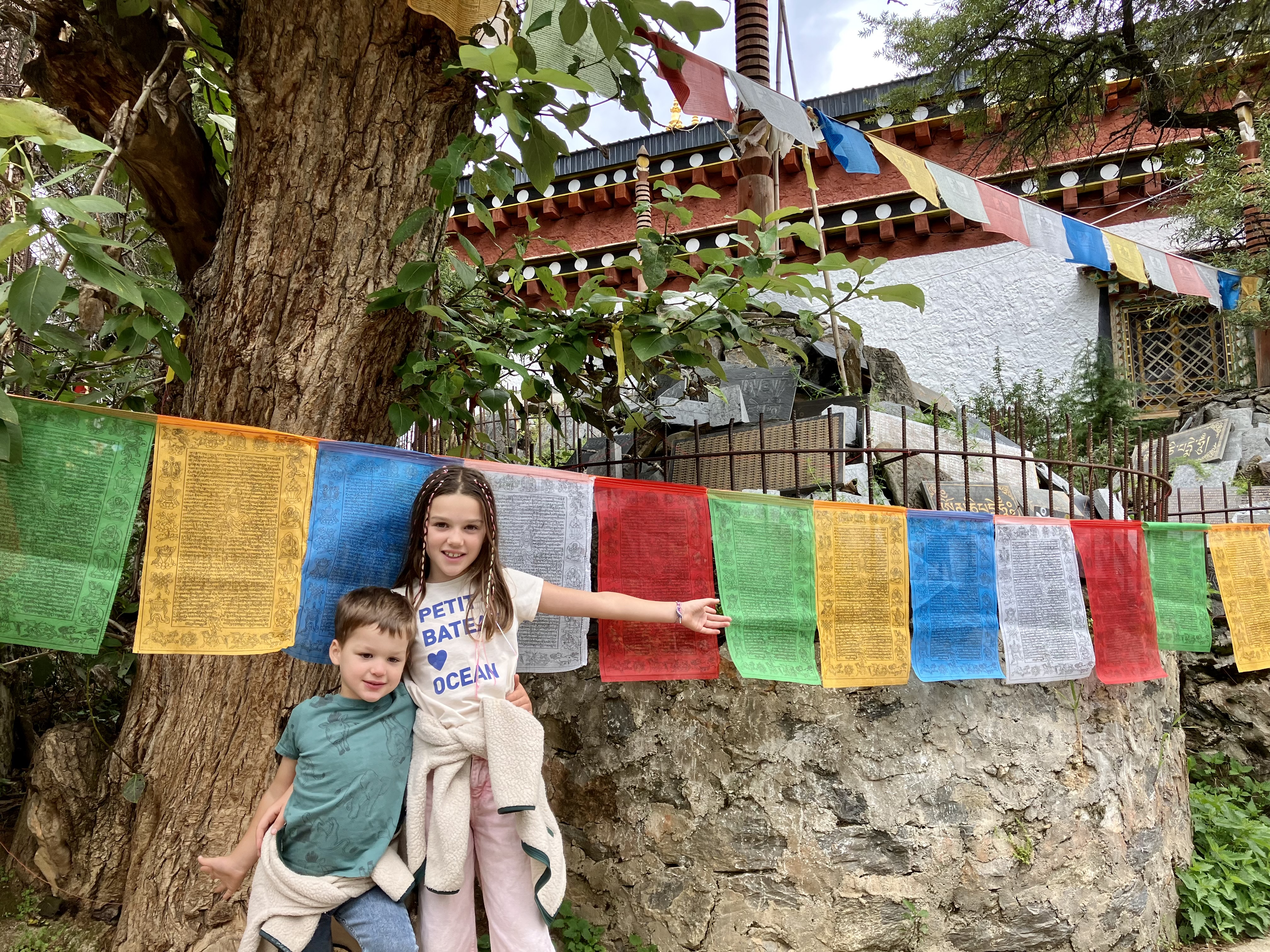
Next, we head to Shangri-La, a city that marks our first step into the Tibetan world. Arriving here, we feel as though we’ve stepped into another universe. The landscape changes: Buddhist monasteries are everywhere, prayer flags flutter in the wind, and the atmosphere becomes instantly more spiritual.
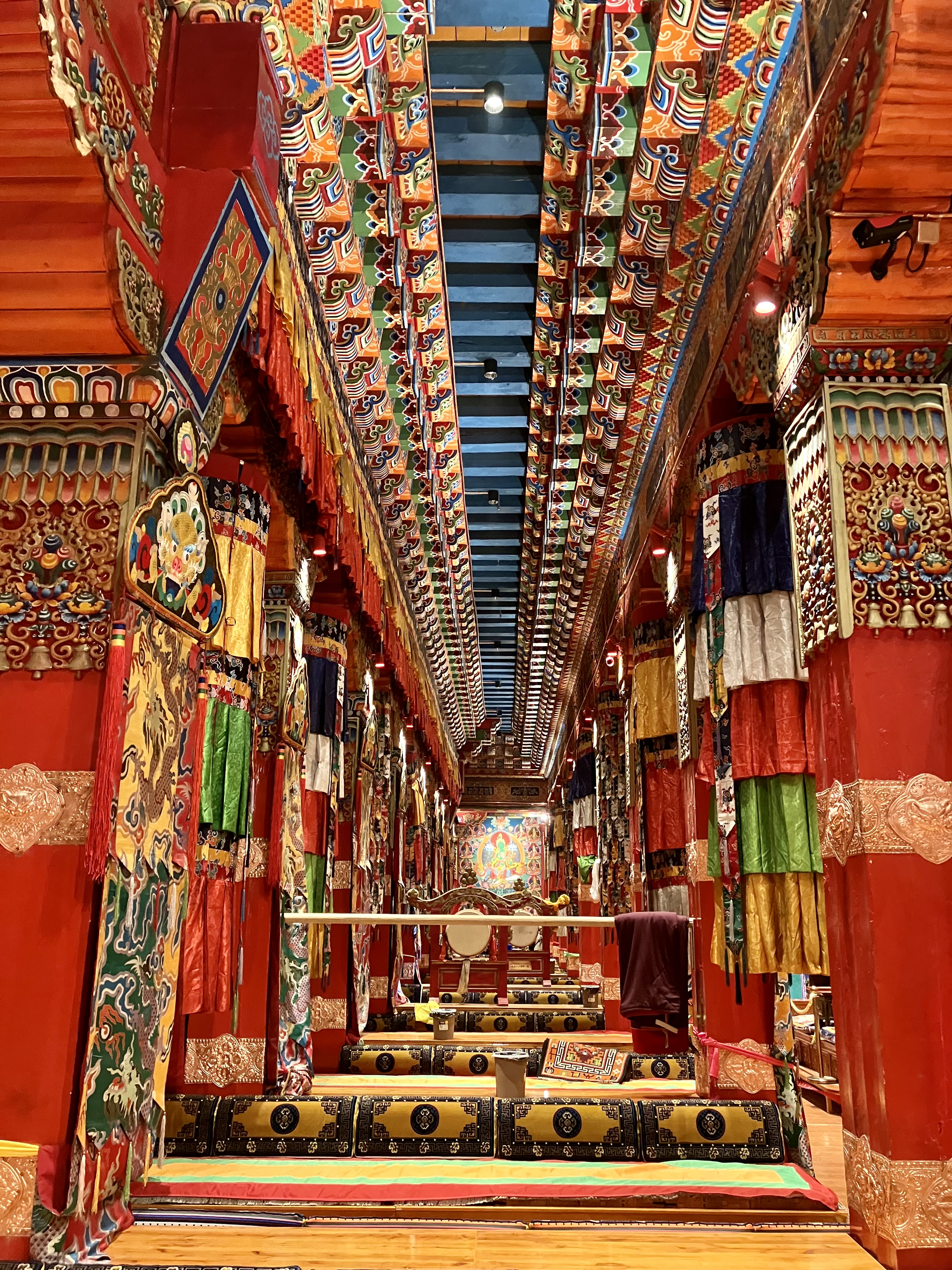
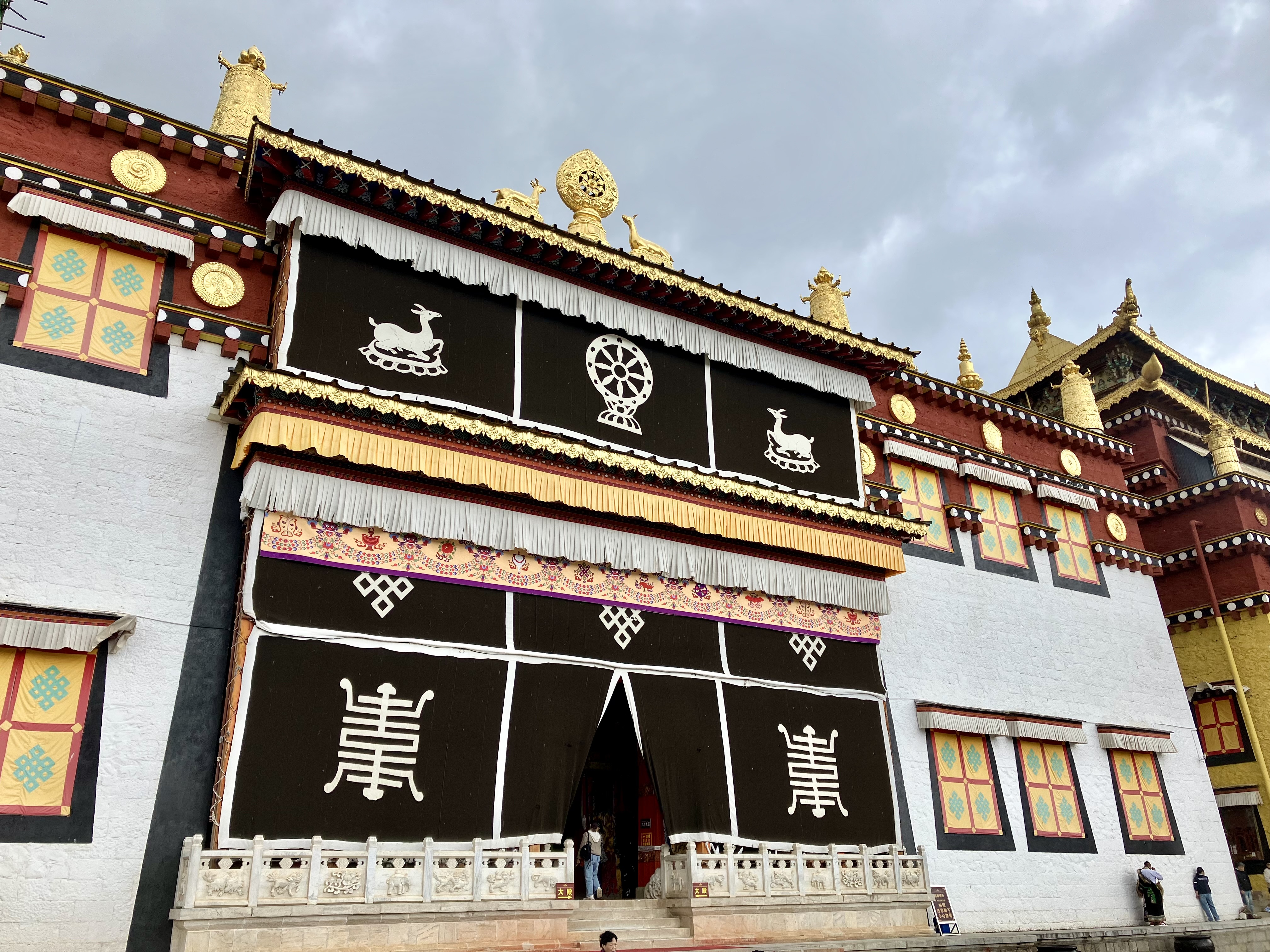
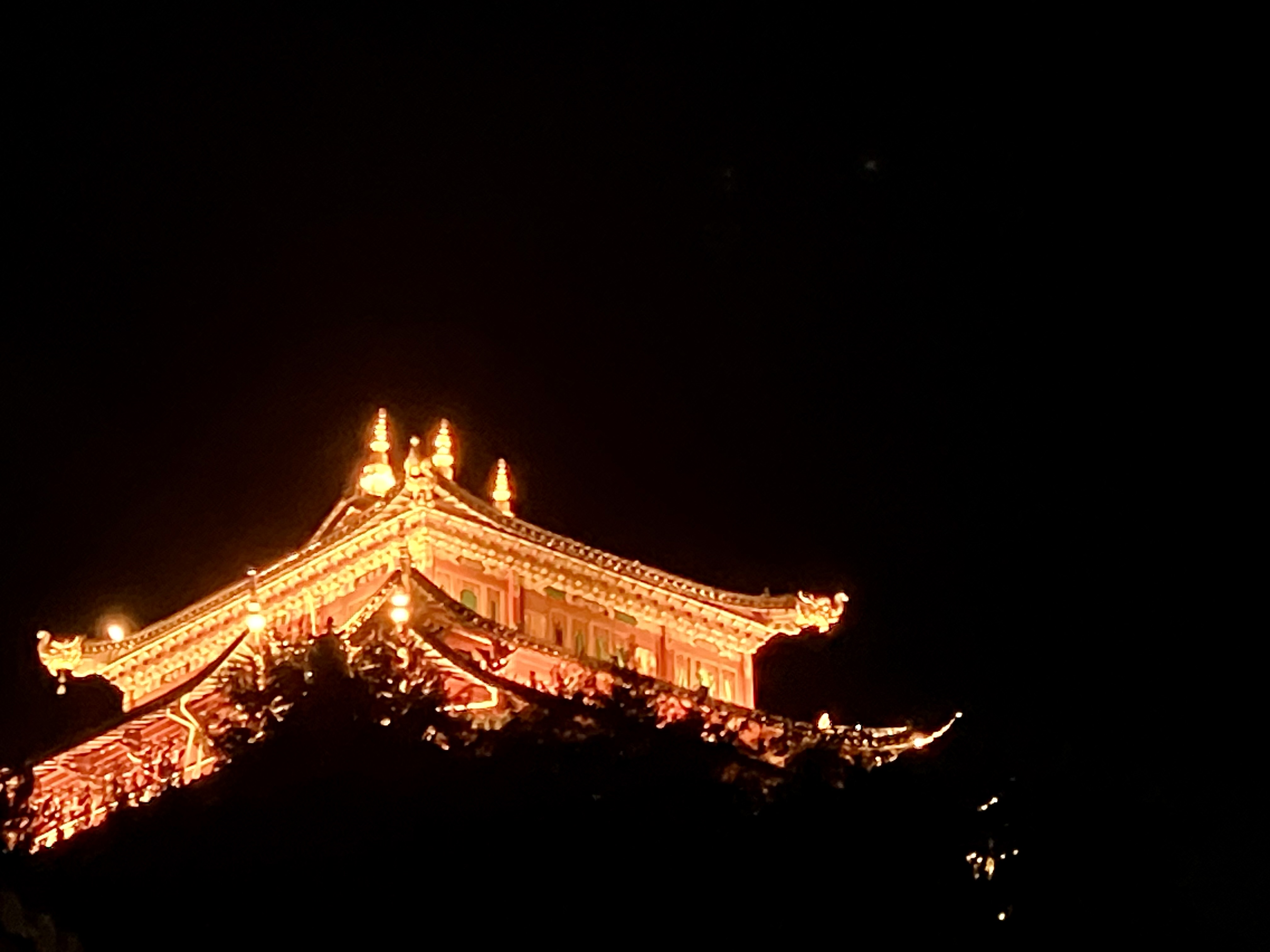
The Songzanlin Monastery, nicknamed the “Little Potala,” is a must-see. It’s the largest Tibetan monastery in the region, founded in the 17th century. Visiting this place feels like standing at the very gates of Tibet: the architecture is stunning, and the monks’ chants echo through the halls. The nickname “Little Potala” might be a bit of an exaggeration, but we won’t complain — the view is breathtaking, the atmosphere serene, and the meditative gaze of the monks adds a touch of magic.
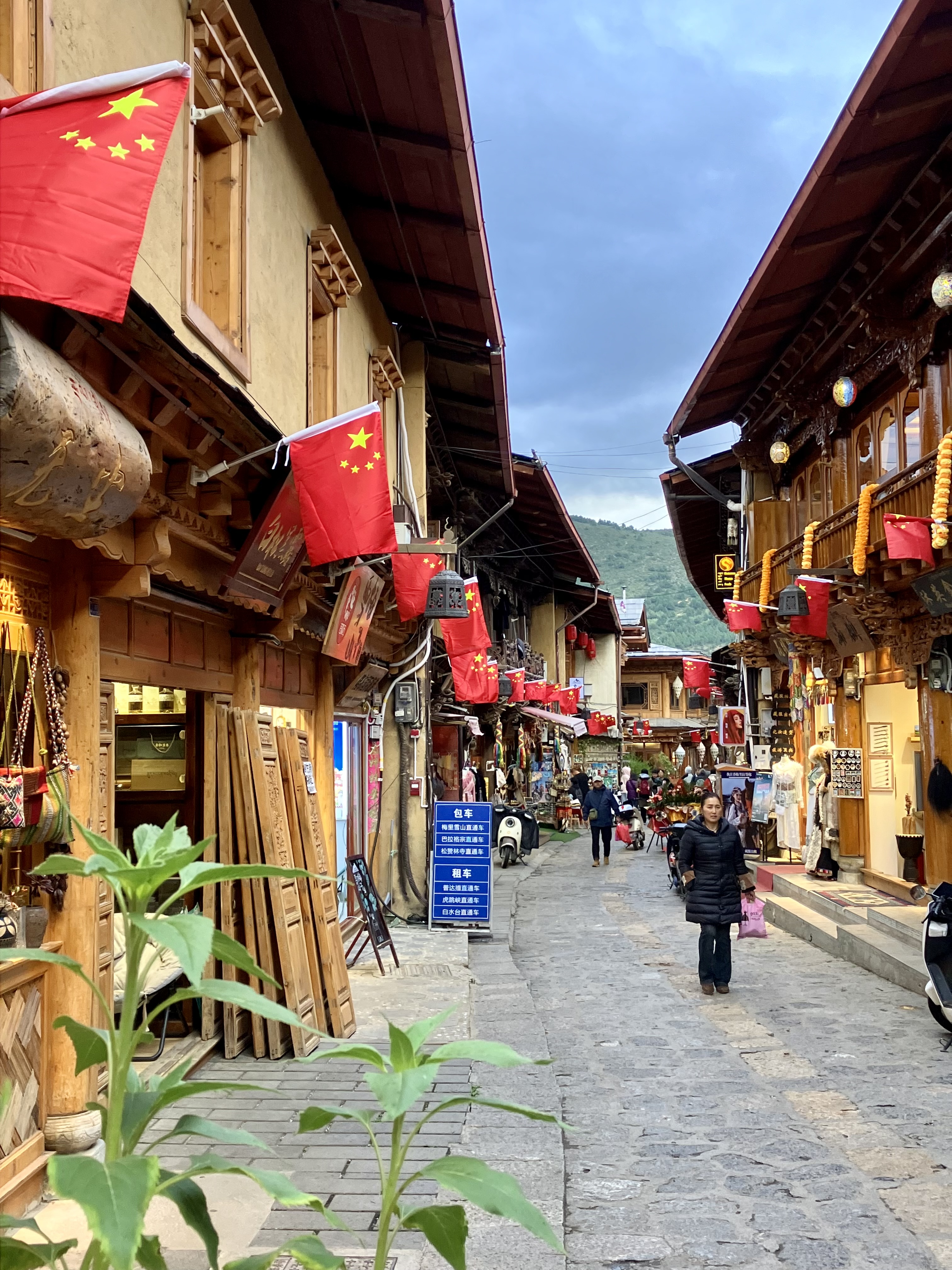
The alleys of Shangri-La’s old town wind around wooden houses and small shops. As often happens in China, spirituality and commerce go hand in hand. Let’s be honest, everything is carefully set up for Chinese tourists seeking zen and exoticism. We wander among stalls selling colorful fabrics and Buddhist statues, each claiming to offer the “real” Tibet. But the true Tibet lies hidden behind the mountains, well-protected under the watchful eye of Beijing. And if you want to visit it, you need a special permit… issued by China, of course.
In the evening, the cold sets in quickly. We’re at an altitude of 3,200 meters in a semi-arid region, where icy nights follow sunny days. But despite everything, we enjoyed Shangri-La. It’s a stage set, a carefully orchestrated introduction to the Tibetan world, yet it leaves us yearning to go further, to dive deeper into these mountains. Maybe next time…



On the tea and horse road: Shaxi
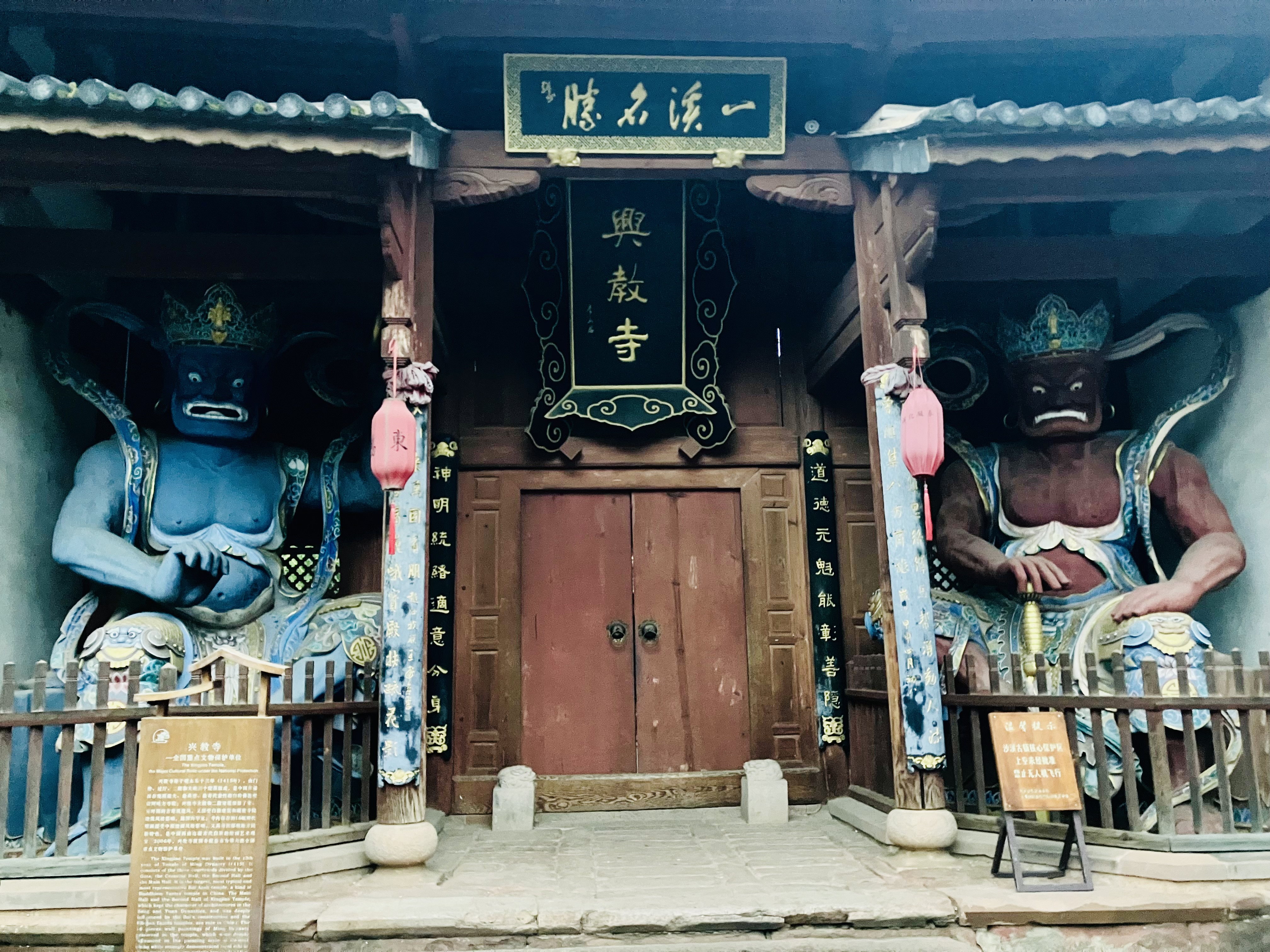
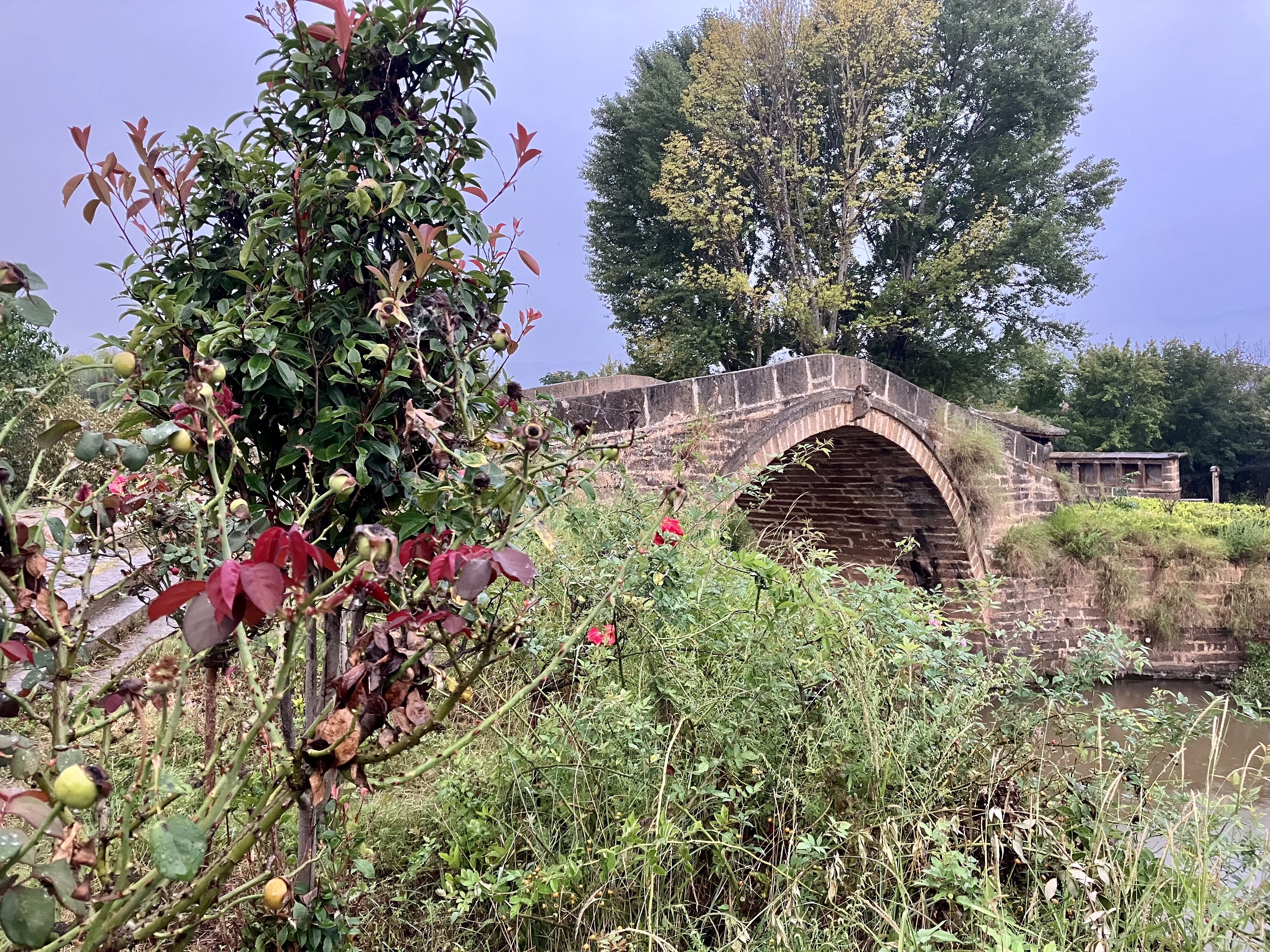
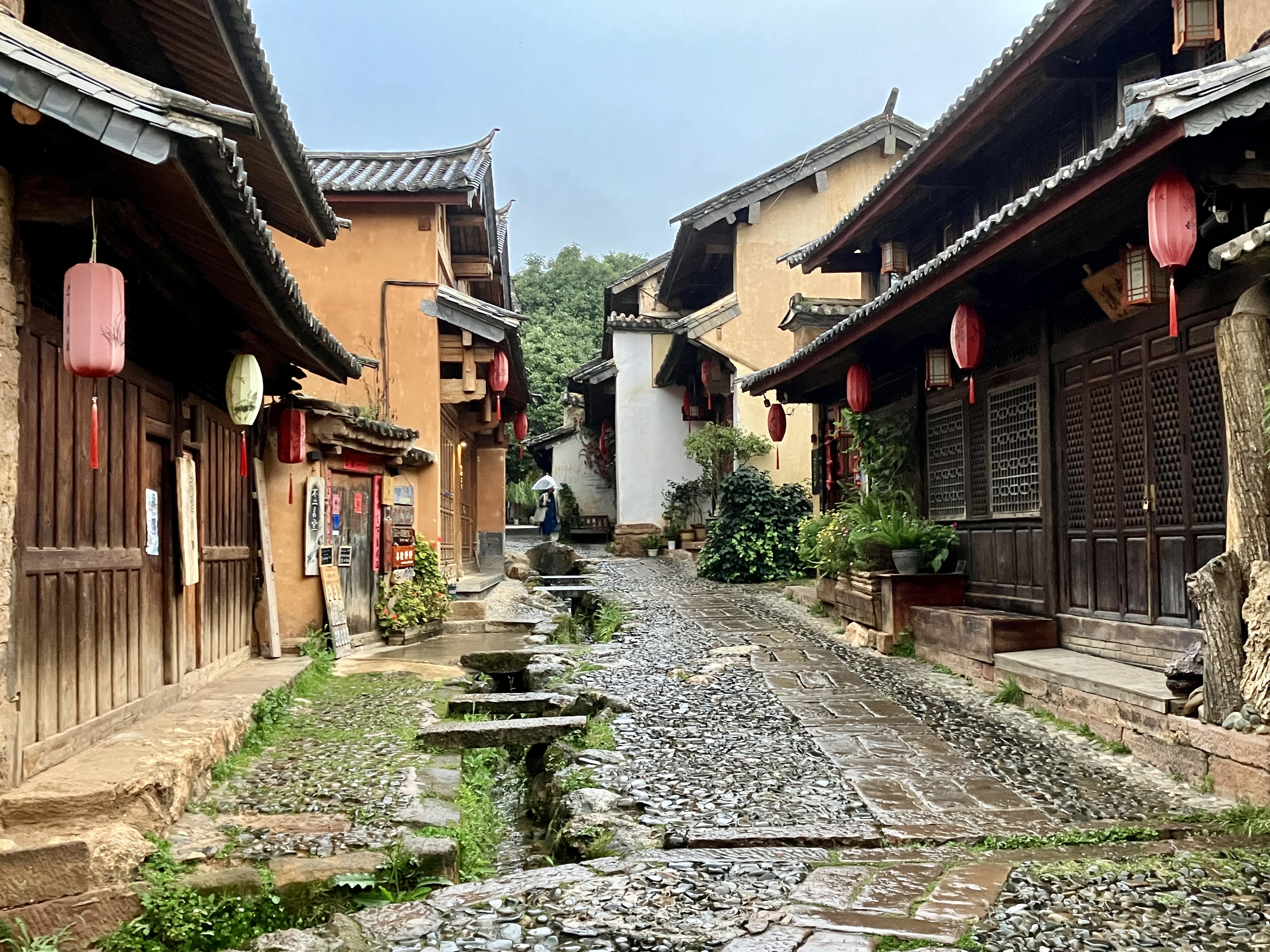
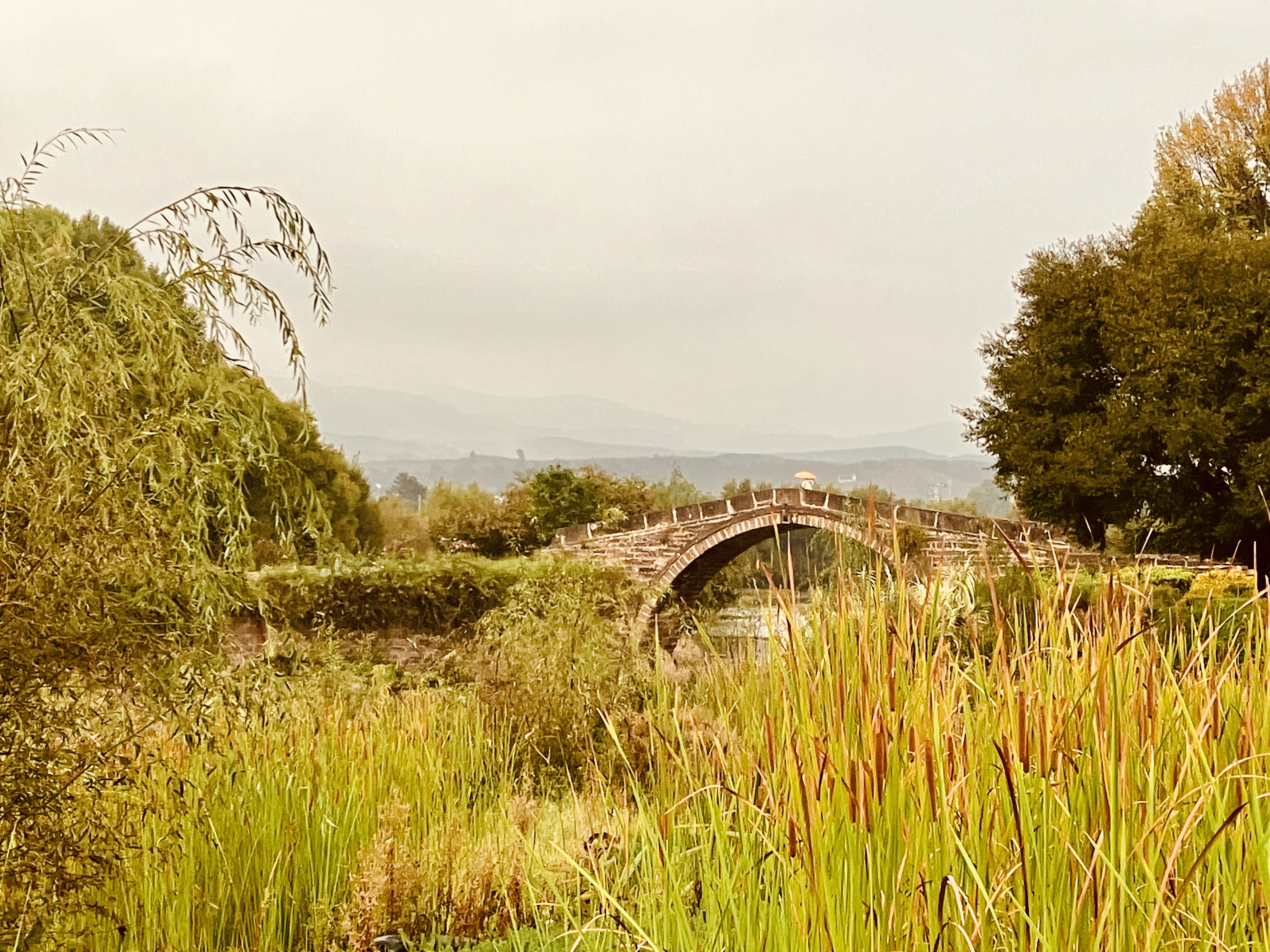
On our way to Dali, we stop for a night in Shaxi, an ancient village on the Tea and Horse Road. This place is a perfect example of what China can do: twenty years ago, the village was in ruins, forgotten by everyone. But the government decided to play the nostalgia card and invested heavily to renovate everything. And guess who came to lend a hand? The Swiss! Thanks to the expertise of ETH Zurich, Shaxi has regained its former glory.
Today, it’s a small gem, a timeless escape with its cobbled streets and perfectly restored traditional houses. The atmosphere is calm and serene, as if the village had been frozen in a distant time. We wander the streets, breathing in the history… and savoring this moment of peace before diving back into the frantic pace of modern China.

Dali and Kunming: the circle is complete
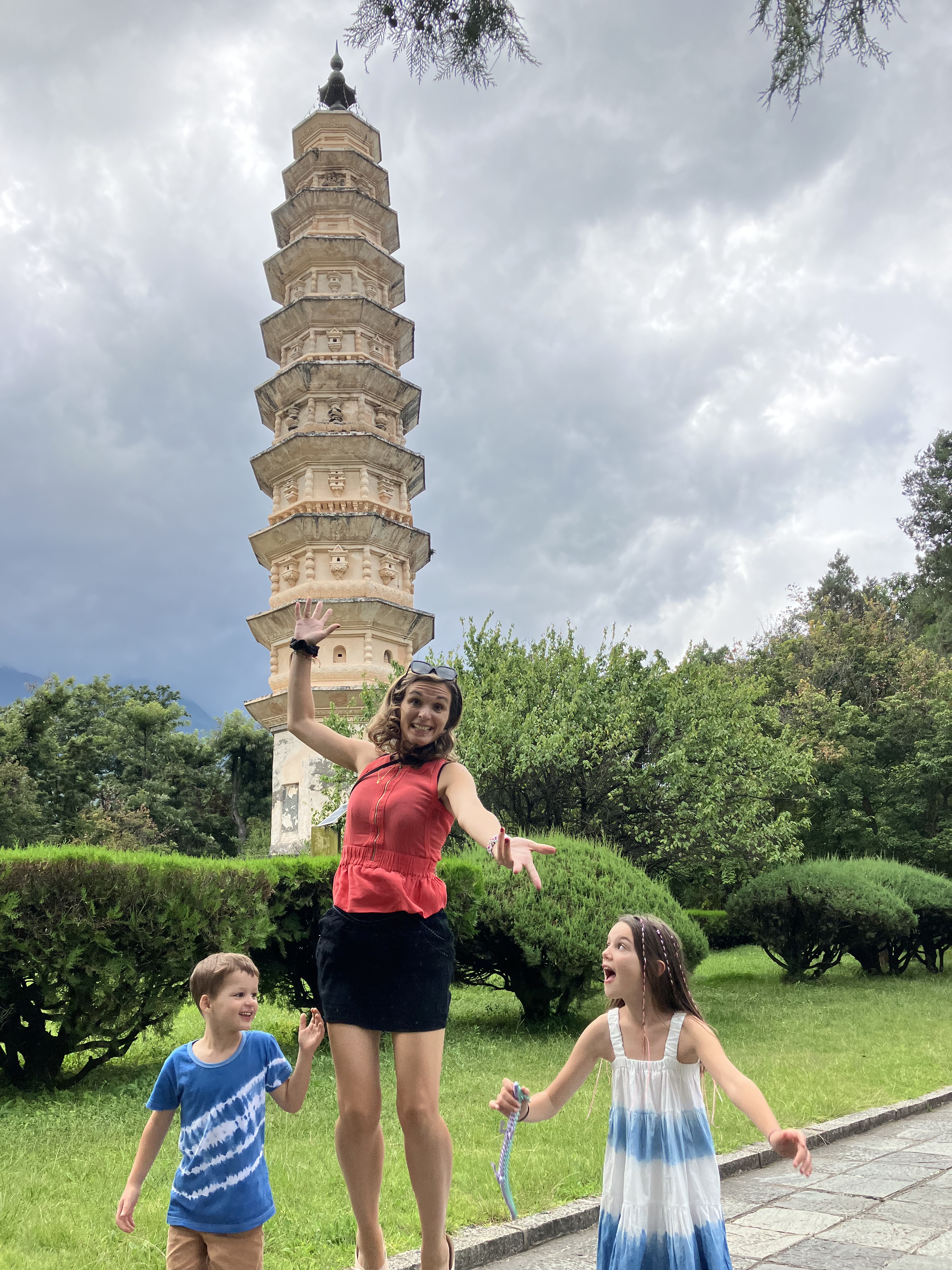
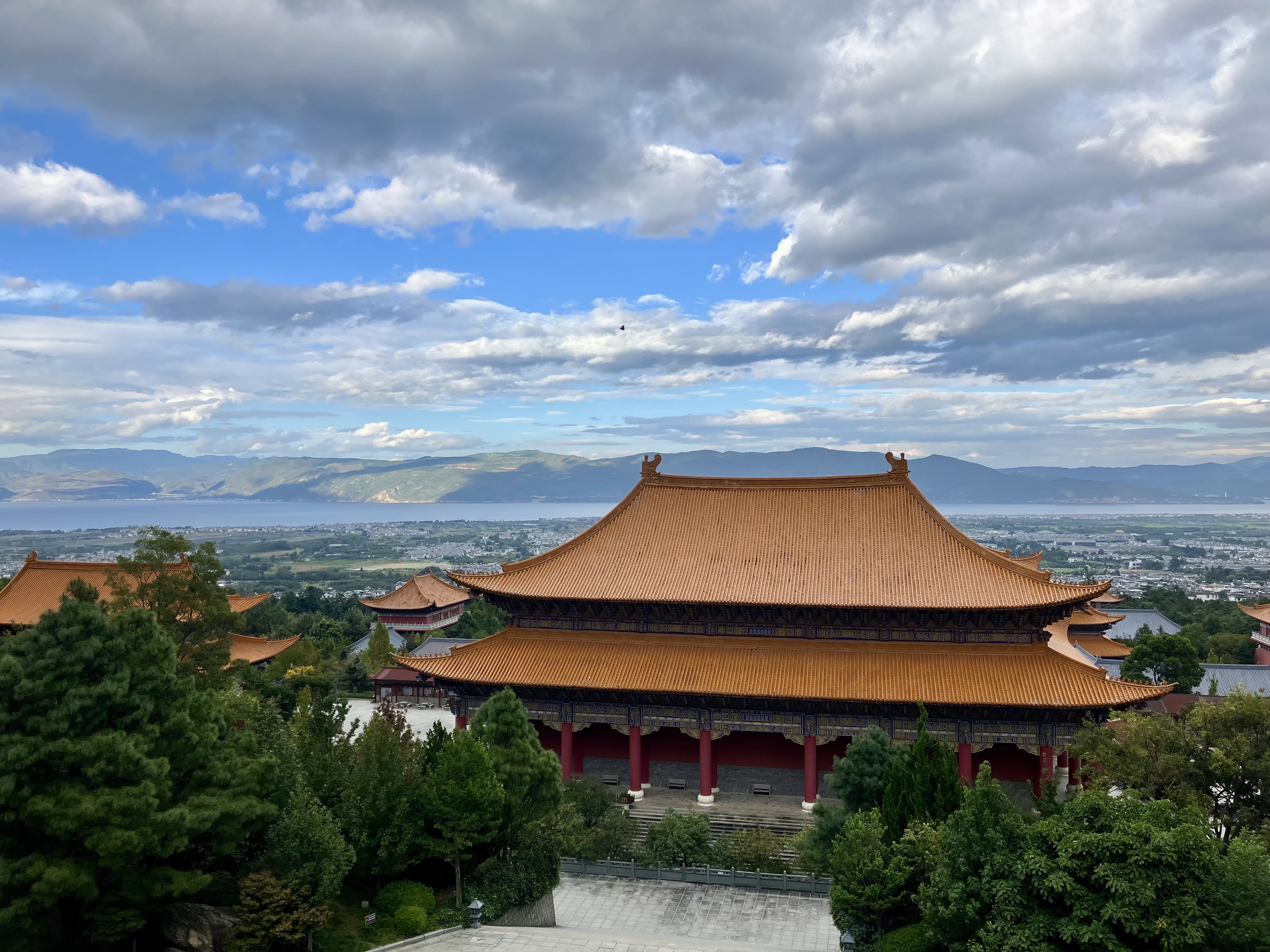
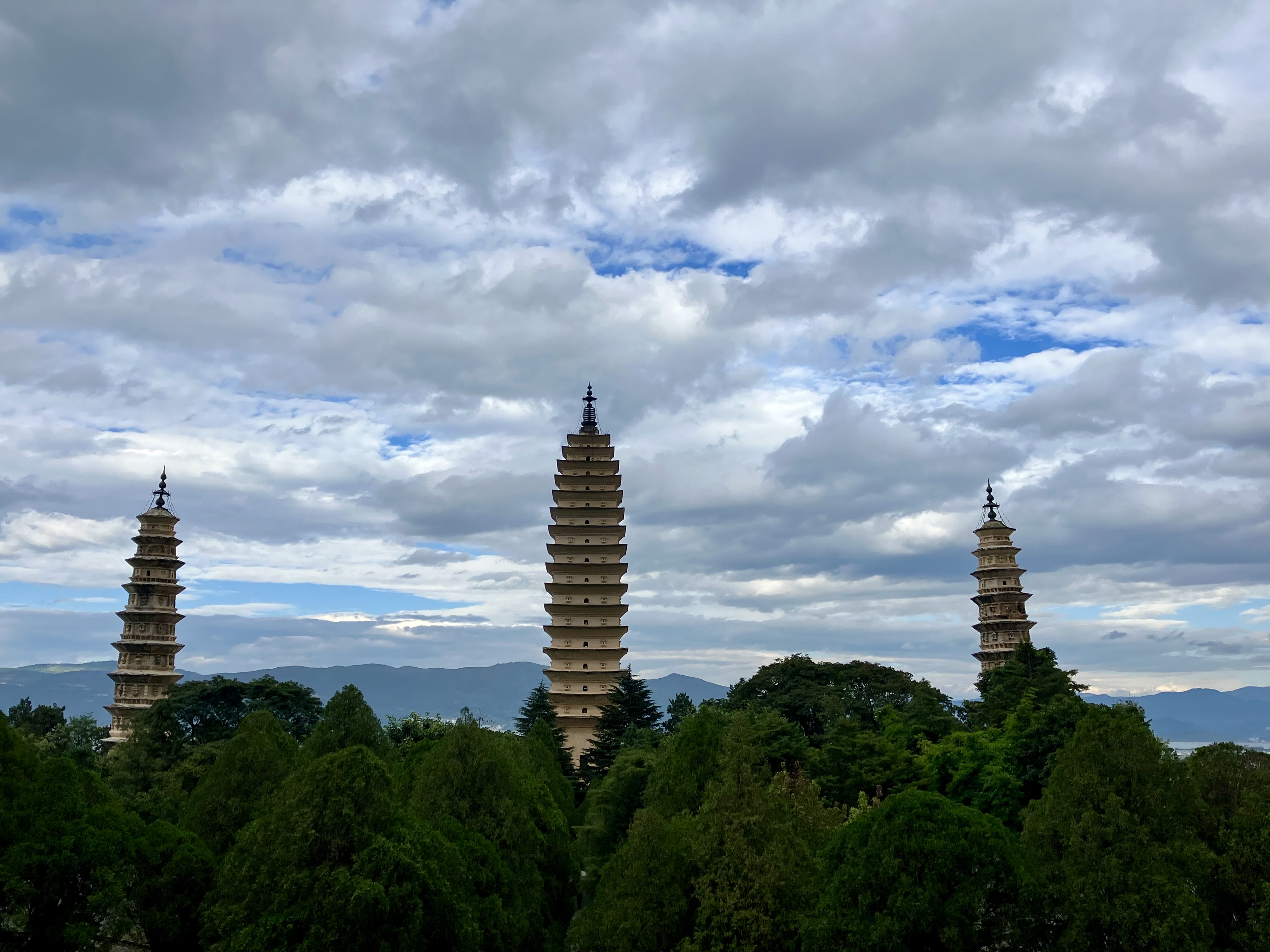
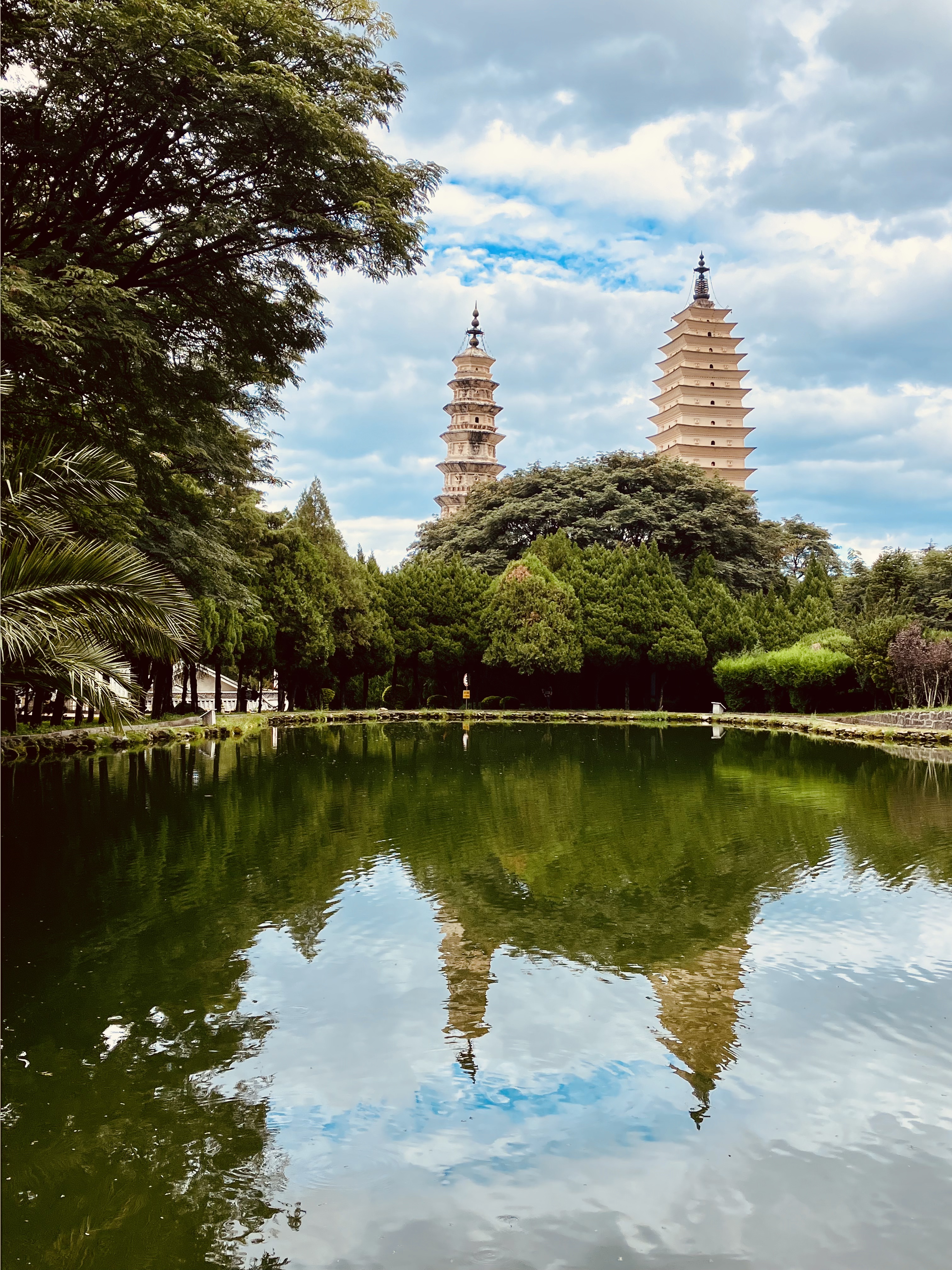
Our adventure in Yunnan ends with two contrasting stops: Dali and Kunming, the capital of Yunnan. Dali, once a haven for backpackers, has little in common with its bohemian past. Today, it’s a standard Chinese city, filled with shops and restaurants where vendors try to grab your attention with megaphones. Despite the hustle and bustle, the pedestrian area, which is quite large, invites leisurely walks. Still, the charm didn’t quite work on us. One exception, however, and a big one: the famous Three Pagodas and their historic site. The majestic pagodas have stood proudly for over a thousand years. The entire site has a bit of a miniature Forbidden City vibe. Seeing the pagodas reflected in the pond is a mesmerizing sight. For this experience alone, Dali is worth the detour.

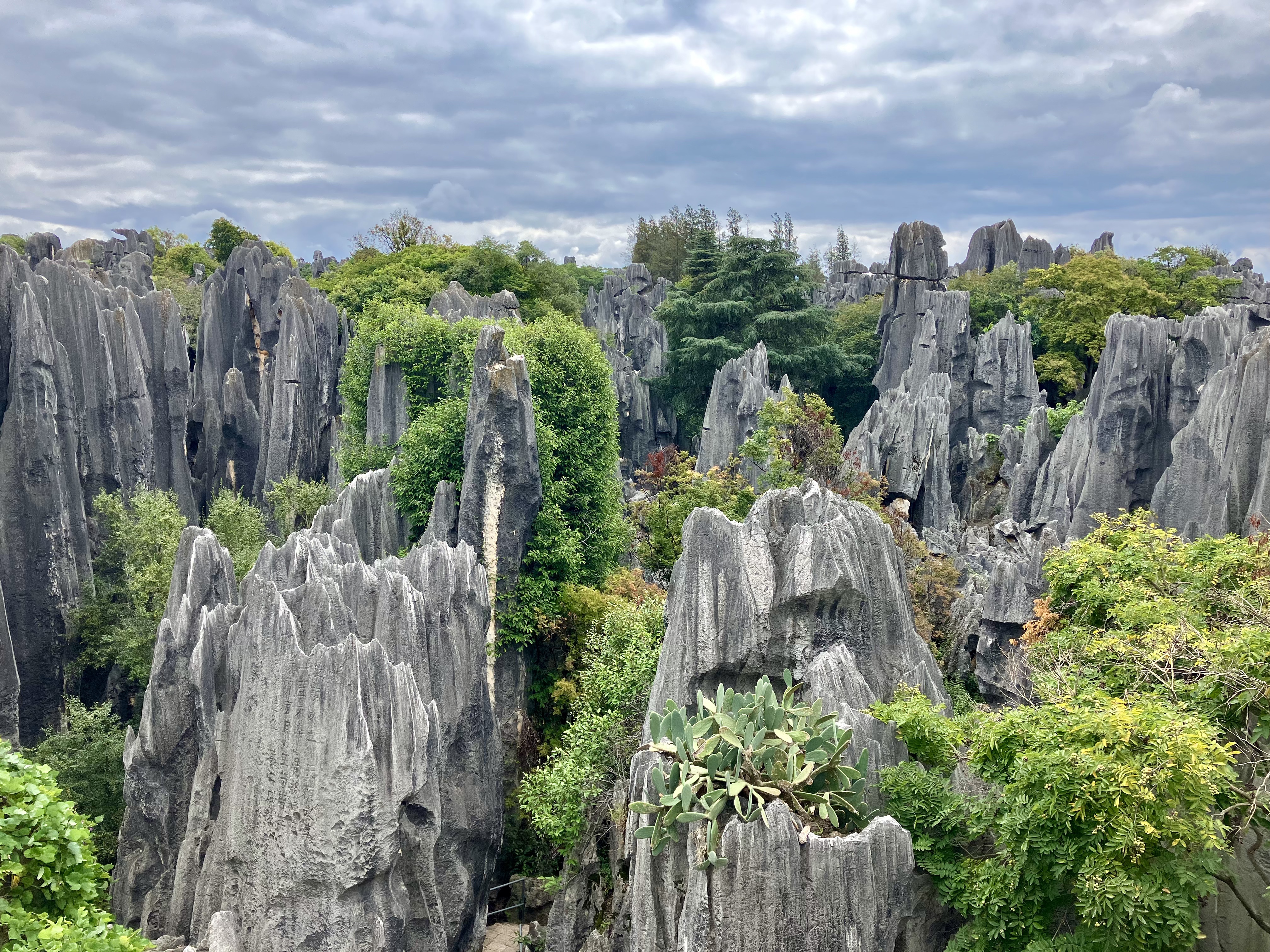
Next, we head to Kunming, our last stop before closing the circle. Kunming is a loud, bustling Chinese metropolis, a little overwhelming, and not exactly known for must-see attractions. To be honest, we even took the opportunity to visit the zoo… probably the most dilapidated zoo we’ve ever seen. You guessed it: Kunming is unlikely to leave an unforgettable impression on us, but it has a nice surprise two hours away: the Stone Forest (Shilin), a UNESCO World Heritage site. These incredible rock formations rise from the ground like petrified trees. From a distance, it’s already impressive, but it’s only when you’re inside, weaving through narrow passages where you sometimes have to bend down, that you truly experience the magic of the place. It’s spectacular, strange, and almost surreal.

We end our journey with the feeling that we’ve explored a beautiful variety of faces of Yunnan: from sacred mountains to ancient villages, through the hustle and bustle of the big cities. The circle is complete… for now.

And that’s it for this post! If you’ve made it this far, congratulations!
Next week, the 3rd and final chapter of our adventure in China will take you to the heart of the taxi driver’s life, introduce you to the Guangxi region and the city of Shanghai, with a fascinating conversation with a Chinese couple about their situation in China as the highlight.
See you soon!



Leave a Reply